

Slovenia Independence Day is a cornerstone of national pride. Observed every year, this public holiday honors the country’s official declaration of independence from Yugoslavia. It is a time when citizens reflect on their history, celebrate their sovereignty, and look forward to a bright future.
In 2026, the celebration of Slovenia Independence Day takes on special meaning. It marks another milestone in the nation’s journey of self-determination. Slovenians gather to honor their shared cultural heritage and strong European identity. The day provides an opportunity to reflect on the sacrifices made to secure a democratic society.
You will find nationwide celebrations taking place across Slovenia on this historic date. Citizens engage in solemn commemorations and joyful public festivities. From local community gatherings to large government ceremonies, the spirit of independence is visible everywhere.
What Is Slovenia Independence Day?
Meaning of Slovenia Independence Day
Slovenia Independence Day commemorates the country’s successful departure from Yugoslavia. It represents the realization of a long-held dream for a sovereign, self-governing nation. The holiday honors the courage of the Slovenian people who stood united for their democratic rights.
When Slovenia Independence Day Is Celebrated
Slovenians celebrate Independence Day annually on June 25. This date is a national public holiday. Schools, businesses, and government offices close so citizens can participate in the festivities.
Why the Holiday Is Important
The holiday serves as a vital reminder of national identity and democracy. It reinforces the principles of self-determination that founded the modern Slovenian state. Celebrating this day ensures that future generations understand the value of their freedom.
The History of Slovenia Independence Day
Slovenia Before Independence
For decades, Slovenia was a republic within the Socialist Federal Republic of Yugoslavia. It possessed a distinct language and culture, along with a relatively strong economy. Over time, political differences and economic disagreements grew between Slovenia and the central Yugoslav government.
The Slovenian Independence Movement
During the 1980s, a strong movement for democratization emerged in Slovenia. Intellectuals, cultural leaders, and citizens began demanding political reforms. They wanted greater autonomy, human rights protections, and an eventual transition to a multi-party democratic system.
Declaration of Independence in 1991
On June 25, 1991, the Slovenian parliament officially adopted the Declaration of Independence. This bold legislative act established Slovenia as a sovereign state. The declaration followed a national plebiscite where an overwhelming majority of voters chose independence.
The Ten-Day War and International Recognition
The Yugoslav central government immediately opposed the declaration. This opposition led to the Ten-Day War, a brief armed conflict. Slovenian defense forces successfully protected their new borders. Shortly after the conflict ended, European nations and the global community officially recognized Slovenia as an independent country.
Why Slovenia Independence Day Matters in 2026
Celebrating National Sovereignty and Democracy
In 2026, the holiday highlights the enduring success of Slovenian democracy. The nation has built a stable, prosperous society over the decades. Citizens use this day to reaffirm their commitment to civic duty and democratic values.
Honoring Slovenian Culture and Heritage
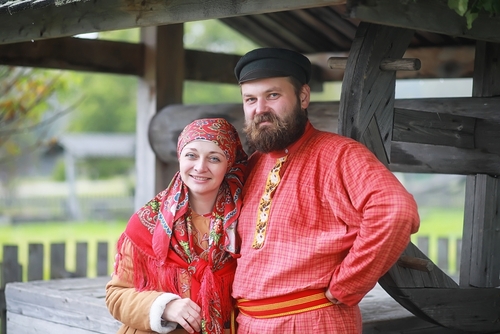
Independence allowed Slovenia to fully embrace and promote its unique culture. The holiday celebrates the Slovenian language, customs, and artistic achievements. National pride shines through traditional clothing, music, and community events.
Reflecting on Slovenia’s Modern Development
Slovenia has achieved remarkable economic growth and international integration since 1991. The country is a proud member of the European Union and NATO. The 2026 celebrations acknowledge these milestones and the nation’s strong presence on the global stage.
How Slovenia Independence Day Is Celebrated
Official Government Ceremonies
The Slovenian government hosts official ceremonies in the capital city, Ljubljana. State leaders deliver speeches honoring the architects of independence. Flag-raising ceremonies and wreath-laying events pay respect to those who defended the nation.
Concerts and Cultural Performances
Cultural institutions organize special performances across the country. Choirs sing patriotic songs, and orchestras perform pieces by renowned Slovenian composers. Dance troupes showcase traditional folk dances in public squares.
Fireworks and Public Festivities
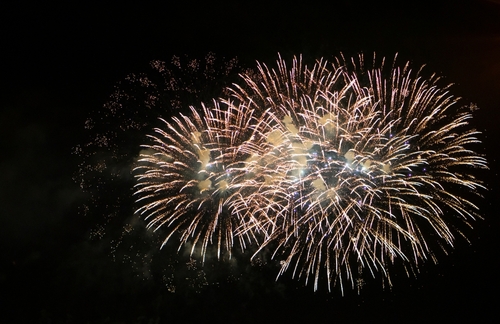
As evening falls on June 25, colorful fireworks light up the skies over major cities. Public squares fill with citizens enjoying live music, food stalls, and entertainment. The atmosphere is highly festive and welcoming.
Community and Family Gatherings
Many Slovenians celebrate closer to home. Families gather for festive meals featuring traditional foods. Local communities organize parades, sports tournaments, and neighborhood picnics to observe the holiday together.
Slovenian Culture and Traditions
Slovenian Language and Identity
The Slovenian language is a central pillar of the nation’s identity. Preserving the language was a key motivation for independence. The holiday emphasizes the beauty of Slovenian literature, poetry, and everyday speech.
Traditional Slovenian Food
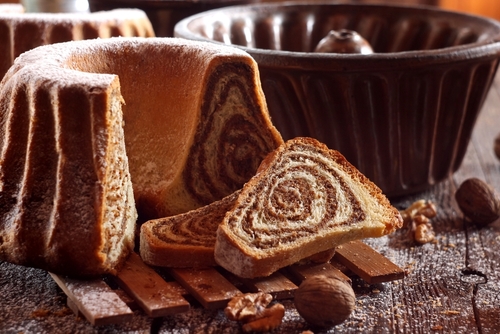
Food plays a massive role in the celebrations. Families bake potica, a traditional nut roll pastry that signifies festive occasions. Meals often feature regional specialties like Carniolan sausage, hearty dumplings, and locally produced wines.
Folk Music and Dance
Folk traditions remain highly popular. Accordion music frequently accompanies independence celebrations. People dress in traditional Alpine clothing and perform lively folk dances that vary by region.
Slovenia’s Natural Landscapes and Outdoor Culture
Slovenians deeply value their natural environment. The country is famous for its pristine Alpine mountains, emerald-green rivers, and dense forests. Many citizens spend Independence Day hiking, cycling, or enjoying nature with their families.
Slovenia Independence Day Celebrations in the United States
Slovenian American Communities
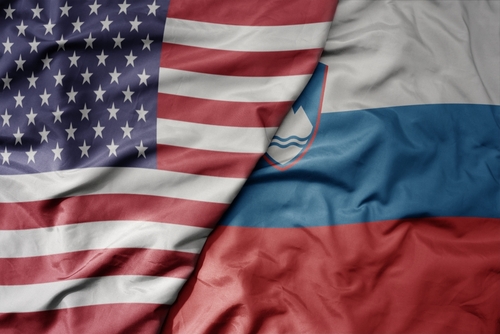
The United States is home to a vibrant Slovenian diaspora. Cities with large Slovenian American populations, like Cleveland, Ohio, host their own Independence Day events. These communities maintain strong ties to their ancestral homeland.
Community Events and Educational Programs
Slovenian cultural centers and churches organize heritage festivals around June 25. These events feature traditional music, food sales, and historical exhibits. Educational programs teach younger generations about Slovenia’s path to independence.
Preserving Slovenian Heritage Across Generations
Slovenian Americans work hard to keep their traditions alive. Language classes, cooking workshops, and folk dance groups operate year-round. Independence Day serves as an annual focal point for these cultural preservation efforts.
Famous Symbols and Places Associated With Slovenia
The Slovenian Flag and Coat of Arms
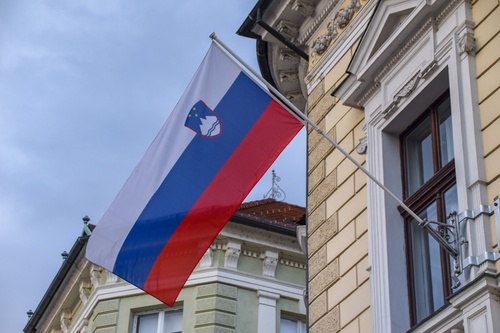
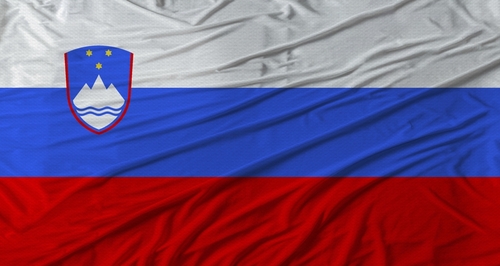
The national flag features three horizontal bands of white, blue, and red. The national coat of arms sits in the upper left corner. The coat of arms depicts Mount Triglav, three golden stars, and wavy blue lines representing the sea and rivers.
Ljubljana and National Celebrations
Ljubljana is the political and cultural heart of Slovenia. The city’s historic squares and bridges provide a stunning backdrop for Independence Day events. The national parliament building and Congress Square host the most significant official ceremonies.
Triglav and National Identity
Mount Triglav is the highest peak in Slovenia. It is a powerful symbol of the nation’s endurance and natural beauty. Climbing Triglav is considered a rite of passage for many Slovenians, and its image is deeply tied to the country’s independence.
Ways to Celebrate Slovenia Independence Day 2026
Learn More About Slovenian History
You can celebrate by educating yourself about Slovenia’s rich past. Watch documentaries detailing the events of 1991. Read books by Slovenian authors or explore virtual exhibits from the National Museum of Slovenia.
Explore Slovenian Cuisine and Traditions
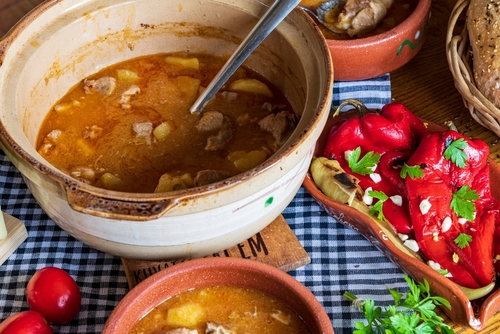
Bring the taste of Slovenia into your own home. Try baking a traditional potica or cooking a hearty Slovenian stew. Sharing these meals with friends and family is an excellent way to honor the holiday.
Attend European Cultural Festivals
Check your local community calendar for European heritage festivals in June. Many international cultural organizations host events celebrating Slovenian independence. Attending these festivals helps support cultural exchange and awareness.
Discover Slovenia’s Natural and Cultural Landmarks
If you plan to travel in 2026, consider visiting Slovenia. Experience the breathtaking beauty of Lake Bled, the historic streets of Ljubljana, and the stunning Postojna Cave. Tourism is a fantastic way to appreciate the country firsthand.
Slovenia in 2026: Cultural and National Conversations
Sustainability and Environmental Leadership
Slovenia is highly respected for its commitment to sustainability. The country promotes green tourism and strict environmental conservation. In 2026, Independence Day discussions often highlight the importance of protecting the nation’s natural heritage.
Slovenia’s Role in Europe
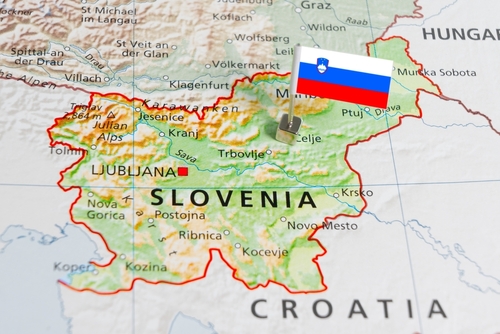
As a dedicated member of the European Union, Slovenia plays an active role in regional politics. The country bridges Western and Southeastern Europe. Independence celebrations emphasize cooperation, peace, and shared European values.
Balancing Tradition and Modernization
Slovenia successfully blends its deep historical roots with modern innovation. The country is a hub for technology and modern business practices. The national dialogue focuses on preserving unique cultural traditions while embracing global progress.
Frequently Asked Questions (FAQs)
When is Slovenia Independence Day 2026?
Slovenia Independence Day 2026 is celebrated on June 25.
What is Slovenia Independence Day?
It is Slovenia’s national holiday commemorating the country’s declaration of independence from Yugoslavia in 1991.
Why is June 25 important in Slovenia?
June 25 marks the official legislative declaration of Slovenian independence.
What was the Ten-Day War?
The Ten-Day War was a brief conflict in 1991 following Slovenia’s declaration of independence from Yugoslavia. Slovenia successfully defended its new borders.
How do Slovenians celebrate Independence Day?
Celebrations include government ceremonies, concerts, fireworks, cultural events, and public gatherings.
What is Slovenia known for culturally?
Slovenia is known for its folk traditions, Alpine landscapes, outdoor culture, traditional music, and regional cuisine.
What foods are associated with Slovenian celebrations?
Popular foods include potica (nut roll), Carniolan sausages, dumplings, pastries, and regional specialties.
How is Slovenia Independence Day celebrated outside Slovenia?
Slovenian communities abroad celebrate with cultural festivals, heritage events, educational programs, and family gatherings.
Keep the Spirit of Slovenia Independence Day Alive
Understanding Slovenia Independence Day provides valuable insight into the resilience of a nation. The history of this beautiful Alpine country proves that unity and determination yield incredible results. By learning about these cultural traditions, you help preserve the legacy of Slovenia’s independence for years to come.
Consider taking a few moments this June 25 to acknowledge Slovenia’s journey. Try a new Slovenian recipe, read up on the country’s history, or plan a future trip to the heart of Europe. Embracing these global traditions helps build a more connected and respectful world.



