

Mozambique Independence Day is a profound national holiday that honors the country’s liberation from Portuguese colonial rule. Observed every year, this day gives Mozambicans around the world a chance to pause, remember their history, and celebrate their hard-won freedom.
The nation of Mozambique is home to a rich blend of cultures, languages, and artistic traditions. Independence Day brings these diverse communities together in a shared expression of national pride. People honor the sacrifices made by past generations while looking forward to a bright future for their families and communities.
Celebrations take place across the entire country and within Mozambican communities abroad. You will find vibrant parades, cultural festivals, and family gatherings that highlight the deep resilience of the Mozambican people. This guide explains the history, traditions, and significance of this important day as we approach the 2026 celebrations.
What Is Mozambique Independence Day?
Meaning of Mozambique Independence Day
This holiday is a celebration of freedom, sovereignty, and national identity. It represents the end of centuries of colonial rule and the birth of an independent nation. For Mozambicans, it is a time to honor their cultural heritage and the unified spirit that brought them liberty.
When Mozambique Independence Day Is Celebrated
Mozambique Independence Day is observed annually on June 25. In 2026, this date will mark 51 years of independence for the Southeast African nation.
Why the Holiday Is Important
June 25 is a day for deep reflection on the country’s independence struggle. It allows citizens to honor the achievements of those who fought for freedom. The holiday also provides a moment to acknowledge the progress the country has made since gaining its sovereignty.
The History of Mozambique Independence Day
Mozambique Under Portuguese Colonial Rule
Portugal established a presence in Mozambique in the early 16th century, eventually claiming the territory as a colony. Over several centuries, colonial policies disrupted local economies, exploited natural resources, and marginalized the native population. This long period of oppression eventually sparked widespread resistance among Mozambicans.
The Mozambican Independence Movement
In 1962, various anti-colonial groups united to form FRELIMO (the Front for the Liberation of Mozambique). This movement led an armed struggle against Portuguese forces beginning in 1964. FRELIMO’s organized efforts gained widespread support, uniting different ethnic groups under a common goal of self-determination.
Independence in 1975
After a decade of conflict, the Carnation Revolution in Portugal in 1974 led to the collapse of the Portuguese dictatorship. This paved the way for negotiations with FRELIMO. On June 25, 1975, Mozambique officially declared its independence, stepping onto the world stage as a sovereign nation.
Samora Machel and National Leadership
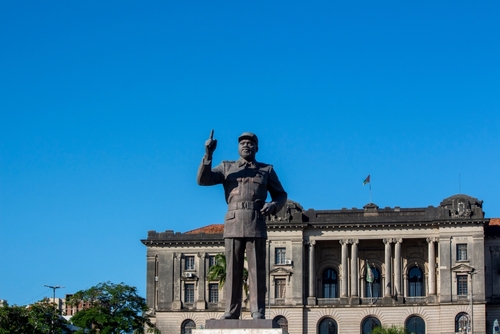
Samora Machel was a key military and political leader of FRELIMO. Upon independence, he became Mozambique’s first president. His leadership was defined by a strong commitment to national unity, education, and social equality, making him a revered figure in Mozambican history.
Why Mozambique Independence Day Matters in 2026
Honoring the Fight for Freedom
As time passes, remembering the sacrifices made during the independence struggle remains vital. The 2026 celebrations will offer a poignant reminder of the courage displayed by those who fought for a better future for their families.
Celebrating National Unity and Identity
Mozambique is incredibly diverse. Independence Day highlights the importance of this cultural diversity and the shared heritage that binds the nation together. It is a day to celebrate the unified Mozambican identity that emerged from the struggle for freedom.
Reflecting on Mozambique’s Growth and Challenges
The holiday is also a time to evaluate the nation’s ongoing development. In 2026, conversations will naturally focus on advancements in education, infrastructure, and modernization, alongside the challenges the country still works to overcome.
How Mozambique Independence Day Is Celebrated
Official Government Ceremonies
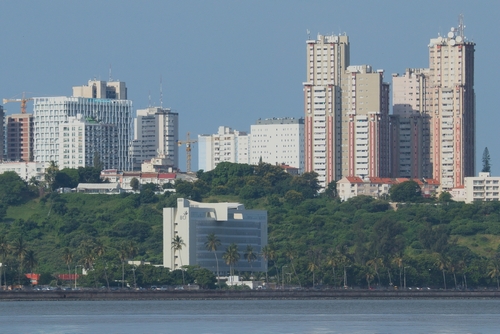
The government hosts official events in the capital city of Maputo and across the provinces. These ceremonies typically feature presidential speeches, wreath-laying at memorial sites, and formal commemorations honoring national heroes.
Military Parades and Flag Ceremonies
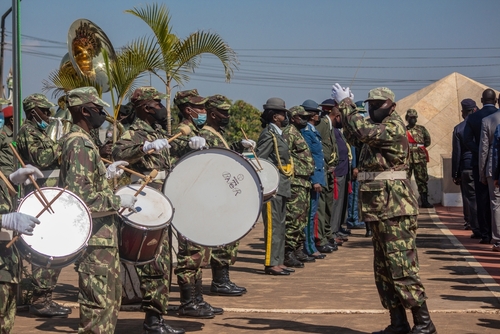
Patriotic displays are a core part of the holiday. Military parades showcase the nation’s defense forces, while flag-raising ceremonies draw large crowds. These public observances instill a deep sense of pride and respect.
Music, Dance, and Cultural Performances
Traditional Mozambican celebrations are filled with vibrant entertainment. Music and dance performances fill the streets, featuring local artists and community groups. These cultural displays keep ancestral traditions alive for younger generations.
Community Festivals and Public Gatherings
Families and friends gather to celebrate their shared heritage. Local communities host public concerts, street fairs, and neighborhood festivals. These events offer a welcoming space for people to eat, dance, and connect.
Mozambican Culture and Traditions
Music and Dance in Mozambique
Music is the heartbeat of Mozambican culture. Marrabenta, a popular urban dance music style, is frequently heard during celebrations. Traditional dances often feature rhythmic drumming and colorful attire, reflecting the country’s diverse ethnic backgrounds.
Traditional Food and Cuisine
Food plays a central role in Mozambican gatherings. Independence Day feasts often feature fresh seafood, spicy peri-peri dishes, cassava, and coconut rice. Matapa, a traditional dish made from cassava leaves, peanuts, and coconut milk, is a beloved local specialty.
Languages and Ethnic Diversity
While Portuguese is the official language, Mozambique is home to dozens of regional languages, such as Makhuwa, Sena, and Tsonga. This linguistic diversity is celebrated as a key component of the nation’s rich cultural fabric.
Art, Craftsmanship, and Storytelling
Artistic expression is highly valued. Woodcarvings, intricate textiles, and traditional pottery are popular crafts. Oral storytelling also remains a powerful tool for passing down history, values, and cultural wisdom from elders to children.

Famous Symbols and Figures Associated With Mozambique
The Mozambique Flag
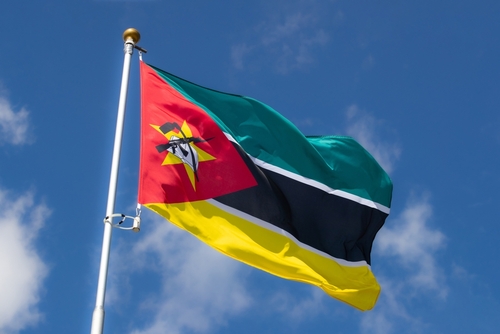
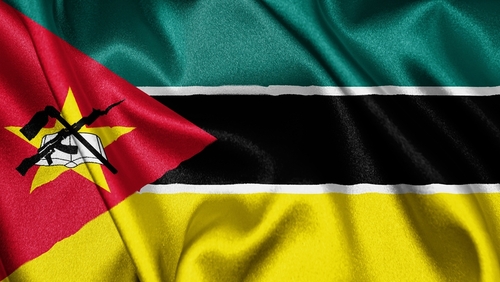
The national flag is a powerful symbol of identity. Its colors carry specific meanings: green for the land, black for the African continent, yellow for the country’s mineral wealth, white for peace, and red for the struggle for independence. The emblem features a star for international solidarity, a book for education, a hoe for agriculture, and a rifle for defense.
Samora Machel
As the nation’s first president, Samora Machel left an indelible mark on Mozambique. His legacy as a revolutionary leader who championed equality and unity is celebrated widely on Independence Day.
National Monuments and Historic Sites
Important locations connected to the independence history are focal points for the holiday. Heroes’ Square in Maputo, where several national figures are buried, is a prominent site for reflection and official tributes.
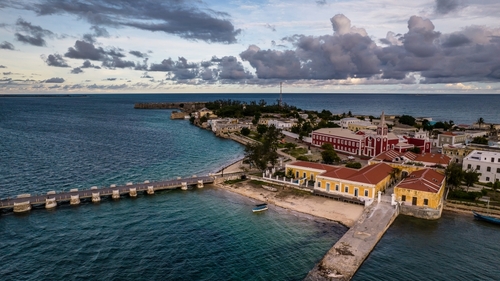
Mozambique Independence Day Celebrations in the United States
Mozambican Communities Abroad
For Mozambicans living in the United States, June 25 is a crucial connection to home. Immigrant communities organize cultural events, dinners, and heritage gatherings to ensure they stay connected to their roots.
African Cultural Festivals and Educational Events
Many African diaspora organizations include Mozambique Independence Day in broader cultural festivals. These events educate the public about Mozambican traditions, fostering cross-cultural understanding and respect.
Preserving Mozambican Heritage Across Generations
Families living abroad work hard to preserve their culture. They pass down music, food recipes, language, and storytelling traditions to their children, ensuring the Mozambican identity thrives across generations.
Ways to Celebrate Mozambique Independence Day 2026
Learn More About Mozambique’s History
You can honor the day by educating yourself. Read books by Mozambican authors, watch documentaries about the independence movement, or explore educational resources provided by cultural museums.
Explore Mozambican Cuisine and Music
Experience the culture firsthand by cooking a traditional recipe, such as peri-peri chicken or matapa. You can also listen to Mozambican music playlists to appreciate the country’s artistic contributions.
Attend African Cultural Events
Look for festivals, community celebrations, and heritage programs in your local area. Participating in these events is a wonderful way to show support and learn about the culture directly from the community.
Support Mozambican Artists and Businesses
Seek out cultural creators, authors, and local organizations. Dining at a Mozambican restaurant or purchasing art from a Mozambican creator helps support the community and keeps the culture vibrant.
Mozambique in 2026: Cultural and National Conversations
Economic Development and Infrastructure
As Mozambique looks toward the future, economic growth remains a priority. In 2026, discussions will likely focus on creating opportunities through agriculture, energy, and improved infrastructure to benefit all citizens.
Environmental and Climate Challenges
With a long coastline, Mozambique is vulnerable to climate change. Coastal protection, disaster preparedness, and sustainable practices are critical conversations for the nation’s long-term stability and health.
Preserving Culture in a Globalized World
Balancing tradition with modernization is an ongoing effort. Mozambicans continue to find innovative ways to engage with the global economy while fiercely protecting their unique cultural heritage.
Why Mozambique Independence Day Still Matters
Preserving Historical Awareness
Maintaining a clear understanding of the past is essential. Independence Day ensures that the stories of struggle, resilience, and ultimate victory are never forgotten by future generations.
Celebrating Cultural Heritage and National Pride
The holiday strengthens national identity. By proudly displaying their traditions and shared history, Mozambicans reaffirm their bonds to one another and to their homeland.
Encouraging Unity and Future Progress
Ultimately, June 25 is a day of hope. It provides a dedicated moment for the nation to reflect on its collective goals, embrace opportunities, and work together toward a prosperous future.
Frequently Asked Questions (FAQs)
When is Mozambique Independence Day 2026?
Mozambique Independence Day 2026 is celebrated on June 25.
What is Mozambique Independence Day?
It is Mozambique’s national holiday commemorating independence from Portugal in 1975.
Why is June 25 important in Mozambique?
June 25 marks the exact day Mozambique officially gained its independence and became a sovereign nation.
What was FRELIMO?
FRELIMO, or the Front for the Liberation of Mozambique, was the political and military movement that led the fight for independence.
Who was Samora Machel?
Samora Machel was a revolutionary leader and Mozambique’s first president after the country gained independence.
How do people celebrate Mozambique Independence Day?
Celebrations include government ceremonies, military parades, music, dance, cultural festivals, and public community gatherings.
What foods are associated with Mozambican celebrations?
Popular foods include peri-peri dishes, fresh seafood, coconut rice, cassava, grilled meats, and tropical fruits.
What is Mozambique known for culturally?
Mozambique is known for its vibrant music, rhythmic dance, coastal cuisine, profound cultural diversity, and strong artistic traditions.



