

Key Highlights
-
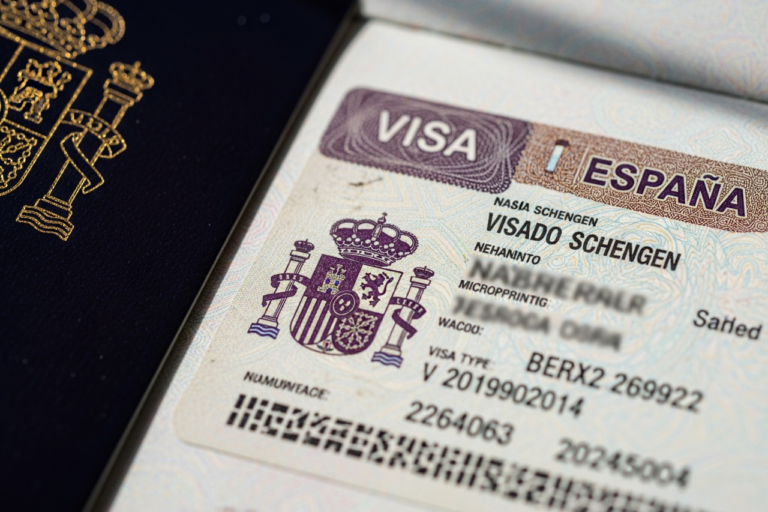
Spain has different visa types, like short-term Schengen visas if you want to stay up to 90 days, and long-term national visas for those who want residency.
-
The right Spanish visa for you depends on the reason for your trip. It can be for tourism, work, study, or to make an investment.
-
To apply for a visa, you need to get all required documents together and turn them in to the Spanish consulate in your home country.
-
A long-term visa is the first step if you want a residence permit. It lets you live in Spain for more than three months.
-
Some visa options are the non-lucrative visa for people who are retired, the work visa for those who have a job, and the Golden Visa for people who want to invest.
Introduction
Do you want to spend your days in the sun, eat good food, and enjoy a rich culture? Spain could be the right place for you. Before you get ready to go, it’s important to know about the visa rules. If you are not from the EU, the first step is to get the right visa. This lets you live, work, or just visit Spain in a legal way. This guide shows you the types of visas for Spain. You will learn which one you need and how to apply for it, so you can get your residence permit.
Overview of Spanish Visa Types
Spain offers different types of visas, and these depend on how long you will be there and what you want to do. There are two main types of visas. If you are staying for a short time, you will need a Schengen visa. If you plan to stay for a long time, you will need a residence visa, which is also called a national visa. Your nationality and your plans in Spain will help you know which type of visa you should apply for.
For applicants who want to see Spain for a short time, whether for tourism or business, the Schengen visa is the type of visa to get. But if you are going to live, work, or study in Spain for longer than 90 days, you must apply for a long-term residence visa. Now, let’s take a closer look at each of these options for you.
Schengen Visa for Short-Term Stays
A Schengen visa is also known as a tourist visa. You can use this visa if you want to go to Spain or other countries in the Schengen Area for a short time. With this visa, you can stay for up to 90 days within a 180-day period. It is a good choice if you want to take a vacation, do a short business trip, or go see your family or friends.
One big thing to know about the Schengen visa is that it’s not just for Spain. When you get it, you can travel to 27 countries in the Schengen zone, like France, Italy, or Germany. This helps you move easily across different european union countries while you are on one trip.
To get a Schengen visa, you need to apply at the Spanish embassy or consulate in your home country. You have to show a valid passport, proof of financial means, travel insurance, and some other documents. The main thing that makes this visa different from a national visa is that you can only stay for a short time with it, and it does not let you get residency.
National Visas for Long-Term Residency
If you want to stay in Spain for more than 90 days, you need to get a national visa. This type of residence visa is the first step to living, working, or going to school in Spain for a long time. A national visa is not the same as a Schengen visa. The Schengen visa lets you stay for a short time in many European countries, but a national visa is just for Spain and is needed before you can get a residence permit.
There are a few types of national visas for Spain. The most common are work visas, student visas, and non-lucrative visas for people who have enough money and will not work in Spain. Each visa type has its own rules, so you need to pick the one that fits your plans best.
To start the application process for a Spanish residence visa, you must apply from your country of origin at the local Spanish consulate. After your visa application is okayed and the visa is put in your passport, you can go to Spain. When you get there, you will need to do the last steps to get your official residence permit.
Short-Term Visas to Spain
Short-term visas let you stay in Spain for up to 90 days. The most common types are the tourist visa and the business visa. There is also an airport transit visa. This is for people who are moving through a Spanish airport on their way to another country and do not enter Spain.
The type of short-term Spanish visa you will need depends on why you go to Spain. If you are going to see the old streets of Madrid as a tourist, or if you need to be in Barcelona for a meeting, you will need to pick the right visa. Each visa category has its own rules. Let’s see what applicants need for these visas in spain.
Tourist Visa Requirements and Eligibility
If you want a tourist visa for Spain, you have to show that you are coming for fun. You also need to show that you plan to go back to your country of residence after your trip. Whether you are eligible depends on your nationality. Some people may travel to Spain for up to 90 days without a visa, but others will need to apply first.
The Spanish consulate will ask for some required documents for your visa application. These papers prove who you are, why you plan to visit, and if you have enough money for the trip. To know the full list of what you need, always check with the Spanish consulate in your home country.
The usual required documents for a tourist visa are:
-
A visa application form that is filled out.
-
A valid passport that will not expire for at least three months after you leave the Schengen area.
-
Proof of accommodation like your hotel reservations.
-
Round-trip flight tickets.
-
Proof of sufficient funds to cover your costs for the stay.
Business and Transit Visas
If you want to go to Spain for work, like going to meetings, conferences, or doing deals, you have to get a business visa. This type of visa will let you stay for a short time. The rules on the papers you need are a little different from what you need for a tourist visa. You will need to show proof that you are there for business reasons.
If you are just stopping over at a Spanish airport on your way to another place outside the Schengen area, you might need an airport transit visa. This visa lets you stay in the international area of the airport. You are not allowed to enter Spain itself with just this visa. It is very important to check if your nationality needs this type of visa for the trip you want to take.
For both a business or an airport transit visa, you have to send your application to the Spanish consulate in your home country. Each type of visa may need different forms and extra documents. So, be sure to look over all of the rules for a Spanish visa to make sure your application is done the right way.
Long-Term Visas in Spain
If you want to stay in Spain for more than 90 days, you need a long-term visa. This type of Spanish visa is how you start getting a residence permit. With one, you can live, work, or study in Spain for a longer time.
Some of the most common long-term choices are the work visa for getting a job, the student visa for school, and the non-lucrative residence visa for people who can pay for their needs without working. Every residence visa has its own reason and its own rules. We will talk about these next.
Work Visas for Employment Opportunities
If you have a job offer from a Spanish company, you’ll need to apply for a work visa. This visa is essential for non-EU citizens who wish to be legally employed in Spain. Your future employer typically initiates the process by applying for a work permit on your behalf with the Spanish authorities.
Once the work permit is approved, you can proceed with your visa application at the Spanish consulate in your home country. There are different kinds of work visas depending on the type of work you will be doing, including options for both employees and self-employed individuals.
After arriving in Spain with your work visa, you must complete the final steps to obtain your residence permit. This card will be your official identification and proof of your legal status to live and work in the country.
|
Type of Work Visa |
Description |
|---|---|
|
Employee Work Visa |
For individuals who have a contract to work for a Spanish company. |
|
Self-Employed Work Visa |
For entrepreneurs who want to start their own business in Spain. |
Non-Lucrative Residence Visa Explained
The non-lucrative residence visa is a good choice for people who want to live in Spain but do not plan to work. This visa is a top pick for many retirees and people who have passive income and want to enjoy the Spanish way of life for more than 90 days.
If you want to get this residence visa, you have to show that you have enough savings or money coming in to take care of yourself and your family. The money should not come from work you do in Spain. The goal is to make sure you can live in Spain without needing a job there.
When you are ready to apply, you need to go to the Spanish consulate in your country of residence. You must give some key documents, like proof of sufficient financial resources, a certificate of private health insurance that has full coverage in Spain, and a clean criminal record. This visa lets you stay in Spain for one year. You can also renew it later if you want to stay longer.
Student Visas for Academic Study
If you want to study in Spain and you are not a citizen of the EU, you must get a student visa if your course will take more than 90 days. This visa is for those who plan to join any school program, like a university degree, master’s, language courses, or a research project.
To get a student visa, you must be accepted by a school in Spain. The acceptance letter from that school is one key part of what you need for this process. You will also need to show that you have enough money to pay for school and your living costs while you are in Spain.
You have to collect all needed documents. This will include proof of health insurance and a place to live. When you have these, you apply for your visa at the Spanish consulate in your home country. Once you get to Spain, you will need to apply for your student residence permit (TIE). The TIE will last as long as your program at the school.
Specialized Visa Options
Apart from standard work and student visas, Spain has special visas for investors, remote workers, and families. These visas have their own set of benefits. They are meant for people in different situations. This means there are more ways to get residency in Spain.
For example, the Golden Visa is a good choice for people who want to invest a lot in the country. There is also a new digital nomad visa. This is for remote workers who want to run their own business while living in Spain. You can also bring your family members with some of these visas. Now, let’s look at some of these special options.
Digital Nomad Visa and Its Benefits
The digital nomad visa is a great new option for people who are not from the EU and who work from home. This visa lets you live in Spain and still work for companies that are not in the country. You can also run your own business online if you have this visa. It is made for people who can do their jobs from any place that has internet.
One thing people like about this visa is the special tax plan. This can help you save a lot of money. To get this visa, you have to show that you have a steady remote job or run your own business. You also need enough income to support yourself. If you are self-employed, you might have to give a clear business plan.
The good things about the digital nomad visa include:
-
The chance to live and do remote work in Spain and still be legal.
-
A way to get a long-term residence permit.
-
A tax system that helps you save money.
-
The chance to have a good life in Spain as you keep working on your own business.
Family Reunification Visa Process
If you live in Spain legally, you can use a family reunification visa to bring your close family members to live with you. This visa is for people who do not come from an EU country. You must have lived in Spain with a residence permit for at least one year. You must also have a renewal that lets you live in Spain for at least another year.
The family members who can come include your husband or wife, or your registered partner, your children who are under age, and parents who depend on you. You must show that you have a good place for everyone to live and that you have enough money to take care of your family in Spain.
The person who lives in Spain has to start the process. You need to get permission first from the Spanish authorities. After they say yes, your family can ask for a visa at the Spanish consulate in their home country. They need to give the letter of permission and other needed additional documents to the consulate to get their visas and come be with you.
Applying for a Spanish Visa from the United States
If you are a citizen of the United States and you plan to go to Spain, the application process is simple. You do need to get ready for it. If you want to stay for up to 90 days, you do not need a visa. But if you plan to stay longer, you have to apply for a Spanish visa. You need to go to the Spanish consulate that matches the state you live in.
Every consulate could have rules that are a little different. It is important for all applicants to look at the website of the right Spanish embassy or consulate before they start. The next sections will tell you about the steps to follow, what documents you need, and how much it will cost citizens of the United States to get a spanish visa.
Step-by-Step Application Process
Applying for a Spanish visa from the United States is a step-by-step process. First, you need to find out what type of visa you need for your visit. You also have to know which Spanish consulate you should use. The right consulate depends on where your place of residence is because each consulate handles different states. So, it is important to apply at the correct one.
After you figure out where to apply, you will need to make an appointment at the spanish consulate. You have to fill out the visa application form. Then, you must collect all the required documents. If you have any foreign documents, they should be made official and translated into spanish by a certified translator.
This is the basic application process:
-
Pick the right visa and find your spanish consulate or embassy.
-
Make an appointment and complete the visa application form.
-
Prepare all required documents, including translations that are official.
-
Go to your meeting with the consulate to turn in your application and pay the fee.
-
Wait for the answer. If you get a yes, you will get your visa in your passport.
Required Documents for US Citizens
When people from the US want to apply for a Spanish visa that is good for a long time, they have to give the Spanish consulate a lot of required documents. The list you need for your visa is not always the same for everyone. But there are some things that almost all people need to give. You should check with the Spanish consulate in the place where you live to know the right list for you.
If you are from the US and you want to get a residency visa, you also need to give a criminal record certificate. This background check must come from the FBI. It needs to have an Apostille of The Hague stamp too. On top of that, you have to show proof of financial means and you need private health insurance.
Here are some of the main required documents you will need:
-
A visa application form that you signed and filled out.
-
A valid passport and a copy of it.
-
Proof of financial means to support yourself.
-
A criminal record certificate with the apostille.
-
A medical certificate and proof of health insurance.
Costs, Fees, and Processing Times
Understanding the costs and processing times is essential when planning your move to Spain. The fees for a Spanish visa can vary based on the visa type and your nationality. These fees are non-refundable, even if your application is rejected.
The processing times for a visa also differ. Short-stay Schengen visas are typically processed within 15 business days, but this can extend during peak seasons. Long-term residence visas, however, take much longer, often between one to three months, and sometimes even longer depending on the consulate’s workload and the complexity of your application.
It’s important to apply well in advance of your intended travel date. Below is a general overview of typical fees and processing times, but always check the specific consulate’s website for the most current information.
|
Item |
Cost / Time |
|---|---|
|
Schengen Visa Fee (approx.) |
€80 |
|
Long-Term Visa Fee for US Citizens (approx.) |
$140 – $190 |
|
Schengen Visa Processing Time |
15-30 business days |
|
Long-Term Visa Processing Time |
1-3 months |
Extending or Renewing Your Visa in Spain
When you are in Spain, you may want to stay longer than what your first visa lets you. You can try to renew your visa or get a new one, but this means you need to switch your visa to a residence permit, or you need to renew the one you already have.
How you renew your permit is different for the kind of permit you hold. If you spend years of residence in Spain on a temporary permit, you may get a chance to apply for permanent residence. This will let you live and work in Spain for as long as you want. Here is what you need to know to make your stay longer.
Eligibility Criteria for Extensions
To keep or extend your residence permit in Spain, you must still follow the same rules as when you first got your visa. For example, if you are in Spain with a non-lucrative visa, you have to show the spanish authorities that you still have enough money. If you are there with a work visa, you will have to show that you still have a job.
You must send your renewal application to the spanish authorities before your current residence permit runs out. This should be done in the last 60 days before your permit ends. You will need to show proof that your life or work situation has not changed in a way that would stop you from getting a new permit.
Here are some things you must do to be able to renew a residence permit:
-
You have to hold a residence permit that is not expired.
-
You must still meet all money rules for your visa, like proof of sufficient funds.
-
You should have health insurance, either private health insurance or spanish social security.
-
You cannot have a criminal record in spain.
-
You must send your application for renewal at the right time.
Conclusion
Dealing with visas in Spain can look hard at first, but knowing the different types and the application process can help you make good choices. If you want a short visit, you can get a Schengen visa. For staying longer, you can go for residency by getting a work or study visa. Each type of visa has things that will fit what you need. The right visa can help you start a new life in this exciting place and get more good things for your future. If you have any questions or need help with your application process, ask for help. Your trip to Spain is waiting for you!
Frequently Asked Questions
Can I switch between visa types while in Spain?
Most of the time, you cannot change from one visa to another while you are in Spain with a short-stay visa. You need to go back to your country of residence to apply for a different long-term residence visa. But, there are a few exceptions. It is a good idea to ask spanish authorities or speak with an immigration lawyer about your own situation.
What should I do if my visa application is rejected?
If your visa application gets turned down, the Spanish consulate or embassy will let you know why. You can choose to appeal this decision, but you must do it within a set time. Another option is to apply again. Make sure you read the reason for the denial from the spanish consulate or embassy. Fix any problems with your required documents. Try to make your visa application better before you send it in again.
Are there unique requirements for US citizens applying for Spanish visas?
Yes, while a lot of required documents for a spanish visa are the same, people in the United States must give an FBI background check. It must have a federal apostille on it. This is what the spanish embassy asks from United States citizens, and it is different from what people in other countries need to give for a visa.



