

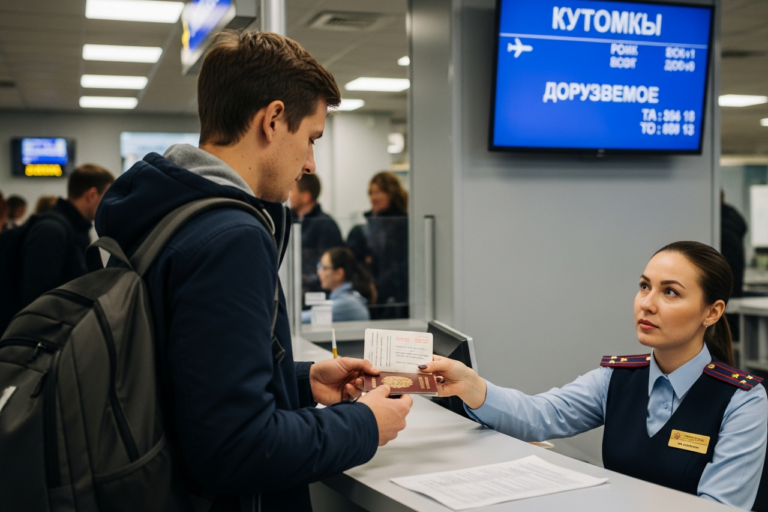
Key Highlights
Here are the main things you should remember about getting a Russian visa:
-
Most foreign nationals, including people from the U.S., will need a Russian visa to enter the country.
-
The visa application process will need some documents. Most of the time, you have to include an invitation letter.
-
There are many kinds of visas that you can get. These include a tourist visa, a business visa, and a work visa. Each type will have its own rules.
-
Russia now has an electronic visa (e-visa) for people from some countries.
-
The dates on your visa matter a lot. If you stay in Russia past these dates, you could get into big trouble.
-
Apply for your visa long before you want to travel.
Introduction
Are you thinking about a trip to the Russian Federation? The visa process may look hard at first, but it does not have to be. This guide is here to make it simple for you. You will find all you need to know to get a Russian visa. We will help you understand the visa types, show you what papers you need, and help you fill out your visa application. No matter if you plan to visit for fun, work, or study, the right tips and info will help make your application easy and get you started on your way to the Russian Federation.
Overview of Russia’s Visa Policy
The Russian Federation asks most people from other countries to get an entry visa before they come in. You cannot get a visa when you arrive, so you have to get it ahead of time from a Russian Embassy or Consulate. The russian authorities are very strict about these rules.
The visa policy helps control who comes into the russian federation and why they come. So, you must apply for the type of visa that fits your reason, like for tourism or business. Knowing the visa requirements is the first thing you need to do before your trip. Now, we will talk about who needs a visa and what is new in these rules.
Who Needs a Visa to Visit Russia?
Most foreign citizens need a visa to go to Russia. This rule is for people from the United States, the European Union, and many other places. If you are from the U.S., you must have a U.S. passport and get an entry visa from a Russian Embassy or a Russian Consulate. If you don’t have these, you will not be let into the country.
Some people do not need a visa if they are from countries that have an agreement with Russia. But most people still must have an entry visa to visit Russia. You should not guess if you need a visa. You need to check the rules for your country before you plan your trip.
To get your visa, you will fill out a visa application and give it to the Russian Consulate or Russian Embassy. If you try to go to Russia without the right visa, they will not let you in, and you will have to go back home. This will be at your expense.
Major Changes to Russian Visa Requirements
Russian visa rules can change, so it is good to keep up with the latest news. One big update is the new unified electronic visa (e-visa) system. This makes getting a russian visa easier for people from many countries who want to stay for a short time.
The Ministry of Foreign Affairs may sometimes change russian visa policies about the validity period and how you can apply for a new visa. Rules for business visas with more than one entry have been changed many times. The most recent updates are mostly about:
-
The e-visa program covering more people from more countries.
-
What documents you need, especially for health and travel insurance.
You should always look at the latest visa requirements by checking with the official russian consulate or embassy before you send in your application. This helps you know about new rules, so you can avoid delays or problems if rules have changed.
Types of Russian Visas
When you apply for a russian visa, you need to pick the right visa type for your trip. The most common types are a tourist visa if you want to travel for fun, a business visa for work events like meetings, and a work visa for jobs in Russia.
There are other ones too, like a student visa if you need to study in Russia. Or, a transit visa if you are just passing through on your way to another country. Every visa type has its own rules, required documents, and how long you can use it. It’s important to know these things when you apply. Now, let’s look at some of the most common visa types.
Tourist Visas: Requirements and Purposes
A tourist visa is for people who want to travel to Russia for fun. The purpose of visit may be to see the sights, visit friends or family, or learn about the country’s culture. In your application, you must make it clear that you plan to be a tourist.
To get a tourist visa, you need to fill out the visa application form. You must give some important documents. One main document is the tourist voucher, which is an official invitation. You can get this from your hotel or from a travel agency in Russia. The period of stay on your tourist visa will match the dates in your tourist voucher.
The main rules for a Russian tourist visa often include:
-
A valid passport with at least six months left before it runs out and two blank pages.
-
A finished and signed application form.
-
A new passport photo.
-
A tourist voucher and a confirmation from a Russian travel agency.
Business, Student, and Work Visas Explained
Besides travel for fun, Russia has more visa types for other reasons. A business visa is for foreign nationals who need to go to Russia for work, like going to meetings or talking about deals. You need a business invitation from the Russian company you will visit.
If you are going to study in Russia, you need a student visa. The school that accepts you will send you the needed papers and help you sign up your visa when you get there. A work visa is for those who plan to get a job and work in Russia. This visa is harder to get because you also have to get a work permit.
Here are the big differences between a work visa, a tourist visa, and a business visa:
-
Purpose: A tourist visa lets you go to Russia for fun. A business visa is for work meetings or trips. A work visa is when you want to get paid and work in Russia.
-
Invitation: Each visa needs a different kind of invite. For a tourist visa, you need a tourist voucher. For a business visa, you need an official business invitation. If you want a work visa, you need an invite that is tied to a work permit. The period of stay you get with each visa is also not the same.
Electronic Visa (e-Visa) Options for Travel to Russia
Yes, the Russian government now gives electronic visas (e-visas) to make short trips to Russia easier. With this, a foreign citizen who is eligible can get a Russia visa by filling out an online application form. You do not need to go to a Russian office for this visa application.
The e-visa is for a few clear reasons. You can use it for tourism, business, or visits for charity and help. This new way to apply for a visa is simple. It helps you make plans for your visit to Russia in an easy way. Now, let’s talk about who can get this type of visa. We will also look at how you can fill out the application form to get one.
Eligibility for Russian e-Visas
The russian federation lets people apply for electronic visas based on their home country. There is a set list from the russian federation of which countries’ citizens can ask for one. Before you start your application, check to see if your country is on this list. Right now, U.S. citizens do not get to apply for the unified e-visa.
Foreign nationals who can get an e-visa can stay for a short trip. The permitted period of stay is usually up to 16 days. You get this period within a 60-day window starting from when your e-visa is valid. What you do on your visit must match what the russian authorities allow for e-visas. The main purposes are tourism, seeing friends or family, or doing short-term business.
To apply, you have to:
-
Be from one of the countries listed by the russian federation.
-
Enter and leave Russia using certain border checkpoints.
-
Follow the permitted period of stay set by russian authorities.
How to Apply for an e-Visa to Russia
Applying for an electronic visa to Russia is an easy online job. You start by filling out the Russia visa application form. You can do this on the official website of the Ministry of Foreign Affairs or by using their mobile app. Make sure you finish your visa application at least four calendar days before the date of entry you want.
When you fill out the application form, you need to upload a digital photo. You also have to add a scanned copy of your passport’s information page. The next step is to pay the consular fee online. Most of the time, the processing time for the e-visa is fast. It usually takes four calendar days.
Here’s a look at the steps:
-
Fill out the application form online with your personal, passport, and trip details.
-
Upload required documents and pay the fee.
After your Russia visa is ready, you will get a message and a printable copy of your e-visa. You must show this document when you get to Russia.
Documents Required for Russian Visa Applications
When you want to get a russian visa, you need to collect some required documents first. The papers you need will change based on your visa type, but there are a few things that everyone has to have. You always need a filled out visa application form, your valid passport, and a new photo.
An official invitation is also needed for many types of visas. You may also have to show proof of health insurance, based on why you are traveling. Getting all these documents ready helps make the visa application process go well. Here, you will find what things you need for invitation letters and your passport.
Invitation Letters and Supporting Documents
Almost every russian visa application needs an invitation letter. This is also called visa support. It is an official invitation from a russian group that shows why you want to visit. The letter you need will change based on your visa. If you are going for tourism, you will need a tourist voucher from a hotel or a tour group.
If you are going for business, you have to get a business invitation from the company you will visit in Russia. The letter of invitation can come straight from the company or as an official paper from the ministry of foreign affairs. You need these documents before you turn in your visa application.
Here are the main types of official invitation you can get:
-
Tourist Voucher: Good for when you want to visit for fun.
-
Business Invitation: Used when you go for meetings or business projects.
-
Telex: This is an electronic invitation sent right to the consulate.
Visa support is needed in every russian visa process and your application will not move forward if you do not have it.
Passport, Photos, and Application Forms
Your passport is the most important document you need for your russian visa application. Make sure your passport will be valid for at least six months after the date you plan to enter Russia. It should have two blank pages next to each other for the visa stamp. These pages cannot be from the “Amendment” section at the back.
You will also need to give recent photos for your visa application form. These should be passport-style photos in color. The photo you use should not be the same one that is on your current passport. Make sure the pictures follow the size and background rules set by the russian consulate.
You also need to finish the official russian visa application form online. You must give details like your place of birth, your passport info, and your trip plan in this form.
-
Your original, signed passport is required.
-
You must submit two identical, color passport-style photos.
-
The application form must be completed online, then printed and signed.
Russian Visa Application Process in the United States
If you live in the United States, you will need to give your documents to an approved place to finish your visa application process. You will not be able to get a visa when you get to Russia. Instead, you should give your application at either a Russian Embassy or a Russian Consulate.
There is another way to handle your visa application. You can use visa services that are allowed to help with the process. They will check your papers and send in your application for you.
Knowing where to send your application and how long the wait will be is important. Let’s talk about where you can send it and what will happen when your visa application is being checked.
Where to Submit Your Russian Visa Application
In the United States, you have a few options for submitting your Russian visa application. The official diplomatic missions are the primary places to apply. This includes the Russian Embassy in Washington, D.C., and the Russian Consulates located in other major cities.
However, many travelers find it more convenient to use third-party visa services. These companies specialize in visa processing and can guide you through the requirements, pre-check your documents for errors, and submit the application to the Russian Consulate for you. This can help avoid common mistakes and potential delays.
Your choice of where to submit your visa application depends on your location and comfort level with the process.
|
Submission Method |
Description |
|---|---|
|
Russian Embassy/Consulate |
Direct submission to an official Russian diplomatic mission. |
|
Authorized Visa Services |
Using a third-party company to manage and submit your application. |
Typical Processing Time and What to Expect
The time it takes to get a Russian visa can change based on the visa type and how busy the consulate is. For most people, standard processing takes about 4 to 20 calendar days after you turn in your application. It is good to send in your application early and not wait until the last minute.
You might be able to speed things up for an extra fee, but the Russian authorities will make the final choice. Sometimes, your visa application could be slow if it is missing things or if they ask for more paperwork.
Here are some important facts about the processing time:
-
Standard processing can take up to 20 calendar days.
-
The processing time starts once the consulate accepts your application, not when you mail it.
Be ready to wait for the full processing time. Do not buy travel tickets you cannot get a refund for until you have your visa in your hand.
Costs and Fees for Russian Visas
The cost of a Russian visa is made up of different parts. The main part is the consular fee. The Russian government decides this fee. It can change depending on your nationality, your visa type, and how fast you need it done. They will not look at your visa application until you pay this fee.
On top of the consular fee, you might have to pay some other things. If you use a company to help with your visa, there are extra visa fees for their services. You also might need to pay to get an invitation letter. It is good to know about these costs and how you can pay them when making your visa application.
Standard Russian Visa Fees and Payment Methods
The visa fees for a Russian visa are not fixed and depend on several factors. The primary cost is the consular fee, which is determined by the processing time you choose (standard or expedited) and the type of visa you are applying for. These fees must be paid when you submit your visa application form.
Payment methods can vary by consulate, but they typically accept money orders or cashier’s checks. Many visa processing centers and services may also accept credit cards. It is essential to verify the accepted payment methods at the specific location where you are submitting your application to avoid delays.
Here is a sample breakdown of potential costs, though actual fees vary:
|
Fee Type |
Description |
|---|---|
|
Consular Fee (Standard) |
The base fee for regular processing time. |
|
Consular Fee (Expedited) |
A higher fee for faster processing. |
|
Visa Center Service Fee |
An additional fee if applying through an official visa center. |
|
Invitation Fee |
Cost to obtain your tourist voucher or business invitation. |
Always check the official consulate website for the most up-to-date fee schedule.
Conclusion
Getting a russian visa can be tough, but knowing the basics will help you plan your trip. There are different types of visas, and each one has its own set of rules. It is good to learn what you need, as this can make your application go much smoother. Keep in mind that visa rules for Russia can change, so check for updates before you apply.
If you are going to Russia for a trip, work, or study, make sure you have all your papers ready. Taking time now to learn what to do and gather your stuff will save you from problems later. When you are ready to visit Russia, don’t be scared to ask for help if you need answers. Travel safe!
Frequently Asked Questions
Can US citizens visit Russia and what are the specific requirements?
Yes, US citizens can go to Russia, but they need to get a Russia visa before they travel. To apply, you need to give a valid passport, fill out a visa application, share a recent photo, and have an invitation letter. The Russia visa will show your permitted period of stay in the country, and you must only stay for that time.
Do I need travel insurance for my Russian visa application?
Yes, you need medical insurance if you are from many countries and want to get a visa for the Russian Federation. The health insurance you have must stay active for your whole trip. It should also cover any costs if you get sick or hurt. You must show proof of health insurance when you turn in your visa application for the Russian Federation.
How long can I stay in Russia with a tourist visa?
The period of stay on a Russian tourist visa is usually up to 30 days if you have a single entry. The exact validity period for your visa will be printed on it. This will match the dates given in your tourist invitation. Make sure you leave the Russian territory before your visa runs out.



