

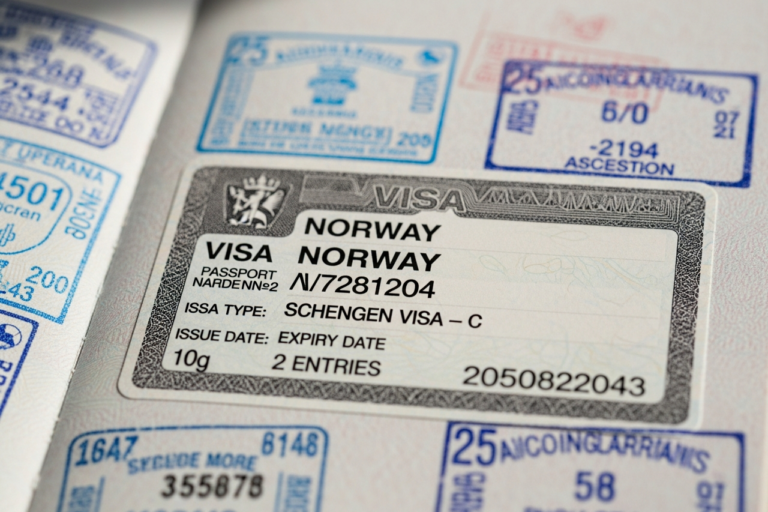
Key Highlights
Here are the main things you should know about the Norway visa application process:
-
A visitor visa lets you stay for up to 90 days in Norway and other Schengen countries.
-
To apply, you need to register online and send your papers with VFS Global.
-
The normal processing time is about 15 calendar days. Sometimes, it can take up to 45 days.
-
People from some visa-free countries, like the United States, will soon need to get an ETIAS before coming.
-
If you want to stay for more than 90 days, you will need to get a residence permit, not just a visitor visa.
-
You will need to get certain documents for your Schengen visa for Norway. These include travel insurance and proof of accommodation.
Introduction
Are you planning a trip to see the beautiful fjords and lively cities in Norway? That sounds exciting! But before you start to pack, you need to know about the norway visa rules. Since Norway is part of the schengen area, it has its own set of visa requirements for visitors. In this guide, you will learn all the important facts, from the types of visas to the application process. This way, you will be ready and feel good when you make plans for your travel. Let’s make sure you get the right details for your big norwegian trip.
Understanding the Norway Visa System
Getting a Norway visa is easy once you learn some basics. Norway is one of the Schengen countries, so the rules are the same as the rest of the Schengen Area. If you get a visa for Norway, you can use it to visit other Schengen countries too.
The Norwegian Directorate of Immigration (UDI) is the main group that makes the rules. But most of the time, the visa application process is done by outside service providers. You will begin by filling in an application form online. This is the first thing you need to do to start your travel plans.
Overview of Norway’s Entry and Immigration Policies
Norway has rules for people who want to travel to or stay in the country. The Norwegian Directorate of Immigration handles these rules. They say who can come in, who can stay, and what you need to do that. What you need will change based on your nationality and what your purpose of your visit is. You might have to get an entry visa if you want to come into Norway. All these visa requirements are put there so travel in and out of Norway and the Schengen zone is safe and set up right.
There are a few different types of visas you can get. Some are short-stay visitor visas if you want to come for tourism or to do business. Others are long-term. Those are for if you want to stay for work, you want to study, or you want to live with family. The application process most often starts online. You will have to get all your papers together and hand them over at a special center or your closest norwegian embassy.
It is good to know about the details of what you need for the different visas. Each visa has its own visa requirements. So, a tourist visa will not need the same papers as a work visa. Always look at the newest rules given by the norwegian directorate of immigration or talk with the closest Norwegian mission. If you do that, you know you will have the correct things and a good chance with your application process.
Differences Between Norway and Other Schengen Countries
While Norway is in the Schengen area and uses the same basic visa rules, there are a few things you should know. All Schengen countries accept a Schengen visa, but you have to apply to the country that is your main destination. The Norwegian Directorate of Immigration (UDI) takes care of how Norway follows these rules.
There may be some differences in what documents are needed, or in how the main destination rule is used. For example, if you come to Norway for business, but enter the Schengen area through a different country, you still need to get your entry visa through the Norwegian authorities. You should also learn about Norway’s specific usage policy for visas.
It is also important to know the difference between a short-stay visitor visa, called a Schengen visa, and a residence permit. The visitor visa lets you stay in Schengen countries for up to 90 days. A residence permit is for living in Norway for longer periods, such as for work, study, or staying with family. Only Norwegian laws decide who gets a residence permit, so this is not covered by general Schengen rules.
Who Needs a Visa to Enter Norway?
Are you unsure if you need a visa for your trip to Norway? The answer mostly depends on your nationality. People from many countries must get a Schengen visa before they come. This entry visa lets you stay up to 90 days. You can use it for a holiday, business, or to visit family.
There are also some countries whose people do not need a visa. These travelers can go into Norway with just a valid passport for short trips. Still, if you come from a visa-free country, you have to follow certain rules. Below, you can learn which countries do not need a visa and when you might still have to apply for one.
Visa-Free Countries and Eligibility for U.S. Citizens
There is good news for lots of travelers. Many people can visit Norway and the whole Schengen Area without a visa for short trips. If you are from a visa-free country, you can stay for up to 90 days in a 180-day period. You do not need a Norway Schengen visa for this time.
This rule includes people from the United States, Canada, Australia, New Zealand, and Japan, along with others. If you hold a passport from one of these places, you will be able to travel for business or fun with just your passport. You do not need an extra visa.
There will be a new rule soon. Beginning in 2026, all citizens from visa-exempt countries must apply for ETIAS, the European Travel Information and Authorisation System, online before going. This is not a visa, but it will be something you must do as part of the application process to enter the Schengen Area. Some main countries with visa-free entry are:
-
United States
-
Canada
-
United Kingdom
-
Australia
Travel Scenarios Requiring a Visa
If you are not from a country that gets a visa waiver, you will need to get a Schengen visa before you go to Norway. This entry visa is needed for people who are going for a short time, like tourists, business people, or anyone else visiting Norway. You need to have a travel document, or passport, that is still good for at least three months after you leave the Schengen area.
You must send your visa application to the embassy or consulate of your main destination. If you will spend most of your trip in Norway, then you should apply to Norway. If you plan to stay the same amount of time in a few countries, you need to apply to the one you will enter first.
People from countries that do not have a visa-free deal with the Schengen states need this visa. You may need a visa for these things:
-
Tourism trips if your country does not get a visa waiver.
-
Short business visits.
-
Visiting friends or family.
-
Passing through a Norwegian airport if you need to go through passport control.
Norway Visa Types Explained
Choosing the right Norway visa has to do with why you want to visit and how long you want to stay. There are two main types you can pick from. One is the short-stay visa. This is for staying up to 90 days. The other is the long-stay permit. You get this if you want to live, work, or study in Norway.
The most used short-stay option is the Schengen visa. People often use this for tourism or business. If you want to stay longer, you will need a residence permit. This is not the same as a work visa or student visa. We will look at each type of Norway visa so you can figure out which one is good for your trip.
Visitor Visas (Tourist and Business)
A visitor visa for Norway is also called a Schengen visa. This visa lets you stay for up to 90 days. There are two types: the tourist visa and the business visa. The one you need depends on why you travel. Both kinds require you to fill out the same application form, but you may need to show a few different supporting documents.
To apply for this visa, you be required to first register your application online. You must fill out the form and gather your required documents. These documents are your valid passport, some photos, proof you have enough funds, and valid travel insurance that covers the Schengen area.
After this, you need to book a time at a visa application center, like VFS Global. There, you submit your application form and all required documents in person. It’s best to apply for your Schengen visa at least 15 days before your trip. If you can, applying four weeks ahead will help with processing time.
Student and Work Visas
If you want to live in Norway for more than 90 days to study or work, a visitor visa is not enough. You will be required to apply for a residence permit. The kind of permit you need, like a work visa or a student visa, depends on the main reason for your visit.
The application process for a residence permit is more detailed than that for a visitor visa. You have to give more documents. For example, you may need papers that show you got accepted by a Norwegian school, or proof of your job with a company in Norway.
These forms are sent in to the Norwegian Directorate of Immigration (UDI). You must explain the purpose of your visit. You should also give every document needed to show you can get a residence permit. The process starts with you going online and using the UDI portal.
Family Reunification and Long-Term Stays
If you want to go to Norway for a long stay and join your family member, the family reunification route is the right way. For this, you will need to apply for a residence permit. You do not need a standard visitor visa. You must get this permit if you want to be in Norway for more than 90 days.
The required documentation for your application depends on your relationship with your family member in Norway. The Norwegian Directorate of Immigration (UDI) is the place that looks at these applications. The UDI has checklists that show what you need for spouses, children, and other family. It is important to collect all the right papers, like a marriage certificate or birth certificate, to show your family ties.
Having a residence permit is not the same as a visitor visa. While a visitor visa is for short trips, a residence permit lets you live in Norway. You can also work or go to school if you have it. The application process starts online with the UDI. After that, you have an appointment where you give your biometrics and the other papers they ask for.
ETIAS and Schengen Visa Rules for Norway
Norway is part of the Schengen Area. Because of this, it uses the same rules that all these countries use. These include the standard Schengen visa requirements. Now, there is a new system coming called ETIAS. ETIAS stands for European Travel Information and Authorisation System. It will make a change for people who come from countries that do not need a visa right now.
This ETIAS will go together with the new Entry/Exit System, called EES. Both are made to make border security better for all European countries. You should know what this European Travel Information system is. You also need to see how it will change the way you plan to travel, especially if you want a norway schengen visa. If you are from a visa-free country, this can change how you get in and out, so it’s good to be ready for new visa requirements from parts of the schengen area.
What Is ETIAS and Who Needs It?
ETIAS means the European Travel Information and Authorisation System. It is not a visa. It is an online travel paper you must have if you are from a country that does not need a visa but want to go to Norway or any country in the Schengen Area. You have to do this starting in 2026.
The main work of ETIAS is to check travelers before they come into the Schengen Area. This is to make the area safer for everyone. You must fill out the application process online on the main website or a mobile app. For most people, it will not take much time to apply. When you get okayed, your European travel information will be put right on your passport.
If you are from a country that does not need a visa to visit the Schengen Area for short time, you will need ETIAS. This is for the people from:
-
The United States
-
The United Kingdom
-
Canada
-
Australia
This is a new part of visa requirements. It is here to make going to these places easy and safe for all.
Applying for a Schengen Visa for Norway
To apply for a Schengen visa for Norway, you first need to fill out the online application form on the UDI Application Portal. You do this to give your details and tell about your trip. When the form is done, you will get a confirmation. You should print this out.
Once you finish your online application, you need to make an appointment at a visa application center like VFS Global. You bring your printed application form, your passport, supporting papers, and you give your biometric data. This means fingerprints and a digital photo.
Your application will be sent to the Norwegian embassy or consulate for them to handle. If you want to visit other places in the Schengen area too, you should apply to the consulate of the main destination. Apply in Norway if you will stay there the longest.
This process helps people who want a Schengen visa to go to Norway. Using the application portal and giving all the needed items at VFS Global will help your application move faster.
Step-by-Step Guide to Applying for a Norway Visa
Are you feeling lost by the Norway visa application process? Don’t worry. We have made it simple for you with easy steps. To start, you need to go online and sign up on the official Application Portal. Next, you will fill out the visa application form.
Doing each of these steps is important for your Norway Schengen visa application. We will help you through the whole visa application process. You will find out how to register online, when and where to send your documents, and what you have to prepare.
Let us make your Norway Schengen visa application easier by breaking everything down and showing you what to do step by step.
Application Forms and How to Register Online
The first thing you need to do to start your visa journey is fill out the online application. You have to make an account on the UDI Application Portal. This is the main site for Norwegian visa applications. Do not use other websites. This is to keep your personal information safe.
After you make an account on the UDI website, you will fill in the application form with your details. You need to give your personal information, travel plans, and the purpose of your visit. When you finish the form and pay the visa fee online, you will get an email. This email will have a copy of your application.
You must print the completed application form and take it with you to your appointment. Doing all of this online on the application portal helps keep your information in the system and correct. Here are important things to keep in mind:
-
Register on the official Application Portal (UDI website).
-
Complete the application form accurately.
-
Pay the visa fee online.
-
Print the confirmation and the completed application form.
Where and How to Submit Your Application
After you register your application online, the next thing to do is bring your documents in person. You cannot send your application by courier service. You have to hand it in at a set place. Most of the time, this is a visa application centre like VFS Global, which does the work for the Norwegian embassy.
You need to make an appointment at the visa application centre in your country of residence. When you go for your time, you will give your passport, your printed application form, and all your supporting documents. They will also take your fingerprints and photo at this visit.
If your country does not have a visa application centre, you may need to go to the Norwegian embassy or a consulate of the country that acts for Norway. Make sure you know the right place for your area, so you do not have delays. The waiting time for a decision starts after the consulate or embassy gets your application.
Essential Documentation for Norway Visa Applications
Getting the right papers ready is one of the most important steps in your application for a visa. Having all the required documents helps your application go through faster and without trouble. You must have a valid travel document for every application. This is your passport. You will also need other supporting documents.
Based on what type of visa you need, you may also have to show proof of medical insurance, enough money, or an invitation letter from a host in Norway. Here, you can see which documents you must have for different visas. This will help you be ready when you turn in your application.
Required Documents for a Tourist or Visitor Visa
When you apply for a tourist or visitor visa to Norway, you have to get together the required documents. Having all of them ready is needed for your application to be accepted. Your valid passport is the most important one. It must be good for at least three months after when you want to travel.
You also need to give proof that you have travel insurance. This travel insurance must cover medical costs at least up to €30,000. It also has to be good for the whole Schengen Area during your visit.
You have to show proof of accommodation. This can be your hotel bookings. You also need a travel plan for your trip. The checklist of required documents you will need is:
-
A completed and signed application form.
-
A valid passport with at least two blank pages.
-
Passport-sized photos that follow international standards.
-
Proof of travel insurance.
-
Flight reservations and proof of accommodation for your visit.
Additional Proof Needed for Student, Work, or Family Visas
Applications for long-term stays like a student, work, or family residence permit need more documents than a tourist visa. You must use these required documents to show the main reason for your long-term stay in Norway.
Students need to have an admission letter from a school or university in Norway. If you want a work visa, you must give an employment contract. Anyone applying for family reunification must give an invitation letter from their family member in Norway. You also need to give official documents that show your relationship, like a marriage or birth certificate.
No matter what visa you are applying for, you have to show proof of sufficient funds to support yourself. The visa application process for a residence permit takes more steps, so be ready to give:
-
Letter of admission or employment contract.
-
Official certificates proving family ties.
-
Proof of housing in Norway.
-
Evidence of financial self-sufficiency.
Norway Visa Fees, Processing Times, and Validity
Knowing the costs and how long it takes for your Norway visa is important when you plan your trip. The application fee changes based on the type of visa and your age. You will need to pay this visa fee online when you sign up for your application.
The processing time is not always the same. There is a standard time, but it can be longer for some people. If you know about the application fee and the processing time, you can plan your budget and apply at the right moment. Now, let’s look at the costs and how much time your application may take.
Fee Structure by Visa Type
The fee structure for a Norway visa depends on the type of visa and the age of the applicant. The standard application fee for a Schengen tourist visa is set in euros and is paid online during the application process.
Certain groups are exempt from the visa fee or pay a reduced amount. For example, children under six do not pay a fee, and children between six and twelve years old pay a reduced fee. Family members of EU/EEA citizens exercising their right to free movement may also be exempt from the application fee.
Here is a general breakdown of the fee structure for a Schengen visa:
|
Applicant Category |
Visa Fee |
|---|---|
|
Adult |
EUR 90 |
|
Child (6-12 years) |
EUR 45 |
|
Child (Under 6) |
EUR 0 |
Remember that this fee is for the visa itself; the visa application center may charge a separate service fee.
Typical Processing Timeframes and Tips for Faster Approval
The usual processing time for a Norway Schengen visa is up to 15 calendar days after the consulate has your application. But this is just a basic idea. Sometimes, your application might have to be sent to the directorate of immigration (UDI). If that happens, the waiting time could be up to 45 calendar days.
To have peace of mind and avoid stress, apply early. You should not buy non-refundable tickets until your visa is approved. The processing time will start when the consulate gets your documents. It does not start when you drop off your documents at VFS.
For a smooth schengen visa application process and maybe a faster result, you can do these things:
-
Apply at least 4 weeks before you want to leave.
-
Check that all your documents are ready and filled out the right way.
-
Make sure your application is sent to the main destination country.
-
If the consulate asks for more information, reply quickly.
Conclusion
To sum up, it is important to know how the visa system works in Norway. This will help you have a smoother time when you travel. There are different kinds of visas you can get, and each one needs certain documents for the application. When you understand what is needed, it can save you time and help you stay out of trouble. You might go for a short trip, go to school, or look for work—you should know the right steps and rules for each. This will help you handle the process with more confidence. As you get ready to go, keep in mind that each visa is made for a different reason that fits your travel plans. If you have questions, ask for help, and good luck with your trip to Norway!
Frequently Asked Questions
Do U.S. citizens need a visa to visit Norway?
No, people from the United States do not need an entry visa for short visits to Norway. The U.S. is one of the visa-free countries, so its citizens can go to Norway for up to 90 days with a valid passport. But starting in 2026, they will have to get an ETIAS travel authorization before their trip.
What is the difference between a visitor visa and a residence permit in Norway?
A visitor visa, also called a Schengen visa, lets people stay for up to 90 days. It can be used for trips or business. A residence permit is for longer stays. It is for people who need to be in Norway for more than 90 days. This could be for work or school. The Norwegian Directorate of Immigration runs the residence permit process. Its rules are not the same as those for short-stay visas.
How long can I stay in Norway with a tourist visa?
A tourist visa, also called a Schengen visa, lets you have a short stay in the Schengen Area, including Norway. You can stay for up to 90 days in any 180-day period. The number of days you get will be on your visa sticker. Make sure your departure date is on or before the date your visa ends.



