

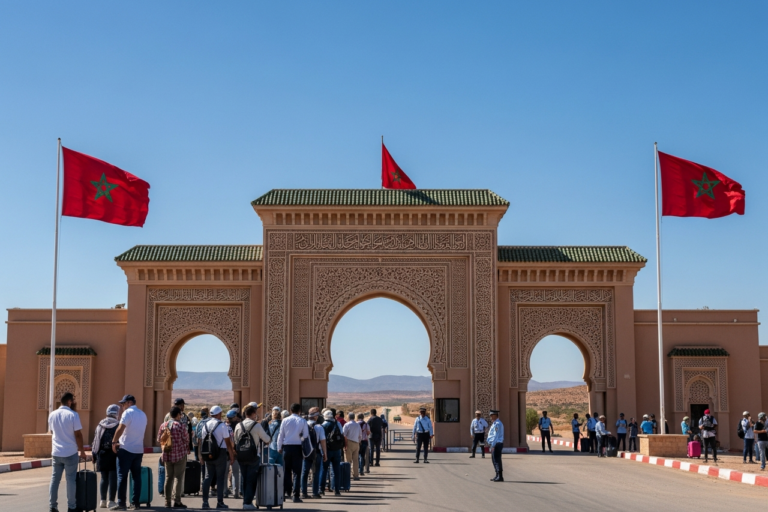
Key Highlights
-
This blog talks about Morocco’s visa requirements and how to enter the country.
-
Many nationalities can come into Morocco for up to 90 days without needing a visa.
-
Some people might need a visa or an electronic travel authorization (AEVM) before they enter.
-
You can start the application process online or by going to a Moroccan consulate.
-
It’s a good idea to look up the most recent visa policy with Moroccan authorities before you go.
-
Knowing the entry requirements and following the rules will help your journey go well.
Introduction
Are you planning to visit Morocco? This country has lively markets in Marrakech and the peaceful blue city of Chefchaouen. The place gives you a mix of culture, old stories, and fun things to try. If you are not from Morocco, you have to know the entry requirements. Before you travel, take time to learn the rules for foreign nationals. This guide will help you with visas, entry requirements, and the application process. It will get you ready to go and have a trip you will always remember.
Morocco’s Visa Policy Overview
The Kingdom of Morocco has a visa policy that tells who can travel to Morocco. Many people can visit Morocco for up to 90 days without a visa. But some people need to get a visa before they come. The Moroccan government, through the Ministry of Foreign Affairs and other groups, sets and handles these rules.
Before you plan your trip, it is smart to check with the Embassy of the Kingdom of Morocco in your country of residence to find out what you need. This guide has more info about the types of visas you can get and if there are any new rules from the Ministry of Foreign Affairs.
Definition and Types of Moroccan Visas
A Moroccan visa is a legal paper that lets you go into Morocco for things like a holiday, work, or travel through the country to another place. The visa you need can be different based on where you are from and why you want to visit. Many people only need a standard tourist visa for a trip.
The electronic visa (eVisa) is one of the most easy choices. It makes the application process easier for people who can use it. There are also other types, like a transit visa for those who just need to pass through Morocco to get to another country.
Some people may also need a Certificate of Entitlement. You must know which visa fits your need to make sure you enter the country with no trouble. For the best and new details, always check with the closest Moroccan embassy or consulate.
Recent Changes in Morocco’s Visa Regulations
Morocco can change its visa rules from time to time. So, it is good to keep up with the latest news for an easy trip. The Moroccan Ministry of Foreign Affairs looks over and often updates these visa rules, and that can affect things like which countries do not need a visa or how to apply.
There have been some new updates focused on making things work better for everyone. One example is the new electronic visa system, and it keeps growing. The idea is to help more people visit Morocco while still keeping the country safe.
For the newest information, go to the Moroccan government website or get in touch with a Moroccan embassy before you book your trip. This way, you can make sure you are following Moroccan law and you will not run into any surprises when you get there.
Visa Exemptions: Who Can Enter Morocco Without a Visa?
Good news for many travelers. Morocco gives visa exemptions to people from many countries. If you have a regular passport from one of these places, you can enter Morocco for tourism for up to 90 days. You do not need a visa for this. This makes entry requirements much easier for you.
But, Moroccan authorities still ask that you meet some rules when you arrive. In this article, we will talk about the nationalities that do not need a visa. We will also share what documents you have to show at the border to make sure you can get in without problems.
List of Visa-Exempt Countries and Nationalities
A significant number of nationalities are visa-exempt for short stays in Morocco. If you hold a passport from one of these countries, you typically don’t need to apply for a visa for visits up to 90 days. This makes planning a trip much easier.
These visa-exempt countries span across Europe, the Middle East, and other regions. While this list is generally stable, it’s always a good practice to double-check with a Moroccan consulate general or embassy before your trip, as policies can be updated.
Here is a general idea of some of the nationalities that enjoy visa-free access. Please note this is not an exhaustive list.
|
Region |
Example Countries |
|---|---|
|
Europe |
Most EU countries, United Kingdom |
|
North America |
United States, Canada |
|
Middle East |
United Arab Emirates, Saudi Arabia |
|
Asia |
Japan, South Korea |
Requirements for Visa-Free Travelers
Even when you are from a country that does not need a visa, you must still meet certain entry requirements when you arrive in Morocco. Moroccan authorities at the border will look at your travel documents. They want to make sure you follow the rules for staying in Morocco with no visa.
There is a maximum duration for people who travel without a visa. You can stay up to 90 days in most cases. It would not be good to stay longer than your allowed time. To make your entry go well, get all your paperwork ready. Show your papers to the immigration officer when you get there. Having travel insurance is a good idea. It is not required all the time, but it will help you if something goes wrong.
Here are the usual entry requirements for those who travel without a visa:
-
You need a passport that will be valid for at least six months from the day you leave Morocco.
-
Show your return ticket or a ticket showing that you will go somewhere else after Morocco.
-
Have proof that you have enough money for your stay.
-
Bring papers that show why you are traveling, such as your hotel bookings.
Visa Requirements for US Citizens and Key International Travelers
If you are from the United States, you do not need a visa to go to Morocco for tourism for up to 90 days. This makes it easy for people from the United States to visit Morocco. The Moroccan government set this rule to support tourism and help new people come in.
But you must bring some travel documents with you when you get to the border. In the next part, you will find what travel documents are needed for a visa, if one is needed. You will also see what to do when you arrive at Moroccan airports and land borders.
Documents Needed for Morocco Visa Application
If you need a visa to go to Morocco because of your nationality, you will have to get a few papers ready before you can finish the application process. The first thing you have to do is get the right travel documents together. This helps you make sure your application goes well. The visa requirements are there to check who you are and what you will do in the country.
You will hand in all these travel documents to the Moroccan embassy or consulate in your country of residence. It is very important to check that every document is right and up-to-date. This helps you avoid problems and delays when you apply for your visa.
The papers you will usually need for the application process are:
-
A visa application form that you have filled out.
-
A passport that has at least six months left before it expires.
-
Passport photos.
-
Proof of where you will stay or your accommodation in Morocco.
-
A copy of your flight plans.
-
Proof that you have enough money to pay for your time there.
Entry Formalities at Moroccan Borders and Airports
When you get to Morocco, you have to go through border control. At this point, Moroccan authorities will check your travel documents. They do this to make sure you meet all the entry requirements for Morocco. This step happens for all people who come in from outside the country. It does not matter if you arrive by plane or on land.
You have to give your passport to the immigration officer. If you need a visa, it should be in your passport and be good for the dates of your trip. The officer will look at your passport and visa. The officer may ask you a few things, like why you are visiting and how long you will stay.
After your documents are checked, the officer will stamp your passport with the entry date. Be sure to keep your passport safe while you are in Morocco, because you need it to leave the country. By following these steps, you can make your entry into Morocco smooth and easy.
Applying for a Morocco Visa
If you are not from a country that does not need a visa, you have to go through a visa application process. You need to send your application and documents to the right place, like the Embassy of the Kingdom of Morocco or a Moroccan Consulate General.
The Ministry of Foreign Affairs handles this process to make sure all applicants meet the rules. You can apply online or you can apply in person. It is important to know each step of the application process. In the next sections, you will see a clear guide to applying for a tourist visa and the different ways you can submit your application.
Step-by-Step Morocco Tourist Visa Application Process
Applying for a Morocco tourist visa can be easy if you take the right steps. First, you need to check if you can use the electronic travel authorization system, or if you should go through consular services at an embassy.
The application process has a few main steps. You will need to fill out a form, get your documents together, and pay the visa fee. If you use electronic travel, things go fast and smooth. If not, you have to visit the nearest Moroccan embassy or consulate and talk with them.
Here is a simple guide to the application process:
-
Make sure you check if you’re eligible and what method you should use.
-
Finish the official visa form and check all the answers.
-
Gather all the needed papers, like your passport and information about your flight.
-
Send in your application and pay the visa fee.
-
Wait for your visa to be processed, and then pick it up after it is approved.
Online Applications vs. Consulate Applications
When you want to get a Moroccan visa, you can do it in two ways. You may apply online or go to a consulate or embassy in person. The one you should pick depends on your country and which type of visa you must get.
You can try electronic travel authorization, sometimes called an eVisa. This electronic travel process is simple. You do everything on your computer at home. But only people from some countries can use this option.
If you can’t use the online way, you will have to visit a Moroccan consulate. You then hand in your papers there. You might also have to go for a short interview. It is a good idea to look at the embassy’s website to learn the right way to apply for your visa.
Processing Times and Costs for Moroccan Visas
When you get ready for your trip, you need to think about how long it will take to process your Moroccan visa. You should also know that visa fees can change. The total cost and time will depend on what type of visa you want and which embassy or consulate you choose. It is a good idea to apply early, before your travel dates come close.
In the next parts, you will see how long it usually takes to get your visa done. We will also give you an overview of the costs, so you can plan how much time and money you need for your visa application.
How Long Does It Take to Get a Morocco Visa?
The time it takes to get a Moroccan visa can change based on how you apply. If you use the eVisa system, you can get it a lot faster. Usually, it takes just a few business days. One of the best things about the eVisa application process is that it saves you time and it is made to be simple.
If you apply at an embassy or consulate, you might wait longer. With this method, the time to process your visa can be from one week up to four weeks or even more. The exact time depends on the given consular services and how busy they are at the time. So, it is smart to start the application process early before your trip.
If you want the best update for the timeline, you should check the website of the embassy or consulate where you will apply. These sites often show the most current processing times. This way, you can plan your trip better and not worry at the last minute.
Morocco Visa Fees and Payment Methods
The cost of a Moroccan visa is something you need to plan for in your travel budget. How much you pay depends on the type of visa you want. For example, a tourist visa, business visa, or transit visa each cost different amounts. The price also changes by your nationality. You may pay a different fee for an electronic travel authorization than what the consulate gives you for a visa.
How you pay also depends on where you apply. If you use an online form for electronic travel you will likely have to use a credit or debit card. At the embassy or consulate, you may need to give local money, use a bank transfer, or follow other payment steps.
Remember these things about visa fees:
-
Fees are not refunded, even if the embassy or consulate says no to your application.
-
Check the exact cost on the official embassy or eVisa website before you pay.
-
Hold on to your payment receipt. This shows you made the transaction.
Conclusion
To sum up, it’s important to know about the visa rules for Morocco if you want to visit this country. You need to be aware of the different kinds of visas and what you have to do for each one. This will help your travel plans go well and make your trip better. Always check for the newest updates on visa policy and things you may not need a visa for, since they can change. If you get ready and know what to expect, you can enjoy your Moroccan trip with no big problems. If you want help or need to ask a question as you plan your trip to Morocco, let us know!
Frequently Asked Questions
Can I get a Moroccan visa on arrival?
In general, Morocco does not give you a visa when you get there. The visa policy says that people who need a visa must get it before they travel. You should check the entry requirements with the Moroccan authorities before your trip. Make sure you apply for your visa early, so you do not have any problems with border control.
Where can I find the official Morocco visa application form?
You can get the official Morocco visa form from the official website of the Ministry of Foreign Affairs. You can also go to the page for the eVisa service. Another way is to check your Moroccan embassy or consulate website in your country of residence. These sites will give you what you need for the visa application process.
What should I do if my Morocco visa application is delayed?
If your Morocco visa is taking longer, you should first get in touch with the embassy or consulate where you applied. They will tell you what is happening with your visa. Processing times for a visa can be different, so it is good to wait. Still, you can ask nicely for more details if you have not heard back.



