

Key Highlights
-
Canada has over 100 different immigration programs and visa options.
-
You can get a temporary Canadian visa, like a visitor visa or work permit. You can also apply for permanent resident status.
-
The Express Entry system helps skilled workers move to Canada faster.
-
There are also immigration programs for students, business investors, and family members who want to join people living in Canada.
-
The first step for you is to know the visa requirements for your situation.
-
Some people may just need an electronic travel authorization instead of a full Canadian visa.
Introduction
Welcome to your help guide for Canadian visas. Canada is known for being welcoming to all kinds of people. It is a place with a great quality of life, strong jobs, and good public help like healthcare and schools. Many people want to move here because of these things. The Canadian immigration rules can look hard to follow, since there are many ways to get a visa. But the system is made to help you. You can visit, study, work, or try to be a permanent resident. This guide is here to make each step clear and simple for you.
Understanding Canadian Visas
Getting a canadian visa means you need to know what it is and who needs one. A visa lets you enter Canada for a certain reason and a set time. The type you get is based on why you want to go.
Your nationality is important for visa requirements. Some people do not need a visa, but many must go through the immigration process and get one before coming in. Here’s more about what a canadian visa is, who has to have it, and the ways temporary and permanent visas are not the same.
What Is a Canadian Visa?
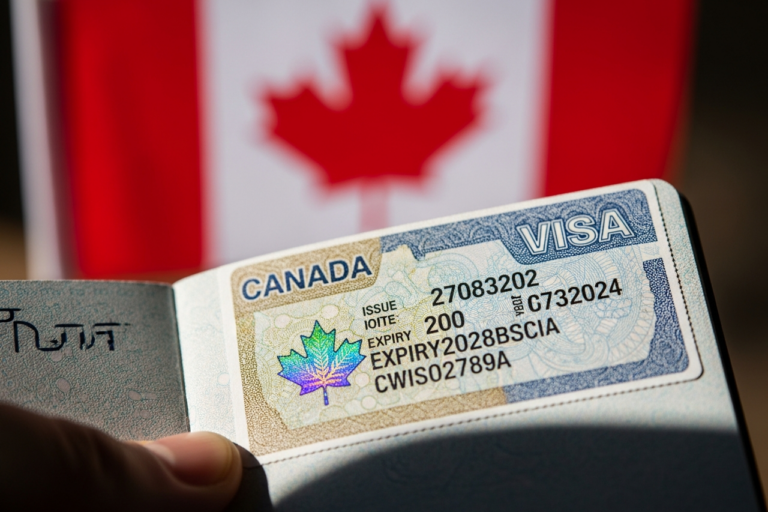
A Canadian visa is an official paper from the Canadian government. They put this in your passport to show you can enter Canada. You must meet some rules before you get it. This document tells why you want to visit and how long you can stay. You can think of it as your special pass to come into the country.
There are two main types of visas you can get: temporary and permanent. A temporary resident visa lets you be in Canada for a short time, like for travel, study, or work. You are not supposed to stay for good and you will have to leave when your time is up.
A permanent resident visa is different. It means you can live, work, and study anywhere in Canada for as long as you want. This type is for people who want to make Canada their home. The canadian visa and other travel documents help you follow the Canadian government rules for coming in and being in the country.
Who Needs a Visa to Enter Canada?
Whether you need a visa to enter Canada depends on your country of citizenship. Some countries have deals with Canada. These deals let people visit Canada for a short time without a visa. But there are other countries where people have to get a visitor visa before coming to Canada.
You can check the visa requirements for your own country on the official Canadian immigration website. It is good to do this early, before you plan your trip. If you get to the border without what you need, like a visitor visa, you may not be allowed to enter Canada.
There are some times when a person who cannot come to Canada may get a temporary resident permit. This permit gives special permission to come or stay in Canada, but it is not a visitor visa. The rules for canadian immigration are clear. Always check what you need before booking your trip.
Key Differences Between Temporary and Permanent Visas
Understanding the distinction between temporary and permanent visas is fundamental to the Canadian immigration process. A temporary resident visa, like a visitor or study visa, grants you permission to stay in Canada for a specific, limited time. Your status is temporary, and you are expected to leave when your visa or temporary resident permit expires.
In contrast, a permanent resident visa is your ticket to making Canada your long-term home. As a permanent resident, you gain the right to live, work, and study anywhere in Canada and receive social benefits, including health care coverage. This status is a significant step toward gaining Canadian citizenship, although it is not the same. Permanent residence must be maintained and can be lost under certain circumstances.
Here is a simple breakdown of the key differences:
|
Feature |
Temporary Resident |
Permanent Resident |
|---|---|---|
|
Purpose of Stay |
Tourism, study, temporary work, family visits |
Live, work, and study anywhere in Canada indefinitely |
|
Duration |
Limited, with a specific expiry date |
Indefinite, as long as residency obligations are met |
|
Rights |
Limited rights, tied to the purpose of the visa |
Rights to social benefits, health care, and can apply for citizenship |
|
Path to Citizenship |
Not a direct path |
Direct path to citizenship after meeting residency requirements |
Main Types of Canadian Visas
Canada has a lot of ways for people to move, stay, or visit. You can choose from different types of visas, depending on what you want. The main choices are temporary and permanent visas. Temporary visas are meant for people who want to visit, study, or work in Canada for a short time. Permanent visas are for those who want to live in Canada for good.
Each Canadian visa group has rules you need to follow. The steps to apply are different for each type. If you want a work permit to get Canadian experience, or you want to be a permanent resident through various immigration programs, you can find a way. Let’s look at the main kinds of Canadian visas that are out there.
Temporary Resident Visas (TRV)
A Temporary Resident Visa (TRV) is also called a visitor visa or tourist visa. It is an official document that goes in your passport. This document shows that you meet the rules needed to enter Canada as a temporary resident. Most people need this visitor visa to go to Canada. There are some countries whose citizens do not need it.
The main reason for a TRV is to let you stay in Canada for a short time. You can use it for things like going on vacation, seeing family, or having a quick business meeting. When you apply, you need to show the immigration officer that you will leave Canada after your allowed stay ends. The visa is good for a certain amount of time. You should not stay longer than what is listed.
Sometimes, you can get a temporary resident permit if you have a strong reason to be in Canada but do not meet all the usual requirements. To get a TRV, you must fill out forms, send in documents, and pay a fee. You can often use the internet to apply, which is easier.
Permanent Resident Visas
A permanent resident visa lets a foreign national live and work in Canada with no set end date. Getting permanent residence is a big step for many who want to start a new life in the country. If you are a permanent resident, you get most of the same benefits as Canadian citizens. This includes access to health care.
There are a few ways to become a permanent resident. Many skilled workers use the express entry system. This system handles applications for federal immigration programs that help people bring skills and work experience needed in Canada’s economy. Other common paths are the provincial nominee program and family sponsorship.
To apply for permanent residency, you must meet certain eligibility rules. You need to send in a full application and go through medical and security checks. After you have stayed in Canada for a set time as a permanent resident, you may be able to apply for Canadian citizenship.
Electronic Travel Authorizations (eTA)
Traveling to Canada is now simpler with the start of Electronic Travel Authorizations (ETA). This is a digital travel paper that you need if you are a visa-exempt foreign national who is flying to or passing through Canada. ETAs help with the immigration process and makes sure your trip goes well without problems. Once you get approved, the ETA will get linked to your passport and stays good for up to five years, or until your passport runs out. It is a good choice for tourists, business visitors, and international students who want to take in Canadian culture or work in Canada for a short time.
Temporary Resident Visas in Depth
Temporary resident visas let people stay in Canada for a short time. The standard visitor visa is the main choice. Still, there are special visas for business visitors or for parents and grandparents of people living there.
Knowing about these different types helps you pick the right one. It doesn’t matter if you come for a trip, a work meeting, or to see family for a long time. There is a temporary resident visa that fits your plans. Now, let’s talk about the visitor visa, business visitor visa, and Super Visa for you to understand better.
Visitor Visa Overview
A visitor visa, or temporary resident visa (TRV), is for people who want to come to Canada for a short time. You might use it for a vacation, to visit family or friends, or for a short business trip that is not for work. This visa shows that the Canadian government thinks you are able to visit the country.
If you want to get a visitor visa, you have to meet some visa requirements. You need to show the immigration officer you have enough money for your trip. You must be healthy. You also need to have strong reasons to return to your own country at the end of your visit. These reasons may be a job, family, or a place you own.
Most of the time, you can apply online at the Canadian government portal. You will need to fill out some forms, upload your documents, and pay the fee. Sometimes, you may have to give biometrics. If the officials say you cannot enter Canada but you have a good reason to visit, you may be able to get a temporary resident permit.
Business Visitor Visa
A business visitor is a temporary resident. This person comes to Canada for international business activities but does not join the Canadian workforce. A business visa, or coming in as a business visitor, is not the same as a work permit. A business visa only covers short-term actions that help grow your international business.
Business visitors go to Canada to meet business partners, join conferences, or get training from a Canadian parent company. These visitors are not counted as employees who work in Canada. Their main office and their income stay outside Canada. This difference matters when it comes to having the right entry papers.
To come as a business visitor, you may need a visitor visa or an eTA. It depends on your nationality. You should bring papers to prove why you are there, like:
-
An invitation letter from your Canadian business contact.
-
Proof that you have enough money for your stay.
-
A plan that shows what you will do in Canada.
Super Visa for Parents and Grandparents
The Super Visa is a special visitor visa for parents and grandparents of Canadian citizens and permanent residents. With the Super Visa, a family member can stay in Canada for five years at a time. There is no need to renew during this period, which makes it easier than a regular visitor visa.
This is part of Canada’s promise to help families be together. It is one of the most used immigration programs for families. To get the Super Visa, a parent or grandparent needs to be invited by their child or grandchild in Canada. The person in Canada must show they have enough money to support the visitor.
There are other steps too. The guest must take a medical check and show proof of Canadian medical insurance that lasts at least one year. The Super Visa is a good way for families to have more time together in Canada.
Canadian Study Visas and Permits
Canada is a great place for students from other countries. The schools and colleges there are known for being very good. If you want to go to Canada to study, you need to get the right documents. You will need a study permit, and sometimes a student visa.
People often use the words study permit and student visa like they mean the same thing. But they are not the same. Knowing how they are different helps you to apply the right way. Let’s talk about what a study permit is, what a student visa is, what students need to apply, and how studying in Canada can help you get permanent residency.
Study Permit vs. Student Visa Explained
It is easy to mix up the terms “study permit” and “student visa.” But they are not the same thing. A study permit lets an international student study at a designated learning institution (DLI) in Canada. It is not a visa on its own, so you cannot use it to enter Canada.
A student visa, which is also called a visitor visa or TRV, is the paper you need to get into Canada. If you are from a place that needs a visa to enter, you get one along with your study permit approval. If you are from a country that does not need a visa, you will get an electronic travel authorization, or eTA, instead of a visa.
Here’s a quick summary:
-
Study Permit: Lets you study in Canada.
-
Student Visa (TRV): Helps you enter Canada. You get it with your study permit approval if it is needed.
-
eTA: An electronic travel authorization for people from visa-exempt places. It is given when your study permit is approved.
You can think of the study permit as permission to be a student, and the visa or eTA as the key that lets you get into Canada.
Requirements for International Students
To get a study permit, an international student needs to meet some important visa requirements. First, you need an acceptance letter from a Designated Learning Institution (DLI) in Canada. This is the main document to start your application. You cannot apply if you do not have this letter.
You also need to show that you have enough money. This money will be used for your tuition, your living costs, and travel for you and your family, if they come with you. You must be in good health, and at times you may have to take a medical exam. You must also show the officer that you intend to leave Canada when your studies are done.
Here are the main documents you will need:
-
Proof of acceptance from a DLI.
-
Proof of financial support.
-
A letter of explanation about your academic goals.
-
Your education credential and transcripts.
If you follow all these visa requirements, your study permit application will have a good chance of being successful.
Pathways From Study Permit to Permanent Residency
For many international students, studying in Canada is often the first step to become a permanent resident. The Canadian immigration system values the skills and work experience you get in Canada. There are many immigration programs for students, so you can move toward permanent residency.
One popular pathway is the Post-Graduation Work Permit (PGWP) program. When you finish school at an eligible DLI, you can apply for a PGWP. This work permit lets you work for any employer in Canada for up to three years. The work experience you build with this can help you qualify for permanent residency through different Canadian immigration programs.
Key pathways include:
-
Canadian Experience Class (CEC): This is a well-known option in the express entry system. You need at least one year of skilled work experience in Canada for this pathway.
-
Provincial Nominee Programs (PNPs): Many provinces have options just for international graduates who studied in their province.
Work Visas and Permits in Canada
Many people come to Canada to get work experience. Canada has many ways people can do this. Most of the time, you need a work permit if you want to work in the country. Work permits do not last forever and tell you how and where you can work.
You should know that you can not work in Canada if you only have a visitor visa. You need to get a special temporary work permit. The kind of permit you get will be different for each person. Let’s look at the kinds of work permits and how you can apply for them.
Types of Work Permits (Open vs. Employer-Specific)
Canadian work permits generally fall into two categories: employer-specific work permits and open work permits. An employer-specific work permit, as the name suggests, allows you to work in Canada according to the conditions on your permit, which include the name of the specific employer, how long you can work, and the location of your job. Most foreign workers apply for this type of temporary work permit, which typically requires a job offer and a Labour Market Impact Assessment (LMIA) from the employer.
An open work permit allows you to work for almost any employer in Canada. This provides much more flexibility, but these permits are only available in specific situations. For example, you might be eligible for an open work permit if you are the spouse of a skilled worker or international student, or if you are a recent graduate under the Post-Graduation Work Permit program.
Here’s a comparison:
|
Feature |
Employer-Specific Work Permit |
Open Work Permit |
|---|---|---|
|
Employer |
Tied to a single, named employer. |
Can work for almost any employer. |
|
Job Offer |
A valid job offer is required. |
No job offer is needed to apply. |
|
Flexibility |
Low; cannot change employers without a new permit. |
High; can change jobs and employers easily. |
|
Common For |
Most temporary foreign workers. |
Spouses, recent graduates, some specific program participants. |
Applying for a Canadian Work Permit
The way you apply for a Canadian work permit depends on the type you need and where you are applying from. If you want an employer-specific work permit, the process often begins with your employer. They might need to get a Labour Market Impact Assessment (LMIA). This shows that there is a reason to hire a worker from outside Canada.
After your employer gets what is needed, you can start to apply for your work permit. The immigration process includes filling out forms, giving supporting documents, and paying fees. It is good to show you are a skilled worker and qualified for the job offer you have.
Key steps in the application process include:
-
Getting a job offer and any needed documents from your employer, like an LMIA.
-
Completing work permit forms and collecting documents, like your passport, photos, and proof of your skills.
You can usually apply online, and this often makes things move faster.
Bridging Open Work Permits
A Bridging Open Work Permit (BOWP) lets you keep your job while you wait for a decision on your permanent residency application. This permit fills the time between when your current work permit ends and when you hear about your permanent residence. You will not have to stop working.
To get a BOWP, you must have sent in an application for permanent residency through a program like the express entry system. You also need to have a valid work permit that will run out in four months. That way, people with skilled work experience can keep working in Canada without any gap.
The BOWP is very helpful for people moving from a temporary to permanent status. It takes away the worry of losing your job or legal status. By letting you keep working, it helps you stay in Canada and be part of the country while you wait to hear about your PR.
Pathways to Canadian Permanent Residency
Getting permanent residency is the top goal for many who want to live in Canada. Canada is open to different types of people through its many immigration streams. It brings in skilled workers, families, and business owners. Each pathway aims to meet Canada’s needs for jobs and community.
The express entry system is a main program. The Provincial Nominee Program (PNP) and family sponsorship are also popular ways to get permanent residence. Every path has its own rules and steps to follow. Here are some of the key routes. These may help you know which option fits you best for getting Canadian permanent residence.
Express Entry System
The Express Entry system is the main way Canada handles applications from skilled workers who want to be permanent residents. It is not an immigration program on its own. The Express Entry system is used to manage applications for three federal economic programs.
To start, you need to make an Express Entry profile online. You have to share details about your skills, work experience, language ability, education, and other things. Your information will be used to give you a score with the Comprehensive Ranking System. The highest scores in the pool will get an invite to apply for permanent residency in normal draws.
The Express Entry system helps run three main programs:
-
Federal Skilled Worker Program (FSWP): This is for skilled workers who have work experience outside Canada.
-
Canadian Experience Class (CEC): This is for skilled workers who already have Canadian work experience.
-
Federal Skilled Trades Program (FSTP): This is for skilled workers who are qualified in skilled trades.
Provincial Nominee Program (PNP)
The Provincial Nominee Program (PNP) is one more main way to get permanent residency in Canada. Through this program, each province and territory in Canada can choose people who want to immigrate to Canada and live in a specific province. Every province has its own immigration programs, called “streams.” These streams help meet the needs the province has for its economy and people.
These provincial programs often look for skilled workers, graduates, and business people who have experience and the right skills needed in the province’s job market. If you get nominated by a province, you get a nomination certificate. You can use this to apply for permanent residence with the federal government. Having a provincial nomination is a big advantage because it gives you a lot more points for your Express Entry CRS score, or even lets you apply directly.
If you use a PNP to apply, you usually must do it in two steps. First, you apply to the province to get a nomination. If you are picked, then you apply to Immigration, Refugees and Citizenship Canada (IRCC) for permanent residency.
Family Sponsorship
Family sponsorship is a big part of immigration programs in Canada. It lets Canadian citizens and permanent residents bring their family members to Canada as permanent residents. If you are a permanent resident of Canada or a citizen, and you are at least 18 years old, you might be able to sponsor certain family members.
The most common people supported are spouses, common-law partners, and dependent children. You may also get to sponsor other relatives, like parents, grandparents, or orphaned brothers, sisters, nieces, or nephews. The program for bringing parents and grandparents is very popular. It usually has a lottery or an invitation system because so many people want to bring them.
If you become a sponsor, you need to sign a promise to help your family member by taking care of their basic needs for a set time. These immigration programs are there to bring families together and help them start a new life in Canada.
Business Immigration Options
Canada wants to bring in new business ideas and skilled business people from all over the world. The country has set up many immigration programs that help get investment and talent into Canada. This can help create jobs and help the economy grow. If you have a solid business idea or good experience in management, you can even get permanent residency through these programs.
There are a number of ways to come to Canada for business, like the Start-up Visa Program for new businesses. People who are self-employed or want to transfer within their company also have ways to come. These options are different from what business visitors use for short visits. Here, we will talk about some main business visa options.
Start-Up Visa Program
The Start-up Visa Program is a one-of-a-kind business visa route in Canada for people who want to move and start a new business. This program is built for immigrant business people who have the skills and ideas to set up new and smart companies in the country. The difference between this and other immigration programs is that it helps these business people meet and work with private groups in Canada who know a lot about start-ups.
If you want to take part, you need a business idea that is good enough to qualify. You also have to get support from a Canadian group. This could be a venture capital fund, an angel investor team, or a business incubator given approval by Canada. The group will give you a Letter of Support. This letter is very important in your start-up visa application. The main goal is to bring business ideas that are new, that can create jobs for Canadians, and that have the power to take on other companies around the world.
If you are picked to join the Start-up Visa Program, you and your close family can get permanent resident status. This is special, because most other immigration programs do not offer such a clear path to become a permanent resident. In this program, you do not have to put your own money into the business at first to move forward in getting permanent residency.
Self-Employed Persons Program
The Self-Employed Persons Program is made for people who have a background in cultural activities or athletics. It helps those who want to move to Canada and do good work in these areas. This program gives a different immigration process for artists, performers, and athletes to become permanent residents.
To get in, you need at least two years of work experience within the last five years before you apply. This work can be as someone working for yourself in culture or sports, or being part of top-level events in those fields. You must show you plan to be self-employed in Canada and are able to do so.
This pathway is not like the skilled trades program. The skilled trades pathway uses points for things like age and school. The Self-Employed Persons Program looks at your work experience and if you can set yourself up in Canada. It’s mainly for certain professionals who want to bring their skills to Canada.
Intra-Company Transfers
The Intra-Company Transfer (ICT) program helps international companies move their key employees to a Canadian parent company, branch, subsidiary, or affiliate for a short time. This is a work permit stream, not a direct way to get permanent residency like a business visa program. The ICT program helps employees with special skills or positions travel and work in Canada.
A foreign national can get an ICT work permit if they have worked for the global company for at least one year without any breaks. They must be coming to Canada to work as an executive, in a senior manager role, or in a job where they use specialized knowledge. With this work permit, the employer does not need a Labour Market Impact Assessment (LMIA), which can make things easier.
For many people, the ICT work permit is the first step toward permanent residency. Canadian work experience can help someone become eligible for immigration programs like the Canadian Experience Class. This way, the work experience gained in Canada gives an edge. The ICT program is a good option for global businesses that want to grow in Canada.
Application Process for Canadian Visas
The application process for a Canadian visa can feel hard, but it gets much easier when you take it step by step. The Canadian government gives clear instructions for every kind of visa. In general, you need to check if you meet the visa requirements, collect all your papers, fill out the forms, and send your application.
To get a Canadian visa, you need to know about the immigration process and follow each rule from the start. It does not matter if you apply online or with paper forms. What matters is that you are ready and have what you need. Here, you will see the steps, find out which papers you need, and get an idea of how long the process takes.
Step-by-Step Visa Application Guide
Applying for a Canadian visa has a few easy steps to follow. The first step to take is to find out which visa or immigration program is best for you. The canadian government website gives you an online tool. You can use this tool to help you know what will fit your plans and personal stuff.
After you know the type of canadian visa you want, you can start the application process. Most people send in their applications online. This is often faster and you can track your application in it. You have to open an account on the official immigration portal. Then, you fill out the needed forms and upload your papers.
Here’s a simple guide to these steps:
-
Determine Eligibility: Check the visa requirements to see if you match up.
-
Gather Documents: Get all your needed papers like your passport, pictures, and proof of funds.
-
Complete Forms: Fill the forms out the right way and make sure nothing is missed.
-
Submit and Pay: Send your application and pay the fees for both processing and biometrics.
Getting help from authorized immigration services can give you peace of mind. They can make sure your application is full and correct.
Required Documents and Fees
A big part of any Canadian visa application is sending in the right travel documents. Some visa requirements depend on the type of visa, but there are a few things you almost always have to include. The most important is your passport. It needs to be valid.
You must also show that you meet all the rules for the visa you want. This can mean you send papers like bank statements, letters of invitation, or proof of where you work. Make sure you give clear copies of every document. If something is not in English or French, get it translated by someone who is allowed to do so.
For a Canadian visa, the documents you usually need are:
-
Completed application forms.
-
A valid passport with at least one blank page.
-
Proof of financial support.
-
Passport-sized photos that meet the right size and style.
The application process asks you to pay some government fees, too. You will need to pay a processing fee for sending your application and a biometrics fee for your fingerprints and photo. Be sure to pay these fees when you hand in your paperwork.
Processing Times and What to Expect
Visa processing can take up different amounts of time. It depends on the type of visa you are getting and the country you apply from. The Canadian government has an online tool. You can use it to see the most up-to-date time for your kind of visa. Be aware that these are just estimates. The times can change if there are more people applying or if the immigration levels set by Canada change.
After you send in your visa application, an officer will look at it. They will check if it is complete and if you meet all the visa requirements. You might need to give more information or go for an interview. For a lot of people, giving biometrics will also be needed. You do this at a Visa Application Centre. This means you give your fingerprints and a photo.
When a decision is made, you get a notice. If you get the visa, you will receive the visa and details on what to do next. If the visa is not given to you, they will send you a letter to tell you why. You need to be patient during these steps. Check your application online to see any new updates.
Important Considerations and Common Questions
When you use the Canadian visa system, there are some things you should know so you don’t get into trouble. You need to understand what you can and cannot do with a visa like a visitor visa. This will help you keep your legal status in Canada. For example, if you work on a visitor visa or stay longer than you should, there could be big problems.
It’s a good idea to know the visa requirements for each activity you plan to do. If you need to extend or renew your status, make sure you do it the right way. This will help you avoid any issues with canadian immigration, travel authorization, or other immigration programs.
Now, let’s look at some of the most common questions people have about canadian visa rules and travel authorization.
Can You Work or Study on a Visitor Visa?
In Canada, when you have a visitor visa, you can’t work or study. A visitor visa is meant for people who are temporary resident, like those coming for tourism or to see family and friends. If you work or join an academic program while on a visitor visa, you go against the rules. This could make you leave the country.
If you want to work in Canada, you will need to apply and get a work permit. It is the same for most kinds of school or training. You will have to get a study permit first. You can’t come as a visitor and start working or go to classes right away.
There are some exceptions:
-
You may attend a short-term course or program in Canada that is six months or less.
-
Some business visitors can take part in certain overseas business tasks without a work permit.
-
There are special cases in public policy when a visitor could ask for a work permit from inside Canada.
Always check the rules before you try to work or study in Canada with a visitor visa.
Overstaying or Violating Visa Conditions
If you break the rules of your Canadian visa, such as staying longer than you are allowed, you could face big problems. When you come into Canada, the border officer will stamp your passport or tell you when you need to leave. This time is usually up to six months. You must leave Canada by that date.
If you stay in Canada after your visa expires, you lose your temporary resident status. You will also be there illegally. This will make it very hard for you to get another Canadian visa later. The Canadian government is strict about these rules. If you do not follow the visa requirements, you might get a removal order. This means you will be forced to leave and you may not be able to go back for some time.
To avoid trouble, always check when your travel documents and status end. Plan what you need to do so you are not caught by surprise. If you want to stay in Canada longer, you have to apply to extend your stay before your current temporary resident status runs out. Following all parts of the immigration process and visa requirements is very important. This way, you will have a better chance if you need to deal with canadian immigration in the future.
Renewing or Extending Your Canadian Visa
If you are in Canada as a temporary resident and you want to stay longer, you need to apply to extend your status before it ends. This lets you make changes to how long you stay and get a new end date. This is called applying for a visitor record, or a new study or work permit.
You need to send in your application to extend your status before your current status runs out. If you do this, you can stay in Canada under the same rules you had before while you wait for a decision. This is called “maintained status,” which used to be called “implied status.”
The application process includes:
-
Filling out the right application forms.
-
Giving documents that show why you need to stay longer.
-
Paying the needed fees.
You should try to send your application at least 30 days before your status runs out. This helps you keep your status and makes sure you follow the correct steps in the immigration process.
Conclusion
It can feel hard to figure out the steps for Canadian visas. The good news is, you can make things easier if you learn about each visa type and how the steps work. There are different choices. You might want to visit, study, work, or stay for good. It helps to know about temporary resident and permanent residency options. When you know about their rules and what you need, your chances of getting a visa can be better. If you get stuck or want help for your case, you can ask for a free meeting. This move could be the start of your journey in Canada.
Frequently Asked Questions
How do I move from the United States to Canada on a visa?
U.S. citizens do not need a visa to visit Canada. But if you want to move there, you have to follow an official immigration process. You can apply for a work permit by using programs in the Canada-United States-Mexico Agreement (CUSMA). You can also apply for permanent resident status. Some people do this through Express Entry, if they qualify. This is for those who want to become a permanent resident of Canada.
What documents are required for a Canadian visa application?
You need some documents when you apply for a Canadian visa. These usually include a valid passport, filled-out forms, proof that you have money to support yourself, passport photos, and a letter that tells the reason you want to travel. The visa requirements may be different for each application. So, you should look at the official Canadian government website to get the full list of what you need for your Canadian visa.
How long does it take to get a Canadian visa approved?
The time it takes to process a Canadian visa can be different for everyone. It depends on the type of visa you are applying for and the country you are in. For a visitor visa, you may wait a few weeks, or it can take a few months. If you want permanent residency, the wait will be much longer. The Canadian government website has an online tool where you can check the most up-to-date processing times.



