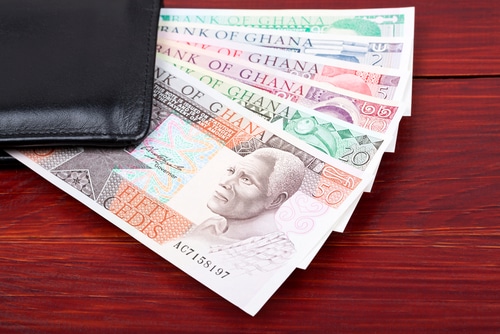
Ghana, a vibrant nation on West Africa’s coast, boasts a rich history and a dynamic economy. Central to its economic identity is its national currency: the Ghanaian cedi (GHS), symbolized as GH₵. Issued by the Bank of Ghana, the cedi is divided into 100 smaller units called pesewas.
1. The Cedi’s Name Derives from Cowry Shells
Before colonial times, cowry shells were a prevalent medium of exchange in the region. The Akan word for cowry is “cedi,” which inspired the name of the national currency when Ghana moved away from the Ghanaian pound. Early coins even featured images of cowry shells, paying homage to this historical trade practice.
2. Ghana Has Had Multiple Currency Transitions
Since gaining independence, Ghana has undergone several currency changes:
- Ghanaian Pound: Introduced post-independence.
- First Cedi (1965): Replaced the pound at a rate of 2.4 cedis to 1 pound.
- Second Cedi (1967): Introduced to replace the first cedi due to inflation.
- Third Cedi (2007): Redenominated to address currency devaluation, with 1 new cedi equal to 10,000 old cedis.
These transitions reflect Ghana’s efforts to stabilize its economy and currency value.
3. The “Big Six” Feature Prominently on Banknotes
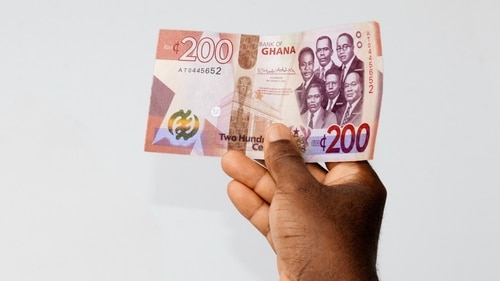
Several cedi banknotes, including the GH₵1, GH₵10, GH₵20, and GH₵50, showcase portraits of the “Big Six,” leaders of the United Gold Coast Convention who played pivotal roles in Ghana’s independence movement:
- Kwame Nkrumah
- Ebenezer Ako-Adjei
- Edward Akufo-Addo
- Joseph Boakye Danquah
- Emmanuel Odarkwei Obetsebi-Lamptey
- William Ofori Atta
Their inclusion on the currency serves as a tribute to their contributions to Ghana’s nationhood.
4. Cocoa Beans Adorn the 20 Pesewa Coin
Ghana is one of the world’s leading cocoa producers. To honor this significant aspect of its economy, the 20 pesewa coin features an image of cocoa beans. Other coins depict symbols representing justice, education, and cultural heritage.
5. Rebecca Naa Dedei Aryeetey Graces the 50 Pesewa Coin
The 50 pesewa coin bears the likeness of Rebecca Naa Dedei Aryeetey, a prominent businesswoman and political activist who supported Ghana’s independence movement. Her legacy is commemorated not only on the coin but also through public transportation buses named “Auntie Dedei” in her honor.
6. Smaller Denominations Are Becoming Less Common
Due to inflation and practicality, lower denomination coins like the 1 pesewa are rarely used in daily transactions. Vendors and consumers often round prices to the nearest 5 or 10 pesewas, and some businesses have stopped accepting the smallest coins altogether.
Sending Money to Ghana
When sending money to Ghana, it’s essential to consider the current exchange rates and transaction fees. Utilizing reputable money transfer services can ensure that funds are delivered efficiently and securely. Always verify the recipient’s details and choose services that offer transparency in fees and exchange rates.
Frequently Asked Questions
What is the symbol for the Ghanaian cedi?
The symbol for the Ghanaian cedi is GH₵.
How many pesewas make up one cedi?
One cedi is equal to 100 pesewas.
Who issues the Ghanaian cedi?
The Bank of Ghana is responsible for issuing and regulating the Ghanaian cedi.
Are older cedi notes still in circulation?
Older cedi notes, especially those from before the 2007 redenomination, are no longer in circulation. The current series includes denominations like GH₵1, GH₵2, GH₵5, GH₵10, GH₵20, GH₵50, GH₵100, and GH₵200.
Can I use foreign currency in Ghana?
While some establishments may accept foreign currencies, it’s advisable to use the Ghanaian cedi for transactions. Currency exchange services are widely available throughout the country.