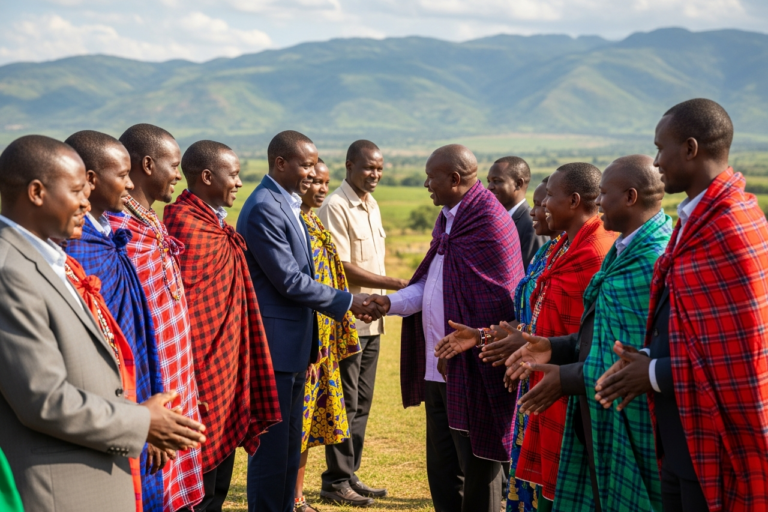

Key Highlights
Here are the main things you need to know about greetings in Tanzania:
-
People in Tanzania think greetings are important. They show you are polite and respectful.
-
Simple swahili phrases like “Jambo,” “Hujambo,” and “Habari” are part of everyday talk.
-
You should show extra respect to elders when you greet them. Say “Shikamoo” for them.
-
Most people use handshakes, but make sure you use your right hand. The left hand in Tanzania is not used, because it is seen as unclean.
-
The pace of life here is slow, so don’t rush. Taking your time with greetings helps you connect with people.
-
If you learn a few basic verbal and hand signs, it shows you understand their culture. This is a good idea for travelers.
Introduction
Are you going to Tanzania? If you want to meet local people and show respect, learning swahili greetings is a good idea. In tanzania, a greeting is more than just saying hello. It be how you start talking and make a new friend. Swahili greetings let you make people smile and feel welcome. It will make your trip better and help you get to know their culture. You can build real connections and see the good side of this East African place.
Understanding the Role of Greetings in Tanzanian Culture
In Tanzania, greeting each other is very important. It is not just about following a rule. For people of Tanzania, greetings are a big part of how they talk and connect each day. When you stop to say a proper greeting, you show respect. You also let the other person know you see them. This is a big part of the life of every local person in East Africa.
If you rush a greeting in Tanzania, the people might think you are being rude or do not care. The local people care a lot about real human contact. A proper greeting in Swahili is the first thing you need to do to build a good relationship. Let us look at why these small interactions mean so much in everyday life in Africa.
Why Greetings Matter in Everyday Interactions
Taking time to say a proper hello can show people you value them. In East Africa, people move at a slower pace, and a greeting is often more than just words. It gives you both a moment to stop and connect. People here like this personal touch.
Friendliness is very important in east Africa. Tanzanians, for example, are known to be warm and welcoming. If you join in with a friendly swahili greeting, you can match their warmth. Just saying “hello” in swahili can lead to a longer talk and let others know you are open and easy to talk with.
At the end of the day, swahili greetings are used to make or keep good relationships. You can see this when you meet almost anyone in east africa—a shopkeeper, a guide, or even someone new. That first greeting is very important. It helps start things on a good note in day-to-day life all over africa.
The Social Importance of Politeness and Respect
Politeness and respect are at the heart of Tanzanian society. People use greetings to show these values each day. In tanzania, you must always show respect to elders. It is not just a choice, but a part of life in this place. Elders are known to have wisdom and much experience. People honor them above all others.
When you see an elder, you say “Shikamoo” to show respect. The elder will reply with “Marahaba.” This is their way of saying they accept your honor. This exchange means a lot in tanzania and is a good way to show how this culture values older people. You will see this exchange often in rural areas.
Politeness in tanzania does not stop at the elders. It is normal to greet every person in a group or room, no matter who you came to see. If you leave someone out, it can feel rude to them. This use of greetings helps bring people together and makes sure all feel seen and respected.
Common Verbal Greetings in Tanzania
Saying a few Swahili greetings is one common way to start a friendly talk in Tanzania. Swahili is the official language. Most people speak it and use their local tribal words, and many can also use English. When you try some Swahili phrases, people will be happy, and your talk with them will go much better.
If you even try to use the language a little, it shows you want to get to know the culture. Here, you will find essential Swahili greetings you can use, like a simple hello or what to say at different times in the day.
Swahili Phrases for Saying Hello
If you want to know how to say hello, there are some good ways to greet someone in Swahili. The most well-known Swahili greeting is “Jambo.” Many tourists use this. Local people will know what you mean. But if you use a more real greeting, it can show you care to learn more.
One of the most common ways to say hello to one person is “Hujambo.” This is like asking, “Are you okay?” or “Do you have any problems?” The right answer is “Sijambo,” which means “I’m good” or “I don’t have any problems.” There is another very common way to greet. You can say “Habari,” which means “News?” This is the same as saying, “How are you?” or “What’s new?”
Here are a few important Swahili words for greetings:
-
Jambo: This is a simple hello for almost any time. Many people say this to visitors.
-
Hujambo: Use this when you want to greet one person. You ask if they are okay.
-
Habari / Habari gani?: This is a common way in Swahili to ask, “How are you?” or “What’s the news?”
-
Shikamoo: This greeting is for elders and shows respect.
These swahili words, like habari gani, are a common way to start talking with someone in swahili. So, next time you want
Time-of-Day Greetings and Their Meanings
Yes, just like in English, Tanzanians often greet each other based on the time of day. This is a thoughtful way to tailor your greeting and shows a deeper understanding of the language. These greetings are usually formed by adding a phrase after “Habari za,” which means “News of.”
For instance, to say good morning, you would use “Habari za asubuhi?” This is a warm and common way to start the day. Similarly, there are specific phrases for the afternoon and evening. The typical response to these questions is “Nzuri,” which means “Good.”
Here is a simple guide to time-of-day greetings:
|
Swahili Phrase |
English Meaning |
|---|---|
|
Habari za asubuhi? |
Good morning? |
|
Habari za mchana? |
Good afternoon? |
|
Habari za jioni? |
Good evening? |
Using these phrases will make your Swahili greetings sound even more natural.
Beginner’s Guide to Greeting Customs in Tanzania
As a beginner, stepping into a new culture in Tanzania might seem hard at first, but learning how to greet people is not as tricky as you think. You do not need an app or a tour guide to help you with swahili greetings. A little practice and the right mindset will help you get started.
When you greet someone, remember it is a quick exchange. It is not just one word. You usually ask a simple question and answer back. After that, you often shake hands. In this next part, you will learn all you need to know. You will get tips about the right attitude and see a step-by-step guide to greeting someone in swahili the right way.
What You’ll Need to Get Started (Language, Attitude, Awareness)
To get started, it’s good to focus on three main things: language, attitude, and being aware of the people around you. You do not need to know all of Swahili, but learning a few key phrases and some essential Swahili greetings will help a lot. Your perfect pronunciation does not matter. People will see your effort, and they will like it.
How you act matters, too. Try to be open, friendly, and have patience with others. In Tanzania, people love to connect. Be ready—the greetings here can take longer than what you may be used to; a warm smile will go a long way.
You should also pay close attention to watching how others act around you, especially when it comes to age and who holds what place in the group. If you do this, you will know how to show respect and fit in better. Here is what you need:
-
Language: Learn a few essential Swahili greetings.
-
Attitude: Be friendly, patient, and open to connection.
-
Awareness: Observe social cues and show respect, especially to elders.
Step-by-Step Guide: How to Greet Someone in Tanzania
Meeting someone in Tanzania is friendly and kind. The steps in this guide will help you feel sure when you say hello to local people. The aim is to make a good connection with them. So, a warm and real way works best.
You start by saying a greeting. Then, you do a handshake with your right hand. After that, there is a short talk where you ask about how each other is doing. This tradition helps people feel close and shows you care. The whole talk is calm and feels personal.
Follow these steps when greeting local people in Tanzania:
-
Step 1: Pick the right greeting for who you meet and where you are.
-
Step 2: Show the right body language. Give a handshake with your right hand.
-
Step 3: Try the back-and-forth chat after.
-
Step 4: Use nice phrases to end the greeting.
Step 1: Choosing the Right Greeting for the Situation
The first thing to do when you greet someone is to pick the right words. This depends on who you talk to and the time of day. If you want a simple and friendly greeting, “Habari?” works well. It can be used anywhere, and people understand it.
Think about where you are and who you talk to. If you greet an elder, use “Shikamoo” to show respect. If you see friends in the evening, “Habari za jioni?” is a good choice. Using swahili greetings for the right time of day shows that you know and care about the culture. People will like this and notice it.
Swahili is the official language in Tanzania. But, many Tanzanians in cities and tourist spots speak english too. It’s okay to greet someone in english. Still, using swahili greetings can help you make a stronger connection with people. It shows you respect their culture.
Step 2: Using Proper Body Language and Gestures
What you do with your body and your hands is just as important as what you say. A nice smile and good eye contact help you look warm and friendly. When you say hello to someone, say it with a handshake. In Tanzania, the handshake is usually soft and may go on for a while, sometimes even while you talk at first. This is a way to show that you are a friend.
Make sure you always use your right hand for a handshake. You should also use it when you give or take anything. People in Tanzania see the left hand as unclean because it is used for personal care. It is seen as rude if you use your left hand for a greeting. If you want to show even more respect, like when you meet an elder, you can put your left hand on your right arm while you shake hands.
Think about personal space and other ways people talk without words. If you meet a woman, wait and let her reach out first, especially in places that are more traditional. If she does not give her hand, it is good to say hello with a smile and a small nod.
Step 3: Engaging in a Typical Greeting Exchange
A Tanzanian greeting is more like a chat than talking by yourself. When you say “hello,” get ready to spend a bit of time on a friendly talk. This short chat is where people really connect with each other. This going back and forth shows that you truly care about the other person.
For instance, if you say “Habari?” (How are you?), most people will answer, “Nzuri” (Good), and then ask you the same thing. It’s nice to also ask about their family, work, or trip. This is one way to show the friendliness that Tanzanians are known for.
Do not hurry this step in the greeting. The slow speed is there for a reason. It lets you show that you value the person more than being in a rush. Using even a few easy Swahili phrases will be welcomed and will give your meeting a good start with anyone in Tanzania.
Step 4: Following Up with Polite Phrases
After you finish the first greeting, it helps to use a few polite swahili words. These short phrases show your good manners and that you feel grateful. Using them will help you stand out in a good way. One of the most important swahili words is “Asante.” It means “Thank you.”
If someone says “Habari?” to ask how you are, a nice answer would be “Nzuri, asante.” That means “Good, thank you.” This is an easy way to show respect. You can also say things to show you are glad to meet someone. It is nice to wish them well too.
Here are some swahili words and phrases you can use:
-
Asante: Thank you. You should try to use it a lot!
-
Asante sana: Thank you very much.
-
Nzuri: Good or Fine. People say this often as an answer to “How are you?”
-
Karibu: Welcome. You will hear this often, and you can use it when you want to welcome someone or give something.
Special Considerations for Greeting Elders and Groups
While everyone should be friendly, you need to know some extra things when you are greeting elders or a group. People in Tanzania really value showing respect to elders. There are certain ways you have to act to show this respect. When you greet a group, there are also some rules that help make sure the greeting feels friendly and that no one gets left out.
Knowing these small differences shows that you have respect for the people and their culture. Tanzanians will notice and like that. Below you will find tips on how to greet elders the right way, and how to be polite when greeting a group.
Showing Respect to Elders and Respected Individuals
When you meet elders or people who have authority, you should always show respect. The most important thing is to use the Swahili greeting “Shikamoo.” Young people use this word when greeting older people. It shows that you give respect. The elder will answer with “Marahaba,” which means they accept that respect.
Your body language matters, too. When you shake hands, you should put your left hand on your right forearm. This gives even more respect. Many people might also bow a little or lower their head when greeting an elder. Let the elder start the handshake.
People in all parts of the country practice these steps, but they are seen more in rural areas. Do not use friendly slang words like “Mambo” with elders. When you use “Shikamoo” and the right body language, you honor an important tradition in their culture.
Etiquette When Greeting Groups or Strangers
When you go into a room or walk up to a group of people in Tanzania, it is good manners to say hello to everyone there. If you only say hi to your host and not the others, that can be seen as rude. People in Tanzania want you to greet the whole group, and then shake each person’s hand after.
If you want to greet a group, you can say “Hamjambo?” This is the plural for “Hujambo.” The group will answer with “Hatujambo,” which means “We are fine.” You can also say “Jambo” to everyone. After saying hello, start shaking hands, beginning with the person who is close to you. In a busy place like Dar es Salaam, things might not be as formal, but it is important to greet each person.
There is a small difference between greeting strangers or friends. When you meet friends, you can use street slang like “Mambo?” or “Vipi?”. For strangers, use more formal words, such as “Hujambo” or “Habari,” until you know them better.
Conclusion
To sum up, it is important to know and use greeting customs in Tanzania if you want to connect with the people. Greetings are the first step to start talking to others and to show respect in social life. If you learn the usual words, the right body gestures, and how to speak to older people or to a group, you will be ready to meet people in the right way. Taking on these customs will help make your time in Tanzania better. It also builds respect and a bond with the local people. So, when you go to Tanzania, keep in mind that a warm greeting can go a long way!
Frequently Asked Questions
Are there differences between formal and informal greetings in Tanzania?
Yes, there is a clear difference. Formal swahili greetings like “Shikamoo” are for elders, and “Hujambo” is used to show respect. People of tanzania use these when being polite. Casual greetings, like “Mambo” or “Vipi,” are common with younger people in tanzania. They use these with friends or in relaxed times. Swahili greetings can change a lot depending on who you talk to.
What gestures should I use when greeting someone in Tanzania?
The usual greeting is a handshake with your right hand. You should not use your left hand, because people think it is not clean. If you want to show more respect, especially when you meet an elder, put your left hand on your right forearm while you shake hands. Look at the person’s eyes in a friendly way and give a warm smile.
How do I address multiple people in a group greeting?
In Tanzania, it is good to greet every person in a group. You can say “Hamjambo?” in Swahili. This means, “How are you all?” After saying this, make sure you shake hands with everyone in the group. This shows respect to all.
Is it common to shake hands or use other forms of physical greeting?
In Tanzania, the handshake is a key part of a greeting. Local people use a gentle handshake to connect with each other. It can last for a while and shows friendship. Hugging is not common, especially if people have just met. But a warm handshake is the usual way to greet someone in Tanzania.