Setting up a new automatic payment or giving your details to a new employer should be simple. You log into your banking app, find your account number, and type it into the form. However, things can quickly get confusing when a form asks for your specific “bank code.”
Many people look at their long string of account numbers and feel unsure about which digits belong where. Typing the wrong number can lead to failed payments, delayed wages, or money sent to the wrong person. Knowing the exact breakdown of your account details provides peace of mind when managing your finances.
We are here to clear up that confusion. This guide explains exactly what a bank code is in New Zealand, how it fits into your full account number, and how you can find it in seconds.
What Is a Bank Code in New Zealand?
A bank code is a two-digit number that identifies a specific financial institution in New Zealand. It is always the first two digits of your full bank account number.
The purpose of this code is simple. It tells the banking system exactly which bank holds your account. When money moves between different accounts, the system reads this two-digit code first to direct the funds to the correct institution, such as ANZ, BNZ, or Westpac.
It is important to remember that your bank code is only one small part of your overall account number. It does not identify your specific branch or your personal account. It only identifies the bank itself. Bank prefixes are country-specific and are used solely within New Zealand’s financial system — for international transfers, a different system applies entirely.
Understanding the NZ Bank Account Number Format
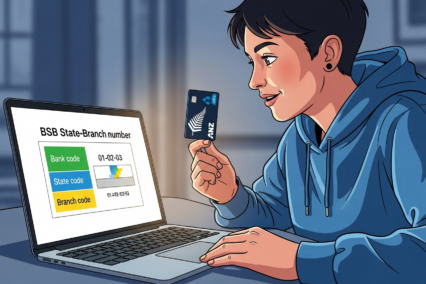
New Zealand bank account numbers follow a standardised 16-digit format, coordinated by Payments NZ. The standard format looks like this: XX-XXXX-XXXXXXX-XXX.
Here is exactly what each section means:
- Bank code (XX): The first two digits identify your bank.
- Branch code (XXXX): The next four digits identify the specific branch where your account was opened or is currently held.
- Account number (XXXXXXX): The following seven digits are your unique personal account number.
- Suffix (XXX): The final two or three digits identify the type of account you have, such as a cheque, savings, or credit account.
Consider this real-world example: 12-3456-1234567-00. In this example, “12” is the bank code, which means the account belongs to ASB. The “3456” identifies the specific ASB branch. The “1234567” is the individual’s unique account, and “00” is the suffix indicating it is a standard everyday cheque account.
List of Bank Codes in New Zealand
Different banks use different two-digit codes. Here is a helpful list of the most common bank codes used in New Zealand:
- ANZ: 01 (and sometimes 06)
- Bank of New Zealand (BNZ): 02
- Westpac: 03
- ASB: 12
- Kiwibank: 38
- TSB: 15
- SBS Bank: 08
- Co-operative Bank: 06
Note that some larger banks may have multiple codes due to historical mergers. If you have an account with a smaller credit union or a bank not listed here, check your official banking documents to confirm your specific two-digit code.
When Do You Need a Bank Code?
You will need to know your bank code for several common financial tasks. It is required whenever you move money within the New Zealand banking system. Bank codes are administered by Payments NZ, who oversee the Bulk Electronic Clearing System (BECS) — the network that processes direct debits, automatic payments, bill payments, and direct credits across the country.
Common situations include:
- Setting up automatic payments for rent or subscriptions.
- Giving your account details to an employer to receive your salary or wages.
- Paying bills or transferring tax payments to the IRD, which requires your account number in the full bank-branch-account-suffix format.
- Transferring money between your own accounts at different banks.
- Filling out online forms to set up direct debits for utilities.
How to Find Your Bank Code
Finding your bank code is easy. Because it is always the first two digits of your account number, you just need to locate your full account details.
Follow these simple steps:
- Check your banking app. Log into your mobile banking app or internet banking portal. Your full account number is usually displayed right at the top of the screen or on your main dashboard. The first two numbers are your bank code.
- Refer to bank statements. Look at a recent digital or paper bank statement. Your account number will be printed clearly at the top of the page.
- Look at your EFTPOS or debit card. Some New Zealand banks print your full account number directly on the back of your physical card.
- Ask your bank. If you are still unsure, call your bank’s customer service team or visit a local branch. They will happily confirm your details for you.

Common Mistakes to Avoid
Filling out financial forms can be stressful. Avoiding these common mistakes will ensure your money goes exactly where it needs to go:
- Confusing the bank code with the branch code. Remember, the bank code is the first two digits. The branch code is the next four digits.
- Entering incomplete account numbers. Always double-check that you have included the suffix at the end of your account number.
- Using the wrong bank code for transfers. If you accidentally type “02” instead of “12”, the system will try to send your money to BNZ instead of ASB. Payments sent to an incorrect account can result in delays and may require the receiving bank to contact the account holder to arrange a return.
- Mixing up domestic and international formats. New Zealand bank codes are only used for domestic transfers within the country.
Bank Code vs SWIFT Code vs IBAN
Sending money overseas requires different information than sending money locally. It is important to know the difference between domestic codes and international codes.
- Bank code: This is strictly for domestic use within New Zealand. It is always two digits.
- SWIFT/BIC Code: This is an international bank identifier code. A SWIFT code is 8 to 11 characters long and identifies a bank’s country, location, and branch for international wire transfers. You need this code to receive money from a different country.
- IBAN: The International Bank Account Number (IBAN) is heavily used in Europe and other parts of the world. New Zealand has not adopted the IBAN standard — if asked for one, simply provide your full bank account number and suffix instead.
Understanding these differences helps prevent costly transfer errors when managing international payments.
Why Bank Codes Matter
Bank codes are essential for secure financial processing. They ensure payments go to the correct financial institution without delay.
When you use the correct bank code, you reduce the risk of errors. You can trust that your rent will be paid on time and your wages will arrive in your account safely. The banking system relies on these exact numbers to process payments accurately across New Zealand’s network of banks and branches.
Frequently Asked Questions (FAQs)
What is a bank code in NZ?
A bank code is the first two digits of your New Zealand bank account number. It identifies your specific bank, such as ANZ or Kiwibank.
Is the bank code the same as the branch number?
No. The bank code identifies the bank itself. The branch number is the four-digit sequence that follows the bank code, and it identifies the specific local branch of that bank.
Can two banks have the same bank code?
No, each bank has unique codes to prevent payment errors. However, a single large bank may operate under multiple different codes.
Where do I find my bank code?
It is the first two digits of your full account number. You can find this easily in your mobile banking app, on your bank statements, or by logging into your online banking portal.
Do I need a bank code for international transfers?
No. For international payments, you typically need a SWIFT or BIC code instead. The New Zealand bank code is only used for domestic transfers.
What happens if I enter the wrong bank code?
Your payment will likely fail, be delayed, or go to the wrong account. Always double-check your payment details before confirming a transfer.
Is the bank code always two digits in NZ?
Yes, New Zealand bank codes are always exactly two digits long, representing your bank within the national payments system.
Secure Your Payments Every Time
Understanding your bank account details provides valuable peace of mind. Your bank code is simply the first two digits of your account number. It identifies your bank, ensures your payments go to the right place, and keeps the New Zealand financial system running smoothly.
While it is easy to find, it is incredibly important to get it right. Always double-check your numbers before hitting send. Bookmark this guide for future reference, or share it with someone who might need a little extra confidence when filling out their payment details.