Key Highlights
-
In New Zealand, a child can get a bank account at any age if a parent says yes.
-
Most banks in New Zealand have youth account options for kids and teens. These usually have no fees.
-
When a child turns 13, they can open their own bank account. They do not need their parent to agree at this point.
-
Youth accounts often come with a savings account, a debit card, and online banking.
-
A legal guardian needs to give permission and bring in the right papers to open a bank account for a child.
-
These accounts help kids learn to use money well. They show that saving and looking after money is important.
Introduction
Are you thinking about starting a bank account for your child in New Zealand? It is a good way to help them learn money skills from a young age. If you know the rules and choices that are there, the process is much easier. Many banks in New Zealand have a youth account made for young people. These accounts help them save and look after their money. This guide will tell you all you need to know. You will find out about age rules and the best youth account choices you can get.
Age Requirements for Opening a Bank Account in New Zealand
In New Zealand, there is no set minimum age to have a bank account. A parent or guardian can open an account for a child from birth. But the age of the child matters for who can control the account and if the child can open a bank account in their own name.
The eligibility criteria change as the child gets older. Most of the time, when the child is about 13 years of age, they can open a bank account in their own name. We will look at the rules for different ages in more detail later.
Minimum age criteria for individual accounts
There is no set age to have a bank account in New Zealand, but a young child cannot open one on their own. A parent or a legal guardian must open and manage the bank account for the child. The parent often acts as the authorised signatory.
The bank account can be in the child’s own name, but the parent controls it. You can put money in and watch over the bank account, but you have to use the money for the child’s needs. This setup helps keep the child’s money safe when they are too young to look after it.
When kids get older, the rules are not as strict. Some banks let teenagers open a bank account in their own name from the age of 13, even without a parent. This lets them handle some of their own money and gives them more freedom as they grow.
Differences between accounts for children and teens
Yes, there are different banking choices for younger children and teenagers in New Zealand. For kids from 0 to 12, the savings account is all about saving money. A parent or guardian will open the youth account in the child’s name and stay on as a signatory. This makes sure the use of the account is for the child’s good.
When the child turns into a teenager, the youth account often gets new features. Teens can have more control and might get full access to their money. With a parent’s OK, children as young as 7 could sometimes use online banking—though this happens much more often with teenagers.
For teenagers, these bank accounts bring new duties. They might get their first debit card. This lets them buy things online and in shops. The account is made to help them move from only saving money to using and looking after it on their own, every day.
Banking options for children under 16
Parents can open a bank account for a child under 16. The banks have a few choices that are made to be safe and to help your child learn about money. There are usually no service fees, so these are good for the family budget.
You can pick from two main ways. You can open the account in your child’s name. You will stay in control and be the signatory. Or, you can open a trust account. It will be in your own name, and the money will be for your child. The child will not get to use this money until you say so.
The usual features for these accounts are:
-
An eftpos card for day-to-day spending when your child gets old enough.
-
Access to online banking, but from age 7 and with your consent.
-
A debit card once they are older so they can buy things and shop online.
-
Accounts that help them save, so they can build up some savings.
This shows there are ways for kids to have money put aside. You can pick what will be best for your family. It can be in the child’s name or your own name as a trust account. Banks try to make the accounts safe and easy, without any service fees.
Parent and Guardian Involvement
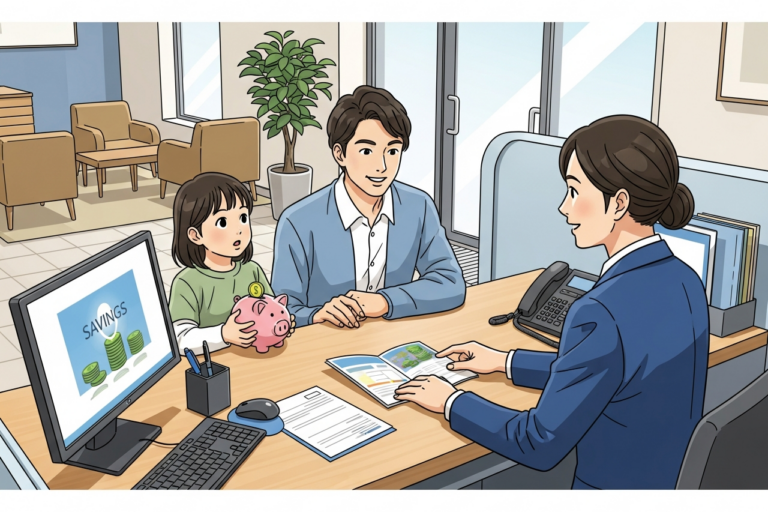
If someone is under 13 years old, a parent or legal guardian must help to open a bank account. A parent’s okay is needed, and you usually have to be the authorised signatory for your child’s account.
This means that the account will be in your child’s name, but you will have the right to take care of it. You will make sure the money is used in the right way. You also help your child learn about how to look after money. Now, let’s have a look at what roles you need to play and the rules you need to follow.
Role of parents in account opening
When you open an account for a minor, a parent or a legal guardian has an important job. You need to start the process and give the right documents. Your consent as a parent is needed to let your child use banking services.
There are a few ways to set up the account. The account can be in your child’s name, and you can be added as a signatory. Another way is to open an informal trust. You can also ask for a second parent to be a signatory. The second parent must be named on the birth certificate, show valid ID, and be there at the appointment.
When you are involved, you help make sure the account is safe and handled well. As a signatory, you can check the account in your banking app and do transactions. But, you must use the money for your child’s needs. This keeps your child’s savings safe and also shows your child how to manage money.
Consent and authorisation rules
Yes, you need to give consent as a parent or legal guardian to open a bank account for your young child in New Zealand. The bank will want a legal guardian to be there and agree to the account. You may need to sign an indemnity form when doing this.
If you are listed as an authorised signatory, you have the right to manage the account. This means you can check balances, make deposits, and do other transactions for your child. You should always act in the best interest of the account holder, who is your child, as this system is based on trust.
To give your consent, you have to show proof of identity and sometimes proof of address. The bank needs to confirm that you are allowed to act for the child. These steps help to protect the money and make sure the bank account is run the right way from the start.
Opening accounts for children under 16
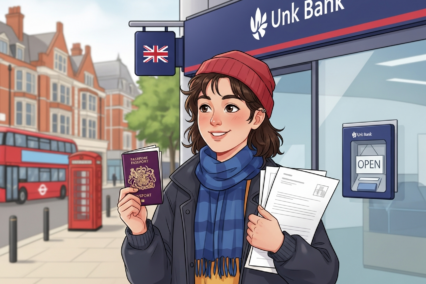
To open an account for a child under 16, you need to fill out an application form. You must bring some important things with you. The main thing is the child’s birth certificate or a guardianship order. This is needed to show your connection to the child.
You will also have to show valid documents for who you are. The bank takes things like a passport or driver’s licence. You must also give the bank the child’s IRD number. If you do not have it, you can still get the account, but tax will be taken out at a higher rate until you give it to them.
After you give all the paperwork, you get signatory access to the account. This means you can look after the money using your online banking. For children between 0 and 6 years old, they do not usually need to come with you. This makes things easier for parents.
Overview of Youth and Children’s Bank Accounts
Youth and children’s accounts be a great way to help your kids start learning about banking. These accounts are made for people under 18 and give features that help build good money habits from early on. They create a safe place for your kids to find out more about saving and spending.
Kids do not get full access right away. These accounts have controls that can be changed as your child gets older. Many big banks in New Zealand offer these children’s accounts, with each one having its own good things. Let’s check out the types of accounts you can get and the common features they offer.
Types of bank accounts available for under-18s
Banks in New Zealand give a range of accounts made for those under 18. They have options for kids of all ages and needs. The most common choice is a youth savings account. This is good for saving pocket money or money given as gifts. Most have no fees. Sometimes they give bonus interest if you put money in often.
As kids get older, what they need from a bank changes. They can use internet banking to check balances and move money between accounts. With consent from a parent, they can get an eftpos card or a debit card. This lets them buy things with their own money.
Below are some top choices for those under 18 in New Zealand:
-
Everyday/Transaction Accounts: Good for daily spending. Teens can usually get a debit card with these accounts.
-
Savings Accounts: Made for building up savings and letting money make interest. Some accounts give better interest rates if you save more or follow rules.
-
KiwiSaver Scheme Accounts: This is about saving for retirement. A parent can open this for their child at any age.
-
Term Deposits: This lets you keep savings in the account for a set time. You will get a higher interest rate at the end of that period.
Features of youth bank accounts in New Zealand
Youth bank accounts in New Zealand are designed to be user-friendly and educational. A key feature is access through a mobile app, which allows both you and your child to check balances and track spending on the go. This digital access is governed by electronic banking conditions to ensure safe use.
Many accounts for teens offer card access, such as a Debit Mastercard or Visa Debit card. This allows them to shop online and use contactless payments, all while using their own funds. These accounts often have a competitive interest rate on savings, encouraging kids to grow their money.
Here is a quick look at some common features you’ll find:
|
Feature |
Description |
|---|---|
|
No Monthly Fees |
Most youth accounts have no monthly account or transaction fees. |
|
Interest on Balances |
Some everyday accounts for youth earn interest on every dollar. |
|
Mobile App Access |
24/7 access to check balances, transfer money, and manage goals. |
|
Card Options |
EFTPOS card for younger kids, Debit Mastercard/Visa for teens. |
|
Savings Tools |
Features like goal planners or automated savings to encourage good habits. |
Popular banks offering special youth accounts
Many banks in New Zealand offer accounts made for young people. ASB, ANZ, and BNZ have special options for kids and teens. These accounts are meant to help teach money skills.
ASB has the Headstart account for anyone under 18. It pays interest and does not have monthly fees. ANZ lets you open an account in a child’s name, or as a small trust. BNZ, which is part of the NAB group (National Australia Bank Limited), has good youth accounts as well.
The most popular banks with youth accounts include:
-
ASB: People know it for the Headstart account and the Kashin money box.
-
ANZ: Has account types that can be used by kids and teens.
-
BNZ: It is a wholly owned subsidiary of Harbour Asset Management Limited when it comes to its KiwiSaver scheme. BNZ offers many financial products.
-
Westpac and Kiwibank: Both banks also offer accounts for young people.
Usually, teenagers in New Zealand, starting around age 13, can open a bank account on their own at some banks. They do not need their parents to say yes.
Account Fees and Charges for Kids
One of the good things about kids’ bank accounts in New Zealand is that they are usually affordable. Most banks do not ask for standard fees on youth accounts. This makes it easy for people to start without worrying about extra costs. Many accounts be listed as having zero fees.
Most accounts will not have a monthly fee. But it is smart to look at the fine print to see if there are other charges, like fees for doing things by hand or using ATMs overseas. If you know about the fee setup, you can pick the best and most cost-friendly account for the child.
Common fee structures
The fee setup for children’s bank accounts is plain and made to be cheap. The usual thing is that the account does not have any monthly service fees. The banks want to help kids start saving, so they take away the standard fees that come with adult accounts.
Still, even without these monthly charges, some things might need you to pay extra. For example, if you take out money at a branch with help from staff, you can be charged a fee. Doing the same thing yourself, online or at an ATM, does not cost anything. You need to look out for these fees that are not standard.
Here are some fees you might need to pay:
-
Manual Transaction Fees: This is a charge when a bank worker handles your transaction.
-
Out-of-network ATM Fees: Using an ATM that is not your bank’s can cost you a fee.
-
Penalty Fees: If your savings account has too many withdrawals, you may get a fee or lose interest.
Keywords included: service fees, standard fees
Zero-fee and low-fee options
You’ll be glad to know that banking in New Zealand is easy for kids. Banks want to get customers early, so they try to make accounts for young people look good. There are no monthly fees to take away from your child’s savings.
Some accounts give premium interest if you follow some rules, like not taking money out during the month. This helps kids save money and grow what they have. These features give kids extra reasons to save often.
If you are looking for an account, think about these benefits with low costs:
-
No monthly account fees: Most youth accounts have this as a normal offer.
-
Free electronic transactions: Online transfers and EFTPOS payments do not cost anything.
-
Potential for bonus returns: Some accounts may give premium interest or connect you to things like returns of the BNZ KiwiSaver scheme, which can help with long-term growth.
Interest rates and benefits
Interest rates on youth accounts can help teach children how to grow their money. A normal transaction account may give a small bit of credit interest, but savings accounts often have a great interest rate. The interest rate on these accounts is usually tiered or comes with bonus conditions.
Some of these accounts work out interest on the average balance for the whole month, so kids are rewarded if they save often. Other accounts give a higher premium interest if there are no withdrawals. This is a good way for children to see the rewards of not touching their savings and can help build good money habits.
Here are some benefits to think about:
-
Premium Interest Rates: You get a higher rate if you save money each month and don’t take it out.
-
No Minimum Balance: With most youth accounts, you don’t need a set amount of money to start getting an interest rate.
-
Educational Tools: Many banks give apps or online tools that help kids set and follow savings goals.
Conclusion
In the end, knowing the age rules and choices for opening a bank account in New Zealand is key for parents and caregivers. When you learn about the types of accounts for kids and teens, you can decide what is best for them. This helps your young one get started on a good money path. It matters to think about things like how much you are involved, the fees, and what makes youth accounts special. This way, your child gets more out of their banking. Teaching them about money early can help them be wise with how they use it. If you are ready, reach out to your bank now to look into the best new zealand bank account for your child.
Frequently Asked Questions
What documents are required to open a child’s bank account?
To open a bank account for your child, you need to bring the child’s birth certificate or a guardianship order. You also need the child’s IRD number and your own valid photo ID. Some banks will ask for proof of address as well. These valid documents show who you are and how you are related to the child for the account.
Can a teenager open a bank account without parental consent?
In many cases, yes. When a teenager in New Zealand turns 13, some banks let them open an account in their own name. They do not need permission from a parent or legal guardian. The teenager can fill out the application form by themselves. There is no need for a parent or legal guardian to be an authorised signatory.
Are there special accounts for kids at BNZ, ANZ, and other New Zealand banks?
Major banks in New Zealand, like BNZ and ANZ, have youth account choices. These accounts be made for kids and young people. Most of them do not have any fees. They give savings bonuses and let you use internet banking. These tools help you and others manage money well and keep it safe.