Key Highlights
-
Opening a bank account in Sweden is a big part of daily life. It helps you get your salary payments and use local services.
-
To start, you will usually need a valid passport, a residence permit, and proof of address.
-
Having a Swedish personal identification number, called a personnummer, makes it much easier to open an account with Swedish banks.
-
BankID is a key digital identification tool linked to your bank account. You will use it for almost every online transaction and check.
-
Big banks in Sweden, such as SEB and Swedbank, give services to international people, but needs can be different depending on the bank.
Introduction
Kia ora and welcome to your guide about banking in Sweden! If you are a New Zealander getting ready to move, opening a bank account is an important part. Swedish banks have rules that can seem hard, but this is much easier when you know what to do. This guide will help you with all parts, from getting your passport and other papers, to knowing how the Swedish bank system works. Let’s work together to make opening your Swedish bank account easy and clear.
Why New Zealanders Need a Bank Account in Sweden
Moving to Sweden from New Zealand means you will need a Swedish bank account to handle your money every day. This is not just nice to have – it is something you must do for many simple things in life, like getting salary payments from a Swedish job.
If you do not have a local bank account, looking after your money can be hard and may cost more. Getting a Swedish bank account lets you fit in better. It helps you pay for things like rent or groceries without any hassle. If you have a residence permit, opening a bank account is one of the first things you will need to do to settle into your new life in Sweden.
Everyday Payments and Financial Integration
When you get a Swedish bank account, you will have the tools you need for day-to-day transactions. Most accounts come with a debit card. In Sweden, the debit card is the main way to pay, as cash is hardly ever used. This makes it easy to buy your coffee, get groceries, or pay for public transport.
You also get mobile banking. Swedish banks have great apps and websites. This means you can look after your money anywhere. With your phone, you can pay bills, move money, and see your account balance quickly.
Your bank account will also link you to Swish. Swish is a popular way to pay with your mobile, and it goes straight from your bank account. It’s used a lot in Sweden—pay friends back, or buy things at markets with it. Having a Swedish bank account helps you be part of the country’s new way of living without cash.
Accessing Swedish Services as a Foreigner
A local bank account does more than hold your money. It is the key to using lots of important Swedish services. For example, when you sign up with the Swedish Tax Agency (Skatteverket), you will need to give your bank details. This is because tax refunds are paid to a bank account. If you do not have one, getting your money may be hard.
Many things are connected to a bank account with Swedish banks. You will need one when you set up things like electricity, internet, or a mobile phone plan. These companies want to use direct debit, and you need a local Swedish bank account for that.
Some things that usually need a Swedish bank account are:
-
Getting paid from work and getting government benefits.
-
Using public healthcare services and paying for some things.
-
Signing up for gym contracts and other subscriptions or memberships.
Types of Bank Accounts Available in Sweden
When you start to look at Swedish banks, you will see that they have different kinds of accounts. The most common account you will get is the current account, also called personkonto. This is good for every day. You can use it to get your wages and to pay your bills.
Most banks in Sweden give you savings accounts too. These help you to save your money. If you are a student, some banks have accounts with lower fees or some special things just for students. Almost all Swedish banks let you be in control with great digital banking services. You can look after your accounts and do your banking online or with an app on your phone.
Current, Savings, and Student Accounts
The primary account you will open in Sweden is a current account. This is your main transactional account, linked to a debit card for daily purchases and withdrawals. It’s where your salary will be paid and from where you’ll pay your bills. Most Swedish banks offer a package that includes a current account, a debit card, and access to online banking.
In addition to a current account, you might want to open a savings account. These are designed for setting money aside and usually offer a slightly better interest rate. They are perfect for your long-term financial goals, like saving for a holiday or a big purchase.
For those studying, many Swedish banks provide student accounts. These often come with reduced or no annual fees and may include other perks tailored to student life. They function similarly to a current account but are designed to be more affordable.
|
Account Type |
Primary Use |
Key Features |
|---|---|---|
|
Current Account |
Everyday banking and transactions |
Debit card, online banking, bill payments, salary deposits. |
|
Savings Account |
Storing money and earning interest |
Higher interest rates than current accounts, limited transactions. |
|
Student Account |
Banking for university students |
Often no or low fees, includes standard features like a debit card. |
Special Accounts for International Residents
Banks in Sweden know that more people are moving here from other countries. Because of this, some banks have set up services for people who come from overseas. Even though you may not find a bank account made just for expats, banks like SEB make it easy for people with a residence permit from outside the EU. They give clear steps for non-citizens. This helps you set up a Swedish bank account without much trouble when you start your life in Sweden.
The help you get at these banks is often in English. The banks also use easy steps for anyone who is still getting used to how things work in Sweden. When you open your bank account, you usually get a debit card and full access to digital banking services. These are things most people need in Sweden for everyday tasks.
If you think you will need to send money back home to New Zealand or get money from overseas, find out what your bank offers for international transfers. Normal bank accounts let you send and get money from other countries, but some banks in Sweden—including SEB—might give you extra services, better fees, or simple, good rates for these deals. This can help you manage money from both Sweden and other countries.
What You Need to Open a Bank Account in Sweden
If you want to open a bank account in Sweden, you have to show the right documentation. This proves who you are and that you can be in the country. While banks in Sweden may ask for different things, some documents are needed everywhere.
You must have a valid form of ID like your passport. You also have to give your Swedish personal identity number, called a personnummer. The bank will likely want to see a proof of address that shows you live in Sweden. If you get all the paperwork ready first, it will make things go much smoother.
Essential Documents and Identification Requirements
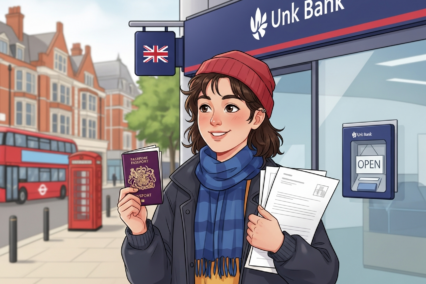
When you go to a bank in Sweden to open an account, you will need to bring the right documentation. The main thing you must have is your valid New Zealand passport. This passport is the main photo ID that all banks in Sweden will ask for. The bank will not make an exception.
You also need to show that you have the right to be in Sweden. The best way to do this is with your residence permit card. This card proves your legal status in the country. The bank needs to see this card because of the rules they need to follow.
Another thing the bank will ask for is proof of address in Sweden. This shows where you live in the country. Good examples of proof of address are your rental contract or a utility bill that has your name on it.
To make things easy, bring the following to the bank:
-
Your valid New Zealand passport.
-
Your Swedish residence permit card.
-
Proof of your address in Sweden (like your rental agreement).
Having these documents ready will help you open an account with no trouble.
The Role of the Swedish Personal Number and BankID
A key part of the Swedish system is the Swedish personal identity number, also called a ‘personnummer’. You normally get the personnummer after you register with the Swedish Tax Agency (Skatteverket). Having a Swedish personal identity number helps you with many things in Sweden, like opening a bank account. You can open a bank account without a personnummer, but it will be much harder and you will not have as many choices.
After you have your bank account and a personal identity number, getting BankID is very important. BankID is a digital identification tool connected to your bank account. You use it to safely prove who you are online. With BankID, you can think of it as your digital signature in Sweden.
People use BankID for logging into online banking, approving payments, signing important documents, and getting into government services. It is a big part of daily life in Sweden, making sure your digital actions are safe and simple. Getting BankID should be one of the first things you do after opening your account.
How to Open a Swedish Bank Account: A Beginner’s Guide
Ready to open your Swedish bank account? This guide will show you simple and clear steps. You will learn how to choose the best bank and what you need to do to get your debit card. We will go through what has to be done to get your money set up the right way.
To start, you will have to do a bit of research, fill out some paperwork, and then either go to the bank or apply online. If you sort out your documentation early and know what to expect, it will be much easier. You can go through the rules of Swedish banks with less stress and have your online banking set up quickly.
What to Prepare Before You Start
Before you go to a Swedish bank, it helps to be ready. This will save you some trouble. Begin by gathering all your needed documentation. Swedish banks follow “know your customer” rules, so having every document with you is important for an easy process.
Check that your passport and all your ID documents are still valid and are not about to run out. You should keep both the real documents and copies with you, just in case you get asked for them. If your proof of address, like your rental contract, is in English, Swedish banks often accept it. Still, it’s best to ask your bank first.
Here is a quick checklist of what to prepare:
-
Your New Zealand passport.
-
Your Swedish residence permit and personnummer (if you have it).
-
A document confirming your Swedish address, like a signed rental contract or a letter from the Tax Agency.
Step 1: Research and Choose the Right Swedish Bank
Once your papers are sorted, you can pick a bank. The big Swedish banks like Swedbank, SEB, and Handelsbanken are good options if you are new in the country. These banks have lots of branches and ATMs. You will also find that they all offer many banking services.
When you choose, think about what you need most. Do you want a bank with a branch near your house or your work? Or do you want an app and online banking that is easy to use? A few of these banks are really good for foreigners. Some have customer service in English, which can help a lot.
Go to the websites of a few Swedish banks to check what they give new people. Check for details just for non-citizens. SEB, for example, has step-by-step guides for people not from the EU. You can also check reviews or talk to other expats. This can help you know which swedish bank, online banking or app could be right for you.
Step 2: Gather Your Documents and Book an Appointment
Once you pick a bank, the next thing to do is get ready for your application. Go through your checklist and collect all the important papers you need. This will include your passport to show who you are, your residence permit to show it is okay for you to stay in Sweden, and something that shows your proof of address in Sweden.
Many Swedish bank branches only help people with opening a bank account if they make an appointment first. It is a good idea to call the bank or look at their website to book a time. Walking in without an appointment can mean a long wait or you might be told to come back later. When you book an appointment, you know you have a time with someone from the bank who can help you set up your swedish bank account.
After you book, check with the bank worker about what exact documentation you need to bring. Sometimes, one bank branch might ask for something a bit different than another. If you find this out early, it will stop problems and make sure you can open your Swedish bank account without any hold ups.
Step 3: Visit the Bank or Apply Online
With your appointment set and the right documentation with you, it’s time to go to the swedish bank. When you arrive, a bank worker will check your papers and ask you some questions. They want to know what you want to use the account for and need this answers for money rules. They will also help you fill out all forms you need.
Sometimes, you can apply online. But you usually need to already have a Swedish personal number and a BankID for this. For most people coming from New Zealand, you have to go to the bank in person. Banks like swedbank and seb let you start the process online, but you still have to go in and finish it there.
Here’s what the bank application steps look like:
-
In-person visit: This is how most new people do it.
-
Online application: You need a Swedish personal number and BankID for this way.
-
Hybrid approach: Some banks let you begin the forms online and then finish the process when you go into the branch.
Step 4: Setting Up BankID and Your Digital Access
After you open your bank account, the next and most important thing is to set up your digital access. This means you need to get your BankID. Your bank will show you how to start this. You will need to download the BankID app and link it to your new account. You must give your Swedish personal identification number for this step.
When your BankID is ready, you will be able to use all the digital banking services. To do this, you should download your bank’s app. It will help you manage your bank account, pay your bills, and see what you spend. The app is the main way for you to do your banking each day.
After you have BankID and your app, you can get Swish going too. Swish is a common way in Sweden for people to send and get money fast just by using their phone number. If you set up these digital tools, you will be part of Sweden’s modern, cash-free way of life. It will also make your day-to-day steps with money much easier.
Popular Banks in Sweden for New Zealanders
When you need to pick where to do your banking in Sweden, there are a few good swedish banks you can choose. The main swedish banks—Swedbank, SEB, and Handelsbanken—are the most used among people who live in Sweden and those who move there. These banks give you many services and have branches in many places in the country.
These bigger banks know how to help people from other countries. They also have strong online banking, so you can do lots of things on your phone or computer. There are smaller digital banks as well, but if you come from New Zealand and you have just arrived in Sweden, the big swedish banks like Swedbank, SEB, or Handelsbanken are often the best and easiest place to start.
Major Swedish Banks
Swedish banks are mostly led by a few big and well-known names. These are often the best choice if you are new to Sweden. That is because they know how to help people who are not citizens and have simple steps to open accounts.
Swedbank stands out as one of the largest of the swedish banks. It has a large number of branches. That makes it easy for people to find one near them. SEB is another big name in the country. It is known for both business and private banking, along with giving clear online help especially for people from outside Sweden. Handelsbanken does things a bit differently. It lets each branch make more choices on its own. This can sometimes give people a more personal touch.
Here’s what to know about these main swedish banks before you choose:
-
Swedbank: It is known for being easy to reach, with a big network of branches all across the country.
-
SEB: Helps international customers with simple guides and gives good online options.
-
Handelsbanken: Many say this bank’s customer service is good because branches do things at the local level.
Digital and Online Banking Options
Digital banking is not just an option in Sweden; it’s the standard. All major banks offer sophisticated online banking portals and highly-rated mobile apps. Through these digital banking services, you can handle almost all your banking needs without ever stepping into a branch. This includes paying bills, setting up automatic payments, and applying for additional products like credit cards.
The mobile apps from banks like Swedbank and SEB are particularly powerful. They are designed to be intuitive and secure, allowing you to check your balance, transfer funds, and even manage your savings on the go. These platforms are central to everyday financial management in Sweden.
Moreover, these digital services are fully integrated with other essential Swedish financial tools like BankID and Swish. This creates a seamless ecosystem where your bank account is the key to a wide range of secure and convenient digital transactions.
|
Digital Feature |
Swedbank |
SEB |
Handelsbanken |
|---|---|---|---|
|
Online Banking |
Comprehensive portal for managing all aspects of your finances. |
User-friendly interface with full service, available in English. |
Robust platform with a focus on security and personal service. |
|
Mobile App |
Highly-rated app for iOS and Android with full banking features. |
Sleek and modern app with budgeting tools and easy navigation. |
Functional app that provides all essential banking services. |
|
Swish & BankID |
Full and seamless integration for payments and identification. |
Fully integrated, allowing for instant transfers and secure login. |
Complete support for both, essential for daily Swedish life. |
Common Challenges and Tips for New Zealanders
Even if you get ready before, opening a bank account in Sweden can still have a few problems. For people from New Zealand, the main issue is the paperwork you need, especially if you do not have your personnummer yet.
You also need to know the steps for each of the Swedish banks, and sometimes the language can make it harder. The best way is to be patient and keep trying. Do not feel upset if there is a delay with your bank account. This is normal for many people moving to Sweden.
Navigating Requirements Without a Swedish Personal Number
One of the main problems you may come across is opening an account if you do not have a Swedish personal identification number, or personnummer. Banks are not meant to say no to you for a simple account just because you do not have a personnummer. But in real life, it can still be hard. Many bank staff do not know much about the other ways to open the account, and they may wrongly tell you it can’t be done.
If you do not have a personnummer, you might be able to use a coordination number, or samordningsnummer. The Swedish Tax Agency can sometimes give you this number. Still, your best move is to keep trying. If one bank says no, go to a different branch or ask to talk to a manager.
To get better results, make sure your other documentation is sorted. Your passport, residence permit, and proof of address should all be in good order.
-
Be ready to go to more than one bank or branch.
-
Politely stand by your right to open a basic account.
-
Make sure all of your id and other documentation is correct and up to date.
Dealing with Language and Process Differences
Many people in Sweden, like those who work in the service industry, speak good English. But you might find some staff at swedish banks who speak swedish better and are not as sure with English. This can make it hard to understand bank rules and what’s needed for things like proof of address. If this happens, you can ask for someone who speaks English. Or, you could bring a friend who speaks swedish with you.
The steps you have to go through at swedish banks can also feel slow and detailed. These banks have a lot of rules about documentation, so everything has to be done in a certain way. For example, one bank may not take a digital rental contract as your proof of address. It may ask you to bring a printed and signed copy instead.
It’s good to stay patient. The rules are there to help protect you and the bank. Try to keep all our documentation together and neat, and maybe make copies in case you lose something. Follow what the bank asks. After you set up your account, you can use the bank’s app. Most apps have an English option and this will help you do your day-to-day banking much easier.
Conclusion
Opening a bank account in Sweden as a New Zealander might look hard at first, but it’s a big part of making money matters simple while you’re there. When you know the different Swedish bank account types, what documents are needed, and all the steps, you can go through this with no fuss. Start by picking the right bank, then set up your BankID for digital use. This will help you fit into life in Sweden. A Swedish bank account makes it easier to pay for things and use local services. If you feel stuck at any time, you can always ask for expert help to make things easier.
Frequently Asked Questions
Can I open a bank account in Sweden before I arrive?
No, you can’t usually open a bank account in Sweden before you get there. Most Swedish banks want you to come in person to open an account. You must bring your ID and show proof of a Swedish address. You can do a little research online, but you can’t finish the whole process with swedish banks while you are still overseas. You need to be in Sweden to set up your bank account.
How long does it take to open a Swedish bank account?
The process is not always the same. If you have all your documentation and your personnummer, you can open the account in just one meeting. But it can take from a few days to a few weeks for your card and account details to be fully ready to use.
Are there bank fees for maintaining an account?
Most Swedish banks ask for a yearly or monthly fee for their basic package. This basic package often gives you a current account, a debit card, and access to online banking. The fees for this are usually not high. Most savings accounts do not cost anything. If you have a student account, they might not make you pay these fees.
Can tourists or short-term visitors open a bank account in Sweden?
It is very hard for tourists or people staying for a short time to open a Swedish bank account. The banks ask for proof that you live in Sweden like a Swedish address. They also want a residence permit or personnummer. Tourists do not have these. Most banking services in Sweden are for people who live there.