Key Highlights
-
To open a Colombian bank account as a foreigner, you must have an ID card called the Cédula de Extranjería.
-
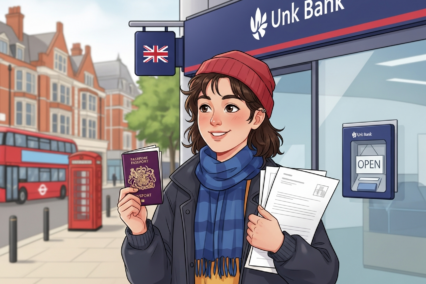
The bank usually asks for some documentation. They want to see your passport, visa, proof of address, and sometimes proof of income.
-
People from New Zealand have a few choices when it comes to types of accounts. These include savings (cuenta de ahorros) and checking (cuenta corriente) accounts.
-
Many expats go with the big Colombian banks, like Bancolombia and BBVA, since their services work well for foreign nationals.
-
Most of the time, you have to visit a bank branch in person to start the account opening process. Still, some new digital ways are now available.
-
After you hand in your application and your details get checked, the bank will activate your account. You get a debit card and you can set up your online banking access.
Introduction
Moving to Colombia from New Zealand can be exciting. You might go there for work, retirement, or just to have a new place to live. To make this big move easier, it is good to set up a local bank account. This will help you do more in your day-to-day life.
This guide tells you how to open a Colombian bank account. It shares the steps you need to follow and what to look out for. Knowing this process before you move will help you manage your money better. You can then focus on enjoying your time in Colombia.
Understanding Banking in Colombia for New Zealanders
Colombia’s banking system can be tricky for people from outside the country. The account opening process in Colombia is not like what you may find in New Zealand. You often need to bring some specific local documentation, and you must go in person to open an account. This can feel confusing at first.
If you come from New Zealand, it is good to be prepared. You will need to have your Colombian visa and a foreigner id card, which is called a Cédula de Extranjería. Most Colombian banks will not let you open an account until you have these things. When you know about this before you go, you can get the right paperwork and make the account opening process go more smoothly. This will help you deal with Colombia’s banking system and get your new bank account sorted out.
Why Open a Colombian Bank Account as a Foreigner
There are various reasons why opening a local bank account is a good choice for Kiwis in Colombia. If you live and work in Colombia, a Colombian bank account helps you get your pay, pay for the place you stay, and sort out bills each day. It is much simpler and costs less. You do not have to deal with high fees or the hassle of international money moves for basic things.
If you want to get into real estate or want to start a business, having a local bank account is a must. It is needed for doing big deals in the local currency and is part of the legal requirements for business registration and buying property. Without one, it is very hard to deal with these money matters.
At the end of the day, having a Colombian bank account gives expats more ease and peace of mind. It helps you get into the local financial world. You can handle your money well and you do not have to depend on a foreign bank, which may be slow or cost you more.
Overview of the Colombian Banking System
The Colombian banking system is well-established, overseen by the Central Bank of Colombia, and includes a mix of large local institutions and major international banks. For foreigners, sticking to the largest banks is often the best strategy, as they are more likely to have experience with expat clients and may offer services in English.
Banks like Bancolombia, Banco de Bogotá, and BBVA dominate the market and have extensive networks of branches and ATMs across the country. These institutions offer a wide range of products suitable for personal and business needs, making them reliable choices for New Zealanders setting up their finances in Colombia.
Here is a quick comparison of some popular options:
|
Bank |
Account Type Example |
Key Feature for Foreigners |
|---|---|---|
|
Bancolombia |
Current Account |
App-managed, no minimum balance. |
|
Banco de Bogotá |
Checking Account |
Extensive branch and ATM network. |
|
BBVA |
Digital Account |
Potential for online opening, minimal fees. |
|
Scotiabank Colpatria |
Zero Account |
Minimal fees, unlimited Scotiabank ATM withdrawals. |
Types of Bank Accounts Available to Foreigners
When you want to open a Colombian bank account, you will see there are a few main types of accounts you can choose from as a foreign national. The most common are a savings account (cuenta de ahorros) and a checking account (cuenta corriente). Which one you get will depend on how you wish to handle your money in Colombia.
Each type of account has its own features and will fit different financial activities. Below, you will get some details about savings accounts and checking accounts. This should help you pick the type of account that fits your day-to-day banking needs.
Savings Accounts (Cuenta de Ahorros)
A savings account, also called cuenta de ahorros, is the main type of account people use in Colombia. This type of account is good if you want to keep your money in the local currency. You can use it to buy things every day, or to get cash from ATMs. When you open a savings account, you will get a debit card. The debit card makes it simple to do things like pay for shopping or other needs.
The savings account is meant for regular use, not for big business deals. It works well for expats who live in Colombia and need to pay bills, buy food, and get paid. Many banks have savings accounts with very small fees or even no fees at all.
A savings account gives you some key benefits:
-
Accessibility: You can get your money easily with a debit card or at an ATM.
-
Simplicity: This account works great for daily banking.
-
Low Cost: Some banks, like Bancolombia, have types of account that come with either no monthly fee or very low charges, such as Bancolombia’s Plan Zero.
Checking Accounts (Cuenta Corriente)
A checking account, called a cuenta corriente, is a type of account that helps you manage your money better than a savings account. You can use it to do more things with your money more easily. Many people choose this account when they need to handle many payments or if they run a business.
If you are from New Zealand and are working on business registration in Colombia or doing freelance jobs, a checking account will help you look after your money like a pro. With this type of account, you can write cheques and use overdraft sometimes. Savings accounts usually do not let you do these things.
Main perks and uses of a checking account:
-
Transaction Flexibility: Good for writing checks and paying people often.
-
Business Use: Needed for lots of businesses and paying staff.
-
Overdraft Protection: Some checking accounts can let you take out more money than you have if you need to, so you get a safety net.
Choosing the Right Colombian Bank
Choosing the right bank is as important as getting your papers ready. In Colombia, there are local and international banks to pick from. The bank you choose can really change your whole banking experience. Many people think going with the largest banks is a good idea. These banks often have clear steps for people from other countries.
You should look at things like how many branches the bank has, if they offer help in English, and what sorts of types of accounts they have. In the next sections, you will see tips on the best banks for people from other countries and what things to check before you decide on one.
Best Banks in Colombia for New Zealanders and Foreigners
For New Zealanders and other expats, it is a good idea to use the biggest and best known colombian banks. The largest banks in colombia know how to help foreign nationals with their documents. You will find they use strong online banking, and have many services.
The largest banks are Bancolombia, Banco de Bogotá, and BBVA. These banks are a big part of not just colombia, but all of latin america. BBVA does a lot in spain and mexico too, while Scotiabank Colpatria comes with canadian banking experience. All this means foreign nationals and expats often have a better time when they use these banks.
Top bank recommendations include:
-
Bancolombia: This is one of the largest banks. It has many kinds of accounts and services, and expats pick it often.
-
BBVA: This international bank is great for digital banking and may give a smooth experience for people who know global banks.
-
Scotiabank Colpatria: This comes from both local and international banco groups. It gives a strong network and has accounts that come with just a few fees.
Factors to Consider When Selecting a Bank
When you pick the right bank in Colombia, you want to look at more than just the name. The way you do your banking every day will depend on a few basic things. You should think about how easy it is to get to the bank, both at their branches and online. A bank with many branches and ATMs close to you will make it easy for you to take out cash and get help when you need it.
It is good to check how the bank treats people from other countries, too. Some banks in Colombia be better for expats because they know how to help and have clear steps for the account opening process. Don’t be afraid to go to a branch and ask any questions you have before you get started. If the staff try to help you, that’s a good sign for future service as a customer.
Key things you should think about:
-
Expat-Friendliness: Does the bank help expats and have staff who can speak English?
-
Branch and ATM Network: Is there a branch close to where you live or work?
-
Fees and Account Features: You should look at the monthly fees, how much you have to pay for each transaction, and what comes with the bank accounts.
Use these ideas before you open an account in Colombia, and you will find it easier to choose the right bank for you.
What You’ll Need to Get Started
Before you open your Colombian bank account, you will need to collect some documents. Colombian banks have strict rules, so it’s good to have everything ready before you go. The most important thing you need is your foreigner ID card. This card shows that you live in Colombia legally.
You also need to take your passport and a paper that shows where you live in Colombia. Sometimes, the bank will ask you to show proof of your income too. The next parts will talk more about what you need so you can get everything ready before you visit the bank.
Required Documents for New Zealanders
When you go into a bank in Colombia to open an account, you will need to show a lot of paperwork. It is not like in New Zealand. The requirements are clear, and if you bring everything with you, it will save you time and leave you with less hassle. The bank will check your passport, your id card, and see that you are in Colombia legally.
The most important thing to have is the foreigner id card, called the Cédula de Extranjería. Most bank accounts will not be given without this. You will also need your passport, a colombian visa, and proof of address in Colombia, like a utility bill or a rental contract.
Make sure you have these documents ready:
-
Cédula de Extranjería: The official foreigner id card. Most banks will not open a new account for you without it.
-
Passport and Visa: Bring your own passport and the visa that lets you live in Colombia.
-
Proof of Address: You need a bill for something like power, or a lease, in your name, to show where you live.
Residency, Address, and Other Conditions Explained
To open a local bank account in Colombia, you will need to show that you live there. Having just a visa is not enough. The bank wants proof that you are really living in Colombia. The Cédula de Extranjería is important because it is the main way for foreigners to show where they live.
You have to give a Colombian address as well. The bank will not take a foreign address when you open a local bank account. You can prove your address with a recent utility bill from the last three months or by showing your rental agreement. These steps are used to follow anti-money laundering rules.
Some banks, mostly when you have a work visa, may also want to see that you have a job or some income. They might ask for a letter from your boss or your recent bank account statements. Having a temporary residence permit is just the start. After that, you still need to give these other things to open your bank account.
Step-by-Step Guide to Opening a Bank Account in Colombia
Now that you know what you have to do, let’s go through how to open a bank account in Colombia. This account opening process needs you to do things in person more often than what some people may be used to. If you get all your documentation ready first, it will be a lot smoother and quicker.
From getting your documents together to getting your new debit card working, these steps will show you how to do it all. It is a good idea for expats to follow this order, as it could help you stay away from the common problems people run into when they open a bank account in Colombia.
Step 1: Prepare Your Documentation
The first thing you need to do is gather all your paperwork. Colombian banks are strict when it comes to documents. If you do not have everything you need, they will turn you away. It helps to put all the items in a folder so you have them ready when you go to the bank.
Make sure you have your original Cédula de Extranjería (foreigner id card) and your passport. Take copies of both, just in case. You will also need your valid Colombian visa. Bring something to show your local address. Some banks and type of account options may also ask for proof of income.
Here is a check list for your documents:
-
Identification: Bring your passport and your original Cédula de Extranjería.
-
Proof of Status and Address: You need your Colombian visa plus a recent bill or a rental contract.
Step 2: Visit the Bank or Apply Online
In Colombia, people usually have to visit a bank branch in person to open a bank account. This way is still the most used, especially for foreign nationals. You should pick a branch from your chosen bank. Try to pick one in a big city or in a place where many expats live. The staff there may be more used to helping people in your situation.
These days, there are some online options to open a bank account. However, not all banks give this choice for everyone, and it is not always open to foreigners. Some banks, such as Bancolombia and BBVA, let you open digital accounts online. But sometimes, the online process will tell you to go to a branch with your foreign ID card. You should always check each bank’s rules about opening a bank account for foreign people.
Here are some tips for both methods:
-
In-Person Visit: Try to go early to not get stuck in a long queue. Bring your original ID card, any other papers the bank asks for, and copies of those. If you do not speak much Spanish, take a translator with you.
-
Online Application: On the bank’s website, see if you can start an online application as a foreign resident. Be ready; you might still have to go to a bank branch with your foreign ID card to finish setting up your account.
Step 3: Complete the Application & Verification
When you get to the bank, the bank staff will help you fill out the forms. There might be a lot of paperwork, so it is good to be calm and wait your turn. They will ask for your personal details, where your money comes from, and some other things. You also need to say that you will follow all the legal requirements. This is a normal step to help stop financial crime.
The bank staff will look over all your documentation. They will take your fingerprints and might ask you some quick questions. All of this is done as part of their checks. Be sure to fill out every form in the right way and answer honestly. This will make getting your Colombian bank account opened go more smoothly, without hold ups.
Key parts of this step include:
-
Filling out Forms: Fill in all the application paperwork the bank staff give you.
-
Verification Process: The bank will check your ID, visa, and other paperwork, and will most likely take your fingerprints for their records.
Step 4: Account Activation and Access
After you send in your bank account application and the bank staff check your documents, the next thing you do is activate the account. How long this takes depends on the bank. You might get your local bank account set up on the same day, but sometimes it takes a few extra work days for the bank to finish its checks.
When the account is all good, you will get your debit card. You could get the card right there at the bank. If not, you might need to come back to the branch and pick it up, or wait for it to show up in the mail at your address. The bank staff will tell you how to set your card PIN and how to use online banking, too.
-
Activation Timeline: It can take a few hours or a few days to get your local bank account open, because the bank needs to do its checks.
-
Receiving Your Card: You may get your debit card straight away or after a few days. Make sure you follow the steps from the bank staff to activate it before you use it.
Fees, Minimum Balances, and Account Management
After you open a Colombian bank account, you need to know about the costs. Colombian banks, just like banks in other places, will have fees for using different services. Some bank accounts also need you to keep a minimum balance or you will pay a monthly fee. If you understand these things, you can look after your money better.
It is good to learn how fees work in a colombian bank account. You also need to know about the tools to manage your bank account. This will help you keep your financial stability. The next parts will explain what it usually costs people from other places. They will also give you advice on simple ways to use your bank account with colombian banks, even when you are not in the country.
Typical Costs for Foreigners
When you bank in Colombia, you will see some regular fees. Many accounts have a monthly fee called a “handling” fee. The fee can be from $5,990 up to $15,500 COP each month. This is not a big amount, but you should know about it. Some banks in Colombia have accounts without a fee every month, so it is smart to look at different options.
Taking out cash from your own bank’s ATM is free most of the time. If you use an ATM from another bank, you will likely have to pay a fee. When you send money, there can be extra costs, especially if you send money to or from a place outside Colombia. You should always look at the bank’s list of fees before you open a new account.
Common costs in Colombia to look out for:
-
Monthly Handling Fee: This is a small fee each month to keep your account open.
-
ATM Withdrawal Fees: If you use an ATM from a different bank, you will often pay a fee.
-
International Transfer Fees: If you send money to another country, you will pay a fee. This fee can change depending on the bank and where you send the money.
Managing Your Colombian Account from Abroad
Even when you are not in Colombia, you still need to look after your bank account. The good thing is, most large Colombian banks have good online banking and mobile apps. With these, you can check your balance, pay bills, and send money from any place in the world. This makes looking after your bank account from far away easy.
Before you go on your trip, set up your online banking and get to know how to use it. Let your bank know about your travel plans too. This helps you avoid any problems if the bank blocks your card for safety reasons.
Best practices for remote management:
-
Set Up Online Banking: Make sure you can get into your account on the bank’s website or mobile app before you leave Colombia.
-
Understand Transfer Limits: Know any daily or month limits for online money moves.
-
Keep Contact Info Updated: Always give the bank your most recent international phone number and email, in case they need to get in touch.
Frequently Asked Questions (FAQs)
Opening a bank account in Colombia can bring up many questions, especially for people who are new in the country. One thing that many people ask about is what documents you need. You will often need a foreign ID card, proof of income, and proof of address. Some people want to know about the types of accounts they can get, such as savings accounts or current accounts, and the specific requirements for each one. Expats also want to know about how local banks work, the different fees, and how to get through the account opening process with their chosen bank in Colombia.
Can non-residents open a bank account in Colombia?
It is very hard for someone who is not from Colombia to open a bank account there. Most banks will ask for a foreigner ID card, called a Cédula de Extranjería. You can only get this ID if you are a legal resident in Colombia. Without this card or other needed documentation, you will not be able to meet the legal requirements to open a normal Colombian bank account.
Is it possible to open a Colombian account online as a foreigner?
Some Colombian banks now let you start the application process online. But most of the time, people from other countries cannot finish it all from home. You will have to go to a bank branch in person. Take your foreign ID card and all original documents, so they can check your ID and papers.
Do foreigners need a Colombian address?
Yes, you need to have a physical address in Colombia to open a bank account. Banks will ask for proof of address, like a recent utility bill or a rental contract. This is to meet legal requirements and to show that you live in Colombia. You can’t use a foreign address to open a local bank account.
How long does it take to open an account for New Zealanders?
The account opening process for New Zealanders may be different for each person. If you bring all your documents, the account can be opened when you visit the bank. But sometimes the bank staff need a few work days to finish checking and fully set up your account.
Conclusion
Opening a bank account in Colombia can feel hard, especially for people from New Zealand who do not know a lot about the banking system there. But if you follow this guide and learn about the types of accounts, what documentation you need, and the steps you must take, you can get through the process with confidence. Having a Colombian bank account makes your money matters easier. It will also help you become more part of daily life in Colombia. If you get stuck or want any help, make sure to ask for support. Good luck with your banking in Colombia!