Key Highlights
-
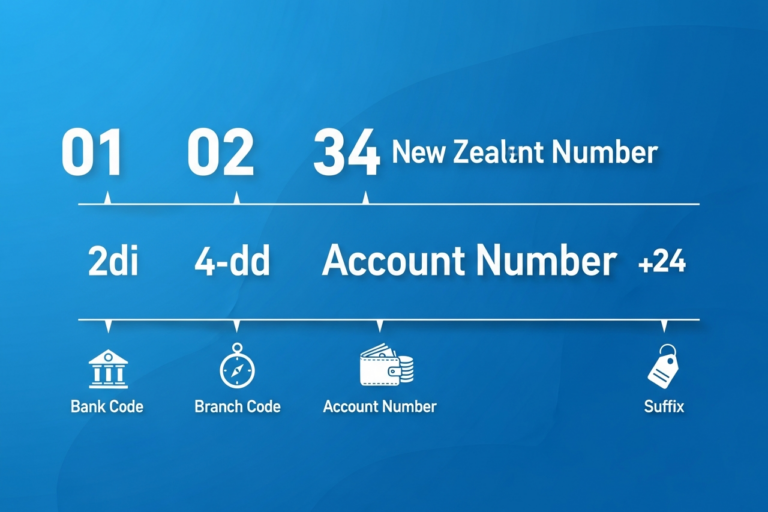
A standard New Zealand bank account number will have 15 or 16 digits.
-
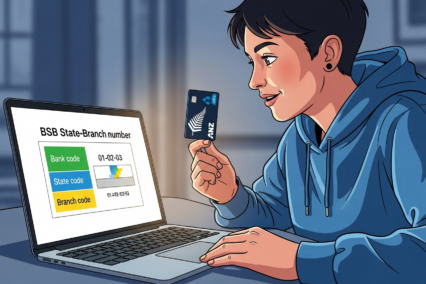
This bank account number has three main parts. There is a bank code, a branch code, and the account number, with a suffix at the end.
-
The first two digits show which bank it is (for example, 38 means Kiwibank). The next four digits show the branch of the bank.
-
The number format is usually the same, but the suffix can have two or three digits. This will depend on the bank.
-
You can find your full New Zealand bank account number in your mobile banking app, on internet banking, or by looking at your bank statement.
Introduction
Ever looked at a New Zealand bank account number and wondered what all the digits are for? You are not the only one. It can be hard to know what your new zealand bank account number means at first. But understanding each part of your bank account number is important. It makes sure your money goes to the right place, whether you want to set up a direct debit or get money from someone.
This guide will make the parts of a new zealand bank account number clear for you. I will show you what each section means and where you can find your account number when you need it.
Overview of New Zealand Bank Account Numbers
In NZ, your bank account number is a string of digits that shows which is your own bank account. It is like an address for your money. This helps send or get money in the right place.
You need to know the right account number and use all the digits. This is important for many things we do every day. These include shopping online and getting paid. Having your full account number ready helps things go well and you don’t have problems with your money.
Why Do NZ Bank Accounts Have a Unique Number Format?
The way New Zealand bank accounts are set up is made to be clear and easy to use. There is a standard way to format these numbers. This helps people use different New Zealand banks without problems. It means your payments can get to the right place fast.
Every section in the number does something. The bank identifier code, branch, and account details all stay separate. Because of this, the system can check them quickly and see if they are right. It also helps stop money from going into the wrong account.
Because of this structure, you can feel good about looking after your money. It is simple to see your own details and share them for payments. You can use this system for local and overseas banking, and it will help keep things smooth for you.
Are All New Zealand Bank Account Numbers the Same Length?
Most of the time, a New Zealand bank account number follows the same format. But, the total length can change a bit. The main part of the account number is the same for all banks. This helps the New Zealand payment system stay simple and clear.
The biggest change you’ll see is in the suffix. Some banks will have a two-digit suffix. Other banks use three digits at the end. That is why the full account number might have a different digit number when you look from one bank to the next.
So, while the main setup—bank, branch, account—in the number stays the same, it is the suffix that can be different. When you need to tell someone your account number, you should check with your bank for the right format. This will help make sure you always use the correct full account number in New Zealand.
The Standard Format of a New Zealand Bank Account Number
The standard format for a New Zealand bank account number is simple. You will see it as a group of digits set out in four parts. These are the bank number, the branch number, the main account number, and a suffix.
This setup makes sure each New Zealand bank account has its own unique number. In the next parts, you will find out what each one of these parts means. This will help you read and know your new zealand bank account number a lot better.
Breaking Down the Bank Code and Branch Code
When you look at your account number, the first six digits are the bank code and branch code. The first two digits are the bank identifier code, which tells you which bank holds the account. For instance, the bank code for Kiwibank is 38.
Following the bank code are four digits that represent the branch code. For Kiwibank, this code ranges from 9000 to 9499. Interestingly, even if you opened your account elsewhere, direct debit forms might ask for a branch name, which for Kiwibank is always ‘Wellington’. This combination of codes ensures money is routed to the right institution.
Here’s a quick look at some common bank codes:
|
Bank Name |
Bank Code |
|---|---|
|
Kiwibank |
38 |
|
ANZ |
01 |
|
BNZ |
02 |
|
Westpac |
03 |
|
ASB |
12 |
Understanding the Account Number and Suffix
After the bank and branch codes, you will see the main part of your bank account number. This part has seven digits. It is different for every account at the branch. This is what makes your account number different from others at the same branch.
The last part of your NZ bank account number is the suffix. This is a set of two or three digits. The digit suffix shows the type of account you have. For example, your everyday bank account, savings, or credit card will each use a different suffix.
Every account you have with the bank will have its own digit suffix. If you need to give a three-digit suffix but you only see two, just add a zero at the start. For instance, if your suffix is ’01’, you can write it as ‘001’.
Variations in Account Number Formats Across Major NZ Banks
The NZ banking system uses a standard format for account numbers. But you might spot small differences between the major banks. These changes are not big, still, they matter when you want to make or get a payment.
Banks like ANZ, ASB, Westpac, Kiwibank, and BNZ all follow the same structure. But each bank can show the number in its own way, or change how long the suffix is. Next, we will go through these main differences.
Differences Between ANZ, ASB, Westpac, and Other Banks
All big New Zealand banks, like ANZ, ASB, Westpac, BNZ, and Kiwibank, use the same main setup for their branch account numbers and suffix. Still, you may see small changes. The most common change for New Zealand banks is in how many digits the suffix has.
Some banks pick a two-digit suffix, and some will use a three-digit one. The new zealand banks all set their own way. This is the main reason for little changes when you see how many digits there are in zealand account numbers at different banks. It’s not a big thing, but it is important. You have to get the right digits and suffix so payments go through without problems.
Key differences you could see are:
-
Suffix Length: Some New Zealand banks use a 2-digit suffix. Some use a 3-digit suffix.
-
Presentation: The way numbers show up on your statement or online may change. Some use hyphens or spaces, and some show all the digits in one long row.
-
Branch Codes: Each new zealand bank gives their own branch codes and they each have a different set.
When you need to work with a new zealand bank account, always look at these things. This will help you make payments in the right way using the right suffix and digits for ANZ, BNZ, Kiwibank, Westpac, and ASB.
Are There Special Cases or Exceptions to the Number Format?
Most New Zealand bank accounts use a standard format for the bank account number. But there are some banks that do things a bit differently. For example, the Bank of China is an international bank that operates in New Zealand. It can have a different structure for its local account details.
You can also find other options, like a Wise account. A Wise account is not a regular bank account. This digital service can give you local NZD account details in New Zealand. They use the standard format, so you can get local payments easily. These services work well in the payment system in New Zealand.
If you want to get or send international payments, just your New Zealand bank account number isn’t enough. You will need to give more information, like your International Bank Account Number (IBAN) or a SWIFT/BIC code. These codes are not part of the standard bank account format in New Zealand, but you need them for money transfers to or from another country.
Conclusion
To sum up, it is very important to know the structure and layout of a New Zealand bank account number. Every bank in New Zealand has its own way of writing account numbers. If you know how to read these numbers, you can make banking easier for yourself. It will help you to handle your money better.
The bank code, the main account number, and the suffix, all have roles in how bank accounts work. The more you get to know these parts, the easier money transfers within New Zealand or even through international bank transactions will be.
If you feel stuck or want help with your bank account number, bank code, or suffix, you can talk to an expert anytime.
Frequently Asked Questions
How do I find out which bank and branch my NZ account number belongs to?
You can find out the bank and branch by looking at the first six digits of a New Zealand bank account number. The first two digits show the bank number. The next four digits are the branch number. If you do a quick search for the bank number online, you will see which bank it is.
Can non-numeric characters appear in a New Zealand bank account number?
A New Zealand bank account number has only numbers in it. Every part of the account number, from the bank code to the suffix, is shown by digits. You may see hyphens or spaces in a new zealand bank account number, but these are just there to make it easier to read. They are not part of the real bank account number.
What information do I need to receive an international transfer to my NZ account?
To get international payments, you need more than your normal bank account number. Usually, you have to give your bank’s SWIFT or BIC code, your full name, your address, and your full account number. In New Zealand, you do not use the International Bank Account Number (IBAN) system for making or getting these payments.