Key Highlights
-
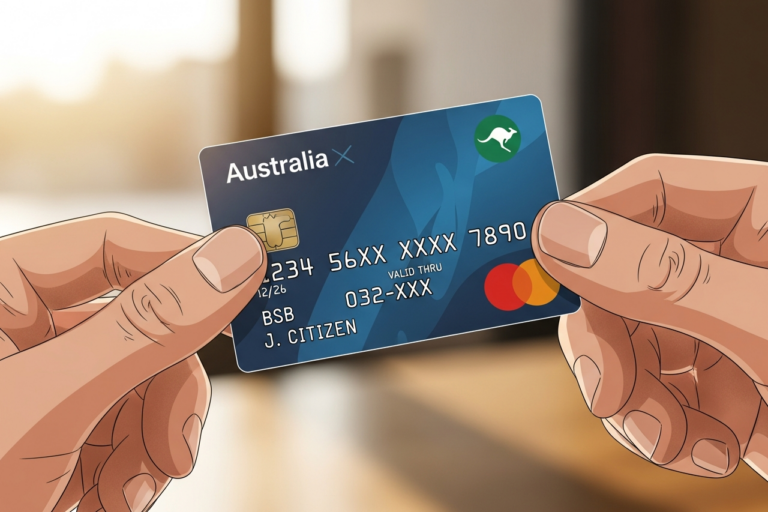
In Australia, bank accounts have two main parts: a BSB number and an account number.
-
The BSB, or Bank State Branch number, has six digits. It shows which bank and branch that your money is in.
-
An account number in Australia is often between six and nine digits. The number of digits can be a bit different each time.
-
In New Zealand, you use one long set of numbers for an account. But in Australia, you need to use both the BSB and the account number for a transfer.
-
For international transfers going into Australia, you may need a SWIFT code along with the BSB number and account number.
Introduction
Kia ora! If you are a New Zealander who needs to send money to Australia or you are getting your money set up there, you may see that the banking system is a bit different to what you are used to. It is important to know the numbers you need so your money gets to the right place without any hitch. This guide will show you what you need to know about an Australian bank account number. This will help your payments go through well and be easy, even when going across the ditch.
Understanding Australian Banking Numbers for New Zealanders
In Australia, if you want to use a bank account, you will see that you need two main numbers to do any banking. These numbers are the BSB number and the account number. That is not like what we use in New Zealand, where we have only one long account number.
The BSB, or Bank State Branch, is like an address for the bank in that country. The individual account number is for your own account at that branch. Both the BSB number and your account number are needed, as each one has its own use. Let’s find out what these numbers mean and why you need both in Australia.
What is a BSB Number and Why Is It Important?
A BSB number is a six-digit code that banks in Australia use to spot a certain branch of a financial institution. BSB stands for bank state branch. You need this number to make sure your money goes to the right bank and branch location.
The bank state branch number usually looks like this: XXY-ZZZ. The first two digits (XX) show you which bank it is. For example, NAB uses 08. The third number (Y) tells you the state where that branch sits. The last three digits (ZZZ) say which branch address to use.
If you do not have the correct state branch number, your money payment cannot be sent the right way in the Australian banking system. The bsb number does a similar thing to a swift code but just for domestic transfers in Australia. It is the first thing you need if you want to send money to a bank account in Australia.
The Role of Account Numbers in Australian Banks
Once the BSB number gets the money to the right bank and branch, the account number takes over from there. Your account number is given to your specific account. It does not matter if it is a savings, checking, or a credit card account. The account number is the final part that makes sure your money goes to your own bank account and not to someone else.
The bank account number has the main account information that banks need for things like direct debits and deposits. Think of the BSB as getting the money to the right street, but the account number leads it to the right letterbox.
The BSB is always six numbers long. The account number, though, can be different for each account. This is what helps keep your account safe and lets the banking system record every transaction under your name. You must give your account number for any transaction that uses your bank account.
How Many Digits Are in an Australian Bank Account?
The main question people ask is: how many digits are in an Australian account number? The BSB always has six digits. The account number, however, can have a different number of digits. Most of the time, an Australian account number will have six, seven, eight, or nine digits.
As an example, the Commonwealth Bank often gives out account numbers that go up to nine digits. You should not guess how many digits there are. It is very important to get the right account number and BSB straight from the person who owns the account. Now, let’s look at the usual account number lengths and some ways they can be different.
Standard Lengths of Australian Account Numbers
While there isn’t one single rule for the length of an Australian account number, a common range is between six and nine digits. This variability in the account number system is a key difference from the more standardised format you might be used to in New Zealand.
The specific number of digits is determined by the individual bank. This flexibility allows each financial institution to manage its own account number system. Some banks have been around for a long time and may have shorter numbers for older accounts, while newer banks or account types might use longer formats.
Here’s a general idea of what you might see, though it’s always best to confirm with the specific bank:
|
Bank Example |
Typical Account Number Length |
|---|---|
|
NAB |
6-9 digits |
|
Commonwealth Bank |
8-9 digits |
|
Westpac |
6 digits |
|
ANZ |
6-9 digits |
Variations Across Different Australian Banks
As you can see, the length of an account number is not the same at every bank in Australia. Each bank has its own rules, so this is something you need to know. Most account numbers will be between six and nine digits. But some banks use a single BSB, or Bank State Branch code, for all their customers across the country.
Because of these differences, you need to be careful when you put in the details for your transfer. For example, Bank Australia uses a single BSB (313-140) for all its accounts. This makes the process a bit easier. But the account number is still different for every person.
Here are some examples of banks with these types of rules:
-
Bank of Queensland: Uses one BSB, which is 124-001, for all accounts.
-
Suncorp Bank: Has a single BSB of 484-799.
-
Macquarie Bank: Every customer uses BSB 182-512.
-
AMP Bank Ltd: The universal BSB here is 939-200.
These banks make it simple when it comes to the BSB, but you still need to enter the right account number for your payment to work.
Decoding the Difference Between BSB and Account Numbers
The BSB and account number each have their own job. But, they have to work together. The BSB number is like asking “where?” It shows which bank and branch the money should go to. You can think of it as the street address for the bank.
The bank account number is the answer to “who?” It tells the system the specific account in that branch. It’s like the apartment number at that street address. You must use both the BSB number and the bank account number when you make a payment in Australia. This helps the money go to the right account safely. Here is how the bank account number and BSB work in a real example.
How BSB Numbers Work in Practice
In practice, a BSB number is like a guide for moving money inside Australia’s payment system. When you start a transfer, the first thing the system checks is the six-digit BSB code. The BSB points your money to the right financial institution and even sends it to the exact branch where the other person’s bank account is.
The first two digits in the BSB are the bank code. They show which main bank gets the money. The last four digits are for the branch. For example, a BSB code for an NAB branch in the Australian Capital Territory could be 082-902. Here, ’08’ is the NAB code. The next ‘2’ stands for the state, and ‘902’ goes to the Canberra City branch.
This BSB number system is not the same as the SWIFT code. The SWIFT code is for international transfers and shows which bank gets the money all over the world. The BSB code only helps with moving your money in the Australian network, making sure it gets to the right place before anyone looks at the bank account number.
Using BSB and Account Numbers Together for Transfers
For any electronic payment in Australia, you need both the BSB number and account number. This is the rule for things like domestic transfers or setting up direct debits. You have to give both numbers, so your payment can go to the right account. This helps to stop any errors or hold ups.
When you use an online banking portal, you first enter the BSB number. The system checks this and finds out the bank and branch. Once the right branch is set, the account number is used. This is the part that sends the money into the bank account you want.
This two-step check is a big part of why the payment system in Australia is accurate and safe. Every time, if you want your payment to work, you need to get both the BSB and the account number right. It doesn’t matter if you are paying a friend one time or paying bills often – these details have to be correct for a successful transaction.
Frequently Asked Questions (FAQ)
If you want to know more about your specific account details, you may wonder how the banking system works in Australia. An Australian bank account will have a unique account number. It also has a BSB code, which stands for bank state branch. This code helps say which branch your account is with. You will need the account number and the BSB when you do direct debits or transfers. These details are important for other things with your bank account as well. Always double-check your account number and personal details before you give them to anyone. This helps make sure your money does not go to the wrong person. Each financial institution in Australia has its own way to protect your account information.
Do All Australian Banks Use the Same Number of Digits?
No, not every bank in Australia uses the same amount of digits for an account number. The BSB will always have six digits. The account number itself can be from six to nine digits. The length you will need depends on the account number system of the bank. So, you should always make sure you have the right details.
Where Can I Find My Australian Bank Account Number and BSB?
You can find your BSB and account number when you log in to your online banking or use your banking app. They are shown on the main account summary page. These account details are also printed on your bank statements. If you want to send money, the person you are sending it to needs to give you their account details.
How Do I Check if My Australian Bank Account Number Format Is Correct?
Most Australian online banking websites have a BSB lookup tool. This tool checks if the BSB code is right. For the account number, it is best to check the account details with the other person. If you enter the wrong number, your money may not go through or could end up with the wrong person.
Conclusion
To sum up, knowing how Australian bank account numbers work is key for New Zealanders who are starting with a new banking system. You will see BSB numbers and account numbers with different lengths. So, it is good to learn about these things to make sure your bank transfers go well. Each bank can have little changes, so make sure you check your details before you send money. When you understand the banking system, you can look after your bank account across the Tasman Sea with confidence. If you have questions or need something explained, just ask. We care about your financial journey, and we are here to help!