What is the Gambian dalasi?
The Gambian dalasi (GMD) is the official currency of The Gambia. It’s issued by the Central Bank of The Gambia in Banjul. One dalasi is divided into 100 bututs, and the currency symbol is D. The dalasi is what is known as ‘free-floating’, which means that its value can change against GBP and other currencies, unlike the West African CFA franc used in neighbouring Senegal, which is pegged to the euro.

TL; DR — Key facts at a glance
- The Gambian dalasi, or GMD, is issued by the Central Bank of The Gambia and divided into 100 bututs.
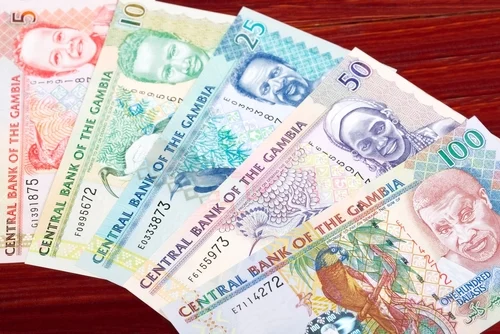
- Coins include 1, 5, 10, 25, and 50 bututs and 1 dalasi; banknotes include 5, 10, 20, 25, 50, 100, and 200 dalasis.
- The Gambia primarily uses cash, although Visa credit and debit cards are increasingly accepted by larger hotels and restaurants in tourist areas.
- UK visitors can exchange GBP for GMD more easily in The Gambia rather than pre-ordering in Britain.
- If sending money to The Gambia from the UK, eligible transfers can be sent to Gambian bank accounts, mobile wallets, or cash-pickup locations.

Gambian dalasi denominations: Coins and banknotes
GMD currency consists of coins and notes. The lower denominations, under 1 dalasi, have been obsolete since 1998.
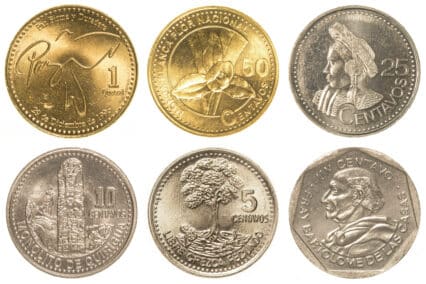
Coin denominations are:
- 1, 5, 10, 25, and 50 bututs
- 1 dalasi
Gambian banknotes are:
- 5, 10, 20, 25, 50, 100, and 200 dalasis
The Central Bank introduced the ‘Beautifully Gambian’ banknote family in 2019. This ‘Birds’ series replaces images of politicians with indigenous birds and scenes of Gambian wildlife. The 5 dalasi has a giant kingfisher, the 10 an African green pigeon, the 20 a Senegal parrot, the 50 an African eagle-hawk, the 100 a spur-winged goose, and the 200 a bush fowl.
While in The Gambia, carry plenty of the smaller 5-, 10-, and 20-dalasi notes. For local purchases, change may be limited, making it harder to spend the larger notes. If you see the D symbol before prices, for example, D50, that means 50 dalasis.

A brief history of the Gambian dalasi
Before British colonial rule brought the pound into the monetary system, Gambians operated a barter economy. They traded using cowrie shells, salt, and cloth.
Key dates:
- 1912: The British colonial government introduced the pound in The Gambia.
- 1965: After independence, The Gambia switched to the Gambian pound.
- 1971: The dalasi replaced the Gambian pound at five dalasis to one pound, with 100 bututs to one dalasi.
- 2019: The Central Bank introduced the ‘Beautifully Gambian’ colourful birds banknote family.

Essential facts about the Gambian dalasi
The name may be derived from ‘dollar’
The word dalasi likely originates from the English word ‘dollar’ and the Wolof term dala, used for the French 5-franc coin. The term ‘butut’ comes from Wolof and translates to ‘something small’.
Decimal modernisation was introduced post-independence
In 1971, the old British colonial pounds, shillings, and pence system was replaced with the new dalasi, which was divided into 100 bututs. The new decimal system was designed to simplify trade calculations and help the country gain financial independence.
The dalasi is free-floating
When a currency is ‘free-floating’, its value is dependent on foreign-exchange markets rather than pegged to another currency. The GBP-to-GMD rate can change daily. To find out the current rate, check the Central Bank’s daily valuation rates. HMRC’s July 2026 monthly rate was 98.6249 GMD per GBP.

The Gambia does not use the West African CFA franc
Unlike neighbouring Senegal, Gambia is not part of the West African Economic and Monetary Union (WAEMU). Senegal and other WAEMU members use the CFA franc, which is pegged to the euro. The dalasi’s exchange rate can change day-by-day.
Approximately 11–12 billion dalasis are in circulation
According to the Central Bank of The Gambia, there are approximately 11 billion to 12 billion dalasis in physical circulation outside of the banking system.
The U.N. supports Gambia’s mobile remittance industry
The United Nations International Fund for Agricultural Development (IFAD) is investing 1.2 million euros to expand mobile remittance services in rural Gambian communities. This initiative aims to boost financial inclusion and economic development.

Using the dalasi in The Gambia: Practical tips for UK visitors
When it comes to organising your Gambia travel money, there are a few things to bear in mind:
1. Plan to use cash
Cash is king in The Gambia, especially in rural areas. The UK Foreign, Commonwealth & Development Office (FCDO) says an increasing number of hotels and restaurants accept Visa cards, but it’s sensible to always have cash as a backup.
2. Use authorised exchange providers
If you’re changing money, always do so at a bank or a foreign-exchange bureau authorised by the Central Bank. Don’t let unlicensed street exchangers tempt you. Before you return to the UK, try to change dalasi to pounds while still in The Gambia. In the UK it can be challenging, as UK banks class it as an ‘exotic currency’.
3. Don’t assume ATMs are widely available
The FCDO advice notes that ATMs are not generally found outside the tourist areas of Banjul and Senegambia. Also, ATMs in non-urban areas can be unreliable. Carry sufficient cash if you’re travelling beyond the main urban hubs.
4. Carry smaller notes
A combination of 5-, 10-, and 20-dalasi notes is useful for everyday purchases, tips, and small payments.
5. Don’t rely on UK pre-ordering
UK currency providers don’t stock GMD as a standard currency. For example, the Post Office offers more than 60 currencies but that doesn’t include GMD. Check your bank or travel-money provider several weeks before departure rather than assuming you can exchange UK pounds for dalasis in the UK.
6. Check FCDO advice
The FCDO’s The Gambia travel advice is regularly updated and provides specific tips regarding travel money for The Gambia.

Sending money to The Gambia from the UK
There are several methods you can use to send money to a recipient in The Gambia. Transfers can be sent by:
- Bank deposit to an eligible Gambian account.
- Mobile wallet, including QMoney and Afrimoney.
- Cash pickup through participating providers.
The Central Bank in Gambia regulates mobile-money operators, including Afrimobile Money and QMoney. Remitly’s current UK-to-Gambia service offers bank deposit and mobile-wallet options. In addition, Remitly offers cash-pickup options, using Ecobank, FBN Bank, and QMoney. You can check that all the details of your transfer are correct before sending; Remitly displays the fee, exchange rate, recipient amount, and estimated delivery information.
Check the current UK-to-Gambia service when you’re ready to send.
FAQs
What is the Gambian dalasi?
The Gambian dalasi is the official currency of The Gambia. Its ISO code is GMD and its symbol is D. It’s issued by the Central Bank of The Gambia. One dalasi is divided into 100 bututs, and the currency has a floating exchange rate rather than being pegged to the euro like the West African CFA franc.
What are the denominations of Gambian dalasi?
Coins are available in 1, 5, 10, 25, and 50 bututs, plus 1 dalasi. Banknotes are available in 5, 10, 20, 25, 50, 100, and 200 dalasis. Coins below 1 dalasi have not been re-issued since 1998, due to their low value. For daily spending, 5 to 20 dalasi notes are more useful.
Can I pay in UK pounds in The Gambia?
Some larger, tourist-focused businesses may accept GBP, but don’t count on it. Dalasi is the official currency and is used for everyday spending. Exchanging UK pounds for dalasi should always be done through an authorised provider and not informal street exchanges.
Where can I exchange GBP for Gambian dalasis?
You can exchange foreign currency at banks in The Gambia and the Central Bank-authorised foreign-exchange bureaux. The Central Bank publishes a list of approved bureaux.
Is the Gambian dalasi a stable currency?
The dalasi is free-floating, so its value can move up and down against GBP and other currencies. The Central Bank reported 7.6% annual inflation in June 2026. When converting pounds to dalasis, check an up-to-date same-day exchange rate rather than relying on a historical figure.
How can I send money from the UK to The Gambia?
You can use Remitly’s UK service, which allows sending by bank deposit, mobile wallet, or cash pickup. Remitly’s platform allows you to check the displayed fee, exchange rate, recipient amount, and estimated delivery time before confirming.
When did The Gambia start using the dalasi?
The dalasi was introduced to The Gambia in 1971. It replaced the Gambian pound at five dalasis to one pound. The new currency was decimal, with 100 bututs in one dalasi, which made trading simpler. The current ‘Beautifully Gambian’ banknote family was introduced in 2019 and features Gambian birds and national imagery.

Key takeaways
- The Gambian dalasi (GMD) is The Gambia’s official currency, issued by the Central Bank and divided into 100 bututs.
- The 2019 ‘Beautifully Gambian’ banknotes range from 5 to 200 dalasis, while sub-1-dalasi coins have no real use due to low value.
- The Gambia is primarily cash-based, with card acceptance more common in larger tourist-area hotels and restaurants.
- UK visitors can use authorised banks and foreign-exchange bureaux to obtain dalasis, while senders can choose among eligible bank, mobile-wallet, and cash-pickup methods.
Planning your Gambia money needs
Whether you’re travelling to The Gambia on holiday or sending remittances there from the UK, preparation makes using the dalasi simpler. Use smaller notes, look for authorised exchange providers, and check exchange rates and FCDO advice before your trip. If you’re sending money, explore the current options on Remitly to see the fee, exchange rate, recipient amount, and delivery information upfront. Learn more about African currencies, the West African franc, or currency symbols.
Last reviewed: August 2026