Key Highlights
-
World Milk Day is held every year on June 1st. It is a time to talk about the importance of milk as a global food.
-
This day shows how the dairy sector helps with nutrition, food security, and economic development in many places.
-
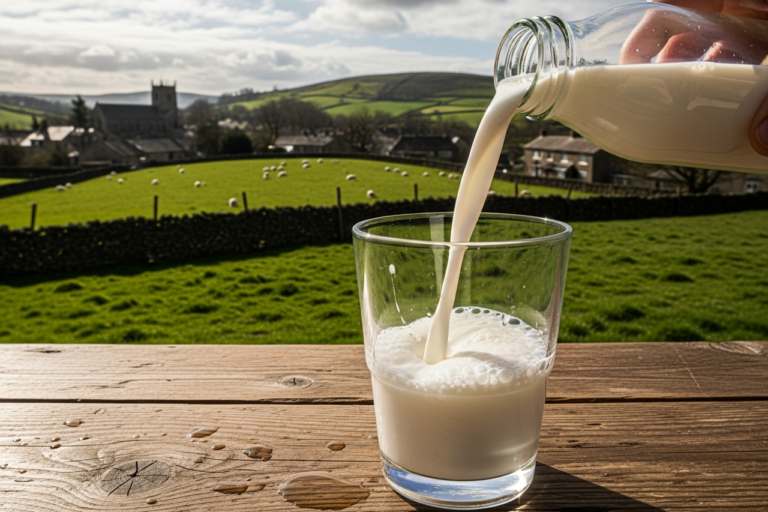
In the UK, milk day is a way to thank farmers who use good and new ways to care for their land and animals. It is also a time to learn how the milk makes its way from the farm to your fridge.
-
You can take part by buying from local dairy farms or by trying different British dairy products.
-
On June 1st, many groups help people learn about the benefits of milk and all the hard work that goes into the dairy industry.
Introduction
Have you ever thought about why milk gets its own day? On June 1st each year, people all over the world come together to celebrate milk day. This global celebration was started by the Food and Agriculture Organization of the United Nations. It is a chance to see how important milk and dairy products are for our food and jobs. The day lets us say thank you to the farmers and others who help bring milk to our tables. It is also a time to understand what milk means for people and places everywhere.
World Milk Day in the UK: Honouring Dairy Traditions
In the United Kingdom, World Milk Day is a time to honour the strong dairy traditions people have here. The British dairy industry is a key part of the agriculture in the country. This day shows the hard work behind each pint of milk. People use the day to celebrate good quality, care for the planet, and the ways milk is important to life in the UK.
The event, which has support from the United Nations, links British dairy with global food systems all over the world. On this milk day, people see how dairy farmers in the UK help their own homes and also play a part in global food, nutrition, and food security. This day brings the focus to the cultural aspects of societies that count on dairy every day.
The History and Purpose of World Milk Day
World Milk Day was first introduced in 2001. Who started milk day? It was started by the Food and Agriculture Organization of the United Nations. This was to show the importance of milk as a global food and to honour the dairy sector. The main idea was to make people see how much dairy production helps with economic development, food security, and nutrition.
From when milk day began, the point was to show how important dairy production is in many communities around the world. Milk is one of the most valuable agricultural commodities. It matters a lot in our food systems.
Now, people come together each year to celebrate this day. They talk about the work that goes into dairy production, from the farm to our homes. Milk day helps us remember how milk gives people what’s needed for health and why dairy matters.
Key Dates and Annual Celebrations in Britain
Mark your calendars! The annual World Milk Day is consistently observed on June 1st each year. This specific date was chosen because many countries were already holding their own national milk celebrations around this time. Creating a single global celebration helped to unify these efforts and amplify their message.
What started as a modest event has transformed into a major global celebration, with an increasing number of countries participating each year. Britain joins this international event to highlight how its dairy sector contributes to national economies and provides nutritious food for its population. The growth of the event is a testament to milk’s universal appeal.
The event has expanded significantly since its beginning, demonstrating the global appreciation for milk.
|
Event Milestone |
Year |
Impact |
|---|---|---|
|
First Celebration |
2001 |
Established by the UN’s FAO to celebrate milk. |
|
Global Expansion |
Ongoing |
Swelled to involve more than 40 countries. |
|
Annual Observance |
Every June 1st |
Provides a consistent date for global activities. |
The British Dairy Journey — From Local Farms to Your Fridge
The story of British milk shows the hard work, starting at a local dairy farm and finishing in your home. The whole process rests on caring for the land and following good farming habits. This is to make sure that the dairy sector gives tasty, safe, and healthy milk products for all. It also shows the care people have for their work in the dairy industry in the UK.
When you see how milk gets from the farm to your fridge, you can understand the time and care put in at each step. The farmers look after their cows. They also work to make sure that each kind of milk is fresh and safe to drink. These farmers are important to all of us, as they help give good food to people every day. Working together and looking after the land is at the heart of every UK dairy farm and makes the dairy industry strong.
Sustainable Farming Practices in UK Dairy
Sustainable farming is a key part of the UK dairy industry. Many farmers in Britain work hard to look after the environment and make sure their cows are well cared for. This focus on keeping things going for the long-term is important for food security, and it points to how future nutrition could look.
Farmers often manage their land and what they use with care. For instance, some let their cows graze outside in open fields for as long as they can each year. Some do this for at least 180 days. This helps the cows and also makes the milk better. By choosing food from these farms, you support sustainable nutrition and better dairy production.
Key points of sustainable dairy farming in the UK include:
-
Free-range grazing to let cows do what comes natural and helps keep them healthy.
-
Gentle pasteurisation that uses lower heat. This keeps the taste and the goodness in the milk.
-
Making local, high-quality milk so there are fewer food miles.
This way of working is good for the dairy industry. It also helps to keep food better for now and for the years to come.
Supporting Women and Communities in the Dairy Industry
The dairy sector gives a lot of help to local communities. It is good for social benefits, too. World Milk Day is a good time to thank all the people who help the dairy industry. You will find passionate scientists, farm workers, and many dedicated women farmers in this work.
How does World Milk Day help women in the dairy industry? This day puts a light on what each person brings to the work, and lifts up women by showing their important role. From running farms to bringing in new ideas, women do a lot. They are a big reason for the dairy industry’s success and for economic development. By saying thank you to their hard work, it helps people think of gender equality and can get more women to join farming.
Support for women and their communities in the dairy sector includes:
-
Highlighting the success stories of women farmers and entrepreneurs.
-
Creating networking opportunities within the dairy sector.
-
Promoting fair practices that support family farms and local economic growth.
Popular World Milk Day Activities and Events Across Britain
Across Britain, people mark milk day with many fun and engaging events. There are social media campaigns that celebrate dairy foods. You can also visit local farms on open days. There are many ways to join in. This is a perfect opportunity to learn more about the global dairy industry and see how it affects your area.
These celebrations are a good way to connect with the source of your food. You can learn and have fun at the same time. Do you want to know how to join milk day celebrations? The next sections will give you some great ideas. You can get involved on social media or find an event around you.
How to Get Involved and Celebrate Locally
Getting involved in World Milk Day is simple and brings a lot of joy. One good way to join this global celebration is to help your local dairy. If you buy milk products right from a dairy farm near you, you will know where your food comes from. This also helps support your own food security, which is important for us all.
Many farms open their gates to people. You may find tours and tastings at a dairy farm near you. These are good times to learn how milking works, meet the people who run the farms, and see the cows. It is a good day out for the family. These tours are also an easy way to meet food producers and be part of something bigger in the world.
Look out for these milk day activities:
-
Visit a local dairy farm to join a tour or open day.
-
Taste different milk products at an event.
-
Show your love for milk on social media with the official hashtags.
-
Cook a dish at home using milk as a main part of the recipe.
National Campaigns, Tastings and Educational Programmes
National campaigns do a big job in celebrating milk day in the country. Big dairy organisations often run these efforts. They want to teach people about the dairy sector and show why it is important for our food and money in the country.
These campaigns can include trying out dairy products in shops. There could also be lessons in schools, or online content looking at global food and how it moves from farms to tables. Companies like Arla Foods take part to share their promise of high quality and care for the planet. Their work helps spread the word about milk day and why the dairy sector plays a big role.
Common ways people promote milk day include:
-
In-store promotions and free samples of dairy products.
-
School-based activities teaching children about nutrition.
-
Online campaigns sharing facts, recipes, and farm stories.
The Role of Organisations in Promoting British Dairy
Key organisations play a big part in supporting the British dairy industry. The International Dairy Federation works together with the Food and Agriculture Organization of the United Nations. The agriculture organization first began milk day, which is meant to share the benefits of milk.
They all work to keep people talking about dairy in a good way. They help people see that the dairy industry cares about good quality, nutrition, and being kind to the planet. All this lifts dairy up in the UK and all over the world. Now, let’s see how some of these groups help with this work.
Contributions of the International Dairy Federation & Arla Foods
The International Dairy Federation (IDF) has an important part in boosting the reach and meaning of World Milk Day. The IDF sees this day as a way for the dairy sector to come together. It shows the passion and hard work the sector puts in. The IDF also talks about the value of milk, how it helps with economic development, and how it gives key nutrition to people in all parts of the world.
Big dairy companies such as Arla Foods also do plenty to support this day. They often run campaigns that thank and celebrate their farmer-owners. They show how their products go from the farm to your table. These actions help people see the faces behind the food and the care that goes into making each item.
On milk day, the things they do include:
-
Sharing data and facts about what the dairy sector gives to the world.
-
Setting up events that let farmers and people meet and talk.
-
Using the media to tell everyone about the benefits of milk.
Impact of Industry Leaders on Milk Quality and Awareness
Industry leaders shape the quality of milk products and help people understand more about dairy. They put money and work into research and new technology. This helps make sure the standards for dairy products keep getting better. Because of their hard work, consumers get safe and high-quality nutrition from milk every time.
World Milk Day is here to show the important role the dairy sector plays in our current food systems. On this day, leaders in the dairy sector talk about what they are doing for the planet, how they care for animals and how they make food safe for people to eat. By being clear about their actions, they help people trust them more and also teach others about how tough it is to run a dairy farm today.
Key impacts of industry leaders include:
-
Driving new ideas in pasteurisation and processes to make quality nutrition better.
-
Leading campaigns to help people know more about how milk is good for you.
-
Pushing for laws that back a steady and safe dairy supply.
Why Milk Matters — Nutrition and Cultural Significance
Milk is much more than a simple drink. It is a key source of nourishment and an important part of a healthy balanced diet for quite a few people. The benefits of milk and dairy foods can be seen all over the world. People in many places include milk in their daily habits, and it forms a big part of different cultures.
From a bowl of cereal in the morning to a warm glass at night, milk has a strong role in our lives. Next, we will look at the health benefits of British milk and why it holds such a special place in our culture.
Health Benefits of British Milk
British milk gives you good quality nutrition. It is a great source of nourishment and full of the things your body needs. This milk is well known for having a lot of calcium in it. Calcium helps keep your bones and your teeth strong.
If you drink one glass of milk, you get about 30% of your daily calcium. Milk gives you more than just calcium. It has some of the most important vitamins too. These are needed for good sight and for your body and mind to work well. When you have milk, you help your body get these vitamins each day.
The benefits of milk include:
-
It is a great source of vitamins A, B12, and D.
-
Milk has a lot of casein, which is a kind of protein with calcium in it.
-
Milk helps with food security because it makes dairy products that are easy to get and have lots of good nourishment.
Milk in UK Diets and Cultural Heritage
Milk is a big part of the UK’s food habits and history. You can see this in the famous British cup of tea or when kids leave milk out for Santa. Many of our traditions include milk. In the past, people would put the milk in after pouring tea if they were well off. Only good porcelain could take the heat without breaking.
This shows that dairy is not just about food—it’s tied to our way of life and our past. The family dairy farm is an important part of this too. It helps connect people to the land, each other, and how we get our food. These links keep shaping how we eat today and show why World Milk Day means so much for many. This day is a good chance to think about these cultural aspects of societies.
We can see milk’s place in our culture by looking at:
-
The daily habit of adding milk to tea.
-
Old recipes using milk, like custards, puddings, and cheese sauces.
-
The well-known picture of a milkman bringing fresh bottles to your door.
Conclusion
On World Milk Day, we see how important British dairy is for us. It is that food we find on many tables and it is a big part of our culture. Our dairy comes from farmers who work hard and use better ways to take care of the land. Drinking milk gives our bodies many benefits and helps us stay healthy. When you pick British dairy products, you help farmers and all the people in their towns.
Let’s drink a glass of milk today. We can remember our old dairy ways and keep milk, butter and cheese at the heart of our meals. Get involved in milk day and go to local events if you can. Take time to enjoy the long story of dairy that brings us all together and helps both our bodies and minds.
Milk day is about more than just one drink—it’s about people, good work and the great benefits of milk we all share.
Frequently Asked Questions
Who started World Milk Day and how did it begin?
World Milk Day started in 2001. The Food and Agriculture Organization (FAO) of the United Nations set up this day. It was made to show the importance of milk as a global food. The aim is to celebrate the dairy industry and the work of the global dairy industry. It also highlights valuable agricultural commodities and what they mean for people all over the world.
What are the main goals of World Milk Day?
World Milk Day is held to share the health benefits of milk, shine a light on the dairy sector, and help more people understand how it helps with food security. This global celebration hopes to bring us together to show just how much people care about the dairy sector and why it matters so much for our economies, our food, and our well-being all over the world.
How does World Milk Day support dairy farmers, especially women, in Britain?
World Milk Day gives a lot of support by shining a light on the hard work of all farmers. It gives women farmers in the dairy sector a chance to be seen and valued. Their role is important in helping economic development and bringing social benefits to people. This kind of support helps the dairy sector be more open and friendly to everyone.