Key Highlights
-
The International Day of the Tropics takes place every year on June 29th. It shines a light on the extraordinary diversity of the tropics.
-
The United Nations General Assembly set up this day. It aims to let people know about the unique challenges and chances in the tropics.
-
The tropics hold nearly 80% of the world’s biodiversity. They are key for looking after the global climate.
-
Some important issues faced in the tropics are climate change, deforestation, and how tropical nations reach sustainable development goals.
-
The day of the tropics is a time to share stories and knowledge about the tropics. This helps promote sustainable development.
-
What goes on in the tropics, from changes in the environment to ups and downs in the economy, can affect the whole world.
Introduction
Welcome to our look at the International Day of the Tropics. This yearly event happens on 29 June. It helps us see the bright, varied, and very important tropical areas on our planet. The tropics are known for their amazing biodiversity and many different cultures. But they also deal with many unique challenges. These include fast climate change and cities growing quickly. The day of the tropics reminds us that what happens in the tropics can have an effect on the whole world. How things go in this region is important for all of us.
Understanding the International Day of the Tropics
The Day of the Tropics is one of the international days set by the United Nations. It is meant to bring attention to big issues in the world. This day is made to celebrate the tropics and to show how important it is for all of us.
The tropical region is the area between the Tropic of Cancer and the Tropic of Capricorn. This place stays warm most of the time. There is not much change in temperature from season to season. But you can see a difference in how much it rains in some months. Learning about this day makes us see the wonders of the tropics and understand all that happens there.
The origins and significance of the day
The United Nations General Assembly made the International Day of the Tropics to help people know more about the problems and chances that nations in the tropics have. The day started in 2016, after the first ‘State of the Tropics’ report. This report showed a full picture of the region and pointed out the importance of the environment, people, and money in the tropics.
The main reason for the day of the tropics is to help places in the tropics grow in a good way for the future. This day is used to talk about progress, share good stories from the tropics, and show what people in the region can do.
At the heart, this day is for saluting the extraordinary diversity of the tropics and at the same time talking about serious problems that touch billions of people. It comes every year as a time to work together to make sure the tropics have a good future. This makes us remember how important and full of life the tropics and all their people are.
When and how it is observed in the UK and globally
The International Day of the Tropics is marked every year on June 29th. This day remembers when the first ‘State of the Tropics’ report was shared. It is a set time for people around the world to look at the nations of the tropics.
All over the globe, people and groups celebrate this day in different ways. The day is here to show the good and bad things for people living in the tropics. In the UK and in other places, these celebrations often have:
-
Educational events at places like botanical gardens, zoos, and museums, where you can see tropical plants and animals.
-
Online events and talks on social media. People use hashtags such as #TropicsDay. They post facts, spread stories, and share news.
-
Academic conferences. There are also new reports shared that look at environmental care and how to keep the tropics healthy for the future.
All of these activities close the gap of miles and let people, no matter where they are, learn about why the tropics are so important. This is a good way to think about the day of the tropics and what we all can do for the nations of the tropics.
The Importance of the Tropics for the Whole World
The tropics cover about 40 per cent of the world’s total surface area. Even though this is less than half of the planet, the region of the earth is very important. This part of the world is full of life, people, and the tropics are known for some of the best natural resources we have. All these things help everyone.
There is a lot of diversity of the tropics, and it plays an important role in how the earth stays balanced. It helps with the global climate and supports life in many places, not just in the tropics. The food you get and the air you breathe, they both show how much the tropics matter to us. Because of this, keeping the tropics healthy is a good thing for everyone. Let’s look more at the ways the tropics affect people, nature, and the world.
Biodiversity, ecosystems, and climate influence
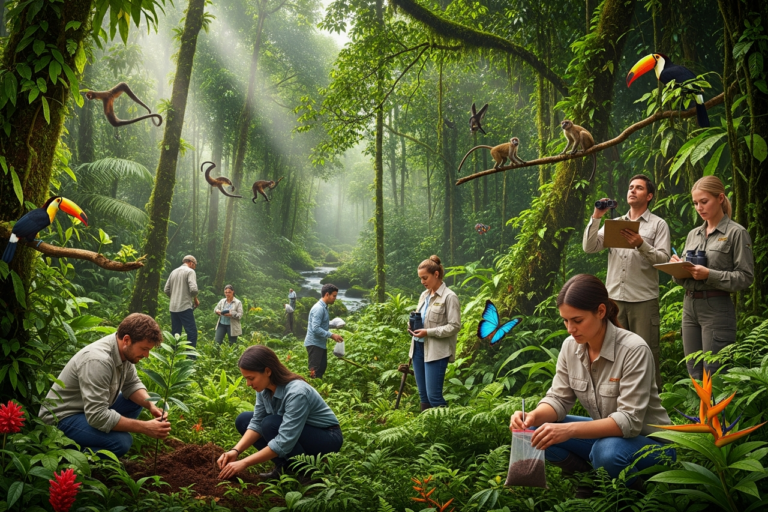
The tropics are full of life. They have about 80% of the world’s biodiversity. This means loads of different plants and animals live in the tropics. It is a good thing for all of us, but there are some unique challenges, too. Tropical countries have to deal with biodiversity loss. This is now going faster here than it does in other parts of the world.
On this day, people look at some key environmental issues. They think about the health of important ecosystems. There are a few areas to watch:
-
The protection of mangrove forests. Almost 95% of the world’s mangroves are in the tropics.
-
Fighting deforestation. This helps keep trees, which store carbon and guide weather patterns.
-
Managing the effects of climate change. For example, how rain seasons change and why storms are getting stronger.
The world needs to know about these problems in the tropics. Rainforests and coral reefs are important for the whole planet. They help control the Earth’s climate. To protect these ecosystems is something all people should care about, not just people living in tropical countries.
Economic and human impacts beyond the tropical belt
The economic impact of the tropical region extends worldwide, influencing trade, agriculture, and tourism. The demographic changes within the tropics are also globally significant. By 2050, it is projected that this region will be home to most of the world’s people and two-thirds of its children, reshaping global markets and security.
Despite having over half of the world’s renewable water resources, many people in the tropics face water stress. Furthermore, a high proportion of the urban population lives in slum conditions. The main goals of the International Day of the Tropics include raising awareness of these disparities and promoting sustainable solutions.
The human system in the tropics presents a picture of both immense potential and significant challenges, as shown below.
|
Human System Indicator |
Tropical Regions |
Rest of the World |
|---|---|---|
|
Experience of undernourishment |
Higher |
Lower |
|
Proportion of urban population in slums |
Higher |
Lower |
|
Vulnerability to water stress |
High |
Varies |
Key Issues Facing Tropical Regions Highlighted in 2026
In 2026, there will be more focus on the tropics as we look closely at the latest data and trends. The State of the Tropics report is still a key tool. It helps us understand different things through a range of development indicators. These reports show that the region has many challenges.
From harm to the environment to gaps in society, the tropics face problems that need quick and planned answers. The idea of sustainable development is at the centre. It pushes us to try for a stronger and fairer future for people and the land in the tropics. In the next parts, we will talk about some of these big environmental and social problems.
Environmental challenges and solutions
Many tropical nations are facing tough problems with the environment. These problems often get worse because of changes in the weather. The cutting down of trees for farming, logging, and the building of more cities is a big problem in the tropics. This leads to the loss of many kinds of plants and animals, and puts more carbon into the air.
Groups like the United Nations and the FAO play a big role in events for the day of the tropics. They use this time to talk about problems in the tropics and share ideas for how to help. These groups want people to use the land in better ways and protect nature. Here are some of the ideas and actions from these organisations:
-
Grow new forests and plant trees where there were none before.
-
Teach and support good ways for farmers to use the land so they do not have to cut down more trees.
-
Spend money and time on work that keeps important wild places and animals safe.
The problems that tropical nations face are real and hard. But there are bright spots, too. For example, Brazil has started to lose less rainforest. This shows the rest of the world that change is possible. Tropical nations can learn from wins like this and make things better for their people and the planet.
Social and developmental concerns across tropical nations
Tropical nations face many challenges beside environmental ones. These include social and developmental issues. People are moving to cities very fast, which leads to more living in slums without good services. Meeting the Sustainable Development Goals (SDGs), like fighting poverty, better health, and good education, is a big task in the tropics.
But even with all these problems, many tropical nations have made good progress. The tropics are full of cultural diversity, and this is now seen as a strength for their development. More people want to use this diversity to help and make life better for all. Each person can help raise awareness about the tropics by learning about and sharing stories of people who show resilience and bring new ideas.
You can also make a difference by choosing fair trade products, giving money to groups that work for conservation in the tropics, or speaking up for actions on climate change. By doing these things, you help support sustainable development in tropical nations. We can all do our part to back a good and lasting future for the tropics.
Conclusion
To sum up, the day of the tropics reminds us how the world is linked together. The tropics are full of life, with so many types of plants and animals, and are important for the health of the planet. The tropics help control the climate and are key to world trade and the economy. When we think about this day, we should remember the big problems the tropics face. What happens to the tropics can have an effect on all of us. By talking about these issues, more people get to know them, and together, we can help find better ways to look after the tropics. Let’s all join in to care for and keep the tropics safe, so future years can enjoy, see, and benefit from their great biodiversity.