Key Highlights
-
National Clean Air Day is the biggest campaign in the UK to deal with air pollution. It helps people know more about what air pollution does to public health.
-
Lots of towns and cities in Britain still have poor air quality. This means people living there face real health problems.
-
The yearly event is run by Global Action Plan and groups in the area. It asks people to do easy things that can help everyone enjoy cleaner air.
-
Air pollution can cause big health problems. It can harm lung function, make mental health worse, and lead to heart disease.
-
Local councils and the people living in their area are bringing in ideas to fix this. They are doing things like getting more people to use public transport and making more green spaces.
-
Your help on Clean Air Day, and every day, is needed. By working together, we can look forward to a future where the air is good for all of us.
Introduction
Welcome to our guide for National Clean Air Day 2026. Do you ever think about the quality of the air you breathe each day in your town? Air pollution is one of the main problems for public health in the UK. This yearly clean air day is a good time for us all to know more about the importance of clean air. We can also learn easy ways to keep ourselves and those around us safe. Let’s find out why this annual event is important and see what is being done across Britain.
National Clean Air Day 2026 in the UK: Significance and Objectives
National Clean Air Day is the biggest air pollution campaign in the UK. It happens once a year and aims to raise public awareness and get people to act. The main goal is to show how cleaner air helps our health and the environment. The campaign wants people to do things that lower the pollution they make.
The event brings together different groups like communities, schools, businesses, and local authorities. It starts a nation-wide talk about air quality and cleaner air. The campaign points out simple steps that anyone can take. This helps us all move toward a time when we can breathe good, clean air. In the next part, we will talk about why clean air is so important for public health. We will also see who is working hard to make clean air a reality.
Why National Clean Air Day Matters for Public Health
The link between air pollution and public health is clear. For many years, people have known that air pollution can harm your body. It can cause problems like asthma, heart disease, and some cancers. These can damage your lung function and your general well-being. This is why having clean air must be a main health goal.
Now, studies show that poor air quality can also hurt our brains and mental health. Clean Air Day campaigns look to help everyone understand the many impacts of air pollution. They want to show that cleaning up the air is not just about the environment. It is a direct way to look after your body and mind.
When people know more, they can make better choices. Clean Air Day asks you to take action, like walking short distances rather than using a car, and share what you learn about air pollution’s harms. Each of us can help make clean air a reality and build a healthier society for everyone.
Who Leads and Organises Campaigns Across Britain?
The main group behind the national air pollution campaign is the charity Global Action Plan. They are the ones who organise everyone across the country. The group makes helpful resources and lead the way with media and social media plans so that millions of people learn about clean air and air pollution.
Still, Clean Air Day works best because of local support. Global Action Plan works closely with over 200 local authorities, NHS trusts, health charities, universities, and community groups. These groups are key, because they help bring the campaign into towns and neighbourhoods. They run clean air day events and share useful information in their own areas.
Public Health England has noticed how well this teamwork tackles air pollution. They have spoken about clean air day as a good example in their review of ways to better outdoor air quality. By having both a big group like Global Action Plan and many local helpers, this clean air event keeps making a real change to public health every year.
The State of Air Quality in Britain’s Major Cities
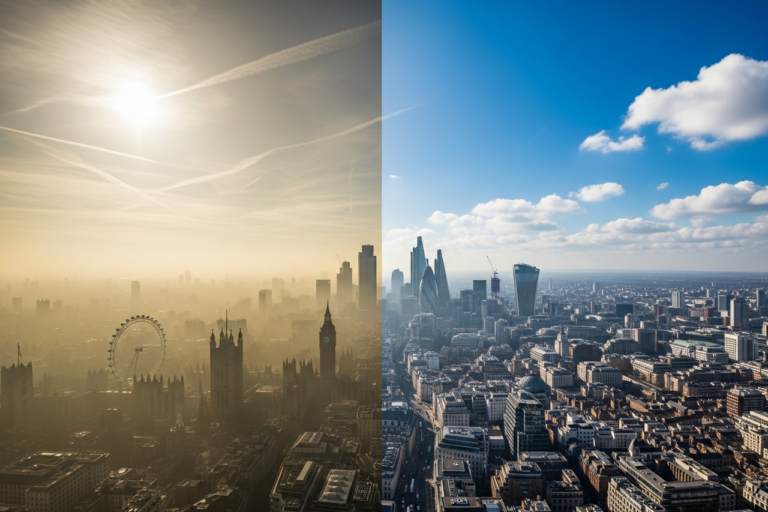
Many large cities in Britain still have poor air quality, even with some progress. The main reasons are high traffic, busy factories, and a lot of people living close together. All these make air pollution worse, and the amount of pollution often goes over safe levels. This means millions of people face a danger every day.
Keeping track of local air quality shows some city areas have much more pollution. You can’t always see it, but this problem causes real harm to the health of those who live and work there. We will now look at which cities deal with the most air pollution and the health issues people there may get from poor air quality.
Cities with the Most Critical Air Pollution Challenges
Several urban areas across the UK consistently record high levels of air pollution. While specific rankings can change, cities like London, Manchester, Birmingham, and Glasgow are often highlighted for their poor air quality. These areas are subject to continuous air quality monitoring to track pollutants and inform public health strategies.
The high concentration of vehicles and industry in these densely populated centres leads to elevated levels of harmful particles and gases. These pollutants become trapped between buildings, creating a toxic environment for residents. The health consequences in these locations are particularly severe, with higher rates of respiratory and cardiovascular problems.
The table below shows some of the British cities that have historically faced significant air pollution challenges.
|
City |
Common Pollution Sources |
|---|---|
|
London |
Road traffic, particularly diesel vehicles; construction |
|
Manchester |
Heavy traffic congestion; industrial emissions |
|
Birmingham |
Major road networks; historical industrial activity |
|
Glasgow |
Traffic emissions; domestic wood and coal burning |
|
Slough |
Proximity to major motorways and Heathrow Airport |
Health Consequences Linked to Urban Air Pollution
Living with polluted air can harm your health in many ways. Being around poor air quality for a long time can lead to many long-term problems. It can start asthma or make it worse. It can also reduce how well your lungs work and raise your risk of getting lung cancer.
Air pollution can do more than cause breathing problems. It is closely linked to heart disease and other cardiovascular diseases. Tiny bits from polluted air can get into your blood. This can lead to swelling and hurt your blood vessels, which can end with heart disease, strokes, or heart attacks. These health problems are the reason for thousands of premature deaths in the UK each year.
The effects go beyond just your body. New results show that air pollution can also harm your mind. It can lead to problems with thinking and mental well-being. This is why it is important for us to tackle air pollution in cities to protect both our bodies and our minds.
What Can Be Done — Solutions and Successful Initiatives
The good news is that there are ways to help make air quality better. You get cleaner air when bold plans, new clean technology, and collective action come together. Many cities have tried new ideas and have seen real air quality improvement.
Big plans from the government and small steps from one person both help. Everyone’s effort matters. Policymakers, communities, and people need to work as one for the same goal. Here, we will look at some policy fixes being used. We’ll also share how you can get involved.
Policy Fixes Local Councils Are Implementing
Local councils are working hard to make the air cleaner, and policy makers use many ways to fight pollution. The main thing they do is try to cut down traffic emissions. These emissions are the biggest source of pollution in cities. The councils spend more money and time improving and talking about public transport. They want people to see it as a good option instead of using their cars.
Many local authorities now build better paths for cycling and walking. These groups want to make it safe and nice for people to choose these ways to get around. They add special lanes for bikes and new areas for people to walk. When people leave their cars and walk or cycle, it helps clean the air and is also good for their health.
Here are some policy steps being put in place by local authorities to get clean air and better air quality:
-
Expanding Clean Air Zones, so cars and trucks that pollute more will have to pay to go into the city centre.
-
Investing in new places to charge electric vehicles and helping people move to cleaner ways of getting around.
-
Making more green spaces and parks, plus planting trees to take bad stuff out of the air.
-
Working to use renewable energy sources for public buildings and everything else the council controls.
All these steps help the people. They also help the world, as better air quality and more green spaces mean a better life for us all.
Community-Led Actions and How You Can Take Part
Your help matters a lot when it comes to getting cleaner air in your local community. If people act together, it can really help, and Clean Air Day is a good time for everyone to start. One of the main things you can do is talk to your friends, family, and workmates. Tell them about the harms of air pollution to help them understand.
Getting involved is not hard. Try to walk, ride a bike, or use public transport for short trips. This is a good way to cut down on the air pollution you put out. You can also try going on quieter roads or paths that stay away from busy traffic. This can help lower your own risk from bad air.
Here are some simple ways you can join in and help with group action for cleaner air:
-
Leave your car at home, even if it is just for short trips.
-
Go to the Clean Air Day website and get their free resources to give to your school or where you work.
-
Set up a local event. This could be a community walk or a talk to get people using green practices.
-
Use the Kent Connected App, or another tool like it, to help you travel in a more earth-friendly way in your area.
Conclusion
As we think about National Clean Air Day 2026, we see how all of us must work together if we want better air in our towns and cities. Poor air quality does not just hurt one person. It can harm whole groups of people, and towns over time. The good thing is that the local councils and everyone living in the area can take some real steps for clean air. They can make strong rules and join in with what others are doing around them. When we all know more and push for the right changes, there will be hope for a clean, safe place to live.
Let’s join together and make sure the air around us is good, not just now, but for everyone in the future. Clean air should be for all of us, and for the people to come.