Key Highlights
-
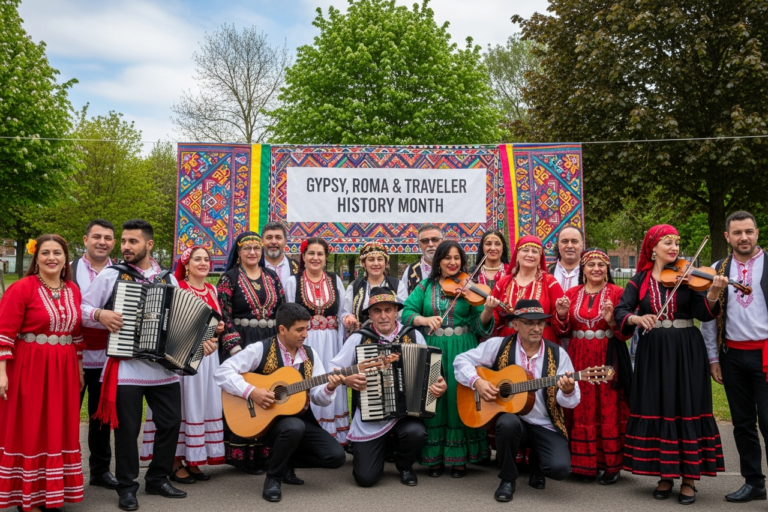
Gypsy, Roma and Traveller History Month (GRTHM) is held in June. This month is for people to celebrate the bright cultures and work of Gypsy, Roma, and Traveller communities.
-
GRTHM started in 2008. The idea is to help people in Britain know more about these groups and to fight against unfairness.
-
You can find a lot in traveller history and cultural heritage. These groups have given much to British society through the years.
-
Schools and organisations can get involved with traveller history month by using learning materials, art contests, and planning events.
-
The main goal for this month is to help people understand, accept, and treat everyone the same.
-
This awareness month is the time for the voices of Gypsies, Roma, and Travellers to stand out across Britain.
Introduction
Welcome to a time where we celebrate culture, the past, and stories that have shaped us. June is Gypsy, Roma and Traveller History Month (GRTHM) in the UK. This month, we take time to see and thank Gypsy, Roma and Traveller communities for what they have given to Britain. It is a chance for everyone to listen to what these people want to say. We go beyond the old ideas and see the full and lively traveller history. June is here for us to enjoy the bright life that Gypsy, Roma and Traveller communities bring. That comes from both many years ago, and also today.
The Origins and Purpose of Gypsy, Roma and Traveller History Month
Gypsy, Roma and Traveller History Month is a yearly event. The aim is to celebrate the rich cultures and traveller history of these groups. This month also shines a light on what the Roma and gypsy communities have given to the world. Many times, the good things they do are not seen by many people, but this event wants to help change that.
GRTHM works to do two things. One is to help more people learn about traveller history and fight off prejudice. The other is to help people in the traveller, Roma and gypsy communities feel good about who they are. Let’s look at when traveller history month started and what it wants to do for them and for us.
How and Why Gypsy, Roma and Traveller History Month Began
The story of the Romani people goes back hundreds of years to Northern India. As time went on, different groups joined to become part of the mixed cultures in Europe and later in Britain. The words ‘Gypsy, Roma, and Traveller’ describe different peoples who each have their own stories and ways of life, past and present. Still, many of them share the traveller history of moving from place to place.
The traveller movement worked hard to fight stereotypes and to make sure people’s stories were told the right way. Because of this, Gypsy, Roma and Traveller History Month started in the UK in 2008. Every year in June, people across Britain use this month to celebrate and learn about traveller history together.
Starting this history month was a big moment. It gave a space to enjoy Romany and other Traveller ways of life, teach others, and let these groups speak up after being left out for so many years.
The Aims and Values Behind the Month
The main aims of the GRTHM are strong and easy to see. GRTHM wants to build understanding, fight against discrimination, and shine a light on what Traveller people have done. Traveller communities often go through extreme levels of prejudice. So, this month is here to fight against negative stereotyping by telling some good stories and sharing the real achievements of Traveller communities.
One big value of GRTHM is to help people accept each other and treat everyone equally. During June, the month gets schools, organisations, and the public to find out more about Gypsy, Roma, and Traveller communities. It’s important for people to learn about the culture and history. This helps break down walls and can make our society better for everyone.
The main aim in the end is for these celebrations to happen all year, not just in June. By sharing good practice and giving people new resources, GRTHM wants people to respect and understand each other more, so this respect goes on even after June has finished. The hope is for a world where every culture gets valued.
Celebrating Culture and Traditions Across Britain
Across Britain, Traveller History Month is full of fun and smiles. This is a time when the culture and stories of Traveller people, Gypsies, and Roma are in the spotlight. They share their traditions, arts, and history, and all this adds to British society. The focus is on making sure the voices of Gypsies, Roma, and Traveller people are heard. Their part in Britain is there for all to see.
There be many ways to join in. Every year, there are community events, school lessons, art shows, and things to find online. This is the time to learn new things about Traveller communities, their history, and what they give to the UK. Everyone can get involved, look, and take part.
Key Contributions of Gypsy, Roma and Traveller Communities
The Gypsy, Roma, and Traveller communities have given a lot to British society. Many of their gifts are not always seen or talked about. These groups, like the Romani, Irish Traveller, and Sinti people, have helped shape life in the UK for many years.
You can find their influence in music, stories, and skills they bring to their work. These signs of their culture are a big part of Britain’s past and present. When we learn about what the Gypsy, Roma, and Traveller communities gave, we better know their heritage and help tell the full story of British history.
Some main ways traveller communities and others have added to Britain are:
-
Bringing life and colour to the UK with many cultural traditions.
-
Giving a lot to the arts through music, crafts, and stories.
-
Being part of different jobs and trades over the years.
-
Keeping up special ways of life and languages that make Britain even richer in culture.
Cultural Events, Arts, and Storytelling in 2026
In 2026, you can expect a fantastic programme of events across the UK to mark Traveller History Month. Organisations like Friends, Families and Travellers and Leeds GATE work hard to ensure the month is filled with meaningful activities that celebrate Romany and other Traveller cultures.
These events are designed to get people involved and raise awareness. They range from community celebrations and school competitions to educational training sessions. Many organisations also offer online resources, making it easy for everyone to participate, no matter where they are.
You can look forward to a variety of events, often focused on specific local communities. Here’s a glimpse of what is typically offered by organisations like Leeds GATE:
|
Location/Focus |
Type of Event |
|---|---|
|
Bradford |
Women’s Group activities |
|
Calderdale |
Community member meetings |
|
Wakefield |
Homework Club for young people |
|
General |
Closed training for organisations |
Education, Awareness, and Involvement
Education is at the heart of Gypsy, Roma, and Traveller History Month. This month gives schools and communities a good chance to raise awareness of these communities. It also helps to fight wrong ideas about them and can make sure there is good practice in having everyone feel included. Both pupils and adults can use this time to learn new things.
When you get involved, you help make things more open and friendly for everyone. Schools, families, and local groups can join in, too. People can use teaching tools made for this month or put on their own events. The next parts will give you some ideas.
How Schools and Communities Can Participate
Getting started with GRTHM is simple for schools and the community, and it can make a big difference. Taking part can help get the word out and make sure young people from many backgrounds feel seen and valued. There are different resources which you can use to help you begin.
You can join in by bringing GRTHM into the school plans. This could be in an assembly, a special lesson, or a creative project. As an idea, some schools ask Traveller pupils and their families to help plan and lead assemblies. They help make the event more real and personal for all.
Here are ways you can get involved:
-
Use the free assembly packs that organisations offer, which are ready to use right away.
-
Find out about the work of Romani artists like Gabi Jimenez in your class.
-
Let pupils try national GRTHM competitions, like art or writing.
-
Put on a community event that shines a light on Traveller culture, maybe including music or storytelling.
Inclusive Teaching Resources and Activities
It is easy to find good teaching resources for GRTHM, thanks to the many organisations working in the UK. These materials help schools talk about the history, culture, and work of Gypsy, Roma, and Traveller communities with their pupils.
You can get many of these resources for free online. Friends, Families and Travellers share old and new packs on their website. The Traveller’s Times gives you a great education pack too. You will find an assembly script and lesson plans for different age groups.
There are more options if you keep looking:
-
Resource packs by Twinkl, which are made with The Traveller Movement. These have assembly materials and easy reading tasks for your class.
-
Lesson plans all about Travellers’ Rights from Amnesty International, which are good for older pupils.
-
Colouring books and fun activity packs from Leeds GATE, perfect for primary school children.
These resources make it simple to bring GRTHM to your class and help everyone learn more about the traveller communities.
Challenges, Progress and the Road Ahead
Gypsy, Roma, and Traveller communities are still hit by extreme levels of prejudice and negative stereotyping, even after GRTHM started. It shows that there is still a lot to do in the wider society to make it more fair. We need to work on education and speak out against these unfair views.
We have to keep celebrating Roma, Gypsy, and Traveller communities. It is important to challenge the wrong ideas people may get. We must be working all the time for real equality. The month helps us remember why it matters to listen and learn from each other. Now, let’s look at how these stereotypes are being broken and what people are doing to push for acceptance.
Breaking Down Stereotypes and Misconceptions
One of the most important points of GRTHM is how it helps to end the long-standing negative stereotyping and prejudice. For many years, wrong ideas have shaped how Traveller people are seen in British society. This often leads to discrimination and being pushed out.
GRTHM faces this issue head-on by giving Traveller people a place to share real voices and stories. It shows the rich history, lively cultures, and good things these communities have done. By doing this, it changes harmful myths into facts and personal experiences. This makes the story about traveller people more true and makes them seem more like real people.
Raising the awareness of these communities is the start to building empathy and respect. When people get a chance to learn, they can better stand up to prejudice in their lives and in the community. This helps to make a more inclusive society that is better for everyone.
Ongoing Efforts to Promote Acceptance and Equality
Promoting acceptance and equal treatment should happen all year, not just during certain times. GRTHM helps shine a light on the work that groups and organisations do. Friends, Families and Travellers, and Leeds GATE, work hard each day to stand up for the rights of Gypsy, Roma, and Traveller communities.
Their support does not stop in June or with GRTHM. These organisations give training to other groups, help community members, and make simple learning tools anyone can use any time. The work they do is key for helping everyone in the wider society see and use the values behind GRTHM, not just during one month.
The main aim is to build a world where traveller communities, gypsy, and roma groups are not just put up with. They should be seen, welcomed, and able to join in fully with everyone. Schools, businesses, and people are asked to take a pledge. This means they want to keep learning and acting for real change and true equality. These efforts help bring about a better way for all of us.
Conclusion
As we celebrate Gypsy, Roma, and Traveller History Month 2026, it is important to see the many cultures and stories these groups bring to Britain. Traveller history is full of different traditions and voices. Learning about these helps us all understand more and see beyond old ideas that some people may have. Traveller history month is not only a time to enjoy and mark these cultures, but it also gives us a chance to learn, join together, and say why these stories matter.
People can take part in the arts, talk in schools, and listen to history from the Gypsy and Roma communities. This month is for everyone. It is a good time to welcome new ways to be kind, fair, and give people time to be themselves. If we listen and share, we help everyone feel that their voice means something. Take this time to get involved and talk about traveller history. This way, their past and lives get the respect they should have. Don’t let this important event pass you by—be part of traveller history month and help others join in too!
Frequently Asked Questions
When is Gypsy, Roma and Traveller History Month in 2026?
Gypsy, Roma and Traveller History Month (GRTHM) will take place in June 2026. Each year, traveller history month is arranged in the UK. Many organisations get together to hold events and show support for traveller communities. These activities help people learn more about traveller history, and also share different parts of Roma, Gypsy and traveller cultures, both old and new.
How can I access official resources or events for Gypsy, Roma and Traveller History Month?
You can find official resources and event listings for GRTHM by going to the websites of groups like Friends, Families and Travellers, The Traveller’s Times, and Leeds GATE. These organisations give lots of different resources, like educational packs and news about events that are taking place across the UK for Traveller History Month.
Why is Gypsy, Roma and Traveller History Month important for everyone in the UK?
Gypsy, Roma and Traveller History Month matters to all of us. The month helps people look at traveller history and how these groups fit into British society. It gives us a chance to learn about Roma, Gypsy, and Traveller people and see their impact.
GRTHM brings awareness of these communities, shows their good points, and helps everyone understand their value. It helps people throw out prejudice, builds respect, and works for more equality in Britain.