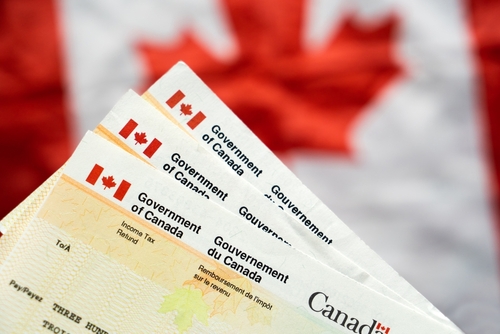

Ever wondered where to find cheque numbers on a Canadian cheque—and what they actually mean? Even with digital banking on the rise, cheques are still widely used for important payments like rent, bills, or business transactions in Canada. When you know where the cheque number is and what it represents, your transactions are more likely to be processed correctly.
For newcomers or anyone unfamiliar with Canadian banking, locating the cheque number can be confusing. That’s why we’ve created this guide at Remitly to show you how to identify the cheque number and explain its purpose. You’ll also learn what the other numbers on a cheque mean and get answers to common questions.
What is a cheque number?
A cheque number is a unique serial number assigned to each cheque. It helps both you and your bank track payments, keep accurate financial records, and prevent fraud. Each cheque in your chequebook has a different number, making it easy to reference specific transactions.
For example, if you issue a cheque to your landlord, the cheque number helps confirm the payment was deposited and prevents any misunderstanding. Cheque numbers also make it easier to compare your chequebook or bank statements. Keeping a list of cheque numbers with payment dates can simplify budgeting and year-end accounting.
How do I find the cheque number on a Canadian cheque?
Finding the cheque number is simple once you know where to look. There are two places you can find important identification numbers on your cheques:
- Top-right corner: The most obvious place to find the cheque number is in the top-right corner of the cheque. This number is usually printed in a slightly larger font, making it easy to spot at a glance.
- MICR line at the bottom: Canadian cheques also have a series of numbers printed in magnetic ink at the bottom, known as the Magnetic Ink Character Recognition (MICR) line. The MICR line also contains other numbers, so knowing exactly which digits represent the cheque number helps avoid confusion. The cheque number is the first set of digits on the far left of this line.
If you’re ever unsure, double-check the cheque number against your chequebook stub or digital records before issuing the cheque. This helps you avoid mistakes when making payments.
Other numbers you’ll find on a Canadian cheque
After learning where to find the cheque number, it’s helpful to know what other numbers appear in the MICR line at the bottom of a Canadian cheque.
Transit number
Right after the cheque number, you’ll see the five-digit transit number, which identifies the specific bank branch where your account was opened. This number helps route your cheque to the correct branch. For example, a transit number of 12345 tells the bank that your account is linked to branch 12345.
You’ll also need this number for direct deposits, bill payments, and automatic withdrawals. Banks may ask for it when verifying your identity or updating account information, so it’s helpful to keep it handy.
Institution number
Next comes the three-digit institution number, which identifies your bank or financial institution. Each Canadian bank has its own unique code. For example, the Bank of Nova Scotia (Scotiabank) is 002, Royal Bank of Canada (RBC) is 003, Toronto-Dominion Bank (TD) is 004, and Canadian Imperial Bank of Commerce (CIBC) is 010.
If your cheque shows 004, the system knows your account is with TD, regardless of which branch. This number ensures your transactions reach the correct bank before being routed to your branch and account.
Account number
The final set of digits is your account number. This number links directly to your personal or business account and is used for direct deposits, money transfers, or payment setups.
For example, an account number like 000123456789 connects any deposit or withdrawal directly to your account. This number is unique to you, so always store it securely to protect your banking information and prevent unauthorized access.
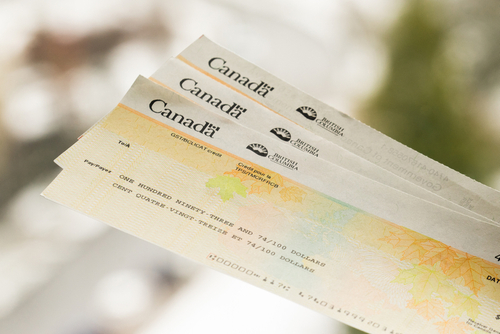
Why is the cheque number important?
The cheque number on a Canadian cheque is essential for a number of reasons, listed below.
Facilitates automatic payment reconciliation
Many businesses rely on accounting software that matches payments to the correct invoices. Cheque numbers act as a unique identifier, allowing the system to pair each outgoing cheque with the right bill.
This reduces manual matching, speeds up bookkeeping, and minimizes data entry mistakes, especially when managing many transactions monthly. A reliable balancing process helps companies maintain clean financial records.
Supports payroll management
In payroll, cheque numbers help track each pay cycle, allowing you to quickly identify any discrepancies. They provide a clear reference for payroll audits, HR reviews, and internal tracking across departments.
This makes resolving employee questions easier without disrupting workflow. Keeping a record of cheque numbers also helps ensure accurate reporting and prevent errors when processing future pay cycles.
Improved record-keeping for personal finances
For individuals, cheque numbers help organize personal payments across different bills, services, or personal obligations. Recording the number alongside each payment in a budget, spreadsheet, or finance app creates a clear history. This helps you track payments, reconcile accounts, and prepare for taxes so you can stay on top of your finances.
Helps with recurring payments
For ongoing obligations like monthly dues, memberships, retainers, or scheduled purchases, cheque numbers help maintain a proper sequence. A missing or out-of-order number can indicate a skipped or delayed payment.
This sequencing prevents lapses in long-term commitments and ensures all scheduled payments are issued consistently. It also makes reviewing payment history easier when renewing contracts or updating agreements.
Identifying duplicate processing
Cheque numbers act as safeguards against double payments. If the same number appears twice in a ledger or bank workflow, it immediately signals a duplicate payment.
This allows Canadian businesses to catch errors before they affect cash flow, vendor balances, or financial reports. It saves time and prevents overpayment issues. Early detection prevents overpayment and avoids the administrative hassle of requesting refunds from vendors.
Supports business audits
During internal reviews or formal audits, cheque numbers help auditors trace payment activity back to supporting documents like contracts, purchase orders, or authorization records.
Because each number is unique, auditors can quickly verify that a transaction was legitimate and linked to the correct business purpose, reducing the time spent on financial paperwork. This transparency strengthens a company’s overall financial controls.
Facilitates insurance claims
Insurance companies often require detailed proof of payment for premiums, deductibles, or claim-related expenses. Providing a cheque number gives insurers a concrete identifier they can use to confirm when a payment was made.
This speeds up claim processing, resolves payment disputes, and provides evidence when policyholders need to demonstrate compliance with coverage requirements. It also gives customers a reliable reference point if follow-up questions arise.
Aids in estate management
Executors handling estates or trusts frequently issue cheques to settle debts, pay legal fees, or distribute funds. Cheque numbers help them maintain an orderly record of each transaction, ensuring accurate financial reporting to beneficiaries and legal authorities.
This clarity is essential when preparing final statements or resolving questions about how estate funds are used. It also provides a paper trail if any part of the estate management process is reviewed later.
Makes communication with payees easier
Cheque numbers also simplify interactions with recipients. When someone asks for proof or clarification about a payment, the cheque number gives them the exact reference to locate the transaction. This reduces back-and-forth, helps both parties resolve questions efficiently, and makes discussions about payments faster and more accurate.
Ordering new cheques
Cheque numbers help you track the sequence of your cheques so you know when to reorder. This prevents gaps in your chequebooks.
For example, if your last cheque is numbered 105, you’ll know to reorder a new set starting from 106 to maintain a proper sequence. Keep a record of your last used cheque number to avoid confusion when reordering cheques from your bank or supplier.
Cheque numbers made simple
The cheque number plays an important role in tracking payments, keeping accurate financial records, and ensuring your transactions are processed smoothly. It’s usually found in the top-right corner of a cheque and in the MICR line at the bottom. Along with other details on a cheque, such as the transit, institution, and account numbers, it helps you manage your finances efficiently.
For anyone navigating Canadian banking, reading a cheque and locating the cheque number is a simple but essential skill. With this guide, you can confidently identify cheque numbers, understand their purpose, and use them to manage payments and maintain organized financial records—making cheque payments in Canada is simpler and less stressful.
FAQs
Are all Canadian cheque numbers in the same place?
Mostly, yes. Many Canadian cheques show the number in the top-right corner and as the first set of digits on the MICR line at the bottom. While some businesses or specialized cheques may vary slightly, these are the standard locations you can generally rely on.
Does the cheque number change for every cheque?
Yes, each cheque in the chequebook has a unique, sequential number. For example, 101, 102, 103, 104, 105, and so on. This helps you and your bank track payments accurately and prevents confusion when balancing your account.
What if I can’t read the cheque number?
You can usually find the same number on the record stub attached to your chequebook. If the stub is missing or unclear, your bank can verify the cheque number for you. Be sure to double-check before issuing a cheque to avoid errors.
Is the cheque number the same as the transit number?
No, they are different. The cheque number identifies the individual cheque, while the transit number identifies the specific branch where the account is held. Knowing this distinction is important for tracking payments correctly.
Why do banks need the cheque number?
Banks use the cheque number to process payments accurately and keep reliable transactions on record. It also helps prevent fraud by ensuring each cheque is uniquely identifiable. Providing the correct number makes it easier to stop a payment if the cheque is lost or stolen.
Can I use the cheque number to confirm payment with someone?
Yes, sharing the cheque number with a landlord, vendor, or service provider can help confirm that a payment has been issued or processed. It serves as a reference for both parties, reducing the risk of disputes over missed or delayed payments.