

For many of us, coffee is one of the first little comforts that follows us across borders. It’s the cup you grab before work, the fuel for late-night study sessions, or the easy excuse to meet a friend and catch up. More than just a drink, coffee shapes how people connect and move through their day. These shared habits and rituals are what we call coffee culture.
If you’re new to Canada, coffee culture can feel both comforting and a little confusing. You might recognize the smell, the cups, and the routine, but not always the unspoken rules. How do you order? Are you supposed to tip?
At Remitly, many of us have been in that same position. We know that finding small routines, like going to your favourite coffee shop, can make a big difference when you’re settling into a new country. That’s why we’ve put together this guide to explain what coffee culture really means, how it looks around the world, and what to expect in Canada.
What exactly is coffee culture?

Coffee culture is about everything that happens around the coffee, not just what ends up in your cup. It’s the atmosphere of the place, the little routines you fall into, the unspoken rules you slowly pick up, and the people you share the moment with. In many places, coffee becomes a daily anchor that shapes how time is spent and connections are made.
Why coffee shops feel familiar almost everywhere
One reason coffee culture feels so comforting is that cafés tend to feel familiar almost anywhere in the world. They’re usually relaxed and welcoming, easy to walk into without feeling out of place, and flexible enough to suit different moods. You can sit quietly on your own, meet a friend, or simply take a break.
Coffee shops as a “third place”
You might hear cafés described as a “third place,” meaning a spot that isn’t home and isn’t work, but somehow fits right in between. In Canada, coffee shops play this role in everyday life. People bring laptops, meet friends after work, take a pause between errands, or kill time without spending much money.
Cafés quickly become places that feel safe and comfortable. You don’t need to know the language perfectly or have a deep understanding of local culture to sit down with a coffee. Sometimes, just being there to people-watch is exactly what you need.
A quick tour of coffee cultures around the world
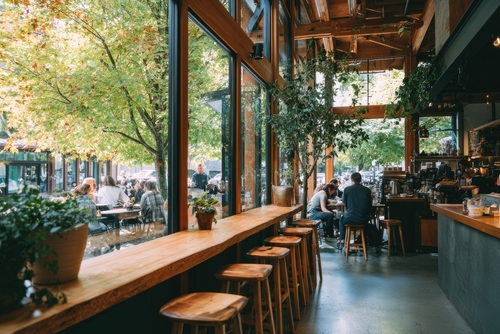
A cup of coffee might look familiar almost everywhere, but the way people drink it and what it represents can vary widely from place to place.
Italy: Espresso as a daily ritual
In Italy, coffee is fast, strong, and woven into the rhythm of daily life. Most people drink espresso standing at the bar, often more than once a day. Milk-based drinks like cappuccinos are usually reserved for the mornings. Italians don’t tend to linger over their coffee; they treat it as a quick pause before carrying on with their day.
Sweden: Fika and slowing down
In Sweden, coffee culture revolves around fika, a dedicated break for coffee and something sweet. But fika is about much more than caffeine. It’s a moment to step away, chat, and relax for a few minutes. Some workplaces even schedule fika breaks, which says everything about how much people in Sweden value balance and taking life at a slightly gentler pace.
Ethiopia: Coffee as hospitality
Ethiopia, often described as the birthplace of coffee, has one of the most ritual-rich coffee cultures in the world. Traditional coffee ceremonies involve roasting beans, brewing the coffee, and serving it in several rounds. It’s not something you rush at all. The ceremony is a sign of respect, hospitality, and community, and being invited to one is a meaningful gesture.
Vietnam: Street coffee and bold flavours
Vietnamese coffee culture is known for bold flavours and a relaxed pace. Drinks like cà phê sữa đá, an iced coffee made with condensed milk, are especially popular in warm weather. Coffee is often enjoyed at street-side cafés, where people sit for long conversations and watch the world go by.
Brazil: Strong brews and social moments
Brazil, one of the world’s largest coffee producers, has a culture built around cafezinho. This small, strong, and usually very sweet coffee is served throughout the day and offered as a warm gesture of welcome, even if it’s just for a quick sip and a chat.
Canada: Fast and familiar
Canada’s coffee culture blends convenience with a strong sense of community. Grab-and-go habits fit busy schedules, long commutes, and cold mornings, while a growing specialty scene focuses on quality and welcoming spaces.
Immigration has played a huge role in shaping modern Canadian coffee culture. As you explore Canada’s popular cities, you’ll see that it’s common to find cafés inspired by European espresso bars, Asian brewing styles, and Latin American flavours, all coexisting on the same block.
The rise of specialty coffee
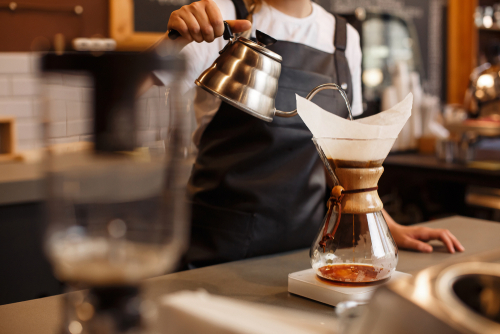
Over the past few decades, coffee has gone through a bit of a glow-up. What used to be treated mostly as a quick, functional drink has evolved into something more thoughtful and intentional, especially in cafés across Canada.
What “third-wave” coffee is all about
Third-wave coffee is all about craftsmanship. It focuses on where the beans come from, how they’re grown and sourced, and how they’re roasted and brewed. Instead of masking flavours with sugar or syrups, specialty coffee is designed to highlight the bean’s natural taste.
That’s where single-origin coffee comes in. When beans come from one specific region or farm, you can taste how geography, climate, and processing shape the final cup. Flavours might be described as fruity, nutty, or chocolatey, not because anything was added, but because of how the beans developed naturally.
Brewing methods and finding your flavour
Different methods bring out different characteristics, which is why the same beans can taste surprisingly different depending on how they’re prepared. In Canadian cafés, you’ll often see options like pour-over for a clean, light cup, French press for a fuller body, AeroPress for something flexible and bold, or cold brew for a smoother, less acidic taste.
In specialty cafés, baristas are usually trained to guide you through these choices. Think of them as translators for the coffee menu. Curiosity is encouraged, and there’s no such thing as a “wrong” order.
Is specialty coffee worth it?
Specialty coffee does tend to cost more than standard drip coffee. For most people in Canada, it’s less of an everyday habit and more of an occasional treat.
Ethics and sustainability also play a big role in Canada’s specialty coffee scene. Many cafés emphasize fair trade or direct trade relationships, environmentally responsible farming, and small steps like encouraging reusable cups or reducing waste. For many immigrants, these values feel familiar, especially if staying connected to and supporting communities back home is already important to you.
Why independent cafés are thriving in Canadian cities
Across Canada, independent cafés have become important neighbourhood hubs. Many focus on locally roasted beans, sustainable sourcing, and creating inclusive, welcoming spaces where everyone feels comfortable.
For newcomers, these cafés often feel more personal than large chains. They reflect the character of the neighbourhood and invite you to slow down and start feeling at home.
Coffee etiquette in Canada

Coffee rules in Canada are pretty relaxed, and most people are far more focused on their own cup than on what you’re doing.
Ordering at the counter vs. table service
Most Canadian cafés use a counter-service setup. You order and pay at the counter, then either take your drink with you or find a seat and wait for your number to be called. Table service is less common and usually limited to cafés that also operate as restaurants, especially during brunch hours.
A lot of cafés now encourage using reusable cups, and some even offer a small discount if you bring your own. It’s generally fine to sit with one coffee for a while, especially if the café isn’t busy. Working on a laptop or reading a book is very normal in Canada; just be mindful during busy times.
Tipping in Canadian cafés
Tipping in cafés can feel confusing at first, especially if you’re coming from a country where it isn’t common. In Canada, it’s typical to tip a small amount for counter service. You’ll often see tip jars or card machine prompts, and it’s completely okay to skip them if you prefer.
Coffee orders you’ll hear in Canada
If you’ve just arrived, the menu and the conversations around you might sound like a whole new language. One term you’ll hear often is “double-double,” popularized by Tim Hortons. It means a coffee with two creams and two sugars, and it’s become a very Canadian shorthand.
Beyond that, most cafés use familiar names for common drinks. A latte is espresso with steamed milk, a flat white is similar but with less foam, an Americano is espresso with hot water, and a cappuccino has equal parts espresso, milk, and foam.
Milk options and sizes
Canadian cafés usually offer both dairy and plant-based milk options, including oat, almond, and soy. Asking what’s available is completely normal. When it comes to sizes, most places stick to small, medium, and large, although specialty cafés might list sizes in ounces instead.
How to engage with your local coffee culture

One of the best things about coffee culture is that there’s no “right” way to take part in it. You don’t need to spend a lot of money or change your routine overnight.
Start local and make it social
Exploring independent cafés is one of the simplest ways to get to know a neighbourhood. Each café has its own atmosphere, regular crowd, and pace, and visiting a few can help you get a feel for the area you’re living in.
If you’re up for it, a simple question like “What do you recommend today?” can open the door to a friendly exchange with a barista. And over time, these small moments can quietly make a place feel like yours.
You might even find coffee shops that host community events like tastings or open mic nights. Some will organize cuppings too. These are usually informal and designed for curious beginners, not coffee experts. If you enjoy learning new things, they can be a fun way to meet people in your area.
Explore at your own pace
You don’t need fancy equipment or expensive drinks to enjoy coffee culture. At home, a basic French press or pour-over kit is affordable, easy to use, and a great way to try something new. When you’re out, choosing filter coffee instead of specialty drinks can help if you’re on a budget, and lots of cafés offer loyalty cards or small discounts for students or community members.
Coffee culture isn’t limited to big cities either. In smaller towns, cafés often double as community hubs, popping up in libraries, bakeries, or shared spaces where people hang out and talk. Whether you’re in downtown Toronto or somewhere quieter, coffee can still be a simple, low-pressure way to feel part of your community.
FAQs
What is “third-wave” coffee?
It’s a movement that treats coffee as an artisanal product, focusing on quality, sourcing, and brewing rather than convenience alone.
How is coffee culture different from just drinking coffee?
Drinking coffee is a daily habit, but coffee culture includes the social customs and rituals built around it.
Why is fika so important in Sweden?
Fika is about balance and connection. It encourages people to socialize and step away from work, even briefly.
What’s the best way to start learning about specialty coffee?
Visit a local café, ask for a recommendation, and try a black coffee like a pour-over to taste the bean’s natural flavours.
Is Canadian coffee culture different from the US?
While similar in some ways, Canadian coffee culture places strong emphasis on community spaces, sustainability, and neighbourhood cafés. Many cafés aim to feel welcoming and local rather than purely fast-paced or transactional.