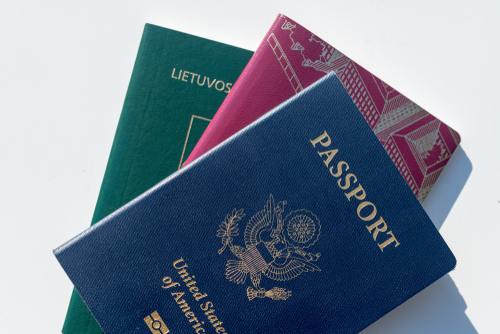

Dual citizenship is legal in many countries around the world, but triple citizenship is much less common. Holding three passports often raises questions around how legal it is and which countries allow it. In this Remitly guide, we look at the ins and outs of triple citizenship and how having this can open up opportunities for global citizens and their families.
We’ll demystify the rules around holding multiple citizenships and explain how it works, plus weigh up the benefits and potential complexities. We know that legal jargon can be confusing, so we’ll break the topic down into simple, easy-to-understand info, so you know what your potential options are. Let’s get into it.
What is triple citizenship?
Triple citizenship means an individual is a citizen of three different countries at the same time. In legal terms, this falls under the umbrella of “multiple citizenship.” Typically, if a country allows dual citizenship—and not all do—there isn’t a limit to how many passports you can have. Having said that, some countries have specific restrictions around dual citizenship, which would naturally extend to triple citizenship as well. Here’s an example:
If you’re a Spanish citizen, you’re allowed to hold additional citizenships from Latin American countries, Portugal, the Philippines, Equatorial Guinea, Andorra, and France. Though there are some exceptions for people with parents from Spain and another country, citizens of other nations must typically give up prior citizenship if they wish to become a Spanish citizen.
So, triple citizenship is allowed?
Yes, triple citizenship is legal—in certain countries. Whether or not you’re allowed to hold triple citizenship depends on the laws of the countries where you wish to become a citizen. There isn’t a single international law for it, because each country sets its own rules.
In practice, countries generally approach multiple citizenship in one of three ways:
Permissive
These countries allow you to hold multiple citizenships without restrictions, including Australia, the UK, Canada, South Africa, and New Zealand. South Africa used to require citizens to apply to retain their citizenship, but this is no longer the case.
Restricted
Countries in this category don’t allow multiple citizenship, so if you want to become a citizen of one of them, you’ll need to give up your prior citizenship. These include China, India, and Singapore.
Conditional
These countries fall somewhere in between; they allow multiple citizenship, but only under certain circumstances. Spain, we saw in our earlier example, is one such country. Others include Austria, which generally doesn’t allow citizenship unless special permission is granted by the government, or for those who acquire it by birth.
The Netherlands is another example; it requires that naturalised citizens give up their prior citizenship unless they’re spouses of Dutch citizens or they’re from a country that doesn’t allow renunciation.
How do people acquire three citizenships?
There’s more than one way, but the most common are:
- Birth (“jus soli”)
Some countries, such as the US and Canada, grant immediate citizenship to anyone born on their soil. - Descent (“jus sanguinis”)
This occurs when a person inherits citizenship from their parents or grandparents. This is possible in many countries, such as Australia and the UK. - Conferral
You can become a naturalised citizen, meaning you can apply for citizenship after you’ve lived in a country for a set period of time, such as three, five, or 10 years, depending on the country. - Marriage
This is like a fast-tracked naturalisation, gained through marrying a citizen of a country that allows multiple passports—though marriage alone doesn’t automatically guarantee citizenship in most countries. - Investment
Some countries, like Dominica, Egypt, and Turkey, offer citizenship if you invest a certain amount into the country, with citizenship processing typically taking a few months and of course being subject to approval.
Other countries offer what’s known as a “golden visa.” This gives you the right to live there and later apply for citizenship by naturalisation.
The benefits of triple citizenship
If your goal is to become a global citizen who holds multiple passports, there are plenty of advantages to doing this.
- Global mobility: The more passports you have, the more countries open up for visa-free travel.
- Security: You’ll gain the right to live and work in three different countries, giving you and your family more options as to where you’d like to settle.
- Cultural connection: You gain a deeper respect and sense of belonging to your and your family’s heritage, and you make connections with people in countries spread out across the globe.
- Social benefits: Depending on the countries where you hold citizenship, you might gain access to free or subsidised education, healthcare, and social services. Even if these aren’t free in your “home” countries, you can determine which ones offer the best benefits for you and your loved ones.
The challenges of triple citizenship you should know about
As you can see, there are some attractive benefits to holding triple citizenship, but it doesn’t come without its challenges. A big one for many people is tax. Some countries, like the US, tax citizens on their global income, meaning the US government will tax you regardless of where in the world you live. This can make staying on top of your taxes quite complex, as well as more expensive.
Another concern you should be aware of is mandatory military service, which still happens in some countries for people in specific age groups. If this isn’t something you want for yourself or your children, it’s a good idea to be aware of these types of laws before becoming a citizen of a country.
In addition, consider that you might not be able to claim full consular assistance from other countries where you hold citizenship if they know you’re a citizen of other nations.
Finally, there’s the bureaucracy. Renewing one passport can be a hassle—now you’ve got to stay on top of three. This often isn’t a make-or-break factor, but it is something to keep in mind.
Managing your citizenships
Handling multiple passports is doable if you’re armed with the correct knowledge. Here are our top tips on managing triple citizenship:
- Travelling correctly
Be sure to use the correct passport when entering and exiting a country. Most require you to use that country’s passport (e.g., use your Australian passport when entering Australia). - Getting your taxes right
It can be helpful to hire a tax professional who either understands global tax requirements or, if you can, enlist the help of someone in each country where you’re a citizen. This will help relieve a lot of stress for you around your taxes. - Understanding conflicting laws
Some countries’ laws conflict with others. For example, how you’re married might differ depending on where you live. This applies to property ownership and inheritance, too. - Keeping a digital folder
A safe digital place where you keep all your passport-related documents can go a long way to making the bureaucracy easier. When it’s time to travel or renew, you’ve got it all right there in one place.
How to check if triple citizenship is possible for you
There are a few ways to find out if triple citizenship is a possibility for you. Here are some ideas:
- Review the citizenship laws for the country where you’re interested in gaining a passport.
- Explore how your existing citizenships could possibly prevent you from gaining a third passport.
- Check your eligibility through routes like birth, descent, or marriage. An immigration lawyer can often be helpful here.
Gain the confidence to embrace a global lifestyle
Triple citizenship can offer an abundance of travel freedom and personal security, but it requires careful planning and staying compliant with the laws of all three nations where you hold citizenship. It might sound complex, but a simple understanding of each country’s rules makes it much more manageable.
If you’d like to learn more about the country where you wish to become a citizen, a good place to start is the specific country’s consular website.
Now that you know more about triple citizenship, you can embrace a global lifestyle with confidence.
FAQs
Can I lose my citizenship if I acquire a third one?
You can if your original country’s citizenship doesn’t allow multiple citizenship. It’s best to check your current home country’s laws regarding citizenship before applying for additional passports.
Do I have to pay taxes in three countries?
This depends on the countries where you hold citizenship. The US, for example, taxes you no matter where you live, but other locations might only tax you if you live in their country. However, double taxation treaties do exist, which prevent you from paying tax in multiple jurisdictions, but this comes with added paperwork.
Can I pass all three citizenships to my children?
This largely depends on the countries where you hold citizenship. Some allow it, while others don’t. It’s a good idea to check the specific laws relating to citizenship by descent if you want to pass on your citizenship to your children.
Is it worth going from dual to triple citizenship?
This depends on your personal situation. If you’d like to travel extensively, triple citizenship might be better because you have access to more countries visa-free. But if you plan to live in one country with few plans to travel, a third passport might not be worth the effort. It’s up to you to decide.
What are the common misconceptions about triple citizenship?
Perhaps the most common misconception is that triple citizenship is illegal. As we’ve seen in this article, it’s perfectly legal in many countries around the world, albeit with some restrictions in certain regions.