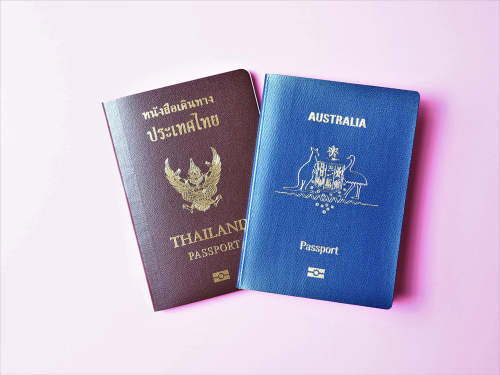

Australia has a long history of migration, with more than 30% of Australians born overseas and 48% with at least one parent born overseas. This has led many people to explore whether they can maintain ties to one country of origin while building a new life in Australia. At the same time, many Australians consider additional citizenship to strengthen family connections or improve travel access.
This Remitly article provides an overview of the pros and cons of dual citizenship, particularly for those who want to live in Australia as dual or multiple citizens. We’ll explain what dual citizenship is, examine the pros and cons, and give you the tools you need to research your individual case and decide whether dual citizenship is the right choice for you.
What is dual citizenship?
Dual citizenship is when you are a legal citizen of two countries at the same time. You can also be a multiple citizen if you have citizenship of more than two countries. For example, some people have dual citizenship of both Australia and the United Kingdom, or multiple citizenship including a third nation such as New Zealand.
Dual or multiple citizenship can offer benefits such as the right to live and work in more than one country, and in some cases, access to healthcare. However, it can also come with responsibilities, such as paying taxes, voting (Australia has compulsory voting), and, depending on the country, even things like mandatory military service, such as in South Korea and Israel.
Does Australia allow dual citizenship?
Australia allows its citizens to hold dual or multiple citizenship. There are several ways to become an Australian citizen. This can include:
- Being born overseas to Australian parents
- Migrating to Australia and becoming a permanent resident, then meeting the requirements to become an Australian citizen
- Marrying a citizen of Australia and becoming eligible for citizenship through a partner or spouse visa pathway after meeting residence and other legal requirements.
Some countries don’t recognise dual nationality. For example, according to Chinese law, a Chinese national who acquires foreign nationality automatically loses their Chinese nationality. People entering China using a Chinese passport will typically be treated solely as Chinese citizens, regardless of any other citizenships they hold, but the way these rules are applied can be complex.
Before applying for dual citizenship, confirm whether your country of nationality allows it.
The pros of dual citizenship
There are many benefits to holding dual citizenship, especially for people who move to Australia and want to maintain ties with their home country.
Easy travel
Dual citizenship generally allows you to enter both countries without a visa. Australia also has a powerful passport, with visa-free access to around 184 countries. This second passport can be a big bonus if you come from a country with more limited travel access. For example, Australian passport holders are eligible to travel to the US under the Visa Waiver Program (ESTA), while citizens of some other countries aren’t.
Live and work without restrictions
Citizenship generally gives you the right to live and work in each country of citizenship without the restrictions associated with many types of visas. For example, many work visas are tied to a specific employer, which can limit how easily you can change jobs or career paths.
Access to social services
Social services such as healthcare, education, social security benefits, and pensions are often linked to citizenship, but access often depends on residency, contribution history, and local eligibility rules. For example, if you are an Australian citizen permanently living overseas, you generally can’t claim things such as JobSeeker payments.
Political representation
Citizenship generally gives you the right to vote, which gives you a say in the big decisions that shape where you live, from taxation to foreign policy to immigration. However, local enrolment laws vary.
Maintaining a connection
One commonly valued benefit of dual citizenship is the ability to maintain a formal connection with both your nation of origin and your new home. For example, a person who holds British and Australian citizenship can usually live in either country without having to reapply for residence rights.
Holding multiple citizenships can provide greater flexibility when it comes to choosing where to live and work, and may bring new personal and professional opportunities over time.
The cons of dual citizenship
While dual citizenship can offer significant advantages, there are potential complications to be aware of.
Complex tax obligations
Tax obligations can become more complex for dual or multiple citizens. Many countries have tax treaties designed to reduce or prevent double taxation, but this isn’t always the case. For example, all US citizens must file taxes on their global income, regardless of where they live. While foreign tax credits and tax treaties often reduce the risk of double taxation, compliance can be complex and costly.
Dual citizenship can result in overlapping tax obligations and the need to navigate complicated international tax laws.
Mandatory military service
Some countries require mandatory military service, including South Korea and Israel. Dual citizenship and overseas residence don’t automatically grant an exemption from service, although rules vary by country.
Conflicting laws
Countries can have conflicting legal systems, and navigating both can be challenging if something is legal in one country and illegal in another. For example, the minimum age for marriage in some countries is 16, whereas in Australia, it’s 18. This means that overseas marriages involving underage parties may not be recognised under Australian law.
Potential for divided loyalties
In rare cases, dual citizenship can create complex personal or legal situations if the countries involved have conflicting political or diplomatic positions.
Understanding both the benefits and potential challenges of dual or multiple citizenship can help you make an informed decision and avoid unexpected legal or financial complications.
Is dual citizenship right for you?
As global migration and mobility have increased, more people are holding more than one nationality. Australia allows dual and multiple citizenship under its current laws. Dual citizenship can allow you to establish roots in a new country without losing your connection to another. It can provide greater flexibility around long-term decisions about where to live, work, and maintain ties.
However, dual citizenship can involve complications. Different countries have different legal, tax, and civic obligations, and these can sometimes overlap or conflict. Doing your research before applying for or relying on dual nationality can help you understand the full picture.
Whether dual citizenship is right for you depends on your personal circumstances, which countries you are looking at, and your goals. If you have questions about legal conflicts and tax implications, it’s advisable to consult a professional before making major decisions.
FAQs
Can I be an Australian citizen and a citizen of another country?
Yes. Australia allows dual or multiple citizenship. You don’t have to give up your foreign citizenship to become an Australian citizen, and you don’t lose your Australian citizenship to obtain another citizenship.
However, some countries, such as China, Japan, and Singapore, don’t recognise dual citizenship. This means their laws may prevent you from legally holding both citizenships. Always check the rules of both countries before applying.
Will I have to pay taxes in both countries?
Possibly. Your tax obligations typically depend on where you live and earn your income, rather than your citizenship alone. Some countries, such as the US, tax their citizens on worldwide income regardless of where they live. Tax treaties can reduce the risk of double taxation, but you may still need to submit tax returns in both countries. If your situation is complex, it can help to speak to an international tax specialist.
Do I need to use my Australian passport to enter and leave Australia?
Yes. Australian citizens are legally required to enter and leave Australia using an Australian passport. Other countries may have similar requirements. When you travel to third countries, you can usually choose which passport to use, but it’s generally advisable to use the same passport to enter and exit a country to avoid confusion.
Does having dual citizenship affect my children?
It can. In many cases, a child’s citizenship is influenced by their parents’ nationality and where they were born. Depending on the laws of the countries involved, they may be eligible for dual citizenship.
For adult children, the situation can be more complex. In some countries, having a parent who later becomes a citizen may create new pathways to citizenship as well, but this depends on local laws.