


Hiring your first worker is a significant milestone. But before you onboard anyone, there’s a foundational question you need to answer: Is this person an employee or an independent contractor?
It’s not just a label. How you classify a worker shapes your tax obligations, payroll setup, legal responsibilities, and overall business structure. Getting it right from the start protects your business—and the people you work with.
Misclassification is one of the most common compliance issues small businesses face, and it can lead to unexpected tax bills, back payments, and penalties. The good news is that with a basic understanding of the key differences, most small businesses can make informed decisions confidently.
This guide walks you through everything you need to know about worker classification—what each category means, how they differ, and what steps to take before you bring someone on.
This article is for informational purposes only and does not constitute legal or tax advice. Consult a qualified professional for guidance specific to your situation.
What Is an Independent Contractor?

An independent contractor is a self-employed individual who provides services to a business under a contract or agreement. The defining characteristic is autonomy—contractors control how and when they complete their work.
They typically invoice for their services, set their own schedules, and may work with multiple clients simultaneously. Payment is usually project-based or tied to specific milestones rather than a regular salary.
Common examples include:
- A freelance graphic designer creating a brand identity package
- An overseas marketing consultant running a campaign for a set fee
- A contract software developer building a specific product feature
The business directs what needs to be done. The contractor determines how it gets done.
What Is an Employee?

An employee works under the direction and control of an employer. The business sets the schedule, defines the methods, and integrates the worker into its day-to-day operations.
Employees are paid through payroll, with the employer withholding income taxes and contributing to applicable programs like Social Security and Medicare. Depending on the role and jurisdiction, employees may also receive benefits such as health insurance, paid leave, or retirement contributions.
Typical examples include:
- A full-time operations manager overseeing daily business functions
- A part-time administrative assistant handling scheduling and correspondence
- A remote salaried team member working defined hours each week
The Key Differences Between Contractors and Employees
1. Level of Control
This is the most important distinction. With employees, the employer controls not just the outcome but how the work is performed. With contractors, the business defines the deliverable—but the contractor decides their own approach, tools, and timeline.
2. Tax Treatment
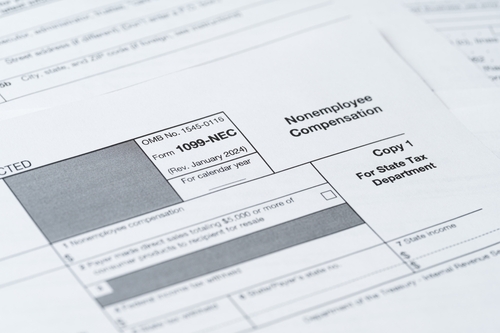
Employees have income taxes withheld from each paycheck. The employer also pays payroll taxes on their behalf. Independent contractors are responsible for managing their own taxes, including self-employment tax. Businesses typically issue a Form 1099-NEC (in the U.S.) rather than a W-2 for contractor payments above a certain threshold.
3. Benefits and Protections
Employees may be entitled to employer-provided benefits and are covered by various labor laws—minimum wage protections, overtime rules, anti-discrimination laws, and more. Contractors generally do not receive these benefits and operate outside standard employment law protections.
4. Payment Structure
Employees receive a regular salary or hourly wage through a formal payroll process. Contractors invoice for completed work, often at project milestones or upon delivery.
5. Ongoing Relationship
Employees typically have an ongoing role within the company with no defined end date. Contractors are usually engaged for a specific scope of work, with a clear start and finish.
Why Proper Classification Is Important

Tax Compliance
Misclassifying an employee as a contractor means you haven’t been withholding or remitting taxes correctly. Tax authorities can hold employers liable for unpaid payroll taxes, sometimes going back several years.
Payroll Obligations
Employees require formal payroll setup, including withholding, reporting, and remittance. Contractors do not. If you’ve been treating a worker like a contractor when they should be classified as an employee, you may owe back wages, benefits, and payroll contributions.
Labor Law Requirements
Employment law provides workers with specific rights. If a misclassified worker files a complaint—for unpaid overtime, wrongful termination, or lack of benefits—the legal and financial fallout can be significant for a small business.
Risk of Penalties for Misclassification
Tax authorities and labor regulators take misclassification seriously. Penalties vary by jurisdiction, but they typically include back taxes, fines, and interest. In some cases, penalties apply even when the misclassification was unintentional.
How Government Agencies Determine Classification
Rather than relying on job titles or contracts alone, agencies look at the actual nature of the working relationship. The IRS uses what’s known as the “common law” test, which evaluates three main factors:
- Behavioral control: Does the business control how the worker does their job—including training, tools, and work hours?
- Financial control: Does the worker have a significant investment in their own business, work for multiple clients, or bear financial risk?
- Type of relationship: Is there a written contract? Are benefits provided? Is the relationship ongoing or project-based?
No single factor determines classification. Agencies look at the full picture.
Special Considerations for International Workers

Local Labor Laws May Differ
Each country has its own framework for worker classification. What qualifies as contractor status in the U.S. may be treated as employment in another jurisdiction. Some countries have stricter criteria that presume employment unless specific contractor conditions are clearly met.
Tax Residency Rules Vary by Country
Cross-border work introduces tax residency considerations. Depending on where a worker is based and how long they work for you, there may be local tax obligations—for them and possibly for you.
Contractor vs Employee Standards May Not Be Identical Internationally
Don’t assume that a contractor arrangement that works in your home country will hold up internationally. Classification rules in countries like the UK, Germany, Australia, and Brazil differ meaningfully from U.S. standards. Consulting a local employment or tax expert before hiring abroad is strongly recommended.
Common Mistakes Small Businesses Make

Calling Someone a Contractor Without Reviewing the Criteria
Using the word “contractor” in a contract doesn’t make it so. Classification is determined by the actual working relationship, not the label you apply to it.
Treating Contractors Like Employees
Assigning fixed hours, providing all tools and equipment, requiring exclusive availability, and directing day-to-day tasks are all signs of an employment relationship. If you’re managing a contractor the way you’d manage an employee, it’s worth reconsidering their classification.
Ignoring Local Employment Laws When Hiring Internationally
Hiring someone overseas without understanding their local employment framework is a significant risk. Many countries have mandatory employee protections that apply even if you’ve structured the arrangement as a contractor engagement.
Failing to Document Agreements Properly
Whether you’re engaging an employee or a contractor, written agreements matter. They clarify scope, payment terms, and expectations—and they provide important documentation if questions arise later.
Simple Checklist Before You Classify a Worker
Before deciding how to classify a new worker, work through these questions:
- Who controls how the work is done—you or the worker?
- Is this person financially independent, with their own clients and business expenses?
- Is the role ongoing and integrated into your business, or project-based with a defined end?
- Are you providing tools, training, or benefits?
- Have you reviewed local tax and labor laws for the worker’s location?
If your answers point in different directions, that’s a signal to look more closely—or seek professional input.
When to Seek Professional Advice
Most straightforward contractor arrangements are manageable without legal help. But there are situations where consulting a professional is the smart move:
- You’re hiring a full-time international worker and want to ensure compliance with local law
- You’re unsure how tax implications apply to your specific situation
- You’re expanding into a new country or market
- A working relationship has evolved over time and you’re not sure it still fits the original classification
- You’re planning to bring on multiple workers in different roles or locations
An accountant or employment attorney can help you assess the situation accurately and avoid issues before they become expensive.
Final Thoughts: Structure Matters From the Start
Worker classification affects your taxes, payroll obligations, legal exposure, and the rights of the people working with you. It’s worth getting right—not just to protect your business, but to treat workers fairly.
Most small businesses can navigate this well with a basic understanding of the key distinctions, clear documentation, and a consistent approach to how working relationships are structured. The more clearly you define expectations upfront, the less ambiguity there is later.
When you’re uncertain, consult a professional. A short conversation with a qualified advisor can save significant time and cost down the road.
Frequently Asked Questions (FAQs)
What is the main difference between an employee and an independent contractor?
The primary difference is control. Employees work under employer direction—including how and when work is performed. Independent contractors control their own methods and schedule, with the business typically defining only the end result.
Can I classify someone as a contractor if they work full time?
Working full time doesn’t automatically determine classification. However, if you’re setting their hours, directing their daily tasks, and integrating them into your team, those are indicators of an employment relationship—regardless of hours worked.
Do contractors receive benefits?
Generally, independent contractors are not eligible for employer-provided benefits. They manage their own health insurance, retirement savings, and other benefits as self-employed individuals.
What happens if I misclassify a worker?
Misclassification can result in tax penalties, back taxes, unpaid benefits, and potential labor law violations. Even unintentional misclassification can trigger liability, so it’s worth verifying your classifications carefully.
Are classification rules different for international workers?
Yes. Each country has its own labor and tax standards. What’s considered a valid contractor arrangement in the U.S. may be treated differently abroad. Always consult a local expert when hiring workers in other countries.



