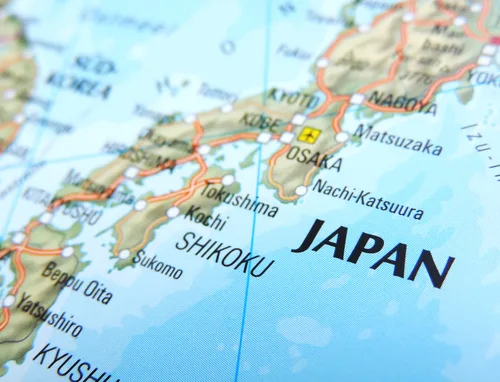
The Most Desirable Places to Live in for Foreign Residents in Japan
We asked 400 foreign residents across Japan to name the places they'd most like to live, and why. Here are the top 20, ranked by lived experience.
Japan is undergoing an exciting shift. The number of foreign residents living in the country has reached a record high1, and the pool of people who call Japan home is becoming steadily more diverse. But when those who are relocating to Japan(opens in new window), such as people who have moved for work(opens in new window) to support their family back home, those who have relocated to another office within their company, digital nomads, or international students, need to decide which Japanese destination they'd most like to live in, where do they turn?
To help potential newcomers to Japan, Remitly surveyed 400 foreign residents already living across Japan - from 40 countries and regions, spanning every adult age group - asking each of them to name their top three places and to explain why. Rankings were compiled by awarding five points for a first-choice selection, three points for a second-choice selection and one point for a third-choice selection, then totalling the points for each town.
The result is a guide to the most desirable places to live in for foreign residents in Japan: a bottom-up picture drawn not from tourist stereotypes or property data, but from the lived experience of people who already know what it's like to make a life here. Given that four out of five of respondents have lived in Japan for more than a decade, the findings reveal not just a ranking, but an experienced story - about the enduring appeal of Yokohama, the surprising strength of Hokkaido, and the way none of Tokyo's 23 special wards made the top three of Tokyo itself.
Key findings
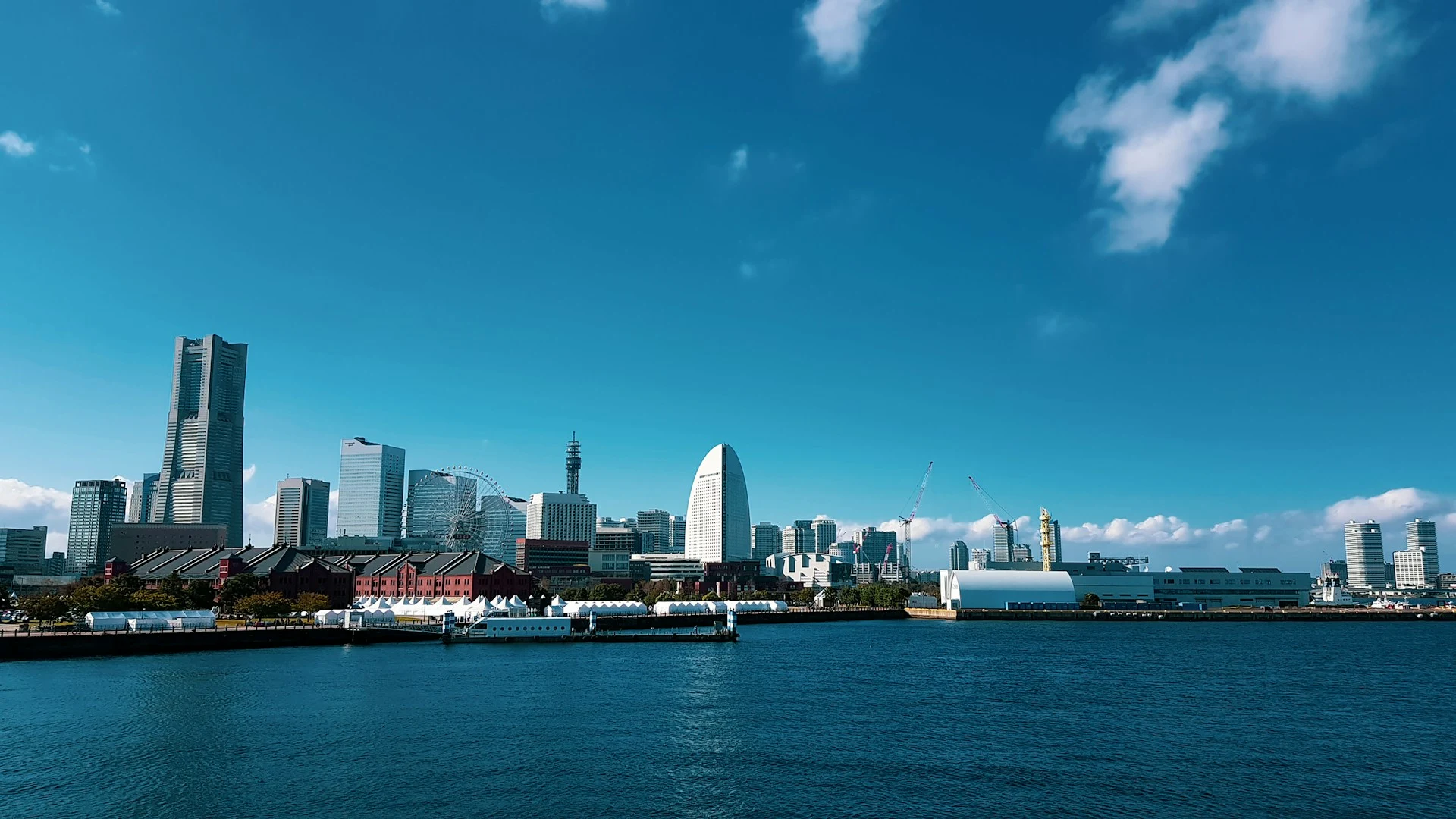
Yokohama takes the top spot overall with 332 points, chosen for its well-developed public transport and ease of finding work.
Sapporo ranks second and Kyoto third, with the overall top 10 featuring a majority of locations from western Japan.
Hokkaido punches well above its weight; four of its municipalities (Sapporo, Hakodate, Furano and Biei) make the overall top 20, more than any other single prefecture.
None of Tokyo's 23 special wards make the top three within Tokyo; Machida, Hachioji and Musashino (all in the Tama area), take the podium instead, drawn by their concentration of universities and academic institutions.
Around 80% of respondents would rather live outside the prefecture they currently live in, including Tokyo-based respondents, who named Sapporo, Yokohama and Kyoto as their most desired destinations.
Yokohama takes the top spot: transport and jobs explain why
Yokohama, in Kanagawa Prefecture, tops the overall ranking with 332 points in a comfortable lead over second-placed Sapporo (309). Its appeal is built on the fundamentals of everyday life: 28.8% of respondents who chose Yokohama cited well-developed public transport as a reason, and 27.9% of Yokohama respondents named ease of finding work.
The city's setting also drew comment. Several respondents described being drawn to the way Yokohama combines urban infrastructure with the natural environment - a coastal city with abundant greenery, sitting just a short train ride from central Tokyo but offering a distinctly calmer daily rhythm.
Looking at living costs, for a family of four, they average out to ¥469,237 ($2987) a month, excluding rent. Public transport, which was another draw for Yokohama, averages out at about ¥8,950 ($57) a month, one of the most affordable of the top 102.
For foreign residents making practical, long-term decisions about where to build their lives in Japan, Yokohama's ability to deliver the convenience of a major city and the space of a slightly slower one appears to be a winning combination. For those considering a move to Japan for work, remember to use Remitly to send money from Japan(opens in new window).
The 20 Most Desirable Japanese Places to Live in for Foreign Residents
Rank | Place | Prefecture | Points |
|---|---|---|---|
1 | Yokohama | Kanagawa | 332 |
2 | Sapporo | Hokkaido | 309 |
3 | Kyoto | Kyoto | 224 |
4 | Nagoya | Aichi | 199 |
5 | Osaka | Osaka | 180 |
6 | Kobe | Hyogo | 165 |
7 | Fukuoka | Fukuoka | 145 |
8 | Machida | Tokyo | 136 |
9 | Sendai | Miyagi | 122 |
10 | Naha | Okinawa | 114 |
11 | Nara | Nara | 105 |
12 | Hiroshima | Hiroshima | 99 |
13 | Hakodate | Hokkaido | 81 |
14 | Hachioji | Tokyo | 74 |
15 | Musashino | Tokyo | 66 |
16 | Saitama | Saitama | 61 |
17= | Furano | Hokkaido | 60 |
17= | Kamakura | Kanagawa | 60 |
19 | Karuizawa | Nagano | 56 |
20 | Biei | Hokkaido | 49 |
Eastern vs western Japan: two different maps of appeal
Six of the destinations in the overall top 10 (Kyoto, Nagoya, Osaka, Kobe, Fukuoka and Naha) are all located in western Japan. Extend the list to the top 20, however, and eastern Japan pulls ahead with a total of 12 entries.
The two halves of the country show contrasting patterns. In western Japan, support from foreign residents is concentrated in a small number of major cities. The top three most recommended cities (Kyoto, Nagoya, Osaka) alone account for more than half of the region's total points in the study.
In eastern Japan, support is spread more evenly across a wider range of places, from Yokohama and Sapporo at the top, through mid-ranking cities like Sendai and Hakodate, all the way down to smaller destinations like Kamakura and Karuizawa.
Sapporo, Hokkaido and the pull of nature
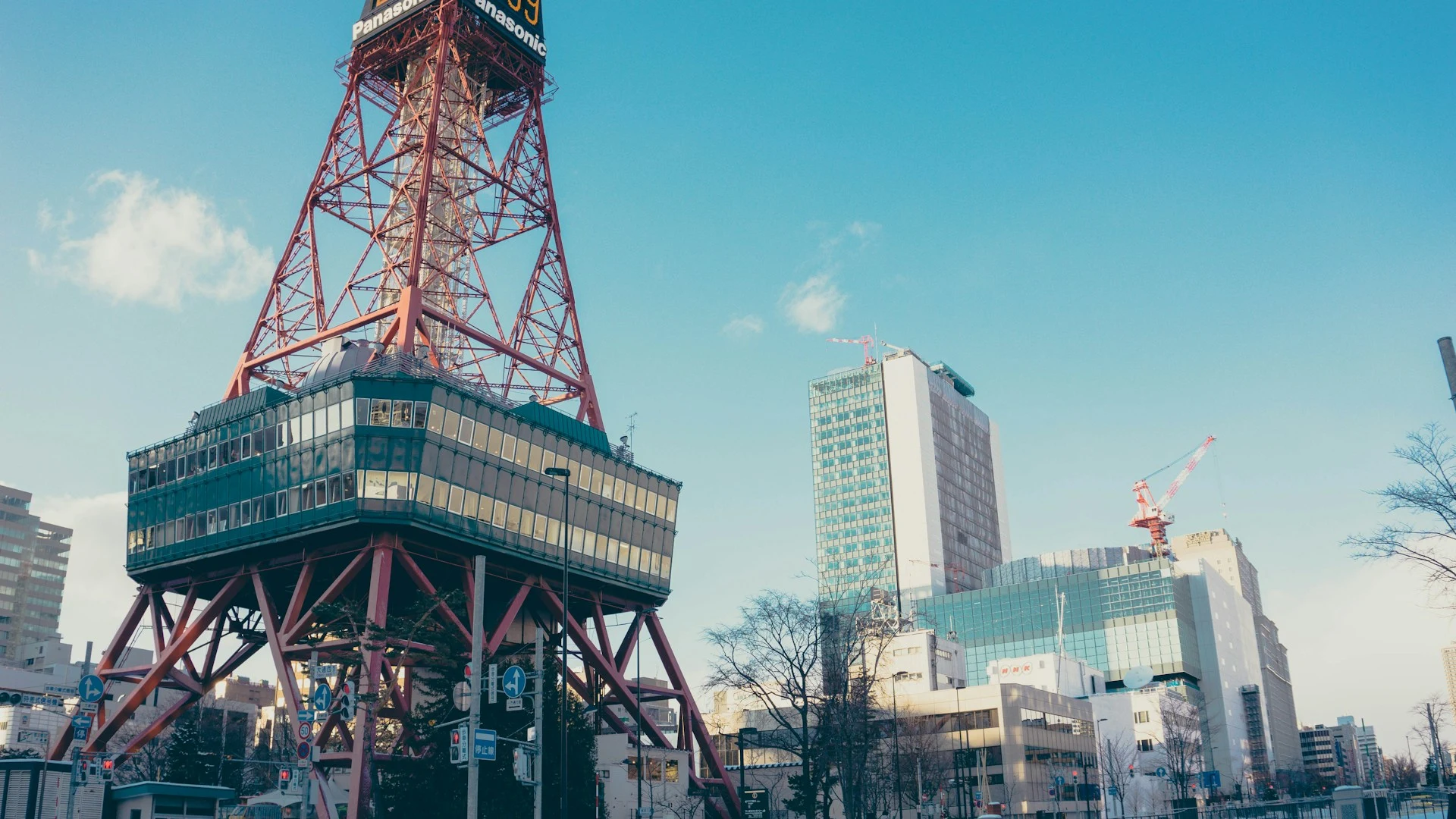
Second overall, Sapporo secured 309 points, driven largely by two factors that stand out from the wider study: safety (34.1%) and nature and scenery (27.5%).
Together with Hakodate (13th), Furano (17th) and Biei (20th), Hokkaido places four separate municipalities in the overall top 20 - more than any other single prefecture. Respondents' own words point to what makes Hokkaido distinctive. "There is a lot of space and few people, the scenery is beautiful, the food is delicious, and life there is very relaxed," one respondent said. Another described Furano and Biei as offering "beautiful nature and landscapes you rarely see elsewhere in Asia." A third summed up the region's dual appeal more practically: "Hokkaido is not hot, the food is outstanding, and there are few insects." Interestingly, a separate study we conducted found that Hokkaido is considered Japan’s most beautiful prefecture(opens in new window) according to eye-tracking data measuring how long people fixated on different views around the country.
Kyoto, Nagoya and Osaka: the top three in western Japan
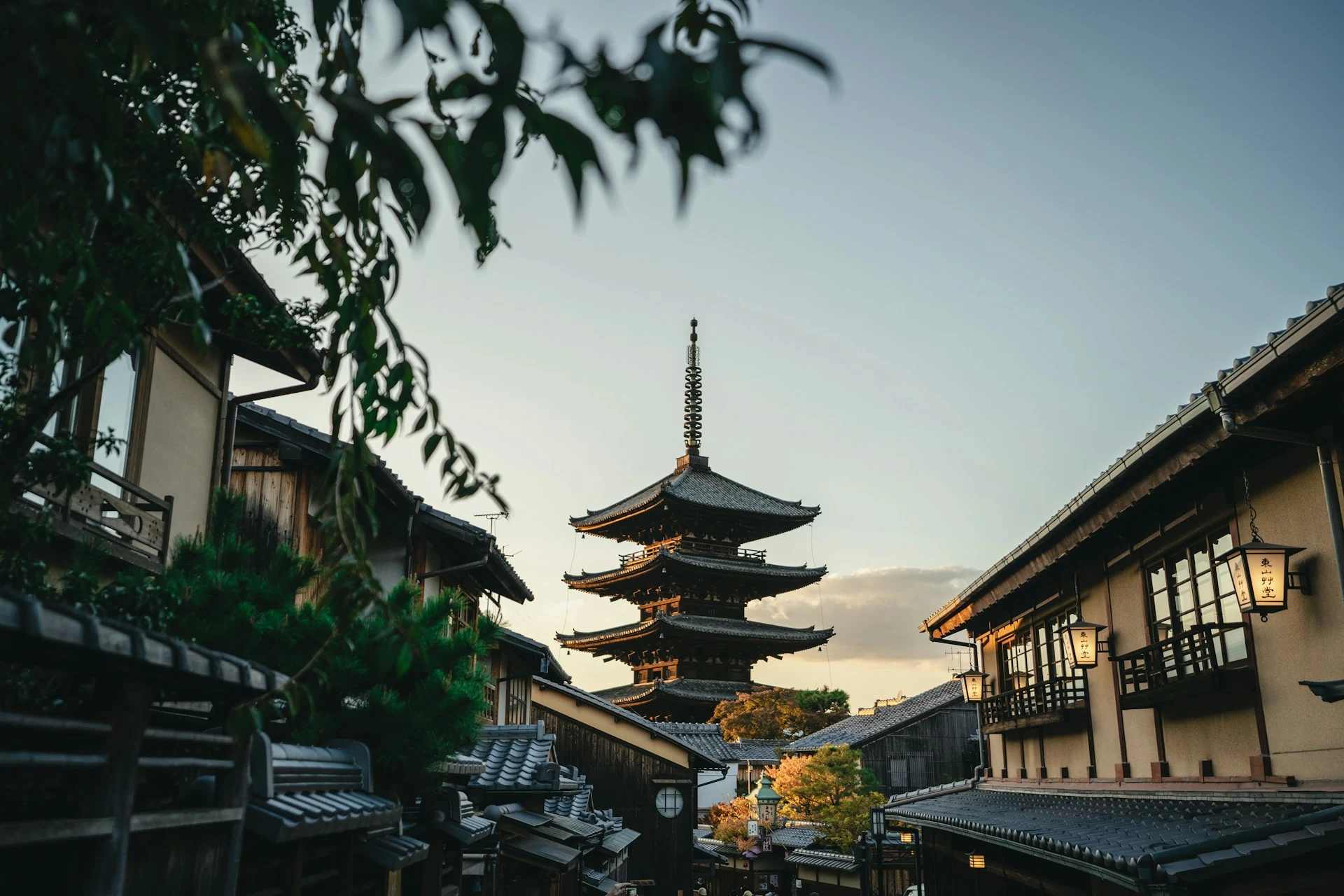
Kyoto tops the western Japan ranking with 224 points, followed by Nagoya (199) and Osaka (180). Between them, the three cities capture the broadest range of reasons in the study, from childcare and education, to work opportunities and cultural appeal all weighing meaningfully into the decision.
Kyoto, possibly Japan's most internationally famous tourist destination, received the most votes for "the atmosphere of the town and its cultural appeal." But what stands out is that "ease of finding work" and "a good education and childcare environment" tied for second (both 20.7%). Foreign residents, it seems, see Kyoto not only as a place to visit, but as a place to work and raise a family. Living costs are lower than you might expect compared to the likes of Tokyo and Nagoya. Monthly family costs, excluding rent, are ¥460,2314 ($2,929) compared to ¥546,732 ($3,480) in Nagoya5, meaning your Yen(opens in new window) can go further.
Nagoya drew support for its combination of ease of finding work and well-developed public transport (both 26.0%), followed by education and childcare (17.8%). Respondents described the city as "easy to find a job in" and "easy to live in" - a picture of straightforward, practical convenience. However, Nagoya is one of the most expensive cities for people to live with monthly expenses averaging ¥546,732 ($3,480) (the highest of the top 10) for a family. It also has the least affordable public transport costs in the top 10 and childcare costs can be expensive.
Osaka(opens in new window), which is home to the largest foreign resident population of any government-designated city in Japan3, placed third in western Japan and fifth overall. Its votes were driven by ease of finding work and education and childcare (both 25.0%), followed by reassuring healthcare and welfare and well-developed public transport (both 18.3%). One respondent noted they could "live there with peace of mind." It’s a decent choice for the cost-conscious too. Despite being a huge tourist destination, living costs in the city are relatively low: ¥435,962 ($2,775) for monthly family expenses, ¥5,150 ($33) for a monthly public transport pass and ¥81,614 ($520) for full-time childcare cover6. These were all the lowest costs in their categories out of all top 10 locations.
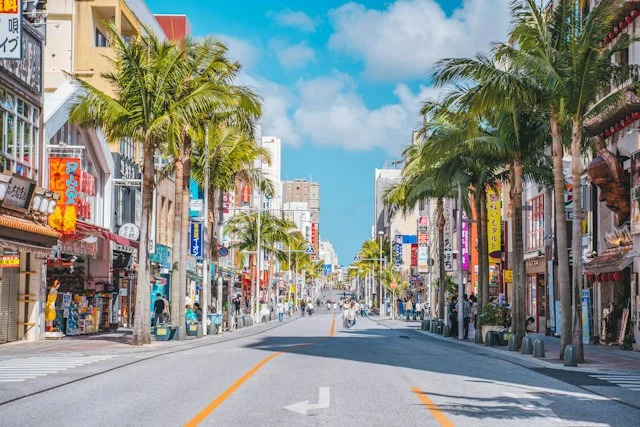
Naha and the practical appeal of Okinawa
Tenth overall, Naha is the only town in the overall top 10 where healthcare and welfare exceeded 30% as a reason for its selection. Nature and scenery led at 33.3%, closely followed by reassuring healthcare and welfare at 31%.
That's a notable finding. Okinawa is often perceived, both inside and outside Japan, primarily as a resort destination. For those actually considering it as a place to live, it's the practical foundations (abundant nature and reliable healthcare) that often make up Naha’s appeal. Respondents who chose it as their first choice highlighted "rich nature and convenient living" and "how calm people are."
The Tokyo picture: the Tama area sweeps the top three
Among the municipalities of Tokyo(opens in new window), Machida (8th overall) came first, Hachioji (14th) second and Musashino (15th) third. Notably, none of Tokyo's 23 special wards made the top three within Tokyo itself, and only Machida made the overall top 10.
The reason is telling: all three of the top-ranked Tokyo municipalities sit in the Tama area, and the reason cited most often for choosing them was consistent; "a large number of universities and other academic institutions" (25.0% for Machida, 27.3% each for Hachioji and Musashino). The concentration of universities and junior colleges across the Tama area appears to give it an identity, in the eyes of foreign residents, that sits apart from central Tokyo - one shaped more by student life and academic culture than by corporate headquarters.
The top 10 Most Desirable Wards or Municipalities for Foreign Residents Within Tokyo
Among the 23 wards, Itabashi drew the most support, with "low prices and rents" (30.8%) as its leading reason - a hint that even in central Tokyo, cost of living(opens in new window) is a decisive factor. Overall, Tokyo is one of the most expensive cities in Japan, which is unsurprising. Monthly family costs average out at ¥514,475 ($3,275), with the most expensive private childcare costs in the country (¥211,172/$1,344) and high public transport costs7.
Rank | Ward or Municipality | Points |
|---|---|---|
1 | Machida City | 136 |
2 | Hachioji City | 74 |
3 | Musashino City | 66 |
4 | Itabashi Ward | 43 |
5 | Shibuya Ward | 39 |
6 | Minato Ward | 37 |
7 | Shinjuku Ward | 36 |
8= | Chiyoda Ward | 33 |
8= | Ota Ward | 33 |
10= | Suginami Ward | 31 |
10= | Nakano Ward | 31 |
Conclusion: What foreign residents actually look for in a Japanese town
Across the study, no single reason dominated. The most-cited reason for choosing a town was ease of finding work (11.4%), followed by well-developed public transport (11.1%) and the beauty of nature and scenery (10.8%). Education and childcare (9.9%), the atmosphere and culture of the town (9.3%), safety (9.0%) and reassuring healthcare and welfare (8.1%) all followed close behind.
Of the 18 possible reasons on offer, the top seven sat within just over three percentage points of each other. That points to a striking pattern: foreign residents choose destinations for the overall strength of the life they offer - a combination of work, environment, family and safety - rather than for one specific standout feature.
Perhaps most notably, reasons directly related to how a town receives foreign residents were each cited by fewer than 3% of respondents: "an international atmosphere" (2.7%), "an atmosphere in which foreigners are welcomed" (2.5%), "multilingual support" (2.4%) and "the presence of a community from their home country" (2.3%). Given that 80% of respondents have lived in Japan for more than 11 years, the study points to a pattern in which experienced foreign residents choose cities and towns using similar criteria a Japanese resident may use, rather than by markers of "foreigner-friendliness."
If you’re considering moving to Japan, we recommend you get clued up on how to secure a work visa in our full guide(opens in new window).
Methodology
We surveyed 400 foreign residents in Japan drawn from 40 countries and regions, with 80% of respondents having lived in the country for more than 11 years.
Respondents included 210 men and 190 women, spanning every adult age group other than teenagers: 89 in their 20s, 104 in their 30s, 107 in their 40s, 68 in their 50s and 32 in their 60s or above.
Each respondent was asked to name the places they would most like to live in as their first, second and third choices, and for each town chosen, to select up to three reasons from a list of 18 options.
Rankings were compiled by awarding five points for a first-choice selection, three points for a second-choice selection and one point for a third-choice selection, then totalling the points for each town.
Cost-of-living info was gathered from Numbeo.
The survey was conducted online between 24 July and 3 August 2026 by Japanese survey company Freeasy(opens in new window) with the data aggregation and analysis carried out using Hideyoshi Dplus(opens in new window). All data is correct as of September 2026.
All Yen to Dollar conversions are correct as of 22 September 2026.
Citations
This publication is provided for general information purposes only and is not intended to cover all aspects of the topics discussed herein. This publication is not a substitute for seeking advice from an applicable specialist or professional. The content in this publication does not constitute legal, tax, or other professional advice from Remitly or any of its affiliates and should not be relied upon as such. While we strive to keep our posts up to date and accurate, we cannot represent, warrant or otherwise guarantee that the content is accurate, complete or up to date.
Guides to living in Japan from Remitly
How to Find an Apartment in Tokyo
Buying Property in Japan: Complete Guide for Foreigners
Can Foreigners Drive in Japan?
Japan Train Stations: Shinkansen, JR Lines, and Local Travel
Building a life in Japan?
Wherever you settle, Remitly helps you send money from Japan to the people who matter back home.