

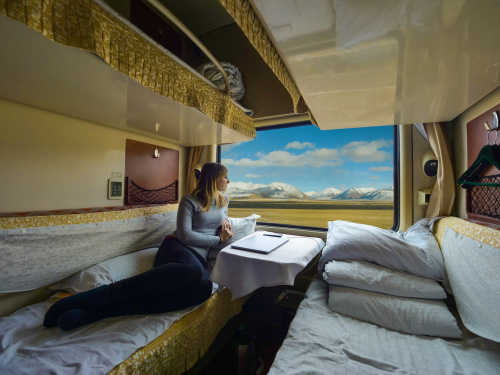
Traveling across a country while you sleep is a highly efficient way to see the world. Sleeper trains combine the comfort of a hotel with the practicality of long-distance transport. Instead of wasting daylight hours in transit, you board a train in the evening, enjoy a meal or a good book, and wake up at your destination.
This guide is for anyone planning their first overnight train journey, curious travelers looking for new ways to get around, and train enthusiasts planning their next big trip. Knowing exactly how these trains operate, what they cost, and what to expect can help you plan your itinerary with confidence.
You will learn how overnight rail travel works, discover the best routes across the globe, and review the pros and cons. We will also share practical booking tips to ensure your journey is safe, comfortable, and stress-free.
What Is a Sleeper Train?
Sleeper trains are long-distance passenger trains equipped with sleeping accommodations for overnight journeys. They offer a unique way to travel, allowing you to cover vast distances while resting.
Unlike regular trains or planes, sleeper trains provide dedicated spaces designed for sleeping. Depending on your budget and the route, you can choose from several types of accommodations:
- Reclining seats: The most budget-friendly option, similar to a standard airplane seat but usually with more legroom and a deeper recline.
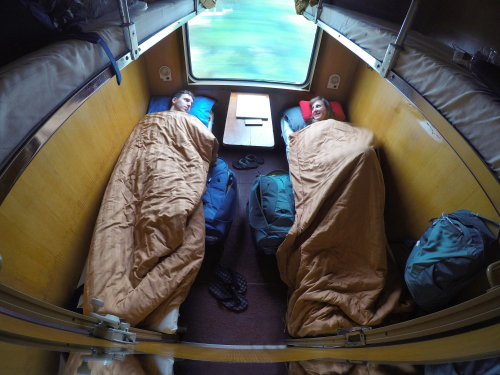
- Couchettes: Shared cabins with fold-down bunks. These usually accommodate four to six people and provide basic bedding.
- Private cabins: Standard or deluxe private rooms for one to two passengers. These often feature comfortable beds, a washbasin, and sometimes an en-suite toilet and shower.
- Luxury suites: High-end experiences offering spacious beds, private bathrooms, lounge seating, and dedicated attendants.
A Brief History of Sleeper Trains
Sleeper trains have a rich history that dates back to the 19th century. In the United States, the Pullman Company revolutionized rail travel by introducing comfortable sleeping cars in the 1860s. This sparked a golden age of rail travel, where overnight trains became a symbol of glamour and progress.
As commercial air travel became more affordable and widespread in the mid-20th century, sleeper trains saw a significant decline. People favored the speed of flying over the leisurely pace of rail travel.
Recently, sleeper trains have experienced a modern resurgence. Travelers are increasingly drawn to eco-friendly transport options and the “slow travel” movement. Riding a train produces a significantly lower carbon footprint than flying, making it an appealing choice for environmentally conscious passengers.
How Sleeper Trains Work
Booking and riding a sleeper train is a straightforward process when you know what to expect. You typically reserve your ticket well in advance, choosing your preferred class of service. Fares usually include the base travel ticket plus a supplement for the sleeping accommodation.
When you board, an attendant often greets you and directs you to your cabin or seat. The cabin setup depends on your ticket class. Attendants usually convert seating areas into beds in the evening and back into seats in the morning.
What your ticket includes will vary by route and class:
- Bedding: Couchettes and private cabins come with sheets, blankets, and pillows.
- Meals: Deluxe cabins and luxury suites often include complimentary meals served in your room or a dining car. Budget classes usually have access to a cafe car.
- Showers: High-end private cabins feature en-suite showers. Some trains offer shared shower facilities at the end of the car for standard cabin passengers.
A typical overnight journey starts with an evening departure. Passengers settle in, perhaps visit the dining car, and return to their cabins to sleep. The train travels through the night, and passengers wake up ready to disembark at their destination the next morning.
How Much Do Sleeper Train Tickets Cost?
The cost of sleeper train tickets varies widely depending on multiple factors, such as the route, class of service, and time of booking. For most standard train journeys, ticket prices can range from as low as $20 for short regional trips to several hundred dollars for long-distance or high-speed routes. Sleeper cabins or luxury train experiences, such as scenic or international routes, can cost anywhere from $200 to over $1,000 depending on the level of comfort and services provided. Always check ticket options carefully to find a choice that fits your budget and travel needs.
Popular Sleeper Train Routes Around the World
Different regions offer excellent sleeper train services. Here are a few notable routes to consider for your next trip.
Europe
- Nightjet (Austria, Germany, Italy): Operated by Austrian Railways (ÖBB), this network connects major European cities with efficient and comfortable overnight service.
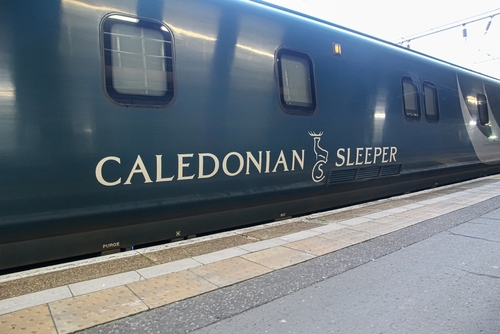
- Caledonian Sleeper (London to Scotland): This route offers a scenic and relaxing way to travel from the busy streets of London to the Scottish Highlands.
- Intercités de Nuit (France): A reliable network connecting Paris to destinations in the south of France and the borders of Spain and Italy.
Asia
- Japan Sunrise Express: Connecting Tokyo to western Japan, this train features unique open-plan carpeted areas alongside private cabins.
- India Long-Distance Trains: India’s extensive rail network offers a highly affordable way to navigate the country, with multiple sleeper classes available.
- Thailand Overnight Trains (Bangkok to Chiang Mai): A popular and comfortable route for tourists, featuring clean bunks and excellent views in the morning.
North America
- Amtrak (United States): Routes like the California Zephyr and the Empire Builder offer roomettes and private bedrooms for cross-country journeys.
- VIA Rail (Canada): The Canadian offers an epic multi-day journey across the country with comfortable sleeper accommodations.
Luxury Sleeper Trains
- Venice Simplon-Orient-Express: The pinnacle of luxury, offering vintage carriages and fine dining across Europe.
- Belmond Royal Scotsman: An exclusive journey through the Scottish countryside with exceptional service.
- South Africa’s Blue Train and Rovos Rail: World-renowned routes offering five-star hotel comfort on wheels.
Pros and Cons of Sleeper Trains
Like any mode of transport, overnight rail travel has specific benefits and drawbacks.
Pros:
- Saves time by letting you travel while you sleep.
- Reduces the need to pay for a night in a hotel.
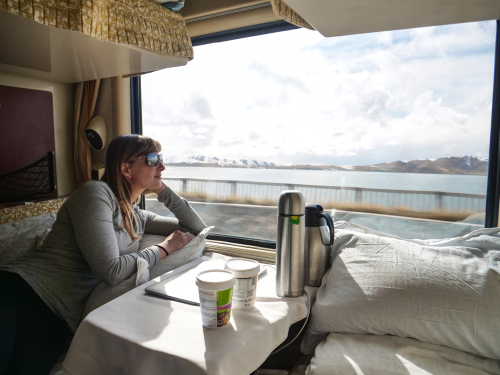
- Offers scenic views of the countryside, especially early in the morning.
- Produces a much lower carbon footprint than flying.
Cons:
- Private cabins can be expensive, sometimes costing more than a flight and hotel combined.
- Budget options like couchettes offer limited privacy.
- Train motion and track noise can interrupt sleep for light sleepers.
- Booking systems can be complex, and popular routes sell out quickly.
What It’s Really Like: Firsthand Experience
Understanding what it feels like to ride a sleeper train can help you pack and prepare correctly.
Cabin sizes are generally compact. Even in deluxe private rooms, space is optimized for efficiency. You will need to store larger luggage carefully, often on dedicated racks or under the lower bunk.
Motion and noise are part of the experience. The gentle rocking of the train helps many people fall asleep quickly. However, occasional stops, track switches, and station announcements can be noisy.
If you book a couchette, expect to share a close space with strangers. It is a highly communal experience. Passengers usually respect quiet hours, but sharing a cabin requires patience and basic etiquette.
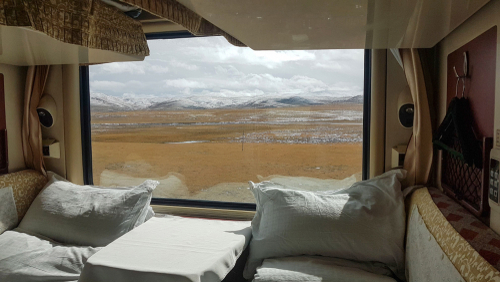
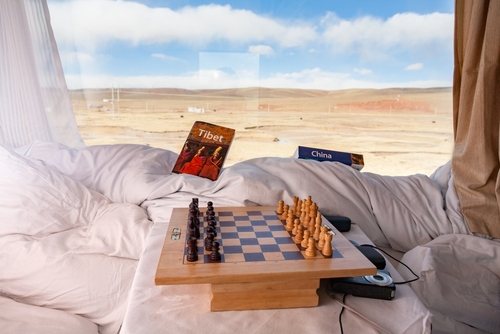
Morning arrivals are often the best part of the trip. Waking up to a completely new landscape passing by your window is a rewarding experience. Sleeper trains are highly recommended for adaptable travelers who view the journey as part of the adventure.
Tips for Booking and Riding Sleeper Trains
- Book early: Sleeper cabins sell out months in advance. Secure your tickets as soon as booking windows open.
- Choose the right class: If privacy is important to you, pay the extra cost for a private cabin rather than a shared couchette.
- Pack essentials: Bring an eye mask, earplugs, and comfortable sleepwear. Having your own snacks and a water bottle is also highly recommended.
- Understand luggage rules: Keep a small overnight bag easily accessible. Accessing large suitcases in a cramped cabin is difficult.
- Follow safety and etiquette tips: Lock your cabin door from the inside at night. In shared spaces, keep noise to a minimum after lights-out.
Sleeper Trains vs Flying vs Hotels
When deciding between a sleeper train or a short flight and a hotel, consider the overall value.
Flights appear cheaper and faster at first glance. However, when you factor in the cost of a hotel room for the night, the price gap narrows. Trains take you directly from city center to city center, eliminating the time and cost of traveling to remote airports.
Trains offer a vastly superior environmental impact. For those looking to travel sustainably, trains are the clear winner. The comfort of a sleeper train is different from a hotel, but the convenience of waking up at your destination provides immense value.
Are Sleeper Trains Worth It?
Sleeper trains are highly worthwhile for specific travel situations. They are the best option for long-distance routes, travelers who love scenic journeys, and anyone looking to lower their carbon footprint.
They are not ideal if you are on a very tight schedule, as train delays can happen. They are also not the best choice if you are on a strict budget and find it impossible to sleep with background noise or motion.
Ultimately, sleeper trains offer a reliable, safe, and memorable way to travel. With clear planning, they can be the highlight of your entire trip.
Frequently Asked Questions (FAQs)
Are sleeper trains safe?
Yes, sleeper trains are generally very safe. Private cabins have locks on the inside. In shared carriages, attendants monitor the corridors. It is always wise to keep valuables secure in a small bag near your head while sleeping.
Do sleeper trains have showers?
This depends on the route and the class of ticket. Deluxe private cabins often have en-suite showers. Standard cabins might have access to a shared shower at the end of the car, while basic couchettes usually only provide access to a washbasin and toilet.
Can you sleep well on a sleeper train?
Many people sleep very well due to the gentle rocking motion of the train. However, light sleepers might be bothered by the sound of the tracks, sudden stops, or other passengers. Bringing earplugs and an eye mask is highly recommended.
How much do sleeper train tickets cost?
Prices vary widely based on the region, the route, and the class of service. A shared couchette in Europe might cost around $50 to $100, while a private deluxe cabin can cost $200 to over $500 per night.
Are meals included?
Meals are typically included only for passengers in premium or luxury classes. These might be served in your cabin or in a dedicated dining car. Passengers in standard classes usually have to purchase food from a cafe car or bring their own.
Do you share a cabin with strangers?
You only share a cabin with strangers if you book a single bed in a couchette or a shared sleeper class. If you book a private cabin, you will have the room exclusively for yourself or your travel companions.
How do you book sleeper trains?
You can book directly through national rail operator websites (like Amtrak, ÖBB, or VIA Rail) or through reputable third-party booking platforms.
What should you bring on a sleeper train?
Bring a small overnight bag containing toiletries, comfortable sleeping clothes, a sleep mask, earplugs, essential medications, a water bottle, and light snacks.
Plan Your Next Train Adventure
Sleeper trains provide a highly practical and enjoyable way to see the world. They combine transportation and accommodation, saving you daylight hours and reducing your environmental impact.
By understanding the different ticket classes, knowing what to pack, and booking early, you can ensure a smooth and comfortable journey. Whether you are traveling across Europe, exploring Japan, or crossing North America, a sleeper train offers an experience you won’t soon forget.
Review the popular routes available at your next destination, check the schedules, and consider booking a sleeper train for a secure and memorable trip.



