English (US) – Page 59

All About Visas in Switzerland

Discover everything you need to know about visas in Switzerland, including types, requirements, and application processes. Read more on our blog!

English (US)

Key Highlights

  • Switzerland’s visa rules are linked with the Schengen Area. With a Schengen visa, you can come in for short visits.

  • People from many places, like the U.S., can stay up to 90 days without a visa. Soon, you will need ETIAS travel authorization for this.

  • If you plan to be in Switzerland for more than 90 days, you need to get a national visa. This visa can let you later get a residence permit.

  • To get a visa, you turn in an application form, show other needed papers, and pay your visa fees.

  • When you arrive, you have to go through passport checks at border control. This is done even if you come from other Schengen countries.

  • If you want to stay long-term to work or study, the cantonal migration authority at your place of residence will review your visa.

Introduction

Are you thinking about taking a trip to the beautiful areas of Switzerland? It does not matter if you are after mountain fun, work trips, or long-term studies. The first thing you need to do is learn about the Swiss visa rules. Switzerland is not in the European Union, but it is in the Schengen Area. This makes travel easier for a lot of people who want to come. This guide will show you what you need to know to handle the visa needs for your time in Switzerland. It helps you have a smooth and easy trip.

Understanding Swiss Visa Policy and the Schengen Area

Switzerland follows the same entry rules as other countries in the Schengen Area. If you have a Schengen visa, you can use it not only for Switzerland but also to travel to other countries in this group. You do not have to go through border checks between these European countries. Their entry requirements are matched up to help millions of people move more easily.

Because of bilateral agreements, Switzerland has different rules for people based on their nationality. Some people can get into the country without a visa if their stay is short, but others need a visa before they come. Soon, even many people who do not need a visa will have to get an ETIAS authorization. The main types of visas you can get for Switzerland are the short-stay Schengen visa (Type C) and the long-stay national visa (Type D).

Switzerland’s Role in the Schengen Agreement

Switzerland is not in the EU, but it joined the Schengen Area in 2008. This happened after the country made some important bilateral agreements with its neighbors. As part of the European Free Trade Association, Switzerland works closely with other countries near it to keep borders open and keep security rules the same.

Because of this, Switzerland follows the common Schengen visa system. If you get a schengen visa (Type C) from Switzerland, you can use it to travel across the entire Schengen Area. In the same way, if you have a visa from any of the other schengen countries, you can use it to get into Switzerland for a short visit. This system removes border checks inside the Schengen Area. It makes it easy for people to move from one country to another.

The State Secretariat for Migration, also called SEM, is the main office that takes care of these rules. It makes sure Switzerland and the Schengen Area keep the same guidelines. Working together is very important so that the rules work for people from Switzerland and those coming to visit. The two main options for visas are:

  • The schengen visa (Type C) for tourism or short business trips up to 90 days.

  • The national visa (Type D) for people who want to work, study, or stay longer.

This system helps with freedom of movement and keeps travel simple across Europe.

Entry Rules for U.S. and Other Non-EU Citizens

If you are from the United States, you can visit Switzerland and other Schengen countries for up to 90 days in a 180-day span without needing a visa. This rule also covers people from other places outside the EU, like Canada, Australia, and Japan.

But things will change soon. Starting in 2026, you must get an ETIAS authorization before going to these places. ETIAS stands for European Travel Information and Authorization System. It is an electronic travel authorization, not a visa. The ETIAS system is made to make security checks stronger. It will be required for you and all other travelers to enter the Schengen Area.

No matter what the visa rules say, all travelers need a valid travel document. Your passport must follow these rules if you want to enter Switzerland:

  • It must be good for at least three months past the day you plan to leave the Schengen Area.

  • It must have been issued in the past 10 years.

  • Make sure you have at least two empty pages for stamps.

Who Needs a Visa to Visit Switzerland?

Whether you need a Schengen visa for Switzerland depends on your nationality and not the country of residence. The Schengen visa rules split foreign nationals into two main groups. Some people do not need a visa for short stays and some do.

If you are from a country that has a visa-free deal with the Schengen states, you can come to Switzerland for up to 90 days without getting a visa. Other people who are not on that list will need to have a Schengen visa before they come. In the next parts, we will show you which countries are in each group.

Countries Exempt from Swiss Visas

Citizens of certain countries can enter Switzerland and the entire Schengen Area for up to 90 days in any 180-day period without needing a visa. This exemption is for short stays like tourism, business trips, or visiting family. If you are from one of these countries, you do not need to fill out a visa application form for a short visit.

This visa-free access applies to all European Union member states and other Schengen countries. Beyond Europe, many other nationalities benefit from this arrangement.

Here is a list of some of the countries exempt from needing a Swiss visa for short stays.

Region

Examples of Exempt Countries

North America

United States, Canada

Oceania

Australia, New Zealand

Asia

Japan, South Korea, Singapore

South America

Brazil, Argentina, Chile

Europe (Non-EU/Schengen)

United Kingdom, Ukraine

Nationalities Requiring a Swiss or Schengen Visa

If you are from a place that is not on the list for visa-free entry, you will need a visa to visit Switzerland. This rule is for both short and long stays. Foreign nationals from more than 100 places must get a schengen visa before they can travel. It does not matter what your country of residence is now.

To apply, you have to send different papers to a swiss embassy or consulate. If your previously issued schengen visa has expired, you must follow the same steps and apply again before your new visit.

There are some nationalities that often need a schengen visa for Switzerland, like:

  • China

  • India

  • Russia

  • South Africa

You should check what the visa requirement is for your nationality before you make travel plans. This will help you know what to do and save you time and trouble later.

Main Types of Swiss Visas Explained

It is easier to go through the Swiss visa system when you know the two main kinds of visas you can get. The type of visa you need will depend on why you want to go and how long you plan to stay. The main ones are the Schengen visa (Type C) for short trips and the national visa (Type D) for longer stays.

If you want to go for up to 90 days, like for a quick visit or business, then you need a Schengen visa (Type C). If you need to stay in Switzerland for over 90 days, for work or school, you have to get a national visa (Type D). The national visa is the first step to getting your Swiss residence permit. Now, let’s look closer at what each type can do for you.

Schengen Visa (Short-Stay, Type C)

The Schengen visa, called a Type C visa, is the most used for Switzerland. This visa lets you stay for up to 90 days in a 180-day period. It works well for a short stay, like tourism, visiting friends or family, business meetings, or taking part in short events.

When you ask for a Schengen visa, you must share your travel dates and your plans. If you get the visa, you can travel in Switzerland and all 27 Schengen states. There is no need for different visas for each country. You can go from one Schengen country to another easily.

Keep in mind, the Type C visa is only for a short stay. It will not let you work or live in Switzerland for a long time. If you want to stay longer, you will not be able to extend the Schengen visa. You would need to get a national visa from your home country.

National Visa (Long-Stay, Type D)

If you want to be in Switzerland for more than 90 days, you need to apply for a national visa or Type D visa. This visa is for the people who plan to work, study, or join family members. It is the first step if you need a residence permit.

A national visa application works different from a Schengen visa. It is not handled just by the Swiss embassy or consulate. The cantonal migration authority in the Swiss canton where you plan to have your place of residence must also review it. This means that getting approval can take many weeks or even months.

After you arrive in Switzerland with your Type D visa, you have to register with the local authorities. Then you will get your residence permit. This permit lets you stay in Switzerland legally for as long as your work contract or academic program lasts. For all things about your permit, the cantonal migration authority will be your main contact.

Short-Stay Schengen Visa for Switzerland

Are you planning a vacation or a short business trip to Switzerland? If you need a Schengen visa, this is the one to get. The Schengen visa, also called a tourist visa, lets you visit the Schengen Area for up to 90 days.

To get this visa, you have to fill out a visa application form and give other needed documents. This visa is good for travel in the Alps, going to meetings, or seeing family. We will now look at some common reasons people use this visa and the rules they need to follow.

The most important things to remember are to complete your visa application form, use the right documents, and know which visa fits your trip. This will help make the visa application easy for you, whether you want to see the area as a tourist or go for business.

Tourist and Visitor Visa Use Cases

The Schengen visa is often used as a tourist visa. It is easy to use and covers many short trips. In your visa application, you need to share the main reason for your visit. This helps officials know why you want to come.

When you apply, you must give proof of travel. This can be flight tickets and hotel bookings. You also need to have travel insurance for your whole stay.

Common reasons people ask for a Schengen visa include:

  • Tourism and sightseeing while in Switzerland.

  • Family visits to see relatives living in the country legally.

  • Going to business meetings, conferences, or trade fairs.

  • Joining short cultural, scientific, or sports events.

Stay Limits and the 90/180-Day Rule

One of the main schengen visa rules is the 90/180-day rule. This rule sets the longest time you can be in the schengen area. You may stay up to 90 days in any 180-day period. This rule is for both visa holders and people coming from countries that do not need a visa.

It is important to understand how the rule works so you follow all schengen area entry requirements. The 180 days is a moving time frame. To check how much time you can still stay, look back at the last 180 calendar days from today. It does not follow the regular calendar year.

If you break this rule, you could pay fines, be sent home, or be banned from the schengen area for some time. Always count your days to make sure you are not over the allowed limit. You can use online tools to track your schengen visa stay and not go past what is allowed.

Long-Term Swiss Visas and Residence Permits

If you want to live in Switzerland for more than a vacation, you need a long-term visa. This visa is called a national visa (Type D). It helps you get a residence permit. You might need it if you move to Switzerland for school, work, or to join family members.

Getting this visa is harder than applying for a short-stay visa. You will need approval from people in your home country and from authorities in your new place of residence in Switzerland.

Here we look at what you need to do for a student visa, work permit, and family reunification visa.

Student Visa Requirements and Process

If you get into a Swiss school, your next thing is to apply for a student visa. This is not the same as getting a tourist visa. You will stay for a longer time, and the cantonal migration office in Switzerland must say yes to your visa. Start this visa application as soon as you have your school’s acceptance letter.

You need to turn in the national visa application form and other main papers. This includes proof that the school said yes to you, proof of enough financial means to pay for your stay, and a plan for what you will study.

Key requirements for a Swiss student visa include:

  • Letter of acceptance from a well-known Swiss university or school.

  • Proof of enough money for tuition and living costs.

  • A written promise to leave Switzerland when your studies finish.
    When you get to Switzerland, you have to register and apply for a residence permit. Most students can work a few hours each week.

Work and Family Reunification Visas

Getting a work visa for Switzerland is usually done after the employer gives you a job offer. The employer starts the process by applying for your work permit with the cantonal migration authority in their place of residence. After the permit gets approved, you can apply for your national visa, so you will be able to enter the country.

The family reunification visa lets spouses and minor children of Swiss citizens or legal residents join their family members in Switzerland. The person already living in Switzerland needs to show that they have good housing and enough money to take care of their family.

Key points for these long-stay visas include:

  • A work visa is given after the Swiss employer’s work permit is approved.

  • Family reunification needs the sponsor to show they can meet money and housing needs.

  • Both types of visas can only be given after approval from the cantonal migration authority. You need this before you get your entry visa and later your residence permit.

ETIAS: Electronic Travel Authorization for Switzerland

Big changes are coming for people who want to visit Switzerland and other Schengen countries. The European Travel Information and Authorization System (ETIAS) is a new electronic travel authorization. Soon, all visa-exempt travelers will need it as part of the entry requirements. This system helps check travelers before they get there, as a security step.

ETIAS is linked to the new Entry/Exit System (EES). ETIAS travel authorization is not a visa, but an online registration. It keeps borders safe and lets people keep visa-free travel in schengen countries. Keep reading to see who will need electronic travel authorization and how the european travel information system will work.

Who Will Need ETIAS and When Does It Start?

The ETIAS authorization will be needed by citizens of certain countries who can now visit the Schengen Area without a visa for short trips. This group has people from the United States, Canada, United Kingdom, Australia, New Zealand, and about 60 other countries. If you are from one of these countries and do not need a visa for a short visit now, you will likely need an ETIAS authorization soon.

The system will be ready to use in 2026. There will be a grace period right after it starts. This is to help people get used to the new travel authorization rule. But after this period, everyone who fits the requirements must have the ETIAS travel authorization to enter.

Who will need ETIAS?

  • Citizens of countries that are visa-exempt for the Schengen Area.

  • Travelers coming for tourism, business, transit, or medical reasons for up to 90 days.

  • People crossing the external Schengen border for the first time after the system goes live.

This electronic travel authorization will help with border control. It will check visitors ahead of time for security concerns.

How ETIAS Works for U.S. and Other Travelers

For people from the United States and other counties that can use the ETIAS travel authorization, the process is simple. You need to fill out an application form online. The form will ask you for your personal info, passport details, and some questions about security. The whole thing will only take a few minutes.

After you send in your info, it will be checked against security databases. Most of the time, your ETIAS travel authorization will be given in minutes. The approved ETIAS will be linked to your passport through the internet. It will stay good for three years, or until your passport is no longer valid.

This travel authorization lets you go in and out of the Schengen Area as needed, following the 90/180-day rule. Make sure your passport is up to the entry requirements, because your ETIAS connects to that travel document. This new system is here to make entry easier for people, and keep security better for all.

Applying for a Swiss Visa: Step-by-Step Guide

Ready to begin your Swiss visa application? The steps may look hard, but if you break them down, they get much easier to handle. You will first need to fill out the official application form. Then, gather all the documents you need. After that, submit them to the correct Swiss representation.

Where you live changes how you send in your visa application. You can give your documents to a Swiss embassy or consulate. Or, you may need to use a service like VFS Global. Here is how you can get ready and send in your application form the right way.

Preparing and Submitting Your Application

The first thing to do for a visa application is to fill out the visa application form. Make sure all details are true and match the papers you use as proof. It is important to follow all visa application requirements. This helps you avoid the time lost to mistakes or getting turned down.

After you get your papers ready, you have to book a time to hand them in. Most of the time, you must show up in person. You will need to give biometric data like your fingerprints. Bring all the original documents and have copies too on the day of your visit.

Here’s a checklist to help you get ready:

  • Complete the official visa application form carefully.

  • Collect all needed supporting papers, including proof of travel.

  • Book an appointment at the right center to submit your visa application.

  • Get ready for personal appearance and to give biometric data.

Where and How to Apply Online or In Person

You need to apply for a Swiss visa at the Swiss representation that is in your country of residence. That can be a Swiss embassy or a Swiss consulate. In many countries, Switzerland lets outside groups like VFS Global handle visa applications.

Most of the time, you can fill out the application form online. Still, you usually have to submit it in person. That is because most people need to give their fingerprints and a photograph as biometric information. You will need to book an appointment for this.

You can apply at these places:

  • The Swiss embassy or consulate in your home country.

  • A visa application center like VFS Global, which is given authority by the Swiss government.

  • You should check the website of the Swiss representation in your country to find out the exact steps, because the process can change.

Documents and Fees Required for Swiss Visa Applications

A visa application will work best if you bring all the needed papers and pay the right fees. The visa application requirements are strict, so it is smart to check everything. You need a valid passport, proof that you have enough money, and travel health insurance. There may be other things you need too.

Visa fees are different for each visa type and by the age of the person asking. In the next parts, you will find a full list of the papers you need and a simple list of all the costs. This way, you can get ready for your visa application without missing anything.

Official List of Mandatory Documents

When you apply for a Swiss visa, you need to bring some required documents. If you do not have all these papers, your visa application could get rejected. So, it is important to get everything ready. The documents you need might be a bit different because of your nationality or why you want to visit, but there are some main items the embassy will always ask for.

Showing proof of financial means is an important step. You need to prove that you will be able to pay for your stay. You can use your bank statements or get a declaration of sponsorship from a person in Switzerland for this. You also must get travel insurance that will pay for your medical costs in case of an emergency.

Here are the most common documents you must have:

  • A completed and signed visa application form.

  • A valid passport with at least two blank pages.

  • Passport-sized photos that meet Schengen specifications.

  • Proof of travel, such as flight itineraries and hotel bookings.

  • Proof of sufficient financial means and valid travel insurance.

Breakdown of Swiss Visa Fees and Payment Methods

The visa fees for a Swiss visa application are standardized across the Schengen Area. The cost depends on the type of visa you are applying for and your age. It is important to note that these fees are non-refundable, even if your visa application is denied.

Payment methods can vary depending on the embassy, consulate, or visa center where you apply. Most accept local currency, and some may allow credit card payments. Always check the specific requirements of the submission center before your appointment.

Here is a general breakdown of the visa fees:

Applicant Category

Schengen Visa Fee (EUR)

National Visa Fee (EUR)

Adult

80

80

Child (6-12 years)

40

40

Child (under 6 years)

Free

Free

Note that service fees for providers like VFS Global are additional and paid separately.

Processing Time, Tracking, and Decision Collection

After you send in your visa application, you start to wait. It helps to know how long this may take, how you can check your visa application status, and how you will get the answer. The time for approval can change for different reasons. That is why you be safe if you apply early.

Most visa application centers let you check your application progress online. When they have made a choice, they will tell you the way to pick up your passport. The next sections will tell you more about what you will see at this last step of the visa application process.

Typical Visa Processing Timelines

The time it takes for your Swiss visa application to be processed can change a lot. For a short-stay Schengen visa, it usually takes about 15 calendar days. But this process can go up to 45 days if it is travel season or if your application needs more checks.

The wait is a lot longer with a national visa. These visa applications have to be looked at by the cantonal office in your place of residence. Sometimes the State Secretariat for Migration (SEM) will be involved too. Because of that, getting a national visa can take from eight weeks to a few months.

To avoid travel problems, it is always a good idea to apply early. For a Schengen visa, you can hand in your application as early as six months before your trip. If you are getting a national visa, apply as soon as you have your papers ready, like your job contract or a university letter.

Tracking the Status and Collecting Your Visa

After you send in your visa application, you can usually check how it’s going by going online. If you used a service like VFS Global, you should use the reference number found on your receipt. Put this number on their website to see what’s happening with your application. This helps you know when your application is under review and when they have made a decision.

Once there is a decision, you will get a message telling you it’s time to pick up your passport. How you get your passport depends on the place. Some people need to go back to the application center in person. Others might choose to have their passport sent to them by mail for an extra charge.

Key steps for tracking and collection are:

  • Use the tracking number given when you sent your visa application to check the status online.

  • Wait for an update from the embassy or VFS Global telling you that a decision is ready.

  • Follow any steps they give you to collect your passport, and remember to have the right ID with you.

Entering Switzerland: What to Expect at the Border

Arriving in Switzerland with a visa or as someone who does not need a visa is exciting. But you still need to go through border control. Switzerland is in the Schengen Area. This means there are no regular passport checks at the land borders inside the Schengen Area. Still, you should get ready for checks.

If you come from a country outside the Schengen Area, there will be full passport and customs checks. The border guards will make sure you meet all entry requirements. Here is what happens in this process so you can have a smooth entry.

Customs Checks and Passport Controls

When you get to a Swiss airport from outside the Schengen Area, you will go to passport control. A border control officer will look at your travel papers. The officer will check your valid passport, your visa if you need one, and make sure you can enter.

The officer might ask you about why you are here, how long you will stay, and where you plan to stay. They will stamp your passport. This stamp shows when you entered the Schengen Area and helps track your 90-day limit.

What to bring to passport control:

  • Your valid passport and visa.

  • Proof of where you will stay, a return ticket, and proof you have enough money.

  • Be ready to talk about your trip.
    When you finish at passport control, you will go to get your bags and then pass through customs. If you have any goods that are over the duty-free limit, you must declare them.

Tips for a Smooth Entry at Swiss Airports

To make sure you have an easy time when you arrive in Switzerland, you need to get ready before you leave. If you put all your documents together and keep them where you can get to them fast, the border control and customs can be quick and simple.

Keep your passport, visa, boarding pass, and other documents in your carry-on bag. Do not put them in your checked bag. When you talk to the border control staff, be kind and wait your turn. They just want to keep everyone safe.

Here are some tips for a worry-free entry:

  • Put all your travel papers in a place you can reach fast.

  • Bring a copy of your hotel reservations and your flight plans for going back home.

  • Have proof of your travel insurance with you.

  • Be ready to tell the full address of your place of residence or hotel.

Overstaying, Extensions, and Legal Considerations

You need to respect how long you are allowed to stay in Switzerland on your visa or with visa-free travel. If you stay longer than you are allowed, you can get into serious trouble with the law. Getting more time to stay with a short-stay visa is not common. However, it is possible in some cases if something happens that you did not expect, or if you want to ask for a different kind of stay.

It is important to know the rules about how long you can be in Switzerland. This is an important legal point. If you want to change your plans while you are there, like if you want to study or work, you cannot just change your status from being a tourist. Now, let’s see what can happen if you stay too long and how you can ask for more time to stay.

Consequences of Overstay in Switzerland

Overstaying your visa in Switzerland is not allowed. If you stay past what your visa or the 90/180-day rule allows, you will be in the country without permission.

There are serious consequences for staying longer than you should. The police may charge you money, send you out, and put your name in the Schengen Information System (SIS). This may lead to you not being allowed to come to the entire Schengen Area, sometimes for several years. This can make it hard for you to visit Europe again.

Potential consequences include:

  • Substantial fines.

  • Deportation at your own expense.

  • An entry ban for the Schengen Area.
    Appeal procedures are there if you want to challenge these decisions. Still, the best thing to do is to follow your visa rules all the time.

Applying for Visa Extensions or Changes in Status

Extending a short-stay Schengen visa is rarely possible. The cantonal migration authority may allow it if something serious and not expected happens, like a big health problem or a natural disaster that stops you from leaving. Each case is looked at on its own to decide if you get an extension.

You cannot turn your tourist status into a resident status while you are in Switzerland. For example, if you come on a Schengen visa as a tourist and later want to study, you must go back to your home country. You need to apply for a national visa and residence permit from there.

Important points to remember:

  • Short-stay visa extensions are only for clear, unexpected, and urgent reasons.

  • Apply for an extension before your Schengen visa runs out.

  • To change from tourist to resident status (for work or study), start from your own country.

Keywords used: schengen visa, residence permit, cantonal migration authority, national visa

Conclusion

In short, it is good to know how Swiss visas work if you plan to go to or stay in Switzerland. You should learn about the types of visas like the schengen visa or the national visa. You also need to know how to apply and what papers to bring. This can help you get ready and make sure everything goes well.

If you want a schengen visa for a short stay, or a national visa for a longer time, being ready will help you get your visa. Make sure you look up the newest rules. Visa rules can change, and you do not want to miss anything.

If you have a question or you want more help, you can ask. Get ready for your trip in Switzerland!

Frequently Asked Questions

How long can I stay in Switzerland with a tourist visa?

With a tourist visa, also called a short-stay Schengen visa, you can stay in Switzerland and the whole Schengen area for up to 90 days during a 180-day period. This rule is called the 90/180-day rule. They have to follow this rule when you visit the Schengen area. If you stay over the limit, you might get in trouble.

Can students work while studying in Switzerland on a visa?

Yes, students who have a student visa and a residence permit can work in Switzerland. But there are some rules to follow. Most international students can work up to 15 hours each week while classes are in session. They can work full-time during school breaks or official vacation periods. Still, they usually have to live in the country for six months before they start working.

Where can I find up-to-date, official Swiss visa information?

To get the most accurate and up-to-date information, be sure to look at official sources. You can check the Swiss embassy or consulate’s website in your country of residence. The Swiss State Secretariat for Migration (SEM) is also a good place to get the latest details. For clear steps and all visa application requirements, use trusted partners like VFS Global.
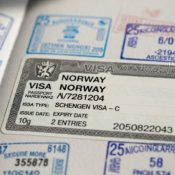

Key Highlights

Here are the main things you should know about the Norway visa application process:

  • A visitor visa lets you stay for up to 90 days in Norway and other Schengen countries.

  • To apply, you need to register online and send your papers with VFS Global.

  • The normal processing time is about 15 calendar days. Sometimes, it can take up to 45 days.

  • People from some visa-free countries, like the United States, will soon need to get an ETIAS before coming.

  • If you want to stay for more than 90 days, you will need to get a residence permit, not just a visitor visa.

  • You will need to get certain documents for your Schengen visa for Norway. These include travel insurance and proof of accommodation.

Introduction

Are you planning a trip to see the beautiful fjords and lively cities in Norway? That sounds exciting! But before you start to pack, you need to know about the norway visa rules. Since Norway is part of the schengen area, it has its own set of visa requirements for visitors. In this guide, you will learn all the important facts, from the types of visas to the application process. This way, you will be ready and feel good when you make plans for your travel. Let’s make sure you get the right details for your big norwegian trip.

Understanding the Norway Visa System

Getting a Norway visa is easy once you learn some basics. Norway is one of the Schengen countries, so the rules are the same as the rest of the Schengen Area. If you get a visa for Norway, you can use it to visit other Schengen countries too.

The Norwegian Directorate of Immigration (UDI) is the main group that makes the rules. But most of the time, the visa application process is done by outside service providers. You will begin by filling in an application form online. This is the first thing you need to do to start your travel plans.

Overview of Norway’s Entry and Immigration Policies

Norway has rules for people who want to travel to or stay in the country. The Norwegian Directorate of Immigration handles these rules. They say who can come in, who can stay, and what you need to do that. What you need will change based on your nationality and what your purpose of your visit is. You might have to get an entry visa if you want to come into Norway. All these visa requirements are put there so travel in and out of Norway and the Schengen zone is safe and set up right.

There are a few different types of visas you can get. Some are short-stay visitor visas if you want to come for tourism or to do business. Others are long-term. Those are for if you want to stay for work, you want to study, or you want to live with family. The application process most often starts online. You will have to get all your papers together and hand them over at a special center or your closest norwegian embassy.

It is good to know about the details of what you need for the different visas. Each visa has its own visa requirements. So, a tourist visa will not need the same papers as a work visa. Always look at the newest rules given by the norwegian directorate of immigration or talk with the closest Norwegian mission. If you do that, you know you will have the correct things and a good chance with your application process.

Differences Between Norway and Other Schengen Countries

While Norway is in the Schengen area and uses the same basic visa rules, there are a few things you should know. All Schengen countries accept a Schengen visa, but you have to apply to the country that is your main destination. The Norwegian Directorate of Immigration (UDI) takes care of how Norway follows these rules.

There may be some differences in what documents are needed, or in how the main destination rule is used. For example, if you come to Norway for business, but enter the Schengen area through a different country, you still need to get your entry visa through the Norwegian authorities. You should also learn about Norway’s specific usage policy for visas.

It is also important to know the difference between a short-stay visitor visa, called a Schengen visa, and a residence permit. The visitor visa lets you stay in Schengen countries for up to 90 days. A residence permit is for living in Norway for longer periods, such as for work, study, or staying with family. Only Norwegian laws decide who gets a residence permit, so this is not covered by general Schengen rules.

Who Needs a Visa to Enter Norway?

Are you unsure if you need a visa for your trip to Norway? The answer mostly depends on your nationality. People from many countries must get a Schengen visa before they come. This entry visa lets you stay up to 90 days. You can use it for a holiday, business, or to visit family.

There are also some countries whose people do not need a visa. These travelers can go into Norway with just a valid passport for short trips. Still, if you come from a visa-free country, you have to follow certain rules. Below, you can learn which countries do not need a visa and when you might still have to apply for one.

Visa-Free Countries and Eligibility for U.S. Citizens

There is good news for lots of travelers. Many people can visit Norway and the whole Schengen Area without a visa for short trips. If you are from a visa-free country, you can stay for up to 90 days in a 180-day period. You do not need a Norway Schengen visa for this time.

This rule includes people from the United States, Canada, Australia, New Zealand, and Japan, along with others. If you hold a passport from one of these places, you will be able to travel for business or fun with just your passport. You do not need an extra visa.

There will be a new rule soon. Beginning in 2026, all citizens from visa-exempt countries must apply for ETIAS, the European Travel Information and Authorisation System, online before going. This is not a visa, but it will be something you must do as part of the application process to enter the Schengen Area. Some main countries with visa-free entry are:

  • United States

  • Canada

  • United Kingdom

  • Australia

Travel Scenarios Requiring a Visa

If you are not from a country that gets a visa waiver, you will need to get a Schengen visa before you go to Norway. This entry visa is needed for people who are going for a short time, like tourists, business people, or anyone else visiting Norway. You need to have a travel document, or passport, that is still good for at least three months after you leave the Schengen area.

You must send your visa application to the embassy or consulate of your main destination. If you will spend most of your trip in Norway, then you should apply to Norway. If you plan to stay the same amount of time in a few countries, you need to apply to the one you will enter first.

People from countries that do not have a visa-free deal with the Schengen states need this visa. You may need a visa for these things:

  • Tourism trips if your country does not get a visa waiver.

  • Short business visits.

  • Visiting friends or family.

  • Passing through a Norwegian airport if you need to go through passport control.

Norway Visa Types Explained

Choosing the right Norway visa has to do with why you want to visit and how long you want to stay. There are two main types you can pick from. One is the short-stay visa. This is for staying up to 90 days. The other is the long-stay permit. You get this if you want to live, work, or study in Norway.

The most used short-stay option is the Schengen visa. People often use this for tourism or business. If you want to stay longer, you will need a residence permit. This is not the same as a work visa or student visa. We will look at each type of Norway visa so you can figure out which one is good for your trip.

Visitor Visas (Tourist and Business)

A visitor visa for Norway is also called a Schengen visa. This visa lets you stay for up to 90 days. There are two types: the tourist visa and the business visa. The one you need depends on why you travel. Both kinds require you to fill out the same application form, but you may need to show a few different supporting documents.

To apply for this visa, you be required to first register your application online. You must fill out the form and gather your required documents. These documents are your valid passport, some photos, proof you have enough funds, and valid travel insurance that covers the Schengen area.

After this, you need to book a time at a visa application center, like VFS Global. There, you submit your application form and all required documents in person. It’s best to apply for your Schengen visa at least 15 days before your trip. If you can, applying four weeks ahead will help with processing time.

Student and Work Visas

If you want to live in Norway for more than 90 days to study or work, a visitor visa is not enough. You will be required to apply for a residence permit. The kind of permit you need, like a work visa or a student visa, depends on the main reason for your visit.

The application process for a residence permit is more detailed than that for a visitor visa. You have to give more documents. For example, you may need papers that show you got accepted by a Norwegian school, or proof of your job with a company in Norway.

These forms are sent in to the Norwegian Directorate of Immigration (UDI). You must explain the purpose of your visit. You should also give every document needed to show you can get a residence permit. The process starts with you going online and using the UDI portal.

Family Reunification and Long-Term Stays

If you want to go to Norway for a long stay and join your family member, the family reunification route is the right way. For this, you will need to apply for a residence permit. You do not need a standard visitor visa. You must get this permit if you want to be in Norway for more than 90 days.

The required documentation for your application depends on your relationship with your family member in Norway. The Norwegian Directorate of Immigration (UDI) is the place that looks at these applications. The UDI has checklists that show what you need for spouses, children, and other family. It is important to collect all the right papers, like a marriage certificate or birth certificate, to show your family ties.

Having a residence permit is not the same as a visitor visa. While a visitor visa is for short trips, a residence permit lets you live in Norway. You can also work or go to school if you have it. The application process starts online with the UDI. After that, you have an appointment where you give your biometrics and the other papers they ask for.

ETIAS and Schengen Visa Rules for Norway

Norway is part of the Schengen Area. Because of this, it uses the same rules that all these countries use. These include the standard Schengen visa requirements. Now, there is a new system coming called ETIAS. ETIAS stands for European Travel Information and Authorisation System. It will make a change for people who come from countries that do not need a visa right now.

This ETIAS will go together with the new Entry/Exit System, called EES. Both are made to make border security better for all European countries. You should know what this European Travel Information system is. You also need to see how it will change the way you plan to travel, especially if you want a norway schengen visa. If you are from a visa-free country, this can change how you get in and out, so it’s good to be ready for new visa requirements from parts of the schengen area.

What Is ETIAS and Who Needs It?

ETIAS means the European Travel Information and Authorisation System. It is not a visa. It is an online travel paper you must have if you are from a country that does not need a visa but want to go to Norway or any country in the Schengen Area. You have to do this starting in 2026.

The main work of ETIAS is to check travelers before they come into the Schengen Area. This is to make the area safer for everyone. You must fill out the application process online on the main website or a mobile app. For most people, it will not take much time to apply. When you get okayed, your European travel information will be put right on your passport.

If you are from a country that does not need a visa to visit the Schengen Area for short time, you will need ETIAS. This is for the people from:

  • The United States

  • The United Kingdom

  • Canada

  • Australia

This is a new part of visa requirements. It is here to make going to these places easy and safe for all.

Applying for a Schengen Visa for Norway

To apply for a Schengen visa for Norway, you first need to fill out the online application form on the UDI Application Portal. You do this to give your details and tell about your trip. When the form is done, you will get a confirmation. You should print this out.

Once you finish your online application, you need to make an appointment at a visa application center like VFS Global. You bring your printed application form, your passport, supporting papers, and you give your biometric data. This means fingerprints and a digital photo.

Your application will be sent to the Norwegian embassy or consulate for them to handle. If you want to visit other places in the Schengen area too, you should apply to the consulate of the main destination. Apply in Norway if you will stay there the longest.

This process helps people who want a Schengen visa to go to Norway. Using the application portal and giving all the needed items at VFS Global will help your application move faster.

Step-by-Step Guide to Applying for a Norway Visa

Are you feeling lost by the Norway visa application process? Don’t worry. We have made it simple for you with easy steps. To start, you need to go online and sign up on the official Application Portal. Next, you will fill out the visa application form.

Doing each of these steps is important for your Norway Schengen visa application. We will help you through the whole visa application process. You will find out how to register online, when and where to send your documents, and what you have to prepare.

Let us make your Norway Schengen visa application easier by breaking everything down and showing you what to do step by step.

Application Forms and How to Register Online

The first thing you need to do to start your visa journey is fill out the online application. You have to make an account on the UDI Application Portal. This is the main site for Norwegian visa applications. Do not use other websites. This is to keep your personal information safe.

After you make an account on the UDI website, you will fill in the application form with your details. You need to give your personal information, travel plans, and the purpose of your visit. When you finish the form and pay the visa fee online, you will get an email. This email will have a copy of your application.

You must print the completed application form and take it with you to your appointment. Doing all of this online on the application portal helps keep your information in the system and correct. Here are important things to keep in mind:

  • Register on the official Application Portal (UDI website).

  • Complete the application form accurately.

  • Pay the visa fee online.

  • Print the confirmation and the completed application form.

Where and How to Submit Your Application

After you register your application online, the next thing to do is bring your documents in person. You cannot send your application by courier service. You have to hand it in at a set place. Most of the time, this is a visa application centre like VFS Global, which does the work for the Norwegian embassy.

You need to make an appointment at the visa application centre in your country of residence. When you go for your time, you will give your passport, your printed application form, and all your supporting documents. They will also take your fingerprints and photo at this visit.

If your country does not have a visa application centre, you may need to go to the Norwegian embassy or a consulate of the country that acts for Norway. Make sure you know the right place for your area, so you do not have delays. The waiting time for a decision starts after the consulate or embassy gets your application.

Essential Documentation for Norway Visa Applications

Getting the right papers ready is one of the most important steps in your application for a visa. Having all the required documents helps your application go through faster and without trouble. You must have a valid travel document for every application. This is your passport. You will also need other supporting documents.

Based on what type of visa you need, you may also have to show proof of medical insurance, enough money, or an invitation letter from a host in Norway. Here, you can see which documents you must have for different visas. This will help you be ready when you turn in your application.

Required Documents for a Tourist or Visitor Visa

When you apply for a tourist or visitor visa to Norway, you have to get together the required documents. Having all of them ready is needed for your application to be accepted. Your valid passport is the most important one. It must be good for at least three months after when you want to travel.

You also need to give proof that you have travel insurance. This travel insurance must cover medical costs at least up to €30,000. It also has to be good for the whole Schengen Area during your visit.

You have to show proof of accommodation. This can be your hotel bookings. You also need a travel plan for your trip. The checklist of required documents you will need is:

  • A completed and signed application form.

  • A valid passport with at least two blank pages.

  • Passport-sized photos that follow international standards.

  • Proof of travel insurance.

  • Flight reservations and proof of accommodation for your visit.

Additional Proof Needed for Student, Work, or Family Visas

Applications for long-term stays like a student, work, or family residence permit need more documents than a tourist visa. You must use these required documents to show the main reason for your long-term stay in Norway.

Students need to have an admission letter from a school or university in Norway. If you want a work visa, you must give an employment contract. Anyone applying for family reunification must give an invitation letter from their family member in Norway. You also need to give official documents that show your relationship, like a marriage or birth certificate.

No matter what visa you are applying for, you have to show proof of sufficient funds to support yourself. The visa application process for a residence permit takes more steps, so be ready to give:

  • Letter of admission or employment contract.

  • Official certificates proving family ties.

  • Proof of housing in Norway.

  • Evidence of financial self-sufficiency.

Norway Visa Fees, Processing Times, and Validity

Knowing the costs and how long it takes for your Norway visa is important when you plan your trip. The application fee changes based on the type of visa and your age. You will need to pay this visa fee online when you sign up for your application.

The processing time is not always the same. There is a standard time, but it can be longer for some people. If you know about the application fee and the processing time, you can plan your budget and apply at the right moment. Now, let’s look at the costs and how much time your application may take.

Fee Structure by Visa Type

The fee structure for a Norway visa depends on the type of visa and the age of the applicant. The standard application fee for a Schengen tourist visa is set in euros and is paid online during the application process.

Certain groups are exempt from the visa fee or pay a reduced amount. For example, children under six do not pay a fee, and children between six and twelve years old pay a reduced fee. Family members of EU/EEA citizens exercising their right to free movement may also be exempt from the application fee.

Here is a general breakdown of the fee structure for a Schengen visa:

Applicant Category

Visa Fee

Adult

EUR 90

Child (6-12 years)

EUR 45

Child (Under 6)

EUR 0

Remember that this fee is for the visa itself; the visa application center may charge a separate service fee.

Typical Processing Timeframes and Tips for Faster Approval

The usual processing time for a Norway Schengen visa is up to 15 calendar days after the consulate has your application. But this is just a basic idea. Sometimes, your application might have to be sent to the directorate of immigration (UDI). If that happens, the waiting time could be up to 45 calendar days.

To have peace of mind and avoid stress, apply early. You should not buy non-refundable tickets until your visa is approved. The processing time will start when the consulate gets your documents. It does not start when you drop off your documents at VFS.

For a smooth schengen visa application process and maybe a faster result, you can do these things:

  • Apply at least 4 weeks before you want to leave.

  • Check that all your documents are ready and filled out the right way.

  • Make sure your application is sent to the main destination country.

  • If the consulate asks for more information, reply quickly.

Conclusion

To sum up, it is important to know how the visa system works in Norway. This will help you have a smoother time when you travel. There are different kinds of visas you can get, and each one needs certain documents for the application. When you understand what is needed, it can save you time and help you stay out of trouble. You might go for a short trip, go to school, or look for work—you should know the right steps and rules for each. This will help you handle the process with more confidence. As you get ready to go, keep in mind that each visa is made for a different reason that fits your travel plans. If you have questions, ask for help, and good luck with your trip to Norway!

Frequently Asked Questions

Do U.S. citizens need a visa to visit Norway?

No, people from the United States do not need an entry visa for short visits to Norway. The U.S. is one of the visa-free countries, so its citizens can go to Norway for up to 90 days with a valid passport. But starting in 2026, they will have to get an ETIAS travel authorization before their trip.

What is the difference between a visitor visa and a residence permit in Norway?

A visitor visa, also called a Schengen visa, lets people stay for up to 90 days. It can be used for trips or business. A residence permit is for longer stays. It is for people who need to be in Norway for more than 90 days. This could be for work or school. The Norwegian Directorate of Immigration runs the residence permit process. Its rules are not the same as those for short-stay visas.

How long can I stay in Norway with a tourist visa?

A tourist visa, also called a Schengen visa, lets you have a short stay in the Schengen Area, including Norway. You can stay for up to 90 days in any 180-day period. The number of days you get will be on your visa sticker. Make sure your departure date is on or before the date your visa ends.

Key Highlights

Are you planning a trip to Sweden? Here is a quick guide to what you need to know about visas.

  • Sweden is in the schengen area. This means you can travel to other european countries on a single visa.

  • If you need a visa is based on your nationality and how long you will stay.

  • The swedish migration agency handles all visa application and permit requests.

  • You will usually send your visa application to an embassy of sweden or a visa application center.

  • For most types of visas, you have to show proof of enough money and valid travel insurance.

  • Sweden is a member state of the EU. It follows the same rules as other countries in the EU for short stays.

Introduction

Are you thinking about going to Sweden to see its great views and exciting cities? Before you get ready for your trip, you need to know the visa requirements. The visa rules will depend on where you are from and the purpose of your visit. You might need a Schengen visa, or the Swedish authorities might ask you for another type of permit. At first, their rules can look hard to understand. This guide will help break things down. Here, you will read about what you need to do to get ready and go to Sweden without any trouble.

Understanding Visa Requirements for Sweden

Finding out if you need a visa is the first thing to do before you travel to Sweden. The rules for this are based on which country you come from and how long you plan to stay there. For trips that are short and for visits to Sweden or other Schengen countries, the rules are usually the same.

You should go to the Swedish government’s website or talk to the Embassy of Sweden near you to get the most up-to-date information. The Swedish Migration Agency handles every visa application. Their website is where you can get the right application form and a full checklist.

Visa Exemptions and Eligibility Criteria

Not everyone will need a visa to go to Sweden. Because of different agreements and Sweden being in the European Union, many people can go there for a short trip and not need a visa. People from other EU and Schengen area countries do not need one.

Sweden also lets people from other countries visit without a visa. This happens because Sweden has good diplomatic relations with many places. If you are from one of these countries, you can visit Sweden for up to 90 days for fun or for work. These rules depend on your country of residence and your nationality.

Some of the main groups that do not need a visa for short visits are:

  • Citizens of EU/EEA countries.

  • Citizens of the United States, Canada, Australia, and Japan.

  • Travelers from most North, Central, and South American countries.

Always check the visa requirements for your country before you go.

Visa Necessities for US Citizens

If you live in the United States, you do not need an entry visa to go to Sweden if your trip is short. You can stay for up to 90 days out of every 180 days for tourism or business. This rule makes it easy to make plans for your trip.

But, if you want to be in Sweden for more than 90 days, you need to apply for a visitor’s permit or another kind of residence permit. The Swedish Migration Agency handles these applications. It is smart to start the process early before you travel.

No matter how long you stay, make sure your passport and your travel documents are good for the whole time you are there. The Embassy of Sweden in the United States can give you info, but the Swedish Migration Agency has the final say about permits.

Navigating Swedish Entry Policies

Sweden follows the EU’s Visa Code for entry rules. This makes the process the same for each of the Schengen states. The Swedish government and the Swedish Migration Agency help set up and manage these rules.

If you want official info about coming to Sweden, go to the Swedish Migration Agency’s website or the official website of the Swedish government. These are the best places to check for the most recent details about who needs a visa, how to start the application process, and if there have been any updates to the rules. The Embassy of Sweden in your country can also help you know what steps to take.

There will soon be a new digital Entry/Exit System for the EU. This will change how third-country people travel to Sweden. The exit system is made to make things quicker at the border. Stay tuned to official news channels to know when this gets used.

Types of Visas for Visiting Sweden

Sweden has a few kinds of visas that you can get, based on why you want to visit and how long you want to stay. If you plan to be there for not more than 90 days, the most used one is called a Schengen visa. This works as an entry visa for the whole Schengen area. You can use it if you want to take a trip for fun, go on a business visit, or see a family member.

If you want to stay in Sweden for more than 90 days, you will not use a normal visa. You will need a residence permit instead. People usually get this if they want to work, study, or join their family in Sweden. The application process for every kind of permit is not the same. Each one asks for its own set of papers. When you know about these options, you will find it easier to pick and apply for the right one.

Schengen Visa for Short-Term Stay

A Schengen visa lets you visit Sweden and 28 other European countries in the Schengen area for up to 90 days. Sweden, as a member state, gives out these visas for short trips like tourism, business, or seeing friends and family. With this one visa, you do not have to get other visas when you travel to these countries.

To get a Schengen visa, you need to send your visa application to the embassy or consulate of the country where you will spend most of your time. If you plan to be mostly in Sweden or start your trip there with no clear main destination, you should apply through Swedish authorities.

The Swedish Migration Agency makes the final call on every visa application, even if you hand your documents in at an embassy or visa application center. Make sure you fill the application form well and give all the needed papers so you do not have to wait longer.

[schengen area, schengen visa, visa application, migration agency, swedish migration agency, european countries, swedish authorities, application form, member state, visa application center]

Tourist Visas

When you want to apply for a tourist visa to Sweden, which is a type of Schengen visa, you need to say why you want to go. You must show the purpose of your visit in a simple way. You also need to share your trip details and make it clear that you will come back home after your trip. The application form will ask you to write exactly what your travel plans are.

A strong cover letter can help your application. In your cover letter, tell them your purpose of your visit, the dates you plan to travel, and what you want to do while you are there. This will help the visa officer know why you want to go.

You must get some key papers ready, like:

  • Proof of accommodation, such as hotel bookings or a letter from someone who will host you.

  • Flight bookings that show when you will go in and out of the Schengen area.

  • Proof that you have enough money to support yourself during the trip.

Business Visas

If you are going to Sweden for business, like meetings, conferences, or talks, you need to apply for a business visa. This is a type of Schengen visa made for work and business reasons. The visa application process asks you to show proof that your trip is for real business purposes.

You will have to send in certain documents related to your work. These papers often include an invitation letter from the Swedish company you plan to visit. The letter should say why you are going and how long you will stay. Your employer may need to give a letter that says what your job is and why you need to travel. If you work for yourself, you may have to show a copy of your business license.

After you have all your documents ready, you need to give them and pay the application fee to the Embassy of Sweden or a visa center. The Swedish Migration Agency will check your papers and make a choice about your visa.

Family Visit Visas

Planning to visit a family member in Sweden? You have to apply for a visa for visiting family or friends. This is a type of Schengen visa. It lets you stay for up to 90 days. The application process checks your relationship with the person you want to see and the reason for your stay.

One of the main visa requirements is an invitation from your family member who lives in Sweden. This person must fill out an invitation form from the Swedish Migration Agency. You may need to show proof of your relationship. You can use things like a birth certificate or a marriage certificate, based on who you are going to visit.

You must send your application in the usual way. The Swedish Migration Agency makes the final call. Check all the visa requirements, so you make sure your application goes well and your family reunion is good.

Swedish Work Permit and Employment Visas

If you want to work in Sweden and you are not from an EU country, you need to get a work permit before you come into the country. An employment visa and a work permit are not the same thing. The work permit is what you really need. You must get a formal job offer from a Swedish employer. This is the most important part of the process.

The Swedish Migration Agency will handle all work permit applications. You should know that you can’t start work until your work permit is approved. The steps for these migration cases can take time and need care, so it is best to start early. We will talk about what the migration agency asks for and all the steps you have to go through.

Requirements for Work Permits

To get a work permit in Sweden, you must have a real job offer from a Swedish employer. The company needs to start the process. They give you an official job offer that matches Swedish work rules.

You also need to show you are right for the job. You should have the right education, skills, and work experience for the role. The job’s pay and insurance need to be the same as what other people get in this type of work in Sweden.

Along with your job offer, you have to share some papers to support your application like:

  • A valid passport.

  • You need proof of funds. This shows you can take care of yourself when you first get to Sweden and before you get your first paycheck.

  • Copies of your school and training certificates.

You will need all these things when you apply for a work permit in Sweden.

Application Steps for Employment Visas

The work permit application process in Sweden starts with your employer. Your employer must post the job in both Sweden and the EU/EEA. After that, the employer sends details about the job to the Swedish Migration Agency.

Once this is done, you will get an email. This email will have a link to the online application form. You need to fill in your information, upload your documents, and pay the application fee. The quickest way to do this is through the Swedish Migration Agency’s online portal.

After you send your application, the Swedish Migration Agency looks at your case. Processing time can change, but you can check your application status on the internet. It is important to wait for your work permit to be approved before going to Sweden for your new job.

Qualification and Job Offer Conditions

For your work permit to get approved, your skills and the job offer both need to fit rules from Swedish authorities. The job offer has to be real. It should give pay and work terms that are as good as what Swedish collective agreements ask for or what most jobs in the field have.

Your pay must be enough for you to live on. The employer has to give you health, life, and job insurance. The Swedish Migration Agency checks all of these parts in every migration case. This is to make sure the rights of foreign workers are safe.

Your own skills should match what the job needs. You must show proof of your schooling and your work history. The application needs to be sent from your country of residence. You must stay there and wait until you get the decision from the migration agency before you go to Sweden.

Student Visas and Study Permits in Sweden

Are you planning to study in Sweden? If you are not from the EU, getting into a school is only the first part. After you get into a Swedish school, you have to apply for a residence permit for studies. Many people call this a student visa. You need this permit if your course will last more than three months.

The visa application is handled by the Swedish Migration Agency. You should apply as soon as you get your letter of admission. The process to get the residence permit can take some time. Now, let’s go over the things you need for your student visa.

Academic Admission Requirements

The first thing you need for your student residence permit is to be accepted for full-time studies. You must have a spot at a university or college in Sweden that is approved by the Swedish government. You have to show the official letter where the school says you are accepted when you apply for the permit.

Along with getting admitted, you need to show you can take care of all your money needs while you are in Sweden. You must also have health insurance to cover you during your stay. The Swedish government will look for proof that you have a place to live. You should have a rental contract or a letter that says you can stay in a dorm. This is also important for your application.

Here is what you need to show to start your residence permit application:

  • You have to give the official letter from the Swedish university.

  • You need to show a receipt that you have paid the first part of your tuition fees.

  • You also need proof of accommodation for your time in Sweden.

Always go to the official website of the swedish government to get the latest information.

How to Apply for a Student Visa

The easiest way to apply for a Swedish student residence permit is to do it online. You can go to the Swedish Migration Agency’s website. There you will find a clear application form that shows you each step. It guides you through what you need to do. This way is fast and many people say it is the best way.

You will need to collect all your required documents and have them ready as digital files. You must upload things like your admission letter, a copy of your passport, proof of funds, and your insurance information with your application. When your application form and fee are sent in, the Migration Agency will start working on your case.

If you can’t use the website, you can do the visa application by filling out a paper form. You can take this to a Swedish embassy or to a visa application center in your home country. This can take longer than applying online. No matter which way you choose, you have to wait until your residence permit is approved before you think about going to Sweden.

Documentation for Student Permits

When you apply for a student permit, you need to put together all the required documents that show you can get this permit. A complete and neat application makes it faster for the Migration Agency to make a decision. The letter of admission is the most important paper you must have.

You also have to prove that you have enough money for your living costs during your study period. You can show this proof of funds by giving a months bank statement. The Migration Agency has a set amount you need to show. If you get a scholarship, you can use your scholarship award letter for proof, too.

You will also need travel insurance while you stay in Sweden. Other required documents are a copy of your passport that is still good, and a receipt for your application fee. Make sure you always check the latest list of needed papers on the Migration Agency’s website before you send your application.

Visa Application Process for Sweden

The visa application process for Sweden is made to be easy and step-by-step. If you are applying for a schengen visa or a residence permit, you will start with filling out the right application form. You also need to gather all needed documents.

The swedish migration agency is the one that will decide on your visa application. But you, most likely, will not give your application straight to them. Instead, you will use a swedish embassy, a consulate, or a visa application center. Here is where to go and what happens when you send in your application.

Where to Submit Your Visa Application

Knowing where to submit your visa application is a crucial part of the process. In most countries, you will submit your application to the Embassy of Sweden or a Consulate of Sweden. These are Sweden’s official foreign mission posts and handle all consular matters, including visas.

In many regions, Sweden outsources the collection of visa applications to external service providers like VFS Global. This visa application center handles the administrative tasks of collecting your documents, fingerprints, and fees before forwarding your case to the embassy. This often provides more accessible locations and flexible appointment times. Honorary consulates, however, generally do not handle visa applications.

For accurate information, always check the website of the Swedish embassy in your country of residence. They will provide precise details on where to apply. For example, in the United States, applications are handled by the embassy and specific consulates.

Location Type

Role in Visa Application

Embassy of Sweden

Accepts and processes visa applications; makes decisions on some cases.

Consulate of Sweden

Accepts and processes visa applications, often with regional jurisdiction.

Visa Application Center (e.g., VFS Global)

Collects applications, biometrics, and fees on behalf of the embassy.

Honorary Consulates

Typically do not handle visa applications; provide other consular services.

Online and In-Person Submission

Sweden lets you apply for your permit online or in person. This depends on what kind of permit you need. If you want a residence permit for work or study, it is best to use the online application process on the Swedish Migration Agency’s website. This way, the application process is faster. You can also track your application yourself.

If you need a Schengen visa, you will need to go in person. You have to make an appointment at a Swedish embassy, consulate, or a VFS Global center. You will then hand in your documents. You also need to give your fingerprints and take your photo.

When you apply online for a residence permit, you will still need to go to an embassy or consulate to give your biometrics. This happens after your application gets approved. You will need to do this before you can get your residence permit card. The migration agency will let you know the next steps after you send your application.

Understanding Appointment Procedures

Booking an appointment is something you must do for most in-person visa application trips. The steps to set up your visit will be different based on where you are. Usually, you book your time slot through the Embassy of Sweden’s website or the visa application center in your country.

It is good to schedule your appointment long before you go. The slots can run out fast, mostly in busy travel times. Be sure to come at your set time. Have your papers ready and sorted. This makes the visa application process go well.

For some migration cases, the migration agency might ask you to have an interview. If they want this, they will reach out and tell you how to book it. Always stick to the steps given by the embassy of Sweden or the visa application center. Following them helps to stop slowdowns in your application process.

Documents Required for Swedish Visa Application

Applying for a Swedish visa means you have to get some important travel documents ready. You need to fill out the visa application form first. Bring your national passport, and make sure it has blank pages for the visa stamp. You will also need other travel documents. This includes proof of accommodation and travel insurance that has the minimum coverage the rules ask for. Show financial evidence, like your bank statements, to prove you can pay for your stay.

If you have a marriage certificate, add it in as well. You can also include a cover letter that explains the purpose of your visit. Be sure to check with the Swedish migration agency or consulate general for anything extra you might need. These can change based on your country of residence.

Essential Personal Documentation

When you want to get a Swedish visa, your personal paperwork is very important for your application. The top thing you must have is your national passport. It needs to be good for at least three months after the date you plan to leave the Schengen area. You will also need to make sure the passport has at least two blank pages for the schengen visa sticker.

You have to give them an application form for your schengen visa. Fill out this application form the right way and sign it. Make sure your answers are correct. If there is any wrong or different information, you might not get the visa. Many people will also need a cover letter that says why you want to travel. Adding this cover letter to your paperwork for your visa application is a good idea.

Here are some common papers you must often give:

  • A recent photo for a passport that fits all schengen visa rules.

  • A copy of your finished and signed visa application form.

  • Your still-good national passport.

  • Copies of old visas, if you have any.

Proof of Financial Means

Showing you have enough money is important for any Swedish visa application. You have to prove you can pay for your costs while you are in Sweden. The Swedish authorities say you need a certain amount for each day. You must show that you have this in your account.

The easiest way to give proof of funds is to share your months bank statement. This statement needs to show your name, be stamped by the bank, and show you have enough money for your trip. Also, it should show how you spend and get money over time, not just a big deposit from now.

A credit card or debit card is not proof of funds by itself. But you can sometimes give a credit card statement with your credit limit as extra proof. Still, your months bank statement is the main document needed. If someone else pays for you, like a sponsor, they will have to show their financial papers for proof of funds.

Travel Health Insurance Requirements

If you want to apply for a Schengen visa, like a visa for Sweden, you need travel insurance. This is not optional. If you do not have it, your visa application will not be accepted. The insurance helps you with medical issues that might come up while you travel.

Travel insurance must work in all Schengen area countries, not just Sweden. It also has to cover the whole time you stay there. The policy needs to offer at least €30,000 for medical expenses, hospital stays, and getting you back home for medical reasons.

Your insurance must meet these rules:

  • Minimum coverage of €30,000 for medical care and repatriation.

  • The insurance must be valid across all Schengen area countries for your trip.

You will need to give a certificate or letter from your insurance company to prove you have the coverage when you apply for your Schengen visa.

Visa Processing Times and Approval

After you send in your visa application, you need to wait for a decision. The time it takes to process a Swedish visa can be very different. It depends on the type of visa you asked for and where you sent your application. The Swedish Migration Agency makes most of the decisions, but at first, your application is usually checked at the Embassy of Sweden.

Schengen visa choices are usually made faster than the ones for long-term residence permits. Knowing about normal processing times and what can change them will help you plan your trip. We talk about what happens for different migration cases.

Typical Timeline for Visa Decisions

For a standard Schengen visa, the usual processing time is about 15 calendar days. This starts when the embassy or consulate gets your visa application from the visa application center. It’s a good idea to apply at least one month before you travel so you have enough time.

Once you send in your application and pay the application fee, the Swedish Migration Agency or the embassy will start looking at your information. If everything is in order and there are no problems, you should get a decision within those 15 days. But there is no promise that it will always happen that fast.

If you want a residence permit to work or study, you will need to wait much longer. The migration agency in Sweden takes care of these. This type of visa application is more difficult, and it can take many months to get a decision. You need to apply as soon as you get your job offer or admission letter.

Factors Affecting Processing Period

Many things can make your visa application take more time. Most of the time, the Schengen visa takes about 15 days, but it can take up to 45 days in some cases. This can happen if your case needs to be looked at more. The Embassy of Sweden may also ask you for more information or documents, and if this happens, the clock stops until you send what they need.

When you apply matters too. If you apply during busy holiday times, it can take longer because there are more migration cases. The country you are from can also change how fast things go. For some people, the Department of State may need more time or have advisories that can slow things down.

There are some common reasons your application can be delayed such as:

  • Your application is not complete or you leave out documents.

  • You need to have an interview or they need to check more things about you.

  • The embassy or consulate has a lot of other visa applications to process.

Accelerated Processing Options

There is no standard way to get your visa application handled faster for most types of visas. The Swedish Migration Agency will sometimes put some applications first in special cases. This is not something you can pay for. They pick these cases one by one.

For Schengen visas, sometimes there is a real need to hurry, like if there is a medical problem or a family member has died. The migration agency may finish these applications more quickly. To get this, you need to give strong proof that your situation is very urgent.

When it comes to work permits, there are employers that the Swedish Migration Agency has approved. If you have one of these jobs, your visa application may be handled more quickly. This is the main way people get faster processing for long-stay permits. For all others, you should expect the usual wait times. It is best to do your application as early as you can before your trip.

Conclusion

Getting a visa for Sweden, like a tourist visa, work permit, or student visa, may look hard at first. But, once you know the steps and what you need, it gets much easier. You should learn about your choices and gather the right papers to have a good start. Check who can apply. Get your papers ready. Be aware of how long it will take. This way, nothing will catch you off guard. If you plan well, you can feel sure about your trip to Sweden. If you have any questions or need special help, you can ask for support.

Frequently Asked Questions

Can you extend your Sweden visa while in the country?

In most cases, you cannot get more time on a short-stay Schengen visa when you are in Sweden. You need to leave the Schengen area once your period of stay is over. The Migration Agency may let you apply for extra days, but this is only in special situations that you did not plan for. Most of the time, these are not approved. If you want further information, reach out to the Migration Agency.

How can I check the status of my Swedish visa application?

You can see the status of your visa application online. If you applied for a residence permit at the Migration Agency website, you can check it there. For Schengen visas, the visa center where you gave your application form often has a tracking service. You can also get in touch with the Swedish Migration Agency’s service centre to get updates.

Is it possible to appeal a rejected Swedish visa?

Yes, if you get a no on your visa application, you can appeal. The rejection letter from the Migration Agency will tell you how to do this. You need to send a written appeal in a set time. Make sure to add any extra information or clear up anything from your first application.

Key Highlights

  • Your nationality will decide if you have to get a visa to enter the Netherlands.

  • The Schengen visa is the one most people use for short trips. It lets you stay for up to 90 days.

  • For stays longer than 90 days, you will need a long-stay visa and a residence permit.

  • The application process means you need to gather some papers, fill out a form, and make an appointment.

  • Soon, even people from countries that do not need a visa will have to get an ETIAS okay before their trip.

  • If you plan to stay longer, the process will often start when a sponsor in the Netherlands begins your application.

Introduction

Are you thinking about going to the Netherlands? You might want to see Amsterdam’s canals. Maybe you are planning a longer trip. The first thing you need to do is learn about what kind of visa you need. The rules for entering the Netherlands can be different, based on your nationality and why you want to visit. This guide will help you know what to do for your visa and what steps you should take. That way, you can make good travel plans for the Netherlands and not have any problems. Let’s help you get ready for your Dutch trip!

Understanding Visa Requirements for the Netherlands

The first thing you need to ask as an international traveler is, “Do I need a visa to go to the Netherlands?” This answer depends on your nationality. The Dutch government has set visa rules for people who want to visit for fun, business, or to live there.

You need to understand these Dutch rules to have a smooth trip and avoid any trouble. Your passport and how long you want to stay will help you know if you need a permit to enter or not. Let’s take a look at how you can find out your specific requirements.

Determining If You Need a Visa to Visit

How do you know if you need a visa to travel to the Netherlands? The easiest way is to check your nationality. If you are from an EU country, an EEA member state, or Switzerland, you do not need a visa. You just need your passport or your national ID card to enter the Netherlands.

If you do not belong to these groups, the rules will be different for you. The Dutch government has a list of countries that must get a visa before coming in. It is good to look at this list and see if your country is there before you make any plans. The type of visa you will need also depends on why you want to go to the Netherlands. For example, a different type of visa may be needed if you want to visit for business, to see family, or to take a holiday.

Make sure to check visa requirements early before your trip. The rules can change often. You need to have the correct documents with you. The safest place to look for updates is the official Netherlands government or Dutch embassy website. Get your details checked there to know what you need for your passport and travel plans.

Visa-Free Travel for US Citizens and Other Nationals

Yes, people from the United States can go to the Netherlands without a visa, if the trip is short. The same rule goes for people from Canada, Australia, and New Zealand. They can all visit the Netherlands and other Schengen Area countries for up to 90 days in a 180-day time frame without needing a Schengen visa.

The visa-free rule lets you travel for tourism, business, or a short visit with your family. You can move freely within the whole Schengen zone, not just the Netherlands. This same travel freedom is there for people from all EU and EEA member states and Switzerland. They have no limits on travel.

But, just because you don’t need a visa does not mean there are no checks. You still need to have a valid passport with you. At border control, they may ask what you plan to do, where you will stay, and if you have enough money for your trip. Soon, these visitors will also have to get an ETIAS travel ok before going.

Types of Visas Available in the Netherlands

The Netherlands gives you a few different kinds of visa you can use, based on why you want to stay and how long you want to be there. One of the most used type of visa is the short-stay Schengen visa. This one works well for travel plans like tourist trips or coming for business. If you want to live, work, or study in the Netherlands, you will need a long-stay visa. This visa is also called an MVV.

In some cases, you might need an airport transit visa. If you want to go to the Caribbean parts of the Kingdom of the Netherlands, there is a Caribbean visa for that. Each type of visa will have its own application process. Most people use a Dutch embassy or consulate to apply.

Short-Stay Schengen Visas

A short-stay Schengen visa lets you visit the Netherlands and 26 other European countries. You can stay for up to 90 days during any 180-day period with this type of visa. This is good for a holiday, a business trip, or when you want to see friends or family. It also lets you move between member states without dealing with border control inside these countries.

When you get the schengen visa, you can find the time that it is good for right on the visa itself. It is important to stick to this time so you do not have trouble with the people who check visas. You are able to ask for this type of visa up to six months before you want to go, so you have lots of time to get ready.

Having a visa does not mean you will always be allowed in. When you get to the border you must still meet all the entry rules. This can mean you need all your travel papers, proof of accommodation, and enough money to cover your stay.

Long-Stay Visas and Residence Permits

If you want to stay in the Netherlands for more than 90 days, you will need a long-stay visa. This visa is called an authorisation for temporary stay (MVV). You use the MVV to enter the country and pick up your Dutch residence permit.

The application process for the residence permit takes more steps than a short-stay visa. Most of the time, your sponsor, like an employer or a family member, will apply for you through the Immigration and Naturalisation Service (IND) in the Netherlands. When your application gets approved, you will need to go to the Dutch embassy in your home country to get the MVV sticker.

When you arrive in the Netherlands with your MVV, you will finish everything needed for your dutch residence permit. This permit gives you the right to live in the Netherlands for a set amount of time. It is also the main document you need if you want to be a long-term resident.

Key Documents Needed for Dutch Visa Applications

When you start your visa application for the Netherlands, the first thing to do is collect the right paperwork. Each visa application needs some basic documents, and you might have to add more depending on why you want to visit.

These papers show who you are. They show why you want to travel, if you have enough money for the trip, and if you plan to return home. You will need things like proof of accommodation and travel insurance, too. These are very important. Now, let’s go over which documents you should get ready for your visa application.

Identification, Proof of Travel, and Supporting Documents

If you want to apply for a Dutch visa, you need some important documents. The most important one is your passport. It should be good for at least three more months after you plan to leave the Schengen area. There must also be at least two blank pages in your passport.

You should bring all the details for your travel plans. The visa application normally requires things such as your round-trip plane ticket and your proof of accommodation. This could be hotel bookings or a letter from your host in the Netherlands. Showing these things lets people know you plan to leave after your visit.

You must also have some other papers, based on the visa type you are looking for. Most of the time, you need these:

  • A filled-out and signed visa application form.

  • Two passport-sized photos taken recently that fit Schengen rules.

  • Something that tells people your civil status, like a birth or marriage certificate.

  • Your full contact information.

With all this detailed information, the people looking at your application will know you have all your visa paperwork ready.

Financial Requirements and Health Insurance Coverage

When you apply for a visa to the Netherlands, you need to show that you have enough money to support yourself while you are there. These specific requirements usually mean you must give your bank statements from the last few months. You can also show a letter from a sponsor who says they will pay for your costs. The details of what you need can change, so it is good to check the latest guidelines.

You also must have the right health insurance. This travel insurance must work in every Schengen area country, not just the Netherlands. It must cover at least €30,000 for health emergencies, a hospital stay, or when you need to be sent home. This is so you do not become a problem for the Dutch medical system if you get sick or injured.

To sum it up, you need to be ready to give:

  • Bank statements or a sponsor letter.

  • Proof that your health insurance covers what they need.

If you do not meet the money or insurance rules, your visa application could be refused. So, please check all of these details closely before you apply.

How to Apply for a Short-Stay Visa

The application process for a short-stay Schengen visa is easy to understand, but you have to be careful with each step. To start, you need to find out where to submit your visa application. Most people do this at a Dutch embassy, consulate, or a visa center that is approved in their country.

After that, you fill out the official visa form and put together all the needed documents. This process is made to be clear so that people can follow it. Make sure to do every step right, so your application is not delayed.

Completing the Application Form

To apply for a short-stay visa for the Netherlands, the first thing you need to do is fill out the Schengen visa application form. You can find this form online at official Dutch government websites. You have to make an account to fill in the form. This lets you save your work and come back to it later.

The form will ask about your personal details, past travel, and your trip to the Netherlands. Be sure to answer every question honestly and carefully. If anything on the form doesn’t match your documents, your visa application could be denied.

When you finish the form, print it out. Sign it and take it with you to your appointment. For most people, this online form is a key part of the application process, so take your time and check your answers before you stop.

Use the right steps for the visa application, and double-check all your information. If you do this, you will avoid mistakes and give yourself the best chance of getting your visa for the Netherlands.

Booking Appointments and Submitting Documents

After you fill out your application form, you need to set up a time to hand in your documents and give your fingerprints. This appointment is usually at a visa application center. That center works with the Dutch embassy or consulate in your area. It’s best to book your appointment early. This is because spots can fill up fast, especially when a lot of people are traveling.

On your appointment day, make sure you bring everything with you. You need to have your printed and signed application form. You must also have your valid passport, your photos, and all the supporting documents. A staff member will check your papers first. They will look to see that your visa application package is complete before taking it to be processed.

While you are at the appointment, you will do a few things:

  • Give your finished application and your papers.

  • Pay for the visa and also for any service fees.

  • Have your fingerprints taken and also get your photo taken.

After you finish every step, your visa application will go to the Dutch authorities. They will look at everything and make a decision.

Navigating the ETIAS System for Travelers

A new rule is coming for people who want to visit the european union. The European Travel Information and Authorisation System (ETIAS) will soon be needed for those who can now travel without a visa to the netherlands or other places in the EU.

ETIAS is not a visa. It is a check before you travel that helps with border control and safety over the Schengen Area. You must fill it out online before you get on your flight.

When ETIAS is Required for Entry

ETIAS is a new system for people who want to visit the Netherlands and other EU countries in the Schengen Area. It will be needed for travelers from more than 60 countries that do not have to get a visa right now. This includes the United States, Canada, and Australia. ETIAS checks travelers before they arrive and helps make things safer for everyone.

People must get this authorization if they plan to stay for up to 90 days. You can use it for tourism, business, transit, or to get medical care. If you do not need a visa for short trips to the EU now, you will need ETIAS when the system starts.

The pre-screening lets authorities look at your information using security databases before you enter. It adds one extra step, but it helps keep Europe safe. At the same time, travelers from eligible countries can still enjoy the convenience of not needing a visa.

ETIAS Application Steps and Processing Times

The ETIAS application process is designed to be quick and easy. You will complete an online form that should take about 10 minutes, requiring your passport information and answers to some background and security questions. Most applications are expected to be processed within minutes.

Once approved, your ETIAS authorization will be electronically linked to your passport and will be valid for three years or until your passport expires, whichever comes first. During this period, you can make multiple entries into the Netherlands and other Schengen countries.

Step

Action

Step 1

Complete the online application form with your passport details and travel plans.

Step 2

Pay the application fee using a credit or debit card.

Step 3

Receive your ETIAS authorization via email, usually within minutes.

While most applications will be approved quickly, some may require manual review, which could take a few days. Therefore, it’s recommended to apply for ETIAS well before you finalize your travel plans to avoid any last-minute issues.

Applying for a Long-Term Visa or Residence Permit

If you plan to stay in the Netherlands for more than 90 days, you will need a long-stay visa or a residence permit. This is different from a tourist visa. You have to show why you want to be there for a long time, like for work, study, or to join your family.

The Dutch Immigration and Naturalisation Service (IND) is the group that takes care of these visa and residence permit applications. The process often starts when someone in the Netherlands, such as a sponsor, applies for you. Here are the main steps for migrants and expats who want to go the Netherlands.

Steps for Migrants and Expats

Getting a residence permit in the Netherlands usually starts with a sponsor. This sponsor could be an employer, a school, or your partner. The sponsor sends your first application to the IND. The IND is the group in the Netherlands that handles residence permits.

If the IND says yes to your application, you will hear back. After that, you need to ask for an entry visa (MVV) at the Dutch embassy or consulate in your country. This visa lets you travel to the Netherlands. When you get to the Netherlands, you can pick up your dutch residence permit.

The main steps for a sponsored application include:

  • Your sponsor in the Netherlands submits an application to the IND.

  • Once approved, you apply for an MVV at a Dutch embassy.

  • After arriving in the Netherlands, you collect your residence permit from an IND desk.

These steps help migrants and expats get their dutch residence permit and move to the Netherlands. You can find more about the entry visa process at the dutch embassy. The IND and consulate are big parts of this process. If you follow these steps, you move forward and settle in the netherlands with a dutch residence permit.

Transitioning from Temporary to Permanent Residency

If you have lived in the Netherlands for five years in a row with a valid Dutch residence permit, you may be able to ask for permanent residency. This can be a big step. With a permanent residence permit, you can stay in the Netherlands without a time limit. You often get more rights, almost like those of Dutch people.

To go from a temporary stay to a permanent residence permit, you must meet some specific requirements. You have to show you lived in the Netherlands the whole time with a Dutch residence permit. You also need to have your own income and pass the civic integration exam. This is a test of the Dutch language and about life in the Netherlands.

If you get a permanent residency permit, it helps you have a stable future in the Netherlands. You do not have to keep renewing your temporary stay permit. This is what many migrants and people from other countries want. They see the Netherlands as their home for now and for many years to come.

Conclusion

Getting a visa for the Netherlands may feel hard, but knowing the basics will help you handle it better. You have to find out if you need a visa. You also need to collect the right papers. Each part of the process is important for a good result. You might want a short-stay Schengen visa. Or you could plan to stay longer in the Netherlands. When you know what you need, you can feel sure when you make choices. Rules and requirements might change, so always check for the latest updates. If you want to move forward, ask for help if you need it. Your journey to the Netherlands is waiting for you!

Frequently Asked Questions

Where can I check the status of my Netherlands visa application?

You can most of the time check your visa application status online using the website of the place where you gave your papers. For long-stay permits, you or your sponsor may get updates straight from the IND. If you want more information, you can talk to the Dutch embassy.

How long does it take to get a visa for the Netherlands?

A short-stay Schengen visa application usually takes about 15 days to get done. But, it can take more time if there are many people applying. It is best to start the application process at least 45 days before you want to travel. If you are applying for a long-stay visa, the time to process it will be much longer. The time also changes based on what visa application you have.

What are the main visa pathways for living in the Netherlands long-term?

The main ways for people to stay longer are permits for skilled migrants, students, self-employed people, and those who want to join a family member or partner. Each of these options has its own set of specific requirements. In most cases, an application for a residence permit starts with a sponsor in the Netherlands, like an employer or a university.

Key Highlights

  • Portugal has different Portuguese visas you can get for things like work, study, travel, or even to retire.

  • Because Portugal is part of the Schengen Area, people from a lot of countries, including the U.S., can come for up to 90 days without having to get a visa.

  • If you want to stay longer than this, you need a specific visa. This visa lets you apply for a residence permit, and after some time, you could get permanent residency.

  • The Portugal Golden Visa program has changed. Now, it does not let you use real estate investments. Instead, you have to make business or cultural contributions to qualify for the Portugal Golden Visa.

  • The visa application can be started in your home country at the Portuguese consulate. You will need to hand in some documents to get things started.

  • If you live in Portugal legally for five years with a residence permit, you might get permanent residency. Later, you may apply for citizenship and get the right to live in all EU countries.

Introduction

Have you been thinking about living in Portugal? It looks like many people now want to go to this EU member state. The sunny weather, strong culture, and low cost of living pull them in. If you want to be one of them, you are in a good spot. Portugal is nice to people from other countries. It has different Portuguese visas that help you make your move simple. This guide will show you what you need to know. It covers how to get through the visa system, no matter if you want a visit or a long stay.

Understanding Portugal’s Visa System

Portugal’s visa rules are made to fit many needs. These can be for short visits as a tourist or for staying a long time in the country. Portugal is part of the Schengen Area. So, for short stays, it has the same rules as many other EU countries.

For stays that last longer, the Portuguese government has its own national visas. These long-term visas are the first thing you need to get if you want a residence permit. A residence permit will let you live, and sometimes work, in Portugal. The government makes these rules to control who comes in while keeping public security.

Let’s look more at these immigration policies and see how being part of the Schengen Area helps.

Overview of Portugal’s Immigration Policies

The Portuguese government has set up a clear way for people to move into the country. The aim is to bring in people from other places but also keep public order and public health in mind. If you want to live in Portugal, you need to have a valid passport, enough money for your stay, and the right visa for your reason to be there.

If you are thinking about spending a long period of study in Portugal, have a job offer, or plan to retire and enjoy the nice coast, you will need a different kind of residence visa for each reason. The most important thing is to know why you want to move to Portugal. Your reason will help you pick the correct residence visa from the start.

Doing this helps your application go well and makes sure you follow all the rules for your stay. The Portuguese government wants to bring in skills, investment, and people who can give something good to the country. There are clear pathways for anyone who wants to call Portugal their home.

Schengen Area and Its Role in Portuguese Visas

Portugal is a member state of the Schengen Area. The Schengen Area has 27 countries in Europe that took away checks at the borders between them. If you get a Schengen visa from Portugal, you can go to any of the other member countries. You do not need more visas. This type of visa is for short visits, like tourism or business.

The Schengen visa lets you stay for up to 90 days in a 180-day stretch. This works well if you want to take a vacation, go on a short business trip, or see your family members. But keep in mind this is just for a short time. The Schengen visa does not let you work in Portugal or stay for a long time.

If you want to be in Portugal for more than 90 days, you will need a type of visa called a national residency visa. Portugal gives out this visa, not the Schengen group. This is the first thing you need to get a residence permit. You have to get this long-term visa while you are still in your home country. When you apply for this kind of visa, you need a valid passport.

Who Needs a Visa to Enter Portugal?

If you want to visit Portugal, the need for a visa will depend on your country of origin and why you want to go. EU citizens and EU nationals can come in without a visa. But if you are not from the EU, the rules are not the same. You have to check what your home country asks for.

If you stay for a short time, like up to 90 days, people from the United States and many other non-EU places do not need a visa. If you want to stay longer, most non-EU citizens have to get a national visa before they travel. This means you must do a visa application and need to bring a valid passport and some other papers.

Visa Requirements for U.S. Citizens

If you live in the United States, you do not need a visa to go to Portugal for tourism or business if your stay is less than 90 days. You only need to have a valid passport when you travel. But starting in 2025, people from the United States will also need to get an ETIAS (European Travel Information and Authorization System) online before their trip.

If you want to stay in Portugal for more than 90 days, you must apply for one of the Portuguese visas made for long-term stays. This is needed if you wish to live, work, or study in Portugal. You have to finish your visa application before you leave the United States, and make sure you have every paper that is needed for your specific visa.

Once your visa application is ready, you will have to send all the paperwork to the Portuguese consulate or embassy that covers your state. You should check their website to know what to do next. Some consulates let you mail documents, but others will ask you to come in person.

Visa Requirements for Non-U.S. Travelers

Visa rules for Portugal can be different for each non-U.S. traveler. It depends on your country of origin. If you are from another EU member state or a Schengen country, you can enter, live, and work in Portugal with very little paperwork.

But if you come from a country that does not have a visa-waiver agreement with the Schengen countries, you will need a Schengen visa, even for short tourist trips. If you plan a long-term stay and you are not an EU citizen, you must get a national visa, no matter which country you are from.

The visa application process usually asks you to fill out a form. You will also need a valid passport, some photos, proof that you have enough money, travel insurance, and a criminal record check. Always check with the Portuguese consulate in your home country so you know what documents you need for your own case.

Types of Portugal Visas Explained

Portugal gives people a few different options for visas. There is a visa for each reason or length of time you need to stay. Picking the right type of visa should be the first thing you do before you go to Portugal. The main options are a short-term Schengen visa, a temporary stay visa if you want to stay up to one year, and a residence visa for living in Portugal for a longer time.

Each of these categories can be broken down even more for job reasons, study, or if you are retiring. Knowing how the different types of visas work will help you pick which visa fits you best. Here, we’ll talk about the three main types of visas: the short-term Schengen visa, the temporary stay visa, and the residence visa.

Short-Term (Schengen) Visa

The Schengen visa is a simple way to travel for a short time in Portugal and in the Schengen area. You can use this visa for things like tourism, business trips, or family visits. The Schengen visa is good to have if you want to take a vacation or go for a quick business meeting.

You can stay for up to 90 days in a 180-day period. With this visa, you get to go to all 27 countries in the Schengen area. This makes it easy for people to travel across much of Europe without border checks inside the zone.

But, remember that a Schengen visa does not let you work or live there full time. The length of time you can be there is not long, and if you stay too long, you could get a fine or not be allowed to travel in the future. This visa is only for temporary stay and visits. They also look at things like public security when deciding if they will give you the visa.

Temporary Stay Visa

The temporary stay visa is for people who want to be in Portugal for up to one year. This visa is for those who need more time than a quick visit, but do not want or need long-term residency. It is a multi-entry visa, so you can go in and out of Portugal while it is still good.

This type of temporary stay visa is for different situations. For example, you can use it if you want to have a period of study at a school in Portugal, do some seasonal work, or get medical treatment. There is also a job seeker visa under this group. That lets you come to Portugal to look for a job.

When you come to Portugal with this temporary stay visa, you can ask for a temporary residence permit. How long it takes to process your application can change. This depends on how hard your case is and how many other applications the consulate has to work on. Still, the smart thing is to apply early, at least a few weeks before you want to travel.

Long-Term Residency Visa

A long-term residence visa lets you stay in Portugal if you want to make it your home. This visa is good for four months and you can use it to enter Portugal twice. You need to get to Portugal in this time and apply for your first residence permit with the immigration officials.

The first residence permit usually lasts two years. You can renew it for more time, often three years each time. This helps you work toward permanent residency.

If you live in Portugal legally for five years in a row, you can ask for a permanent residence permit. With this permit, you have the right to stay in Portugal for as long as you want and you get a safer status. Later on, you might be able to apply for Portuguese citizenship.

Portugal Tourist Visa Essentials

If you want to go to Portugal for travel, family visits, or other short trips, you may need a tourist visa. This visa is also called a visitor visa or Schengen visa. Many people from different countries do not need a visa and can enter without one. But some people must get this visa before they come.

This visa lets you stay and see Portugal for up to 90 days. When you apply, you need to have a valid passport. You will also need to show you have enough money and travel insurance. Now, let’s look at who can get this visa and how to apply for it.

Eligibility Criteria for Tourist Visas

To get a Portugal tourist visa, you need to show that you want to visit for a real reason, like going for tourism or for family visits. You also have to make it clear that you will leave the Schengen Area before your visa runs out.

Your application should prove that you are a true visitor. You need to have a travel plan and show strong connections to your home country. This can be a job, family, or property, and those things say you will go back home after your trip.

The main things you need are:

  • A valid passport. It should be good for at least three months after you plan to leave.

  • Proof that you have enough money for your needs, which means you should show sufficient means to pay for your trip.

  • Travel insurance that will help if you have medical trouble.

  • A full trip plan, such as flight bookings and proof that you have a place to stay.

  • If you are going for family visits, you might need an invitation letter from your host in Portugal.

Application Process and Required Documents

The application process for a tourist visa starts at the Portuguese embassy or consulate in the country where you live. You have to fill out the usual Schengen visa application form. Make sure to be accurate and complete every part.

When you finish the form, get all the documents you need to support your visa application. The things they ask for might change a little depending on the consulate. So, it’s a good idea to look on their official website. If you miss even one required paper, they could say no to your application.

Commonly required documents include:

  • The filled and signed visa application form.

  • Two recent passport-sized photos.

  • Your valid passport and any copies of earlier visas.

  • Proof of travel insurance with at least €30,000 in coverage.

  • Papers that show you have enough money, like bank statements.

  • If you plan to visit family members, you might need other documents that show your relationship.

Business and Work Visas in Portugal

Portugal is now a good place for remote workers, professionals, and people who want to start a business. If you want to work here, you have to get the right work visa. The type of visa you need depends on your job situation. You may have a job offer, you may be looking for a job, or you may be self-employed.

If you are one of the EU citizens or EU nationals, then working in Portugal is simple. For people who are not from the EU, you have to go through the visa process. There are different choices, like a work visa if you have a job offer, or a job seeker visa if you want to find a job. We will talk about all these options for you.

Standard Work Visa and Job Seeker Visa

If you get a job offer from a company in Portugal, you need to apply for a standard work visa. This is the main way most people move to Portugal for work. The employer usually gives you a work contract. You must have this when you apply.

If you want to search for work after you arrive in Portugal, you can get a job seeker visa. With this, you can stay for a short time and look for a job. If you get a job, you can then apply for a residence permit.

You cannot work in Portugal if you only have a tourist visa. To work there the right way, you need to have the correct paperwork. The points you should know are:

  • You need to have a job offer or contract for a valid work visa.

  • The job seeker visa lets you look for work in Portugal.

  • The money you get from the job must usually meet or be more than the portuguese minimum wage.

Specialized Work Visas (D2, D3, Tech, and Startup Visas)

The Portuguese government offers more than just the standard work visa. They also give out special residence visa types to bring in more talent and investment. These are made for entrepreneurs, skilled workers, and people who like to work on new things.

The D2 Visa is made for people who want to start their own business in Portugal. The D3 Visa is for highly skilled people who have a set of special skills. The Tech Visa and Startup Visa help people in the tech and ideas area, including those working on scientific projects or in a research institution, to move through the process faster.

These visas make it easier for people to get a direct path to live in Portugal. Main options are:

  • D2 Visa: For entrepreneurs and independent workers.

  • D3 Visa: For skilled workers in certain areas.

  • Tech Visa: For skilled tech workers hired by Portuguese companies.

  • Startup Visa: For people who want to start a new business in Portugal’s system.

Each residence visa gives a clear way for you to live, work, and get started in Portugal with the help of the Portuguese government.

Student Visas for Portugal

Are you thinking about going to a Portuguese university? With many great schools and a lively student life, it is a good place to study. If you are not from the EU, you will need a student visa to join any period of study or higher education in Portugal. This visa lets you live there while you finish your classes.

You have to show you are signed up with a Portuguese university or other school in Portugal. You also need to show you have enough money to live while you study. Now, see what you must do to qualify and find out what steps are needed.

How to Qualify for a Student Visa

To get a Portuguese student visa, you need to show an acceptance letter from a school or university in Portugal. You can apply if you are going for higher education, a vocational training course, a secondary school program, or if you have a research spot.

You will also need to prove that you have enough money for your tuition fees and your living costs. This means you should not have to rely on public help. You need to show you can pay for everything and focus on your studies.

When you arrive in Portugal, you can use the student visa to get a residence permit that will last as long as your studies. The main things you need to qualify include:

  • An acceptance letter from a Portuguese school or university.

  • Proof that you have enough money for your stay.

  • Insurance for medical needs.

  • Proof you have a place to stay in Portugal.

Steps to Apply for a Student Visa

Applying for a student visa has clear steps that you need to follow. The process starts when you get your acceptance letter from a Portuguese university or school. You have to apply for the visa at the Portuguese consulate in your home country.

You need to set an appointment and bring your visa application plus all the documents they ask for. It is good to apply extra early before your planned travel day, because it can take some time to process.

The usual application steps for a visa are:

  • Fill out the national visa application form.

  • Collect your needed documents like your passport, acceptance letter, proof of money, and where you are staying.

  • Set a date and go for an interview at the Portuguese consulate.

  • Pay the visa application fee.
    When your visa gets approved, you can go to Portugal and start your period of study.

Portugal’s Residency and Retirement Visa Options

Portugal is one of the best places for people who want to retire or live using their own money. The country has a special residency visa just for this, and many people call it the retirement visa. You can get a residence permit if you show proof that you have steady passive income.

This option can help you get permanent residence. People enjoy an easy way of life in a beautiful place. Now, let’s look at the well-known D7 visa. This visa is great for workers with passive income. It also gives families a way to join people living in Portugal.

D7 Visa for Passive Income Earners and Retirees

The D7 visa is made for people who are not EU citizens and have a steady passive income. This income could be from pensions, renting out property, investments, or royalties. The visa works well for retirees or anyone who can pay their own way without working in Portugal.

To get the D7 visa, you must show you have enough passive income each month. The amount you need is tied to the Portuguese minimum wage. When you arrive, this visa lets you apply for a residence permit. The permit is good for two years at first and you can renew it.

If you stay in Portugal for five years with this visa, you can apply for permanent residence. Later, you may get Portuguese citizenship too. This visa offers a simple path for people who want a good quality of life in Portugal and do not want a local job.

Family Reunification and Spousal Visas

If you live in Portugal and have a legal residence permit, you can bring your family members to join you with the family reunification process. This helps keep families together. You will start the process for your family members.

Your family members can be your spouse or partner, dependent children under 18, and dependent parents. You will have to show proof of your relationship, and make sure you have enough space and money to support them.

Each family member must apply for the right visa at the Portuguese consulate in their home country. They will need documents like marriage and birth certificates, proof that they are dependent, and copies of your residence permit. This process lets your family get their own residence permit and live with you in Portugal.

The Portugal Golden Visa Program

The Portugal Golden Visa is a residency-by-investment program that grants a residence permit to non-EU nationals who make a significant investment in the country. It has been a popular route to EU residency, though recent changes have altered the available investment options. The Golden Visa application leads to a permit that allows you to live, work, and study in Portugal.

A key change in 2024 is the exclusion of real estate investment. The program now focuses on investments that boost the economy in other ways.

Investment Type

Minimum Amount

Capital Transfer

€500,000+ in investment funds

Cultural Donation

€250,000+

Scientific Research

€500,000+

Job Creation

Create at least 10 jobs

Who Is Eligible for the Golden Visa?

Eligibility for the Portugal Golden Visa is open to people who are not from the EU, EEA, or Switzerland. You have to be ready to make an approved investment in Portugal. The program wants to bring in money from outside and is watched by groups like the Investment Migration Council. This makes sure everything is open and follows the rules.

The main thing you need to do is pick one of the approved investment options. You have to keep that investment for at least five years. Keep in mind, the real estate investment option was taken away in 2023. This happened because there was a problem with local housing.

Applicants must have a clean criminal record. You also need to spend enough time in Portugal to keep your residency. Usually, this means seven days in your first year and fourteen days during each of the next two-year periods. The golden visa gives a smooth way for you and your family to live in Portugal.

Investment Options and the Application Process

The Portuguese government has put in new rules about the golden visa. Now, you do not have as many real estate options. The focus is on jobs, culture, and science when you look at the investment options.

To start your golden visa application, you need to choose what you want to invest in. After that, open a bank account in Portugal. You also have to get a tax number. Once this is done and your investment is made, you can apply online for the golden visa through the official portal.

The process has some main steps:

  • First, decide and make your investment.

  • Next, collect all your legal and personal papers.

  • Then, send your pre-application on the portal.

  • Go to Portugal and finish your biometrics appointment.
    When the visa application gets approved, you and your family will get residence cards. These are good for two years and you will be able to renew them.

Frequently Asked Questions (FAQ)

Dealing with visas can be tough. There are lots of questions that people often ask. Many want to know what types of visas they can get to move to Portugal. Some people look for answers about the golden visa and the digital nomad visa. This is important for remote workers. Others want to know more about what they need for permanent residence or a temporary stay.

Many ask for more details about family reunification and how things work for dependent children. It is also common to want to know how to apply for a residence permit and how long it will take to get one. You must have a valid passport and enough money. These are things you have to think about when starting this process.

What is the difference between a short-term and residency visa in Portugal?

A short-term Schengen visa lets you stay for a short time, up to 90 days. You can use it for tourism or for business. If you want to stay longer than a year, you need a residency visa. This is your starting point to get a residence permit. Having a residence permit lets you work toward permanent residence in Portugal.

Can I work or study in Portugal on a tourist visa?

No, you can’t work or study with a tourist visa. A schengen visa is only for travel or a short visit. If you want to get a job or spend a period of study in Portugal, you have to apply for a work visa or a student visa before you go.

Where do I submit my visa application if I’m moving from the United States?

If you are in the United States and need to send in a visa application, you have to use the Portuguese consulate that works for your home country area. You can find which one to use by going to the Embassy of Portugal in the U.S. website. There, each consulate lists the area it helps.

Conclusion

To sum it up, it is important for people to know about the different visa options in Portugal when they plan a trip or want to move there. You can choose from tourist visas, work visas, residence permits, and the golden visa program. Sometimes the steps can look hard to follow. But if you take some time to learn about it and get your visa application ready, you will be closer to seeing all the great things in Portugal. There is so much to enjoy, like the beautiful sights, the culture, and busy cities. The right visa makes the travel easy for you. If you have any questions or want help with your visa application, you can ask for a free talk. Your trip to Portugal can start soon!

Key Highlights

  • Spain has different visa types, like short-term Schengen visas if you want to stay up to 90 days, and long-term national visas for those who want residency.

  • The right Spanish visa for you depends on the reason for your trip. It can be for tourism, work, study, or to make an investment.

  • To apply for a visa, you need to get all required documents together and turn them in to the Spanish consulate in your home country.

  • A long-term visa is the first step if you want a residence permit. It lets you live in Spain for more than three months.

  • Some visa options are the non-lucrative visa for people who are retired, the work visa for those who have a job, and the Golden Visa for people who want to invest.

Introduction

Do you want to spend your days in the sun, eat good food, and enjoy a rich culture? Spain could be the right place for you. Before you get ready to go, it’s important to know about the visa rules. If you are not from the EU, the first step is to get the right visa. This lets you live, work, or just visit Spain in a legal way. This guide shows you the types of visas for Spain. You will learn which one you need and how to apply for it, so you can get your residence permit.

Overview of Spanish Visa Types

Spain offers different types of visas, and these depend on how long you will be there and what you want to do. There are two main types of visas. If you are staying for a short time, you will need a Schengen visa. If you plan to stay for a long time, you will need a residence visa, which is also called a national visa. Your nationality and your plans in Spain will help you know which type of visa you should apply for.

For applicants who want to see Spain for a short time, whether for tourism or business, the Schengen visa is the type of visa to get. But if you are going to live, work, or study in Spain for longer than 90 days, you must apply for a long-term residence visa. Now, let’s take a closer look at each of these options for you.

Schengen Visa for Short-Term Stays

A Schengen visa is also known as a tourist visa. You can use this visa if you want to go to Spain or other countries in the Schengen Area for a short time. With this visa, you can stay for up to 90 days within a 180-day period. It is a good choice if you want to take a vacation, do a short business trip, or go see your family or friends.

One big thing to know about the Schengen visa is that it’s not just for Spain. When you get it, you can travel to 27 countries in the Schengen zone, like France, Italy, or Germany. This helps you move easily across different european union countries while you are on one trip.

To get a Schengen visa, you need to apply at the Spanish embassy or consulate in your home country. You have to show a valid passport, proof of financial means, travel insurance, and some other documents. The main thing that makes this visa different from a national visa is that you can only stay for a short time with it, and it does not let you get residency.

National Visas for Long-Term Residency

If you want to stay in Spain for more than 90 days, you need to get a national visa. This type of residence visa is the first step to living, working, or going to school in Spain for a long time. A national visa is not the same as a Schengen visa. The Schengen visa lets you stay for a short time in many European countries, but a national visa is just for Spain and is needed before you can get a residence permit.

There are a few types of national visas for Spain. The most common are work visas, student visas, and non-lucrative visas for people who have enough money and will not work in Spain. Each visa type has its own rules, so you need to pick the one that fits your plans best.

To start the application process for a Spanish residence visa, you must apply from your country of origin at the local Spanish consulate. After your visa application is okayed and the visa is put in your passport, you can go to Spain. When you get there, you will need to do the last steps to get your official residence permit.

Short-Term Visas to Spain

Short-term visas let you stay in Spain for up to 90 days. The most common types are the tourist visa and the business visa. There is also an airport transit visa. This is for people who are moving through a Spanish airport on their way to another country and do not enter Spain.

The type of short-term Spanish visa you will need depends on why you go to Spain. If you are going to see the old streets of Madrid as a tourist, or if you need to be in Barcelona for a meeting, you will need to pick the right visa. Each visa category has its own rules. Let’s see what applicants need for these visas in spain.

Tourist Visa Requirements and Eligibility

If you want a tourist visa for Spain, you have to show that you are coming for fun. You also need to show that you plan to go back to your country of residence after your trip. Whether you are eligible depends on your nationality. Some people may travel to Spain for up to 90 days without a visa, but others will need to apply first.

The Spanish consulate will ask for some required documents for your visa application. These papers prove who you are, why you plan to visit, and if you have enough money for the trip. To know the full list of what you need, always check with the Spanish consulate in your home country.

The usual required documents for a tourist visa are:

  • A visa application form that is filled out.

  • A valid passport that will not expire for at least three months after you leave the Schengen area.

  • Proof of accommodation like your hotel reservations.

  • Round-trip flight tickets.

  • Proof of sufficient funds to cover your costs for the stay.

Business and Transit Visas

If you want to go to Spain for work, like going to meetings, conferences, or doing deals, you have to get a business visa. This type of visa will let you stay for a short time. The rules on the papers you need are a little different from what you need for a tourist visa. You will need to show proof that you are there for business reasons.

If you are just stopping over at a Spanish airport on your way to another place outside the Schengen area, you might need an airport transit visa. This visa lets you stay in the international area of the airport. You are not allowed to enter Spain itself with just this visa. It is very important to check if your nationality needs this type of visa for the trip you want to take.

For both a business or an airport transit visa, you have to send your application to the Spanish consulate in your home country. Each type of visa may need different forms and extra documents. So, be sure to look over all of the rules for a Spanish visa to make sure your application is done the right way.

Long-Term Visas in Spain

If you want to stay in Spain for more than 90 days, you need a long-term visa. This type of Spanish visa is how you start getting a residence permit. With one, you can live, work, or study in Spain for a longer time.

Some of the most common long-term choices are the work visa for getting a job, the student visa for school, and the non-lucrative residence visa for people who can pay for their needs without working. Every residence visa has its own reason and its own rules. We will talk about these next.

Work Visas for Employment Opportunities

If you have a job offer from a Spanish company, you’ll need to apply for a work visa. This visa is essential for non-EU citizens who wish to be legally employed in Spain. Your future employer typically initiates the process by applying for a work permit on your behalf with the Spanish authorities.

Once the work permit is approved, you can proceed with your visa application at the Spanish consulate in your home country. There are different kinds of work visas depending on the type of work you will be doing, including options for both employees and self-employed individuals.

After arriving in Spain with your work visa, you must complete the final steps to obtain your residence permit. This card will be your official identification and proof of your legal status to live and work in the country.

Type of Work Visa

Description

Employee Work Visa

For individuals who have a contract to work for a Spanish company.

Self-Employed Work Visa

For entrepreneurs who want to start their own business in Spain.

Non-Lucrative Residence Visa Explained

The non-lucrative residence visa is a good choice for people who want to live in Spain but do not plan to work. This visa is a top pick for many retirees and people who have passive income and want to enjoy the Spanish way of life for more than 90 days.

If you want to get this residence visa, you have to show that you have enough savings or money coming in to take care of yourself and your family. The money should not come from work you do in Spain. The goal is to make sure you can live in Spain without needing a job there.

When you are ready to apply, you need to go to the Spanish consulate in your country of residence. You must give some key documents, like proof of sufficient financial resources, a certificate of private health insurance that has full coverage in Spain, and a clean criminal record. This visa lets you stay in Spain for one year. You can also renew it later if you want to stay longer.

Student Visas for Academic Study

If you want to study in Spain and you are not a citizen of the EU, you must get a student visa if your course will take more than 90 days. This visa is for those who plan to join any school program, like a university degree, master’s, language courses, or a research project.

To get a student visa, you must be accepted by a school in Spain. The acceptance letter from that school is one key part of what you need for this process. You will also need to show that you have enough money to pay for school and your living costs while you are in Spain.

You have to collect all needed documents. This will include proof of health insurance and a place to live. When you have these, you apply for your visa at the Spanish consulate in your home country. Once you get to Spain, you will need to apply for your student residence permit (TIE). The TIE will last as long as your program at the school.

Specialized Visa Options

Apart from standard work and student visas, Spain has special visas for investors, remote workers, and families. These visas have their own set of benefits. They are meant for people in different situations. This means there are more ways to get residency in Spain.

For example, the Golden Visa is a good choice for people who want to invest a lot in the country. There is also a new digital nomad visa. This is for remote workers who want to run their own business while living in Spain. You can also bring your family members with some of these visas. Now, let’s look at some of these special options.

Digital Nomad Visa and Its Benefits

The digital nomad visa is a great new option for people who are not from the EU and who work from home. This visa lets you live in Spain and still work for companies that are not in the country. You can also run your own business online if you have this visa. It is made for people who can do their jobs from any place that has internet.

One thing people like about this visa is the special tax plan. This can help you save a lot of money. To get this visa, you have to show that you have a steady remote job or run your own business. You also need enough income to support yourself. If you are self-employed, you might have to give a clear business plan.

The good things about the digital nomad visa include:

  • The chance to live and do remote work in Spain and still be legal.

  • A way to get a long-term residence permit.

  • A tax system that helps you save money.

  • The chance to have a good life in Spain as you keep working on your own business.

Family Reunification Visa Process

If you live in Spain legally, you can use a family reunification visa to bring your close family members to live with you. This visa is for people who do not come from an EU country. You must have lived in Spain with a residence permit for at least one year. You must also have a renewal that lets you live in Spain for at least another year.

The family members who can come include your husband or wife, or your registered partner, your children who are under age, and parents who depend on you. You must show that you have a good place for everyone to live and that you have enough money to take care of your family in Spain.

The person who lives in Spain has to start the process. You need to get permission first from the Spanish authorities. After they say yes, your family can ask for a visa at the Spanish consulate in their home country. They need to give the letter of permission and other needed additional documents to the consulate to get their visas and come be with you.

Applying for a Spanish Visa from the United States

If you are a citizen of the United States and you plan to go to Spain, the application process is simple. You do need to get ready for it. If you want to stay for up to 90 days, you do not need a visa. But if you plan to stay longer, you have to apply for a Spanish visa. You need to go to the Spanish consulate that matches the state you live in.

Every consulate could have rules that are a little different. It is important for all applicants to look at the website of the right Spanish embassy or consulate before they start. The next sections will tell you about the steps to follow, what documents you need, and how much it will cost citizens of the United States to get a spanish visa.

Step-by-Step Application Process

Applying for a Spanish visa from the United States is a step-by-step process. First, you need to find out what type of visa you need for your visit. You also have to know which Spanish consulate you should use. The right consulate depends on where your place of residence is because each consulate handles different states. So, it is important to apply at the correct one.

After you figure out where to apply, you will need to make an appointment at the spanish consulate. You have to fill out the visa application form. Then, you must collect all the required documents. If you have any foreign documents, they should be made official and translated into spanish by a certified translator.

This is the basic application process:

  • Pick the right visa and find your spanish consulate or embassy.

  • Make an appointment and complete the visa application form.

  • Prepare all required documents, including translations that are official.

  • Go to your meeting with the consulate to turn in your application and pay the fee.

  • Wait for the answer. If you get a yes, you will get your visa in your passport.

Required Documents for US Citizens

When people from the US want to apply for a Spanish visa that is good for a long time, they have to give the Spanish consulate a lot of required documents. The list you need for your visa is not always the same for everyone. But there are some things that almost all people need to give. You should check with the Spanish consulate in the place where you live to know the right list for you.

If you are from the US and you want to get a residency visa, you also need to give a criminal record certificate. This background check must come from the FBI. It needs to have an Apostille of The Hague stamp too. On top of that, you have to show proof of financial means and you need private health insurance.

Here are some of the main required documents you will need:

  • A visa application form that you signed and filled out.

  • A valid passport and a copy of it.

  • Proof of financial means to support yourself.

  • A criminal record certificate with the apostille.

  • A medical certificate and proof of health insurance.

Costs, Fees, and Processing Times

Understanding the costs and processing times is essential when planning your move to Spain. The fees for a Spanish visa can vary based on the visa type and your nationality. These fees are non-refundable, even if your application is rejected.

The processing times for a visa also differ. Short-stay Schengen visas are typically processed within 15 business days, but this can extend during peak seasons. Long-term residence visas, however, take much longer, often between one to three months, and sometimes even longer depending on the consulate’s workload and the complexity of your application.

It’s important to apply well in advance of your intended travel date. Below is a general overview of typical fees and processing times, but always check the specific consulate’s website for the most current information.

Item

Cost / Time

Schengen Visa Fee (approx.)

€80

Long-Term Visa Fee for US Citizens (approx.)

$140 – $190

Schengen Visa Processing Time

15-30 business days

Long-Term Visa Processing Time

1-3 months

Extending or Renewing Your Visa in Spain

When you are in Spain, you may want to stay longer than what your first visa lets you. You can try to renew your visa or get a new one, but this means you need to switch your visa to a residence permit, or you need to renew the one you already have.

How you renew your permit is different for the kind of permit you hold. If you spend years of residence in Spain on a temporary permit, you may get a chance to apply for permanent residence. This will let you live and work in Spain for as long as you want. Here is what you need to know to make your stay longer.

Eligibility Criteria for Extensions

To keep or extend your residence permit in Spain, you must still follow the same rules as when you first got your visa. For example, if you are in Spain with a non-lucrative visa, you have to show the spanish authorities that you still have enough money. If you are there with a work visa, you will have to show that you still have a job.

You must send your renewal application to the spanish authorities before your current residence permit runs out. This should be done in the last 60 days before your permit ends. You will need to show proof that your life or work situation has not changed in a way that would stop you from getting a new permit.

Here are some things you must do to be able to renew a residence permit:

  • You have to hold a residence permit that is not expired.

  • You must still meet all money rules for your visa, like proof of sufficient funds.

  • You should have health insurance, either private health insurance or spanish social security.

  • You cannot have a criminal record in spain.

  • You must send your application for renewal at the right time.

Conclusion

Dealing with visas in Spain can look hard at first, but knowing the different types and the application process can help you make good choices. If you want a short visit, you can get a Schengen visa. For staying longer, you can go for residency by getting a work or study visa. Each type of visa has things that will fit what you need. The right visa can help you start a new life in this exciting place and get more good things for your future. If you have any questions or need help with your application process, ask for help. Your trip to Spain is waiting for you!

Frequently Asked Questions

Can I switch between visa types while in Spain?

Most of the time, you cannot change from one visa to another while you are in Spain with a short-stay visa. You need to go back to your country of residence to apply for a different long-term residence visa. But, there are a few exceptions. It is a good idea to ask spanish authorities or speak with an immigration lawyer about your own situation.

What should I do if my visa application is rejected?

If your visa application gets turned down, the Spanish consulate or embassy will let you know why. You can choose to appeal this decision, but you must do it within a set time. Another option is to apply again. Make sure you read the reason for the denial from the spanish consulate or embassy. Fix any problems with your required documents. Try to make your visa application better before you send it in again.

Are there unique requirements for US citizens applying for Spanish visas?

Yes, while a lot of required documents for a spanish visa are the same, people in the United States must give an FBI background check. It must have a federal apostille on it. This is what the spanish embassy asks from United States citizens, and it is different from what people in other countries need to give for a visa.

Key Highlights

  • Italy has two main types of visas: the short-stay Schengen visa (Type C) and the long-stay National visa (Type D).

  • The type of visa you get depends on your country of origin and purpose of your stay. EU citizens do not need any visa.

  • If you are a foreign national from the United States and want a work visa, you need to start the application process with your employer in Italy.

  • If you come to Italy on a long-stay visa, you have to apply for a residence permit, called permesso di soggiorno.

  • For the application process, you need to give documents to an Italian consulate or consulate general of Italy.

  • The validity of the visa can change, so make sure you check your planned date of departure and entry rules.

Introduction

Are you thinking about going to the land of pasta, art, and history? Italy is a dream place that many people want to visit. But before you can say “ciao,” you may need to get a visa. Knowing about Italy’s visa system will help you have a smooth trip. This is true if you are a tourist, a student, or coming to work.

This guide will show foreign nationals what to do. It will tell you about the Schengen visa and how to get a residence permit. The purpose of your stay will help you pick the right visa.

Major Types of Italian Visas Explained

Italy’s visa system has two major types, based on how long you want to stay. If you want to visit for up to 90 days for tourism, short business purposes, or to see a family member, you will probably need a Type C, or Schengen visa. This visa lets you visit Italy and all the other Schengen countries, not just Italy.

If you will stay for more than 90 days for work, study purposes, or family reunification, you need a Type D, or national visa. This type includes the work visa, investor visa, and other national visas for study purposes. Getting a national visa is the first step before you ask Italian authorities for a residence permit after you come to Italy. The requirements depend on the purpose of your stay and your country of origin.

Short-Stay (Schengen) Visa for Italy

The most common visa people use for Italy is the short-stay Schengen visa. This is called a Type C visa. It lets you stay in Italy or any Schengen area country for up to 90 days in any 180-day period. It works well if you are going on a trip for tourism or for short business purposes. One great thing about it is you can go to the other 28 countries in the Schengen area, not just stay in Italy.

But not everyone will need this. If you are from another EU country or from about 60 non-EU countries that have a visa waiver deal with Italy, like the U.S., Canada, or Australia, you can get into Italy for a short stay without needing a visa. If you are from another country, you have to apply for a Schengen visa before you travel. You need to check the rules for your country of origin with an official government organization.

When you start your application process, you must show proof of accommodation, travel and medical insurance, and give your planned date of departure. You have to submit these to the Italian consulate or a visa center in your home country.

Long-Stay (National) Visa Categories

For those planning to live, work, or study in Italy for more than 90 days, a long-stay visa, or National Visa (Type D), is required. This is the entry ticket for foreign nationals seeking to establish a more permanent presence in the country. Unlike a Schengen visa, the national visa is specifically for Italy and allows you to apply for a residence permit upon arrival.

The purpose of your stay dictates the type of national visa you need. The main categories are for work, study, and family reunification. Each has unique requirements. For instance, a work visa often requires an employment contract and a work permit (Nulla Osta) secured by your employer in Italy.

The application process for a Type D visa is more involved than for a short-stay visa. It requires extensive documentation and must be initiated well before your planned date of departure.

Visa Type

Purpose of Your Stay

Key Requirement

Work Visa

To take up employment in Italy

A valid employment contract and work permit (Nulla Osta) from your Italian employer.

Study Visa

To enroll in an Italian educational institution

Letter of acceptance from the school or university.

Family Reunification

To join a family member residing legally in Italy

Proof of family relationship and the family member’s legal status in Italy.

Investor Visa

To make a significant investment in the Italian economy

Proof of the intended investment or donation.

Essential Documents Required for Italian Visa Applications

When you begin the application process for an Italian visa, getting all the right papers is the most important step. The documents you need can change based on the purpose of your stay, but some papers are always needed. Make sure you have a valid passport, a filled application form, and some recent passport-sized photos.

Next, you have to show papers that fit the purpose of your visit to Italy. You might need to give proof of accommodation, medical insurance, and an easy-to-follow plan with your planned date of departure. If you are applying for a work visa, you have to show an employment contract. If you are a student, you must hand in proof of enrollment. It is a good idea to always check the website of the Consulate General of Italy for the latest and most correct list.

Standard Document Checklist

No matter what type of Italian visa you want, you have to gather a set of important papers before starting the application process. This set is like the base of your application. Getting these documents right helps make the process smooth and avoids possible delays. If you leave out any item, your application could be rejected.

These key documents show your identity, your travel plans, and that you have enough money. Your passport needs to have at least two blank pages. It should be valid for at least three months past the date you plan to leave the schengen area.

Here is a checklist to use for most visa applications:

  • A completed and signed visa application form.

  • A valid passport with at least two blank pages.

  • Two recent, passport-sized photographs.

  • Proof of accommodation for your whole stay.

  • Mandatory travel insurance that meets schengen area rules, including medical insurance.

Special Documents for Work, Study, and Family Reunification Visas

If you want to get a long-stay visa in Italy for work, study, or to join your family, you need more than the basic paperwork. The purpose of your stay makes you show certain documents to back up your application. These papers help prove that you be allowed to do what you plan in Italy.

For instance, you cannot get a work visa without help from your future employer. The employer must get a work permit (Nulla Osta) for you before you can apply. This work permit is needed for your work visa and the employment contract shows the type of job you will do.

You may need the following documents based on the purpose of your stay in Italy:

  • For a Work Visa: You need a copy of your signed employment contract and the original work permit (Nulla Osta).

  • For a Study Visa: A letter stating you be accepted from an Italian school or university.

  • For Family Reunification: Papers proving your relationship, like a marriage or birth certificate, and a valid residence permit of your family member in Italy.

The Application Process for Italy Visas from the United States

If you are in the United States and need to get an Italian visa, you have to go through the application process at an Italian consulate. You cannot get the visa online. You need to go in person to apply. First, you need to find the right Italian consulate for your state.

You will start the application process on the official gov website for the Italian consulate or embassy. This site has the form you need to fill out. You will also see the list of papers you have to bring and how to book a spot. If you want a schengen visa for a short trip or a national visa for staying longer, it is important to follow what the consulate says you should do.

Where and How to Submit Your Application

If you live in the United States, you will send your Italian visa application to the Italian consulate or embassy that covers your area. Italy has many consulates in different cities, such as New York, Los Angeles, and Chicago. There is also the main embassy in Washington D.C. You have to apply at the italian consulate that serves your state.

The application process is the same everywhere. First, learn which italian consulate covers your area. You then book an appointment through their official gov website or with a group like VFS Global. You have to visit in person to give your application. This is also when they will take your fingerprints and photo.

This is how the process works:

  • Find out which Consulate General of Italy covers your location.

  • Fill out the online form for your visa application and collect all the papers you need.

  • Book a time for your in-person visit.

  • Go to your appointment, hand in your documents, give biometric data, and pay the required fee.

Typical Processing Timeline and Common Mistakes to Avoid

The time it takes to process an Italian visa can be different for each person. If you apply for a schengen visa, you will usually get a decision in about 15 to 30 days. If you need a long-stay visa for work or study, it can take more time—sometimes up to 90 days or even longer. It’s smart to begin the application process early. Try to apply at least one month before your planned date of departure, but don’t do it more than six months before you want to go.

If you rush through the application or don’t include all the documents, this can slow things down or cause a rejection. Even a small mistake on your form or missing one paper could cause big problems and make you change your travel plans.

To make the process better, stay away from these mistakes:

  • Incomplete Application: Go back and look to see that you have filled every box and included all the papers you need.

  • Insufficient Insurance: You must have travel medical insurance that covers at least €30,000 for the whole validity of the visa.

  • Applying Too Late: Give yourself enough time. Aim to apply at least three to four weeks before your trip.

Italian Residence Permits and Next Steps for Expats

Arriving in Italy with a long-stay visa is just the first step if you are an expat. The next step you need to take is getting a residence permit. In Italy, this is called the permesso di soggiorno. You need this to stay in Italy legally, based on the purpose of your stay that shows on your visa.

You must start the application process within eight working days after you arrive. To do this, go to a local post office (Poste Italiane) and ask for an application kit. Fill it out and turn it in for processing. The local police station (Questura) and the Italian Ministry of Interior will handle your residence permit after you apply. This is what foreign nationals must do to live in Italy for their stay.

Obtaining a Residence Permit Upon Arrival in Italy

Once you get to Italy on your long-stay visa, the first thing you need to do is apply for a residence permit, called permesso di soggiorno. You must start the application process in the country within eight days of entering. This permit is required for all people who are not EU citizens and want to stay in Italy for more than 90 days.

The first step in the process is to visit a local post office (Ufficio Postale) with a “Sportello Amico” counter. There, you get an application kit in a big envelope. It has the forms you need for the residence permit. Fill out the forms and gather papers, like a copy of your passport, your visa, and something that shows why you plan to stay.

After you turn in the kit at the post office, you will get a time for an appointment at the local police station (Questura). They will take your fingerprints and check your application. The immigration office will look at everything and your permesso di soggiorno card will be given to you after this final step.

Transitioning from a Visa to Legal Residency

The move from having a visa to becoming a legal resident in Italy is done by getting the permesso di soggiorno. Your long-stay visa lets you come into Italy, but the residence permit is what lets you stay for a long time. This paper is linked to the purpose of your stay, such as work, study, or family.

You will need to go through the application process for the residence permit with the Italian authorities. You start at the post office. After that, you have an appointment at the local police station, the Questura. The permit’s length matches the reason for your stay. If the purpose of your stay is work, then your permit often lasts as long as your employment contract.

It is very important to follow this application process and renew your permesso di soggiorno before it runs out. Keeping your residency status up to date lets you live and work legally in Italy. If you do not do this, you could get big problems with the Italian authorities.

Conclusion

Getting a visa for Italy can feel hard at first. But when you have the right facts, it gets a lot easier. It is good to know about the different types of visas, the things you need to bring, and the whole application process. This is very important for people who want to travel, work, or live in the country. If you spend some time getting ready and looking up all you need, you can avoid having problems or waiting too long.

No matter if you want a short trip or you plan to stay for a long time, knowing the types of visas to pick from will help you choose what is best for you. If you need support or ideas while you get ready, you should ask for help. We wish you a good time in Italy and hope your trip goes well!

Frequently Asked Questions

What are the eligibility requirements for an Italian work visa?

You need a job offer from a company in Italy to get a work visa. The company has to get a work permit (Nulla Osta) for you. You also need to have a signed employment contract that meets the rules of Italian immigration law.

How can I apply for a tourist visa to visit Italy?

To get a Schengen visa, fill out the application and send it to the Italian consulate or the approved visa center where you live. You must give them a finished form, your passport, proof of accommodation, travel insurance, and your travel plan.

What should travelers know about current Italy travel advisories?

Travelers need to check the newest travel advisories from their home country’s department of state or their official government organization before going on a trip. The Smart Traveler Enrollment Program is a good way to get security updates. Be sure to have travel insurance for your whole trip.

Key Highlights

  • France has two main types of visas: short-stay (Schengen visa) and long-stay visas. Each type comes with different visa requirements.

  • The visa application you need for a French visa depends on your nationality, what your travel purpose is, and how long you will stay.

  • The short-stay Schengen visa lets people travel in the Schengen area for up to 90 days.

  • If you plan to stay over 90 days, you have to get a long-stay visa. This visa can also be the first step to get a residence permit.

  • There are special visas for students, people who come to France to work, or family members who want to join their relatives.

Introduction

Planning a trip to France, no matter if it’s just for a short visit or a long stay, starts with knowing how to apply for a visa. The rules for French visas can look hard to understand, but they do not have to be. This guide will help you make sense of the process. It will walk you through the main visa types and each step of the visa application. So, if you want to see the Eiffel Tower or move for a new start, we will help you get ready to enter the Schengen area.

Understanding Visa Types for France

The first thing to do for your journey is to find the right French visa for your needs. France has different visas. They are mainly split into two groups: short-stay and long-stay. The visa you need depends on why you want to go and how long you plan to be there.

Each group has other types for things like tourism, study, work, or being with your family. It is important to know these differences if you want your visa application to be successful. Let’s see the main types of French visa you can get.

Overview of Short-Stay (Type C) Visas

If you want to go to France for 90 days or less in a 180-day period, you need a short-stay visa. People also call this the Schengen visa or Type C visa. This is a good choice for tourism, business trips, seeing family, or short classes. With this visa, you get to travel not just in France but to all 27 countries in the Schengen area. You can move between these countries without extra checks.

When you start your visa application, the travel purpose you give is very important. For example, you might choose tourism, business trips, or even need a visa for going through a French airport if you have to stop there and leave the airport area. There is also a “student-in-competition” visa if a French school asks you to come for an entrance test or interview.

Do not forget, this short-stay visa is for visits that only last a short time. It will not let you work unless your visa says you can. It also cannot be used for more than 90 days. You must make plans to leave before those 90 days are done.

Overview of Long-Stay (Type D) Visas

If you want to live in France for more than three months, you must get a long-stay visa, sometimes called a Type D visa. This visa is for people who want to come to France to study, work, or stay with their family members. It usually lets you stay in the country for up to one year. The visa also serves as a temporary residence permit while it is still good.

There are a few things you need to do to qualify for a long-stay visa. The eligibility requirements change depending on why you want to stay. For example, if you are a student, you need to show proof that you are enrolled at a school in France. If you want to work, you will have to provide a work contract that has been approved. You must also fill out the application form carefully. Make sure you give all the paperwork that they ask for.

After you reach France, many long-stay visas like the VLS-TS (Long-Stay Visa equal to a Residence Permit) need to be validated online. You have to take this step because it will give you legal status to live in France. If you want to stay in France for more than one year, you need to apply for a separate residence permit before your current visa is no longer valid.

Short-Stay (Schengen) Visa for France

The short-stay Schengen visa lets you explore France for up to 90 days. You can use this visa for tourism, family visits, or short business trips. The visa application process is the same for every Schengen country, but you must pay close attention to all the visa requirements.

To start your visa application, you need to fill out the visa application form. You will also have to collect a few supporting documents. This guide will help you see who needs this type of visa and what steps to follow for a good application outcome.

Who Needs a Short-Stay Visa for France

Your nationality decides if you need a short-stay visa. If you are a citizen of the European Union, European Economic Area, or Switzerland, you do not need a visa to enter France. People from the United States, Canada, and the United Kingdom can also enter the Schengen area for tourism or business without a visa for up to 90 days.

But there are many people from other non-European countries who need a visa before they travel. If your country does not have a visa-exemption deal with Schengen states, you will need a short-stay visa. The reason for your visit tells you what visa type you must choose on the application form.

You normally need a short-stay visa if you are not from the EU, EEA, or Switzerland and your stay is:

  • For tourism or to visit friends and family.

  • For a short-term business trip.

  • For a short study course or internship under 90 days.

  • For passing through a French airport to reach a place outside the Schengen area.

Always check the new rules for your nationality because they can change. Make sure your departure date is within the 90-day limit.

Steps to Apply for a Short-Stay Visa

Applying for a short-stay visa is easy with a step-by-step process. The first thing to do is to use the official website, France-Visas, to check if you need a visa and what documents you must have. The site will help you start your visa application.

After you know what is needed, you can begin your visa application process. You will need to send your documents and biometric data (your fingerprints and photo) at a visa center. These centers are handled by an external service provider allowed by the French consulate.

Here are some steps you should follow:

  • Complete the visa application form online at the France-Visas website.

  • Collect every document you need, like your passport, photos, and proof of travel.

  • Make an appointment at the chosen visa application center, such as VFS, TLS, or CAPAGO.

  • Go to your appointment to give your application and provide your biometric data.

  • Keep track of your application online and pick up your passport after they make a decision.

Long-Stay Visa Options Explained

If you plan to stay in France for more than 90 days, you need a long-stay visa. The long-stay visa is for many reasons. People use it for school, work, or to be with family. This visa is usually your first residence permit. It lets you live in France for up to one year.

The visa application process for a long stay is more detailed than a short stay. Each type has its own visa requirements. Below, we look at some common long-stay visa types, like ones for students and workers.

French Student Visas and Eligibility

If you are an international student and you got accepted at a French school for a program that lasts more than three months, you will need to go for a long-stay student visa. The most common type is called VLS-TS “Étudiant.” This means you get a long-stay visa that acts like a residence permit. It lets you study and work part-time in France for a year.

The student visa application process asks you to meet some eligibility requirements. You need to show proof of your enrollment. You also have to show that you have enough money to take care of yourself. You need health insurance that will cover you while you are in France. You can complete your visa application on the France-Visas portal. There, you also upload your digital documents.

To qualify for a student visa, you will usually need to show:

  • An acceptance letter from a French school.

  • Proof of your financial means, like bank statements showing enough money.

  • Proof of a place to stay for at least your first three months.

  • A valid passport and a filled-in application form.

  • Proof of health insurance.

These steps help make sure your student visa application meets the requirements for your stay and your residence permit in France.

Work Visas, Talent Passport, and EU Blue Card

France offers several routes for professionals wishing to work in the country. The specific work permit you need depends on your qualifications, the type of job, and the duration of your contract. For salaried employees, the process usually begins with the employer obtaining a work authorization from the French authorities.

For highly skilled professionals, researchers, and entrepreneurs, the “Talent Passport” is an attractive option. This multi-year residence permit simplifies the application process for qualified individuals and their families. Another key route is the EU Blue Card, designed for highly qualified non-EU workers. To be eligible for the Blue Card in France, you must have a specific level of education or professional experience and a job offer that meets a minimum salary threshold.

Here is a brief comparison of these work-related permits:

Visa/Permit Type

Primary Eligibility

Duration

Salaried Employee Visa

A valid work contract approved by French authorities

Typically 1 year, renewable

Talent Passport

Highly skilled professionals, artists, investors

Up to 4 years, renewable

EU Blue Card

Highly qualified workers with a specific job offer

Up to 4 years, renewable

Family and Private Life Visas in France

France makes it easier for families to be together. There are special visa routes for people who want to join a family member who lives in France legally. A family visa lets you live in France with your spouse, parent, or child. The kind of visa and what you need for it depends on the family member’s nationality and status in France.

Most of the time, after you finish your visa application, you can get a residence permit. The permit allows you to stay and, often, work in France. The next parts explain how you can join your family members, and tell you about paths for spouses, dependents, and children.

Joining Family Members in France

If you want to join a close family member who is a French citizen or a foreign national with legal stay in France, you may be able to do so through family reunification. To start this process, you need to apply for a long-term visa application. If you can come to France will depend on your relationship with the person living in French territory and on what their legal status is.

This process is set up for people like spouses, children under 18, and parents who depend on someone living in France. In most cases, the family member in France must get the go-ahead from the French authorities before you can send in your own visa application from outside France. You also have to give a lot of documents to show proof you really have family ties and that you are dependent on them.

Some of the main documents you will need are:

  • Proof of the family relationship. This can be marriage certificates or birth certificates.

  • Proof of the legal status of your family member staying in French territory.

  • Documents to show you have enough accommodation and that you or your family member have enough money.

  • The visa application form, and proof of travel or proof of travel plans.

Visa Routes for Spouses, Dependents, and Children

The visa process for the spouse of a French citizen is often simple compared to other family members. After the marriage, the foreign spouse can ask for a long-stay visa to live in France. This kind of visa lets them stay and work in the country.

If you are a dependent or child of a non-EU national living in France, you will need to use the family reunification process. For this to happen, the person already in France must show proof of stable income and that there is good housing for everyone. After the paperwork is okay, family members will need to fill out their visa application form at the french consulate in their own country of residence.

Documents you must have for the visa application, if you are a spouse, dependent, or child, often include:

  • A valid passport plus recent photographs.

  • The filled-in application form.

  • A full birth certificate. You will also need a marriage certificate if you have one.

  • Proof of financial means from the sponsor in France.

  • Documents that show your relationship and any dependency.

Application Requirements for France Visas

A successful visa application depends on having the right papers. Visa requirements can change based on the visa type, but there are some key papers you will need for almost every application. It is important to get these papers ready in the right way so there are no delays or you do not get turned down.

Filling out the application form the right way and getting all of the needed papers together is a big part of this process. Below, let’s go over the main documents you have to send, along with the usual time and cost linked to the visa process.

Mandatory Documents for Visa Applications

When you fill out your French visa application, you need to send in some basic documents. These papers will be the main part of your application. They help show who you are, why you want to go, and if you can take care of yourself while in France. It’s important that all your documents are the most recent ones and are complete. This is the first thing you need to think about for a good application.

The main paper you need is the filled-out and signed visa application form. With that, you must have a passport that is still good, has two empty pages, and was given to you in the last ten years. You also need to send recent photos that follow the photo rules. To go with this, you will need proof of health insurance to cover your whole stay.

Here is what you must include with most French visa applications:

  • A filled and signed application form.

  • A good passport and two new photos.

  • Proof of travel plans, like flight details and stays.

  • Proof of financial means, which could be bank statements.

  • A valid health insurance paper.

  • Additional documents, based on the type of visa you’re applying for.

Timeline and Fees for Processing

Understanding the timeline and costs is crucial for planning your trip. The visa application process takes time, so you should apply well in advance of your intended departure date. The French government recommends applying for a short-stay visa at least 15 days before your trip, but this can be extended up to 45 days in complex cases. For long-stay visas, the processing time is generally longer.

Processing fees vary depending on the visa type and the applicant’s age. These fees are non-refundable, even if your application is rejected. You must pay the fee when you submit your application form. Be aware that visa application centers managed by external service providers may also charge an additional service fee.

Here’s an overview of standard visa fees:

Visa Type

Adult Fee

Child Fee (6-12 years)

Short-Stay Schengen Visa

€90

€45

Long-Stay National Visa

€99

€99

EU Blue Card

€269

N/A

Please note these fees are subject to change and should be verified on the official France-Visas website.

Conclusion

In short, getting a visa to go to France may feel hard at first. But if you know the types of visas and what each one needs, you can make the visa application much easier. It does not matter if your trip is short or you plan to stay in France for a long time. Knowing about each visa type will help you make good choices and make the application process go smoother. Make sure to prepare the needed documents and watch the timing for your visa. This will help you get your visa with less worry. If you have any questions or want help with your visa application, you can ask for support. Your trip to France is waiting for you!

Frequently Asked Questions

How can US citizens apply for a visa to France?

A US citizen does not need a Schengen visa if they are staying for up to 90 days. But if you want to stay longer, you will have to do a visa application for a long-stay visa. Go to the official France-Visas website and fill out the visa application form online. After you finish the application form, you have to send it with your papers to the French consulate or its visa center.

What is the difference between Type C and Type D visas?

A Type C visa is a short-term Schengen visa. You can use it to stay in the Schengen area for up to 90 days within 180 days.

A Type D visa is a long-term visa. You get it if you need to stay for more than 90 days. People use this visa for work or study. The Type D visa often starts your residence permit.

Can UK citizens visit France without a visa after Brexit?

Yes, people from the UK can go to France and the Schengen area without a visa. They can stay for up to 90 days within a 180-day period. This is allowed for things like vacation or business.

If they want to stay more than 90 days, they need to apply for a long-stay visa. This is also needed if they want to work or study there.

Key Highlights

  • Germany has a few types of visas. There is a short-stay Schengen visa and also long-stay national visas.

  • Most of the time, you start the visa application by filling out an online application with the Consular Services Portal.

  • Skilled workers can get special visa options to work in Germany, for example, the EU Blue Card.

  • For the visa application process, you will have to send in papers and your biometric data at a German mission.

  • When you get to Germany, if you have a long-stay visa, you will need to get a residence permit.

  • The Federal Foreign Office website is the place to get the official details for all consular services and visa things.

Introduction

Are you planning to go to Germany? Whether it is for travel, work, or school, the first thing that you have to do is understand the visa requirements. The visa application process can look hard at first, but this guide will make it simple for you. It will help you know which visa you need, what documents to gather, and when and where to send your application at the right German mission. We will make sure you get what you need about consular services, and you will also learn how to handle the application process step by step.

Understanding German Visas

It is good to know how the German visa system works before you make any plans to travel. The Federal Foreign Office has different kinds of visas. Each one is for a special reason and for certain lengths of time. The form of a visa you need to get will depend on why you want to go to Germany.

You need to find out what visa type is right for you. Then, fill out the right application form. After that, send it to the German embassy or consulate for your area. In this part, you will see who must have a visa, what the main kinds of visas are, and how they are not the same.

Who Needs a Visa for Germany?

Whether you need a visa to get into Germany will depend on the country where you live and how long you want to stay. Many people from places like the United States, Australia, Canada, Israel, Japan, New Zealand, and the Republic of Korea can come into Germany for up to 90 days. You can stay for fun or work reasons without a visa.

But, if you are going to be in Germany for longer than 90 days, or if you want to work or study, you will have to apply for a visa before your trip. You must give your visa application to the German mission that does consular services for the area you live in.

If you are from a country that is not on the visa-free list, you will need a visa no matter how long you stay. It is a good idea to check what you need for your country of residence before you plan your trip.

Types of German Visas

Germany gives you a few kinds of visas based on why you want to visit. The two main types are the Schengen visa for short trips, and the national visa for those wanting to stay a longer time. The first important step in your visa application is to know which type of visa you need.

The visas you can get depend on the reason for your visit. These include:

  • Tourist & Visitor Visa: Good for traveling, or if you plan to visit friends or family.

  • Student Visa: For those who got accepted into a school or college in Germany.

  • Work Visa: For people who already have a job offer in Germany.

  • Family Reunion Visa: For staying with a close family member who lives in Germany.

The application process is not the same for each type of visa. If you ask for a national visa, it works as an entry permit at first. Once you get to Germany, you will need to apply for a full residence permit.

Schengen Visa vs. National Visa

It is important to distinguish between a Schengen visa and a national visa, as they serve very different purposes. A Schengen visa is for short-term stays of up to 90 days within a 180-day period. It permits travel not just in Germany but throughout the Schengen Area. In contrast, a national visa is specifically for long-term stays in Germany, such as for work or study.

The visa application process also differs. The Schengen visa application is generally more straightforward, while the national visa application is more detailed and requires approval from German authorities like the local immigration office. The Federal Foreign Office provides comprehensive guidelines for both.

Here’s a quick comparison:

Feature

Schengen Visa

National Visa

Purpose

Short-term stays (tourism, business, visits)

Long-term stays (work, study, family reunion)

Duration

Up to 90 days in a 180-day period

Issued for up to one year, requires residence permit application in Germany

Territory

Valid for all 27 Schengen countries

Initially valid only for Germany

Application

Submitted to the consulate of the main destination

Submitted to the German mission in your country of residence

Tourist Visas for Germany

If you want to see Germany’s beautiful places and lively cities, you might need a tourist visa. Whether you need this visa or not depends on your country. Some people can travel to Germany for a short trip without a visa. But for others, it is a part of the visa application process.

You have to explain the purpose of your stay. You also need to show proof that you plan to go back to your home country. The consular services at the German mission in your area will help with your application process. Now, let’s talk about who can get a tourist visa for Germany and what the requirements are.

Eligibility for Tourist Visas

To get a German tourist visa, the first thing you have to do is check if people from your country need one for a short trip. If you do need it, you can start your online application through the Consular Services Portal.

The consular services staff will look at your visa request to see if you really want to visit for tourism. You need to show you have enough money for your trip. You also must show you have strong ties to your home country. This means that you plan to go back after your stay. You can do this by sending all the necessary documents with your application form.

Make sure you fill out the application form completely and honestly. If there is any information missing, or if you do not send all the needed paperwork, your online application might be rejected. Always state your travel plans and the purpose of your stay clearly. This helps your case with the consular services.

Required Documents for a German Tourist Visa

When you send in your visa application for a tourist visa, it is very important that you have all of your documents ready and organized. The Federal Foreign Office tells you what the rules are that you must follow. You need to show these papers when you go to your appointment at the German mission.

A typical application will have:

  • A filled-out and signed application form.

  • A valid passport with at least two blank pages.

  • Proof of where you will stay, like hotel bookings.

  • A round-trip flight plan.

  • Proof that you have enough money for your time there.

  • Proof of health insurance coverage for the whole Schengen area.

Sometimes, if you are staying with someone who lives in Germany, you may have to bring a formal “Declaration of Commitment” (Verpflichtungserklärung). Make sure you always check the most recent list of what you need on the website of the German mission that will look at your application.

Application Steps for US Citizens

If you are a citizen of the United States, you do not need a visa to visit Germany for tourist or business reasons if you stay for up to 90 days. But if you want to stay longer than 90 days, or plan to work or study, you will need a visa. The visa application procedure for long-term stays must be started before you travel to Germany.

Here is the application process for US citizens who want a long-stay visa:

  • Complete the national visa application form.

  • Make an appointment at the right german embassy or consulate in the united states.

  • Gather all documents needed for the visa type.

  • Go to your in-person appointment to give your documents and your biometric data.

US citizens can go to Germany without a visa for short visits. But your passport should have at least six months left before it expires. If you plan a long-term stay, some people may be able to get their residence permit after they arrive. Still, it is often better to start the online application procedure for your visa before you go.

Student Visas and Study Programs

Are you thinking about studying in Germany? To do this, you will need a student visa. This lets you study in one of the best places for school in Europe. The first steps are to get a university place and show you have enough money and the right language skills for your program.

The application process takes some planning. You need to get papers that show your admission, your financial resources, health insurance, and your language skills. This section will help you learn what you have to do when you apply for a German student visa and what the most important requirements are.

Applying for a German Student Visa

To apply for a German student visa, you need to get a confirmation of acceptance from a German university or a similar school. This letter is the most important thing for your visa application. If you do not have it, your application will not be looked at.

After you get this letter, you have to fill out a national visa application form. You should make an appointment with the German mission in your home country. At your appointment, you will hand in your application and all needed papers. These usually include your passport, your acceptance letter, proof of your money for living, and proof of health insurance.

The student visa lets you come into Germany to start working on your university degree. When you arrive in Germany, you need to register with local authorities. After that, take steps to turn your entry visa into a residence permit for your studies.

Requirements for Studying in Germany

To study in Germany, you need more than good grades. You also have to show all the necessary documents to prove you are ready. The Federal Foreign Office gives easy-to-follow checklists, so you can have what you need to get started.

Getting a university place is just the first step. You must also show that you have enough money to live in Germany during your studies. This is very important. They want to know you can make it without money problems.

The usual necessary documents are:

  • Proof that you got a place at a German university.

  • Proof that you have enough money, like with a blocked account.

  • Your valid passport.

  • Proof of health insurance coverage.

  • Your high school diploma or whatever makes you able to enter a university.

  • Proof that you have sufficient German language skills, if your course asks for it.

Differences Between Language and University Study Visas

You need to know that there are many types of visa, depending on why you want to study. For example, there is one type of visa for a language course. There is a different visa if you want to get a university degree. A language course visa is for people who want to go to Germany to learn German. You get this visa for as long as your language course lasts, but no longer than one year.

If you want to get a university degree, you need a university study visa. This is for students who already have a spot in a degree program. With this visa, you can get a longer residence permit, which lets you stay while you finish your studies. You may want to improve your language skills during this time, but the real reason to be there is to get a degree.

The most important thing is the purpose of your stay. The language course visa is only for learning a new language. The university study visa lets you be part of an academic program. When you apply, you have to state your reason clearly. The type of visa you get, what you can do, and how long you can stay at your place of residence will depend on the purpose of studying and which activities you are allowed to do.

Work and Employment Visas

Germany has a strong economy. This makes it a good place for skilled workers from other countries. If you want to work there, you have to get the right work visa. Germany has a few choices, like the EU Blue Card, which is for people who are highly skilled. The application process often means you have to show that your qualifications are recognized in Germany.

The Federal Employment Agency might also need to say yes to your job before you can get a visa. This section talks about the different types of work visas you can get and explains what you have to do in the application process to qualify for one.

Main Work Visa Types

Germany now has many ways for skilled workers to get a visa and move there. The type of visa you need will be based on your work skills and the job you want to get. If you are not sure about the best visa for you, the visa navigator tool on the official German government websites can guide you to the right choice.

The main work visas in Germany are made for different types of workers. Below are the options:

  • Visa for Skilled Workers with Vocational Training: This visa is for people who have finished recognized vocational training.

  • Visa for Skilled Workers with a University Degree: This one is for those who have a university degree that is similar to a German degree.

  • EU Blue Card: This is for highly skilled workers who have a university degree and a job offer with a certain amount of pay.

  • Opportunity Card: With this, people can go to Germany to look for a job.

Each type of visa has its own rules and things you must show. The EU Blue Card is a good pick for many because it helps you get permanent residency faster. This makes the blue card very popular with people who want to stay in Germany for a long time.

Eligibility Criteria for Employment Visas

To get a German employment visa, you usually need to be a skilled worker with the right qualifications. You must have a concrete job offer from a company in Germany. This job offer is a very important part of your application.

Along with the job offer, German authorities will look at your professional experience and your academic history. They want to know that you have the skills needed for the job. In many cases, you will also need to show that your foreign qualifications are recognized in Germany before you start work.

The main eligibility requirements for most German work visas are:

  • A concrete job offer from a company in Germany.

  • Confirmation of acceptance or an employment contract.

  • Proof that your qualifications are recognized in Germany.

  • Sufficient German language skills, depending on your job.

  • A valid passport and other required documents.

You may be asked to show enough German language skills for the position you want. Your professional experience can help improve your chances, but you will need to meet all these criteria to get the visa.

Process for Applying for a Work Visa

The application process for a work visa starts when you get a job offer. You need to collect all the necessary documents listed by the Federal Foreign Office and your local German mission that gives consular services.

The normal application process goes like this:

  • Fill out the visa application form. Make sure everything is right.

  • Set up a time to visit the German embassy or consulate.

  • Go to your appointment with all your papers, like your job contract and proof of qualifications.

  • Give your biometric data, which means your fingerprints and a photo.

After you turn in your application, the German mission will check it. They often send it to other offices in Germany, like the local immigration office and the Federal Employment Agency. The wait time can be long, sometimes weeks or even months. So, it’s a good idea to start the process as soon as you can.

Residence and Long-Stay Visas

If you want to stay in Germany for more than 90 days, like for work, study, or family reunification, you will need a long-stay visa. After you get this visa, it can help you get a residence permit. This permit lets you live at your chosen place of residence in Germany for a long time in a legal way.

The visa application is the first thing to do in this process. You will need to fill out an application form for a national visa while in your home country. This part will show you how to apply for a residence permit and what to do if you have to make your stay longer.

Applying for a German Residence Permit

Applying for a German residence permit usually starts after you get to Germany with a national visa. Some people, like those coming from the US, can apply for a residence permit after they arrive. They do not need a visa first, but most people find it easier to begin the visa application process before leaving their own country.

Once you are in Germany, there are a few steps to follow. In the first few weeks, you must sign up your address at the local registration office (Meldebehörde). Then, you need to make an appointment at the local immigration office (Ausländerbehörde) to apply for your residence permit. You should do this within the first 90 days after you get there.

You have to provide some papers. Bring your passport, the visa you entered with, and proof of health insurance coverage. You also need your registration certificate and papers that show your reason for staying, like a work contract or college admission. If you are coming to join family members, you will be asked to show proof of your relationship.

Keywords included: residence permit, health insurance, family members, visa application, national visa, health insurance coverage

Extending or Converting Visas Within Germany

Whether you can extend or change your visa will depend on the type of visa you have. Most of the time, a short-stay Schengen visa cannot be changed to a long-stay residence permit. This kind of visa is usually for a short trip, like tourism, and you must leave the Schengen Area before your visa runs out.

In rare and very special situations, like a medical emergency, you might get more time on a short-stay visa. This is not the usual application process. If your plans change and you want to stay in Germany for a long time, you would often need to return to your home country and apply for the right national visa from there.

If you already have a national visa or a residence permit, you might be able to extend it if you still meet the rules for staying. For example, if you are a student and finish school, you may be able to switch your permit to look for a job. You must go to the local immigration office at your place of residence for this process.

Conclusion

Getting a visa for Germany can feel hard at first. But, when you know the types of visas and what they need, it starts to make sense. It does not matter if you are there as a tourist, a student, or you want work, you should know what to do before you go. If you have the right documents and you know the system well, things get much easier for you. Do not worry to ask questions or ask someone for help if you need it. You are close to starting your new life in Germany!

Key Highlights

  • Knowing Jamaica’s visa requirements will help you have a better trip.

  • People from many countries, like the United States, do not need a visa for a short tourist visit to Jamaica.

  • If you do need a visa, you must fill out a visa application form and give supporting documents.

  • No matter what, you need to have a valid passport.

  • The Government of Jamaica makes these rules, so you should always check official sources for the newest details.

Introduction

Thinking about going to the beautiful island of Jamaica? This is a fun idea! Before you start packing and thinking about the beaches, you need to know the entry rules. People from places, like the United States, can go to Jamaica without a visa just for tourism. But, others will have to apply for one. This guide, using tips from the Jamaica Tourist Board, will help you understand the visa requirements. This way, your trip can be as easy as a ride on the Caribbean Sea.

Overview of Jamaican Visa Requirements

Getting through the visa requirements for Jamaica is the first thing to do when you plan your trip. The Jamaican authorities have clear rules for foreign nationals. To see if you need an entry visa, you should check which country you are from.

For many people, travel to Jamaica is simple. But some will need to fill out an application form and give some extra papers. Let’s look at who needs a visa, what exemptions there are for U.S. citizens, and where you can get the latest rules.

Who Needs a Visa to Enter Jamaica?

The visa requirements for Jamaica depend on your nationality. Many international travelers do not need an entry visa, but some foreign nationals have to get one before they travel. The Jamaican government sets these rules to control who can enter the country.

If you are from a country that does not have a visa-waiver deal with Jamaica, you must apply for a visa from your country of residence. You should always check what rules apply to your nationality.

Some travelers who may need an entry visa are:

  • Nationals of certain countries without a visa exemption agreement.

  • People who want to work or study in Jamaica, no matter where they are from.

  • Those wanting to stay longer than the allowed time for visa-free tourism.

Visa Exemptions for U.S. Citizens

Are you a U.S. citizen who wants to know if you need a visa to visit Jamaica? The good news is that for your vacation, you do not need one in most cases. People from the United States enjoy a visa exemption with Jamaica. This makes it simple to travel for fun trips or work trips.

This means U.S. citizens can go to Jamaica for a set amount of time without doing a visa application before they leave. But do not forget that there are still some rules you must follow. There are some documents that you need to have with you when you get there.

Here are some key points to remember if you are from the United States:

  • No visa is needed for your vacation stay.

  • You must have a U.S. passport that stays valid for your whole trip.

Jamaican citizens have to do a visa application and go through the visa application process to get into the United States. But people from America will see an easier time going into Jamaica.

Current Visa Rules and Recent Changes

Visa requirements change often, so you need to stay up-to-date before any trip to Jamaica. The government of Jamaica sets and updates these rules. They may also change entry steps, needed documents, or which countries do not need a visa.

To be sure you do not face issues, check for the most current visa requirements before you book your ticket and again before you travel. If you use old info, you may have trouble at the port of entry.

For the latest and most correct details, look at official sources. The website for the Jamaican High Commission or Embassy in your country of residence gives the best date information on visa rules. These official sites will show the newest updates and instructions.

Types of Visas for Jamaica

If you know you need an entry visa for Jamaica, the next thing is to figure out the right visa type for you. The Government of Jamaica gives out different visas based on the purpose of your visit. This can be for a trip, work, or school.

It’s a good idea to pick the visa type that fits your needs, because every visa has its own rules, fees, and things you can or cannot do. Below, you can see details for the most common visa types. There are visas for tourists, people who travel for work, and students.

Tourist Visa Options

If you can’t enter Jamaica without a visa, you will need a tourist visa. The tourist visa is the travel document you need for a holiday in Jamaica. It lets you relax, see places, and enjoy what the island and its people offer for a short time. The Jamaica Tourist Board says visitors should take time to see the country’s culture and its amazing nature.

When you start your visa application, you must give details about your visit. This includes your plans for travel and where you will stay. Jamaican authorities need these details to know why you are coming.

To get a tourist visa, you will usually need:

  • A filled-out visa application form.

  • Proof of your travel plans, like flight tickets or hotel bookings.

Be sure all your papers are ready before you send your visa application form. This will make the application process easier for you.

Business Visas

If you want to go to Jamaica for business, like meetings, conferences, or other work, you might need to get a business visa. This visa type is meant for people coming to do business but not get a job that would hire them in Jamaica.

The visa requirements for a business visa are not the same as a tourist visa. The Jamaican authorities will ask you to show proof for the purpose of your visit. You will have to complete the visa application form and say what business activities you plan to do.

Most of the time, your visa application will need to have:

  • An invitation letter from the company or group you will see in Jamaica.

  • Proof that you are working or that you have a business in your home country.

If you do not get the right visa for your business purposes, you could have problems with immigration officials.

Student and Study Visas

For international students who want to study in Jamaica, it is important to get a student visa. This visa lets you stay in the country while you study at a recognized educational institution. You must have it to start your journey to study abroad.

The visa application for a student visa has many steps. You need to show that you have been accepted at a Jamaican school. You also need to prove that you have enough money to take care of yourself during your studies. The Jamaican authorities must know your main reason for being in the country is education.

To start the process, you first need an acceptance letter from your chosen educational institution. This letter is a very important document for your visa application. It shows the Jamaican authorities that you are a future student.

Application Process for Jamaican Visas

The way you apply for a Jamaican visa is a set process that the Government of Jamaica controls. You first need to fill out the right application form. You also have to collect all the papers you need for your visa application. After you send everything in, a consular officer will check your papers.

You must follow each step of the application process. Doing this will help you not face delays or even get your application turned down. Here, we’ll look at how people in the United States can apply. We will also talk about the ways you can send your application, like in-person or online. Plus, we will go over some common mistakes that you should stay away from.

Steps to Apply for a Jamaican Visa from the United States

If you are in the United States and want to visit Jamaica, you may need a visa depending on your nationality. U.S. citizens often do not need a visa for tourism, but people living in the United States with another citizenship may need to apply.

The first thing to do is get the visa application form. You can find the form on the Jamaican Embassy’s website. You must fill out the application form with the right details. This will be checked by someone at the Passport, Immigration and Citizenship Agency (PICA) or by a consular officer.

Here is what you have to do step by step:

  • Download and fill in the official visa application form.

  • Collect all the documents you need, like your passport, photos, and travel plans.

  • Take the completed application and all documents to the Jamaican Embassy or Consulate shown on the website.

Applying in Person vs. Applying Online

When you get ready to send in your visa application, you might have more than one way to do it. It depends on the embassy or consulate you are working with. In the past, most people would take their application form and other papers in person to a Jamaican diplomatic office.

But now, a lot of consular services are using more digital tools. Some places let you fill out an online application form or let you send your papers on the computer. This change can make the first part of the application process easier for you. You should always look up and follow the rules of the embassy or consulate that is taking care of your visa application.

Here’s what you need to think about:

  • In-person visits usually mean you will give them your real papers.

  • For online application form, you might have to scan your papers and send them. Sometimes you still have to show the originals later.

Be sure to do what the Jamaican embassy or consulate tells you for your visa application.

Common Application Mistakes to Avoid

A small error in your visa application can cause long waits or even a refusal letter. Visa applicants need to check all their paperwork before sending it in. Make sure everything is right and nothing is missing.

Many people make the same mistake with the application form. They leave some questions blank. Every spot on the application form needs to have an answer. If you miss any part, it could mean your application gets sent back. The consulate may ask you for more or additional information.

To avoid problems with your visa application, try not to do these things:

  • Send an incomplete or unsigned application form.

  • Use photos that do not follow the needed rules.

  • Miss important supporting documents that the guidelines ask for.

Look over your whole visa application package one more time before you send it. This can help you save time and keep you away from stress.

Required Documents for a Jamaican Visa Application

A successful visa application depends on handing in the right documents. When you apply for a Jamaican visa, you need to give papers that show who you are, what your travel plans are, and why you want to go. The most important thing to have for this is a valid passport.

Besides your passport, you have to show other ID and bring documents that fit your reason for going. The consular office might ask for additional documents if they want more details. Here is what you should get ready for your visa application.

Valid Passport and Supporting Identification

The most important thing for any visa application is a valid passport. If you want to travel to Jamaica, make sure your passport is good for the whole time you will be there. This is the main ID you will need during the application process and when you get to Jamaica.

You might also need to give other ID papers with your visa application form. Some common ones are a copy of your birth certificate or a government driver’s license. These things are used to check the info you gave in your application form.

Be sure to send real papers or certified copies if that is what the embassy asks for. Many people have their visa application slowed down because they use copies when the original is needed. To do it right the first time, read the rules and follow what they say.

Proof of Travel and Accommodation

Jamaican authorities need to know that you have real travel plans. You must show proof of travel. This usually means you need to give a copy of your round-trip flight schedule. This tells them you plan to go back after your visit.

Besides your flights, you have to show where you will stay. You can give a hotel booking confirmation. Or you can send a letter from a friend or family member in Jamaica. This travel information lets them see you have a place to stay while you are there. Travel insurance is not always required, but it is a good idea.

Key documents to have include:

  • A confirmed round-trip flight schedule.

  • A hotel booking confirmation or a signed invitation letter from your host.

Having these papers ready shows you are a real and well-prepared visitor.

Special Documentation for Minors

When kids under 18 are applying for a Jamaican visa, extra documents are needed to keep them safe. These rules help stop child abduction and show who the adults with the child are.

You must give the usual visa papers plus the child’s original birth certificate. This certificate proves who the parents are. If the parents are married, they may ask for a marriage certificate. If a guardian comes with the child, you need to show custody orders.

Key additional documents for minors include:

  • The child’s original birth certificate showing the parents’ names.

  • A valid passport for the parent or legal guardian going with the child.

You have to bring these extra documents. If you don’t, there will be no visa issued.

Fees and Processing Times for Jamaican Visas

Two big things to think about when you apply for a visa are the visa fee and how long you will wait. The cost of a Jamaican visa will change based on which visa type you pick. You need to know that the visa fee is usually not given back, even if they do not let you get the visa.

How fast your visa comes depends on how many people have applied and what is going on with your case. Most of the time, you will wait for a few business days or it could take a few weeks. If you want things to move faster, some embassies may let you pay more for quicker help.

Jamaican Visa Fees by Visa Type

The visa fee is a mandatory part of your application. The cost depends directly on the visa type you need, whether it’s for tourism, business, or study. These fees are set by Jamaican authorities and must be paid when you submit your application form.

The payment method can vary by location. Some embassies may send you a payment voucher to be paid through a bank, while others might accept direct payments. It’s important to check the specific instructions from the consulate handling your application. Unlike the U.S. Department of State visa fees, Jamaica’s fees are for entry into Jamaica.

While specific fees can change, here is an example of what you might see:

Visa Type

Example Fee (USD)

Tourist Visa (Single Entry)

$30

Business Visa (Multiple Entry)

$60

Student Visa

$40

Note: These are example fees. Always confirm the current visa fee with the official Jamaican diplomatic mission.

Average Processing Times

Patience is important when you wait for a visa decision. The time it takes to process a Jamaican visa application can change a lot. The consulate’s workload, time of the year, and the complexity of your visa application can make it take longer.

You should expect your visa application to take at least a few business days. For example, the Jamaican High Commission in the UK says the minimum time is 20 business days after you pay the fee. This does not count the time for shipping or mailing.

To help you be ready:

  • Apply far ahead of the date you want to travel.

  • Remember there may be delays, especially in busy travel times.

There is no promise of faster processing. The best way is to send your visa application early.

Expedited Processing and Additional Charges

If you need your visa fast, some consular offices might help you get it sooner. They call this expedited processing. This service is for visa applicants who need to travel soon. But, not every office has this, and you will have to pay more if you use it.

If you want expedited processing, you need to ask at the embassy or consulate where you apply. They will tell you if you can get this service and how much it will cost. You may have to say why you need your visa in a hurry.

Keep in mind:

  • Expedited processing means you get your visa in just a few business days, but it is not always promised.

  • You may have to pay a lot extra for this service.

People should try to apply early, so they do not have to use this fast track. Save expedited processing as your last choice.

Contacting Jamaican Consular Services

If you have questions about your visa application, you should talk to the right people. The official sources are Jamaican consular services. You can find them at the Jamaican Embassy or other diplomatic missions. A consular officer at these places can give you the right answers.

It is a good idea to get your information from them and not from other people or random websites. This way, you will know your answers are correct. Here is how you can reach them and find the help you need for your visa application.

Jamaican Embassy and High Commission Contact Information in the U.S.

For people in the United States, the main place to contact is the Jamaican Embassy in Washington, D.C. You can also reach out to one of its consulates. These official sources can help Jamaican citizens who live abroad and also foreign nationals who want to go to Jamaica.

You can find phone numbers, email addresses, and the places you need to go on their official website. This is the best way to get your information. It works the same way as the U.S. Department of State, which is the main place for U.S. visa details.

When you get in touch, make sure you have your questions ready. If you want to talk about a certain application, get your application number before you contact them. This will help them give you better service. Always use these official channels when you have a question.

Seeking Assistance for Your Application

The visa application process can sometimes seem like a lot to handle. But you do not have to do it by yourself. You can get help right from the Government of Jamaica’s staff. The consular officer at the embassy is there to guide you on what you need for each step.

If you have a question about a form or document for the visa application, it is smart to ask for help. Just call or send an email to get a clear answer. This can save you from making a mistake that could slow down your application process.

Where to seek help:

  • The consular section of the Jamaican Embassy or Consulate.

  • Official government websites, like those for the Passport, Immigration and Citizenship Agency (PICA).

These options are made to help you through the visa application process. The consular officer and the citizenship agency can make this easier for you.

Accessing Updated Visa Information

Visa requirements can change at any time. So, it is important to always use official sources when looking for visa rules. The websites for Jamaican diplomatic missions are the most trusted for any visa news.

Before you download an application form or start to get your papers ready, visit the embassy’s website. Here, you will find the latest visa requirements. The Jamaican authorities update these sites with new rules or steps. This is the best way to make sure you are using the right process.

For the most up-to-date tips, always check:

  • The official website of the Jamaican Embassy or High Commission in your country.

  • The website of Jamaica’s Passport, Immigration and Citizenship Agency (PICA).

If you use these official sources from the citizenship agency and diplomatic missions, you will be less likely to get wrong info. This can help you make a good, complete application.

Conclusion

To sum up, knowing how the visa process works for Jamaica is key if you want your trip to go well. It does not matter if you are traveling for fun, work, or school. You need to know what visa type you need, what papers to bring, and the steps for applying. This will save you and other people time and trouble. Be sure to check the date information and the visa type you need for your trip. Gather all the needed documents and follow each step like told. When you have all this knowledge, you can start your journey to Jamaica with confidence. If you or anyone has questions or needs help, you can contact the Jamaican consular services to get the most up-to-date information and help. Have a safe trip!

Frequently Asked Questions

Can I apply for a Jamaican visa online?

The availability of an online application form changes based on the Jamaican embassy or consulate you use. Some let you fill out the application form online, but others may ask you to show up in person or send your papers by mail. To make sure you get it right, check with the official sources for the embassy that is handling your visa application. This will tell you the right application process to use.

What if my Jamaican visa application is denied?

If your visa application is not approved, you will get a refusal letter. The letter will tell you why they said no. You might have a way to try again. You can appeal or send a new application. But you must deal with the problems they wrote about in the letter. Some people get a denial because they need to give more additional information or their case needs more time in administrative processing.

Are there special visa rules for children traveling to Jamaica?

Yes, if the person is a minor, there are extra documents needed. Along with the application form, you have to give the original birth certificate for the child. This shows who the parents are. If just one parent will travel with the child, a consent letter from the other parent may be needed. They follow these rules very closely.

Key Highlights

Here are the key takeaways about navigating Peruvian visas:

  • Citizens from many places, like the United States, United Kingdom, and Canada, can go to Peru without a visa if they are there for tourism.

  • It is good to know the difference between short-stay visas (tourist or business) and long-stay visas (work or student) before you make your travel plans.

  • The visa application process most often means you need to turn in documents at a Peruvian consulate or embassy.

  • Before you travel, always check what visa exemptions and needs apply to your nationality.

  • Citizens from the united states can travel in Peru for tourism for up to 183 days without a visa, but the passport they use should be good for at least six more months.

Introduction

Are you thinking about seeing the beautiful old city of Machu Picchu or walking around the lively streets of Lima? Planning a trip to Peru can be a lot of fun. But before you get ready and leave, you should know the entry requirements. Everyone who is a foreign national needs to meet these rules. This guide will show you all you need to know about getting a visa for Peru. You will find details about the visa types, the application process, and what to do for an easy trip, right from the start.

Overview of Peru’s Visa System

Peru has a visa system that helps different types of travelers. It can be for tourists or those coming for work, study, or business. The rules for a visa are set by Peruvian authorities like the Ministry of Foreign Affairs. What you need for a visa depends on your nationality and the reason for your travel.

Many people do not need a Peruvian visa if they plan to visit Peru for a short tourist trip. But, if you want to stay for a long time or if you plan to work or study, you will need to start a visa application. The visa application is a formal step. This is why it is important to know these rules. You should learn about Peru’s general immigration policies and what the Ministry of Foreign Affairs asks for before the trip.

Why Travelers Need to Understand Peruvian Visas

Getting through the visa rules of Peru can be tricky, but knowing what to do makes your trip easy. If you learn about the Peruvian visa requirements first, you will not have problems when you go. You should know if you need a visa or if you can enter Peru without one. This helps you avoid trouble at the border.

Many passport holders, like people from North America or Europe, do not need a visa when they go to Peru for tourism. This is good if you want a simple vacation. But you should not trust old information, because Peruvian immigration authorities can change rules at any time. It is important to be up-to-date.

If you understand the visa application process well, you will make sure your documents are ready. You will also meet what the Peruvian government needs for the visa application. Getting ready helps you avoid last-minute stress. Then, you can enjoy your travel plans and look forward to all the good parts of your trip.

Summary of Peru’s Immigration Policies

Peru is open to most tourists. Many people from around the world can come to Peru for short stays without a visa. The Peruvian Ministry of Foreign Affairs makes these rules. Peruvian authorities check and enforce these rules at the border. The aim is to help tourism and business. At the same time, they want to keep the country safe.

If you are an American citizen traveling to Peru for tourism, the rules are simple. You do not need a visa for visits that last up to 183 days. Your passport just needs to be good for at least six months from the day you enter Peru.

If you want to go to Peru for work, study, or to live there, you must get the right visa. The Peruvian Ministry of Foreign Affairs wants to make sure everyone follows the rules. This helps keep a record of all foreign nationals and their plans in Peru.

Types of Visas Available for Peru

Peru has many kinds of visas for different travel needs. The type of visa you need depends on why you are going and how long you want to stay. If you are planning to visit for a short time or stay for a long time, there is a peruvian visa made for your situation.

It is important to know which type you need, so you can apply the right way. We will look at the main visa options. There are short-stay visas for tourism and business. There are long-stay visas for work or study. There are also special visas for certain jobs.

Short-Stay Visas (Tourist, Business, Transit)

If you want to visit Peru for a short time, there are different short-stay visas you can get. These are for people who do not want to live or work in Peru for a long time. The tourist visa is the most popular. This one lets you see Peru’s culture and see its many beautiful places.

The good news is that some travelers do not need to get a tourist visa before they go. People from the United States, Canada, Australia, and places in the European Union can enter Peru for short stays without a visa. You will need a business visa if you will take part in business things that are not work in itself.

If you will need a short-stay visa for your trip, the application process is simple. There are three main types:

  • Tourist Visa: This is for rest, sightseeing, and spending time with family.

  • Business Visa: Use this one to go to meetings, talk about deals, or join conferences.

  • Transit Visa: If you pass through Peru to get to another place, you need this visa.

Long-Stay Visas (Resident, Student, Work)

If you want to live, work, or study in Peru for a long time, you will need a long-stay visa. A tourist visa lets people from the united states and other places stay up to 183 days. Long-stay visas are for those who plan to stay longer and be in Peru for more than just a short visit.

To get a work visa, you must have a job contract with a peruvian company. You also need approval from the ministry of labor. Getting this visa is the start if you want to be a permanent resident. The process is not simple like a short-stay visa. You have to show more documents.

These long-stay visas are made with different purposes in mind. The main types are:

  • Work Visa: This is for people who have a job to go to in Peru.

  • Student Visa: This is for those who are going to study in a peruvian school or university.

  • Resident Visa: This is for people who plan to live in Peru, like retirees or family members of peruvian citizens.

Specialized Visas (Diplomatic, Journalist, Others)

Peru offers more than just normal tourist and work visa options. The country also has special visas for people with certain jobs or official roles. These visas are for unique cases, and each has different rules set by the Peruvian government.

For instance, if you are a journalist or work in the media and want to cover a story in Peru, you need a journalist visa. If you are a government official or diplomat on an official trip, you must get a diplomatic visa. These visas often have more security features. They are approved through special government agencies.

These special visa types help make sure that foreign nationals who are in Peru for work, news, or official business are allowed to be there. Here are some of the common specialized visa options:

  • Diplomatic Visa: for diplomats and government officials.

  • Journalist Visa: for members of the press who are reporting in Peru.

  • Special Visas: for artists, athletes, and religious workers, and are given for visits that are different from normal travel.

Peru wants to make sure that people who get these visas meet the right rules and that their documents have the needed security features.

Visa Requirements for US Citizens Visiting Peru

Are you a US citizen who wants to go to Peru? You are in luck. If you hold a US passport, you do not need a visa to visit Peru as a tourist or for short business trips. This makes it easy for passport holders to travel there.

You just need to make sure your passport is good for at least six months from your date of entry. Let’s look at what this visa rule means and what things you may need to know before you go.

Entry Without a Visa for US Passport Holders

Here is some good news for people living in the United States who want to travel. As a passport holder from the United States, you can visit Peru for fun and you do not need a visa. This makes it easy to plan a quick trip if you want to see places like Machu Picchu or the Nazca Lines.

When you get to Peru, you will get permission to stay for up to 183 days out of one year. Your passport needs to be in good shape and must meet the rules. The border officer will stamp your passport. The stamp will show how many days you can stay.

This rule makes it easy to travel to and from Peru and the United States. Remember these key points:

  • You do not need a visa for tourist trips up to 183 days.

  • Your passport has to be good for at least six months from when you get to Peru.

  • Be sure you have one open page in your passport for the entry stamp.

Restrictions and Special Circumstances for Americans

Traveling to Peru for tourism is easy for Americans, but there are a few things you need to look out for. The U.S. Department of State says you should know about local laws and entry requirements. These rules can change, so keep checking for updates.

If you plan to go for work, study, or as a reporter, you will need to get the right visa before you go. You cannot use the visa-free entry for these reasons. In Peru, they are also strict about rules for parental child abduction. If you travel with a minor, you may need special papers.

To make sure your trip goes well, always check the latest information. Some things to remember:

  • The visa exemption is only for tourism or short business visits.

  • If you have both U.S. and Peruvian citizenship, you must enter and leave Peru with your Peruvian passport.

  • Minors traveling with one parent may need a notarized letter of permission from the other parent.

Visa Exemptions and Eligible Countries

Peru now lets people from many countries visit without a visa for short stays. This helps both tourists and people coming for work. If you are from one of these listed countries, you do not need to get a visa before you travel. You can come to Peru for a visit or a short business trip with no advance visa needed.

This rule makes Peru a good place for people all over the world to go. Now, it is easier and faster to get in and out. Let’s see which countries can get into Peru with no visa and talk about a few rules for kids and people who have two nationalities.

Countries That Don’t Require a Visa for Short Visits

Peru allows citizens from a wide range of countries to enter without a visa for short stays, primarily for tourism. This includes most nations in the Americas and Europe. Typically, these visitors can stay for up to 90 or 183 days, depending on their nationality.

This visa-free policy makes it easy for travelers from eligible countries to explore Peru’s wonders. If you are a citizen of one of these nations, you just need a valid passport and proof of onward or return travel.

Here is a list of some of the eligible countries whose citizens do not need a visa for short stays:

Region

Countries

North America

United States, Canada, Mexico

Europe

European Union countries, United Kingdom, Switzerland, Norway

Oceania

Australia, New Zealand

Asia

Japan, South Korea, Singapore, Malaysia, Thailand

South America

Argentina, Brazil, Chile, Colombia, Ecuador, Uruguay

Regulations for Minors and Dual Nationals

If you plan to go to Peru with kids or you have two citizenships, you should know about some rules. Peruvian authorities make these rules to keep kids safe and to help know the legal status of people who have more than one country’s passport.

If a child travels with just one parent or with no parents, the law in Peru needs a letter of consent. The letter must be notarized. If you have both U.S. and Peruvian citizenship, you need to use your Peruvian passport. The laws in Peru say that all of their people, even if they have another passport, have to come in and leave Peru using their Peruvian passport.

To help you travel with no problems, remember these important things:

  • Minors who are alone or with only one parent must have a notarized letter from the parent who is not there to say it is okay to travel to Peru.

  • You may need a birth certificate to show the relationship between a parent and a child.

  • If you are a dual U.S.-Peruvian citizen, you must enter and leave Peru using your Peruvian passport.

The Peruvian Tourist Visa

The Peruvian tourist visa lets you visit and see many of the country’s amazing places for fun. Many people do not need to get this visa before their trip. Instead, they get a stamp right when they get there.

But, for those who are not from a visa-exempt country, you have to apply for tourist visas before visiting Peru. This must be done at a Peruvian embassy or consulate. Here’s how you do that, what papers you need, and what you can do once you have this visa.

Application Procedures and Visa Validity

If you come from a country where a Peruvian visa is needed for tourism, you will have to follow a set application process. You must send your visa application to the nearest Peruvian consulate or embassy.

First, you need to fill out the official visa application form. With the form, you should send all needed supporting papers. The length of the tourist visa will be set by the consulate, but the visa is often for a set time and might be for one trip or for more than one.

The visa application process is easy if you have all your papers ready. The main things to do are:

  • Find the closest Peruvian consulate and check to see what they need.

  • Fill out the visa application form and make sure every part is complete and true.

  • Turn in the application and all needed papers in person or the way the consulate tells you to.

This is the best way to start your trip to Peru using a tourist visa.

Documents Needed for a Tourist Visa

When you start your Peruvian visa application, you have to get the right papers ready first. This is the most important thing to do. If you have all your documents in order, your visa process will be faster. It also stops any problems that could slow you down. Remember, each consulate can have their own needs, so you should always check with the place where you apply.

Most of the time, you must have a valid passport. The passport should still be good for at least six months from the date you want to enter Peru. You will also need proof of sufficient funds. You can show this by using your bank statements.

Here is a short list of what you will need to get ready for your visa:

  • A completed and signed visa application form.

  • A valid passport that has blank pages for the visa stamp.

  • Passport-sized photos that fit the consulate’s rules.

  • Proof of your travel plans. This can be your round-trip flight tickets and your hotel bookings.

Duration of Stay and Allowed Activities

A tourist visa or a visa-free entry stamp will set the longest time you can stay in Peru. For most people who do not need a visa, like US citizens, you can get up to 183 days in one year. But the actual number of days will be decided by the immigration officer when you get there.

You need to know what you can do on a tourist visa. You can use it for tourism, fun, seeing your family or friends, or other things that do not pay you any money. You cannot work or get paid for anything while in Peru on a tourist visa.

To follow Peruvian immigration law, keep these points in mind:

  • Always check how many days are stamped in your passport at entry.

  • Do not do any kind of work or get paid.

  • You can sightsee, take a vacation, or join unpaid cultural events.

Business and Work Visas

If you plan to do more than seeing places as a tourist in Peru, you may need a business visa or a work visa. You use a business visa for short trips like going to meetings or taking part in a conference. A work visa is for long-term jobs in Peru.

The application process for a business or work visa has more steps than a tourist visa. You may need a Peruvian company to support your visa request. You will often need a yes from government offices too. Next, let’s look at who will need these visas and what you need for the application process.

Who Needs a Business or Work Visa

Choosing the right type of visa in Peru comes down to what you want to do there. If you have a business visa, you are not being paid by a Peruvian source. You come to Peru mainly for short-term professional needs, like going to a conference, talking about contracts, or joining training. So, you are not working for a Peruvian company.

A work visa is needed if you will get a job with a company in Peru and receive a salary. This visa needs a formal work contract. You must get this visa if you want to stay longer based on your job.

Applicants have to pick the right type of visa so they do not run into legal trouble. If you do anything that looks like work, even if it is for a short time, you should get a work visa instead of a business visa.

Key Requirements for Application

The visa application requirements for business visa and work visa types are more detailed than for tourist visas. The visa application process checks if your work or business plans in Peru are real.

When you apply for a business visa, you must have a letter from your boss or company. This letter should say why you have to go on the trip. If you apply for a work visa, the application process is harder. You need to have a work contract, and Peru’s Ministry of Labor must sign it. You must also show proof of sufficient funds for your stay in Peru.

Below are the key things you will need for the visa application process:

  • A valid passport and a filled-out visa application form.

  • A letter of invitation or a sponsor letter from a Peruvian company.

  • For a work visa, a job contract signed by the Ministry of Labor in Peru.

  • Proof that you are qualified for the job, like diplomas or other certificates.

Residence and Long-Term Visas

Are you thinking about making Peru your new home? If you want to stay in the country for a long time, you will need to get a type of visa for residence. This visa is for people who plan to be a permanent resident in Peru. It can be for work, retirement, or to join family.

Getting this visa is the first thing you should do if you want to become a temporary or permanent resident. Now, let’s talk about who can apply for it and how you can renew or extend your stay in Peru.

Eligibility Criteria for Residency in Peru

If you want to live in Peru, you need to meet certain eligibility rules. The reason you want to be there will help the Peruvian authorities decide what kind of long-term visa is right for you. There are different types of visas. Some are for work, investment, retirement, or if you have close family who is a Peruvian citizen or resident.

If you go for a work visa, you need a real job offer. You must also have a work contract that the Peruvian authorities have officially approved. When you want a retirement visa, you have to show that you get a steady monthly income from your pension. All visa categories need you to bring many documents, so the authorities can check you meet the rules for eligibility.

The most important thing is to show the Peruvian authorities that you have a good reason to move to Peru. You also need to show that you can support yourself with your own money. Becoming a permanent resident takes time. You have to first meet these main eligibility rules before you work toward that long-term goal.

Renewal and Extension Processes

Once you get a residence visa in Peru, you have to keep it updated if you want to stay legal in the country. Most resident visas are given for just one year. You need to renew your visa every year.

To renew your visa, you must hand in a form to the Peruvian immigration group before your visa runs out. You also have to show you still fit the eligibility rules. For a work visa, this means showing you are still working.

If you do not renew your visa on time, there can be fines or other problems. Here are the main steps:

  • Start the visa renewal early before it ends.

  • Collect all the papers, like proof you still meet the eligibility rules.

  • Give your form and pay the fee at the immigration office.

How to Apply for a Peruvian Visa

If you know you need a Peruvian visa, you must go through the application process. Most people do this at the Embassy of Peru or at a consulate in their home country.

The application process may change a little based on which consulate you use and the type of visa you want. Here, we talk about the usual in-person method, the chance of an online application, and mistakes people make with the Peruvian visa.

In-Person Application at Consulates

The most common way to apply for a Peruvian visa is to go in person to a Peruvian consulate or embassy. This traditional application process lets a consular officer check all your documents right there.

You have to make an appointment first. At the time of your visit, bring your filled-out application form along with all the needed papers. This includes your passport, photos, proof of money, and any other documents needed for your visa type. The person at the consulate may ask you simple questions about your trip during your time there.

This face-to-face step lets the consulate make sure of your identity and learn the reason for your visit. You may need to leave your passport with the consulate after your appointment, as they work on your application. This process can take several business days.

Online Application Process

Some Peruvian consulates still use in-person applications. But, others may let you use a newer online application process for some visa types. This can help make the first steps easier for people.

If you use an online visa application, you fill out the visa application form on the government website. Then you upload all the documents it asks for. You will get updates and messages by email. Still, even if you use the online system, you may need to go in person at the consulate. There you will give them your passport for the visa stamp.

You should check with the consulate for their process. Not all consulates offer the online system to every applicant. Always use the official government website to apply for a visa. This way, you avoid scams, and your information stays safe.

Common Mistakes to Avoid

The visa application process can be tricky. Small mistakes in your visa application can cause delays or even end with a denial. If you know about these common errors, you can fill out a stronger application and avoid problems.

A big mistake people make is sending in an application that is not complete or missing some needed documents. Another easy error is not meeting the eligibility rules for the visa you want. Make sure your documents are all up-to-date. Check that every bit of information is right and matches what you put in other forms.

To help your chances and get your visa faster, try not to make these wrong moves:

  • Incomplete Forms: Go over each part of the application form and make sure you fill it out right.

  • Missing Documents: Use a list and check off every document you need before you go for your appointment.

  • Applying Too Late: Start the application process early. This gives you time to fix any problems with your visa application and helps you avoid last-minute stress.

Required Documentation for All Visa Types

No matter which visa you want, you will need to get some main papers. The best way to have a good visa application is to make sure you send in all parts and every paper is correct. That means you need to prepare ahead.

The visa application process checks your name, why you want to travel, and if you have enough money to pay for things while you are there. The most important papers you will need are your passport, proof of money, and your travel plan.

Valid Passport and Supporting Documents

The main thing you need for a visa application is a valid passport. If you want to visit Peru, your passport must be good for at least six months after you plan to arrive. The passport should have one or two blank pages so it can be stamped when you enter or leave.

You also need to give other papers that back up what’s in your visa application. These documents tell officials why you are taking the trip and show that you fit what the visa needs.

Although the list can change depending on the visa type, there are some documents you almost always need:

  • A visa application form that is filled out and signed.

  • Recent passport photos that follow the rules.

  • You may need things like a paper from your job, an invitation letter, or proof you are going to school, based on which visa you want.

Financial Proof and Travel Itinerary

A big part of your visa application for Peru is to show that you have enough money to take care of yourself while you are there. You do this by giving proof of sufficient funds.

You also need to share an easy-to-follow travel plan. It does not have to show what you will do for every hour, but it should say when you plan to travel and where you will stay. This helps the officials see what your plan is and know that you are visiting for a clear reason.

To get your visa, you will need to give:

  • Recent bank statements or a letter from your bank.

  • Proof that you have round-trip or onward travel. This could be your flight reservations.

  • Hotel bookings or a letter of invitation from someone you will be staying with in Peru.

Fees, Costs, and Processing Times

When you get ready for your visa application, you need to think about the costs and how long it will take. Every visa application has an application fee that you cannot get back. How long things take can also be different, so it is best if you can plan ahead.

The fee and wait time also change because of the type of visa or the place (like the consulate) where you ask for your visa. We will talk about how much the fee is right now for US applicants. You will also see how much time you might need for the whole process.

Current Visa Fees for US Applicants

The application fee for a Peruvian visa is a standard part of the process and must be paid when you submit your application. These fees are non-refundable, even if your visa is denied. The cost can vary depending on the type of visa you are applying for.

Fees are set by the Embassy of Peru and its consulates and are typically paid in USD or the local currency. It is always best to check the official consulate website for the most current fee schedule, as these can change.

For reference, here is an example of typical visa fees for US applicants. Please note these are approximate and you should confirm the exact amount with the consulate.

Visa Type

Approximate Fee (USD)

Tourist Visa

$30

Business Visa

$30

Student Visa

$25

Work Visa

$30

How Long Does It Take to Get a Peru Visa?

Patience is important when you wait for your visa. It can take some time to get your Peru visa. The time needed depends on the work at the consulate, the type of visa you want, and if your application is complete.

If you apply for a tourist or business visa, you should know the application process will take about 5 to 10 business days. When you go for a long-term visa, like a work visa or a residence visa, it will take more time. This happens because there are extra steps to check your details.

To make sure you do not have any problems with your trip, send in your application early. Here are some things to think about when it comes to how long it might take:

  • You should always check the consulate’s website to see their latest guess for how many business days the work will need.

  • Try to apply at least 1 or 2 months before you want to travel.

  • Most delays happen if papers are missing, so look over your documents well before you hand them in.

Visa Extensions and Changes of Status

If you fall in love with Peru and want to stay for a longer time, you need to know the visa rules. Extending a tourist visa is not possible anymore for most people.

If you stay past the date on your visa, there can be serious problems. So, make sure you know when your visa ends and what steps to take if you need to change your status in Peru. Let’s look at what to do if you need more time, and what happens if you overstay your visa.

Steps to Extend Your Visa in Peru

In the past, people who came to Peru as tourists could ask for a longer stay while they were still in the country. But now, it is much harder to do this. Since August 2021, most people on a tourist visa in Peru are not able to get more time.

The authority in charge of visas and staying in Peru is Superintendencia Nacional de Migraciones. You have to contact them for any application process if you want to change your visa or try to extend it. Most tourists cannot extend their stay. However, there may be some exceptions. For example, people from Andean Community countries may have a different rule.

People with other types of visas, like a student or work visa, can sometimes get more time. To get an extension, you have to go through an application process. If you are in Peru on a long-term visa, you should:

  • Contact Superintendencia Nacional de Migraciones to ask what you need to do.

  • Start the application process early, before your visa runs out.

  • Be ready to show papers that prove you still fit the rules for your visa type.

Overstaying and Its Consequences

If you stay in Peru past your visa date, even if it is only one day, you may get a penalty. Peruvian authorities want everyone to follow the rules for visas. It is important that you stay in Peru only as long as you are allowed.

Most people who overstay get a fine for every day they are in Peru with an expired visa. You must pay this fine before you can leave Peru. If you overstay by a lot, you may be deported. You could also be told not to come back to Peru for some time.

To stay out of trouble, always know when your visa will end. The penalties for staying too long are:

  • A daily fine, and this fine can get bigger fast.

  • You may be held by Peruvian authorities.

  • You may find it hard to get a Peruvian visa later.

Conclusion

Getting a visa for Peru can feel like a lot, but knowing about the different visas and what you need for each makes travel much easier. It helps to understand the steps to apply, too. Being aware of Peru’s visa rules is important whether you plan to stay for a short or long time. When you know what to do, you can make better choices for your trip. Getting ready is the best way to avoid problems and have things go smoothly. If you want advice for your own situation, you can ask for a free consultation. Your time in Peru is waiting for you!

Frequently Asked Questions

Can I visit Peru with just my US passport?

Yes! If you are a US passport holder, you do not need a visa to visit Peru for tourism. You can stay in Peru for up to 183 days. Your passport needs to be valid for six months from when you arrive. This helps make travel to Peru easy and simple for people from the US.

How do I check the latest entry requirements for Peru?

The best way to find the latest entry requirements is to look on official sources. Go to the website of the nearest Peruvian embassy or consulate in your area. You can also check your country’s state department travel advisories to get the most up-to-date information before you go.

What should I do if my Peru visa is delayed or denied?

If your visa application takes too long, you can talk to the Embassy of Peru where you applied. Ask them about the status of your visa. If your visa gets denied, the consulate should tell you why. You may get the chance to apply again, but make sure you fix the problems they told you about in your new application.

Overview of Peru’s Visa System

Peru has a visa system that is handled by its Ministry of Foreign Affairs and embassies. The country gives different types of visas based on why you are coming, like for travel or work. Many people from some countries do not need a visa to visit Peru for tourism. Others have to finish a Peruvian visa application process at a consulate before they travel.

Why Travelers Need to Understand Peruvian Visas

It is important for all foreign nationals to know the correct Peruvian visa type before they go. This helps you get into the country without trouble and makes sure you do things by the law when you are there. If you know the application process early, you can avoid delays. It also gives you time to get all the documents you need for your Peruvian visa and fill everything out right.

Summary of Peru’s Immigration Policies

Peru has rules for people coming into the country. These rules are made by Peruvian authorities and the Ministry of Foreign Affairs. Peru is friendly to tourists and tries to make it easy for them to visit. The common entry requirements are a valid passport and proof that you will leave the country after your visit. These steps help Peru welcome people while still making sure there is border protection and the safety of the country is not at risk.

Types of Visas Available for Peru

Peru gives different types of visas. The main ones are tourist, business, student, and work visas. The type of visa you get will be based on why you want to go there. For example, if you are from the United States, you do not need a visa for a tourist visit. But, you will need a business visa if you want to do business in Peru.

Short-Stay Visas (Tourist, Business, Transit)

Short-stay visas let you go to Peru for a short time. These are often for things like holidays or work talks. Most people do not need a visa if they want a short stay as a tourist. You do not always have to show travel insurance when you apply for a visa. But, the foreign affairs office says it is a good idea for anyone going to Peru to get travel insurance for their trip.

Long-Stay Visas (Resident, Student, Work)

Long-stay visas in Peru, like a work visa, student visa, or resident visa, are for people who want to be in the country for a long time. Each type of visa has its own rules for who can get it. You have to apply for the visa that fits your plans in Peru and check if you meet the eligibility for it.

Specialized Visas (Diplomatic, Journalist, Others)

Peru has some special visas for certain people. One is for journalists who work in the media. There is another for government workers who need a diplomatic visa. These visas are meant for special passport holders and people who have certain jobs. The visa application process for these types is not the same as for the usual tourist or residence visa. It often has different rules and needs. If you are looking to apply, be sure to check what you must do for your visa type.

Visa Requirements for US Citizens Visiting Peru

U.S. citizens who want to visit Peru need to have a passport. It should be good for at least six months after the date of entry. You do not need a visa if you plan to stay in Peru for up to 183 days. You may need to show proof that you have plans to leave Peru after your stay. Be sure to check for new updates before you go.

Entry Without a Visa for US Passport Holders

U.S. passport holders can go to Peru without a visa when they visit for fun. They can stay there for up to 183 days. You need to bring a valid passport. You also should show proof that you plan to leave Peru. Check the entry requirements before you travel, because the rules can change all the time.

Restrictions and Special Circumstances for Americans

Americans who want to visit Peru need to keep some things in mind. There are only a few places where you can enter the country. You may also need a visa, depending on why you are going. If there is a health problem or a political issue, these things can change your entry or how long you stay. Always check before you travel to Peru.

Visa Exemptions and Eligible Countries

Some countries let people enter Peru without a visa. This means you can stay for a short time without getting one. Many of the countries in South America have this rule, and some from other parts of the world do too. You should always check the most recent rules before you go.

Countries That Don’t Require a Visa for Short Visits

Peru lets people from the United States, Canada, and many countries in Europe visit for a short time without needing a visa. Most people can stay for up to 183 days. Before you plan your trip, it is good to check the latest rules to make sure you follow them.

Regulations for Minors and Dual Nationals

When you start the application process for visas in Peru, there are some things you must know. Minors have to show consent from their legal guardians. People who are dual nationals will need to show documents that prove their citizenship. If you know the basics of these rules, it will help the process go well. It will also help you follow Peruvian immigration laws.

The Peruvian Tourist Visa

The Peruvian tourist visa lets people from other countries visit Peru for up to 183 days. It is important to check what you will need for the visa, as your nationality can make the rules different. Some people may not need a visa at all, while others will have to apply for one before they travel.

Application Procedures and Visa Validity

When you apply for a visa in Peru, make sure you follow the steps given by the Peruvian consulate or embassy. The time a visa is good for can change by type. For example, most tourist visas last 183 days. Work or study visas can last a different amount of time. Always check the newest rules before you apply.

Documents Needed for a Tourist Visa

For a tourist visa to Peru, you need to have a valid passport. You will also need to fill out a visa application form. Bring a recent passport photo too. Show proof that you have enough money. You should have a ticket for your return flight as well. Before you apply, check the visa application needs for your nationality.

Duration of Stay and Allowed Activities

How long you can stay in Peru depends on your visa. Most visas let you stay for 30 to 183 days. You can be in Peru for things like tourism, business meetings, or to take part in cultural exchanges. It is important to follow the rules given on your visa. This way, you can avoid any problems or fines.

Business and Work Visas

Business and work visas in Peru are important for many foreign nationals who want to set up or run a business there. To get these visas, you need to show that you made an investment, have a real job offer, or hold a professional license. These visas let you live and work in Peru legally.

Who Needs a Business or Work Visa

If you are a foreigner and you want to work in Peru or start a business there, you need to get a work visa or a business visa. The rule is the same for entrepreneurs, skilled workers, and workers who want a job with a Peruvian company. It is important to know the visa rules in Peru so you follow their local laws.

Key Requirements for Application

To apply for a visa in Peru, you need to have a valid passport. You must fill out the application form. You will also need to give recent passport-sized photos. Make sure you have proof that you can pay for your trip. Bring your travel plans too. Sometimes, there may be other things you need depending on which visa you want. It is always a good idea to check official sites for the latest information on visas for Peru.

Residence and Long-Term Visas

Residence and long-term visas in Peru let foreign nationals live, work, or study there for a longer time. There are different types of visas for different needs, like work permits and student visas. It is important to know about the application process, so the move to life in Peru can go well.

Eligibility Criteria for Residency in Peru

To live in Peru, applicants need to do a few things. They must show they have enough money. They also need to show they have not done any crime. They should have good health insurance. There are different types of residency in Peru. Some types may ask for more documents, depending on why you want to stay, like for work or retirement.

Renewal and Extension Processes

To renew or extend a visa in Peru, you need to go to the immigration office before your current visa is over. Make sure to bring the right papers, like proof you have money and a place to stay. You might have to pay some fees. It can also take some time, so it is best to start early and avoid any issues.

How to Apply for a Peruvian Visa

To get a Peruvian visa, you need to collect all needed papers. You will need your valid passport, the application form, and other proof they ask for. Give your papers to a Peruvian consulate or do it online. You then pay the visa fee. The time it takes to process your visa can be different. So, it’s good to plan ahead.

In-Person Application at Consulates

To get a visa for Peru, you can go to a consulate and apply in person. You will need to make an appointment. Be sure to bring all the needed documents with you. You may also have to go to an interview. This will depend on the type of visa you want.

Online Application Process

The online application process to get a visa for Peru is simple. You need to fill out a form on the official government website. After that, upload all the documents they ask for. You also be ready to pay the application fee.

Once you send it in, you get a message saying they got your application. It will tell you what to do next. Take time to check how long the process takes.

Common Mistakes to Avoid

When you apply for a visa in Peru, make sure you do not fill out the application wrong. Check that you include all the needed papers. Also, pay the right fee. Do not trust wrong information from unofficial places. Make sure your travel plans match the visa’s dates. This helps you avoid any hold ups or problems.

Required Documentation for All Visa Types

To get a visa in Peru, you need the right documents. Make sure you have a valid passport. Bring recent passport-sized photos. You must show proof of where you will stay. Include your flight plans. You also need papers that show your money situation. There may be more documents needed, based on the visa you want. All documents should be current.

Valid Passport and Supporting Documents

To get a visa for Peru, you need to show a valid passport. It should still be good for at least six months. You may also have to give papers that show where you will stay. You should include your travel plans and bank statements. These things help finish your visa application.

Financial Proof and Travel Itinerary

When you want to get a visa for Peru, you need to show proof of your money. You can give your bank statements or pay stubs. These should show that you have enough money for your stay. You also need to give a travel plan. This plan should list what you will do and where you will stay in Peru. Both things help with your visa application.

Fees, Costs, and Processing Times

Visa fees in Peru change depending on the type and how long you need it. The cost is usually between $30 and $100. Processing times for the visa can take a few days or it can be a few weeks. This depends on which visa you ask for. Be sure to look at the latest updates from official sources to get the most accurate details about your Peru visa.

Current Visa Fees for US Applicants

As of 2023, people from the US applying for a visa to Peru can expect to pay from $30 to $160. The price depends on the type of visa you ask for. There can also be some extra costs, such as processing and service fees. It is always a good idea to check the latest information before you apply for your visa.

How Long Does It Take to Get a Peru Visa?

The time it takes for your Peru visa to get processed depends on the type of visa you need and your nationality. It can take a few days, but sometimes it takes some weeks. You should apply early before your trip. This will help you avoid any delays.

Visa Extensions and Changes of Status

Visa extensions in Peru usually need you to go through an application process. If you want to change your status, you will have to switch from one visa type to another. You need to check the rules and get the right papers to follow the law in Peru. This will help make the process smooth.

Steps to Extend Your Visa in Peru

To extend your visa in Peru, you will first need to get all the documents you need, like your passport and your current visa. Go to the nearest immigration office to hand in your application. Make sure you pay any fees that are needed while you are there. Try to apply before your current visa runs out. This will help you avoid any extra penalties.

Overstaying and Its Consequences

If you stay in Peru after your visa ends, you can get a big fine. You might also run into legal trouble or even get sent out of the country. This could make it hard for you to come back, because the people who handle travel records note everything. Always make sure you take care of your Peru visa on time.

Can I visit Peru with just my US passport?

Yes, people from the U.S. can go to Peru without a visa if they are visiting for fun or travel. You can stay in Peru for up to 183 days. Make sure your passport is good for at least six months after you arrive in Peru. Always check the entry requirements before you go.

What should I do if my Peru visa is delayed or denied?

If your Peru visa gets delayed or denied, first talk to the consulate to find out why. Gather all the papers you need. Think about asking them to review the decision. Keep records of what you say with them. If you need more help, speak with an immigration lawyer to guide you on what to do next.

Key Highlights

  • It is important to know the chile visa requirements before you plan your trip. The rules can change based on your country of origin.

  • Most people will need a valid passport to enter. Some foreign nationals have to get a tourist visa at a chilean consulate before they go.

  • You will usually need to finish your visa application online. For this, you have to send all necessary documents through the site.

  • The entry requirements for Chile say you need to show proof of accommodation and you must have enough money for your stay.

  • A tourist visa often lets you stay for 90 days. There are ways to get an extension or look at other visa types if you need to stay longer.

Introduction

Do you want to see the bright and rich views in Chile? The Atacama Desert shows a wild, dry beauty. Patagonia waits with cold and exciting sights. There is a lot for people to see in this country of South America. Before you get ready to travel, you need to know about the visa rules for foreign nationals. This guide helps you learn all you need about the chile visa. You can use this to plan your travel without trouble. Get ready for your trip. Enjoy all Chile has to offer!

Overview of Chile Visa Policies

The Chilean government has set visa requirements that change based on your nationality and why you want to visit. If you are one of many foreign nationals, coming to Chile as a tourist is often quite easy. You may not need a visa if you are planning to stay for just a short time. But some people will need to get a visa from a Chilean consulate before they visit.

It is very important to know about these rules if you want your entry to go well. Here, you will find out which foreign nationals need a visa and which do not. You will also learn about the entry and exit requirements set by the Chilean government that all travelers must follow.

Who Needs a Visa and Who Is Exempt?

Your need for a Chile visa largely depends on your country of origin. For many travelers, a tourist visa is not required for short stays. The Chilean government grants visa-free entry to citizens of several countries, simplifying travel for tourism purposes.

However, nationals from certain countries must obtain prior authorization or a visa before traveling. This application must be submitted to a Chilean consulate abroad. It’s crucial to check the specific visa requirements for your nationality well in advance of your trip. The Ministry of Foreign Affairs provides a list of countries whose citizens need a visa.

Visa Requirement Status

Countries/Regions

Visa-Exempt

South America, European Union, United States, Canada, Australia

Visa Required

Varies; check with the Chilean Consulate for your specific country

Entry and Exit Requirements for Travelers

When you travel to Chile, you need to meet some basic entry requirements to make sure you have a smooth trip. When you get there, the police (PDI) will give you a Tourist Card called “Tarjeta de Turismo.” You should keep this tourist card safe, because you must show it when you leave. If you lose it, you have to get another one.

Besides your travel documents, you also need to meet these entry requirements:

  • You need a valid passport or an ID card, and this depends on what country you come from.

  • You must show proof of accommodation. This can be a hotel reservation or a letter of invitation.

  • You have to show you have enough money. This means at least $46 USD for each day you plan to stay.

  • You must fill out an Agricultural and Livestock Service (SAG) form. You have to declare if you are bringing in any plant or animal products.

If you have children traveling without both parents, there are special exit requirements. Most times, you will need a letter from the parent who is not there, and it often has to be signed by a notary. Always check the latest rules before you get ready for your trip to be sure you have all you need.

Main Types of Chilean Visas

Chile has more than one visa type to pick from, depending on why you are visiting and how long you plan to stay. One that many people pick is the tourist visa. This one works if you want to come for a trip, to do sports, join some business meetings, or any other short-term plans. If you need to be in Chile for a year or more because of work, study, or to join family, the temporary resident visa would be a better pick for you.

Each visa type comes with its own way to apply and rules you have to follow. Here, we will talk more about the tourist visa for short visits and the temporary resident visa for those who want to stay in Chile for more time.

Tourist Visa (Short Stay)

The tourist visa, also called a Transitory Stay permit, is for people who want to visit Chile for up to 90 days. This permit lets you enter Chile one time. You can use it for travel, sports, your health, to study, or business management. The visa does not allow you to do paid work in Chile, except in a few cases when you get special approval for some short-term jobs.

If you need a visa to go to Chile, you have to apply before you leave. You will send your application to the Ministry of Foreign Affairs, and you do it at the Chilean consulate in your home country.

You must show many travel documents when you apply. The visa is good for 90 days, but sometimes the authorities may give a shorter time. Before you make your trip, make sure you have all the papers ready.

Temporary Resident Visa (Longer Stay)

If you want to be in Chile for more than 90 days because of work, family ties, or study, you should get the Temporary Resident Visa. This visa is for people who need temporary residence that fits their main reason to be in the country. It is not the same as a tourist visa. With this type of visa, you can do things that could help you later get a more lasting stay in Chile.

How long your temporary resident visa lasts, and the rules for it, depend on the visa type you ask for. If you get it for work, that will have its own needs and may last a different amount of time than if you get it for family ties. The visa can stay valid for up to two years. This depends on your situation.

To apply, you must have papers that show why you need long-term stay. Some things you might need are work contracts, a letter that shows you were accepted to study at a school, or proof of having family ties with someone who lives in Chile.

Applying for a Chile Visa: Step-by-Step Guide

The visa application process for Chile is mostly done online through the Ministry of Foreign Affairs. It is important to follow the right application procedures for a good result. You will need to get all your documents ready before you start, and you have to send them in through the official portal of the government.

The next sections will give you a clear, step-by-step guide to make it easy to move through this process. We will talk about the exact documents you must have and show you how and where to send your visa application to the right Chilean consulate. We will also tell you when to use the Ministry of Foreign Affairs for your needs.

Required Documents for Visa Application

Getting all the necessary documents is the first thing you need to do for your visa application. This is an important part of the process. The documents you need may change a bit based on your visa type and where you live. Still, there are some main papers you will need for almost every visa. If you keep your papers in order, the online application will be much easier.

You should make digital copies of your documents to send online. The key documents you must have include:

  • A valid passport that will not expire soon.

  • Proof you have enough money, like recent bank statements.

  • A hotel reservation or a letter of invitation that is notarized from someone living in Chile.

  • Round-trip flight tickets.

  • A small photo for your passport.

  • A letter that explains why you want to go.

Always visit the website of the Chilean consulate that handles your visa application in your area. The site will share if you need other papers, such as a full medical report or birth certificates, mostly for longer stays.

Where and How to Submit Your Application Online

The main place to do your Chile visa online application is the site run by the Ministry of Foreign Affairs. You need to go through their website or the sites of a Chilean consulate that is in your country. This system keeps all application procedures the same for everyone. But, you will still work with the chilean consulate that looks after your area.

When you get all your documents together, the next step is to start the online application. Here’s what you need to do:

  • Visit the Chilean Consulate’s website to find consular procedures.

  • Make an account and fill out the online application form. Put in your personal details.

  • Upload all your needed and any extra documents as digital files.

  • Send in the application and pay the fee, if the ministry of foreign affairs tells you to.

After you send in your forms, the Chilean consulate will check your details. They might contact you about additional information or any questions. They could ask you for an interview. Most of the time, you can see how your online application is going by checking the same site.

Fees, Extensions, and Special Cases

Handling the money and steps needed for your visa application is a key part of getting ready to travel. The price of a Chilean visa can change a lot depending on your country, because of special rules between countries. You may also need to stay longer than planned, or you may have questions about things you need to do.

In this part, we will talk about what you might need to pay for a visa, how you can make your visa last longer if it’s almost finished, and what people from the United States need to know about a Chilean visa. This way, you get the facts you need to arrive ready and not run into trouble with your visa application.

Costs, Renewals, and Information for U.S. Citizens

For people from the United States, it is easy to travel to Chile for fun or as a tourist. U.S. citizens do not need to get a visa if they are staying for up to 90 days. But, if you want to stay for more time or for reasons other than tourism, you must apply for the right visa at a Chilean consulate in the United States.

The fees for getting a visa through the ministry of foreign affairs depend on what country you are from. You can check the full list of costs on the Ministry of Foreign Affairs website. The amount you have to pay could be different for each nationality.

If you are still in Chile with a tourist permit and want to be there longer, you should ask to extend your stay before your first 90 days are finished.

  • Visa-Free Entry: U.S. citizens do not need a visa for tourism for up to 90 days.

  • Visa Costs: Fees are figured out by reciprocity and can change by nationality.

  • Renewal/Extension: You must ask for more time on your Transitory Stay permit before it runs out.

  • Long-Term Stays: If you stay over 90 days or plan to work or study, you need a Temporary Resident Visa.

Conclusion

To sum up, knowing about visas in Chile is important if you plan to visit or stay in the country. It helps you move through the process the right way. When you know who needs a visa and the kind that fits you best, you can pick the right path. This guide gives you all the main details you need, so you can decide the best for yourself.

Be sure to gather all your papers before you start. Check the fees and rules for how to keep your visa fresh. That way, you can travel without trouble. If you have questions or want help that’s just for you, reach out and ask. Your time in Chile is waiting for you.