English (US) – Page 223

Things to Do in Belize: Adventure, Beaches, and Mayan Ruins

Discover exciting things to do in Belize, from breathtaking beaches to thrilling adventures and ancient Mayan ruins.

English (US)

Key Highlights

  • Explore the Belize Barrier Reef, a massive marine reserve perfect for diving and snorkeling.
  • Discover ancient Mayan ruins like Xunantunich, Caracol, and Lamanai for a journey into the past.
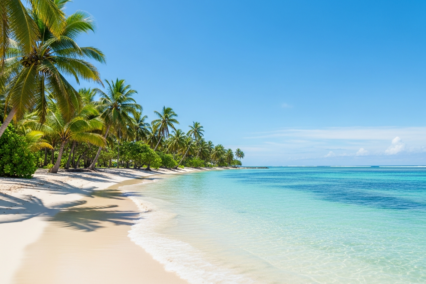
  • Relax on the best beaches of Ambergris Caye and Caye Caulker, enjoying the Caribbean sun.
  • Venture into the Cockscomb Basin Wildlife Sanctuary, a jaguar preserve offering incredible jungle hikes.
  • Dive or fly over the iconic Great Blue Hole, a world-renowned natural wonder.
  • Experience unique adventures like cave tubing through underground river systems.

Introduction

Welcome to Belize, a small yet mighty nation in Central America where lush rainforests meet the sparkling Caribbean Sea. Despite its size, Belize packs an incredible punch, offering a stunning mix of natural beauty and rich history. Home to the second-largest barrier reef in the world, a designated UNESCO World Heritage site, this country is a paradise for adventurers and beach lovers alike. Are you ready to discover a land of ancient Mayan cities, dense jungles, and idyllic islands?

Things to Do in Belize: Adventure, Beaches, and Mayan Ruins

Finding the best things to do in Belize is an exciting journey in itself. Whether you crave high-energy adventure, peaceful moments on sandy shores, or a deep dive into Mayan history, this country has it all. There are so many popular things to explore, from the depths of the ocean to the tops of ancient pyramids.

For nature lovers and history buffs, the options are endless. You can spend your days snorkeling in turquoise waters teeming with life or hiking through jungles echoing with the calls of howler monkeys. First-time visitors will find a perfect blend of relaxation and exploration, making for an unforgettable trip.

1. Explore the Ancient Mayan Ruins of Xunantunich

Located in the Cayo District near the town of San Ignacio, the Mayan ruins of Xunantunich are a must-see attraction. Reaching this ancient city is part of the adventure, as you’ll need to cross the Mopan River on a hand-cranked ferry before making your way up to the site. Once there, you can explore over twenty-five temples and palaces spread across six plazas.

The main highlight is “El Castillo,” a towering pyramid that stands 130 feet tall. If you’re feeling energetic, climbing to the top is well worth the effort. You’ll be rewarded with breathtaking panoramic views of the surrounding jungle and even a glimpse of the Guatemalan border. Keep an eye out for howler monkeys that often hang around the trees.

To truly appreciate the rich history of this site, consider hiring a guide. They can offer fascinating insights into the Mayan civilization and the intricate details of the structures, like the famous carved friezes on El Castillo. For those staying in San Ignacio, a visit to Xunantunich is a perfect day trip.

2. Snorkel or Dive at the Great Blue Hole

The Great Blue Hole is one of Belize’s most iconic landmarks and a dream destination for divers. This massive underwater sinkhole, part of the Belize Barrier Reef Reserve System, is a designated UNESCO World Heritage Site. Its near-perfect circular shape and deep blue color are so distinct that it’s even visible from space. Are you ready to see this natural wonder up close?

For certified divers, plunging into its depths is an unparalleled experience. You’ll descend along sheer walls adorned with giant stalactites, remnants of a time when the cave was above sea level. While you explore, you might even encounter resident reef sharks. Snorkeling is also an option around the coral reef rim, where you can marvel at the vibrant marine life in the shallower turquoise waters.

Keep in mind that tours to the Great Blue Hole are full-day excursions involving a long boat ride, which can be rough on the open sea. An alternative way to witness its grandeur is with a scenic flight, offering a spectacular aerial perspective you’ll never forget.

3. Relax on the White Sand Beaches of Ambergris Caye

If your idea of paradise involves swaying coconut palms and soft white sand, then Ambergris Caye is the place for you. As Belize’s largest island, it’s a top destination for travelers seeking sun, sand, and sea. Here you will find some of the best beaches in the country, perfect for lounging and soaking up the laid-back Caribbean atmosphere. The main town of San Pedro is a vibrant hub with colorful houses, charming shops, and delicious restaurants.

The island offers much more than just beach relaxation. Just off the coast lies the Hol Chan Marine Reserve, a premier spot for snorkeling and diving. A popular tour combines a visit to Hol Chan with a stop at Shark Ray Alley, where you can swim alongside gentle nurse sharks and southern stingrays. It’s a thrilling experience that gets you up close with incredible marine creatures.

Getting around the island is an adventure in itself, with golf carts and bicycles being the preferred modes of transport. Whether you’re exploring hidden beaches or cruising into town, Ambergris Caye offers the perfect blend of relaxation and activity.

4. Hike in the Cockscomb Basin Wildlife Sanctuary & Jaguar Preserve

For true nature lovers, the Cockscomb Basin Wildlife Sanctuary is an unmissable destination. Known as the world’s first jaguar preserve, this vast expanse of tropical, dense jungle provides a critical habitat for an impressive array of wildlife. While spotting a jaguar is rare due to their elusive nature, the sanctuary is teeming with other fascinating creatures like ocelots, tapirs, and monkeys.

The best way to experience the sanctuary is by exploring its extensive network of hiking trails. The Waterfall Trail is a popular choice, leading you to a refreshing cascade where you can take a dip. For more of a challenge, the Tiger Fern Trail offers a strenuous hike that culminates in a stunning double waterfall. The views and sounds of the jungle make every step an adventure.

Birdwatchers will also be in heaven here, with over 300 species recorded, including the vibrant scarlet macaw and the keel-billed toucan. Remember to wear protective clothing and bring plenty of water for your hike. A visit to the Cockscomb Basin Wildlife Sanctuary offers a deep and rewarding connection with Belize’s wild heart.

5. Discover the Lamanai Archaeological Reserve

Step back in time at the Lamanai Archaeological Reserve, one of Belize’s most fascinating ancient sites. The name Lamanai means “Submerged Crocodile” in a Mayan language, and you’ll see crocodile motifs throughout the ruins. What makes Lamanai unique is that it was one of the longest continuously occupied Mayan sites, with a thriving community still present when the Spanish arrived.

Getting to Lamanai is an adventure in itself. Most visitors arrive via a scenic boat ride up the New River. This journey offers fantastic opportunities for wildlife spotting, so keep your camera ready for birds, monkeys, and maybe even a crocodile basking on the riverbank. The remote jungle setting gives the ruins a wild, undiscovered feel, as much of the site remains unexcavated.

Once you arrive, you can explore impressive structures like the Mask Temple, the Jaguar Temple, and the High Temple. If you climb to the top of the High Temple, you’ll be treated to stunning panoramic views of the surrounding jungle and river. A trip to Lamanai is a captivating blend of Mayan history and natural beauty.

6. Take a River Tubing Adventure at Nohoch Che’en

Are you looking for a unique adventure that combines relaxation and exploration? Look no further than cave tubing at Nohoch Che’en. This popular activity involves floating on an inner tube down a gentle river that winds its way through a series of ancient caves. It’s a fantastic way to see Belize’s stunning subterranean landscapes from a whole new perspective.

Your adventure typically begins with a short hike through the rainforest, where your guide will point out interesting plants and wildlife. Once you reach the river, you’ll settle into your tube and let the current carry you into the darkness of the cave system. Equipped with a helmet and headlamp, you’ll glide past impressive rock formations and learn about the geological and cultural significance of the caves.

Floating through the quiet, ancient caves is a truly magical experience. As you drift between caverns and open jungle sections, you’ll be surrounded by incredible scenery. This unique adventure is a Belizean classic and a must-do for anyone seeking a memorable and fun-filled day.

7. Visit the Belize Zoo for Native Wildlife Encounters

The Belize Zoo and Tropical Education Center is not your average zoo. It started as a sanctuary for animals used in documentary films and has since grown into a beloved conservation and education center. What makes it special is that it exclusively houses native wildlife, with over 45 species represented in spacious, natural habitats. It’s a popular spot for families and anyone interested in Belize’s fauna.

A visit here is a fantastic opportunity to see the incredible animals of Belize up close, many of which are rescue animals. You can meet all five of Belize’s wildcats, including the majestic jaguar. Other residents include tapirs (the national animal), playful spider monkeys, vocal howler monkeys, and colorful toucans. The enclosures are designed to mimic the animals’ natural environments, making for a more authentic experience.

Located just a short drive from Belize City, the zoo is an excellent first stop on your Belize itinerary. It offers a wonderful introduction to the country’s biodiversity and the importance of conservation efforts. It’s a great place to learn about the creatures you might hope to spot in the wild, from the Cockscomb Basin Wildlife Sanctuary to the jungle canopy.

8. Go Cave Exploring in Actun Tunichil Muknal (ATM Cave)

For the ultimate inland adventure, a tour of the Actun Tunichil Muknal (ATM) Cave is an experience you won’t soon forget. This is more than just a cave tour; it’s an archaeological expedition that takes you deep into the world of the ancient Maya. The journey involves a jungle hike with river crossings, followed by a swim into the cave’s entrance, making it a physically demanding but incredibly rewarding day.

Inside the cave, you’ll wade through water-filled passages and climb over rocks to reach the main chamber, a dry area that served as a ceremonial site for the Maya. Here, you’ll find a stunning array of artifacts, including pottery and ceremonial objects that have been left undisturbed for centuries. The cave’s most famous feature is the “Crystal Maiden,” the complete skeletal remains of a sacrificial victim, calcified to a sparkling finish.

Due to the challenging nature of the tour and the need to preserve the site, all visits must be with a licensed guide. Strong swimming skills are essential. If you’re an adventure seeker with an interest in Mayan history, the ATM Cave offers an intimate and awe-inspiring glimpse into a sacred past.

9. Enjoy Kayaking or Paddleboarding in Placencia

Nestled at the end of a long, sandy peninsula, the charming village of Placencia is a hub for water sports and relaxation. With its calm lagoon on one side and the Caribbean Sea on the other, it’s the perfect setting for a day on the water. Kayaking and paddleboarding are fantastic ways to explore the stunning coastline and get some exercise at the same time.

Imagine gliding across serene, turquoise waters as you paddle through mangrove forests or along the coast. The Placencia Lagoon is particularly well-suited for these activities, offering sheltered waters where you can spot birds, fish, and maybe even manatees. Many local shops and resorts offer rentals, making it easy to grab a kayak or stand-up paddleboard and head out on your own adventure.

Whether you’re an experienced paddler or a complete beginner, spending time on the water is one of the best ways to appreciate Placencia’s natural beauty. It’s a peaceful yet active way to connect with the incredible marine environment and enjoy the sunny weather that Belize is famous for.

10. Experience Local Culture in San Ignacio Town

San Ignacio is the vibrant heart of the Cayo District and the perfect base for exploring western Belize. This bustling town offers more than just a convenient location; it’s a cultural experience in itself. Strolling through its lively streets, you’ll discover a blend of cultures, a thriving market, and some of the best local cuisine in the country.

One of the unique cultural experiences you shouldn’t miss is the San Ignacio Market. Here, you can sample exotic fruits, try traditional dishes, and shop for handmade crafts. The town is also a gateway to immense Mayan history. The Cahal Pech Mayan ruins are located right on a hill overlooking the town, offering an easily accessible glimpse into the past.

From savoring a plate of rice and beans to exploring nearby archaeological sites, San Ignacio provides a rich tapestry of experiences. It’s a place where you can connect with the local way of life, learn about the region’s history, and fuel up for your next inland adventure.

11. Swim and Sunbathe at Secret Beach on Ambergris Caye

Despite its name, Secret Beach is one of the most popular and beloved spots on Ambergris Caye, and for good reason. Located on the west side of the island, this pristine stretch of sand offers everything you could want in a Caribbean beach: calm, crystal-clear turquoise waters, soft sand, and a vibrant, fun atmosphere with beach bars and restaurants.

One of the biggest draws of Secret Beach is that it’s naturally protected from the sargassum seaweed that can sometimes affect the eastern coast. This means you’re almost guaranteed perfect swimming conditions. The water is shallow and warm, making it ideal for families and anyone who just wants to relax and float in the sea. With fewer crowds than some of the more central beaches, it still retains a sense of escape.

The best way to get there is by renting a golf cart, which is a fun adventure in itself. The ride takes you through less-developed parts of the island, adding to the feeling of discovery. Plan to spend a full day here to swim, sunbathe, and enjoy a cocktail at a waterfront table.

12. Take a Day Trip to Silk Cayes for Snorkeling

For an unforgettable snorkeling experience, consider a day trip to the Silk Cayes. These tiny, picture-perfect islands are located within a protected marine reserve off the coast of Placencia. A visit here feels like stepping into a postcard, with white sandy beaches, palm trees, and unbelievably clear water.

The main attraction of the Silk Cayes is the incredible marine life just below the surface. As you snorkel around the islands, you’ll be surrounded by colorful coral reefs teeming with tropical fish. The area is also famous for its population of sea turtles, nurse sharks, and southern stingrays. Tour operators often have a designated spot where you can swim with these gentle creatures in their natural habitat.

A day trip to the Silk Cayes typically includes the boat ride, snorkel gear, and often a delicious barbecue lunch prepared right on the beach. It’s a fantastic way to experience the beauty of the Belize Barrier Reef in a more intimate and relaxed setting.

13. Chase Waterfalls at Mountain Pine Ridge Forest Reserve

Escape the coastal heat and venture into the cool, refreshing landscapes of the Mountain Pine Ridge Forest Reserve. Located in the Cayo District, this protected area offers a striking contrast to the typical tropical scenery of Belize, with its rolling hills covered in pine forests. It’s a paradise for nature lovers and those seeking adventure off the beaten path.

The reserve is famous for its spectacular waterfalls and natural swimming pools. One of the top spots is Rio On Pools, where a series of small cascades flow over large granite boulders, creating numerous small pools perfect for a refreshing dip. Another highlight is the impressive Thousand Foot Falls, the highest waterfall in Central America. While you can’t swim there, the viewpoint offers breathtaking vistas.

For a bit more seclusion, seek out Five Sisters Falls, where five cascades spill into a lovely swimming hole. Exploring this dense jungle reserve, with its gushing rivers and hidden falls, is a fantastic way to spend a day and experience another side of Belize’s diverse natural beauty.

14. Savor Belizean Cuisine at Local Restaurants

One of the best ways to immerse yourself in any culture is through its food, and Belize is no exception. Belizean cuisine is a delicious fusion of Caribbean, Mayan, Mestizo, and Garifuna influences, creating a unique and flavorful culinary landscape. From street food stalls to charming local restaurants, there are endless opportunities to treat your taste buds.

In towns like San Ignacio and San Pedro, you’ll find a wide array of dining options. Be sure to try the national dish, rice and beans, typically served with stewed chicken, beef, or pork. Other must-try dishes include fry jacks (deep-fried dough pieces) for breakfast, fresh ceviche made with conch or shrimp, and hearty meat pies.

Don’t be afraid to step into a small, family-run eatery. These places often serve the most authentic and delicious food. Savoring the local cuisine is a cultural experience you shouldn’t miss, offering a true taste of the heart and soul of Belize. It’s the best way to connect with the local community and make your trip even more memorable.

15. Spot Howler Monkeys at the Community Baboon Sanctuary

If you’re a nature lover, a visit to the Community Baboon Sanctuary is a must. Don’t let the name fool you—the “baboons” here are actually black howler monkeys, known for their incredibly loud and distinctive calls that can travel for miles through the jungle. This grassroots conservation project, located not far from Belize City, protects the monkeys and their habitat through a cooperative effort with local landowners.

A guided tour is the best way to experience the sanctuary. A local guide will lead you along forest trails, sharing their deep knowledge of the monkeys and the local ecosystem. They are experts at spotting the howler monkeys and can often get you surprisingly close to a troop hanging out in the trees.

Hearing the roar of a howler monkey for the first time is an unforgettable experience. The sanctuary offers a unique opportunity to see these amazing creatures in their natural environment while supporting a community-led conservation initiative. It’s a wonderful activity for families and anyone passionate about wildlife.

16. Go Sailing Around Caye Caulker

Embrace the “go slow” motto of Caye Caulker by taking to the water on a sailing trip. This small, laid-back island is the perfect launchpad for a relaxing day cruising on the Caribbean Sea. Sailing is arguably the best way to soak in the stunning coastal views and experience the tranquility of the Belize Barrier Reef.

Several local operators offer a range of sailing tours, from half-day snorkeling trips to romantic sunset cruises. A typical tour will take you to prime snorkeling spots like Hol Chan Marine Reserve and Shark Ray Alley, where you can swim with an abundance of marine life. The journey itself is part of the magic, with the wind in the sails and the sun on your face.

Getting to Caye Caulker is easy via a short water taxi ride from Belize City or Ambergris Caye. Once there, you’ll find that life moves at a much slower pace. A day spent sailing is the perfect way to unwind and appreciate the natural beauty that makes this island such a special place.

17. Explore Altun Ha Mayan Ruins

For a fascinating and easily accessible glimpse into Belize’s Mayan past, a visit to Altun Ha is an excellent choice. Located just 30 miles north of Belize City, this archaeological site was a significant ceremonial center and trading post. Its proximity to the city makes it a popular day trip, especially for cruise ship passengers.

The site features two main plazas surrounded by thirteen structures. The most impressive is the “Temple of the Masonry Altars,” which stands 54 feet tall. You can climb to the top for a wonderful view of the surrounding jungle. This temple is so iconic that it’s featured on the label of Belize’s Belikin beer.

Altun Ha is also famous for one of the greatest archaeological discoveries in the Mayan world: the “Jade Head.” This large, intricately carved jade sculpture of the Maya Sun God, Kinich Ahau, was found in a tomb within the Temple of the Masonry Altars. While the original is safely housed in a museum, learning its story adds to the magic of the site.

18. Birdwatching in Crooked Tree Wildlife Sanctuary

Nature lovers and birding enthusiasts will find their paradise at the Crooked Tree Wildlife Sanctuary. This expansive network of wetlands, lagoons, and waterways provides a vital habitat for hundreds of resident and migratory bird species. Located in northern Belize, the sanctuary is recognized as a Wetland of International Importance and offers some of the best birdwatching in the country.

The best time to visit is during the dry season (December to May), when the water levels are lower and birds congregate in large numbers to feed. The star of the show is the Jabiru Stork, one of the largest flying birds in the Americas. You can also spot herons, egrets, kingfishers, and many other species.

Exploring the sanctuary is best done by boat with a local guide, who can navigate the complex waterways and help you identify the various birds. Whether you’re a seasoned birder or just someone who appreciates nature, a trip to Crooked Tree offers a peaceful and rewarding experience.

19. Bike or Golf Cart Ride Around Caye Caulker

Caye Caulker’s motto is “Go Slow,” and there’s no better way to embrace this philosophy than by exploring the island on two or four wheels. With sandy streets and no cars, the main modes of transportation are bicycles and golf carts. This relaxed pace is part of what gives the island its unique charm and helps it feel less crowded.

Renting a bike is a fantastic way to discover the island’s hidden corners. You can cruise from the bustling front street to the quieter residential areas, stopping wherever you please. Many hotels offer complimentary bikes for guests, but rentals are readily available and affordable. It’s a fun and active way to get around.

For exploring with family or covering more ground, a golf cart is a great option. You can easily zip from your hotel to “The Split” for a swim or head to the less-developed northern part of the island. Hopping on a bike or in a golf cart isn’t just about transportation; it’s about fully immersing yourself in the laid-back rhythm of Caye Caulker life.

20. Visit St. Herman’s Blue Hole National Park

Not to be confused with the famous Great Blue Hole in the ocean, St. Herman’s Blue Hole National Park offers an equally enchanting inland experience. Located just off the Hummingbird Highway, this park features a stunning sapphire-blue cenote, or sinkhole, formed by the collapse of an underground limestone cave. It’s the perfect spot for a refreshing swim on a hot day.

The Blue Hole itself is a cool, inviting pool surrounded by lush jungle vegetation. A set of stairs leads down to the water, making it easily accessible. After your swim, you can explore the park’s other main attraction: St. Herman’s Cave. This ancient cave is easily explored with a headlamp, or you can opt for a more adventurous cave tubing tour that takes you deeper into its mysterious passages.

The park also has several hiking trails that wind through the forest, offering opportunities for birdwatching and enjoying the scenery. A visit to St. Herman’s Blue Hole National Park is a great way to combine adventure, relaxation, and a touch of natural wonder in one beautiful location.

21. Try Fishing Excursions in Turneffe Atoll

Anglers from around the world flock to Belize for its world-class fishing, and Turneffe Atoll is the crown jewel. As the largest and most biologically diverse coral atoll in Belize, it offers an unparalleled fishing experience. Situated on the largest barrier reef in the northern hemisphere, its vast network of flats, creeks, and lagoons teems with prized game fish.

Turneffe is particularly famous for its “grand slam” opportunities, allowing anglers to catch a bonefish, tarpon, and permit all in the same day. The expansive flats on the eastern side of the atoll are ideal for saltwater fly fishing for the elusive bonefish. The rich marine life also includes snapper, grouper, and barracuda, ensuring a thrilling day on the water for any fishing enthusiast.

Many specialized fishing and diving lodges are located within the atoll, offering all-inclusive packages for a dedicated trip. However, day trips can also be arranged from Belize City, Ambergris Caye, and Caye Caulker. Whether you’re a seasoned pro or a novice, a fishing excursion in Turneffe Atoll is a truly memorable adventure.

22. Enjoy Family-Friendly Activities at Hopkins Village

If you’re looking for a destination that’s perfect for the whole family, look no further than Hopkins Village. This friendly coastal village is known for its laid-back vibe and rich Garifuna culture, offering a more authentic and less crowded alternative to some of the more developed tourist hubs. It’s the best place to relax and experience the local way of life.

Hopkins provides a great mix of beach time and cultural immersion. The beaches are lovely and uncrowded, perfect for kids to play and swim. Beyond the sand, the village is a center for Garifuna culture. You can take drumming lessons, learn about traditional cooking, and listen to vibrant music. These family-friendly activities offer a wonderful educational experience.

The village is also a convenient base for exploring nearby attractions, including the Cockscomb Basin Wildlife Sanctuary and the barrier reef for snorkeling. With its welcoming community and diverse activities, Hopkins is an ideal spot for families looking to create lasting memories in Belize.

23. Take a Chocolate Making Tour in Southern Belize

Indulge your sweet tooth and learn about a crop with deep roots in Mayan history by taking a chocolate-making tour. Southern Belize, particularly around the town of Punta Gorda, is the heart of the country’s cacao industry. A tour here offers a fascinating journey from bean to bar.

On a typical tour, you’ll visit a local cacao farm to see how the beans are grown, harvested, and fermented. Many of these farms use traditional, organic methods passed down through generations. You’ll learn about the entire process, from picking the cacao pods to grinding the beans on a stone, just as the ancient Maya did.

The best part, of course, is the hands-on experience. You’ll get to participate in making your own chocolate, and you’ll have plenty of opportunities to sample the rich, dark final product. This unique experience is a delicious way to connect with the local cuisine and agricultural heritage of Belize.

24. Zipline Through the Jungle in Mayflower Bocawina National Park

Get your adrenaline pumping with a ziplining adventure through the dense jungle of Mayflower Bocawina National Park. This thrilling activity allows you to soar through the rainforest canopy, offering a bird’s-eye view of the incredible scenery below. It’s an unforgettable experience for adventure seekers of all ages.

The park features some of the longest and most exciting zipline courses in Belize. After a safety briefing, you’ll clip in and glide from platform to platform, high above the forest floor. The feeling of flying through the trees is exhilarating, and the views of the lush vegetation and nearby waterfalls are simply spectacular.

In addition to ziplining, Mayflower Bocawina National Park offers other adventures, such as hiking to waterfalls and even rappelling down them. Combining a zipline tour with a hike and a refreshing swim is a great way to spend a full day immersed in the natural beauty of southern Belize.

25. Discover the Belize Botanic Gardens

For a peaceful and beautiful outing, spend some time at the Belize Botanic Gardens. Nestled in the Cayo District near San Ignacio, this 45-acre sanctuary is a haven for nature lovers and plant enthusiasts. It’s a wonderful place to learn about the incredible floral biodiversity of Belize and the tropics.

The gardens showcase a stunning collection of native and exotic plants. A major highlight is the orchid house, which displays over 120 species of Belize’s vibrant orchids. Another fascinating feature is the Maya Medicine Trail, where you can learn about the traditional healing properties of various rainforest plants. You can explore on your own or take a guided tour for deeper insights.

The gardens are conveniently located near the Cahal Pech Village Resort and make for a perfect half-day trip from San Ignacio. Don’t forget to climb the Fire Lookout Tower for a panoramic view of the surrounding landscape. It’s a serene and educational experience for all ages.

26. Attend a Garifuna Drumming Workshop

Immerse yourself in the vibrant culture of the Garifuna people by attending a traditional drumming workshop. The Garifuna have a rich heritage, a blend of West African and indigenous Caribbean traditions, and their music is a powerful and central part of their identity. This is a unique cultural experience you won’t want to miss.

In coastal communities like Hopkins Village and Dangriga, you can find workshops led by local musicians. They will teach you the basic rhythms and techniques of Garifuna drumming, using hand-carved drums. It’s an incredibly fun, hands-on way to connect with the living culture of Belize. You don’t need any musical experience to participate, just an open mind and a willingness to learn.

The pulsating rhythms are infectious, and you’ll quickly find yourself caught up in the energy of the music. Attending a drumming workshop is more than just a lesson; it’s an opportunity to interact with the local community and gain a deeper appreciation for the rich cultural tapestry of the Garifuna people.

27. Relax at Laughing Bird Caye National Park

If you’re seeking a pristine, secluded island escape, look no further than Laughing Bird Caye National Park. This beautiful, narrow island is located just off the coast of Placencia and is part of the Belize Barrier Reef World Heritage Site. Named after the laughing gulls that once bred here, it’s a protected marine reserve perfect for a day of relaxation and exploration.

The caye is a popular spot for snorkeling and diving due to the incredible coral formations and abundant marine life found just offshore. The waters are clear and calm, making it an ideal location for swimmers of all skill levels. Because it’s a protected area, the ecosystem is healthy and vibrant, offering a fantastic underwater spectacle.

With fewer crowds than some of the more northern cayes, Laughing Bird Caye offers a more tranquil experience. You can spend your day sunbathing on the white sandy beaches, picnicking under the palm trees, and marveling at the underwater world. It’s the perfect destination for a peaceful day trip.

28. Explore Caracol Natural Monument Reservation

Venture deep into the Chiquibul National Park to discover Caracol, the largest and most powerful Mayan city in Belize. Tucked away in the Cayo District near the Mountain Pine Ridge area, this massive archaeological site was once a bustling metropolis that rivaled the great city of Tikal in Guatemala. Exploring Caracol feels like a true expedition into the past.

The centerpiece of the site is Caana, or the “Sky Palace.” This massive pyramid stands 141 feet tall, making it the tallest man-made structure in all of Belize. Climbing to the top is a rewarding challenge, offering breathtaking 360-degree views of the surrounding jungle canopy. You can also explore numerous plazas, temples, and carved monuments that tell the story of Caracol’s military victories.

Because of its remote location, a trip to Caracol is a full-day adventure, often requiring a 4×4 vehicle. The journey through the jungle is part of the experience, and you might spot wildlife like toucans and monkeys along the way. For history buffs, Caracol is an unmissable destination.

29. Try Cave Tubing at Caves Branch

Embark on another thrilling cave tubing adventure at Caves Branch, one of the premier locations for this iconic Belizean activity. This tour offers a fantastic way to explore the country’s mysterious underground river systems and ancient caves, combining gentle rafting with a touch of exploration and history.

The experience at Caves Branch is truly immersive. After a hike through the lush jungle, you’ll arrive at the river’s edge, where your adventure begins. You’ll float on an inner tube through a series of spectacular caves, with your headlamp illuminating stunning stalactites, stalagmites, and other geological formations. Guides share fascinating information about the Mayan history of the caves, which were considered sacred portals to the underworld.

This adventure is suitable for most fitness levels and is a great way to cool off on a warm day. Drifting through the darkness of the ancient caves and then emerging back into the bright green jungle is a magical experience that perfectly captures the spirit of adventure in Belize.

30. Sample Rum at a Belizean Distillery

Get a taste of the “spirit” of Belize by visiting a local rum distillery. Rum has been a staple of Caribbean culture for centuries, and Belizean rum is known for its rich and smooth flavor. Taking a distillery tour is a fun way to learn about the production process and sample some of the country’s most popular local cuisine export.

Several distilleries, particularly around Belize City, offer tours to the public. You’ll get to see how sugarcane is transformed into molasses and then distilled, aged, and bottled. The guides explain the history of rum-making in Belize and what gives each brand its unique character. It’s a fascinating look into a key local industry.

Of course, the highlight of the tour is the tasting session. You’ll get to sample a variety of rums, from light and crisp white rums to dark, complex aged rums. It’s a great opportunity to find a favorite and pick up a bottle to take home as a souvenir.

31. Take a Guided Night Tour for Wildlife Spotting

Experience the jungle in a completely different way by taking a guided night tour. When the sun goes down, a whole new world of nocturnal creatures emerges, and a night walk is your best chance to see them. This adventure offers a thrilling and unique perspective on Belize’s incredible biodiversity.

Led by an expert guide with a keen eye and a powerful flashlight, you’ll venture into the forest to look for creatures of the night. In places like the Cockscomb Basin Wildlife Sanctuary, you might spot snakes, frogs, tarantulas, and various nocturnal mammals like kinkajous or opossums. Hearing the sounds of the jungle after dark is an experience in itself.

This is a fantastic activity for nature lovers and anyone with a sense of adventure. Your guide will not only help you spot wildlife but also share fascinating facts about their behavior and the nocturnal ecosystem. A night tour is a memorable way to cap off a day of exploring Belize’s wild side.

Planning Your Belize Adventure

Now that you’re inspired by all the amazing things to do, it’s time to start planning your trip. The best way to make the most of your time is to consider the time of year you want to visit and create a rough itinerary that balances adventure with relaxation. Whether you have a few days or a couple of weeks, a little planning goes a long way.

From the jungle lodges of the Cayo District, like Cahal Pech, to the beachfront resorts of the cayes, Belize offers a wide range of options to suit your style. Let’s look at some itinerary ideas and the best time to visit.

Belize Itinerary Ideas for Short and Extended Trips

Crafting the perfect Belize itinerary depends on how much time you have. Even a short trip can be packed with fun, while a longer stay allows for a deeper exploration of both the mainland and the islands. The best way to plan is to focus on one or two regions to avoid spending too much time traveling.

For a short trip of 3-5 days, you might focus on either inland adventures or island relaxation. For example, you could base yourself in San Ignacio to explore Mayan ruins and go cave tubing, or head straight to Ambergris Caye or Caye Caulker for snorkeling and beach time. A full day can be dedicated to a major activity like a tour to the ATM Cave or a snorkeling trip to Hol Chan.

For an extended trip of one to two weeks, you can easily combine both. Spend the first half of your trip exploring the Cayo District and then fly or take a water taxi to the cayes for the second half. Here’s a sample idea:

Duration Inland Focus (San Ignacio) Island Focus (Ambergris Caye/Caye Caulker)
5-Day Trip Day 1-3: Explore Xunantunich, ATM Cave, and go cave tubing. Day 4-5: Fly to San Pedro, relax at Secret Beach, and snorkel at Hol Chan.
10-Day Trip Day 1-5: Add visits to Caracol, Mountain Pine Ridge, and the Belize Zoo. Day 6-10: Add a sailing trip around Caye Caulker and a diving day at the Blue Hole or Turneffe Atoll.

Best Time to Visit Belize for Adventure and Relaxation

Deciding on the best time to visit Belize largely depends on your priorities. The most popular time of year is the dry season, which typically runs from late November to May. During these months, you can expect plenty of sunshine and great weather, perfect for beach days, diving, and hiking through the jungle.

This period is ideal for all outdoor activities, but it’s also the peak tourist season, which means more crowds and higher prices, especially around Christmas and Easter. If you want to take advantage of the beautiful weather, booking your accommodations and tours in advance is a good idea.

If you prefer fewer crowds and don’t mind the chance of some rain, consider traveling during the shoulder months of November or May. Alternatively, the “green season” (June to October) offers lush landscapes and lower prices, though you should be prepared for afternoon showers. No matter the time of year, Belize’s tropical climate ensures warm temperatures year-round.

What Unique Experiences in Belize Can Complement the Modern Luxury and Adventures in Qatar?

Belize offers a unique blend of natural beauty and cultural richness that perfectly complements the modern luxury and adventures found in Qatar. From exploring ancient Mayan ruins to diving in the vibrant coral reefs, visitors can seamlessly transition from pristine landscapes to the opulence of Doha. Discover how to explore luxury and adventure in qatar.

Conclusion

Belize is a treasure trove of adventures waiting to be explored, from its breathtaking beaches to the rich history embedded in ancient Mayan ruins. Whether you’re snorkeling in the Great Blue Hole or relaxing on Ambergris Caye’s pristine shores, there’s something for everyone in this vibrant destination. Each activity offers a unique glimpse into the beauty and culture of Belize, making it a perfect getaway for both thrill-seekers and those looking to unwind. So pack your bags, embrace the spirit of adventure, and get ready to make unforgettable memories in Belize! If you have any questions or need assistance planning your journey, feel free to reach out!

Frequently Asked Questions

What are some good things to do in Belize for families?

Belize is very family-friendly. Kids will love the native wildlife encounters at the Belize Zoo, exploring the beaches of Ambergris Caye, and learning about Garifuna culture in Hopkins Village. Activities like gentle cave tubing and snorkeling in the calm waters of the reef are also great for all ages.

What inland adventures are popular in Belize?

Belize’s inland is an adventure playground. Popular activities include exploring ancient Mayan ruins like Caracol and Xunantunich, hiking in the Cockscomb Basin Wildlife Sanctuary or Mountain Pine Ridge Forest Reserve, and embarking on thrilling cave tubing or ATM Cave expeditions to discover the country’s sacred underworld.

What outdoor activities can I experience in Belize?

You can experience a vast range of outdoor activities. On the coast, snorkeling and diving the barrier reef are must-dos, along with kayaking and paddleboarding. Inland, you can enjoy hiking through jungles and nature reserves, ziplining through the canopy, and exploring river systems with a cave tubing adventure.

Which Belize attractions are best for nature lovers?

Nature lovers should head to the Cockscomb Basin Wildlife Sanctuary to look for jaguars, the Crooked Tree Wildlife Sanctuary for incredible birdwatching, and the Community Baboon Sanctuary to see howler monkeys. The diverse ecosystems of Mountain Pine Ridge and the lush jungles around San Ignacio are also prime spots.

When is the best time to visit Belize?

The best time to visit Belize is during the dry season, from late November to May, for great weather and sunny skies. This is the peak tourist season. For fewer crowds and lower prices, consider the shoulder months of November or May, which still offer a good chance of pleasant weather.

There are about 1,350 active volcanoes around the globe, each a reminder of Earth’s restless energy. The volcanic forces in play shape continents, create islands, and transform landscapes in a matter of hours. Volcanoes are powerful natural features. Their peaks rise above clouds, their fertile slopes sustain communities, and their eruptions can spark both destruction and renewal.

In this Remitly guide, we’ll explore some of the most iconic volcanoes around the world, exploring their geology, the fertile soils on their slopes, and the ways people live near and even on them.

The science behind volcanic beauty

Volcanoes are more than mountains with fire inside—they’re dynamic geological features. When magma escapes from beneath Earth’s crust, it flows as lava or erupts with ash and gases. Over millennia, volcanic activity shapes the surface of the planet, creating varied new landscapes.

Different types of volcanoes create unique landscapes. Here are the three most common types: 

  • Shield volcanoes
    Broad, gently sloping structures formed by fluid lava flows.
  • Stratovolcanoes
    Steep, conical peaks built from alternating layers of lava and ash.
  • Cinder cones
    Small, steep hills formed by ash and rock fragments.

Fertility

Eruptions may cause short-term destruction, but volcanic ash eventually breaks down into mineral-rich, fertile soil that supports agriculture. This soil supports vineyards, forests, and diverse ecosystems. Regions like Mount Etna in Italy and Java in Indonesia benefit agriculturally from old volcanic deposits. 

Creating new land

Volcanoes also create entirely new lands. Islands such as Iceland and the Hawaiian archipelago exist because of volcanic activity. Even today, eruptions at Kilauea continue to expand the Hawaiian coastline, vividly demonstrating how the land changes over time.

Let’s take a look at some of the planet’s most iconic examples.

Mount Fuji, Japan: the perfect volcano silhouette

Rising above Honshu, Mount Fuji is Japan’s tallest peak and one of the world’s most iconic volcanoes. Its near-symmetrical cone has influenced centuries of art and poetry, receiving UNESCO World Heritage certification in 2013 for its cultural significance.

Its last major eruption in 1707 covered the area that’s now Tokyo in ash and destroyed nearby villages. While Mount Fuji is currently quiet, the volcano remains active, with small tremors recorded regularly.

Cultural and spiritual significance

People have made pilgrimages to Fuji’s summit for over a thousand years, and shrines have been built at both the base and the crater rim. The mountain is a lasting symbol in Japanese art, famously captured in Katsushika Hokusai’s 36 Views of Mount Fuji, a woodblock series that depicts the peak from various perspectives.

Visiting Mount Fuji

The northern slopes are home to the Fuji Five Lakes, reflecting the mountain’s profile in calm lake waters. Nearby Hakone offers botanical gardens, hot springs, lakeside trails, and amusement parks, making it a year-round destination.

If you plan to climb Fuji, the official season runs July 1 to August 26. Many hikers start at night to reach the summit for sunrise, known as Goraikō, or “arrival of light.” Even in summer, conditions at the top are cold and windy, so bring layers and be prepared. 

Santorini, Greece: where destruction created paradise

Santorini is a volcanic island in the Aegean Sea, famous for its crescent-shaped caldera, cliff-top villages, and dramatic views. A massive eruption around 3,600 years ago shaped the island’s landscape, when the volcano’s magma chamber emptied and the center collapsed into the sea. Lava flows and ash deposits created its black and red sea beaches.

Cliff-top villages and volcanic beaches

Oia and Fira perch on cliffs above the caldera, featuring blue-domed churches and whitewashed buildings that contrast sharply with the deep blue waters below. Narrow streets reveal how Santorini’s volcanic past shaped architecture and urban planning.The beaches, from Kamari and Perissa’s black sand to the Red Beach’s striking cliffs, offer unique landscapes for photography, relaxation, and nature appreciation.

A still-live volcano

Volcanic activity continues at Nea Kameni, a small islet in the caldera. While eruptions here tend to be minor, volcanologists monitor the area closely to ensure everybody’s safety. And to remind people that this is not an extinct volcano, you can view steaming vents and recent lava formations up close on boat tours.

Kilauea, Hawaii: geological creation in action

Kilauea, one of the world’s most active volcanoes, sits at the heart of Hawaii Volcanoes National Park on the Big Island. Its Hawaiian name relates to spreading, and reflects how lava continuously flows, creating new land and reshaping the island. 

Slow-moving lava forms channels, which are especially striking at night, glowing red hot against the darkness. When the lava reaches the ocean, it creates new black sand beaches while releasing steam and gases, gradually expanding the island’s coastline. You can observe these channels safely from designated viewpoints.

Pele: Hawaiian goddess of fire

Kilauea holds deep cultural significance. Locals honor Pele, the goddess of volcanoes, who embodies both creation and destruction. Hawaiian chants and rituals honor both the spiritual and geological aspects of the volcano.

Visiting Kilauea safely

Hawaii Volcanoes National Park offers trails, overlooks, and visitors centers where you can safely experience lava flows, calderas, and steaming vents. Rangers provide real-time updates on activity, closures, and safety protocols. 

If you visit, always stay on marked paths and follow official guidance to protect yourself. It’s easy to get awestruck by this extraordinary landscape but a mistake can be deadly. 

Mount Etna, Italy: Europe’s towering fire mountain

Mount Etna dominates the east coast of Sicily and is the highest and most active volcano in Europe. Throughout its documented history there have been some very large eruptions, like the 1669 blast that destroyed dozens of villages in the region, highlighting its destructive power. In 2013, UNESCO recognized Etna for both its geological and natural significance, and its place in Sicilian culture.

A landscape of extremes

Etna’s scenery ranges from snow-capped peaks to lava streams and dense forests to barren terrain near the summit. Fertile lower slopes support vineyards, citrus groves, and other agriculture, while lava formations provide building material, regulate water, and shelter land. Dramatic features like the Valle del Bove and the Grotta del Gelo enrich the ecosystem.

Mamma Etna

Sicilians call the volcano “Mamma Etna,” viewing it as a maternal figure that nourishes and protects the land. Local legends, including the nymph Etna and the imprisoned Typhoeus, unsurprisingly portray Etna as both a creator and a destroyer.

For locals in the real world, the volcano represents Sicilian resilience and identity. Its fertile soil supports vineyards, orchards, and forests, reflecting the deep connection people have with the volcano that dominates their skyline.

Visiting Etna

You can explore Etna through numerous nature trails, trekking routes, and mountain bike tours. In winter, resorts like Nicolosi and Piani di Provenzana-Linguaglossa give you the chance to go skiing on Etna’s slopes. These experiences are an opportunity to witness the frequent geological activity safely—at least, as safely as you can ever be on an active volcano’s slopes.

Stromboli, Italy: the lighthouse of the mediterranean

Part of the Aeolian islands off Sicily’s north coast, Stromboli is home to another of the world’s most consistently active volcanoes, erupting almost continuously for over 2,000 years. Called the Lighthouse of the Mediterranean,” Stromboli’s small, frequent explosions of lava, ash, and gas are so distinctive that volcanologists use the term “Strombolian eruptions” to describe this style worldwide.

Explosions occur frequently, sending glowing fragments skyward, but rarely producing catastrophic flows. This makes Stromboil one of the few places where volcanic activity can be safely observed under controlled conditions. 

Life on the island

A few hundred residents live in villages at the foot of the volcanic slopes, their whitewashed houses clinging to the coast. For locals, the volcano is both a risk and a source of identity and income, shaping local traditions, tourism, and daily life. You can watch the glowing eruptions from village viewpoints or boats offshore. 

Arenal, Costa Rica: tropical volcanic majesty

Rising 5,357 feet in northern Costa Rica, Arenal Volcano was once one of Central America’s most active volcanoes, drawing visitors from worldwide with its dramatic eruptions. Dormant since 2010, scientists keep it closely monitored for any signs it’s waking up.

Hot springs and pura vida relaxation

One of Arenal’s greatest gifts lies in the hot springs that bubble at its base. Heated by underground volcanic activity, these mineral-rich waters are celebrated for their therapeutic properties. Resorts and natural pools throughout the region give you a chance to experience the volcano’s energy in a different way and get a taste of Costa Rica’s pura vida lifestyle.

Ecosystem

Just like Etna, Arenal’s volcanic soil has been enriched by centuries of ash and lava and created an exceptionally fertile environment. The surrounding Arenal Volcanic National Park supports dense rainforest teeming with life. Toucans, parrots, and howler monkeys create a cacophony of noise and rare jaguars stalk the dense vegetation. 

Trails wind through lava fields, providing you chances to see waterfalls and panoramic views of the volcano itself. 

Living with volcanoes: communities and culture

For many, volcanos are not distant wonders but daily realities. As we’ve seen from the way people make their homes on their slopes, communities around the world have learned to live with both the risks and rewards of volcanic landscapes.

The benefits of volcanic regions

  • Fertile soil: Volcanic ash and minerals enrich the soil, creating some of the most productive farmland in the world and supporting crops like coffee in Arenal, wine on Mount Etna, and farmland in the regions surrounding Mount Fuji.
  • Tourism: Travelers hike Mount Fuji, soak in Arenal’s hot springs, and sail to Stromboli to see glowing eruptions, boosting local economies.

Safety

Living near an active volcano means balancing opportunity with risk. Modern monitoring systems, including seismic sensors, satellite tracking, and gas detectors, help predict eruptions and provide early warnings to local communities. 

At Stromboli, Etna, and Kilauea, these systems are critical for protecting nearby communities who live with volcanoes looming over their everyday lives.

Resilience and culture

As we’ve mentioned, despite the risks many people view “their” volcanoes not as threats, but as defining symbols of home. Festivals, myths, and traditions highlight the role of volcanoes in local culture, showing how communities adapt to the risks and make the most of the benefits.

Photographing volcanic beauty safely

Volcanoes are exciting to photograph, but your safety should come first.

  • Stay in designated areas. Respect all restrictions and barriers.
  • Best times for photos. Sunrise and sunset highlight volcanic silhouettes; nighttime captures glowing lava.
  • Gear tips: Use a sturdy tripod for low-light shots. You should wear protective gear if you’re going near ash or steam.

What Are the Volcanoes in the Dominican Republic That Are Worth Exploring?

The Dominican Republic boasts stunning geological formations, including several volcanoes that attract adventurous travelers. Notable sites like Pico Duarte and La Pelona offer breathtaking views and unique ecosystems. To truly appreciate the beauty of these natural wonders, take time to explore and discover dominican republic attractions beyond the beaches.

Respecting nature’s dual nature

Volcanoes are both creators and destroyers. They remind us of Earth’s power to renew itself while challenging us to adapt. When you visit one, by all means appreciate their beauty but respect the risks they carry.

Supporting local communities through responsible tourism helps ensure these regions thrive, too. Staying informed through reputable volcano monitoring sites will deepen your own understanding of what might happen and help keep you safe.

FAQs

How dangerous is it to visit active volcanoes?

It depends on the location. Popular destinations like Mount Fuji or Arenal have strict monitoring and designated viewing areas. Following local guidance goes a long way to ensuring your safety.

What causes the different colors we see in volcanic landscapes?

Minerals such as iron, sulfur, and copper create striking reds, yellows, and greens in volcanic rocks and soil.

How do scientists predict volcanic eruptions?

They track seismic activity, gas emissions, and ground movement. These tools often provide warnings before major eruptions.

Why are volcanic regions often so beautiful and fertile?

Over time, volcanic ash breaks down into nutrient-rich soil, supporting diverse plant life and stunning landscapes.

Which volcanoes are safest for tourists to visit?

Destinations with established infrastructure and monitoring, such as the ones we’ve highlighted in the article above, are generally considered among the safer to visit providing guidelines are followed.

Key Highlights

  • Explore the historic Old Town, with its charming cobblestone streets and quirky statues.
  • Hike up to Bratislava Castle for stunning panoramic views of the city and its surroundings.
  • Snap a picture of the whimsical Blue Church, an Art Nouveau masterpiece that looks like a fairytale cake.
  • Take a trip to the ruins of Devin Castle, where the Danube and Morava rivers meet.
  • Walk along the Danube River and cross the UFO Bridge to its unique observation deck.
  • Discover Slovak culture through its food, wine, and art galleries.

Introduction

Welcome to Bratislava! As the capital of Slovakia, this city offers a refreshing change of pace from other bustling European cities. It feels more like a relaxed town than a nation’s center, where the loudest sounds are the trams rattling through Bratislava’s Old Town. The city of Bratislava is wonderfully compact, making it easy to explore the main attractions in the old city on foot. Prepare to be charmed by its laid-back atmosphere, rich history, and friendly locals.

Discover the Best Things to Do in Bratislava: Castles, Cafés, and Culture

Are you wondering what the best things to do in the Slovak capital are? From its fairy-tale castle to its cozy cafés and vibrant cultural scene, Bratislava has something for every traveler. The city’s rich history is visible on every corner, especially in the beautifully preserved Old Town.

Whether you’re a first-time visitor or returning to uncover more secrets, this guide will show you the top things to experience. We’ll cover must-see sights and hidden gems, ensuring you make the most of your trip. Let’s explore the castles, cafés, and culture that make this city so special.

1. Explore Bratislava Castle and Its Panoramic Views

No trip to Bratislava is complete without visiting the iconic Bratislava Castle. Perched on a hill overlooking the city, this landmark has a history stretching back thousands of years. The current structure, said to resemble an upside-down table, was beautifully restored and offers a glimpse into the city’s past. It’s a key attraction for any first-time visitor.

Even if you choose not to enter the castle museum, the walk up the hill is well worth the effort. From the castle grounds, you get a great view of the Old Town, the Danube River, and even parts of Austria on a clear day. The grassy gardens are a delightful spot to relax and soak in the atmosphere.

Inside, your ticket gives you access to the Treasury Museum and the Slovak History Museum, which provide deeper insights into the city’s history. During the summer, you might even catch a free English tour. This is a must-see sight you shouldn’t miss.

2. Wander Through the Historic Old Town

The heart of Bratislava is its historic Old Town, a delightful maze of cobblestone streets and picturesque archways dating to the 14th century. This area is the main tourist hub and the best place for a walking tour. Getting lost in its quaint alleys is one of the best ways to discover the city’s charm. For the best photo spots, visit early in the morning or later in the evening to avoid the crowds.

The Main Square is the center of the action, featuring beautiful buildings, cafés, and fountains. Here, you’ll find the Old Town Hall, a tall yellow building that houses the Bratislava City Museum. It’s a great spot to people-watch and admire the architecture.

As you explore, you’ll feel like you’ve stepped back in time. Look for nuns in habits darting across alleys and children playing in fountains. The entire Old Town is a photographer’s dream, from its historic buildings to its lively atmosphere, making it a perfect starting point for your city exploration.

3. Snap Photos at Michael’s Gate

One of the most photographed landmarks in Bratislava is Michael’s Gate. As the only preserved gate from the medieval city walls, it serves as a grand entrance to the Old Town. This 14th-century structure, with its later Baroque additions, is one of the city’s main attractions and offers fantastic photo opportunities.

The tower of Michael’s Gate houses a museum of weapons. If you’re up for it, climbing to the top of the tower rewards you with a wonderful view over the rooftops of the Old Town. It’s an excellent vantage point to appreciate the city’s layout and capture some memorable pictures.

The pedestrian street leading from the gate is lined with shops and cafes, making it a lively area to explore. Capturing a shot of the gate with the charming street below is a classic Bratislava photo. Don’t miss this iconic spot as you wander through the city.

4. Marvel at the Blue Church (Church of St. Elizabeth)

Just a short walk from the historic center, you’ll find one of Bratislava’s most unique sights: the Blue Church. Officially known as the Church of St. Elizabeth, this Art Nouveau gem is a must-see landmark. Its whimsical, baby-blue exterior looks like something out of a storybook, with details that resemble icing on a cake.

This church is one of the most popular photo spots in the Slovak capital, and for good reason. The unique architecture and striking color make it stand out from any other church in Central Europe. It’s a true spectacle that has become an Instagram favorite.

While the exterior is the main draw, the church is also beautiful inside. It opens to visitors in the late afternoon, and entry is free. Make sure to add this enchanting site to your list of things you should not miss in Bratislava.

5. Enjoy Coffee and Pastries in Bratislava’s Stylish Cafés

Bratislava is a city for coffee lovers and foodies. You’ll find tons of stylish cafés dotted around the city, perfect for taking a break from sightseeing. Spending some time in one of these cozy spots is one of the most enjoyable things to do in the Old Town of Bratislava.

Whether you’re looking for a perfect cup of coffee or delicious handmade pastries, the city has you covered. Places like Doppio, Fleur Bakery, and Fertucha offer a great atmosphere to relax and refuel. They are the best place to experience the local cafe culture.

These cafes are also a great introduction to Slovak hospitality before you dive into traditional Slovak food for a main meal. So, grab a seat, order a coffee, and watch the world go by. It’s a simple pleasure that perfectly captures the city’s relaxed vibe.

6. Take a Walk Along the Danube River Promenade

A relaxing outdoor activity in Bratislava is a leisurely stroll along the Danube River. The river promenade offers beautiful views and a different perspective of the city. Walking along the banks of the Danube is a delightful way to take in the scope of the city and enjoy some fresh air.

This part of the city is peaceful and scenic, with paths perfect for walking or jogging. You can see key landmarks from the promenade, including Bratislava Castle and the famous UFO Bridge with its observation deck. It’s a great way to connect different areas of the city.

In the summer, you might even discover the mini-city beach nearby, which is a great spot for sunset drinks. Whether you’re looking for a quiet walk or a lively spot to relax, the Danube River promenade is a wonderful place to spend some time.

7. Climb the UFO Observation Deck for City and River Views

For one of the best views in Bratislava, head to the UFO Observation Deck. This quirky, saucer-shaped structure sits atop the UFO Bridge (SNP Bridge) and is a quintessential feature of the city’s skyline. A must-see attraction for any first-time visitor, a quick elevator ride takes you to the top.

From the observation deck, you are treated to a fantastic, great view of the entire city, the Danube River, and Bratislava Castle. On a clear day, the visibility is incredible, allowing you to see for miles. It’s an unforgettable experience and a perfect spot for photos.

There is also a bar and restaurant in the UFO Tower, where you can enjoy a drink or a meal with a view. Don’t miss the bathrooms, which feature floor-to-ceiling glass windows for an amazing view while you wash your hands!

8. Visit Devin Castle for History and Scenery

If you have time for a day trip from the capital of Slovakia, Devin Castle is a fantastic choice. Located where the Danube and Morava rivers meet, this historic site offers both rich history and breathtaking scenery. The castle itself is a ruin, but the views from its hilltop location are spectacular, especially at sunset.

The rivers here mark the border with Austria, and during the Soviet era, this spot was a common escape route to the west. A poignant memorial is dedicated to those who tragically didn’t make it, adding a layer of somber history to the beautiful landscape.

Easily accessible from the city, Devin Castle is one of the main attractions for visitors looking to explore beyond the city center. It’s a powerful reminder of the region’s past and a beautiful place to connect with nature, making it a must-see.

9. Experience Local Art at the Slovak National Gallery

To get a taste of Slovak culture, a visit to the Slovak National Gallery is a must. This mainstream gallery space is excellent and offers a look into the country’s artistic heritage. It features ongoing collections as well as several visiting and experimental exhibitions, making it a key cultural site in the Slovak capital.

For those interested in modern art and more, the gallery provides a comprehensive experience. It’s a wonderful way to spend an afternoon, especially if you want to escape the weather. You can also find smaller, free galleries like Medium dotted around the old city for a quicker artsy fix.

Another option for art fans is the Danubiana Meulensteen Art Museum, located just outside the city. It requires a short bus trip but is well worth it for its unique location on a peninsula in the Danube.

10. Admire Street Sculptures Like Čumil (“Man at Work”)

One of the best things about Bratislava is its quirky charm, much of which comes from the whimsical street sculptures scattered throughout the Old Town. These metal figures are popular selfie spots and add a playful touch to the city’s historic streets. Finding them all is a fun activity in itself.

The most famous of these is Čumil, also known as “Man at Work.” This bronze sculpture of a sewer worker peeking out of a manhole is an iconic photo spot. Other favorites include the Paparazzi and Napoleon’s Army Soldier, both located near the Main Square.

These sculptures often relate to a part of the city’s history or local legends. Created to promote the Old Town to visitors, they have become beloved symbols of the city. Hunting for these quirky statues is a great way to explore the area and find some of the best photo spots.

11. Relax in Hviezdoslavovo Square

For a dose of greenery and grandeur in the city center, head to Hviezdoslavovo Square. This long, beautiful square functions as a park, a transport hub, and a social gathering spot. It’s a perfect place for some recommended outdoor activities like people-watching or simply relaxing on a bench.

At one end of the square stands the impressive Slovak National Theatre, an ornate building that adds a touch of Viennese grandeur to the area. In front of it, Ganymede’s Fountain is a beautiful centerpiece. The square is also home to a statue of Pavol Országh Hviezdoslav, a treasured poet who helped keep the Slovak language alive.

In the summer, the square comes alive with concerts and food markets, and in December, it hosts a charming Christmas market. It’s a vibrant hub where you can enjoy the city’s atmosphere, grab an ice cream, and watch the world go by.

12. Sample Traditional Slovak Cuisine

You can’t leave Bratislava without trying the delicious traditional Slovak food. Slovak cuisine makes wonderful use of ingredients like sheep’s cheese, creating hearty and flavorful dishes. The national dish is bryndzové halušky, which consists of small potato dumplings with sheep’s cheese and fried pork fat. It’s a creamy, savory delight.

For an authentic experience, head to the Bratislava Flagship Restaurant. Located in a grand old theatre, it’s the best place to try a wide range of Slovak dishes and home-brewed beer. Other great options in the old city are Koliba Kamzik Michalska and Koliba Kamzik Zelena, both known for their warm settings and tasty food.

These restaurants offer a great introduction to Slovak food, with plenty of options to choose from. Trying the local cuisine is a fantastic way to immerse yourself in the culture, so be sure to arrive with a healthy appetite.

13. Discover Bratislava’s Secret Courtyards

Beyond the main squares and famous landmarks, the Old Town of Bratislava hides many secrets. One of the most rewarding things to do is to seek out its secret courtyards. These hidden gems offer a quiet escape from the busier streets and reveal a different side of the city’s character.

As you wander through the labyrinthine alleys, keep an eye out for unassuming passageways. Many lead to beautiful, quiet courtyards surrounded by historic buildings, some featuring lovely Baroque style architecture. These unique places feel like stepping into a private, tranquil world.

Discovering these courtyards is a fun adventure and provides a chance to see a lesser-known part of Bratislava. It’s a perfect activity for anyone looking to go off the beaten path and find the city’s more intimate and authentic corners.

14. Browse Unique Shops on Kapitulska Street

For a truly atmospheric stroll, make your way to Kapitulska Street. This quaint street in the Old Town is often described as one of the most charming spots in the city. With its crumbling buildings, large cobblestones, and authentic character, it feels like a journey back in time, perhaps even to the 18th century.

Unlike the busier tourist streets, Kapitulska offers a sense of tranquility. It’s a great place to wander, take photos, and soak in the historic ambiance. This street perfectly encapsulates the quiet, unassuming beauty of Bratislava.

While it is not a major shopping destination, you may find some unique local shops or artisan studios tucked away here. It’s a lesser-known place that’s perfect for visitors who appreciate history and authenticity over commercial hustle. Don’t miss this snap-happy heaven on your visit.

15. Learn at the Museum of Clocks

For a unique cultural experience in the Slovak capital, consider a visit to the Museum of Clocks. As a specialized branch of the Bratislava City Museum, this attraction offers a fascinating look into the history of timekeeping. Located in the beautiful “House of the Good Shepherd” in the old city, it is one of the more niche main attractions.

The museum showcases a collection of clocks from different eras, detailing the craftsmanship and evolution of these intricate devices. It’s a small but captivating museum that provides a different perspective on the city’s history and artisanal past.

If you enjoy learning about specific crafts or are looking for a quieter cultural site, the Museum of Clocks is a great choice. It adds another interesting layer to your understanding of Bratislava’s rich and varied heritage.

16. Spot Cannonballs in the City Walls

As you explore Bratislava’s Old Town, keep your eyes peeled for quirky historical details embedded in the buildings. One of the most interesting sights to spot is a cannonball lodged in the facade of the Old Town Hall tower. This is a tangible piece of the city’s history that you won’t want to miss.

This cannonball serves as a reminder of Napoleon’s siege of the city. It recalls the historic moment when his army failed to conquer Bratislava, leaving this mark behind. It’s a small but powerful symbol of the city’s resilience.

Finding these remnants of the past is a fun way to engage with the city’s history on a deeper level. While the medieval city walls are mostly gone, details like this bring the stories of Bratislava Castle and its defenses to life.

17. Taste Local Wines in the Little Carpathians

Did you know Slovakia has a rich wine heritage? Just outside the city, the slopes of the Little Carpathians produce some of the region’s best wines. A wine tasting tour is a fantastic day trip and a delicious way to explore the countryside.

You can enjoy tasting sessions right in the capital at places like the Slovak National Collection of Wines, where you can sample dozens of local wines. For a more immersive experience, take a short trip to the nearby town of Modra, which is famed for its viticulture. Here, you can enjoy private wine tasting sessions at boutique vineyards.

Slovak wines are known for their distinctive minerality and pleasant aroma. Experiencing them firsthand is a treat for any food and drink lover. It’s an excellent way to complement your exploration of Slovak cuisine.

18. Visit the Presidential Palace Gardens

For a peaceful retreat in the city center, visit the gardens behind the Presidential Palace. These beautifully manicured French-style gardens are open to the public and offer a quiet space to relax. This landmark provides a great view of the palace itself and is a lovely green oasis in the Slovak capital.

The palace, also known as Grassalkovich Palace, is the official residence of the President of Slovakia. While you can’t go inside the building, the gardens are a wonderful attraction on their own. They are a popular spot for locals and tourists alike to take a break.

In the center of the garden, you’ll find the Planet of Peace Fountain. Walking through the serene paths is a refreshing experience. It’s a must-see spot for anyone looking for a moment of calm during a busy day of sightseeing.

19. Walk to Slavin Memorial for Great City Views

For another great view over the capital of Slovakia, take a walk up to the Slavin Memorial. This immense war memorial stands on a hill above the old city, paying homage to the nearly 7,000 Soviet soldiers who died liberating the region in World War II.

The hike up is a bit of an effort, but the panoramic views from the top are absolutely worth it, especially at sunset. The site itself is a somber and poignant reminder of the city’s history, with a cemetery surrounding the main monument.

As a significant historical landmark, the Slavin Memorial is a must-see attraction that offers both a history lesson and one of the most amazing vantage points in Bratislava. It provides a different perspective on the city, away from the bustling center.

20. Find Photo Opportunities at Primate’s Square

Just off the Main Square in the Old Town, you’ll find Primate’s Square, another fantastic spot for photos. The square is dominated by the stunning pink Primate’s Palace, a grand classical-style building that serves as the Mayor’s office. This is arguably the best place in the square for a beautiful picture.

The palace itself is a key attraction, housing a music hall, a hall of mirrors, and ancient tapestries. Inside, you can feel the history of important events that took place here. The square also features the Punishing Well, which, despite its grim past, is now decorated with a lovely rose motif.

With its beautiful architecture and historical significance, Primate’s Square offers some of the best photo opportunities in Bratislava. It’s a quieter alternative to the main square but just as picturesque and full of stories.

21. Try Pressburg Bajgel (Bratislava Bagel)

While exploring the delightful Slovak food scene, be sure to look for a local specialty known as Pressburg Bajgel. This traditional Bratislava pastry is a crescent-shaped roll, often filled with poppy seeds or walnuts. It’s a delicious snack that has been part of the city’s culinary heritage for centuries.

Finding a good bakery in the Old Town that makes these traditional treats is a rewarding experience. It’s the best place to sample one fresh from the oven. Trying a Pressburg Bajgel is an authentic way to connect with the city’s history, as its name harks back to Bratislava’s former German name, Pressburg.

This pastry is a perfect example of the simple but delicious traditional Slovak food you can enjoy. It’s a great snack to have while you wander the cobblestone streets, offering a literal taste of Bratislava’s past.

22. Take a Retro-Car Tour of Post-Communist Bratislava

For a truly unique way to explore the city’s history, consider a retro-car tour focusing on post-communist Bratislava. This experience takes you beyond the charming Old Town to explore the architectural and social legacy of the Soviet era. It’s a fascinating journey into a more recent, complex part of the city’s past.

These tours often use vintage Škoda cars, adding to the authentic atmosphere. You’ll visit Brutalist-style housing blocks, abandoned factories, and landmarks like the Slavin Memorial, all while learning about life behind the Iron Curtain. It’s a different side of the city’s history that many visitors miss.

This is a fantastic option for those looking for lesser-known places and stories. It provides context to sites like Devin Castle, which was an escape route during that time. Check if your Bratislava Card offers a discount on these unique tours.

23. Enjoy Beer Tasting at Historic Breweries

Alongside its wine and food, Bratislava has a great beer culture. A beer tasting session at one of its historic breweries is a fantastic way to spend an afternoon or evening. Many places offer a wide selection of local brews, from traditional lagers to modern craft beers.

A great place to start is the Bratislava Flagship Restaurant, which not only serves amazing Slovak food but also has its own microbrewery. You can sample their home-brewed beer in a lively atmosphere, either inside the cavernous old theatre or at the outdoor tables.

Exploring the city’s breweries is the best place to get a taste of the local social scene. It’s a fun and delicious activity that pairs perfectly with hearty Slovak food, offering another dimension to your culinary tour of the city.

24. Float on the Danube River Cruise

If walking along the Danube isn’t enough, why not get out on the water? A Danube river cruise is a wonderful outdoor activity that offers a unique perspective on Bratislava’s main attractions. Floating down the river, you’ll get a great view of the city skyline, Bratislava Castle, and the surrounding landscape.

Several companies offer cruises, from short sightseeing trips to longer journeys. Some even offer special options like a Prosecco cruise or a trip to Devin Castle. A popular option is the Twin City Liner, which connects Bratislava with Vienna, offering a scenic journey between the two capitals.

Seeing the city from the banks of the Danube is one thing, but seeing it from the water is another. A river cruise is a relaxing and memorable way to appreciate the beauty of Bratislava and its famous river.

25. Stroll Through Medická Záhrada Park

Bratislava is blessed with numerous parks and green spaces, and Medická Záhrada Park is a local favorite. Located near the city center, this beautiful garden is a peaceful oasis perfect for a quiet stroll or relaxing on a bench with a book. It’s an excellent example of the city’s commitment to public green space.

Like other parks in the city, such as Sad Janka Kráľa or the Presidential Gardens, Medická Záhrada offers a welcome break from the urban environment. It features lovely flowerbeds, sculptures, and plenty of trees for shade, making it a popular spot for families and students.

Easily accessible by public transport or on foot from the Old Town, this park is a great addition to your list of recommended outdoor activities. It’s a perfect spot to experience the daily life of Bratislava’s residents and enjoy a moment of tranquility.

Planning Your Bratislava Adventure

Now that you know the best things to do in Bratislava, it’s time to plan your trip. The city is easily accessible, with an international airport (Bratislava Airport) and a main train station connecting it to other European hubs.

Using public transport is simple, and purchasing a Bratislava Card can save you money on attractions and travel. With a good plan, you can cover the main sights in a couple of days. Below, you’ll find tips on where to stay, when to visit, and how to get around.

Where to Stay for Easy Access to Sights

Choosing the right place to stay is key to making the most of your trip. Staying in or near the Old Town is the best place for easy access to most sights, restaurants, and the best photo spots. The city center is compact, so many great options are within walking distance of the Main Square.

For travelers on a budget, Safestay Bratislava is a highly-rated hostel. Mid-range travelers will love APLEND City Hotel Perugia, located just a stone’s throw from the action. If you prefer more space, a city-center apartment can offer self-catering facilities and a local feel.

Business-oriented hotels like the Lindner Hotel or DoubleTree by Hilton are slightly outside the main tourist area but have great transport links. No matter where you stay, you’re never far from the heart of the city.

Accommodation Type Recommended Option Location Benefit
Hostel Safestay Bratislava Budget-friendly in a central location.
Mid-Range Hotel APLEND City Hotel Perugia Steps away from the Main Square in the Old Town.
Apartment City Centre Apartment Self-catering with more space and privacy.
Business Hotel Lindner Hotel Bratislava Good transport links to the city center.

Best Time of Year to Visit Bratislava

Deciding on the best time to visit the Slovak capital depends on what you’re looking for. The summer months of June, July, and August offer the best weather, with long, sunny days perfect for exploring the main attractions and enjoying outdoor cafes. This is also the busiest season.

For a balance of pleasant weather and fewer crowds, consider visiting in the spring (April and May) or autumn. The city is beautiful during these seasons, and you’ll have a more relaxed experience. It’s a great time to take advantage of a free walking tour without the summer rush.

For a two-day itinerary, spend your first day exploring the Old Town, Bratislava Castle, and the Danube. On the second day, you could take a day trip to Devin Castle or explore the city’s outer neighborhoods and museums. This schedule allows you to see the highlights of the capital of Slovakia at a comfortable pace.

Tips for Getting Around the City

Bratislava is an incredibly walkable city, especially the central area. However, for reaching sights further afield like Devin Castle or the main train station, the public transport system of trams and buses is efficient and easy to use.

Remember to validate your ticket in the machines on board for each ride to avoid any fines. The ticket machines can be rudimentary and may only accept cash, so it’s good to have some coins handy. Google Maps provides reliable public transport directions.

For a seamless trip, here are a few tips:

  • Walk: Most of the Old Town and nearby attractions are best explored on foot.
  • Public Transport: Use trams and buses for longer distances. Buy and validate your ticket for each journey.
  • Bratislava Card: Consider getting a Bratislava Card for free public transport and discounts on attractions.
  • Ride-Hailing: Services like Bolt are available and can be a convenient way to get to or from the airport or train station without extra cost surprises.

Bratislava City Card Benefits

If you plan on seeing many of the main attractions, the Bratislava Card can be a great investment. It offers a convenient way to save money and simplify your travel around the city, making it easier to experience the best things Bratislava has to offer without worrying about extra cost at every turn.

The card provides free, unlimited travel on the city’s public transport network, which is a major perk. It also includes free admission to several museums and significant discounts on dozens of other sights, tours, and even restaurants.

Key benefits of the Bratislava Card include:

  • Free travel on all public transport within the city zones.
  • A free guided walking tour of the Old Town.
  • Free entry to city museums, including the Bratislava City Museum in the Old Town Hall.
  • Discounts on attractions like the UFO Observation Deck and various tours.

How Do the Cultural Experiences in Bratislava Compare to Those in Lisbon?

Bratislava and Lisbon offer vibrant cultural experiences, yet they differ significantly. In Bratislava, traditional Slovak cuisine and medieval architecture delight visitors. In contrast, Lisbon boasts stunning azulejos and a lively Fado music scene. Both cities invite travelers to immerse themselves in local culture—make sure to explore top attractions in lisbon today for a unique adventure.

Conclusion

Bratislava is a vibrant city brimming with history, culture, and delightful experiences waiting to be explored. From the stunning views at Bratislava Castle to the charming streets of the Old Town, there’s something for everyone. Whether you’re sipping coffee in stylish cafés, marveling at unique architecture, or savoring local cuisine, each moment adds to the city’s allure. As you plan your adventure, remember that each attraction has its unique charm and story to tell. So, lace up your walking shoes and get ready to create unforgettable memories in this enchanting capital. If you’re looking for tailored advice or tips, don’t hesitate to reach out for a free consultation!

Frequently Asked Questions

What are the must-see attractions in Bratislava for first-time visitors?

For a first visit, you shouldn’t miss Bratislava Castle for its views, the historic Old Town with Michael’s Gate, and a walk along the Danube River. If you have time for a short trip out of the city, the ruins of Devin Castle are also a must-see for their history and scenery.

What are unique or lesser-known places to visit in Bratislava?

For a unique experience, explore the secret courtyards in the Old Town, take a retro-car tour of the city’s post-communist sites, or stroll down the atmospheric Kapitulska Street. The upside-down pyramid of the Slovak Radio Building is another quirky, lesser-known landmark worth checking out.

Can you suggest the top things to do in Bratislava in one day?

If you only have one day, focus on the city center. Start at the Main Square, visit the whimsical Blue Church, climb the UFO observation deck for amazing views, and wander through the Old Town. This will give you a great taste of the city’s highlights without feeling too rushed.

Which museums or cultural sites are worth visiting in Bratislava?

For culture, visit the Slovak National Gallery for local art and the Bratislava City Museum for the city’s history. The opulent Primate’s Palace is also a must-see, and the unique Museum of Clocks offers a fascinating look at timekeeping. For performing arts, check the schedule at the Slovak National Theatre.

Key Highlights

Here’s a quick look at the best things Madrid has to offer. From world-class art to beautiful parks and lively markets, you’ll find plenty to explore.

  • Discover masterpieces by Goya and Velázquez at the Prado Museum.
  • Relax and row a boat across the lake in the stunning Retiro Park.
  • Explore the opulent rooms of the magnificent Royal Palace of Madrid.
  • Soak up the historic atmosphere and people-watch in the grand Plaza Mayor.
  • Taste delicious local tapas and treats at the Mercado de San Miguel.
  • Watch a stunning sunset from the ancient Egyptian Temple of Debod.

Introduction

Welcome to Madrid! If this is your first time visiting, you’re in the right place. Spain’s capital is a city bursting with energy, history, and incredible food. This guide will walk you through the best places to visit, from iconic landmarks in the city center to hidden gems loved by locals. Whether you prefer a self-guided walking tour or exploring with a local guide, you’ll find plenty of can’t-miss experiences to make your trip unforgettable. Let’s get started on your Madrid adventure!

Top Things to Do in Madrid: Art, Parks, and Spanish History

Madrid offers an incredible mix of activities, whether you’re here for a weekend or a full week. You can spend your days exploring world-renowned art at the Prado Museum, strolling through the beautiful El Retiro Park, or discovering the grandeur of the Royal Palace of Madrid. The city center is packed with historic sites like the bustling Plaza Mayor, perfect for soaking up the local atmosphere.

Ready for more? Dive into the city’s culinary scene with a food tour to sample the best food, from traditional tapas to modern bites. With so much to see and do, Madrid has something for every traveler. The following list will guide you through the top attractions and experiences to fill your itinerary.

1. Explore the Prado Museum’s Masterpieces

A trip to Madrid isn’t complete without visiting the legendary Prado Museum. Located on the beautiful Paseo del Prado, this world-class institution is a must-see for art lovers. It holds one of the finest collections of European art, featuring iconic works by Spanish masters like Velázquez, Goya, and El Greco. You could spend a whole day here, but if you’re short on time, focus on highlights like “Las Meninas” and Goya’s “Black Paintings.”

To make the most of your visit, consider booking a guided tour. A knowledgeable guide can bring the stories behind the masterpieces to life and help you navigate the massive museum without feeling overwhelmed. This way, you can appreciate the art and history without missing the key pieces.

The museum itself is a work of art and a cornerstone of Madrid’s cultural landscape. After your visit, you can explore the surrounding neighborhood, once home to many famous writers, or relax with a coffee in a nearby plaza. Entry is often free during the last two hours of the day, but be prepared for long lines.

2. Stroll Through El Retiro Park

For a peaceful escape from the city buzz, head to El Retiro Park. This expansive green oasis is the city’s front garden, where locals and visitors alike come to relax, exercise, and enjoy the outdoors. Whether you want to take a leisurely walk, have a picnic, or simply sit under a shady tree, Retiro Park is the perfect spot. Have you ever tried rowing a boat on a city lake? You can rent one here and paddle across the water in front of the grand Alfonso XII monument.

One of the park’s most enchanting features is the Palacio de Cristal, or Crystal Palace. This stunning glass and iron structure is a beautiful sight, often hosting contemporary art exhibitions. Even when empty, its architecture is worth admiring and makes for a fantastic photo opportunity.

Don’t forget to wander through the park’s beautifully manicured gardens, including a fragrant rose garden (La Rosaleda) that blooms in spring and summer. El Retiro Park is a first-timer-friendly experience that offers a wonderful glimpse into Madrid’s relaxed pace of life.

3. Discover the Royal Palace of Madrid

Prepare to be amazed by the sheer scale and opulence of the Royal Palace of Madrid. As the largest royal palace in Western Europe, its grandeur is truly breathtaking. While it is the official residence of the Spanish Royal Family, it is now primarily used for state ceremonies. The palace is a must-see attraction that offers a glimpse into the lavish history of Spanish royalty.

Inside, you’ll find incredibly ornate rooms decorated with crystal chandeliers, gold details, and priceless works of art. Key highlights include the impressive Grand Staircase, the magnificent Throne Room, and the lavish Banqueting Hall. To fully appreciate the history and details, consider joining a guided tour.

Even if you don’t go inside, the palace’s exterior is a magnificent sight. It’s located right in the heart of the city, making it an easy stop on your sightseeing route. To avoid long waits, it’s highly recommended to book your tickets online in advance, as they often sell out.

4. Wander Plaza Mayor

Step into the heart of historic Madrid at Plaza Mayor, the city’s most famous square. This grand, rectangular plaza is framed by beautiful red-brick buildings with slate spires and elegant iron balconies. It has been the center of public life for centuries, hosting everything from markets and bullfights to royal coronations. Today, it’s a vibrant hub where you can watch the world go by.

As you wander through the square, you’ll likely encounter lively street performers and artists entertaining the crowds. It’s a fantastic place to sit on a bench, soak up the atmosphere, and get a feel for the city’s everyday life. The plaza is filled with cafés and restaurants with outdoor seating, but a local tip is to avoid eating a full meal here as they can be overpriced.

Instead, grab a coffee or a drink to enjoy the view. Plaza Mayor is conveniently located within walking distance of many other key attractions, so it’s a perfect starting point or a relaxing break during your day of exploring.

5. Admire Contemporary Art at Museo Reina Sofía

If you’re a fan of modern and contemporary art, the Museo Reina Sofía is an essential stop. This museum is home to Spain’s most important 20th-century art collection, with works by masters like Salvador Dalí and Joan Miró. The museum’s crown jewel is Pablo Picasso’s monumental painting, “Guernica.” Seeing this powerful anti-war masterpiece, which depicts the bombing of a Basque town during the Spanish Civil War, is an unforgettable experience.

The building itself is a fascinating blend of old and new. The original structure was a former hospital, and it has been expanded with a sleek, modern wing designed by architect Jean Nouvel. Take the glass elevators to the top floor of the new building for sweeping views across the city. A guided tour can offer deeper insights into the artworks and their historical context.

The Reina Sofía offers a different perspective on Spanish art compared to the Prado, making it a popular activity for both travelers and locals. It’s a place to reflect on history and see how artists responded to the dramatic changes of the last century.

6. Snap Photos at Puerta del Sol

Puerta del Sol is one of Madrid’s most famous and busiest squares. Often compared to New York’s Times Square, this bustling plaza is a central meeting point and a hub of activity day and night. It’s also a major transportation hub, with a large metro station located right beneath it, making it easily accessible from anywhere in the city.

This is where you’ll find two of Madrid’s most iconic symbols. Look for the “Kilometer Zero” plaque on the ground, which marks the official starting point for all of Spain’s national roads. Nearby, you’ll see the beloved statue of “El Oso y El Madroño” (The Bear and the Strawberry Tree), which is the official coat of arms of the city.

While it’s more of a place to pass through than to linger, no trip to Madrid is complete without snapping a photo here. The vibrant energy of Puerta del Sol perfectly captures the spirit of the city.

7. Sample Local Flavors at Mercado de San Miguel

For a feast for the senses, head to the Mercado de San Miguel. Housed in a stunning iron and glass building just steps from Plaza Mayor, this historic market has been transformed into a modern gastronomic hub. While it can be touristy, the quality of the food and the vibrant atmosphere make it a worthwhile experience, especially for first-timers. Are you ready to try some of the best food Madrid has to offer?

The market is filled with stalls selling a dazzling array of Spanish delicacies. You can sample everything from fresh oysters and gambas al ajillo (garlic shrimp) to various types of jamón ibérico and croquetas. It’s a fantastic place to try new foods without committing to a full meal. Look for classics like patatas bravas or get adventurous with some gourmet pintxos.

Grab a glass of vermouth or local wine and find a spot at one of the standing tables. While there isn’t much outdoor seating directly attached, its central location makes it easy to enjoy your treats while people-watching in the nearby plazas.

8. Marvel at the Almudena Cathedral

Located directly opposite the Royal Palace, the Almudena Cathedral (Catedral de Santa María la Real de la Almudena) is a striking landmark you can’t miss. What makes this cathedral unique is its relatively modern construction; it was only completed in 1993 after more than a century of work. This mix of history and modernity is reflected in its architectural style.

The exterior was designed to complement the classical style of the Royal Palace, but the interior is surprisingly contemporary. Step inside to see colorful, pop-art-inspired stained-glass windows and a bright, open nave that feels very different from most historic European cathedrals. It’s a quick but fascinating stop, especially if you’re already in the area.

Admission is based on a suggested donation of just €1, making it an accessible attraction for everyone. For those interested in a deeper dive, you can take a history tour that includes access to the museum and the dome for panoramic city views.

9. See Ancient Egypt at the Temple of Debod

One of Madrid’s most surprising and magical sights is the Temple of Debod, an authentic ancient Egyptian temple located in the middle of a city park. This incredible monument was a gift from Egypt to Spain in 1968 as a thank you for helping save historical sites threatened by the Aswan Dam. The temple was carefully dismantled, transported, and rebuilt piece by piece in its current location.

This is a great place to visit any time of day, but it truly comes alive at sunset. As the sun goes down, the temple is beautifully illuminated, and its reflection in the surrounding water creates a breathtaking scene. It’s a favorite spot for both locals and visitors to relax and take in stunning views over the city and Casa de Campo park.

You can visit the inside of the temple for free, though capacity is limited. Even if you just see it from the outside, the Temple of Debod offers a unique and memorable experience that feels a world away from the bustling city streets.

10. Shop and Stroll Along Gran Vía

Gran Vía is Madrid’s most famous street, a bustling artery that cuts through the city center. Known as the “Spanish Broadway,” it’s lined with theaters, high-end shops, and magnificent early 20th-century architecture. A stroll along this grand avenue is a classic Madrid experience, offering a feast for the eyes with its ornate building facades, including the iconic Metropolis Building.

This is the ultimate destination for shopping in Madrid. You’ll find everything from major international brands and Spanish department stores like El Corte Inglés to smaller boutiques. It’s the perfect place to indulge in some retail therapy or simply enjoy window shopping as you walk.

When you need a break, look up! Gran Vía is home to some of the city’s best rooftop bar options, offering stunning views and delicious cocktails. A walking tour of the area can reveal the history and secrets behind the grand buildings, making your stroll even more interesting.

11. Experience Flamenco in a Historic Venue

No trip to Spain is complete without experiencing the passion and intensity of flamenco. Madrid is one of the best places to see an authentic performance. While many venues offer dinner-and-a-show packages, the best experiences are often found at dedicated tablaos where the focus is purely on the art form. These intimate venues allow you to feel the raw energy of the music and dance up close.

For a truly memorable evening, look for a show in a historic neighborhood like La Latina. Booking a show for the late afternoon or evening is a great way to transition from a day of sightseeing to a night out. The performers’ passion is contagious, and you’ll be captivated by the powerful footwork, soulful singing, and intricate guitar melodies.

Consider joining a guided walking tour that ends with a flamenco show. This can be a fantastic way to learn about the history of the neighborhood and the cultural significance of flamenco before settling in for the performance. It’s a powerful and authentic cultural experience that will stay with you long after your trip.

12. Visit Thyssen-Bornemisza National Museum

Completing Madrid’s “Golden Triangle of Art” along with the Prado and the Reina Sofía, the Thyssen-Bornemisza National Museum offers a breathtaking journey through art history. Located on the Paseo del Prado, this museum houses what was once the world’s second-largest private art collection. Its unique collection bridges the gaps left by the other two major museums.

Unlike the Prado’s focus on Spanish masters or the Reina Sofía’s dedication to 20th-century Spanish art, the Thyssen-Bornemisza provides a comprehensive overview of Western art from the 13th century to the 20th. Here, you can see everything from Italian Primitives and German Expressionists to American Pop Art and Impressionist masterpieces, all under one roof.

If you only have time for one museum but want to see a wide variety of styles, this is the perfect choice. You can purchase a ticket for the main collection, while special exhibitions may require an additional cost. A history tour here is like a speed-run through centuries of creativity.

13. Relax at Plaza de España

After a day of sightseeing, Plaza de España is a nice place to take a well-deserved break. This large, recently renovated square is conveniently located at the end of Gran Vía and is within walking distance of the Royal Palace and the Temple of Debod. The plaza is dominated by a monument to the famous Spanish writer Miguel de Cervantes, featuring statues of his iconic characters, Don Quixote and Sancho Panza.

The newly designed space includes playgrounds, fountains, and plenty of green areas, making it a popular spot for both locals and tourists to relax. You can find a bench under the shade of an olive tree or enjoy the sun by the water features. It’s a great free activity to enjoy in the heart of the city.

The plaza is surrounded by some of Madrid’s most recognizable skyscrapers and offers plenty of outdoor seating. It’s a peaceful spot to catch your breath, read a book, or simply watch people go by before continuing your exploration of the city.

14. Hunt for Treasures at El Rastro Flea Market

If you find yourself in Madrid on a Sunday morning, you must experience El Rastro Flea Market. This sprawling open-air market is a beloved city tradition and one of the largest of its kind in Europe. Centered around Plaza de Cascorro and spreading through the surrounding streets of the La Latina neighborhood, it’s a treasure trove of everything imaginable.

You can find anything from antiques, vintage clothing, and handmade jewelry to old books, records, and quirky souvenirs. Even if you’re not planning to buy anything, browsing the stalls and soaking up the lively atmosphere is a fantastic free activity. It’s a fun place to hunt for unique gifts or a special memento of your trip.

Be prepared for a lot of people, as the market gets very crowded. It’s best to go early to have more space to browse. A walking tour of the area can help you navigate the maze of streets and point out the best spots. Afterward, do as the locals do and head to a nearby bar for tapas and a drink.

15. Enjoy the Botanical Beauty of Real Jardín Botánico

Right next to the Prado Museum on the Paseo del Prado, you’ll find the Real Jardín Botánico (Royal Botanical Garden), a tranquil haven of natural beauty. This historic garden is an excellent place to escape the city’s hustle and bustle and immerse yourself in a world of plants from around the globe. Founded in the 18th century, it’s a living museum with thousands of plant species.

The garden is organized into several terraces, each with its own character. You can wander through collections of medicinal plants, explore lush greenhouses with tropical species, and admire a stunning variety of trees and flowers. A highlight for many is the beautiful rose garden, which is especially fragrant and colorful when in full bloom.

There is a small entrance fee, but the garden offers free admission on Tuesdays from 10 a.m. to 1 p.m., making it a wonderful budget-friendly activity. It’s a perfect spot for a peaceful walk, photography, or simply relaxing on a bench surrounded by nature.

16. Take a Literary Walk in Barrio de las Letras

Step back in time with a stroll through Barrio de las Letras, the Literary Quarter. This charming neighborhood was once the home of Spain’s most famous writers from the Golden Age, including Cervantes and Lope de Vega. As you wander its narrow cobblestone streets, you’ll feel the area’s rich literary history all around you.

One of the most unique features of this neighborhood is the golden verses from famous literary works inscribed on the pavement of streets like Calle de las Huertas. The area is filled with historic buildings, traditional taverns, and quirky independent shops. Start your walk at Plaza de Santa Ana or Plaza de las Cortes and let yourself get lost in the enchanting alleyways.

Today, Barrio de las Letras is a vibrant hub of culture and nightlife, making it a popular spot for both locals and travelers. To get the full experience, consider a guided tour that delves into the lives of the famous writers who lived here and the stories behind the streets.

17. Savor Tapas on Calle Ponzano

If you want to eat and drink like a true Madrileño, head to Calle Ponzano in the Chamberí neighborhood. This long street is famous for being one of the city’s top tapas-hopping destinations. It’s a lively, modern, and less touristy area where you can experience the local food scene at its best. The street is lined with dozens of bars and restaurants, each with its own specialty.

The idea is to go from bar to bar, having a small drink (caña or vermouth) and a tapa at each one. This is a fantastic way to sample a variety of new foods and discover some of the best food in Madrid. From classic croquetas and grilled mushrooms to inventive gourmet bites, there’s something to please every palate.

Things really get going in the evening, so it’s best to arrive around 9 p.m. You don’t need a plan; just wander along and stop at whatever place catches your eye. Some spots have outdoor seating, but the real fun is standing at the crowded bar, soaking up the energetic atmosphere.

18. Tour Santiago Bernabéu Stadium

For soccer fans, a visit to Madrid is incomplete without a pilgrimage to the Santiago Bernabéu Stadium, the legendary home of the Real Madrid football club. Even if you’re not a die-hard fan, the tour of this iconic stadium is an impressive experience. It’s a great way to get a behind-the-scenes look at one of the most famous sports venues in the world.

The self-guided tour allows you to explore the stadium at your own pace. You can visit the presidential box, walk through the players’ tunnel, sit on the benches, and even step into the locker rooms. The tour also includes access to the club’s museum, which showcases its incredible history and vast collection of trophies.

Getting to the stadium is easy, as it has its own dedicated metro station. A stadium tour is a fantastic tip for making the most of your trip, especially if there isn’t a game scheduled during your visit. It offers a unique glimpse into the passion and glory of Spanish football.

19. Experience Nightlife in Malasaña

When the sun goes down, the neighborhood of Malasaña comes alive. This vibrant and bohemian area, just north of the city center, is the heart of Madrid’s alternative culture and nightlife. It was the epicenter of La Movida Madrileña, the countercultural movement that flourished after the Franco era, and that rebellious, creative spirit can still be felt today.

The streets are lined with a mix of dive bars, trendy cocktail lounges, vintage shops, and live music venues. Whether you’re looking for a quiet drink at a retro-themed bar or want to dance the night away, Malasaña has something for everyone. It’s one of the best places to experience Madrid’s famous nightlife.

Wander through its colorful streets and discover your new favorite spots. The area is popular with students, artists, and young professionals, creating a lively and eclectic atmosphere. Exploring Malasaña at night is a popular activity recommended by locals for anyone looking to see a different side of Madrid.

20. Picnic in Parque del Oeste

While Retiro Park gets most of the attention, Parque del Oeste (West Park) is another beautiful green space worth exploring. This sprawling park is a nice place for a relaxing afternoon and is home to one of Madrid’s most unique attractions, the Temple of Debod. Its rolling hills, shady groves, and winding paths make it ideal for a leisurely stroll or a picnic.

The park also features a stunning rose garden, the Rosaleda de Madrid, which hosts an international rose competition every year. In late spring, the garden is a riot of color and fragrance. It’s a bit more rugged and less manicured than Retiro, giving it a more natural and peaceful feel.

Pack some snacks and a blanket and find a spot on the grass. With plenty of space and ample outdoor seating in the form of benches, it’s a perfect cheap or free activity. The views over the city from the park’s higher points are an added bonus.

21. Escape to Quinta de los Molinos

For a truly magical and off-the-beaten-path experience, visit Quinta de los Molinos park. This beautiful place is a local secret, especially famous for its breathtaking almond blossoms. If you’re visiting Madrid in late February or early March, you’ll be treated to a spectacular display as thousands of almond trees burst into a sea of pink and white flowers.

Even outside of the almond blossom season in spring, the park is a peaceful and enchanting destination. It’s a large estate with shaded paths, fountains, and a more relaxed, residential feel compared to the central parks. It’s an ideal spot for a quiet walk or to simply enjoy a moment of tranquility away from the tourist crowds.

Located in the northeast of the city, Quinta de los Molinos is easily accessible by metro. Best of all, entry is free, making it a fantastic budget-friendly activity for those looking to discover a different, more serene side of Madrid.

22. Browse Art at the Sorolla Museum

Escape the crowds of the major art museums and step into the sun-drenched world of Joaquín Sorolla at the Sorolla Museum. This hidden gem is located in the artist’s former home and studio, preserved just as he left it. It offers an intimate look at the life and work of Spain’s “Master of Light.”

The museum showcases Sorolla’s luminous paintings, famous for their vibrant depictions of Spanish landscapes and beach scenes. The real highlight for many visitors, however, is the beautiful Andalusian-style garden that surrounds the house. With its tiled fountains, lush plants, and quiet corners, it’s a peaceful oasis in the middle of the city.

Because it’s smaller and less famous, the Sorolla Museum is one of the favorite spots for those in the know and provides a much more relaxed experience. You can easily see everything in about an hour, making it a perfect addition to a 2-day Madrid itinerary. Please note that the museum may have temporary closures for renovation, so check online before you go.

23. Discover Hidden Gardens at El Capricho

If you love discovering hidden gems, you must visit El Capricho Park. Tucked away on the outskirts of Madrid, this is one of the city’s most beautiful and least-visited parks. Created in the 18th century for a duchess, its name means “The Whim,” and it’s filled with romantic and whimsical features that feel like something out of a fairytale.

As you explore its hidden gardens, you’ll discover a labyrinth, a mock-fort, a beautiful lake with a small dock, and charming follies. El Capricho is an excellent place to feel transported to another era. The park combines elements of English, French, and Italian garden design, creating a unique and enchanting landscape.

El Capricho is only open on weekends and public holidays, and entry is free. Because it’s a bit off the main tourist trail, it rarely feels crowded. A guided tour can help you uncover all the secrets of this magical park, making it a memorable and cheap activity.

24. Indulge in Churros and Chocolate at San Ginés Café

A visit to Madrid would be incomplete without indulging in one of its most delicious traditions: churros con chocolate. And there’s no better place to do it than at the iconic Chocolatería San Ginés. This legendary café has been serving up crispy churros and thick, rich hot chocolate since 1894.

Tucked away in a small alley within walking distance of Puerta del Sol and Plaza Mayor, San Ginés is open almost 24/7, making it a perfect spot for a breakfast treat, an afternoon snack, or a late-night indulgence. Spanish churros are typically less sugary than what you might be used to, designed for dipping into the velvety, pudding-like chocolate.

This is one of the best food experiences for any first-time visitor. The café’s old-world charm, with its marble tables and green-paneled walls, adds to the experience. Don’t be surprised if there’s a line—it moves quickly and is absolutely worth the wait.

25. Dine at the World’s Oldest Restaurant, Sobrino de Botín

For a truly unique dining experience, book a table at Sobrino de Botín. Certified by Guinness World Records as the oldest continuously operating restaurant in the world, it has been serving customers since 1725. Located just outside Plaza Mayor, dining here is like taking a step back in history.

The restaurant is famous for its traditional Castilian cuisine, especially its cochinillo asado (roast suckling pig) and cordero asado (roast lamb). The meat is cooked in the original wood-fired oven that has been running for almost 300 years. The atmosphere is historic and charming, with low ceilings and rustic decor spread across several floors.

This is a great place to celebrate a special occasion or to have a memorable meal. Due to its fame, reservations are essential and should be made well in advance. Some say it’s touristy, but the chance to dine in a place with so much history makes it a first-timer-friendly bucket list item.

26. Day Trip to Toledo, Segovia, or Ávila

If you have an extra day, taking a day trip from Madrid is a fantastic way to see more of Spain’s rich history. Three of the best places to visit are Toledo, Segovia, and Ávila, all of which are easily accessible and designated as UNESCO World Heritage Sites. Each city offers a unique glimpse into Spain’s past.

Toledo, the “City of Three Cultures,” is known for its medieval streets where Christian, Muslim, and Jewish communities coexisted. Segovia boasts a stunning Roman aqueduct and a fairytale-like castle, the Alcázar. Ávila is famous for its perfectly preserved medieval walls that encircle the old town. Organized tours often combine two of these cities, making it easy to see a lot in one day.

Choosing which one to visit can be tough, as they are all incredible. Here’s a quick comparison to help you decide.

City Main Attraction Vibe
Toledo Historic Old Town, Cathedral Medieval, labyrinthine streets
Segovia Roman Aqueduct, Alcázar Fairytale, grand architecture
Ávila Intact Medieval Walls Fortified, historic

Essential Tips for Visiting Madrid

To make the most of your trip to Madrid, a little planning goes a long way. This vibrant capital is a walker’s paradise, with most major attractions in the city center located within a reasonable walking distance of each other. Comfortable shoes are a must! For longer journeys, the metro system is clean, efficient, and easy to navigate.

Understanding the local rhythm will also enhance your experience. Madrid runs on a late schedule, with lunch around 2 p.m. and dinner rarely starting before 9 p.m. The following tips will help you decide on the best time to visit and navigate the city like a local.

Best Time to Visit and How to Get Around

The best time to visit Madrid is during the spring (April to June) and fall (September to October). During these seasons, the weather is pleasantly warm, the city is full of life, and the crowds are more manageable than in the summer. July and August can be extremely hot, with temperatures often soaring, which can make sightseeing uncomfortable.

Getting around Madrid is incredibly easy. The city center is compact and best explored on foot, as many key sights are within walking distance of each other. You’ll discover charming plazas and hidden alleys that you might otherwise miss.

For longer distances, the metro is your best friend. The network is extensive, connecting the entire city and even the airport. You can buy single tickets or a multi-day tourist pass from any metro station for convenience. Taxis and rideshare apps are also widely available if you need them.

Local Customs and Etiquette for Travelers

To truly enjoy Madrid, it helps to understand a few local customs. One of the most important things to know is the rhythm of everyday life. Madrileños live on a later schedule than many other cultures. Lunch is the main meal of the day, typically served between 2 p.m. and 4 p.m., while dinner often doesn’t start until 9 p.m. or even later.

When dining out, tipping is appreciated but not obligatory. A small tip of 5-10% is customary for good service. Also, embrace the culture of the paseo, or evening stroll. In the early evening, you’ll see people of all ages out walking, socializing, and enjoying the city before dinner.

Greetings are also important. A simple “buenos días” (good morning) or “buenas tardes” (good afternoon/evening) when entering a shop or café is a polite and common courtesy. Leaning into these local customs will make you feel less like a tourist and more a part of the vibrant city life.

What Cultural Attractions in Madrid Are Comparable to the Historical Sites in Bratislava?

Madrid boasts a vibrant cultural scene, rich in art and history, making it an exciting counterpart to the historical charm of Bratislava. For an insightful experience, compare the Prado Museum and Royal Palace with the significant sites in Bratislava. A bratislava attractions overview reveals how both cities celebrate their heritage through stunning architecture and museums.

Conclusion

Madrid is a city that beautifully intertwines art, history, and vibrant culture. With so many incredible sights and experiences to explore—from the masterpieces of the Prado Museum to the lush greenery of El Retiro Park—there’s something for every traveler. As you plan your visit, remember to embrace the local flavors at Mercado de San Miguel and immerse yourself in the lively atmosphere of neighborhoods like Malasaña. By taking the time to appreciate both the well-known attractions and hidden gems, you’ll create unforgettable memories in this captivating city. So, pack your bags and get ready to uncover all the wonders Madrid has to offer!

Frequently Asked Questions

What are some free or budget-friendly activities in Madrid?

Madrid offers many free activities. You can enjoy a walk through El Retiro Park, watch the sunset at the Temple of Debod, or browse the stalls at the El Rastro flea market. Parks like Parque del Oeste and Quinta de los Molinos are also beautiful and completely free to enter.

What should tourists avoid in Madrid?

Tourists should avoid eating at overpriced restaurants in major squares like Plaza Mayor. Be cautious of your belongings in crowded areas, especially near a busy metro station or in the city center. Also, be aware that some shows or tours might have an additional cost not mentioned upfront.

What are the must-see attractions in Madrid for first-time visitors?

For a first-time visitor, the must-see attractions are the Prado Museum for its world-class art, the magnificent Royal Palace of Madrid, the historic Plaza Mayor, the beautiful Retiro Park for a relaxing stroll, and the lively Mercado de San Miguel for a taste of local flavors.

Key Highlights

  • Explore the Dominican Republic, from the bustling resorts of Punta Cana to the historic streets of Santo Domingo.
  • Unwind on some of the best beaches in the Caribbean, featuring pristine white sand and turquoise waters.
  • Discover unique natural wonders like the limestone islands of Los Haitises National Park and the seasonal migration of humpback whales.
  • Immerse yourself in the vibrant local culture by visiting charming towns and historic sites.
  • Seek adventure with outdoor activities like hiking waterfalls, ziplining through mountains, and enjoying world-class water sports.

Best Things to Do in the Dominican Republic: Beaches, History, and More

Are you searching for the perfect Caribbean getaway? The Dominican Republic is an incredible destination offering a rich mix of sun, history, and adventure. It’s the best place for any traveler, whether you’re a first-time visitor or a seasoned explorer. With countless outdoor activities and some of the world’s most beautiful beaches, you’re sure to find something that excites you.

From the historical depth of its cities to the natural beauty of its coastline, the must-see attractions are endless. Let’s explore the top things to do that will make your trip to the Dominican Republic an unforgettable experience.

1. Relax on Punta Cana’s White Sand Beaches

When you picture paradise, you’re likely thinking of Punta Cana. This premier resort destination is famous for its endless stretches of white sand beaches meeting stunning turquoise waters. It’s the ideal spot for pure relaxation, where you can spend your days lounging under palm trees and soaking up the sun on some of the best beaches imaginable.

The area is also a hub of activity. Bavaro Beach, the most impressive in the region, is bustling with sightseeing boats and parasailers, offering plenty of entertainment. Whether you are looking for a luxurious all-inclusive resort or a quiet spot to wade into the warm ocean, Punta Cana delivers.

Planning a visit in 2025? You’ll find a wide range of tourist activities available:

  • Enjoy various water sports right off the beach.
  • Explore vibrant coral reefs on a snorkeling or diving trip.
  • Play a round of golf on world-class courses.
  • Experience the lively local nightlife after the sun goes down.

2. Explore the Colonial History of Santo Domingo

Step back in time by visiting Santo Domingo, the capital city and a treasure trove of history. The heart of the city is its Colonial Zone, a UNESCO World Heritage site where Christopher Columbus first landed in the Americas. Walking through its charming cobblestone streets feels like a journey to the 16th century, with historic buildings and ancient ruins at every turn.

One of the most significant cultural sites you should visit is the Catedral Primada de América, the first cathedral built in the Americas, which is still in use today. You can wander through museums housed in beautifully preserved colonial architecture, exploring the rich past of this incredible city. The blend of old-world charm and modern life in Santo Domingo is truly captivating.

Beyond the historical sites, the Colonial Zone is a vibrant area filled with quaint hotels, unique shops, and fantastic restaurants. It’s the perfect place to soak in the atmosphere, enjoy a meal, and witness history come alive.

3. Discover Samaná Peninsula’s Natural Wonders

For those who love nature, the Samaná Peninsula is an absolute dream. This region is known for its incredible biodiversity, from lush forests and cascading waterfalls to pristine beaches. It’s a place where you can escape the crowds and connect with the raw beauty of the Dominican Republic. The main beach areas are lined with towering palm trees, creating a picture-perfect tropical scene.

Adventure awaits around every corner. You can hike or ride on horseback through dense tropical landscapes to reach the stunning El Limón Waterfall, a unique experience that feels worlds away from the typical tourist spots. The peninsula offers a different side of the island, one that is wild and untouched.

Samaná also offers some truly special wildlife encounters.

  • From January to March, Samaná Bay becomes a prime location for watching humpback whales as they migrate to the area to mate and give birth.
  • Explore remote beaches like Playa Rincón, accessible by boat, for a secluded day of sun and sand.

4. Enjoy Water Sports and Nightlife in Cabarete

If you’re an adrenaline junkie, Cabarete is your paradise. Located on the north coast of the Dominican Republic, this laid-back town is hailed as the water sports capital of the Caribbean. It attracts thrill-seekers from all over the globe, especially those passionate about kiteboarding and windsurfing, thanks to its consistent winds and warm waters.

The vibe in Cabarete is relaxed and welcoming, making it a favorite among independent travelers and free spirits. The town’s crescent-shaped beach is lined with casual restaurants where you can dine with your feet in the sand. As the sun sets, the town comes alive with a vibrant nightlife scene, with live music and bustling beach bars.

Cabarete offers more than just wave riding. You can consider several popular tours and activities here:

  • Take lessons from one of the many kiteboarding or surfing schools on Kite Beach and Encuentro Beach.
  • Spend an afternoon shopping at local boutiques.
  • Simply relax on the main beach and watch the colorful kites fill the sky.

5. Go Whale Watching in Samaná Bay

One of the most awe-inspiring and unique experiences you can have in the Caribbean is witnessing the annual migration of humpback whales. Every winter, from December through March, thousands of these magnificent creatures travel to the warm, sheltered waters of Samaná Bay to mate and raise their young. It’s a natural spectacle that you won’t soon forget.

The city of Samaná serves as the main departure point for these excursions. Taking a guided tour is the best way to experience this phenomenon, as expert guides know the best spots to find the whales and can provide fascinating insights into their behavior. The sight of a massive humpback breaching the water’s surface is truly a bucket-list moment.

Many companies offer day trips from various resort areas, including Punta Cana, making it accessible even if you aren’t staying on the Samaná Peninsula. A whale-watching tour is an incredible opportunity to see these gentle giants up close in their natural habitat and is a must-do for any nature lover visiting the island.

6. Visit Puerto Plata’s Historic Sites and Cable Car

Puerto Plata offers a wonderful mix of beach life, history, and adventure. This coastal city on the north coast is home to beautiful golden-sand beaches like Playa Dorada, which is lined with luxury resorts but feels much more tranquil than other tourist hubs. Here, you can enjoy swimming, snorkeling, or simply walking along undeveloped shores backed by lush palm forests.

Beyond the beach, Puerto Plata has a rich history waiting to be explored. You shouldn’t miss a visit to Fort San Felipe, a historic fortress that offers a glimpse into the region’s colonial past. The city center is also full of charm, with colorful spots like Pink Street and Umbrella Street. For a breathtaking view of the coastline, take a ride up the cable car to the top of Pico Isabel de Torres. Please note, this attraction is temporarily closed for renovations.

Here are some of the key historic sites in Puerto Plata: | Site | Description | |—|—| | Fort San Felipe | A 16th-century fortress built to protect the city from pirates. | | Central Park | The historic and social heart of the city, surrounded by Victorian architecture. | | Amber Museum | Showcases the region’s famous amber, with many pieces containing fossilized insects. |

7. Experience Local Culture in Las Terrenas

For a truly authentic taste of Dominican life, head to Las Terrenas on the Samaná Peninsula. This vibrant town is a hidden gem known for its unique multicultural atmosphere, where locals, Dominicans, and a large community of European expats live and work together. This blend creates a rich cultural tapestry that is reflected in the town’s food, music, and overall vibe.

Just a short stroll from the bustling city streets filled with motorbikes and daily life, you’ll find a peaceful beachfront area. Winding dirt roads lead past quaint French cafés and open up to stunning views of the beach and aquamarine ocean. It’s the perfect place for relaxation while still having all the conveniences of a city nearby.

Las Terrenas offers a unique chance to immerse yourself in the local culture.

  • Enjoy outstanding cuisine at one of the many restaurants run by French expats, offering gourmet food at affordable prices.
  • Explore the lively streets to get a feel for everyday Dominican life away from the major tourist centers.

8. Hike and Swim at Damajagua Waterfalls

Are you ready for a serious adventure? The 27 Waterfalls of Damajagua offer one of the most thrilling outdoor activities in the Dominican Republic. Located near Puerto Plata, this experience involves hiking through lush forests and then jumping, sliding, and swimming your way down a series of stunning waterfalls. It’s a challenging but incredibly fun excursion for any thrill-seeker.

This adventure is well-organized within a national park. You’ll be provided with a helmet and lifejacket and led by two qualified guides. The journey begins with a 45-minute hike up to the top of the gorge. Once you reach the waterfalls, the real fun begins as you leap from platforms into the deep, refreshing pools below.

Some of the cascades even form natural waterslides for an extra bit of excitement. While there are 27 waterfalls in total, guided tours typically cover the seven most accessible ones. This is a mandatory guided tour, ensuring your safety as you navigate this amazing natural wonder.

Unique Experiences and Hidden Gems in the Dominican Republic

Beyond the popular resorts, the Dominican Republic is full of hidden gems and off-the-beaten-path destinations. If you’re looking for unique experiences, consider exploring places like the stunning Los Haitises National Park or the pristine, secluded beaches of Bahia de las Aguilas. These spots offer a chance to see a more tranquil and untouched side of the island.

Venturing away from the main tourist areas allows you to discover incredible natural formations like the Dudu Lagoon cenote and connect with the country’s authentic beauty. Below are some of the best-kept secrets that promise unforgettable adventures beyond the usual tourist trail.

9. Kayak on Dudu Lagoon Cenote

For a day of tranquility and natural beauty, consider visiting a cenote like the Dudu Lagoon. This type of freshwater sinkhole offers a unique setting for outdoor activities and relaxation. Descending into the cool, clear waters of a cenote feels like entering another world, surrounded by lush vegetation and limestone rock formations. It’s a refreshing escape from the tropical heat.

Kayaking across the calm surface of the lagoon is a fantastic way to explore its beauty at your own pace. The peaceful environment allows you to disconnect and simply enjoy the serene surroundings. It’s an ideal activity for those seeking a quiet adventure away from the bustling beaches and a chance to experience the island’s unique geology.

These natural pools provide an opportunity for swimming and exploration in a stunning, almost magical setting. A visit to a cenote is one of those unique experiences that highlight the diverse landscapes the Dominican Republic has to offer, providing a perfect blend of adventure and tranquility.

10. Discover Bahia de las Aguilas’ Secluded Beaches

If your idea of paradise is a completely unspoiled and secluded beach, then you must visit Bahia de las Aguilas. Located in the remote Jaragua National Park on the southwestern coast, this glorious eight-kilometer stretch of sand is one of the Dominican Republic’s best-kept secrets. On any given day, you might have this entire paradise all to yourself.

The beach features shallow, calm, and crystal-clear turquoise waters with a soft white-sand bottom. The complete lack of development preserves its pristine nature, offering pure tranquility. The surrounding landscape is a semi-arid climate, characterized by cactus and scrub, which is vastly different from the lush tropical scenery found elsewhere on the island.

Reaching Bahia de las Aguilas is an adventure in itself, as it is far from the major tourist routes. The journey is well worth the effort for travelers seeking solitude and one of the most beautiful and untouched beaches in the entire Caribbean.

11. Explore Los Haitises National Park

Los Haitises National Park is a green and verdant wonderland that looks like something out of a movie. The park is defined by its dramatic landscape of limestone islands, or “mogotes,” which rise up to 100 feet from the water and are covered in dense vegetation. It’s a spectacular sight and a haven for wildlife.

The best way to experience the park is on a guided tour by boat or kayak, which allows you to navigate through its incredible scenery. You can glide through mysterious mangrove tunnels and explore caves that were once used by the indigenous Taino people, some of which still contain ancient pictographs on their walls.

This protected area is also a fantastic spot for birdwatching.

  • Keep an eye out for a variety of species, including pelicans, herons, hawks, and woodpeckers.
  • Some of the caves even hide small, secluded beaches, perfect for a quick, refreshing swim in the hot and humid climate.

12. Visit La Aurora Cigar Factory in Santiago

For a unique glimpse into a cornerstone of Dominican local culture, consider a trip to Santiago de los Caballeros to visit a traditional cigar factory. The Dominican Republic is world-renowned for its premium cigars, and a factory tour offers a fascinating look at the intricate craftsmanship that goes into every single one.

A guided tour of a place like the La Aurora Cigar Factory provides an educational and sensory experience. You can watch as skilled artisans hand-roll the tobacco leaves with precision, a skill passed down through generations. Learning about the process from harvesting the tobacco to the final product gives you a deep appreciation for this important industry.

This is a great way to engage with the local culture and see a different side of the country’s economy and heritage.

  • Many tours offer the chance to sample different types of cigars.
  • You’ll also have the opportunity to purchase premium, hand-rolled cigars directly from the source.

What Similar Activities Can Be Found in the Dominican Republic and Da Nang?

Both the Dominican Republic and Da Nang offer vibrant beach experiences, rich cultural heritage, and outdoor activities. Travelers can enjoy water sports, explore local markets, and savor diverse cuisine. For thrill-seekers looking for excitement, a visit to Vietnam can lead to unforgettable moments; don’t miss the chance to explore da nang adventures.

Outdoor Adventures and Family-Friendly Activities

The Dominican Republic is an incredible playground for outdoor adventure and family-friendly fun. Whether your family is seeking high-flying thrills or relaxing days on the water, you’ll find plenty of activities to keep everyone entertained. The country’s diverse landscapes, from mountains to pristine islands, provide the perfect backdrop for making lasting memories.

From ziplining through the “Dominican Alps” to snorkeling in the clear Caribbean Sea, there are countless outdoor activities recommended for families and adventurers alike. Read on to discover some of the most exciting and memorable excursions you can enjoy together.

13. Ziplining in Jarabacoa and the Dominican Alps

If you’re seeking a break from the heat of the coast, head inland to the mountainous region of Jarabacoa. Often called the “Dominican Alps,” this area offers a cooler climate and a stunning landscape of pine forests, rivers, and waterfalls. It’s the ultimate destination for outdoor adventure in the Dominican Republic.

Jarabacoa is an adventure playground with opportunities for rafting, hiking, and biking. One of the most popular activities is ziplining, where you can soar through the forest canopy and get a bird’s-eye view of the breathtaking scenery. For the most ambitious hikers, the region is also home to Pico Duarte, the highest peak in the Caribbean, offering a challenging but rewarding climb.

Whether you’re looking for an adrenaline-pumping activity like ziplining or a peaceful escape into nature, Jarabacoa provides a memorable experience. Its charming town center and welcoming community add to its appeal, making it a must-visit for any adventure enthusiast.

14. Snorkeling and Boat Tours to Saona Island

A boat tour to Isla Saona is one of the most popular activities for families visiting the Dominican Republic, and for good reason. This stunning island, located within a protected nature reserve, is the definition of a tropical paradise. Its powdery white-sand beaches and crystal-clear turquoise waters make it the perfect spot for a family day trip.

Most tours depart from the charming fishing village of Bayahibe or from the Punta Cana resort area. The journey itself is part of the fun, as speedboats or catamarans whisk you across the Caribbean Sea. Once on Isla Saona, you can relax in lounge chairs, play in the shallow waters, or go snorkeling to discover the vibrant marine life just below the surface.

This excursion is highly recommended for families because it offers a mix of relaxation and gentle adventure. The calm, shallow waters are safe for children, and the beautiful beaches provide plenty of space to play and explore. It’s an unforgettable outing that showcases the best of the island’s natural beauty.

Frequently Asked Questions

What are the must-see attractions for first-time visitors to the Dominican Republic?

For first-time visitors, the must-see attractions include the stunning white-sand beaches of Punta Cana, the historic Colonial Zone in Santo Domingo, and the natural beauty of the Samaná Peninsula. This combination offers the best of the Dominican Republic, from relaxation on the best beaches to deep cultural immersion.

Which cultural and historical sites should not be missed in the Dominican Republic?

You should not miss the Colonial Zone in Santo Domingo, a UNESCO World Heritage site home to the first cathedral in the Americas. Another key historical site is Fort San Felipe in Puerto Plata, a 16th-century fortress. These locations provide a fascinating look into the island’s rich colonial past.

What is the Dominican Republic best known for?

The Dominican Republic is best known for its incredible white sand beaches, warm Caribbean waters, and luxurious all-inclusive resorts. It’s also famous for its vibrant local culture, rich history, meringue music, and as a world-class destination for adventure and water sports like kiteboarding and snorkeling.

Key Highlights

  • Immerse yourself in Mongolian culture by staying with a nomadic family in traditional ger camps.
  • Explore the vast and diverse landscapes of the Gobi Desert, from sand dunes to the Flaming Cliffs.
  • Witness the country’s most important cultural event, the Naadam Festival, featuring unique sports.
  • Discover Mongolia’s incredible wildlife, including the rare wild horses in Hustai National Park.
  • Hike, camp, and stargaze in the stunning scenery of Terelj National Park, located near the capital.
  • Experience the thrill of horseback riding across the endless green steppe.

Introduction

Have you ever dreamt of a land with endless blue skies, vast, untouched landscapes, and a culture that has remained unchanged for centuries? Welcome to Mongolia, a destination that promises an adventure of a lifetime. This country is a paradise for nature lovers and those fascinated by ancient traditions. From the sprawling Gobi Desert to the warm hospitality of its people, Mongolia offers a unique opportunity to disconnect from the modern world and immerse yourself in its profound nomadic culture.

Things to Do in Mongolia: Immersing in Nomadic Culture and Scenic Views

Mongolia is a country of incredible contrasts, where every traveler can find something to spark their sense of wonder. The best way to experience this land is to dive headfirst into its unique blend of activities, which combine breathtaking scenic views with deep cultural immersion. What are the top attractions you absolutely can’t miss?

From staying with nomads to witnessing ancient festivals, the opportunities for an authentic adventure are endless. You can explore a variety of unique experiences, whether you’re trekking through mountains, riding camels in the desert, or learning about the traditions of the local people.

1. Stay in a Traditional Mongolian Ger with a Nomad Family

One of the most authentic ways to experience Mongolian culture is by staying in a ger, the traditional round tent used by nomads. These transportable homes are central to the nomadic lifestyle. While many tourist-focused ger camps exist, the most memorable experience comes from staying with a local nomadic family. This offers a genuine glimpse into their daily lives and customs.

Imagine spending your evenings by a warm wood stove, sharing stories, and learning firsthand about the traditions of your hosts. A ger is typically a circular tent with a wooden frame, a single door, and beds lining the walls. It’s a simple, cozy, and vital part of life for the nomads of the steppe.

Choosing to stay with a family rather than in a large, commercial camp provides an unparalleled cultural exchange. It’s an opportunity to understand the deep connection the Mongolian people have with their land and animals. This is how you truly connect with the heart of Mongolia.

2. Explore the Vast Wilderness of Khövsgöl Lake

Often called the “Blue Pearl of Mongolia,” Khövsgöl Lake is a must-see for any nature lover. This massive freshwater lake holds a significant portion of the world’s fresh water and is surrounded by pristine wilderness. The crystal-clear water and lush, forested shores create a stunning landscape that feels worlds away from the desert regions.

The area around the lake is perfect for hiking, horseback riding, and simply soaking in the serene atmosphere. While many travelers visit the main shores, the province has more to offer, including a region locals call “heaven on earth” with dramatic cliffs and the Ushir waterfall. It’s a top attraction that showcases the country’s diverse natural beauty.

Are you looking for a place to truly disconnect? The remote and untouched nature of the Khövsgöl Lake region offers a peaceful escape. It’s a perfect spot to appreciate the raw, untamed beauty of Mongolia and see a different side of its varied geography.

3. Experience the Thrill of Horseback Riding Across the Steppe

In Mongolia, there’s a saying: “A Mongolian without a horse is like a bird without wings.” This perfectly illustrates the deep connection between the people and their horses. No trip to this country is complete without the unique experience of horseback riding across the vast, open steppe. The Mongolian horses, known for their short and stout build, are perfectly adapted to the rugged terrain.

Riding one of these semi-wild stallions is a thrilling way to see the countryside and connect with the heart of Mongolian culture. Whether you’re a seasoned equestrian or a beginner, riding alongside nomads gives you a new perspective on the landscape. It’s an activity that goes beyond tourism; it’s a way of life.

Horse racing is also a major part of the culture, especially during festivals like Naadam. Embarking on a horseback journey, even for just a few hours, allows you to follow in the footsteps of centuries of nomads and experience the freedom of the endless Mongolian plains.

4. Hike and Photograph the Altai Mountains

For the ultimate outdoor adventure, journey to the remote Altai Mountains in western Mongolia. This is a dream destination for trekkers and photographers, offering some of the most dramatic and breathtaking scenery in the country. The Altai Tavan Bogd National Park is home to snow-capped peaks, clear alpine lakes, and sprawling glaciers.

This region is where you’ll find Khuiten Uul, the highest peak in Mongolia, standing at 4,374 meters (14,350 feet). While reaching the summit is for experienced mountaineers, the trek to its base camp is a rewarding day hike that provides incredible views. The area’s raw beauty, with its forested shores and vast landscapes, is a photographer’s paradise.

Exploring the Altai Mountains is more than just a physical challenge; it’s an opportunity to witness a truly wild and untouched part of the world. You can also discover ancient petroglyphs and meet local Kazakh eagle hunters, adding a rich cultural layer to your adventure.

5. Witness the Naadam Festival’s Unique Sports and Celebrations

If you want to experience Mongolian culture at its most vibrant, plan your visit around the Naadam Festival. Typically held in July, this is the country’s biggest and most important celebration. The entire nation shuts down as people gather to watch the “three manly games”: wrestling, horse racing, and archery. These sports are a spectacular display of strength, skill, and tradition.

The festival is an incredible cultural spectacle. You’ll see thousands of people dressed in traditional attire, celebrating their heritage with immense pride. The horse racing events are particularly thrilling, with young jockeys guiding their horses across long stretches of the steppe. It’s a cultural site and experience you shouldn’t miss.

Attending the Naadam Festival offers a deep dive into the soul of Mongolia. It’s a time of national unity and celebration, where ancient traditions come to life. Witnessing the athletic prowess and festive atmosphere is an unforgettable experience that showcases the enduring spirit of the Mongolian people.

6. Visit the Ancient Buddhist Monasteries, Including Amarbayasgalant Khiid

Mongolia has a rich Buddhist history, and visiting its ancient monasteries offers a peaceful and spiritual experience. While there are over a thousand Buddhist sites, Amarbayasgalant Khiid is one of the most impressive. Located in a remote, vast grassland, its grand architecture and serene atmosphere make it a standout cultural site.

This monastery is one of the largest and most well-preserved in the country. Its remote location adds to its mystique, making the journey there feel like a pilgrimage. Walking through its courtyards, you can feel the history and see monks continuing their ancient practices. It’s a powerful contrast to the wide-open landscapes that surround it.

Another notable monastery is Tövkhön Khiid, a beautiful complex perched in a forested mountain area. Founded by the first Buddhist leader of Mongolia, Zanabazar, it was a place for meditation and solitude. Exploring these sacred sites provides a deeper understanding of Mongolia’s spiritual heritage.

7. Marvel at the Flaming Cliffs in the Gobi Desert

The Flaming Cliffs, known locally as Bayanzag, are one of the most iconic attractions in the Gobi Desert. These striking, bright orange rock formations are a geological wonder and a must-see for anyone traveling through Mongolia. The cliffs get their name from the fiery red and orange glow they emit, especially during a dramatic sunset.

This area is not just visually stunning; it’s also a world-famous paleontological site. The first-ever discovery of dinosaur eggs was made here, and paleontologists continue to unearth full skeletons of dinosaurs that roamed this land millions of years ago. It’s a place where you can feel the immense scale of geological and natural history.

Watching the sun sink behind the Flaming Cliffs is a magical experience. The landscape transforms, and the colors intensify, creating a moment of pure awe. It’s a popular spot for both tours and independent travelers, and it truly lives up to its reputation.

8. Camp Under the Stars in Terelj National Park

Just a short drive from Ulaanbaatar, Terelj National Park offers a refreshing escape into nature. Known for its rolling green hills, unique rock formations, and lush terrain, it’s a favorite destination for both locals and travelers. One of the most unique experiences you can have here is camping under the stars.

As the world’s most sparsely populated country, Mongolia boasts some of the darkest skies on Earth. Away from the city lights, the sky in Terelj National Park comes alive with an incredible display of stars. Pitching a tent in this serene environment is a perfect activity for nature lovers looking to connect with the wilderness.

The park is also great for hiking and exploring its scenic beauty. Even though it’s the busiest national park due to its proximity to the capital, it’s easy to find a quiet spot to feel completely immersed in nature. Stargazing here is an experience that will leave you in awe of the universe.

9. Try Traditional Mongolian Cuisine and Vegan-Friendly Delicacies

Experiencing a country’s culture isn’t complete without tasting its food. Traditional Mongolian cuisine is hearty and heavily based on meat and dairy, reflecting the nation’s nomadic lifestyle. Trying these local delicacies is essential to understanding life on the steppe. Some must-try dishes include:

  • Buuz: Steamed meat dumplings, a local favorite.
  • Huushuur: Fried pockets of meat, crispy and delicious.
  • Tsuivan: A noodle stir-fry with hand-cut noodles and meat.
  • Airag: Fermented mare’s milk, a traditional and esteemed beverage.

While the traditional diet is meat-heavy, you might be surprised to find vegan-friendly options, especially in the capital. Ulaanbaatar has a growing number of restaurants catering to different dietary needs, making it easier for vegan travelers to enjoy Mongolian hospitality.

Exploring the food scene, from a family-cooked meal in a ger to a modern restaurant in the city, offers a full spectrum of flavors. Don’t be afraid to try something new; it’s all part of the adventure in Mongolia.

10. Meet the Reindeer Herders of East Taiga

For a truly off-the-beaten-path attraction, journey to the remote East Taiga region in northern Mongolia to meet the Tsaatan people. They are one of the last groups of nomadic reindeer herders in the world, and their way of life is deeply intertwined with these gentle animals. Visiting them is an incredible and humbling experience.

Reaching their camp is an adventure in itself. It requires a long drive over rugged mountain roads, followed by a multi-hour journey on horseback. This difficult trek ensures that the region remains untouched and pristine, offering a genuine look into a culture that few outsiders ever see.

Living alongside the Tsaatan, you’ll learn about their unique traditions and their symbiotic relationship with their reindeer. It’s an unforgettable opportunity for nature lovers and adventurous travelers to witness a vanishing way of life in one of the most remote corners of the planet.

11. Journey to the Singing Sand Dunes of Khongoryn Els

Located within Gobi Gurvan Saikhan National Park, the sand dunes of Khongoryn Els are one of Mongolia’s most spectacular natural wonders. These towering dunes, some reaching heights of up to 300 meters, stretch for over 100 kilometers. They are famously known as the “Singing Sands” for a unique reason.

When the wind blows across the fine sand, it creates a deep, humming sound that resembles an airplane engine. This natural phenomenon is both eerie and mesmerizing. Climbing to the top of these massive dunes is a challenging but rewarding effort, offering panoramic views of the Gobi Desert.

The best time to experience the Singing Sands is at sunset, when the light casts a golden glow over the landscape. An overnight stay in a nearby ger camp allows you to fully appreciate the beauty and tranquility of this top attraction.

12. Discover Off-the-Beaten-Path Destinations Like Ikh Gazryn Chuluu

If you’re looking to escape the main tourist trails, Mongolia is full of hidden gems. The granite mountains of Ikh Gazryn Chuluu offer a unique desert landscape, with rugged rock formations and caves that hold interesting local stories. It’s a peaceful area where you can immerse yourself in desert culture away from the crowds.

Exploring these lesser-known destinations provides a more intimate and adventurous experience. Some other incredible off-the-beaten-path attractions include:

  • The White Stupa (Tsagaan Suvarga): A stunning cliff formation that resembles the ruins of an ancient city.
  • The Golden Eagle Festival: A unique cultural event in the west where Kazakh hunters showcase their skills.
  • Bayanzürkh: A pristine region in Khövsgöl province with dramatic cliffs and waterfalls.

Venturing to these places requires a bit more planning, but the reward is a raw, unadulterated adventure. You’ll get to see parts of Mongolia that few travelers do, creating memories that will last a lifetime.

Must-Visit Cultural Sites and Experiences in Mongolia

Exploring Mongolia’s cultural richness leads to amazing experiences. The stunning white stupa at Gandan Monastery offers a glimpse into Mongolian culture and spirituality. Don’t miss visiting a traditional ger camp, where you can engage with a nomadic family and taste mare’s milk, a local delicacy. For unique experiences, journey to the Flaming Cliffs, where you can imagine the footsteps of dinosaurs, or participate in the exhilarating Golden Eagle Festival. Each site captures the essence of this magnificent land.

13. Explore Ulaanbaatar’s Sukhbaatar Square and National Museum

Ulaanbaatar, Mongolia’s capital city, is the bustling heart of the nation and the starting point for most journeys. At its center lies Sukhbaatar Square (now Chinggis Square), a vast public space surrounded by important government buildings. It’s a great place to start your exploration and feel the city’s pulse.

Just a short walk from the square is the Chinggis Khaan National Museum. This modern museum provides a fascinating journey through Mongolian history, from ancient empires to the life of the great Khan himself. It’s a must-visit cultural site to gain context before venturing into the countryside.

While some find Ulaanbaatar’s Soviet-era architecture underwhelming at first glance, the city is full of hidden gems. Taking the time to explore its central square and museums provides valuable insight into the country’s rich past and its transition into the modern world.

14. Attend a Throat Singing Performance

One of the most unique and captivating aspects of Mongolian culture is the art of throat singing, or “khoomei.” This incredible vocal technique allows a performer to produce multiple pitches simultaneously, creating a mesmerizing and otherworldly sound that mimics the sounds of nature. It’s a unique activity that you can’t experience anywhere else.

This ancient art form has been passed down through generations of Mongolians and is deeply connected to the country’s animistic and shamanistic beliefs. The singers use their vocal cords to create a low, droning fundamental pitch along with a higher, whistling overtone, a skill that takes years to master.

You can find throat singing performances in Ulaanbaatar, often as part of a larger cultural show that may also include traditional dance and music. Witnessing a live performance is a powerful experience that offers a direct connection to Mongolia’s ancient artistic traditions and spiritual heritage.

15. Visit the Genghis Khan Statue Complex

A testament to national pride, the Genghis Khan Statue Complex is one of Mongolia’s most iconic modern tourist attractions. Located about an hour’s drive from Ulaanbaatar, this colossal statue depicts Genghis Khan on horseback, gazing east toward his birthplace. Standing 40 meters (131 feet) tall, it is the largest equestrian statue in the world.

The gleaming stainless steel statue is an impressive sight, rising dramatically from the surrounding steppe. Visitors can take an elevator up to the viewing deck on the horse’s head, which offers a breathtaking panoramic view of the landscape. It’s a powerful symbol of Mongolian culture and history.

The complex also includes a museum that provides further insight into the Mongol Empire. A visit to this monumental statue is a must for anyone interested in the legacy of Genghis Khan and his impact on the world. It’s a cultural site that perfectly blends history with modern grandeur.

16. Shop for Handmade Crafts at Local Markets

A wonderful way to connect with Mongolian culture and bring a piece of it home with you is by exploring the local markets. Here, you can find a wide array of beautiful handmade crafts and unique souvenirs that reflect the country’s artistic traditions. It’s a great opportunity to support local artisans and find a meaningful memento of your trip.

From bustling city markets in Ulaanbaatar to smaller pop-up stalls in the countryside, you’ll discover items that are both beautiful and functional. Look for high-quality products that showcase traditional craftsmanship. Some popular items to shop for include:

  • Cashmere sweaters and scarves
  • Hand-tooled leather goods, such as belts and bags
  • Traditional clothing, known as “deel”
  • Felt slippers and other wool products
  • Silver jewelry with traditional motifs

Shopping at these markets is a unique experience in itself. You can interact with the vendors, learn about the materials and techniques used, and find authentic, locally-made treasures. It’s a perfect way to end your journey and find a special souvenir to remember your time in Mongolia.

Outdoor Adventures and Guided Tours

Exploring the vast Mongolian landscape offers countless outdoor adventures, perfect for nature lovers. Horseback riding through the steppe allows you to experience the nomadic culture intimately. Joining a guided tour can lead you to stunning spots like Terelj National Park and the majestic dunes of Khongoryn Els, where you can ride camels and witness breathtaking sunsets. Don’t miss events like the Golden Eagle Festival or horse racing, as these experiences enrich your journey through this remarkable terrain.

17. Embark on a Jeep Expedition Across the Gobi Desert

The Gobi Desert covers a massive area of 1.3 million square kilometers, and one of the best ways to traverse its rugged landscape is on a Jeep expedition. These guided tours allow you to cover vast distances and reach remote sites that would be difficult to access on your own. A sturdy 4×4 vehicle is essential for navigating the unpaved roads and challenging terrain.

Many popular tours offer a comprehensive Gobi experience, often in a reliable vehicle like a vintage Russian van or a modern 4×4. These tours typically come as a package, making your adventure hassle-free.

Joining a guided Jeep expedition ensures you have support for navigation, vehicle maintenance, and communication. It’s a fantastic way to experience the best of the Gobi Desert safely and efficiently.

Feature What’s Included
Vehicle A 4×4 vehicle (often a Toyota Landcruiser or Russian van) with a driver.
Navigation GPS system and experienced guide to navigate the unmarked roads.
Accommodations Stays in ger camps and all necessary camping equipment.
Support Often includes a translator, mechanic, and a support vehicle for luggage.
Meals All meals are typically provided for the duration of the trip.

18. Join a Photography Tour in Hustai National Park to Spot Wild Takhi Horses

Are you an animal lover or a passionate photographer? A guided tour to Hustai National Park is an experience you won’t want to miss. This park was created to protect the Przewalski’s horse, locally known as Takhi. These are the last truly wild horses on Earth and were reintroduced to their native habitat here after going extinct in the wild.

Joining a photography tour increases your chances of spotting these elusive animals. Guides know the best times and locations for viewing, which is typically around dusk or dawn when the horses come to drink. The park’s landscape of rolling grassy hills provides a stunning backdrop for your photos.

This popular guided experience focuses on responsible wildlife viewing. It’s a fantastic opportunity to see the ancestors of the domesticated horse in their natural environment and capture incredible images of Mongolia’s unique wildlife.

19. Relax at Tsenkher Hot Springs After a Day of Exploration

After days of hiking, horseback riding, or driving on bumpy roads, there’s no better way to unwind than by soaking in a natural hot spring. Tsenkher Hot Springs, located at the foot of a forested mountain, is the perfect place for relaxation and rejuvenation. It’s one of the best outdoor adventures for those looking to combine exploration with comfort.

The water at Tsenkher is naturally heated to 85°C (185°F) and is believed to have healing properties, helping to soothe sore muscles and improve digestion. You can relax in outdoor pools while enjoying beautiful views of the surrounding hills or opt for a steaming indoor bath.

This destination is open year-round, offering a cozy retreat even in the colder months. Many ger camps in the area have their own pools, providing comfortable accommodations for nature lovers. It’s the perfect way to recharge your batteries in the middle of your Mongolian adventure.

How Does Choosing the Right Vehicle Affect My Travel Experience When Exploring the Nomadic Culture and Scenic Views of Mongolia?

Choosing the right vehicle is crucial for exploring Mongolia’s nomadic culture and breathtaking landscapes. A vehicle suited for rugged terrains enhances your journey, allowing for breathtaking views and connection with locals. Developing a solid foundation in understanding 4wd and awd for your needs will make your adventure truly unforgettable.

Conclusion

Mongolia is a land of breathtaking landscapes and rich nomadic culture, offering a wealth of experiences for every traveler. From staying in a traditional ger with a local family to exploring the stunning wilderness of Khövsgöl Lake, each activity immerses you deeper into the heart of this unique country. Don’t miss the chance to witness the vibrant Naadam Festival or hike the majestic Altai Mountains. Whether you’re seeking adventure or cultural enrichment, Mongolia has something extraordinary to offer. As you plan your journey, remember to embrace the local customs and savor the delicious Mongolian cuisine. Ready to embark on an unforgettable adventure? Get in touch with us today for personalized travel tips and recommendations!

Frequently Asked Questions

What is the best time of year to visit Mongolia for sightseeing?

The best time of year to visit Mongolia is during the summer months, from June to August, when temperatures are warm and the landscape is green. The shoulder seasons of September and October are also wonderful, with fewer crowds and beautiful autumn colors, though you should be prepared for cold nights.

Are there any recommended week-long itineraries for exploring Mongolia?

For a week-long itinerary, nature lovers can focus on Central Mongolia. This loop could include a trip to the Gobi Desert to see the sand dunes and Flaming Cliffs, a visit to Hustai National Park to spot wild horses, and exploring the ancient capital of Karakorum, offering a great mix of landscapes and culture.

Are there any vegan-friendly things to do or places to visit in Mongolia?

Yes, there are vegan-friendly options in Mongolia, especially in the capital, Ulaanbaatar. The city has a growing number of restaurants that cater to vegan diets, offering plant-based versions of local delicacies and international dishes. While challenging in the countryside, it’s becoming easier to enjoy Mongolian cuisine as a vegan.

Key Highlights

Are you planning a trip to Houston with your kids? The city is packed with exciting activities for the whole family to enjoy. From unique animal encounters to thrilling rides, there’s an adventure waiting around every corner.

  • Experience an educational adventure at the Houston Zoo, where you can see a wide variety of animals.
  • Dive into fun at the Downtown Aquarium, featuring hundreds of marine species and exciting amusement rides.
  • Host a memorable party for any occasion in the amazing Nautilus Ballroom, offering a unique venue.
  • Look for fun seasonal activities like pumpkin patches and special holiday events throughout the year.
  • Easily plan your group visit by filling out an event request form for discounts and special arrangements.

What Are Some Family-Friendly Activities in Chicago That Are Similar to Those in Houston?

Families visiting Chicago can find numerous activities resembling those in Houston. From interactive museums like the Field Museum to the expansive Lincoln Park Zoo, there’s something for everyone. Don’t miss the architectural boat tours for a unique view of the city. Embrace the adventure as you explore chicago’s mustsee spots and secret treasures.

Top Things to Do in Houston With Kids: Museums, Parks, and More

Houston offers a fantastic array of attractions that are perfect for a day out with the whole family. Whether you’re interested in learning something new or just having some fun, you’ll find plenty of options. Many popular spots recommend making online reservations to secure your spot, especially for special programs or events geared toward groups or homeschooled students.

Before you head out, it’s always a good idea to check a park map to plan your day adventure pass. From the Houston Museum of Natural Science to sprawling parks, the city is ready to welcome you. Let’s explore some of the top places where you and your children can make lasting memories.

1. Discover Hands-On Fun at the Children’s Museum Houston

For an experience that is both fun and enriching, Houston provides incredible opportunities for an educational adventure. You can find programs that give your young animal enthusiast a chance to learn what it’s like to work with animals. These interactive day programs are perfect for curious minds and aspiring wildlife heroes.

These sessions are especially great for homeschooled students looking for a unique learning environment. Kids can go behind the scenes to see how land and sea animals are cared for. It’s a perfect way to spark a passion for biology and conservation while adhering to a clear code of conduct for safety.

Are you looking for a special program? Consider these options for a truly memorable day:

  • Marine Biologist for a Day: A program for kids ages 6-12 to explore the world of marine animals.
  • Zoologist for a Day: An opportunity for children ages 6-12 to learn about caring for land animals.
  • Working on the Wild Side: A more advanced program for teens ages 12-17 interested in animal careers.

2. Explore Nature and Playgrounds at Hermann Park

When your family is ready for some outdoor fun, Houston’s parks offer plenty of excitement. You can find locations with thrilling family fun rides that give you a fantastic view of the city skyline. Before visiting, be sure to grab a park map near the front entrance to locate all the attractions, from rides to dining spots.

While some areas may not have an entrance fee to walk around, tickets are required for rides and exhibits. This allows you to customize your visit based on your family’s interests. Are you looking for a thrilling drop or a relaxing ride?

You’ll find plenty of options to keep everyone entertained.

  • Diving Bell Ferris Wheel: Get the best view of the city from the top of this classic ride.
  • Lighthouse Dive: Experience a thrilling drop that will excite older kids and adults.
  • Merry Go Round: A perfect, gentle ride for the youngest members of your family.

3. Encounter Animals and Adventure at the Houston Zoo

The Houston Zoo offers an unforgettable educational adventure where you can get an up-close look at incredible animals. The zoo is an AZA-accredited facility committed to conservation and animal welfare. One of the most popular exhibits features the magnificent tigers of Maharaja’s Temple, where you can see beautiful Sumatran tiger sisters Kirana and Zara.

The zoo provides many opportunities to learn, with conservation stations and talks from biologists. If you are planning a group outing, you can fill out an event request form to coordinate your visit. Have you ever wondered what it takes to care for these amazing creatures? The zoo offers special programs that give you a behind-the-scenes peek.

Below are some of the educational programs you can find.

Program Name Ages
Zoologist for a Day 6-12
Marine Biologist for a Day 6-12
Working on the Wild Side 12-17

4. Dive Into Family Entertainment at Downtown Aquarium

The Downtown Aquarium is a premier destination for family fun in Houston, combining the wonders of the underwater world with the excitement of an amusement park. You can discover over 400 species of marine life in the Adventure Exhibit and even touch and feed stingrays at Stingray Reef. It’s an underwater adventure for the whole family!

Beyond the aquatic exhibits, you can enjoy a variety of amusement rides and midway games. Take a ride on the Shark Voyage train, which travels through a tunnel surrounded by sharks, or enjoy other family fun rides. After a day of exploring, the Aquarium Restaurant offers a unique dining experience where you can enjoy fresh seafood and decadent desserts surrounded by a massive 150,000-gallon tank.

Ready for a full day of fun? Here’s what you can’t miss:

  • Adventure Exhibit: Explore fascinating marine life from around the world.
  • Amusement Rides: Enjoy thrilling rides like the Shark Voyage Train.
  • Stingray Reef: Get hands-on with deep-water dwellers in this interactive exhibit.

Frequently Asked Questions

What are some unique indoor activities for kids in Houston on a rainy day?

On a rainy day, head indoors to the Downtown Aquarium for an underwater adventure. You can explore the vast exhibits, and then have a meal at the Aquarium Restaurant while watching fish swim by. For more learning fun, consider visiting Space Center Houston or the Burke Baker Planetarium for an out-of-this-world experience.

Are there any special events or festivals in Houston that families should check out?

Yes, Houston hosts many family-friendly events throughout the year. Always check for upcoming events at popular attractions. You might find seasonal celebrations or festivals like the Texas Renaissance Festival. For maximum fun, look into a day adventure pass that offers access to multiple parks and rides for a single price.

Which restaurants in Houston are especially kid-friendly for families?

For a truly memorable and kind restaurant experience, visit the Downtown Aquarium Restaurant. Kids love dining in an underwater setting surrounded by marine life. The menu offers something for everyone, from fresh seafood for adults to kid-friendly meals and decadent desserts that the whole family will enjoy after a day of family fun rides.

Key Highlights

Here are the best things to do on your Las Vegas family trip:

  • Explore beyond the Vegas Strip with incredible day trips to places like the Grand Canyon or Red Rock Canyon.
  • Discover a variety of free things to do, from the dazzling Bellagio Fountains to the iconic Welcome to Las Vegas sign.
  • Engage your children with amazing interactive exhibits at unique museums and attractions.
  • Enjoy world-class, family-friendly shows that offer everything from circus acts to magic.
  • Visit massive chocolate-themed stores and unique playgrounds for memorable fun.
  • Cool off in some of the most impressive hotel pools you will ever see.

Exploring Las Vegas With Kids: An Overview

Las Vegas might not be the first place you think of for a family vacation, but it is a great destination to explore with kids. Beyond the famous casinos, you’ll find a city packed with attractions and entertainment for all ages. From the bustling Vegas Strip to the vibrant arts scene in Downtown Las Vegas, there are countless adventures waiting for you.

Many of the best things to do are surprisingly family-oriented, offering a fun and easy getaway. With so much to see and do, your trip can be as action-packed or as relaxed as you wish, proving that Las Vegas is more than just an adult playground.

What Makes Las Vegas a Family-Friendly Destination?

What are the best family-friendly attractions in Las Vegas for kids? The city has transformed over the years, now offering a diverse range of activities perfect for a family trip. While the Vegas Strip is known for its nightlife, it is also home to incredible shows, themed restaurants, and attractions designed to wow visitors of all ages. You can find everything from stunning botanical gardens to thrilling roller coasters.

Choosing the right Las Vegas hotel is a great way to ensure a family-friendly experience. Many resorts feature incredible pools with lazy rivers and wave pools, arcades, and even on-site aquariums. This focus on comprehensive entertainment means you can have a full vacation without ever leaving your hotel complex if you choose.

Ultimately, Las Vegas offers a unique blend of spectacle and adventure that captivates children. The sheer scale of the architecture, the dazzling lights, and the variety of experiences provide endless opportunities for creating lasting family memories. It’s a city where a family can watch a volcano erupt, see a medieval tournament, and explore a chocolate factory all in one day.

Ideal Seasons for Visiting With Children

Planning your family vacation around the seasons is a good idea to avoid the intense desert heat. While summer visits are popular, the scorching temperatures can make outdoor activities challenging. If you visit during hot months like August, plan to spend your days enjoying indoor attractions and hotel pools.

Spring and fall are often considered the best times to visit Las Vegas. Months like March offer pleasant weather, perfect for exploring outdoor areas without overheating. This makes it easier to enjoy everything from a walk down the Strip to a hike in a nearby park. These shoulder seasons also tend to be slightly less crowded than the peak summer months.

Another tip for your family is to consider trips during school breaks. A quick getaway over spring break or even in the winter can be a wonderful experience. During the holiday season, the city is adorned with festive decorations, and many attractions offer special themed displays, adding an extra layer of magic to your visit.

How to Get Around Las Vegas as a Family

Getting around Las Vegas with your family is easier than you might think, with several convenient options available. The Las Vegas Strip is very walkable, but its 4.2-mile length can be deceptive. A destination that looks like a short walk can be much farther than it appears, so planning your transportation is key for a family trip.

For longer distances along the Strip, the Las Vegas Monorail is an inexpensive and efficient choice. It connects major hotels and attractions, helping you avoid traffic. Additionally, several hotels offer free trams that connect sister properties. These can be a fun ride for kids and a great way to get around.

  • Free Tram 1: Connects Excalibur, Luxor, and Mandalay Bay.
  • Free Tram 2: Connects Bellagio, CityCenter/The Shops at Crystals, and Park MGM.
  • Walking: The Strip is pedestrian-friendly, but wear comfortable shoes!

While the Las Vegas Strip is generally safe and family-friendly, especially during the day and early evening, it’s always wise to stay aware of your surroundings. Many hotels also offer free parking, which is a great perk if you decide to rent a car for day trips.

Unique Indoor Activities for Kids in Las Vegas

When you need a break from the desert sun, Las Vegas offers a fantastic array of indoor activities. These attractions are a fun way to keep children entertained for hours. You can find everything from a massive indoor amusement park to sprawling worlds dedicated entirely to chocolate, providing a great place for family fun.

Many of these spots feature hands-on interactive exhibits that allow kids to play and learn simultaneously. Whether you’re exploring a quirky museum or designing your own candy bar, these indoor adventures are some of the best things to do with your family. We will explore a few top choices below.

Discovery Children’s Museum Highlights

Museums designed for children are one of the best things to include in your family trip itinerary. These spaces are built around the idea of learning through play, offering countless interactive exhibits that spark curiosity and creativity in kids of all ages. What are fun indoor things to do with children in Las Vegas? A children’s museum is a top answer.

In a place like a discovery children’s museum, you can expect to find zones dedicated to science, art, and imaginative play. For example, your kids might be able to climb through multi-story structures, solve puzzles, or engage in hands-on experiments. These experiences are not only fun but also educational, making them a perfect addition to your vacation.

Spending an afternoon at an attraction with interactive exhibits allows kids to burn off energy in a stimulating environment. It’s a fantastic alternative to the hustle of the Strip and provides a space where children are encouraged to touch, explore, and create. It’s an ideal activity for a well-rounded Las Vegas family experience.

Pinball Hall of Fame Fun for All Ages

Are there any unique experiences in Las Vegas that kids will enjoy? Absolutely, and the Pinball Hall of Fame is one of them. This massive museum is a tribute to the classic arcade game and is a fun way to spend an afternoon with family members of all ages. Admission is one of the best free things in town, allowing you to wander through rows of vibrant, flashing machines.

The collection features hundreds of pinball machines, with some dating back to the 1950s. While it’s free to enter and look around, all the games are playable for just a few quarters. It’s a nostalgic trip for parents and a new and exciting experience for kids. You can easily spend a couple of hours here for just a few dollars.

The Pinball Hall of Fame is a non-profit organization, with proceeds going to charity, so you can feel good about where your money is going. It’s a low-key, budget-friendly attraction that offers a welcome change of pace from the typical Las Vegas spectacle.

Exploring M&M’s World and Hershey’s Chocolate World

For families with a sweet tooth, a visit to M&M’s World and Hershey’s Chocolate World is a must. M&M’s World is a four-story destination on Las Vegas Boulevard celebrating the colorful candy. Kids will love the giant wall of M&M’s, featuring tubes filled with every color imaginable. You can also shop for unique merchandise and pose for pictures with the M&M’s characters.

Just a short walk away at the New York-New York Hotel, you’ll find Hershey’s Chocolate World. This 13,000-square-foot store is a chocolate lover’s paradise, showcasing hundreds of Hershey’s products. The centerpiece is an incredible sculpture of the Statue of Liberty made entirely of chocolate! You can even customize your own candy bars.

Both of these chocolate worlds offer more than just shopping. They are immersive experiences that are free to enter and explore.

  • M&M’s World: Four floors of candy, merchandise, and photo opportunities.
  • Hershey’s Chocolate World: Features a chocolate Statue of Liberty and candy customization.
  • Sweet Treats: Both locations offer special baked goods, milkshakes, and ice cream.

Outdoor Adventures and Nature Experiences Near Las Vegas

When you think of Las Vegas, you might picture neon lights, but the surrounding area is a treasure trove of natural beauty. Planning a few outdoor adventures is a perfect way to balance your family trip. From stunning canyons to lush preserves, there are plenty of options to get your family out into nature.

Many of these destinations are just a short drive from the city, making for perfect day trips. You can trade the bustle of the Strip for the tranquility of places like Red Rock Canyon National Conservation Area or Springs Preserve. You can even plan a longer excursion to the spectacular Grand Canyon.

Red Rock Canyon National Conservation Area

Just a few miles from the Vegas Strip, the Red Rock Canyon National Conservation Area offers breathtaking desert landscapes that feel a world away. What are some outdoor attractions in Las Vegas suitable for families with kids? This is one of the top answers. The area’s 13-mile scenic loop provides easy access to numerous viewpoints and trailheads, perfect for a family trip.

For families who enjoy hiking, Red Rock offers trails for all skill levels. The Calico Tanks trail is a moderate 2.5-mile hike with fun rock scrambling that older kids will love. The trail leads to a watering hole and an amazing view of Las Vegas in the distance. Exploring these unique rock formations is one of the best nature experiences you can have near the city.

Remember to plan ahead, as timed entry reservations are required to drive the scenic loop during the peak season (October 1 to May 31). The scenic drive is one-way, so it’s a good idea to review the map and decide on your stops before you enter the park.

Springs Preserve and Wildlife Habitat

If you’re looking for an educational and entertaining outdoor attraction, Springs Preserve is a fantastic choice. Located just a few minutes from the Strip, this 180-acre cultural institution offers botanical gardens, museum exhibits, and a wildlife habitat. It’s an excellent way to escape the desert heat for a few hours while learning about the Mojave Desert environment.

There’s something for everyone in the family at Springs Preserve. Kids will love the playground and the Old West-style train ride that circles the property. You can also explore walking trails and see native animals, including desert tortoises, in a safe and engaging setting. It’s an inexpensive and easy outing for your family trip.

The preserve beautifully combines nature with history, telling the story of Las Vegas’s origins. With its mix of indoor exhibits and outdoor spaces, it offers a well-rounded experience. Online ticket reservations are recommended, especially on weekends, to ensure easy access to this wonderful attraction.

Day Trips to Seven Magic Mountains and Valley of Fire State Park

Taking day trips from Las Vegas is a good idea to see more of Nevada’s stunning landscape. About 10 miles south of the city, you’ll find Seven Magic Mountains. This public art installation features seven towers of brightly colored, stacked boulders that stand over 30 feet tall. It’s a surreal and beautiful sight in the middle of the desert, offering a fantastic photo opportunity for your family vacation.

An hour northeast of Vegas lies Valley of Fire State Park, famous for its vibrant red and pink rock formations. It’s an adventurer’s paradise with numerous trails suitable for families. Hikes like the White Domes Loop and Mouse’s Tank are perfect for kids, with the latter featuring interesting petroglyphs and fun rock scrambling opportunities.

These day trips offer a dramatic contrast to the city and are easily accessible by car.

  • Seven Magic Mountains: A unique art installation perfect for photos; free admission and parking.
  • Valley of Fire State Park: Features stunning red rocks and family-friendly hikes.
  • Plan Ahead: Both locations can get very hot, so bring plenty of water and visit earlier in the day.

Free and Budget-Friendly Activities for Families

A family vacation to Las Vegas doesn’t have to break the bank. The city is filled with some of the best free things to do, allowing you to have a blast without spending a dime. From iconic landmarks to dazzling light shows, there are plenty of budget-friendly options to fill your itinerary.

Whether you’re exploring the quirky side of Downtown Las Vegas at the Fremont Street Experience or taking a classic photo at the Welcome to Fabulous Las Vegas sign, you’ll find that many of the city’s most memorable attractions are completely free. Let’s look at a few top choices for free family fun.

Visiting the Welcome to Fabulous Las Vegas Sign

Can you recommend some free activities for kids in Las Vegas? A stop at the Welcome to Fabulous Las Vegas sign is an absolute must. This iconic landmark at the south end of Las Vegas Boulevard is the ultimate photo opportunity and one of the most popular free things to do in the city. Capturing a family picture here is a classic way to start or end your trip.

Finding the sign is easy, and there is a dedicated free parking lot available. However, because it’s so popular, the line for a photo can get quite long, especially during peak hours. To avoid a long wait with impatient kids, your best bet is to visit early in the morning.

Taking a picture in front of this sign is one of those favorite things that truly says “we were in Vegas.” It’s a simple, quick, and completely free activity that creates a timeless souvenir of your family’s adventure in the entertainment capital of the world.

Strolling Fremont Street Experience

For a uniquely Vegas experience, head to the Fremont Street Experience in Downtown Las Vegas. This pedestrian mall is famous for its lively atmosphere, with street performers, live music, and an incredible overhead light show. While the area can get a bit wild late at night, visiting in the early evening is a fun experience for families.

The main attraction is the Viva Vision light show, which takes place on the largest LED canopy screen in the world. Every hour from 6 p.m. to 2 a.m., the screen comes alive with dazzling visuals synchronized to music. The six-minute show is completely free and is sure to captivate your kids.

Exploring Fremont Street gives you a taste of old-school Vegas with a modern, artsy twist.

  • Viva Vision Light Show: An amazing free show on a massive overhead screen.
  • Street Performers: See a variety of entertainers along the pedestrian mall.
  • Go Early: The atmosphere is more family-friendly in the early evening.
  • Thrill Rides: For older kids, the SlotZilla zip line offers a thrilling ride above the crowds.

Downtown Container Park and Treehouse Playground

Just a few blocks from the Fremont Street Experience, the Downtown Container Park is a fantastic place to escape the hustle and let your kids play. This unique open-air shopping center is built entirely from shipping containers and offers a relaxed, family-friendly atmosphere. It’s one of the best free things to do on a family trip.

At the heart of the park is the Treehouse Playground, a super fun area where kids can climb, slide, and play. It features a 33-foot slide and interactive games, providing a great way for children to burn off some energy. It’s a wonderful spot for families to relax while the kids have a blast.

Don’t miss the giant praying mantis sculpture at the entrance that shoots flames from its antennae after sundown! The park also hosts free events and live music. Keep in mind that kids are welcome until 9 p.m., after which the park becomes a 21+ venue.

Entertaining Shows and Events Suitable for Kids

No family trip to Las Vegas is complete without taking in a spectacular show. The city is famous for its world-class entertainment, and there are plenty of family-friendly performances to choose from. From mind-bending magic shows to breathtaking circus acts, seeing a show is a fun way to create lasting memories.

You can find everything from grand productions on the Las Vegas Strip to more intimate dinner show experiences. These events are designed to entertain audiences of all ages, ensuring that both you and your children will be mesmerized. Below are some great options for family entertainment in Las Vegas.

Cirque du Soleil’s Family-Friendly Performances

Las Vegas is synonymous with spectacular productions, and many of a certain style, like Cirque du Soleil, offer family-friendly performances that are among the best things to see in the city. These shows combine stunning acrobatics, imaginative costumes, and captivating music to create a theatrical experience that will leave your entire family in awe. What shows in Las Vegas are appropriate and entertaining for kids? High-production acrobatic shows are often a great choice.

These shows are typically hosted in a dedicated theater within a major Las Vegas hotel on the Vegas Strip, making them easy to access. The stories are told visually, through movement and music, so they transcend language barriers and are easy for younger children to follow and enjoy. The combination of artistry and athleticism is truly mesmerizing.

While tickets can be an investment, the unforgettable experience is often worth it. For a more budget-friendly taste of this type of entertainment, you can also catch free circus acts at the Circus Circus Hotel, which feature skilled performers in a more casual, carnival-like setting.

Tournament of Kings Dinner Show at Excalibur

A dinner show is a fun way to combine a meal and entertainment into one exciting event for your family trip. The concept is simple: you enjoy a themed dinner while watching a live performance unfold around you. In Las Vegas, shows like the Tournament of Kings at the Excalibur hotel offer a unique and immersive experience.

Imagine cheering for knights on horseback as they joust and engage in sword fights, all while you feast on a hearty meal. This type of dinner show is particularly engaging for kids, as they are often encouraged to cheer for their section’s knight and become part of the action. It’s an interactive experience that goes beyond simply watching a performance.

This kind of entertainment provides a lively and engaging evening for the whole family. It’s a fantastic option if you’re looking for an all-in-one activity that takes care of both dinner and your evening’s entertainment, making it a convenient and memorable part of your Las Vegas vacation.

Circus Acts and Magic Shows for Children

Las Vegas has a long history of captivating audiences with classic circus acts and mind-bending magic shows, many of which are perfect for children. The Circus Circus Hotel is home to the world’s largest permanent circus, offering free 10-minute performances daily. Kids will love watching talented jugglers, acrobats, and trapeze artists perform high above the casino floor.

After enjoying the circus acts, you can head downstairs to the Fun Dungeon arcade. While it’s a bit dated, it offers over 200 arcade and carnival games that provide simple, classic fun for kids. It’s one of the best things for families looking for casual entertainment without the commitment of a full-length show.

Many hotels on the Strip host magic shows designed to appeal to families. These performances are filled with wonder and humor, keeping both kids and adults engaged.

  • Free Circus Acts: See daily performances at the Carnival Midway in the Circus Circus Hotel.
  • Magic Shows: Look for afternoon matinees, which are often geared toward a younger audience.
  • Variety and Wonder: These shows provide classic entertainment that never fails to impress children.

Top Museums for Kids in Las Vegas

Beyond the glitz and glamor, Las Vegas is home to a surprising number of museums that are perfect for a family trip. These institutions offer a fantastic educational alternative to the city’s other attractions, with many featuring hands-on interactive exhibits designed specifically for younger visitors.

From exploring the history of the iconic neon lights to engaging with art and science, the museums in Las Vegas cover a wide range of interests. Visiting one is one of the best things you can do to add a bit of learning and culture to your vacation. Let’s look at a few notable options.

Nevada State Museum Exploration

Can you list any must-visit museums in Las Vegas for kids? A great place to start is often a museum that focuses on the local history and environment, like a Nevada state museum. These types of institutions provide valuable context about the region you’re visiting, covering everything from its natural history to its cultural development.

Inside such a museum, you would likely find exhibits on the unique desert landscape, the creatures that inhabit it, and the history of the people who have called this area home. Many modern museums incorporate interactive exhibits to make learning more engaging for kids. This could include displays that allow them to touch artifacts, play educational games, or watch informative videos.

Exploring a state museum offers a quiet and enriching break from the high energy of Las Vegas. It’s an opportunity for your family to learn something new together and gain a deeper appreciation for the state beyond the Strip. It’s a wonderful way to add an educational component to your trip.

Marvel Avengers S.T.A.T.I.O.N. Interactive Exhibit

For kids who love superheroes, an immersive attraction like the Marvel Avengers S.T.A.T.I.O.N. is a dream come true. This type of interactive exhibit is a fun way for fans to step into the world of their favorite characters. It blends a museum-style display of props and costumes with engaging, hands-on activities that make you feel like part of the team.

Attractions like this one are some of kids’ favorite things because they are highly themed and interactive. You can explore character files, participate in training missions, and see actual costumes and props from the movies. For a different but equally surreal experience, Meow Wolf’s Omega Mart at Area 15 offers a psychedelic and interactive art installation that will blow your mind.

These experiences are designed to be fully immersive, making them more than just a museum visit. They are adventures that allow kids to actively participate rather than just observe. If you’re looking for a modern, exciting, and memorable activity, this kind of interactive exhibit is a perfect choice.

What Family-Friendly Activities in Las Vegas Are Similar to Those in Miami?

Las Vegas offers families a chance to enjoy activities reminiscent of Miami’s lively spirit. From thrilling shows to interactive museums, there’s always something fun to do. After exploring the dazzling Strip, families can also kick back at themed resorts, creating unforgettable memories akin to those who explore miami’s vibrant culture and nightlife.

Dining Out With Kids: Best Family Restaurants in Las Vegas

Dining out in Las Vegas with kids is an adventure in itself. The city offers a vast array of the best family restaurants, from whimsical themed eateries to casual spots with reliable kid-friendly menus. Finding a great place to eat is a great way to refuel after a busy day of exploring.

Whether you’re looking for a quick bite, a fun dinner experience, or a delicious ice cream treat, Las Vegas has you covered. You don’t have to stick to bland food courts; many of the city’s top dining destinations are surprisingly welcoming to families. Let’s explore some of the best options for eating out with your children.

Themed Eateries for Children

Are there good dining options for families with kids in Las Vegas? Yes, and the themed eateries are a fun way to make mealtime an event. These restaurants offer an immersive atmosphere that can transport you to another place, from the streets of Italy to a world made of chocolate. For example, Hershey’s Chocolate World in the New York-New York hotel features a giant sculpture of the Statue of Liberty made of chocolate, creating a memorable backdrop.

Exploring Eataly at Park MGM is another great option, where you can wander through a 40,000-square-foot Italian marketplace. Kids will love watching fresh pasta being made and then enjoying a delicious pizza or gelato. It’s an experience that’s both delicious and educational.

These themed restaurants turn dining into entertainment, keeping kids engaged and happy. They offer more than just food; they provide a feast for the senses.

Themed Eatery Location Highlights for Kids
Eataly Las Vegas Park MGM Watching fresh pasta being made, gelato and pizza stations.
Hershey’s Chocolate World New York-New York Chocolate Statue of Liberty, customizable candy bars.
M&M’s World Near MGM Grand Four floors of candy, colorful character photo ops.
Coca-Cola Store Near MGM Grand “Around the World” soda tasting tray with 16 flavors.

Casual Restaurants With Kid-Friendly Menus

Sometimes on a family trip, you just need a good, straightforward meal without all the fuss. Las Vegas is full of casual restaurants that offer delicious food and welcoming kid-friendly menus. These spots are perfect for a relaxed lunch or dinner where you know everyone will find something they like.

For example, if you’re staying near the downtown area, Craft Kitchen in the Fremont Food Hall is a highly recommended spot for a yummy breakfast. Similarly, the Downtown Container Park has a variety of restaurants and food stalls that are perfect for a casual family meal, allowing everyone to choose what they want in a relaxed, outdoor setting.

Finding these casual restaurants is one of the best things for families who want quality food in a low-stress environment. Many of the larger hotels also have excellent cafes or buffet options that cater to all tastes, making it easy to find a satisfying meal for even the pickiest eaters.

Frequently Asked Questions

Is Las Vegas safe and suitable for children?

Yes, Las Vegas can be very safe and suitable for a family vacation. By focusing on family-friendly attractions, choosing the right Las Vegas hotel, and avoiding the more adult-oriented areas of the Vegas Strip and Downtown Las Vegas at night, you can have a wonderful and secure trip with your children.

What are the best free attractions for kids in Las Vegas?

Some of the best free things for kids include watching the Bellagio Fountains, exploring the Bellagio Conservatory, and visiting the Flamingo Wildlife Habitat. Other great free attractions are taking a photo at the Welcome to Fabulous Las Vegas sign and seeing the Viva Vision light show at the Fremont Street Experience.

Are there any unique experiences kids shouldn’t miss in Las Vegas?

Kids shouldn’t miss the unique experiences Las Vegas offers, like sliding through a shark tank at the Golden Nugget’s Tank pool or exploring the surreal interactive exhibits at Area 15. Other must-dos include the Adventuredome indoor amusement park, the beautiful Bellagio Conservatory, and the train ride at Springs Preserve.

What tips can help families get the most out of their Vegas trip?

To get the most out of your family trip, plan ahead for timed-entry tickets and go early to popular spots to avoid lines. It’s a good idea to mix paid attractions with plenty of free things. Use the free trams for easy access between hotels, and schedule downtime at your hotel pool.

Key Highlights

  • Plan an unforgettable family vacation to Puerto Rico, an island filled with adventure for all ages.
  • Explore the historic streets of Old San Juan, discovering forts, colorful buildings, and charming shops.
  • Hike through El Yunque, the only tropical rainforest in the U.S. National Forest System.
  • Relax on the beautiful beaches, from the lively shores of San Juan to the world-renowned sands of Culebra.
  • Savor authentic Puerto Rican food, including delicious street-side paletas and local eats from the Luquillo Kiosks.

Introduction

Are you searching for the perfect destination for your next family vacation? Look no further than Puerto Rico! This Caribbean gem offers an incredible mix of culture, adventure, and relaxation, making it an ideal spot for a family trip. Since it’s a U.S. territory, you don’t need a passport, and English is widely spoken. With its tropical climate, stunning landscapes, and a huge variety of activities, planning your Puerto Rico getaway with kids is both easy and exciting.

Top Things to Do in Puerto Rico with Kids

Puerto Rico is packed with fun activities that the whole family will love. From exploring historic forts to splashing in crystal-clear waters, there’s never a dull moment. You can hike in a lush rainforest, discover glowing waters at night, and wander through vibrant city streets all in one trip. The island offers some of the best things to do for an unforgettable family vacation.

Ready to discover what makes this island so special? Whether your kids are toddlers or teens, you’ll find plenty to keep them entertained. Below are some of the top attractions and experiences to add to your Puerto Rico family trip itinerary, ensuring everyone has an amazing time.

1. Explore El Yunque National Forest as a Family

A visit to El Yunque National Forest is an absolute must for your Puerto Rico itinerary. As the only tropical rainforest in the U.S. Forest System, it offers a unique opportunity to immerse your family in nature. Just a 45-minute drive from San Juan, this lush paradise is filled with exotic plants, waterfalls, and scenic rivers.

Start your adventure at the El Portal Visitor Center to grab a map, watch an informative video, and let the kids participate in the Junior Ranger program. The center itself is a beautiful open-air structure with its own walking trails. From there, you can embark on easy hikes perfect for little legs.

Don’t miss the short, five-minute walk to the Juan Diego Falls, where you can swim in a refreshing waterfall pool. For incredible views, climb the Yokahu Tower. Angelito Trail is another easy one-mile roundtrip hike that leads to the Rio Mameyes, a perfect spot for kids to play in the water. Exploring the El Yunque rainforest is a fantastic experience for all ages.

2. Visit Castillo San Felipe del Morro in Old San Juan

Step back in time with a visit to Castillo San Felipe del Morro, a massive fort guarding the entrance to San Juan Bay. Known simply as El Morro, this UNESCO World Heritage Site is a highlight of Old San Juan’s historic district. Built between the 16th and 18th centuries, the fort offers a fascinating glimpse into the island’s history of Spanish colonization and pirates.

Kids will have a blast exploring the fort’s many levels, winding staircases, and historic cannons. The iconic sentry boxes, or garitas, provide stunning ocean views and perfect photo opportunities. It truly feels like walking through a real-life Pirates of the Caribbean set.

Managed by the U.S. Park Service, admission is affordable, and children get in free. Your ticket also grants you access to the nearby Castillo San Cristóbal within 24 hours. Plan to spend a few hours here; it’s a can’t-miss attraction that makes history fun for the entire family.

3. Enjoy a Beach Day at Condado Beach

For a lively beach day right in the heart of San Juan, head to Condado Beach. This popular spot is lined with resorts and restaurants, creating a vibrant atmosphere perfect for families who want to be near the action. While the powerful riptides make it less than ideal for swimming, it’s a great place for other beach activities.

Younger children will have a wonderful time building sandcastles and playing in the sand. The wide stretch of beach offers plenty of space to spread out and soak up the sun. It’s a fantastic spot to enjoy the beautiful scenery of the Atlantic coast.

For families with older kids, Condado Beach is a hub for water sports. You can rent equipment for various activities, adding a dose of adventure to your beach day. With its convenient location and energetic vibe, it’s a great place to spend an afternoon in San Juan.

4. Discover Bioluminescent Bay on a Guided Kayak Tour

Experience one of nature’s most magical phenomena with a guided kayak tour of a bioluminescent bay. Puerto Rico is home to three of the world’s five bio bays, where microscopic organisms light up the water with a neon blue-green glow when disturbed. Laguna Grande in Fajardo is the most accessible option from San Juan.

Imagine paddling through a dark mangrove forest as the water around you sparkles like thousands of tiny diamonds. On these tours, kids can see the glowing plankton on their hands and watch fish dart by like underwater shooting stars. It’s a truly mesmerizing experience that feels otherworldly.

Tours are suitable for beginners, and guides provide basic instructions. Keep in mind that children must typically be at least six years old. For the best viewing, try to book your tour on a night with little to no moonlight. While you can’t capture the glow on a standard camera, it’s an adventure your family will remember forever.

5. Stroll Along Paseo de la Princesa

Take a leisurely walk along the Paseo de la Princesa, a beautiful 19th-century promenade in Old San Juan. This scenic walkway runs along the old city walls and offers stunning views of the San Juan Bay. It’s a perfect place to soak in the culture and vibrant atmosphere of the historic district.

The promenade is lined with street vendors selling local handicrafts and food, and you might even catch live music and dancing. As you walk, you’ll pass by magnificent fountains, including the impressive Raíces Fountain, which celebrates Puerto Rican heritage. The path is a wonderful introduction to the charm of the city’s cobblestone streets.

This stroll is an excellent family-friendly activity, especially in the late afternoon when the temperature cools down. You can shop for souvenirs, enjoy the lively ambiance, and capture beautiful photos against the backdrop of the bay and the historic city. Don’t forget to look for the giant Puerto Rican flag for a classic photo op.

6. Experience Toro Verde Adventure Park Ziplining

If you have older kids or thrill-seeking teens in your group, a trip to Toro Verde Adventure Park is a must. Located in the Orocovis mountains, this park is home to some of the longest and highest ziplines in the world, including “The Monster.” It’s an adrenaline-pumping experience that offers breathtaking views of the island’s lush interior.

The adventure involves soaring over deep green valleys and creek beds. On some of the biggest ziplines, you’ll be strapped in “superman-style,” flying forward for over a mile. It’s a bit terrifying but an incredibly rewarding experience that will leave you with a huge sense of accomplishment.

This activity is best for older kids, as there are minimum weight and height requirements (typically around 100 lbs and 4 feet tall). The park is about a two-hour drive from areas like Rio Grande, so plan for a full day of adventure. It’s a fantastic way to challenge fears and make unforgettable memories.

7. Try Paletas at Local Ice Cream Shops

No trip to Puerto Rico is complete without cooling off with a delicious paleta. These fresh fruit-based ice pops are a staple of Puerto Rican food culture and a perfect treat on a hot day. You can find them at local shops and from street vendors throughout Old San Juan and beyond.

One of the most popular spots is Señor Paleta in Old San Juan. They offer an incredible variety of flavors, from classic fruit options to more decadent choices. It’s a great place to stop for a refreshing break while exploring the city. Just be prepared for some sticky fingers, as they melt quickly in the heat!

Trying paletas is a simple but fun activity that kids of all ages will love. It’s an authentic taste of the island and a great way to support local businesses. Whether you grab one from a bustling shop or a quiet food truck, it’s a sweet memory in the making.

8. Visit Parque de Las Palomas (Pigeon Park)

For a unique and memorable experience in Old San Juan, head to Parque de las Palomas, also known as Pigeon Park. Located near the famous Fortaleza Street, this small park is home to hundreds of friendly pigeons. It’s an attraction that will either delight or terrify your kids, but it’s definitely worth a visit.

Inside the park, you can buy a small bag of corn from a vendor and feed the birds. They are very accustomed to people and will happily land on your hands, shoulders, and even your head to get a snack. It’s a fantastic photo opportunity and a moment of pure, chaotic fun.

Some of your family members might prefer to watch from a safe distance, while others will dive right into the flock. Either way, it’s an entertaining stop. Just be aware that with so many birds, a little bit of poop is inevitable. It’s a quirky and beloved part of the San Juan experience.

9. Enjoy Family Time at Carolina Children’s Museum

If you’re traveling with small children, the Carolina Children’s Museum (Museo del Niño de Carolina) is a fantastic destination. This interactive museum is designed to entertain and educate the youngest members of your family trip. With over 100 hands-on exhibits, it provides hours of engaging fun.

The museum covers a wide range of themes, from science and technology to art and culture. Kids can play in a mini-town, explore a volcano, and even see a real airplane. It’s a great way to let toddlers and young kids burn off some energy in a safe and stimulating environment.

Located just a short drive from San Juan, the museum is an excellent option for a rainy day or when you need a break from the sun. It’s one of the best things to do in Puerto Rico with toddlers, ensuring they have an amazing and memorable vacation too.

10. Take a Catamaran Snorkeling Trip to Icacos Island

Embark on a beautiful catamaran trip to Icacos Island for a day of sun, sea, and snorkeling. This uninhabited island off the coast of Fajardo is known for its pristine white sand beaches and crystal-clear turquoise waters. A catamaran tour is a perfect way to experience this slice of paradise.

These family-friendly excursions typically include all the snorkeling gear you need, as well as lunch and drinks. The crew is usually very helpful, especially with kids who may be new to snorkeling. The calm, shallow waters around Icacos are perfect for beginners to get comfortable and spot colorful fish and other marine life.

Floating in the warm Caribbean sea, enjoying the gentle breeze, and exploring the underwater world make for an unforgettable day. Many tours also offer other water sports or simply time to relax on the boat or the beach. It’s a fantastic day trip that combines adventure and relaxation for the whole family.

11. Explore Culebra & Flamenco Beach

A day trip to the island of Culebra to see Flamenco Beach is an absolute must if you have the time. Often ranked among the most beautiful beaches in the world, Flamenco Beach boasts powdery white sand and incredibly calm, clear turquoise waters. It’s a picture-perfect destination that truly lives up to its reputation.

Getting to Culebra requires a bit of planning, as you’ll need to take a ferry or a small plane. However, the journey is well worth the effort. The shallow, gentle waters at Flamenco Beach are perfect for families with young children, making it an ideal spot for a first-time snorkeling experience.

One of the unique features of the beach is an abandoned, graffiti-covered U.S. Navy tank, which serves as a reminder of the island’s past and makes for a very cool photo op. A visit to Culebra is a highlight of any family vacation to Puerto Rico and a memory you’ll cherish for years.

12. Discover the Luquillo Kiosks for Local Eats

For a true taste of authentic Puerto Rican food, make a stop at the Luquillo Kiosks. Located near the famous Luquillo Beach, this long strip of over 60 family-owned vendors offers a huge variety of local eats, drinks, and souvenirs. It’s a vibrant and bustling spot where you can sample some of the island’s best street food.

You’ll find everything from classic empanadillas and tacos to fresh seafood and traditional dishes. The atmosphere can feel a bit ramshackle and chaotic, but that’s part of the charm. It’s a great opportunity to try different things from various kiosks and find something for everyone in the family.

Weekends tend to be crowded, so visiting on a weeknight might offer a more relaxed experience. Many of the restaurants have open-air dining with ocean views. Don’t be intimidated by their appearance; the Luquillo Kiosks are an essential Puerto Rican experience and a paradise for food lovers.

13. Walk Calle de La Fortaleza in Old San Juan

One of the most photographed streets in all of Puerto Rico is Calle de La Fortaleza in Old San Juan. This picturesque street leads to La Fortaleza, the governor’s official residence. It is famous for its overhead art installations, which change seasonally. You might see a canopy of colorful umbrellas, kites, butterflies, or a giant Puerto Rican flag.

This street is the perfect spot to capture that quintessential family photo to remember your trip. Though you can’t walk directly under the installation for its entire length, you can stand at the entrance of the street for a fantastic picture. The vibrant colors of the art against the historic colonial buildings create a stunning visual.

Exploring this part of the historic district is a must-do. The combination of art, history, and beautiful architecture makes Calle de La Fortaleza a highlight of any walking tour through Old San Juan. It’s a simple, free, and delightful experience for the whole family.

14. Have Fun at Distrito T Mobile Entertainment Complex

Looking for a modern, high-energy spot for family fun in San Juan? Distrito T-Mobile is the place to be. This lively entertainment complex is packed with restaurants, shops, and exciting attractions for all ages. It’s a great option for an evening out or a perfect escape on a rainy day.

The complex features an urban park with ziplines, rock climbing walls, and an arcade that will keep kids and teens entertained for hours. There’s also a cinema showing the latest movies. The vibrant, futuristic atmosphere with its huge screens and colorful lights makes it a stimulating place to explore.

With a wide variety of family-friendly dining options, you can easily spend an entire afternoon or evening here. Whether you’re looking for adventure or just a fun place to eat, Distrito T-Mobile offers a different kind of excitement compared to the historic sights of Old San Juan.

15. Paddleboard or Kayak in Laguna del Condado

For a relaxing water-based activity right in San Juan, consider spending some time at Laguna del Condado. This calm lagoon is the perfect spot for water sports like paddleboarding and kayaking, especially for families. The tranquil waters make it a safe environment for beginners and kids to try these activities.

You can easily rent equipment from various vendors located around the lagoon. Paddling across the calm water, you’ll be treated to beautiful views of the Condado skyline. It’s a peaceful way to get some exercise and enjoy the outdoors without having to travel far from the city center.

This is an excellent excursion for your family trip, offering a nice change of pace from the bustling beaches and city streets. It’s an activity that both young kids and teenagers can enjoy, making it a versatile option for families with children of different ages.

16. Explore Castillo San Cristóbal

While El Morro gets much of the attention, Castillo San Cristóbal is another magnificent fort in Old San Juan that is well worth exploring. As the largest fortress built by the Spanish in the New World, it offers a different perspective on the city’s defenses. If your family loves history, this is a must-see in the historic district.

Spread out over 27 acres, San Cristóbal was designed to protect the city from a land attack. Kids can explore its vast grounds, mysterious tunnels, and dungeons. The panoramic views of the city and the ocean from its highest points are absolutely spectacular.

Your admission to El Morro also includes entry to Castillo San Cristóbal, so you can easily visit both. If your kids have had their fill of forts after one, you might choose to visit just one. However, history buffs will appreciate the unique features and impressive scale of this incredible structure.

17. Visit Museo de Arte de Puerto Rico

For a dose of culture during your family vacation, spend an afternoon at the Museo de Arte de Puerto Rico in San Juan. This museum offers a wonderful collection of Puerto Rican art, spanning from the 17th century to the present day. It’s a great way to introduce your children to the island’s rich artistic heritage.

The museum is housed in a beautiful neoclassical building with a modern wing, creating a stunning architectural blend. The collections are diverse, featuring paintings, sculptures, and multimedia installations. It provides a quiet and inspiring break from the outdoor adventures.

One of the highlights is the beautiful sculpture garden, where kids can wander around and enjoy the art in an open, natural setting. The museum often has family-friendly activities and workshops, so be sure to check their schedule before your visit. It’s a wonderful cultural stop on your Puerto Rico journey.

18. Take a Day Trip to Vieques for Beach Adventures

If you have an extra day, consider a day trip to the island of Vieques, another of the “Spanish Virgin Islands.” Like its neighbor Culebra, Vieques is known for its stunning, unspoiled beaches and laid-back vibe. It’s a fantastic escape for more beach adventures and exploration.

Vieques is home to some of the most beautiful beaches in Puerto Rico, many with pristine white sand and clear waters. While it also hosts its own world-famous bioluminescent bay, Mosquito Bay, the island’s beaches alone are worth the trip. You can rent a vehicle and explore different spots like Playa Caracas or the more secluded Playa La Chiva.

Getting to Vieques involves a ferry or a short flight, so it requires some planning. It might be better as an overnight trip to fully enjoy what the island has to offer. However, for families looking to get away from the crowds, a Vieques adventure is a perfect addition to a Puerto Rico itinerary.

19. Learn History at Casa Blanca Museum

Step into the oldest house in Old San Juan with a visit to the Casa Blanca Museum. This historic home was originally built in 1521 as the residence for Juan Ponce de León, the first governor of Puerto Rico. Although he died before he could move in, his family lived there for over 250 years.

Today, the house is a museum showcasing 16th and 17th-century life. Walking through the rooms, you can see period furniture and artifacts that give you a sense of what life was like for the early Spanish colonists. It’s a fascinating and intimate look at the island’s history.

The museum is surrounded by beautiful gardens, offering a peaceful retreat from the bustling streets of the historic district. It’s a great educational stop for older children interested in history and provides a different kind of historical experience than the massive forts.

20. Go Horseback Riding in the Countryside

Escape the city and explore Puerto Rico’s beautiful countryside on horseback. This is a fantastic way to see a different side of the island, from lush trails to scenic beaches. Many stables offer guided tours that are suitable for families and riders of all experience levels.

You can find horseback riding excursions all over the island, including near El Yunque and along the west coast. Imagine riding along a sandy beach with the waves crashing nearby or trotting through a tropical forest. It’s a peaceful yet adventurous activity that connects you with nature.

Some tours even take you to unique landmarks or hidden spots you might not otherwise see. It’s an excursion that can be tailored to your family’s comfort level, making it a great option for kids who love animals and adventure. Be sure to book with a reputable tour operator for a safe and enjoyable experience.

Family-Friendly Itinerary Ideas in Puerto Rico

Planning a Puerto Rico itinerary can feel overwhelming with so many amazing things to do. To make it easier, it helps to group activities by location and interest. Whether you have a full week or just a weekend, you can create a memorable family vacation that balances adventure with relaxation.

With a week-long itinerary, you’ll have enough time to explore San Juan, venture into the rainforest, and even take a day trip to an outer island. For shorter trips, focusing on one region like the northeast coast will help you make the most of your time. Here are some sample itineraries to inspire your planning.

21. Sample One-Week Puerto Rico Itinerary with Kids

A one-week family vacation gives you the perfect amount of time to experience the best of Puerto Rico, especially for a first-time visit. This sample itinerary focuses on the northeast region, minimizing travel time and maximizing fun. You can easily base yourself in the San Juan area and take day trips from there.

This schedule mixes history, nature, and beach time, ensuring there’s something for everyone. It’s a great starting point that you can customize to fit your family’s interests and energy levels.

Here is a possible one-week Puerto Rico itinerary:

  • Day 1-2: Explore Old San Juan (El Morro, Castillo San Cristóbal, Paseo de la Princesa).
  • Day 3: Adventure in El Yunque National Forest.
  • Day 4: Relax at Luquillo Beach and eat at the Kiosks.
  • Day 5: Take a catamaran and snorkeling day trip.
  • Day 6: Experience a bioluminescent bay kayak tour in the evening.
  • Day 7: Enjoy a final beach day or do some souvenir shopping before heading home.

22. Weekend Escapes for Families

Even if you only have a long weekend, you can still have an incredible family vacation in Puerto Rico. The key to a successful weekend escape is to focus your activities in one area to avoid spending too much time in the car. The San Juan area is the right place for a short trip, as it offers a dense concentration of attractions.

You can easily fill two or three days with history, culture, and beach fun without ever leaving the metro area. Renting a car is still a good idea for convenience, and finding a parking lot in Old San Juan is manageable, especially on weekdays.

Here’s a sample itinerary for a weekend trip:

  • Day 1: Arrive and settle in. Spend the afternoon at Condado Beach or your hotel pool.
  • Day 2: Spend the full day exploring Old San Juan’s forts, colorful streets, and shops.
  • Day 3: Visit El Yunque in the morning for a short hike before heading to the airport.

23. Rainy Day Activities for Children in Puerto Rico

As a tropical island, Puerto Rico gets its share of rain, but a sudden downpour doesn’t have to ruin your family vacation. The rain showers are often brief, but it’s always good to have a backup plan with some indoor rainy day activities. Luckily, there are plenty of fun, family-friendly places to visit when the weather isn’t cooperating.

Many of these options are located in and around San Juan, making them easily accessible. From museums to modern entertainment complexes, you can keep the kids entertained while waiting for the sun to come back out.

Here are a few ideas for rainy day activities:

  • Visit the Carolina Children’s Museum for hands-on fun for toddlers and young kids.
  • Explore the Museo de Arte de Puerto Rico to see beautiful local art.
  • Head to Distrito T-Mobile for ziplining, an arcade, and a cinema.
  • Discover history at the Casa Blanca Museum in Old San Juan.

24. Off the Beaten Path Excursions for Families

While the main attractions are popular for a reason, exploring some off-the-beaten-path destinations can make your family trip even more special. These lesser-known spots offer a glimpse into the local culture and natural beauty of Puerto Rico without the crowds. Getting away from the tourist hubs can lead to some of your most cherished memories.

Venturing to the west or south coast of the island will reward you with unique landscapes and authentic experiences. It’s a great way to see a different side of Puerto Rico if you have extra time or are on a return visit.

Consider these off-the-beaten-path ideas:

  • Visit the Cabo Rojo Salt Flats (Salinas de Cabo Rojo) to see the stunning pink-hued salt ponds.
  • Relax at Crash Boat Beach in Aguadilla, known for its picturesque pier and clear waters.
  • Explore the town of Ponce on the southern coast, with its distinct architecture and museums.
  • Hike to Gozalandia Falls near San Sebastián for beautiful waterfalls and swimming holes.

Tips for Planning Your Family Trip to Puerto Rico

A little planning goes a long way when traveling with kids to Puerto Rico. To ensure a smooth family trip, think about logistics like transportation, accommodation, and the best time to visit. Renting a car is highly recommended, as it gives you the freedom to explore the island at your own pace.

When planning activities, consider the ages and interests of your children to create a balanced itinerary. Mix adventurous excursions with relaxing downtime to avoid burnout. Below are some practical tips to help you plan the perfect Puerto Rican getaway for your family.

25. Best Months to Visit Puerto Rico with Kids

Choosing the right time to visit Puerto Rico can greatly enhance your family vacation. The island enjoys warm, tropical weather year-round, but some months are better than others. The best months to visit with kids are from mid-April to June, right after the busy winter season and before the summer rains.

During this shoulder season, you’ll find fewer crowds, more affordable prices, and pleasant weather. A trip in April is a fantastic idea, as you’ll catch the tail end of the dry season with plenty of sunshine for beach days and exploring. Spring break in March is also a great time to visit, though it can be more crowded.

It’s wise to be mindful of hurricane season, which officially runs from June through November. While you can still have a wonderful trip during these months, it’s important to book accommodations with flexible cancellation policies and consider travel insurance, just in case.

26. Choosing Where to Stay: Kid-Friendly Hotels and Resorts

Finding the right place to stay is crucial for a successful family vacation. Puerto Rico offers a wide range of kid-friendly hotels and resorts, especially in the San Juan area. Many families also opt for vacation rentals like an Airbnb or VRBO, which can provide more space and a kitchen, a great perk when traveling with kids.

When choosing, look for amenities that cater to families, such as pools with kid-friendly features, beach access, and rooms that can accommodate larger groups. The Caribe Hilton and Hyatt Place San Juan are two excellent options that offer great features for families.

Here’s a comparison of two popular kid-friendly hotels in San Juan:

Feature Hyatt Place San Juan Caribe Hilton San Juan
Family Rooms Standard rooms fit up to 6 people with sofa beds. Offers standard rooms and suites; less focus on large families in one room.
Pools One pool with a small waterslide and a zero-entry shallow area, great for toddlers. Four pools, including a kids’ fountain pool and a swim-up bar.
Beach Access No direct beach access. Has its own private beach, plus a hammock garden.
Price Point More budget-friendly; bookable with points for great value. More of an upscale resort experience with higher rates.

27. Essentials for Traveling with Toddlers and Young Kids

Traveling with toddlers and small children requires a bit of extra preparation, but it’s completely manageable in Puerto Rico. Packing the right essentials will help ensure your little ones are comfortable and happy throughout the trip, making it more enjoyable for everyone.

Think about the climate and the activities you have planned. Lightweight clothing, sun protection, and comfortable shoes are a must. The island is very accommodating to families, and you can find most necessities there, but it’s always best to bring your trusted items from home.

Here are a few essentials to pack for your trip with young kids:

  • Sun Protection: Bring high-SPF sunscreen, sun hats, and rash guards for beach and pool days.
  • Water Shoes: These are essential for exploring rocky waterfalls in El Yunque and protecting little feet on some beaches.
  • Hand Wipes: Perfect for cleaning up sticky hands after enjoying paletas or snacks from food trucks.
  • Bug Spray: A must-have for evenings and for hikes in the rainforest.

Do You Need a Passport to Travel to Puerto Rico With Kids?

When planning a family trip to Puerto Rico, it’s essential to understand the passport requirements for puerto rico. U.S. citizens do not need a passport to enter, making it a convenient destination for families traveling with kids. Just prepare valid ID for everyone and enjoy the beautiful island!

Conclusion

In conclusion, Puerto Rico is a treasure trove of family-friendly activities that promise unforgettable experiences for you and your kids. From the lush trails of El Yunque National Forest to the historical charm of Old San Juan, there’s something to engage the curiosity of every child. The island also offers unique adventures like kayaking in Bioluminescent Bay or zip-lining through breathtaking landscapes at Toro Verde Adventure Park. As you plan your trip, remember to consider the best months to visit and where to stay for a comfortable experience. With the right preparation, your family can create lasting memories filled with fun, laughter, and exploration in this beautiful Caribbean paradise. If you’re ready to start planning your adventure, get in touch with us for a free consultation!

Frequently Asked Questions

28. Are there family-friendly places to visit outside of San Juan?

Absolutely! While San Juan is packed with attractions, the rest of Puerto Rico offers amazing spots for a family vacation. The west coast has beautiful beaches like Crash Boat Beach, and the south offers unique sights like the Cabo Rojo Salt Flats. A family trip can easily include exciting destinations beyond the capital.

29. What activities are suitable for kids of different ages in Puerto Rico?

Puerto Rico is perfect for a family vacation with mixed-age children. Young kids will love the calm beaches and children’s museums, while older kids can enjoy ziplining and snorkeling. Activities like exploring El Yunque and Old San Juan are great for the whole family, making it an ideal destination for any family trip.

30. Do children need passports to travel to Puerto Rico from the United States?

No, U.S. citizens, including children, do not need a passport to travel to Puerto Rico from the United States. Since it is a U.S. territory, your family vacation feels like an international trip without the hassle of passports, making it a perfect choice for a first-time family trip abroad.

Key Highlights

  • Explore the best things in Lisbon, from must-see attractions like Belém Tower to the historic city center.
  • Take a walking tour through the Alfama district to discover its narrow, charming streets and listen to traditional Fado music.
  • Enjoy scenic views from famous viewpoints like Miradouro das Portas do Sol and Miradouro de Santa Luzia.
  • Experience traditional Portuguese cuisine by trying a pastel de nata or fresh seafood at a local café.
  • Navigate the city easily using public transport, including the famous trams, or by joining a fun place like the LX Factory.
  • For your first time, focus on the main things, blending historic sites with the lively atmosphere of neighborhoods like Bairro Alto.

Introduction

Welcome to Lisbon, Portugal’s radiant capital! Known as the “city of seven hills,” Lisbon greets you with its vibrant atmosphere, historic charm, and sunny disposition. From the winding streets of its oldest neighborhoods to the grand plazas in the city center, there are countless things to do. If you’re a first-time visitor wondering about the must-see attractions, you’ve come to the right place. This guide will walk you through the best spots and experiences in this unforgettable city.

Getting to Know Lisbon: Portugal’s Vibrant Capital

Lisbon is a city where history and modernity blend seamlessly. Its architecture tells stories of the Age of Discovery, while its streets buzz with contemporary culture. From its iconic tiled facades to the melancholic tunes of Fado music, the city offers a rich tapestry of experiences.

Whether it’s your first time visiting or you’re a returning traveler, Lisbon has something new to offer. The combination of historic landmarks, delicious food, and friendly locals makes it one of Europe’s top destinations. Discover why this city of seven hills captures the hearts of all who visit.

Brief Overview of Lisbon’s Culture and History

Lisbon’s history is as colorful and layered as its famous tiled buildings. The city was a central player during the Age of Discovery, a period when Portuguese explorers set sail to chart unknown territories. This golden era left behind magnificent structures, including the Jerónimos Monastery, a UNESCO World Heritage Site that stands as a testament to the nation’s maritime power.

The heart of Lisbon beats strongest in its oldest district, Alfama, which survived the devastating 1755 earthquake. Its maze-like streets and ancient buildings offer a glimpse into the city’s past. You can feel the history in every corner, from the São Jorge Castle overlooking the city to the soulful Fado music echoing through the alleyways.

This rich background shapes Lisbon’s atmosphere today, creating a unique blend of old-world charm and modern energy. Locals and recent travelers highly recommend soaking in this history by simply getting lost in the streets, discovering hidden courtyards, and feeling the city’s living legacy.

What Makes Lisbon a Top Travel Destination

What sets Lisbon apart from other European capitals? It’s the city’s unique combination of stunning tourist attractions, incredible food, and a relaxed, welcoming lifestyle. The city offers a feast for the senses, from the views over the Tagus River to the taste of traditional Portuguese cuisine.

For those planning a short city break, Lisbon offers a compact yet diverse experience. You can easily move from historic monuments to trendy neighborhoods in a single day. The city’s affordability and sunny climate are just cherries on top.

Here are a few of the top things that make Lisbon a must-visit:

  • Iconic landmarks like the Belém Tower and Jerónimos Monastery.
  • Vibrant neighborhoods, each with its own distinct character.
  • World-renowned culinary delights, from fresh seafood to sweet pastries.
  • Breathtaking viewpoints offering panoramic cityscapes.

How Lisbon Welcomes First-Time Visitors

If it is your first time in Lisbon, you’ll find the city incredibly approachable and easy to navigate. The locals are known for their warmth and friendliness, and many speak English, which makes communication simple. You can explore a lot on foot, but be prepared for some hills!

The city’s layout encourages exploration. Its narrow streets are perfect for a spontaneous walking tour, where you might stumble upon hidden gems and lesser-known spots. Even if you only have enough time for a short visit, the easiest way to get a feel for the city is to wander through its charming districts.

Public transport is efficient and user-friendly, connecting all major areas. For a seamless experience, start with a stroll through a central neighborhood like Baixa or Chiado. This will help you get your bearings and build confidence for venturing further into the city’s many fascinating corners.

Beginner’s Guide to Exploring Lisbon

Ready to explore Lisbon? This guide is designed to give you all the practical tips you need for your first visit. From using public transport to knowing what to pack, we’ve got you covered. You’ll find navigating the city’s tourist attractions and local spots is easier than you think.

With a little preparation, you can make the most of your time in Portugal’s capital. Let’s look at some essential resources and insider tips to help you explore Lisbon like a pro, whether you’re using Google Maps or hopping on a historic tram.

Essential Resources for Your Trip (Maps, Transport Cards, Apps)

One of the best travel hacks for exploring Lisbon efficiently is to equip yourself with the right tools. Google Maps is invaluable for navigating the winding streets, but a physical map can also be a charming and reliable backup. For public transportation, your best friend will be the Viva Viagem card.

This reusable card can be purchased at any metro station and topped up as you go. It offers discounted fares on the metro, buses, trains, and even the famous tram line. Using it is much more convenient than buying single tickets for each journey, saving you both time and money.

Here are some essential resources for your trip:

  • Viva Viagem Card: A refillable card for all public transport.
  • Uber: An inexpensive and convenient way to get around, with rides often costing just a few euros.
  • Google Maps: Essential for walking directions and planning public transportation routes.
  • Citymapper: An alternative app that provides detailed transit options, including real-time updates.

What to Pack for a Lisbon Adventure

Packing for Lisbon requires a bit of strategy, thanks to its famous hills and cobblestone streets. Comfortable walking shoes with good grip are non-negotiable. You’ll be doing a lot of walking, and the city of seven hills will certainly give your legs a workout.

Your clothing should be versatile. Pack light layers that you can add or remove as you move from sunny plazas to shaded, narrow streets. Even in summer, a light jacket or sweater is a good idea for cooler evenings, especially near the river. Don’t forget your camera to capture everything from the streets of Alfama to the perfect pastel de nata.

Here’s a quick list of must-have items:

  • Comfortable walking shoes with non-slip soles.
  • Layered clothing for changing temperatures.
  • A reusable water bottle to stay hydrated.
  • Sunscreen and a hat, as the Portuguese sun is strong.
  • A portable power bank to keep your phone charged for photos and maps.

Navigating the City: Transportation Tips

Getting around Lisbon is part of the adventure. The public transport system is extensive and includes the metro, buses, and iconic yellow trams. The metro is the fastest way to cover longer distances, while the trams offer a scenic, albeit often crowded, way to see the city. Tram 28 is famous, but the newly reopened Tram 24 route is a great, less-crowded alternative.

For many, the easiest way to explore is on foot. A walking tour, whether guided or self-led, is a fantastic way to discover the details of neighborhoods like Alfama and Bairro Alto. Combining walking with public transport is a smart strategy. You can walk downhill through a district and then hop on a tram or bus to get to your next destination.

Uber is also widely available and surprisingly affordable, making it a great option for tired legs or for reaching places not easily accessible by the metro or tram line. A typical ride across the city center often costs under 10 euros.

Step-by-Step Guide: How to Discover Lisbon’s Best Spots

Are you ready to discover the best spots in Lisbon? Following a simple plan is a great way to ensure you see all the main attractions without feeling overwhelmed. This step-by-step guide will help you organize your trip, from planning your must-see sights to diving into the local culture.

We’ll start with the big landmarks, then move on to experiencing local life, trying fun activities, savoring delicious food, and finding the most beautiful views. By the end, you’ll have a complete roadmap for an amazing Lisbon adventure.

Step 1: Plan Your Must-See Attractions

Prioritizing is key, especially if you have limited time. A great way to start is by listing your must-see attractions and grouping them by neighborhood to save travel time. For instance, you can dedicate a morning to the Belém district to see its UNESCO World Heritage Sites.

If you’re on a short city break, focus on one or two neighborhoods per day. Central Lisbon areas like Baixa and Chiado are packed with sights and can be explored together. This approach helps you see the main attractions without rushing.

Here’s a simple way to organize your plan:

Attraction/Neighborhood Key Sights Suggested Time
Belém Belém Tower, Jerónimos Monastery, Pastéis de Belém Half-Day
Alfama São Jorge Castle, Miradouros, Fado Houses Half-Day
Baixa & Chiado Praça do Comércio, Santa Justa Lift, Livraria Bertrand 3-4 Hours
Bairro Alto Trendy Bars, Street Art, Miradouro de São Pedro de Alcântara 2-3 Hours (Evening)

Step 2: Experience Local Life in Historic Neighborhoods

To truly understand Lisbon, you need to go beyond the landmarks and experience its local life. The city’s soul resides in its historic neighborhoods, each with a unique personality. Start by wandering through Alfama, the oldest district, where its narrow streets feel like a step back in time.

Next, explore the vibrant energy of Bairro Alto. By day, it’s a quiet area with creative shops, but at night, it transforms into the city’s liveliest nightlife hub. For a more sophisticated vibe, head to Príncipe Real, known for its trendy boutiques, art galleries, and beautiful gardens. Locals and recent travelers often recommend these areas for an authentic taste of the city.

The best way to soak it all in is to slow down. Grab a coffee at a local café, sit on a bench in a quiet square, or simply get lost in the maze of streets. Joining a walking tour can also provide fascinating insights into the local culture and history.

Step 3: Try Unique and Fun Activities

Lisbon offers plenty of fun activities beyond traditional sightseeing. If you’re looking for something unique, consider a street art tour to see the city’s impressive urban murals. Or, for a culinary adventure, a food tour will introduce you to local delicacies you might otherwise miss.

The city is a fun place with many different experiences to offer. You could spend a Sunday browsing the Feira da Ladra flea market, take a relaxing cruise on the Tagus River at sunset, or even go on a day trip to the nearby fairytale town of Sintra.

Here are a few unique activities to try:

  • Join a food tour to sample local cheeses, meats, and wines.
  • Explore the city’s vibrant street art scene.
  • Hunt for treasures at the Feira da Ladra flea market.
  • Take a sunset boat tour on the Tagus River.
  • Spend an afternoon exploring the trendy shops at LX Factory.

Step 4: Sample Lisbon’s Culinary Delights

A trip to Lisbon is incomplete without indulging in its culinary delights. Portuguese cuisine is simple, fresh, and delicious, with a focus on seafood. You can’t leave without trying bacalhau (salt cod), which is said to be prepared in hundreds of different ways.

Of course, the most famous treat is the pastel de nata, a creamy egg tart with a flaky crust. The legendary pastry shop Pastéis de Belém is a must-visit, but you’ll find delicious versions all over the city. Don’t be afraid to try them at different bakeries to find your personal favorite.

Beyond these classics, Lisbon is full of amazing restaurants, from traditional tascas serving rustic meals to modern eateries pushing culinary boundaries. Trying the local food is one of the best things you can do to connect with the city’s culture.

Step 5: Find Scenic Views and Photo Opportunities

Lisbon’s hilly landscape means it’s filled with spectacular viewpoints, or miradouros, offering panoramic vistas perfect for photos. These spots are beloved by locals and visitors alike, especially at sunset when the city is bathed in a golden glow. Finding these viewpoints is an adventure in itself.

Two of the most famous are Miradouro das Portas do Sol and the adjacent Miradouro de Santa Luzia in Alfama. Both offer stunning views of the neighborhood’s red-tiled roofs and the Tagus River. For the highest viewpoint in the city, head to Miradouro da Senhora do Monte.

Here are some of the best viewpoints for scenic photos:

  • Miradouro de Santa Luzia: Famous for its tile panels and romantic garden.
  • Miradouro das Portas do Sol: Offers a wide, open view over Alfama.
  • Miradouro da Senhora do Monte: The highest and most panoramic viewpoint.
  • Miradouro de São Pedro de Alcântara: Overlooks downtown and the castle.
  • Miradouro da Graça: A local favorite with a relaxed vibe and a small kiosk café.

Lisbon’s Iconic Landmarks and Attractions

Lisbon is home to some of Portugal’s most iconic landmarks, many of which are designated as a UNESCO World Heritage Site. These tourist attractions tell the story of a maritime empire and a resilient city that has rebuilt itself time and again. From riverside fortresses to grand monasteries, each site offers a unique window into the nation’s soul.

In the following sections, we will explore these main attractions in more detail. Prepare to be amazed by the intricate architecture, rich history, and stunning beauty of Lisbon’s most treasured sites.

Torre de Belém and Its Riverside Charm

The Torre de Belém, or Belém Tower, is one of Lisbon’s most recognizable symbols. This 16th-century fortress sits majestically at the mouth of the Tagus River, where it once guarded the entrance to the city’s harbor. Its intricate Manueline-style architecture, a UNESCO World Heritage Site, is a stunning example of Portuguese design from the Age of Discovery.

The tower’s riverside location adds to its charm. You can walk along the waterfront, feel the gentle breeze, and imagine the great explorers departing from this very spot centuries ago. It’s a place that feels both grand and serene, making it a favorite for history buffs and photographers.

Visiting the Belém Tower is an unmissable experience. While the lines to enter can be long, simply admiring its exterior and walking around the area is a rewarding activity. It’s a powerful reminder of Portugal’s glorious maritime past.

Jerónimos Monastery and Padrão dos Descobrimentos

Just a short walk from the Belém Tower, you’ll find two more of Lisbon’s most important monuments. The Jerónimos Monastery is a breathtaking masterpiece of Manueline architecture and another World Heritage Site. Built to commemorate Vasco da Gama’s successful voyage to India, its cloisters are among the most beautiful in the world.

Nearby, the Padrão dos Descobrimentos, or Monument of the Discoveries, stands proudly on the riverbank. This dramatic sculpture, shaped like a ship’s prow, features prominent figures from Portugal’s Age of Discovery, with Henry the Navigator at the lead. It’s a powerful tribute to the country’s era of exploration.

After soaking in all that history, you’re in the perfect spot to sample some traditional Portuguese cuisine. The famous Pastéis de Belém pastry shop is just around the corner, offering the perfect sweet reward for a day of sightseeing.

Castelo de São Jorge and Historic Alfama

Perched atop Lisbon’s highest hill, the Castelo de São Jorge (St. George’s Castle) offers commanding views of the city and the Tagus River. The castle has a long history, with fortifications dating back to the Roman era. Though much of what you see today was rebuilt, walking along its ramparts provides a tangible connection to Lisbon’s past.

The castle is located in Alfama, the city’s oldest district. Exploring this area is one of the best things to do in Lisbon. After visiting the castle, allow yourself to get lost in the labyrinthine streets of Alfama. Its winding alleys, steep staircases, and hidden courtyards are full of charm.

The best way to explore the area is on foot. Wear comfortable shoes and be ready for a climb. As you wander, you’ll discover small tascas, Fado houses, and stunning viewpoints. It’s an area that truly rewards curiosity.

Praça do Comércio and Downtown Sights

Praça do Comércio is one of Europe’s grandest squares, located right on the banks of the Tagus River. This magnificent plaza marks the city center and was once the main maritime entrance to Lisbon. Surrounded by yellow-painted buildings and a triumphal arch, it’s the bustling heart of Lisbon.

From the square, you can explore the gridded streets of the Baixa (downtown) district, which was completely rebuilt after the 1755 earthquake. Nearby, you’ll find other famous sights, including the Elevador de Santa Justa, a 19th-century industrial-age lift that connects the lower streets of Baixa with the higher Largo do Carmo.

The downtown area is perfect for shopping, dining, and people-watching. It’s a great place to start your exploration of Lisbon, offering a mix of historical grandeur and modern city life. Take a seat at a riverside café and soak in the vibrant atmosphere.

Exploring Lisbon’s Best Neighborhoods

Lisbon is a city of distinct neighborhoods, each with its own unique personality and charm. From the historic maze of Alfama to the bohemian nightlife of Bairro Alto, exploring these districts is key to understanding the city’s diverse character. Whether you’re looking for art in Chiado or trendy shops in Príncipe Real, there’s a neighborhood for you.

In the next sections, we’ll dive into some of the city’s most famous districts. Get ready to discover the soul of Alfama, the energy of Bairro Alto, and the creative vibes of Chiado and Príncipe Real.

Experience the Soul of Alfama

Alfama is the historic soul of Lisbon. As the city’s oldest district, its Moorish roots are visible in its kasbah-like layout of narrow, winding streets. This is the birthplace of Fado, the melancholic music that is woven into the fabric of Portuguese culture. In the evenings, you can hear its sorrowful melodies drifting from small, intimate restaurants.

Exploring the streets of Alfama is one of the best things you can do to connect with the city’s past. Every corner reveals a new surprise, from a hidden courtyard to a stunning viewpoint. You’ll find picturesque scenes everywhere, with laundry hanging from balconies and locals chatting from their windows.

While it’s home to famous sites like the São Jorge Castle, the real magic of Alfama lies in its atmosphere. Don’t be afraid to wander without a map. You might stumble upon a local selling homemade cherry liquor or discover a quiet garden with a perfect view.

Discover the Energy of Bairro Alto

By day, Bairro Alto is a quiet and charming neighborhood with a bohemian feel. But when the sun goes down, it transforms into the epicenter of Lisbon’s nightlife. Hundreds of small bars and restaurants open their doors, and the streets fill with people enjoying drinks and conversation. It’s a great place to experience the city’s social buzz.

The district is also a hub for creativity, with plenty of street art and independent shops to discover. During the day, it’s a pleasant area for a walking tour, where you can admire the tiled facades and browse the unique boutiques.

Whether you’re looking for a quiet dinner or a lively night out, Bairro Alto offers both. It’s a neighborhood of contrasts, where old-world charm meets modern energy. Joining a food crawl or simply bar-hopping with the locals is a fantastic way to experience its dynamic spirit.

Artistic Vibes in Chiado and Príncipe Real

Chiado and Príncipe Real are two adjacent neighborhoods that form Lisbon’s most sophisticated and artistic hub. Chiado is the city’s traditional shopping area, filled with elegant theaters, historic cafés, and international brands. It’s also home to Livraria Bertrand, recognized by Guinness World Records as the oldest operating bookstore in the world.

Just up the hill, Príncipe Real offers a trendier, more bohemian vibe. This district is known for its concept stores, art galleries, and beautifully manicured gardens. It’s a great location for finding unique Portuguese designs and enjoying a meal at one of its many hip restaurants.

Both neighborhoods are perfect for a day of leisurely strolling. You can browse high-end boutiques, discover local street art, and relax in a leafy square. The area is a favorite among locals and travelers alike, offering a perfect blend of culture, commerce, and style.

Hidden Gems and Unique Experiences

While Lisbon’s main attractions are spectacular, some of its most memorable experiences are found off the beaten path. If you’re looking to discover the city beyond the tourist hotspots, there are plenty of hidden gems waiting for you. From trendy art hubs to quirky museums, these spots offer a more authentic taste of Lisbon.

Get ready to explore a different side of the city. We’ll introduce you to the creative energy of LX Factory, reveal offbeat museums and secret gardens, and guide you to local markets and intimate Fado houses.

LX Factory: Trendy Shops and Art Spaces

Tucked under the 25 de Abril Bridge, LX Factory is a former industrial complex transformed into one of Lisbon’s coolest creative hubs. This vibrant space is a fun place to spend an afternoon, filled with independent shops, quirky restaurants, and dynamic art spaces. The industrial-chic aesthetic, combined with colorful street art, makes it a visual treat.

You can browse for unique souvenirs, check out a contemporary art exhibition, or simply relax at one of the many trendy cafés. One of the highlights is the bookstore Ler Devagar, housed in a former printing press. It’s a great location to soak in Lisbon’s modern, artistic side.

Visiting on a Sunday is highly recommended, as a lively flea market takes over the main street, offering everything from vintage clothing to handmade crafts. LX Factory is one of the best things to do if you want to see where Lisbon’s creative community thrives.

Offbeat Museums and Secret Gardens

For a different perspective on Lisbon, venture beyond the main tourist trail and explore some of its more unusual museums and hidden green spaces. These spots provide a quieter, more intimate experience and reveal fascinating aspects of Portuguese culture. They are true hidden gems that many visitors miss.

The National Tile Museum (Museu Nacional do Azulejo) is a must-visit. It’s housed in a former convent and tells the story of Portugal through its iconic ceramic tiles. You’ll also find peaceful secret gardens scattered throughout the city, offering a tranquil escape from the urban hustle.

Here are a few offbeat spots to check out:

  • National Tile Museum: Discover the history of Portugal’s famous azulejos.
  • National Palace of Queluz: An 18th-century royal palace just outside the city, offering a quieter alternative to Sintra.
  • Jardim do Torel: A lesser-known garden with a lovely view and a peaceful atmosphere.
  • Estufa Fria: A beautiful greenhouse full of exotic plants, hidden in Parque Eduardo VII.

Local Markets and Fado Houses

To dive deep into Lisbon’s local culture, spend some time at its markets and Fado houses. The Feira da Ladra, Lisbon’s most famous flea market, is held every Tuesday and Saturday in Alfama. It’s a treasure trove of antiques, handmade goods, and second-hand items where you can haggle for a unique souvenir.

For a truly authentic evening, book a table at a Fado house. Fado is the heart and soul of Portuguese music, a melancholic genre that expresses the feeling of saudade (longing). These intimate venues, found mostly in Alfama and Bairro Alto, serve traditional Portuguese cuisine while performers share their soulful songs.

Experiencing dinner and music at a Fado house is an unforgettable cultural immersion. It combines two of the best things Lisbon has to offer: its soul-stirring music and its delicious food.

What Are the Best Things to Do in Lisbon for Fans of Dark Academia?

For fans of dark academia, Lisbon offers a captivating mix of history and art. Explore the haunting beauty of ancient libraries, wander through narrow cobbled streets, and visit art galleries that echo the vibe of similar scenes in edinburgh dark academia. Strolling through historic cemeteries can ignite inspiration and reflection.

Conclusion

Lisbon is a city bursting with life, culture, and experiences that cater to every traveler’s taste. From its historic landmarks to vibrant neighborhoods, every corner of this capital unveils something unique. Whether you’re exploring the charming streets of Alfama or savoring delectable Portuguese cuisine, Lisbon invites you to immerse yourself in its rich tapestry. By planning ahead and being open to local experiences, you can create unforgettable memories in this stunning city. So pack your bags and prepare for an adventure filled with history, flavor, and breathtaking views. Don’t forget to share your journey with us – we’d love to hear about your favorite Lisbon spots!

Frequently Asked Questions

What are the best things to do in Lisbon with kids?

Lisbon offers numerous family-friendly activities, such as exploring the Lisbon Oceanarium, enjoying rides at the Parque das Nações, and visiting the interactive Museu da Criança. Additionally, you can take a tram ride through the city or relax in one of its many parks.

Which local foods and restaurants should I not miss in Lisbon?

Don’t miss iconic dishes like Bacalhau à Brás and Pastéis de Belém in Lisbon. Top restaurants include Time Out Market for diverse local flavors, Ramiro for fresh seafood, and A Cevicheria for a modern twist on traditional cuisine. Enjoy the vibrant culinary scene!

Are there any travel hacks for exploring Lisbon efficiently?

To explore Lisbon efficiently, consider using public transport like trams and metro for quick access to attractions. Purchase a Lisboa Card for discounts and free entries. Additionally, visit popular sites early or late in the day to avoid crowds.

Key Highlights

  • Explore Stockholm’s historic Gamla Stan, a medieval old town with cobblestone streets and charming buildings.
  • Visit the incredible Vasa Museum to see a 17th-century ship salvaged from the sea.
  • Journey to Swedish Lapland for a chance to witness the magical Northern Lights.
  • Discover Drottningholm Palace, the official residence of the Swedish royal family.
  • Experience traditional Swedish culture, from Midsummer festivals to the daily ritual of fika.
  • Uncover the best places for nature lovers, including vast national parks and thousands of islands.

Top Things to Do in Sweden for Nature Lovers and Culture Enthusiasts

Sweden offers a perfect blend of modern cities and stunning natural landscapes, creating amazing travel experiences for everyone. Whether you’re drawn to historic architecture or pristine nature reserves, you’ll find plenty to explore. Excellent public transportation makes it easy to navigate between the best places, from bustling city centers to tranquil forests.

During the long summer months, the country comes alive with outdoor activities, while winter offers its own unique magic. Are you ready to find out what makes Sweden so special? Let’s look at some of the top activities that combine the best of its culture and nature.

1. Explore Stockholm’s Historic Gamla Stan (Old Town)

A trip to the Swedish capital isn’t complete without wandering through Gamla Stan, Stockholm’s beautiful Old Town. This is where the city began back in the 13th century, and its medieval heart still beats strong. As you walk the narrow, stone-paved lanes, you’ll be surrounded by colorful merchants’ houses and historic buildings that tell stories of a bygone era.

Located in the city center, Gamla Stan is more than just a historical relic; it’s a vibrant neighborhood filled with unique shops, cozy cafés, and inviting restaurants. It’s the perfect place to get lost and discover a hidden courtyard or a charming square. Have you ever wondered what it feels like to walk through a living museum?

Don’t miss key landmarks like the Royal Palace, the Nobel Museum, and the ancient churches that dot the area. Exploring this part of Stockholm is truly one of the must-see attractions for any first-time visitor, offering a deep connection to the city’s rich past.

2. Visit the Vasa Museum and Maritime Landmarks

One of Stockholm’s most popular attractions is the Vasa Museum, which draws millions of visitors each year. Inside, you’ll find the Vasa, a magnificent 64-gun warship that sank on its maiden voyage in 1628. The ship lay preserved in the cold waters of the Baltic Sea for over 300 years before being salvaged in an ambitious operation.

Today, the Vasa Museum offers a fascinating glimpse into 17th-century maritime life. With ten different exhibitions, it’s an immersive experience that feels like stepping back in time. It’s one of the most important historic sites in the country and a testament to Sweden’s naval history.

Beyond the museum, Stockholm’s maritime heritage is visible everywhere. You can see the grand City Hall from the water or take a boat tour through the stunning Stockholm archipelago. These landmarks make Stockholm one of the best cities for sightseeing and cultural activities centered around the sea.

3. Discover Gothenburg’s Lively Arts Scene and Canals

Gothenburg, one of Europe’s hippest cities, welcomes you with a cool, laid-back vibe and a thriving arts scene. A great place to start your exploration is the Gothenburg Museum of Art, where you can browse impressive collections. The city is known for being one of the most sustainable destinations in the world, making it a wonderful place to explore on foot.

Wandering through the city center, you’ll discover charming canals that crisscross the urban landscape, giving Gothenburg a unique character. You can take a relaxing boat tour to see the city from a different perspective or simply stroll through the beautiful botanical gardens. What could be better than a day spent soaking up art and nature?

For a fun day trip, you can easily venture out to the national parks and nature reserves of West Sweden. Back in the city, be sure to visit the Feskekôrka fish market, a church-inspired building famous for its fresh seafood. Gothenburg offers a perfect mix of urban culture and natural beauty.

4. Marvel at Drottningholm Palace and Royal Heritage

Just a short trip from Stockholm lies the fairytale-like Drottningholm Palace. Located on the island of Lovö, this magnificent 17th-century palace is the official residence of the Swedish royal family. As a designated UNESCO World Heritage Site, it offers a fascinating look into Sweden’s royal history and is an essential bucket-list adventure.

The palace grounds are just as impressive as the building itself. You can wander through a picturesque terraced park filled with bronze sculptures and explore the unique Chinese Pavilion from the late 1700s. The well-preserved 18th-century Palace Theatre still hosts performances during the summer, giving you a chance to experience history in action.

Visiting Drottningholm Palace is like stepping into another world. The combination of stunning architecture, beautiful gardens, and rich royal heritage makes it an unforgettable experience. It’s a perfect day trip that showcases the grandeur of the Swedish monarchy.

5. Experience Midsummer Celebrations in Dalarna

If you want a truly unique Swedish experience, plan your trip around Midsommar. This national holiday, celebrated on a Friday near June 23, marks the summer solstice and is one of the most important dates in the calendar. During the summer months, the country is filled with joy, and Dalarna is a wonderful place to join the festivities.

This central part of Sweden is famous for its traditional red cottages, glistening lakes, and the iconic Dala Horse. During Midsummer, you’ll see locals dancing around a flower-adorned maypole, wearing flower crowns, and enjoying picnics and folk songs long into the light-filled evening. It’s a celebration of life, nature, and community.

Participating in a Midsummer celebration is one of the most memorable things you can do in Sweden. The happy vibes and beautiful traditions offer a deep insight into Swedish culture. You can easily reach this region via public transportation and create lasting memories.

6. Hike in Abisko National Park and See the Northern Lights

For an unforgettable winter adventure, head to Abisko National Park in Swedish Lapland. Located over 200 kilometers inside the Arctic Circle, this park is one of the best places in the world to witness the Northern Lights. The long, dark nights of winter provide the perfect canvas for the vibrant colors of the Aurora Borealis to dance across the sky.

Abisko is renowned for its pristine natural beauty and Nordic wildlife. For an even better view, visit the spectacular Aurora Sky Station, perched high on a mountain, offering panoramic views of the celestial display. Can you imagine anything more magical than seeing the Northern Lights in such a stunning setting?

While winter is prime time for aurora hunting, Abisko is also a fantastic destination for summer hiking. The famous King’s Trail (Kungsleden) runs through the park, offering breathtaking landscapes for outdoor enthusiasts. Whether you visit in winter or summer, Abisko National Park is a true natural wonder.

7. Walk the Medieval Streets of Visby, Gotland

Step back in time in the enchanting town of Visby on the island of Gotland. This walled, medieval town is a UNESCO World Heritage Site, brimming with ruined medieval churches and rose-entwined houses. As you wander the quaint cobblestone streets, it’s easy to feel like you’ve left the modern world behind.

Visby’s history as a major trading hub is evident in its well-preserved buildings and magnificent 700-year-old defensive walls. You can take a tour of the walls, which feature 44 defensive towers and still show scars from past attacks. The town is filled with historic sites that tell the story of its past glory.

Known as the ‘pearl of the Baltic,’ Visby is surrounded by the natural beauty of Gotland island. The combination of rich history and its stunning location on the Baltic Sea makes it one of Sweden’s most captivating destinations. It’s a perfect example of how history and nature can create a truly beautiful landmark.

8. Enjoy Outdoor Cafés and Urban Parks in Malmö

In the south of Sweden, the city of Malmö offers a relaxed and friendly atmosphere perfect for a summer visit. Unlike some overcrowded European cities, Malmö’s city center feels blissfully laid-back. It’s one of the best places to enjoy the Swedish tradition of outdoor café culture.

Take a stroll through the Western Harbour (Västra Hamnen) and admire the iconic Turning Torso skyscraper. On a warm day, you can relax on the wooden decks, walk along the sandy beach of Ribersborg, or even go for a swim. The city is filled with lovely urban parks, perfect for a leisurely afternoon.

Malmö is also a great base for exploring further. You’re just a short drive across the Øresund Bridge from Copenhagen, Denmark. With its mix of modern architecture, historic castles like Malmöhus, and vibrant green spaces, Malmö is an excellent choice for sightseeing.

9. Take a Boat Tour of the Stockholm Archipelago

No trip to Stockholm is complete without exploring its breathtaking archipelago. With around 30,000 islands stretching out into the Baltic Sea, the Stockholm archipelago is a natural wonder and a true bucket-list adventure. Taking a boat tour is the best way to experience its beauty and get a unique perspective of the area.

You can choose from various tours, from short sightseeing trips with knowledgeable guides to longer island-hopping adventures. Many of the islands are dotted with distinctive red and yellow timber summerhouses, while others remain completely untouched. The scenic views are simply spectacular, offering a peaceful escape from the city.

Whether you have just a few hours or a full day, a boat tour is a fantastic day trip. It allows you to relax and soak in the tranquil atmosphere of this summer haven. Have you ever dreamed of sailing through a maze of beautiful islands?

10. Relax on the Sandy Beaches of Öland

When you think of Sweden, white sand beaches might not be the first thing that comes to mind, but the island of Öland will surprise you. Located in Southern Sweden, this island is home to some of the country’s best-kept secrets. Its stunning coastline offers a perfect setting for a relaxing summer day.

Unlike much of the rest of Sweden, Öland boasts powder-white sand and lush greenery, creating beautiful scenery that feels almost Caribbean. It’s an idyllic place to unwind with a book, take a refreshing dip in the sea, or simply enjoy a stroll along the shore. The island is also a popular summer destination for the Swedish royal family.

Beyond the beaches, Öland is rich in history, with Iron Age burial grounds and the impressive Borgholm Castle. The combination of fascinating heritage and stunning natural beauty makes a visit to Öland a unique and memorable summer experience.

11. Go Wild Swimming and Canoeing in Skåne

The province of Skåne, located in the south of Sweden, is a paradise for outdoor enthusiasts. Its rolling farmlands, deep forests, and numerous lakes offer endless opportunities for adventure. One of the most quintessential Swedish summer activities is wild swimming, and you’ll find plenty of perfect spots here.

Sweden’s “allemansrätten,” or right of public access, gives you the freedom to explore the beautiful nature reserves and find a tranquil lake for a swim or a canoe trip. Imagine gliding across the calm water, surrounded by the peace and serenity of the forest. Does that sound like the perfect way to connect with nature?

Skåne is filled with beautiful natural landmarks that beg to be explored. From the apple orchards of Österlen to the stunning coastline, this region showcases the gentle beauty of Southern Sweden. It’s an ideal destination for anyone looking to get active and immerse themselves in nature.

12. Ride the Göta Canal for Scenic Views

Often described as Sweden’s greatest feat of engineering, the Göta Canal is a 190-kilometer waterway that offers a unique way to experience the country’s heartland. Dating back to the 19th century, a trip along the canal provides stunning scenic views and a peaceful journey through lush forests and past historic sites.

You can take a cruise on a vintage passenger boat, relaxing on deck as you pass through 58 locks and under 47 bridges. It’s like a road trip on water, offering a completely different perspective of the Swedish countryside. The canal connects a series of lakes, creating a water link all the way from Gothenburg to Stockholm.

Riding the Göta Canal is a wonderfully relaxing and memorable summer experience. It’s a journey that combines history, engineering, and the serene beauty of nature. Why not sit back, relax, and let the gentle currents carry you through some of Sweden’s most picturesque landscapes?

13. Discover Uppsala Cathedral and Viking History

Just a short trip from Stockholm, the city of Uppsala is a treasure trove of Swedish history. Its crowning jewel is the magnificent Uppsala Cathedral (Domkyrka), an imposing structure with soaring neo-Gothic spires. Originally built around 1270, it stands as a testament to centuries of architectural and religious history.

Inside, you can admire the ornate Baroque pulpit and visit the final resting place of notable figures from Sweden’s past. The city is also home to Uppsala University, one of the oldest in Scandinavia, which operates a museum filled with artifacts ranging from Viking weapons to Egyptian relics. These historic sites make Uppsala a must-see for any first-time visitor.

Uppsala’s rich heritage, including its many medieval churches and connections to the Viking era, provides a deep dive into the nation’s past. Exploring this historic city offers a fascinating contrast to the bustling capital and a greater understanding of Swedish culture.

14. Stay at the Ice Hotel in Swedish Lapland

For a truly once-in-a-lifetime winter experience, imagine sleeping in a hotel made entirely of ice. The world’s first-ever Ice Hotel, located in Jukkasjärvi in Swedish Lapland, makes this dream a reality. Each year, this incredible structure is rebuilt from ice from the Torne River, with stunning new designs, rooms, and furnishings.

Situated in Sweden’s far north, well inside the Arctic Circle, the Ice Hotel is more than just a place to stay—it’s a work of art. The experience of sleeping in a room where everything is carved from ice is unforgettable. It’s one of the most unique and magical things to do in Sweden during the winter months.

During the day, you can enjoy activities like river rafting or canoeing in the summer, or snowmobiling and dog sledding in the winter. A stay at the Ice Hotel is an adventure that combines artistry, nature, and a touch of arctic magic.

15. Visit Liseberg Theme Park with the Family

If you’re looking for fun activities for the whole family, Liseberg in Gothenburg is one of the most popular attractions in Sweden. This beloved theme park draws over three million visitors each year with a wide range of attractions suitable for all ages. From gentle carousels and a fairytale castle for the little ones to thrilling roller coasters for speed demons, there’s something for everyone.

The park is not just about rides; it also hosts concerts during the summer and a wonderful Christmas market in winter, adding new highlights to your visit depending on the season. The beautiful flower displays in summer make it a pleasant place to just walk around and soak up the happy atmosphere.

A day at Liseberg is a guaranteed way to create lasting family memories. For the best views of Gothenburg, be sure to take a ride on the Big Wheel. It’s a perfect addition to any family trip to Sweden.

16. Wander Bohuslän’s Coastal Villages and Granite Cliffs

The Bohuslän coast, stretching north from Gothenburg, offers some of the most dramatic and beautiful scenery in Sweden. This region is famous for its smooth granite cliffs, picturesque coastal villages, and thousands of rocky islands. It’s an ideal destination for those who love the sea and rugged landscapes.

Exploring the charming fishing villages, with their traditional wooden houses and bustling harbors, feels like stepping into a postcard. You can spend your days kayaking between the islands, hiking along the coastline, or simply enjoying fresh seafood at a waterfront restaurant. The area shares a similar rugged beauty with Sweden’s High Coast.

The unique combination of stark granite cliffs and quaint coastal villages makes Bohuslän a truly stunning natural landmark. The sheer beauty of the landscape is sure to leave a lasting impression, making it a must-visit for anyone looking to experience Sweden’s wilder side.

17. Experience Traditional Swedish Fika Culture

One of the most cherished Swedish traditions is fika, which is much more than just a coffee break. Fika is a state of mind, a moment to slow down, socialize, and enjoy a hot drink and a sweet treat, typically a cinnamon bun. It’s a fundamental part of daily life and a unique cultural experience to try during your visit.

You can enjoy fika anywhere, from a cozy café in the city center to a bench in one of the beautiful urban parks. It’s a wonderful way to relax, people-watch, and connect with locals. In summer, sitting outside on a patio while enjoying fika is a wonderfully relaxing pastime.

Embracing the fika culture allows you to experience Sweden at a more leisurely pace. It’s a simple pleasure that captures the Swedish emphasis on balance and well-being. So, when in Sweden, do as the Swedes do—take a break for fika!

Is Understanding Cash Needs Abroad Important for Planning Activities in Sweden?

Understanding cash needs abroad is crucial for effective planning activities in Sweden. When traveling, financial preparedness can enhance the experience. Incorporating essential tips for managing cash in japan can offer valuable insights, ensuring seamless transitions between countries and helping travelers avoid unnecessary hassles while exploring new destinations.

Unique and Offbeat Attractions to Discover in Sweden

Beyond the famous landmarks, Sweden is full of unique and offbeat attractions waiting to be discovered. If you’re looking for unique experiences, why not explore the Glass Kingdom (Glasriket) in Småland or hunt for hidden art installations scattered across the country? These lesser-known places offer a different perspective on Swedish culture and creativity.

In recent years, quirky museums and unconventional sights have gained popularity, providing fun alternatives to the usual tourist trails. These attractions allow you to see a more playful and imaginative side of Sweden. Let’s explore a couple of these fascinating and unusual spots.

18. Explore the Glass Kingdom (Glasriket) in Småland

Nestled in the deep forests of Småland, a historic province in southern Sweden, you’ll find the Glass Kingdom (Glasriket). This unique part of Sweden has been the center of Swedish glass production since the 18th century. Today, you can visit numerous glassworks and studios where artisans continue to practice this delicate craft.

Exploring the Glass Kingdom is a fascinating experience. You can watch skilled glassblowers transform molten glass into beautiful works of art, try blowing glass yourself, and shop for unique souvenirs. The region is dotted with small communities, each with its own glassworks and distinct style.

A visit here is a perfect summer activity, combining art, history, and nature. Driving through the serene landscape of forests and lakes to discover these pockets of creativity is a memorable journey. It’s an opportunity to experience a craft that is deeply woven into the cultural fabric of Sweden.

19. Find Hidden Art Installations and Quirky Museums

For those with a taste for the unconventional, Sweden offers a delightful array of quirky museums and hidden art installations. These attractions provide a refreshing break from traditional sightseeing and reveal a more eccentric side of the country. Have you ever visited a museum dedicated to failure or one celebrating the art of photography?

Fotografiska in Stockholm is an innovative gallery that has become incredibly popular in recent years, while other unusual spots are scattered throughout the country. You might stumble upon an unexpected outdoor sculpture or a small, specialized museum that captures your imagination. These hidden gems are often the most memorable parts of a trip.

Seeking out these quirky attractions is an adventure in itself. It encourages you to look beyond the guidebooks and discover the creative spirit that thrives in unexpected places. Keep your eyes open, and you’re sure to find something wonderfully weird.

Frequently Asked Questions

What are the must-see attractions for first-time visitors to Sweden?

For your first visit, don’t miss exploring Stockholm’s historic Gamla Stan and the impressive Vasa Museum. A visit to the Royal Palace is a must for a glimpse into royal life. For a natural wonder, head to Abisko National Park in winter for a chance to see the spectacular Northern Lights.

Which cities in Sweden offer the best mix of nature and culture?

Stockholm, Gothenburg, and Malmö are the best places for a mix of culture and nature. Each city has a vibrant city center full of museums and historic sites, but they also offer easy access to beautiful parks, archipelagos, and coastlines, allowing you to enjoy the outdoors without traveling far.

What are some lesser-known places to explore in Sweden?

To get off the beaten path, explore the Glass Kingdom in the deep forests of Småland or the rolling hills of Skåne. The dramatic landscapes of the High Coast are incredible, and the medieval island of Gotland feels like another world. These destinations offer a more unique and peaceful Swedish experience.

What are some unique experiences to try in Sweden during summer?

In summer, join a traditional Midsummer celebration for an unforgettable cultural experience. Take a boat tour through an archipelago, go wild swimming in pristine nature reserves, or relax on the surprising white sand beaches of Öland. These activities truly capture the essence of a Swedish summer.

What is Sweden best known for?

Sweden is famous for its cherished fika culture, the magical Northern Lights in Swedish Lapland, and its stunning natural beauty, including vast national parks. It’s also known for its rich history, evident in the beautiful medieval churches and well-preserved historic towns found throughout the country.

The first time I ever traveled to Paris was in November, and it was amazing. Due to the French capital’s northerly latitude, many people believe the weather is cold, wet, and gloomy at this time of year. But the truth is, visiting Paris in autumn means fewer tourists, a cozy atmosphere, and more authentic experiences in the City of Light.

Remitly supports explorers looking to discover the world, no matter the season. And despite the sometimes unpredictable conditions, Paris in November offers unforgettable memories—if you know what to expect. In this article, we’ll take a look at packing optimally, activities to enjoy once there, and some practical tips for saving money and getting around. Let’s find out how to make the most of your Paris trip in the fall.

Paris weather in November

When it comes to November Paris travel, the weather will be a key factor in your trip planning. So, what kind of conditions can you look forward to

  • Average maximum temperature: 51°F 
  • Average minimum temperature: 42°F 
  • Average precipitation for November: 2.01 inches 
  • Average rainy days: 15

At the start of November, the city typically gets almost 10 hours of daylight, with the sun rising after 7 a.m. and setting at around 5 p.m. By the end of the month, it’s down to just over eight hours of daylight. You’ll have plenty of time to take in the sights, whenever you travel. 

Most people expect more rain. And while the days are often cloudy in late fall, sunny breaks happen regularly, providing more opportunities to explore outdoors. 

Packing smart for Paris in November

Woman packing suitcase for summer travel and using smart tag

Have you ever heard the expression, “There’s no such thing as bad weather, only unsuitable clothing“? It’s certainly true when it comes to visiting Paris in autumn. With a little preparation, you can enjoy the French capital at any time of year—and that begins with your packing choices.

Essential clothing and accessories

The weather in Paris is always unpredictable. You could have sunny skies and surprisingly warm temperatures in the morning, only to be followed by heavy rain in the afternoon. That means staying adaptable is key. Layering your clothing is one of the most effective ways to do so. 

  • A lightweight, waterproof jacket with a hood can protect you from the worst of the fall weather. These jackets also pack down small, so they won’t take up much room in your suitcase. 
  • Consider wearing a warm layer underneath, such as a fleece, cashmere, or merino wool sweater, for extra warmth. 
  • Put on a regular, short-sleeved t-shirt in case the weather turns warm.
  • Add in pants that dry quickly in case you do get caught in the rain.

Besides these essentials, be sure to pack several accessories to help you stay comfortable. For example, a compact umbrella that can easily fit in your purse or backpack will come in handy in case of sudden showers. Also, a warm scarf, hat, fleece-lined leggings, and gloves are useful for chilly days or cooler nights.

Footwear to bring

Footwear is also one of the biggest considerations when packing for a trip to Paris. Even if you plan to take the Metro everywhere, you’ll be walking a lot. Plus, with the sporadic rains, expect to navigate lots of wet cobblestone—or “pavé”—streets, so suitable shoes are non-negotiable. 

Yes, in this fashionable city, it’s tempting to try to always look your best. But comfortable, waterproof walking shoes with a good grip are the best way to go. Sidewalks, cobblestones, and Metro staircases can all get slippery in the rain.

The socks you choose are almost as important as your shoes. Wool socks will keep your feet warm and dry, especially when paired with the right footwear. But consider bringing a second pair with you in case one gets wet or musty. And if you’re prone to blisters, you may also want to invest in some blister-proof socks.

What to pack for Paris in November: Travel checklist

Items to Bring to Paris in November
Waterproof shell jacket (with hood)
Warm mid-layer (merino, fleece, or light down fabrics)
Base layers (e.g., thermal tops and tights)
Warm, long-sleeve shirts or sweaters
Short-sleeve t-shirts
Dark jeans or trousers (quick-dry if possible)
Comfortable, waterproof walking shoes
Wool socks (2–3 pairs)
Compact travel umbrella
Warm gloves, scarf, and hat
Daypack with rain cover
Reusable water bottle
Travel-size laundry soap
Small anti-theft crossbody bag
Universal adapter and phone power bank
Lip balm and hand cream
Foldable tote for groceries or picnics
Mini first-aid travel kit

Top November activities in Paris

Now that you’ve decided what to bring, next, you need to decide on the best things to do in Paris. November offers fantastic opportunities for both indoor and outdoor activities as well as seasonal events. Let’s find out how you can enjoy the city, in spite of what the weather brings.

Indoor attractions perfect for cool days

  • Museums: Paris is full of world-class museums, each an awe-inspiring attraction at any time of year. But on a rainy day, they are a place to stay dry and warm while still soaking up the culture.
    • The Louvre is the largest and most famous museum in France, and one of the most popular in the world. However, lines there can be long, especially when it’s wet outside. Plus, the sheer scale of the collection can be intimidating if you’re not a major art or history buff.
    • Smaller but still fascinating museums like the Musée d’Orsay or the Centre Pompidou offer shorter lines, fewer crowds, and artwork that rivals bigger establishments.
  • Cafés and restaurants: One of the most memorable things about Paris is the food. Lingering over lunch or enjoying a leisurely after-meal drink—or digestif—is part of the French lifestyle, and among the fun things to do in Paris in November. 
  • Covered passages: Paris is also home to historic covered passages like the Galerie Vivienne and Passage des Panoramas, the oldest in the city. These vintage arcades feature boutiques, bookstores, and cafés, all set against beautiful mosaics and stunning glass rooms. You’ll feel like you stepped back in time.

Embracing outdoor Paris in November

Don’t let the weather keep you off the streets of this beautiful city. Wrap up warmly and enjoy some of Paris’s outdoor beauty.

  • Fall foliage: In early November, you can still see red and golden leaves in the city’s wooded parks and along the tree-lined boulevards.
  • Seine River walks: From Pont Neuf to Pont Alexandre III, some of the most beautiful buildings in Paris are located along the river.
  • Explore the gardens: Major city parks like Jardin du Luxembourg or the Jardin des Tuileries are beautiful even late in the year. They combine historical and architectural interest with natural beauty.

November events and seasonal highlights

  • Beaujolais Nouveau: This rich red wine is produced locally, and the new vintage is released on the third Thursday of November. It marks a time for celebrating new harvests, so you’ll find numerous tastings available across Paris.
  • Christmas markets: Toward the end of November, many of the city’s Christmas markets begin to open, bringing a festive charm to town.
  • Cultural events: Theatres and concert halls are at their busiest this time of year, offering the perfect activity for a cool evening indoors.

Money-saving benefits of November travel

Why is visiting Paris in autumn so popular with travelers? It tends to be more affordable than during “high season”—the busier times of the year. That’s part of the reason why my own first trip to the city was in November.

Accommodation: Hotels and vacation rentals, in particular, are often much cheaper than they are in spring and summer. This means you can save money to do more activities or splurge on a nicer hotel than you could normally afford to make your trip extra special.

Dining out: Paris is always a popular destination. But in November, you’ll find that the city is less busy, which is great if you’re dining out. During high season, popular restaurants may book out weeks in advance. However, you have a much better chance of getting that perfect table in the fall.

Travel costs: If you’re flying to Paris, you may also find that traveling later in the year saves you more money on airfare. Plane tickets are often much cheaper after summer and before the December holiday season.

Activities: These are an excellent way to experience Paris. You can take a guided tour to enjoy the treasures of the Louvre or head into wine country outside the city to explore stunning landscapes. But tours are often cheaper during shoulder season. Plus, fewer people on your tour means a more personalized experience and better overall value. You’ll also have the freedom to be less rigid in your planning and see where the day takes you.

Discover more of our money-saving tips for traveling or living in France.

Practical seasonal travel tips

Visiting Paris in November means cooler, darker days that are ideal for cozy dining, checking out galleries and museums, and exploring a beautiful city while it’s less crowded.

Here are some tips to make the most of this season:

Getting around

Public transport can be a real lifesaver in cooler months. The Paris Metro, along with the city’s extensive bus system, offers an efficient and inexpensive way to get around.

Consider getting a Navigo Easy pass—it offers unlimited travel on the Metro or bus system for a set period. Buy the ticket for as many days as you need, and you won’t have to worry about getting another one for the rest of your trip.

Of course, you’ll also want to take a walk around the city. Try to plan flexible routes in case the weather changes. Plus, it’s a good idea to include indoor stops like cafés, museums, and galleries. That way, you can add more variety to your day and limit your exposure to the cold.

If you’re out late or the rain catches you off guard, it’s easy to find a cab or rideshare in Paris. Be warned, though, that these can get expensive. They are best used as a last resort.

Dining and social life

Paris in November is a real treat for food lovers. French cuisine is all about seasonal offerings, so embrace fall dishes and ambience. For example, boeuf bourguignon and cassoulet are warm, hearty meals perfect for the cooler conditions. And nothing says winter coziness like the smell of roasted chestnuts sold by street vendors.

Cozy bistros like Le Comptoir de Relais or Chez Janou are ideal spots for lingering dinners. You can also enjoy traditional brasseries such as Bouillon Pigalle, where time-tested French recipes are often more affordable.

Local food markets are still active in November, too. Marché d’Aligre is a good spot for seasonal produce, artisanal cheeses, and baked goods. Meanwhile, Marché Bastille is ideal for both French specialties and more international flavors. 

These markets are especially great if you’ve rented an apartment or holiday home where you can do your own cooking. Grabbing some fresh ingredients and whipping up a French recipe is a great way to stay warm and dry in November while digging into authentic cuisine.

How to Navigate Around Paris When Traveling to Strasbourg?

To seamlessly navigate around Paris when planning your journey to Strasbourg, utilize the city’s extensive metro system. Once in Strasbourg, you can dive into the local culture and sights. Don’t forget to explore strasbourg’s efficient tram network today, making it easy to reach iconic landmarks and hidden gems alike.

Your perfect shoulder season adventure

Paris has something special to offer, no matter when you visit. It’s lovely to enjoy the vibrant blooms throughout the city in spring, or take in the bright July sunshine from a sidewalk table. But November offers coziness, affordability, and fewer crowds—qualities that are hard to beat. 

Visit world-class museums. Browse tranquil bookstores. Explore medieval churches. Savor a delicious meal. Paris offers a wide range of indoor and outdoor activities that you can discover in the fall. Plus, this time of year brings some of the biggest cultural events, from the Armistice Day celebrations to Beaujolais Nouveau Day.

With a little preparation, you’ll find the City of Light just as magical in November as it is any other time of year. 

FAQs

Is November a good time to visit Paris? 

Yes. You’ll find fewer tourists, lower prices, and a cozy atmosphere. Besides, the city is just as beautiful in cooler seasons, too.

What should I pack for Paris in November? 

Deciding what to pack for Paris in November can be a little daunting, but remember that layers are essential. Bring a waterproof jacket, warm mid-layers, scarves, gloves, hats, socks, and waterproof shoes. A compact umbrella is also a good idea. 

How cold does Paris get in November? 

Average temperatures range from 43°F to 54°F (6° C to 12° C). It can feel chilly, especially if it rains, but the right clothing makes all the difference. 

Are Paris attractions open in November?

Yes. Major museums, landmarks, and attractions are open year-round, and November is a great time to visit them.