English (US) – Page 222

How Early Should You Get to the Airport? Domestic and International Guidelines

Wondering how early to get to airport? Discover essential guidelines for both domestic and international flights to ensure a stress-free travel experience.

English (US)

Key Highlights

  • As a general rule, plan to arrive two hours before your departure time for domestic flights and three hours for international flights.
  • Many factors, like airport size, time of day, and whether you’re checking bags, can change your ideal arrival time.
  • Checking in online and getting your boarding pass ahead of time can save you significant time at the airport entrance.
  • Programs like TSA PreCheck can drastically shorten your wait in the security line, giving you more peace of mind.
  • For international flights, you often need more time for document verification and potentially longer check-in processes.

Introduction

Figuring out the right time to arrive at the airport can feel like a guessing game. Do you show up hours early and wait, or cut it close and risk a mad dash to your gate? The standard advice for air travel often suggests a two-hour buffer for domestic flights and three hours for international flights. While this is a good starting point, it doesn’t tell the whole story. Your perfect arrival time depends on several factors, ensuring your journey starts smoothly and without unnecessary stress.

Understanding Recommended Arrival Times for Different Flights

The most common recommendation you’ll hear is to arrive two hours before domestic flights and three hours before international flights. This conventional wisdom provides a safe cushion to navigate check-in, baggage drop, and security before your departure time. It’s designed to give you plenty of time from the airport entrance to your gate.

However, this one-size-fits-all rule doesn’t account for your specific travel situation. The actual amount of time you need can vary. Journeys for international flights almost always require an earlier arrival than domestic flights due to additional processes like passport and document verification. We’ll explore the specific guidelines for each type of flight next.

Typical Guidelines for Domestic Flights

For most domestic flights within the United States, arriving two hours before your flight is the standard advice. This buffer is generally sufficient to check your bags, get your boarding pass if you haven’t already, and make your way through the security line without feeling rushed. This recommendation is especially wise if you are traveling during peak hours or from a large, busy airport.

If you are an experienced traveler with TSA PreCheck, are not checking bags, and are flying from a smaller airport, you might find that 60 to 90 minutes is enough time. Having your boarding pass ready on your phone when you arrive at the airport entrance can also save you a crucial first step.

Ultimately, the goal is to get through security and to your gate before boarding begins, which is typically 30-45 minutes before takeoff. The two-hour rule for domestic flights is a safe bet that provides a comfortable margin for unexpected delays.

Typical Guidelines for International Flights

When traveling internationally, it’s almost always necessary to arrive earlier than you would for a domestic trip. The widely-accepted guideline is to be at the airport at least three hours before your scheduled departure. This extra time is crucial for several reasons that don’t apply to domestic flights.

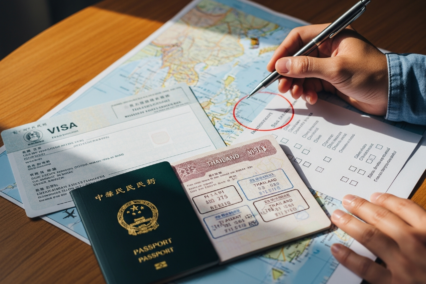
For international flights, airlines must verify your passport and any required visas, which can create longer lines at the check-in counter. Even if you check in online, you may still need to have your documents verified at the counter or the gate. Getting your boarding pass can sometimes only happen in person.

Depending on your destination, such as Canada or Ireland, you might also have to go through U.S. Preclearance, which is a customs and immigration inspection before you even leave the country. Considering the time of day and the complexity of international travel, the three-hour rule provides a necessary buffer.

Factors That Impact Your Ideal Airport Arrival Time

The two- and three-hour rules are just starting points. Several factors can influence the actual amount of time you’ll need at the airport. Building in a proper buffer based on your personal travel plans is key to having peace of mind and avoiding a stressful race to your departure time.

Things like airline baggage deadlines, unpredictable waits at the security line, and even the size of the airport can add significant time to your journey. Understanding these variables allows you to create a more realistic and personalized travel timeline. Let’s look at some of these key factors.

Airline Check-In and Baggage Drop Deadlines

Airlines have strict cutoff times for both check-in and dropping off baggage. If you miss these deadlines, you could be denied boarding, even if you arrive before the flight time. Most airlines require you to be checked in at least 30-45 minutes before a domestic flight and 60 minutes before an international one.

The deadline for checking baggage is often the most critical. You generally cannot check a bag later than 45-60 minutes before your domestic flight. For international travel, this can be even earlier. Failing to meet this cutoff means your luggage won’t make it onto the plane.

These deadlines are non-negotiable, so it’s essential to factor them into your arrival plan. Pre-paying for your baggage when you check-in online for your boarding pass can help speed up the process at the airport counter, but you still need to allow enough time to wait in line and drop them off.

Task Domestic Flights International Flights
Check-In Cutoff 30-45 minutes before departure 60-90 minutes before departure
Baggage Drop Cutoff 45-60 minutes before departure 60-90 minutes before departure

Security Screening Wait Times

The security line is often the biggest variable when planning your trip to the airport. The amount of time you spend waiting for the Transportation Security Administration (TSA) can range from a few minutes to over an hour, depending on several factors.

The time of day you fly has a huge impact. Lines are typically longest during peak morning hours when many business travelers are flying. Holiday periods and weekends also see a major surge in travelers, leading to much longer waits than on a typical weekday. Bad weather can also cause backups as flights get delayed and travelers accumulate at the airport entrance.

To get a better idea of what to expect, you can use the MyTSA app, which provides real-time security line wait times for airports across the country. Key factors influencing wait times include:

  • Time of Day: Early mornings (6-8 a.m.) are often the busiest.
  • Travel Season: Holidays like Thanksgiving and summer vacation periods see major increases in traffic.
  • Airport Size: Major hubs naturally have longer lines than smaller, regional airports.

Use of TSA PreCheck and CLEAR

Yes, programs like TSA PreCheck and CLEAR can absolutely allow you to arrive at the airport later. These trusted traveler programs are designed to expedite your journey through the security line. While they don’t guarantee you can show up minutes before your flight, they make your wait time much more predictable.

TSA PreCheck provides access to a dedicated security line where you don’t have to remove your shoes, laptops, or liquids. This makes the screening process much faster, with most members waiting less than 10 minutes. A CLEAR membership uses biometrics like your fingerprints or eyes to verify your identity, allowing you to bypass the ID check portion of the line completely.

Using these services reduces both the average wait time and the variance in that time, which is just as important. Knowing your security wait will likely be short removes a major point of stress and uncertainty. These perks can easily be worth the cost if you fly frequently.

  • TSA PreCheck: Expedited screening with a dedicated line.
  • CLEAR: Uses biometrics to skip the manual ID check.
  • Combined Use: Using both can make the security process incredibly fast.

Special Considerations for Peak Travel Periods

The standard arrival guidelines often don’t apply during peak travel periods. When flying during a major holiday or the busy summer season, you should plan to add extra time to your airport schedule. A busy airport becomes even more congested during these times, leading to longer lines everywhere.

From the roads leading to the airport to the check-in counters, baggage drop, and security, every step of the process will take longer. The time of day also matters, with airports being particularly crowded on Fridays and weekends during these peak travel windows. Let’s examine how to adjust your plans for these specific situations.

Holidays and Busy Seasons

Yes, you should absolutely plan to arrive earlier during holidays and peak travel seasons. Times like Thanksgiving, Christmas, and spring break see a massive influx of travelers, many of whom are families or infrequent flyers. This can slow down every process at the airport, from check-in to the security screening.

During these periods, it’s wise to add at least an extra 30 minutes to your planned arrival time, if not more. A busy airport during a holiday means that even with programs like TSA PreCheck, you can expect longer waits than usual. It’s better to have a lot of time to spare than to risk missing your flight due to unforeseen congestion.

Plan for longer waits at every step, from the moment you leave your house until you reach the gate. Key times to add a buffer include:

  • Major Holidays: Thanksgiving, Christmas, and the Fourth of July.
  • School Breaks: Spring break and summer vacation months.
  • Holiday Weekends: Any three-day weekend will see a spike in travel.

Airport Size—Regional vs. Major Hubs

The size of the airport you’re flying from plays a huge role in how early you need to arrive. A small regional airport does not require the same early arrival as a major hub. At a smaller airport, you can often get from the curb to your gate in a matter of minutes, as there are fewer terminals and shorter walking distances.

In contrast, major hubs like JFK in New York, Denver International Airport, or Seattle-Tacoma International Airport are massive. Just walking from the security checkpoint to your gate can take 15-20 minutes. Some large airports like Denver or Orlando require you to take a tram or train to get between terminals, which adds another step to your journey.

For the very busiest airports, consider adding 15-30 minutes to your baseline arrival time to account for these logistical challenges. Before you travel, look at an airport map online to get familiar with the layout and see how far you’ll have to travel to your gate.

  • Regional Airport: Shorter walks, fewer gates, and often faster security.
  • Major Hub: Long walks, multiple terminals, and potential need for trams (e.g., Denver, Seattle).
  • Planning Tip: Check the airport’s map online to estimate travel time to your gate.

Other Situational Variables to Consider

Beyond the big factors like airport size and travel season, several personal variables can affect your schedule. Your individual luggage needs, who you’re traveling with, and even your parking plans can add time to your airport journey. Your personal comfort level is also a factor; some people prefer having extra time for peace of mind.

Whether you need special assistance or are traveling with young children, these situations require building an additional buffer into your timeline. Thinking through these details before you leave home will help ensure a smooth and stress-free start to your trip.

Luggage Needs and Travel Companions

Your luggage situation is a major factor. If you’re traveling with only a carry-on, you can often bypass the check-in counter entirely and head straight to security. However, if you need to check baggage, you must budget time for waiting in line at the airline counter. This can add anywhere from 15 to 45 minutes to your airport process, especially during busy times.

Traveling with others also changes the dynamic. If you have a travel companion who is elderly, needs special assistance, or if you’re traveling with young children, you’ll want to add extra time. Navigating a busy airport is simply slower with a group or with individuals who move at a different pace.

Even if you have priority status from flying in business class or holding an elite travel credit card, checking luggage still adds a non-negotiable step. Plan accordingly from the moment you approach the airport entrance.

Drop-off and Parking Logistics

How you get to the airport can significantly impact your timeline. Getting a drop-off from a friend, taxi, or Uber right at the departures curb is typically the fastest option. However, if you plan to park your own car, you need to account for the extra time this will take.

Parking in a remote economy lot often requires waiting for and riding a shuttle bus to the terminal. You should check how frequently the shuttles run and add a buffer in case of delays. Even if you park in a garage connected to the airport, you still need to account for the time it takes to find a spot and walk with your luggage to the terminal entrance.

Returning a rental car is another step that requires a time buffer. At a busy airport, the rental car facility can be located far from the terminals, requiring another shuttle ride. Always add at least 15-30 minutes for parking or rental car returns.

  • Rideshare/Taxi: Generally the quickest drop-off option.
  • Airport Parking: Factor in shuttle wait/ride times from economy lots.
  • Rental Car Return: Budget extra time for the return process and shuttle to the terminal.

How Can Visiting Beautiful Gardens Enhance My Travel Experience Before Heading to the Airport?

Visiting beautiful gardens can transform your travel experience, offering serene moments and breathtaking views. Before heading to the airport, take the time to unwind, reflect, and enjoy nature’s beauty. To enhance your journey, make it a point to explore stunning gardens across the globe today.

Conclusion

In conclusion, knowing when to arrive at the airport can significantly enhance your travel experience. Adhering to recommended arrival times for both domestic and international flights helps ensure you navigate check-in, security, and other potential delays with ease. Factors such as peak travel periods, airport size, and your unique travel circumstances can further impact your ideal arrival time. By planning ahead, you can minimize stress and make the most of your journey. If you need personalized assistance or have further questions about your travel plans, don’t hesitate to reach out for a free consultation. Safe travels!

Frequently Asked Questions

What happens if I arrive at the airport later than the recommended time?

Arriving late puts you at risk of missing airline check-in or baggage drop deadlines, which could cause you to miss your flight. You might face long security lines with no buffer, leading to a stressful rush to the gate. For your own peace of mind, it’s always better to have extra time.

Where can I check my airline’s specific check-in deadlines?

The best place to find specific deadlines is directly on your airline’s website. You can also find this information in the confirmation email for your booking or within the airline’s mobile app. These resources will list the exact cutoff times for check-in and baggage drop for your specific flight.

Does familiarity with an airport allow a later arrival?

Yes, knowing an airport’s layout can help you navigate more efficiently and may increase your comfort level with arriving a bit later. However, you can’t predict unexpected delays at security or check-in. It’s always wise to build in a time buffer, even at an airport you know well.

Key Highlights

Deciding between an all-wheel drive (AWD) and a four-wheel drive (4WD) system can be confusing. Here are the key takeaways to help you understand the difference:

  • AWD is designed for on-road use, providing extra traction in bad weather like rain and snow.
  • 4WD is engineered for off-road capability and extreme driving conditions.
  • Most AWD systems work automatically without any driver input.
  • 4WD systems typically require you to manually engage them.
  • AWD generally offers better fuel economy compared to a 4WD system.
  • You will commonly find 4WD on trucks and larger SUVs built for rugged use.

Understanding the Differences Between 4WD and AWD

When shopping for a new vehicle, you might see the terms all-wheel drive (AWD) and four-wheel drive (4WD) used, but are they the same thing? Although both systems power all four wheels, they are not interchangeable and have important distinctions. The main difference lies in their intended use and how they operate.

Generally, AWD is a popular choice for cars and crossovers that primarily travel on paved roads, offering added security in poor road conditions. In contrast, 4WD is a more robust wheel drive system found on pickup trucks and large SUVs designed for off-roading and tough jobs. Understanding what you need your vehicle to do will help you choose the right system.

What Is All-Wheel Drive (AWD)?

All-wheel drive, or AWD, is a drivetrain system primarily engineered for on-road performance and safety. It automatically sends power to all four wheels to enhance traction when needed, giving you more confidence in slippery conditions like rain or light snow. Unlike 4WD, AWD is always on or engages automatically, so you don’t have to do anything to activate it.

How does it work? AWD vehicles use a series of sensors to monitor for wheel slip. When the system detects a loss of traction in one or more wheels, it uses a center differential to divert engine power to the wheels that have the most grip. This process happens seamlessly and instantly, providing better stability without any driver intervention.

There are two main types of AWD systems: full-time and part-time. Full-time systems constantly power all four wheels, while part-time systems primarily run in two-wheel drive for better fuel efficiency and only engage all four wheels when the sensors detect a need for more traction.

What Is Four-Wheel Drive (4WD)?

Four-wheel drive, also known as 4WD or 4×4, is a more rugged system designed for conquering challenging off-road terrain. You’ll typically find 4WD on vehicles built for toughness and adventure, such as the Jeep Wrangler or Ram pickup trucks. It’s engineered for maximum traction on surfaces like mud, rocks, and steep inclines.

Unlike an automated AWD system, a traditional 4WD system requires you to manually engage it. This is done using a button, dial, or lever inside the cabin. When you activate 4WD, a component called a transfer case locks the front and rear axle together. This forces the front and rear wheels to rotate at the same speed, providing the brute force needed to navigate extreme conditions.

Because this system locks the wheels together, it’s not meant for use on dry pavement. Doing so can cause stress and damage to the drivetrain components, as the wheels can’t turn at different speeds when cornering. It is best reserved for loose or slippery surfaces where that extra grip is essential.

Key Distinctions Between AWD and 4WD Systems

While both systems provide power to all four wheels, their design and purpose create several key distinctions. The primary difference is that AWD is an automated system for on-road traction, whereas four-wheel drive is a more robust, manually engaged system for off-road use. Think of AWD as providing all-weather peace of mind and 4WD as providing all-terrain capability.

Understanding these differences is crucial when choosing a vehicle. AWD is about convenience and safety on paved roads, while 4WD is about control and capability in extreme environments. Your driving habits and needs will determine which wheel drive system is the right fit for you.

Here are the main differences at a glance:

  • Operation: AWD is usually automatic and seamless, while 4WD requires driver input to engage.
  • Intended Use: AWD is for on-road conditions and foul weather; 4WD is for off-roading and extreme situations.
  • Pavement Driving: AWD can be used on any surface, but 4WD should not be used on dry pavement.
  • Capability: 4WD systems are more rugged and offer greater traction in severe off-road conditions.

How AWD Systems Work

An AWD system is designed for intelligent, automatic operation. It uses a complex network of sensors and computers to monitor driving conditions in real time. The main goal is to send engine power to the set of wheels that can use it most effectively, ensuring optimal traction and stability without any action from the driver.

This is typically achieved through a center differential, which allows power to be split between the front and rear axles. Depending on the specific awd system, it can be either a full-time awd or part-time awd setup. Let’s look at how these two types differ.

Full-Time vs. Part-Time AWD Explained

Not all AWD systems are created equal, and the main variation is between full-time and part-time setups. A full-time AWD system, like Subaru’s Symmetrical All-Wheel Drive, constantly sends engine power to both the front and rear axles. The system can still vary the amount of power between the axles based on data from its sensors, but all four wheels are always engaged.

On the other hand, a part-time AWD system operates as a two-wheel-drive vehicle (usually front-wheel drive) under normal conditions to maximize fuel efficiency. When its sensors detect wheel slippage, it automatically diverts power to the other axle to provide extra traction. This all happens seamlessly without any driver input.

Here’s a simple breakdown:

  • Full-Time AWD: Power is always sent to all four wheels.
  • Part-Time AWD: Primarily drives two wheels and engages all four only when needed.
  • Driver Action: Both systems operate automatically without requiring the driver to do anything.

AWD Technology and Traction Capabilities

The technology behind AWD vehicles is what makes them so effective and user-friendly. At its core, the system relies on sensors that constantly monitor factors like wheel speed, throttle position, and steering angle. When these sensors detect that the front wheels (or rear wheels) are starting to slip, a computer signals the center differential to redirect power to the axle with more grip. This rapid transfer of torque helps maintain traction and control.

This ability to shift power is what makes AWD so beneficial on slick roads. Instead of one set of wheels spinning uselessly on ice or in rain, the system ensures that the power goes to the wheels that can actually move the vehicle forward. This provides a significant advantage in stability and safety over a standard two-wheel-drive car.

Some more advanced AWD systems also feature torque vectoring. This technology can distribute power not just between the front and rear axles but also between the individual left and right wheels. This further enhances grip, especially when cornering on dry pavement or navigating slippery surfaces, by slowing the inner wheel and speeding up the outer wheel.

How 4WD Systems Work

A four-wheel drive system is mechanically straightforward yet incredibly effective for off-road challenges. Unlike the automated nature of AWD, a 4WD system is typically engaged by the driver. When you switch into 4WD, a transfer case physically locks the front and rear axle together, ensuring they both receive equal engine power and turn at the same speed.

This locked connection is what provides the exceptional traction needed for difficult road conditions. However, it’s also why 4WD shouldn’t be used on dry pavement, where the wheels need to rotate at different speeds during turns. The system includes different gear settings to handle various levels of difficulty, which we’ll explore next.

Types of 4WD (Part-Time, Full-Time, Automatic)

Just like AWD, 4WD comes in a few different configurations, each offering a unique balance of capability and convenience. The most common is part-time 4WD, where you manually switch between 2WD for regular driving and 4WD for off-road or slippery conditions. This is the traditional, rugged setup found on many trucks and SUVs.

Full-time 4WD, while less common, constantly powers all four wheels but is built with a center differential that allows it to be used on all surfaces, including dry pavement. It’s designed for heavy-duty use and often includes the same low-range gearing as part-time systems. Finally, automatic 4WD functions much like an AWD system for on-road driving but gives the driver the option to manually lock the transfer case into a 4-Lo setting for extreme off-roading.

4WD Type How It Works Best Use Case
Part-Time 4WD Driver manually engages 4WD. Operates in 2WD for normal driving. Serious off-roading, deep snow, mud.
Full-Time 4WD Always powers all four wheels. Can be used on any surface. Heavy-duty use, varied tough terrain.
Automatic 4WD Operates like AWD on-road but offers a manual low-range gear for off-roading. Drivers wanting both convenience and capability.

Gear Settings and Switching Modes in 4WD Vehicles

One of the defining features of a 4WD vehicle is the driver input required to select different gear settings. These modes allow you to tailor the vehicle’s performance to the terrain you’re facing. The options are usually controlled by a lever, dial, or button on the center console, giving you direct control over the transfer case.

Understanding these settings is key to getting the most out of your 4WD system. Engaging the wrong mode at the wrong time can be ineffective or even damage the vehicle. For example, the highest gear is for normal driving, while the lowest gear provides maximum torque for extreme conditions like crawling over rocks or pulling through deep mud.

Most 4WD vehicles offer the following modes:

  • 2-Hi (Two-Wheel Drive High): The default mode for everyday driving on dry pavement. Power goes only to the rear wheels.
  • 4-Hi (Four-Wheel Drive High): Locks the front and rear axles for use on slippery surfaces like snow, ice, or gravel at normal speeds.
  • 4-Lo (Four-Wheel Drive Low): Provides maximum torque at low speeds for the most extreme conditions. You typically need to stop the vehicle to engage this gear.

Pros and Cons of AWD and 4WD

Choosing between AWD and 4WD involves weighing their respective advantages and disadvantages. Neither system is universally “better”—the right choice depends entirely on your lifestyle, where you live, and what you expect from your vehicle. The decision often comes down to a trade-off between on-road convenience and off-road capability.

You’ll need to consider factors like fuel efficiency, initial cost, and the types of driving conditions you face regularly. An AWD system offers seamless traction for everyday challenges, while a 4WD system provides the rugged performance needed for serious adventures. Let’s break down the specific pros and cons of each.

Advantages and Disadvantages of AWD

AWD systems are a popular choice for many drivers due to their blend of safety and convenience. Their biggest advantage is the automatic operation, which provides enhanced traction on slippery roads without requiring you to do a thing. This offers peace of mind when driving in rain or light snow.

Because AWD systems are generally lighter and only engage all four wheels when necessary (in part-time systems), they have less impact on fuel economy compared to 4WD systems. This versatility makes them an excellent option for drivers who stick to paved roads but want extra grip for bad weather. However, AWD systems do have their downsides. They are more expensive than standard two-wheel-drive systems and are not designed for serious off-roading.

Here’s a summary of AWD’s pros and cons:

  • Advantage: Seamless, automatic traction on slippery roads.
  • Advantage: Better fuel economy than 4WD.
  • Advantage: High versatility for use on dry pavement and in bad weather.
  • Disadvantage: Not engineered for extreme off-road conditions.

Advantages and Disadvantages of 4WD

When it comes to raw capability, 4WD systems are hard to beat. Their primary advantage is superior performance in off-roading situations. The ability to lock the axles and engage low-range gearing gives 4WD vehicles the power to tackle mud, rocks, and steep hills. Many 4WD vehicles also offer higher ground clearance, which is critical for clearing obstacles.

This robust design also makes 4WD vehicles excellent for towing heavy loads. The added weight and locked drivetrain provide the stability and traction needed for pulling large trailers. On the flip side, these heavy-duty components lead to significantly lower fuel efficiency. The system’s inability to be used on dry pavement also makes it less convenient for everyday driving, and the added weight can increase stopping distances.

Consider these pros and cons for 4WD:

  • Advantage: Unmatched off-roading and performance in extreme conditions.
  • Advantage: Higher towing capacity than most AWD vehicles.
  • Disadvantage: Poor fuel economy due to extra weight and mechanical drag.
  • Disadvantage: Should not be engaged on dry pavement.

How Does Choosing the Right Vehicle Affect Your Travel Experience in Paris in November?

Choosing the right vehicle significantly enhances your travel experience in Paris in November. Whether it’s a cozy car, a chic scooter, or public transport, each option offers unique advantages. For the best adventure, consider incorporating “exploring paris in november tips” to navigate the city’s charming streets while avoiding the cold.

Performance in Various Driving Conditions

How do these systems actually perform when the rubber meets the road—or the mud, or the snow? The effectiveness of AWD and 4WD varies greatly depending on the specific driving conditions. Both are designed to improve grip, but their different technologies make them better suited for different challenges.

From slippery conditions caused by rain and ice to the demands of deep snow or unpaved trails, each system has its moment to shine. We’ll compare how AWD and 4WD handle different scenarios to help you understand which one aligns with the road conditions you encounter most often.

Which Performs Better in Snow, Ice, and Rain?

For most drivers dealing with winter weather on paved roads, AWD is the more practical and convenient choice. In rain, light snow, or on icy, plowed streets, AWD vehicles automatically provide the extra traction needed to accelerate safely and maintain stability. The system works seamlessly to prevent wheel spin, giving you confidence in slippery conditions without any hassle.

However, if you frequently face deep, unplowed snow, a 4WD system has the edge. Engaging 4-Hi or 4-Lo provides the brute force required to power through heavy snowdrifts where an AWD system might struggle. That said, it’s crucial to remember that neither system helps you stop faster—that’s where good winter tires are essential.

Here’s how they stack up in wintry weather:

  • AWD offers excellent, automatic traction for most on-road winter conditions.
  • 4WD provides superior power for driving in deep, unplowed snow.
  • Both systems are most effective when paired with appropriate winter or snow tires.
  • For everyday rain and sleet, AWD is generally the more practical option.

Off-Roading: 4WD vs. AWD Capabilities

When you leave the pavement behind, the difference between 4WD and AWD becomes crystal clear. For serious off-roading—think rock crawling, deep mud, or steep, uneven trails—4WD is undeniably the superior choice. Vehicles like the Jeep Wrangler are built with high ground clearance, rugged suspension, and a 4WD system with low-range gearing specifically for these challenges.

In contrast, AWD systems are designed for light off-roading at best. An AWD vehicle like a Subaru Outback can confidently handle a gravel road or a dirt path to a campsite, but it lacks the robust hardware and ground clearance for more demanding terrain. Pushing an AWD vehicle too hard off-road can lead to overheating and damage.

Here’s a quick comparison for off-roading:

  • 4WD: Ideal for rock crawling, mud, sand, and steep inclines.
  • AWD: Suitable for gravel roads, dirt trails, and light snow.
  • Ground Clearance: 4WD vehicles typically offer more ground clearance, which is crucial for clearing obstacles.
  • Durability: 4WD systems are built to withstand the stresses of extreme off-roading.

Frequently Asked Questions

Are AWD and 4WD Found Only in SUVs and Trucks?

No, they are not. While 4WD is almost exclusively found on trucks and truck-based SUVs, AWD is a popular choice across a wide range of vehicles. You can find AWD on everything from sedans and hatchbacks to minivans and crossovers, making it a versatile option for drivers who want extra traction without buying an SUV.

Can You Switch Between AWD and 4WD While Driving?

You cannot switch between AWD and 4WD because they are distinct systems installed on different vehicles. AWD systems are typically automatic and don’t require driver input. On a 4WD vehicle, you can often shift from 2WD to 4-Hi while driving at moderate speeds, but you must come to a complete stop to engage the 4-Lo gear.

What is the main difference between 4WD and AWD systems?

The main difference is their intended purpose and operation. AWD is an automated system designed for on-road traction that intelligently sends power to the set of wheels with the most grip. 4WD is a more rugged, driver-engaged system designed for off-road use that locks the front and rear axles together for maximum traction.

Is maintenance more expensive for AWD or 4WD vehicles?

Both systems typically have higher maintenance costs than two-wheel-drive vehicles due to their added complexity. 4WD systems, with their heavy-duty components like a transfer case and locking differential, can be more expensive to repair, especially if they are used for intense off-roading. Regular service, like that offered by Mopar for Chrysler, Jeep, and Ram vehicles, is key.

If you’ve ever found yourself lost in a novel filled with ancient libraries, whispered secrets, and rain-streaked cobblestone streets, you’ve likely visited the world of dark academia. It’s an aesthetic built on a love for learning, a touch of melodrama, and a moody, gothic atmosphere. While many places might echo this vibe, one city lives and breathes it: Edinburgh, Scotland.

Edinburgh is the most searched location for the dark academia aesthetic, and it’s easy to see why. From its dramatic weather to its stone-carved architecture, the city feels less like a travel destination and more like the main character in a scholarly novel. It’s a place where history lingers in the air, every alleyway seems to hold a story, and the pursuit of knowledge is woven into the very fabric of the city.

This guide will show you why Edinburgh is the ultimate dark academia destination. We’ll explore the city’s key locations, from its historic university to its candlelit pubs, and show you how to experience its unique, literary magic for yourself.

Why Edinburgh Owns the Dark Academia Aesthetic

The first thing that strikes you about Edinburgh is its mood. The city’s weather—often misty, rainy, and topped with dramatic, sweeping skies—sets a perfect backdrop for the dark academia aesthetic. The soft grey light filters through ancient stone buildings, creating a timeless and contemplative atmosphere.

This isn’t a city of bright, constant sunshine; it’s a place of shadows and shifting light, where a sudden burst of sun can make the old stone glow. The constant presence of the elements encourages you to seek refuge indoors, whether in a cozy, book-lined coffee shop or a centuries-old pub with a crackling fire. This natural setting creates a sense of introspection and romance that is central to the dark academia experience.

Architecture Straight from a Novel

Walking through Edinburgh is like stepping onto a film set. The city’s architecture is a stunning blend of Gothic spires and neoclassical grandeur, creating a visual feast for anyone with an appreciation for history and design.

The Old Town is a maze of narrow, winding alleys, known as closes, that peel off from the historic Royal Mile. These stone-paved passages lead to hidden courtyards and ancient buildings, each with its own story. As you explore, you’ll feel the weight of centuries around you. The imposing Edinburgh Castle, perched atop an extinct volcano, looms over the city, adding to the dramatic and slightly imposing feel. This historic environment makes everyday activities, like walking to a café, feel like part of a larger, more mysterious narrative.

A Legacy of Literary Giants

Edinburgh is a UNESCO City of Literature for a reason. Its streets have inspired countless writers, from Sir Walter Scott and Robert Louis Stevenson to modern icons like J.K. Rowling, who famously penned parts of the Harry Potter series in the city’s cafés. This deep connection to the written word makes Edinburgh a paradise for scholars and book lovers.

You can feel this literary spirit everywhere. The city is home to The Writers’ Museum, dedicated to the lives of Scotland’s greatest literary figures. Second-hand bookshops are tucked away in quiet corners, their shelves overflowing with treasures waiting to be discovered. The intellectual energy of the city is palpable, making it the perfect place to lose yourself in a good book or even start writing one of your own.

Key Spots for the Aspiring Scholar

To fully immerse yourself in Edinburgh’s dark academia vibe, certain locations are essential stops on your itinerary.

The University of Edinburgh

Founded in 1583, the University of Edinburgh is the heart of the city’s intellectual life. Its Old College, with its grand dome and sprawling quadrangle, is a masterpiece of neoclassical design. Walking through its halls, you can almost hear the echoes of past students and professors. The university’s libraries, such as the Playfair Library, are sanctuaries of knowledge, with soaring ceilings and rows upon rows of historic books.

Greyfriars Kirkyard

This historic cemetery is more than just a burial ground; it’s a place of haunting beauty and profound history. With its weathered tombstones, ancient trees, and ivy-covered walls, Greyfriars Kirkyard is the epitome of gothic romance. It’s a quiet, atmospheric spot perfect for a contemplative walk, and its connection to the story of Greyfriars Bobby—a loyal dog who guarded his owner’s grave for 14 years—adds a layer of poignant history.

The Royal Mile and its Hidden Closes

The Royal Mile is the main thoroughfare of the Old Town, connecting Edinburgh Castle to the Palace of Holyroodhouse. While the main street is bustling, the real magic lies in its closes. These narrow alleyways, some no wider than a person, offer glimpses into the city’s past. Exploring them feels like uncovering secrets, and you’ll find hidden gardens, quiet courtyards, and some of the city’s oldest pubs.

How Does Edinburgh’s Landscape Contribute to Its Dark Academia Aesthetic Compared to Volcanic Landscapes?

Edinburgh’s landscape, with its historic architecture and misty hills, embodies a moody elegance that enhances its dark academia aesthetic. In contrast, stunning volcanoes and landscapes offer a dramatic, fiery backdrop that speaks to raw nature’s power. While both are breathtaking, Edinburgh’s charm lies in its gothic allure and intellectual atmosphere.

Live the Dark Academia Lifestyle

Beyond its landmarks, Edinburgh’s cultural vibe completes the aesthetic. It’s a city of cozy, candlelit pubs where you can debate philosophy over a pint. It’s a place where independent coffee shops invite you to spend an afternoon reading, and where wearing a tweed jacket feels perfectly natural.

The city’s residents embrace a slower, more thoughtful way of life. Second-hand and vintage shops are popular, encouraging a sustainable and timeless sense of style. The many museums and galleries provide endless opportunities for intellectual and artistic enrichment. In Edinburgh, dark academia is not just an aesthetic—it’s a way of life.

Bring the Mood Home

Edinburgh’s dark academia spirit is undeniable. It’s a city that invites you to slow down, to think, and to lose yourself in its historic beauty. Whether you’re planning a trip to its misty streets or simply looking to bring a touch of its moody elegance into your own life, the city offers endless inspiration.

Embrace the aesthetic by visiting your local library, starting a book club, or simply taking the time to enjoy a quiet cup of coffee with a classic novel. Edinburgh teaches us that there is beauty in shadows, wisdom in history, and magic in the pursuit of knowledge.

Key Highlights

Here’s a quick look at what you need to know before your trip to Canada:

  • Most visitors need a valid passport to meet Canada’s entry requirements.
  • Depending on your nationality, you will need either a visitor visa or an Electronic Travel Authorization (eTA).
  • U.S. citizens have specific travel document rules, though they don’t need a passport for land or sea crossings.
  • Children and families require extra documentation, like birth certificates and consent letters.
  • The visa application process can take time, so always check with the Government of Canada and apply for your travel authorization early.
  • Canadian authorities at the border have the final say on entry.

Introduction

Planning a trip to see Canada’s stunning landscapes and vibrant cities? That’s exciting! But before you finalize your travel plans, it’s crucial to understand the country’s entry requirements. Ensuring you have the correct travel document is the first step to a smooth and stress-free journey. This guide will walk you through everything you need to know, from passports and visas to what to expect at the border, so you can arrive prepared and ready to explore.

Overview of Canada’s Entry Requirements

The Canadian government has specific entry requirements in place to ensure the safety and security of the country. Every traveler who is not a Canadian citizen must meet these criteria to be allowed into Canada. This means having the right travel authorization and identification.

Your nationality, the reason for your visit, and how you plan to enter the country all influence which rules apply to you. Let’s look at who needs to meet these requirements and how they can differ.

Who Needs to Meet Entry Criteria

Every person who is not a Canadian citizen must meet the country’s entry requirements, regardless of their age or reason for visiting. When you arrive at a Canadian port of entry—whether it’s an airport, a land border, or a seaport—a border services officer will greet you. They will check your travel document and ask a few questions to ensure you are eligible to enter.

To be considered, you must have a valid passport from your country of origin and, if required, a visa or an Electronic Travel Authorization (eTA). You also need to be in good health and convince the officer that you have ties to your home country that will ensure you leave Canada at the end of your visit.

Wondering how to check the specific entry requirements for your nationality? The most reliable source of information is the official Government of Canada website. It offers detailed guides based on your country of citizenship, helping you determine exactly what you need.

How Entry Requirements Differ by Visitor Type

Canada’s entry rules are not one-size-fits-all; they vary based on the purpose of your trip. Whether you’re coming as a tourist, a student, or a temporary worker, the documents you need will be different. For example, the visa application process for a work permit is much more involved than applying for a tourist visa.

Do you need a visa or an eTA to visit Canada from your country? This is one of the most common questions. The answer depends entirely on your citizenship. Citizens of certain countries are visa-exempt, meaning they only need an eTA for air travel. Others must apply for a Temporary Resident Visa (TRV) before their trip.

Here’s a general breakdown of visitor types and their typical requirements:

  • Tourists: Usually need a valid passport and either a tourist visa (TRV) or an eTA.
  • Temporary Workers: Require a valid work permit in addition to a passport and visa/eTA.
  • Students: Must have a study permit, a passport, and the necessary travel authorization.

Essential Travel Documents for Entry

Having the correct paperwork is non-negotiable for entering Canada. The primary travel document you’ll need is a valid passport. Canadian authorities are strict about travel document requirements, and airlines will not let you board your flight without the proper credentials.

Beyond your passport, you may also need other forms of identification or supporting documents, especially in specific situations like traveling with children or for work. We’ll explore the guidelines for your passport and what other papers you should have ready.

Valid Passport Guidelines

For most international visitors, a valid passport from your country of origin is the most critical document for entering Canada. What documents do I need to enter Canada as a tourist? At a minimum, you will need your passport. Ensure it is not expired and will remain valid for the duration of your stay.

Some countries require that your passport be valid for at least six months beyond your planned departure date, so it’s a good practice to check this rule before you travel. Your passport must also be in good condition. A passport that is damaged beyond normal wear and tear may not be accepted, and you could be denied boarding or entry.

Remember that dual citizens who are Canadian must use their Canadian passport to enter Canada. For other travelers, your passport is the key to getting your travel authorization, whether it’s a visa or an eTA.

Additional Identification and Supporting Documents

So, what else should you prepare before arriving in Canada as a visitor? Besides your passport and visa/eTA, a border services officer may ask for other documents to support your application for entry. It’s wise to have these papers organized and easily accessible in your carry-on luggage.

These documents help verify the purpose of your visit and your intention to leave at the end of your stay. For instance, proof of sufficient funds shows you can support yourself financially, while a return ticket confirms your travel plans. Good preparation can make your arrival much smoother. Under the guidance of Immigration, Refugees and Citizenship Canada, officers may request:

  • A birth certificate, especially for minors.
  • Proof of citizenship, although your passport generally covers this.
  • A letter of invitation if you are visiting friends or family.
  • Proof of health insurance to cover any medical emergencies.
  • Evidence of sufficient funds, such as bank statements.

Visa and eTA Requirements Explained

Understanding whether you need a visa or an Electronic Travel Authorization (eTA) is a key part of meeting Canada’s entry requirements. An eTA is for visa-exempt foreign nationals traveling to Canada by air, while a visa is required for citizens of other countries.

The visa application process is more detailed and takes longer than applying for an eTA, which is usually approved within minutes. The only place to apply for an official eTA is the Government of Canada’s official website. Let’s clarify which one you might need.

Do You Need a Visa or an eTA?

To answer the question, “Do I need a visa or an eTA to visit Canada from my country?” you must first determine your country of origin’s status. Canada has a list of visa-exempt countries whose citizens do not need a visa for short stays. If you are from one of these countries and arriving by air, you will need an eTA. An eTA is an electronic travel authorization linked to your passport.

If your country is not on the visa-exempt list, you must go through the visa application process to obtain a Temporary Resident Visa (TRV), also known as a visitor visa. This involves submitting an application with detailed information and supporting documents.

This table gives a general idea of who needs which authorization:

Traveler’s Country of Origin Travel Authorization Required (for air travel)
Visa-exempt country (e.g., Australia, France, Japan, UK) Electronic Travel Authorization (eTA)
Non-visa-exempt country (e.g., India, China, Philippines) Temporary Resident Visa (TRV)
United States Citizen Neither (proof of citizenship required)
U.S. Lawful Permanent Resident (Green Card Holder) eTA is not required; must carry Green Card and passport

Application Processes and Approved Countries

The application process for an eTA is simple and done online. You’ll need your passport, a credit card, and an email address. The application only takes a few minutes, and most applicants get approved quickly. You should only use the official Government of Canada website to apply.

In contrast, the visa application process is more extensive. You may need to provide biometric information (fingerprints and a photo), financial statements, and a detailed itinerary. The processing time for a visa can vary from weeks to months, so it is essential to apply well in advance of your travel date.

How can you check the entry requirements for Canada based on your nationality? The definitive tool is on the Immigration, Refugees and Citizenship Canada (IRCC) website. It has a simple questionnaire that asks for your nationality and tells you exactly which travel document you need and how to start the application process.

Entry Procedures at Canadian Airports

When you land at a Canadian airport, your first stop will be an interview with an officer from the Canada Border Services Agency (CBSA). This is the official port of entry where you will be formally admitted into the country. The CBSA is responsible for border protection and ensuring all travelers meet Canada’s entry laws.

Have your passport and travel authorization ready to present to the officer. They will verify your identity and documents and may ask about your travel plans. Here’s what you can expect during the arrival and customs process.

Arrival Process and Border Clearance

Yes, there are specific entry requirements for travelers arriving in Canada by air. Before boarding your flight, your airline will verify that you have the proper travel documents, including a valid passport and either a visa or an eTA if required. Without these, you will not be allowed to travel.

Upon arrival, you’ll proceed to the primary inspection area. Here, a border officer will review your documents. The Government of Canada authorizes these officers to ask questions about the purpose of your visit, how long you plan to stay, and your financial stability. Answer their questions truthfully and concisely.

After this initial check, you will be directed to collect your baggage and proceed to customs. Remember, all travelers must comply with Canadian law, and the final decision to permit entry rests with the border services officer. Be prepared for all border crossings by having your papers in order.

Special Customs and Security Checks

Beyond the initial immigration check, you must also clear customs. This is where you declare any goods you are bringing into the country. What should you prepare before arriving in Canada as a visitor? Have a list of any items you need to declare, such as gifts, alcohol, or tobacco products. Canada has strict rules about what can and cannot be brought in.

In some cases, you may be referred for a secondary inspection. This is a more detailed examination and is a normal part of border protection. Officers may inspect your luggage or ask more in-depth questions about your trip. This can happen for various reasons, such as a random check or if you have a criminal record that might make you inadmissible.

To ensure you meet all entry requirements, it’s best to be honest and cooperative. Before you travel, check the CBSA website for information on restricted items and personal exemption limits to avoid any issues at customs.

Arriving in Canada by Land and Sea

While many visitors fly into Canada, thousands cross the land borders from the United States or arrive by sea on ferries and cruise ships every day. The entry requirements for these modes of travel are similar but have some key differences, especially for U.S. citizens.

Whether you’re driving across a bridge or sailing into a harbor, you will still need to present valid identification and meet all entry requirements. Even Canadians returning home must have their Canadian passport or other acceptable proof of citizenship ready. Let’s look at the specifics for these crossings.

Documentation for Land Crossings

Are the entry requirements different for travelers entering Canada by land? For most international travelers, the core requirements are the same: you need a valid passport and a visitor visa if your country requires one. However, the eTA requirement does not apply to land borders. An eTA is only for air travel.

For U.S. citizens, the rules are more flexible due to the Western Hemisphere Travel Initiative. While a passport is recommended, other documents are also accepted at land borders. Members of trusted traveler programs like NEXUS can also use their NEXUS card for expedited processing.

Here are some acceptable travel documents for U.S. citizens at land crossings:

  • U.S. Passport Book or Card
  • Enhanced Driver’s License (EDL)
  • NEXUS card
  • FAST card (for commercial drivers)
  • U.S. lawful permanent residents must present their Green Card and a valid passport.

Unique Entry Rules for Ferry or Cruise Travelers

Travelers arriving by sea, such as on a cruise ship or ferry, must also meet Canada’s entry requirements. The rules are very similar to those for arriving by air or land. You will need to present your travel documents to a CBSA officer when the vessel docks at a Canadian port.

Your travel document requirements will depend on the cruise itinerary. For “closed-loop” cruises that start and end in the same U.S. port, U.S. citizens may be able to use a government-issued photo ID and proof of citizenship, like a birth certificate. However, carrying a valid passport is always the safest option for any international travel, as it is the only universally accepted document.

Foreign nationals from visa-required countries must have a valid visitor visa, even if arriving by sea. Those from visa-exempt countries do not need an eTA for sea entry but still need their valid passport. Always check with your cruise line for specific documentation rules before you sail.

COVID-19 Entry Regulations

Public health measures related to COVID-19 have changed frequently over the past few years. While most travel restrictions have been lifted, it’s always a good idea to check for the latest updates before you travel. The Government of Canada prioritizes public health and can reintroduce measures if necessary.

Staying informed about any remaining health-related entry requirements is crucial for a smooth trip. This includes being aware of any vaccination, testing, or health declaration rules that might be in effect. Having comprehensive health insurance is also highly recommended.

Current Health and Vaccination Guidelines

What are the COVID-19 related entry requirements for Canada right now? As of the latest updates, the Government of Canada has removed all COVID-19 border restrictions, including proof of vaccination, pre-entry testing, and quarantine requirements for all travelers. This means you no longer need to provide proof of vaccination to enter Canada.

However, public health situations can change. It is your responsibility as a traveler to check the official Government of Canada and Public Health Agency of Canada websites for the most current information before your departure. Being in good health upon arrival is a general entry requirement, and officers can deny entry to anyone who appears ill.

While not mandatory, carrying records of your vaccination history can be useful. Also, ensure your standard travel document requirements are met, as these rules remain firmly in place regardless of the public health situation.

Pre-Arrival Testing and Health Declarations

Currently, pre-arrival testing for COVID-19 is no longer required for any travelers entering Canada, regardless of their vaccination status. This change simplifies the entry process significantly, removing a step that was once a major part of international travel planning.

Similarly, the requirement to submit public health information through the ArriveCAN app has also been lifted. You are no longer required to complete a health declaration before or upon arrival. This streamlines the entry requirements, making your arrival at the border faster and more straightforward.

Despite these changes, it’s important to remember that public health guidelines can be updated at any time. To get the most accurate answer to, “What are the COVID-19 related entry requirements for Canada right now?” always consult official Canadian government sources just before your trip. Having your standard travel authorization and passport in order remains the top priority.

Entry Requirements for U.S. Citizens

Citizens of the United States enjoy a streamlined entry process into Canada due to the close relationship between the two countries. The Canadian government has specific entry requirements for Americans that are less stringent than for many other foreign nationals. Border protection officers at land, air, and sea ports are well-versed in these rules.

U.S. lawful permanent residents (Green Card holders) also have specific rules, which differ slightly from those for U.S. citizens. Let’s review the acceptable documents and any restrictions for travelers from the United States.

Acceptable Documents for Americans

When traveling from the United States to Canada, U.S. citizens have several options for acceptable identification. While a valid U.S. passport is the most recommended document for all modes of travel, it is not always mandatory, especially for land or sea crossings.

For air travel, the rules are stricter. A U.S. citizen must present a valid passport book or a NEXUS card. For land and sea travel, other documents are accepted under the Western Hemisphere Travel Initiative. U.S. lawful permanent residents must travel with their Green Card and a valid passport from their country of citizenship.

Acceptable documents for U.S. citizens include:

  • U.S. Passport or Passport Card
  • NEXUS Card
  • Enhanced Driver’s License (EDL)
  • For children under 16, a U.S. birth certificate is sometimes accepted at land/sea ports.

Restrictions and Exemptions for U.S. Travelers

Are there any specific restrictions for travelers entering Canada from the United States? The main restrictions are the same as for any other traveler. You must be criminally admissible, be in good health, and satisfy the border officer that you will leave Canada at the end of your authorized stay.

One of the key exemptions for U.S. citizens is that they do not need a visa or an eTA to enter Canada. This simplifies their travel planning significantly. Another important exemption applies to U.S. lawful permanent residents (Green Card holders). They are also exempt from the eTA requirement when flying to Canada, though they must present their valid Green Card and passport.

Despite these exemptions, all travelers from the U.S. are still subject to full inspection by border protection officers. The final decision on entry always rests with the CBSA officer at the port of entry, who ensures all entry requirements are met.

Preparing for Your Trip to Canada

A little preparation goes a long way toward ensuring your travel plans go off without a hitch. Taking the time to double-check Canada’s entry requirements before you leave will give you peace of mind and help you avoid any unwelcome surprises at the border.

Beyond your essential documents, consider other practicalities like having sufficient funds and purchasing travel insurance. Here are a few final checklists to help you get ready for a fantastic and worry-free Canadian adventure.

Planning Ahead: Checklist Before You Leave

What should you prepare before arriving in Canada as a visitor? A pre-travel checklist is your best friend. Start by confirming all your travel document requirements well in advance. Remember that the processing time for a visa can be lengthy, so don’t leave it to the last minute.

Gather all your necessary papers and keep them in a safe, accessible place. This includes not just your passport but also any supporting documents like invitation letters, proof of accommodation, or a return ticket. Being organized will make your interaction with border officials much smoother.

Use this handy checklist before you go:

  • Check your passport’s expiry date.
  • Apply for a visa or eTA if required.
  • Print copies of important documents.
  • Confirm you have proof of sufficient funds for your stay.
  • Purchase travel and health insurance.
  • Review the list of restricted and prohibited goods.
  • If traveling with children, prepare their specific documents.

What Not to Bring: Restricted Items

Part of a visitor’s preparation involves knowing what you cannot bring into Canada. Canadian law is very clear about restricted items to protect its environment, economy, and the safety of its residents. Failing to declare certain goods at customs can lead to fines or seizure of the items.

Common restricted items include firearms, certain food and plant products, and large amounts of cash. You must declare any currency or monetary instruments valued at CAN$10,000 or more. The rules are in place to prevent the introduction of pests and diseases and to control the flow of dangerous goods.

To avoid issues, check the Canada Border Services Agency (CBSA) website before you pack. They provide a comprehensive list of what you can and cannot bring. Key categories of restricted items include:

  • Firearms and weapons
  • Food, plants, and animals
  • Cannabis (even if legal where you live)
  • Explosives and flammable materials

Entry Rules for Families and Children

Traveling with a family member, especially a minor, requires extra attention to detail. Canada has specific entry requirements designed to protect children. Every child, including infants, needs their own travel authorization and identification, such as a passport and, if necessary, a visa.

In addition to their own travel documents, you may need to carry a birth certificate and a letter of authorization, particularly if the child is traveling with only one parent or another adult. Let’s review the documents you’ll need to ensure your family’s entry is seamless.

Required Documents for Minors

Yes, children absolutely need special documents to enter Canada. Do not assume a child can travel on a parent’s passport; Canada requires every minor to have their own travel document, such as a passport. These identification documents are essential for verifying their identity and citizenship.

A border services officer will be extra vigilant when children are crossing the border to prevent abduction and trafficking. They may ask for additional proof of your relationship with the child. Carrying a copy of the child’s long-form birth certificate, which lists the parents’ names, is highly recommended.

In addition to a passport, here are some key documents you may need:

  • The child’s original birth certificate.
  • A valid visa or eTA, if applicable for their nationality.
  • Adoption papers or custody decrees, if relevant.
  • A letter of authorization for travel.

Permissions for Children Traveling Alone or With One Parent

When a child is traveling without both parents, Canadian authorities require proof that they have permission to do so. If a minor is traveling with only one parent, that parent should carry a letter of authorization from the non-traveling parent. This letter should be signed and dated and include contact information for the other parent.

This requirement is a critical part of Canada’s entry requirements to ensure child safety. The letter should state that the child has permission to travel to Canada with the accompanying adult. If you have sole custody, you should carry a copy of the custody order.

If a child is traveling alone or with adults who are not their legal guardians, they will need a similar letter of authorization signed by both parents or legal guardians. Being prepared with these permissions will prevent delays and complications in your travel plans and satisfy the questions of Canadian authorities.

What Are the Entry Requirements for Visiting Canada if I Want to Explore Tbilisi as Well?

To visit Canada and subsequently explore tbilisi’s rich culture, ensure you meet entry requirements such as a valid passport and, if necessary, an Electronic Travel Authorization (eTA) or visa. Additionally, be prepared for health regulations and provide proof of funds for your travel journey.

Conclusion

In summary, understanding Canada’s entry requirements is essential for a smooth travel experience. From knowing the necessary documents to navigating the visa and eTA processes, being well-prepared can make all the difference. Whether you’re arriving by air, land, or sea, familiarize yourself with the specific guidelines related to your travel type, including any COVID-19 regulations that may apply. Remember, preparation is key, especially when traveling with family or children. By taking the time to ensure you have everything you need, you can enjoy your trip to Canada without unnecessary stress. If you have more questions or need personalized assistance, feel free to reach out!

Frequently Asked Questions

How can I check the entry requirements for my nationality?

The best way to check the entry requirements for your nationality is to visit the official Immigration, Refugees and Citizenship Canada (IRCC) website. The Government of Canada provides an online tool where you can enter your country of origin to see if you need a visa or an eTA.

Are there official sources for Canada’s border updates?

Yes, the most reliable sources are official Canadian government websites. For the latest border rules and procedures, consult the Canada Border Services Agency (CBSA) official website. For information on visas and immigration policies, the Immigration, Refugees and Citizenship Canada (IRCC) website is the primary source.

Are Canadian entry requirements different for air and land crossings?

Yes, there is a key difference. The Electronic Travel Authorization (eTA) is only required for visa-exempt travelers arriving by air. If you are entering at land borders or a sea port of entry, you do not need an eTA, but you must still meet all other entry requirements, including having a valid passport.

What is a timeshare? Lots of us have heard about this form of shared property ownership, but it’s not always clear what exactly it means. At Remitly, we are all about sharing knowledge and exploring the world, so let’s talk about what a timeshare actually is. 

Basically, a timeshare is a way to own a share of a vacation property at a lower cost. In this guide, we’re going to explain fully what timeshares are, how they work, the costs involved, and what to consider before making a timeshare purchase decision. We’ll give you everything you need in plain language so you can buy with confidence.

What is a timeshare?

A timeshare is not a type of house, but a type of homeownership. It’s when multiple people buy a property together and agree to use it for specific time periods each year. 

Timeshares are most often associated with resort ownership, but in reality, a timeshare can be almost any kind of apartment or house.

Every timeshare agreement is a little bit different. One common arrangement is for everyone who owns a stake in the property to get to use it for one week per year. That means 52 people could own the place, and as you can imagine, that makes buying it a lot cheaper than it would be to buy it yourself.

Often, with timeshares, you’re not necessarily buying the property itself, but are simply buying the right to use it. That means you might not get any share in the value of the property if it is sold.

Ultimately, it all depends on the specific arrangement you make with the other owners. That’s why it’s so important to be clear on the exact terms of any agreement you sign.

How timeshare ownership works

The goal of a timeshare is to fairly share the property among the owners, and also share the costs. Although every agreement is different, most timeshare agreements follow a similar pattern. 

Fixed week timeshares

A fixed week arrangement gives you the right to the property during the same week every year. For example, you might buy the right to stay at a beach resort unit in the first week of July every summer. 

Pros

  • You get guaranteed access during your week every year. 
  • It’s easy to plan your vacation.
  • You don’t have to make a reservation, as the property will be open to you at the same time each year.

Cons

  • Limited flexibility. If your schedule changes, you may not be able to use your week.
  • Popular weeks around holidays or peak seasons can be more expensive.
  • It can be hard to swap weeks unless you’re part of an exchange program.

Floating timeshares

A floating timeshare lets you change the week you get at the property within a particular time frame. For example, you might be able to book any week during spring. You have to book your week in advance, and availability is usually first-come, first-served, so it’s a good idea to book early.

Pros of floating timeshares

  • More flexibility than a fixed week.
  • You can adjust your travel plans from one year to the next.

Cons of floating timeshares

  • Popular dates get booked early.
  • You’ll need to plan in advance to get the week you want.

Point-based systems 

Some timeshare systems let you buy points, which you can then redeem for vacation time at multiple resorts within the network. Having more points can get you a bigger unit, access to peak travel times, or locations with high demand.

Each resort and season is assigned a point value, and owners use their annual points to book. Some systems let you bank points for later or borrow them from future years.

Pros of point-based timeshares

  • This is one of the most flexible timeshare arrangements. You can travel at different times, stay in different units, and even change locations from one year to the next.
  • Points can sometimes be exchanged for other benefits, like cruises or hotel stays.

Cons of point-based timeshares

  • This system is more complex and requires you to be more aware of the rules.
  • Popular destinations and peak dates may require more points than you have.
  • Availability can be limited, especially for popular resorts.

Timeshare costs: what you’ll pay

It’s important to remember that buying a timeshare isn’t just about the upfront purchase cost. These vacation properties also come with ongoing financial responsibilities. Understanding the agreement will help you decide whether ownership works for you. 

Upfront purchase price 

  • Timeshares can cost anywhere from a few thousand dollars to tens of thousands for luxury resorts. 
  • Pricing is affected by:
    • Location, with beachfront or ski resorts being the most expensive.
    • Season, with school holidays and peak travel periods costing more.
    • Amenities, since resorts with pools, spas, and restaurants cost more.
    • Ownership type, as fixed weeks are sometimes less expensive than flexible arrangements. 

Annual maintenance fees

  • Owners must pay ongoing fees that cover the cost of property maintenance, utilities, insurance, and management.
  • Fees can range from $500-$1,500 per year, but they can be much higher for luxury properties. 
  • Fees generally increase over time because of inflation and the rising cost of maintaining aging buildings. 
  • If you don’t pay your fees, you may lose the right to use the property.

Special assessments 

Sometimes, resorts need to charge one-off special fees for major repairs or improvements. This could be something like replacing a roof, fixing hurricane damage, or upgrading the swimming pool.

These costs are divided among all the owners, and they can sometimes cost thousands for a major project. Unfortunately, these costs are unpredictable, so it’s wise to keep some money set aside just in case.

Exchange fees 

Exchange programs offer great flexibility, but be aware that you may have to pay an annual membership fee and transaction fees for any exchange. Membership could cost around $100-$200 per year, with an exchange fee of $150-$250. 

Pros and cons of timeshare ownership

Owning a timeshare has both good and bad sides. Understanding the pros and cons can help you make a decision about whether it’s the right choice for you. 

Benefits of owning a timeshare

  • Guaranteed vacation accommodation every year. You know you have a place to stay without worrying about availability or fluctuating prices.
  • Potential savings. If you travel frequently, owning a timeshare may work out cheaper than paying for hotels.
  • Access to resort amenities and services. Timeshares in resorts offer pools, gyms, spas, and other features.
  • Possible exchanges for variety. With an exchange system, you don’t have to be stuck with a single vacation destination.

Drawbacks of owning a timeshare

  • Large upfront investment. It can cost thousands of dollars to buy a timeshare, and you’ll need to pay upfront, before you get to enjoy it.
  • Ongoing annual costs. You have to pay maintenance fees whether you use the property or not.
  • Limited flexibility. Fixed weeks lock you into the same holiday schedule every year. Exchange systems give you more flexibility, but they still depend on availability.
  • Difficulty selling. The resale market for timeshares is sometimes weak, and many owners take a loss when they decide to sell.
  • Increasing costs. Maintenance fees only get more expensive, so what was once affordable may end up being a financial burden, especially if your circumstances change.

Important considerations before buying

Some people regret buying a timeshare, while others think it’s the best decision they ever made. Before you sign anything, it’s essential to think carefully about whether this form of vacation ownership matches the way you like to travel, as well as your budget

  • Assess your vacation habits and preferences honestly. How often do you travel? Where do you like to go? Are you happy going to the same place every year, or do you prefer to explore new ones? 
  • Calculate the total costs. Consider the upfront price, the annual maintenance fees, and any potential exchange costs. Assessments (one-time fees) are harder to predict, but it’s a good idea to be aware of the possibility of an unexpected bill. Once you have a realistic figure of what your timeshare will cost, compare it to what you would typically spend on hotels or other vacation rentals. 
  • Do your research. Look into the reputation of the specific resort, the quality of its amenities, and the track record of the company managing it. Online reviews can be really helpful here. 
  • Understand your state’s rescission period. This is the “cooling off” period you have after signing a timeshare contract, when you can cancel a purchase with no penalty.
  • Consider alternatives. Vacation rentals can offer a similar experience with no upfront cost. 
  • Read all contracts carefully. Timeshare contracts are binding, and it may be helpful to consult with a lawyer before you commit.

Alternatives to timeshare ownership

Timeshares aren’t for everyone. Depending on your budget and how you like to vacation, there are several alternatives to owning a share of a resort property.

Vacation rental services

Platforms like Airbnb and Vrbo let you book unique homes and apartments for short stays. These rentals let you choose your location and dates without upfront investment, so you can go somewhere new and stay flexible. 

Vacation clubs and membership programs 

Some hotel groups offer membership plans. Members pay an annual or monthly fee, which gives them access to discounted status, exclusive resorts, or flexible booking options. That way, you get variety without a long-term contract. 

Saving for vacations

You could set the money you would have spent on a timeshare aside each month or each year, and use that as your travel savings account. This gives you total flexibility with no contract to sign. 

Hotel loyalty programs

Major hotel chains offer reward programs that award you points every time you stay. The points can buy you free nights and upgrades, so they can give you good vacation options without upfront costs.

What Are the Benefits of Timeshare Ownership for Those Interested in Traveling to Destinations Like Mongolia?

Timeshare ownership offers travelers an affordable way to visit stunning destinations like Mongolia. By securing accommodations, owners can frequently return to experience diverse landscapes and cultures. With a timeshare, you can explore mongolia’s rich nomadic heritage, immersing yourself in unique traditions, local cuisines, and breathtaking scenery year after year.

Making the right choice for your vacation needs

A timeshare lets you use a vacation property at a fraction of the cost of owning a second home. By splitting the costs between multiple owners, you get to use a vacation rental on a regular basis with less exposure to financial risk.

If you like to go to the same place and want access to resort amenities, a timeshare can be a good deal. Plus, many timeshare systems allow you to swap properties so that you can see more of the world. 

But timeshares aren’t perfect for everyone. Often, you need to book well in advance to get the weeks you want, and you can be hit by unexpected costs, like assessments, at any time. 

Before signing a timeshare contract, it’s wise to make sure you have a good idea of all the costs and benefits. You may even want to speak to a financial advisor before making a large purchase. 

There are so many ways to enjoy great vacations, so if a timeshare isn’t for you, you can look into vacation rentals and other ways of traveling. On the other hand, if a timeshare does work for you, these arrangements can give you some memorable vacations year after year. 

FAQs

How much does a timeshare typically cost?

Timeshare prices vary a lot, depending on location, amenities, and the type of ownership. A share in a modest property might only be a few thousand dollars, while a luxury resort can cost tens of thousands of dollars. 

Can I sell my timeshare if I no longer want it?

Yes, but it can be difficult. The resale market for timeshares isn’t all that strong, and many owners end up selling for less than they paid. Some resorts offer a mechanism to buy back your purchase, but it depends on each property’s policies. 

What happens if I can’t use my timeshare week?

You may be able to rent your timeshare out, exchange it through an exchange program, or bank your points. Remember, though, that you’re still responsible for annual fees whether you use the time or not. 

Are maintenance fees tax deductible?

Usually not. In most jurisdictions, property that is not your primary residence does not qualify for tax deductions. In some cases, if you rent out your property as an income source, you may be able to write off some expenses, but consulting a tax professional is the best way to go. 

How long do timeshare contracts last?

Timeshares are long-term commitments. Agreements may be for decades or even for a lifetime. Some arrangements do expire after a set number of years, so it’s important to be aware of the rules before you sign.

Typhoons are a natural part of Japan’s weather cycle, affecting millions of visitors and residents each year. But because they’re so regular, Japan is very well prepared for these extreme weather events. After reading this guide, you will be too.

Remitly is here to make international living and travel easier than ever. In this article we’ll take a look at what you need to know about typhoon season in Japan, including when it happens and what it’s like, and provide some practical advice for safe travel planning.

What is typhoon season in Japan?

Japan’s typhoon season runs from May through November, with activity usually peaking between August and October. 

It happens when warm ocean waters and atmospheric conditions in the Pacific Ocean create powerful tropical storms. When the storms hit the mountainous landmass of Japan, they bring heavy rain, strong winds, and flooding.

Japan’s location in the Northwestern Pacific puts it directly in the path of many typhoons. On average, around 18 typhoons at least come close to Japan each year.

Awesome power

To give you a sense of what the storms are like, keep in mind that typhoons, hurricanes, and cyclones are all the same kind of storm. They’re all technically tropical cyclones, and while in the Northwest Pacific they’re called typhoons, they’re called hurricanes in the Atlantic.

The storms can be powerful. In 2024, the Kong-rey Typhoon hit Taiwan and the Philippines before moving on to South Korea and Japan. Winds were measured at almost 160 mph, and nearly 190,000 residents were evacuated from Matsuyama.

Thankfully, occurrences like that are relatively rare. But typhoons are a fact of life in this part of the world and knowing how to prepare for them is important for travelers and Japanese natives alike.

Month-by-month breakdown of typhoon activity

Early season (June and July)

Typhoon season begins in May. However, storms that early in the year are not common compared to later months, so at that time of year Japan usually only experiences a handful of typhoons. Having said that, the effects of climate change are making themselves felt here, and Japan’s typhoon season is lengthening. There are no guarantees about when and how hard they’ll hit.

Typically, the storms build in the Pacific and lose strength before reaching land. This, though, is also Japan’s rainy season, and even a fairly weak storm can intensify that rainfall, leading to flooding.

Peak season (August to October)

The summer is the heart of typhoon season—this is when sea surface temperatures are at their warmest, and that fuels more powerful storms. During this period, Japan is affected by two to three typhoons per month on average, roughly 70% of all the typhoons that hit Japan. These are the strongest storms of the year and are more likely to make direct landfall.

Late season (November)

As ocean temperatures begin to cool, storms become less frequent and less powerful, though they can still happen even in this late season. Indeed they sometimes catch people unprepared because they’ve assumed the season is over.

When do typhoons hit Japan?

From May, typhoons begin to form. However, the number that actually approach Japan is very low through May and June, with almost none actually making landfall. That changes in July, with the risk of landfall risking, peaking in August and September before falling away again in October.

According to the Japan Meteorological Agency, on average around three typhoons actually make landfall in Japan each year.

Regional differences across Japan

Your risk of being caught up in a typhoon isn’t the same across the whole country. Just like with hurricanes, some regions are more at risk than others.

Southern Japan (Okinawa, Kyushu)

These regions are right in the typhoon zone. Okinawa endures multiple storms each year, with powerful winds and storm surges that can disrupt transport and utilities. The western coastline of Kyushu is also often impacted because many typhoons turn northward from the Philippines and Taiwan. 

Central Japan

If a typhoon survives the southern islands, it’ll often move into Honshu, Japan’s main island and home to many of the largest cities. Usually, the typhoons are weakened by the time they get there, but they’re still capable of causing heavy rain, flooding, and even landslides. The period between August and October, when storms are at their strongest, is the worst time for this.

Northern Japan (Tohoku, Hokkaido)

The northern region is further away from where the storms start, so usually, storms have lost a lot of power by the time they get to this part of Japan. Sometimes, though, late-season storms in September or October will move further north and affect these regions, too. 

The typical path for a typhoon is to form in the Western Pacific, to the south of Japan. Then they curve northwest toward Okinawa and Kyushu, weakening as they bend northeast toward Honshu. Often, they turn away from northern Japan. And if they do reach Hokkaido, they’ve usually lost a lot of their power and are downgraded to tropical storms. 

Planning your travel during typhoon season

Japan is very good at both predicting and preparing for typhoons, so you don’t necessarily need to change your travel plans. However, it’s something to be aware of when you’re booking your trip.

Best time to visit

If you want to avoid typhoons altogether, the best time to travel to Japan is some time between November and June; the chances of experiencing one at that time of year are extremely low.

If you’re looking for better weather but with a lower typhoon risk, consider early summer and late fall; as we’ve mentioned, typhoons are uncommon in June and tend to be weaker by November. The weather will certainly be better than during the depths of winter, but you should hopefully avoid these powerful storms.

Travel during peak season

Sometimes, you don’t get to choose when you travel; a business trip, for example. If you’re traveling to Japan during peak typhoon season, there are some preparatory steps you can take to lower your risk of problems.

  • Keep your plans as flexible as you’re able. Flights, ferries, and trains often get delayed or canceled during severe weather. Booking refundable tickets can help you get your money back if that happens. A flexible itinerary helps reduce stress if your schedule has to change.
  • Consider travel insurance. Getting a policy that covers weather-related disruptions can give you peace of mind and help you save money if something does go wrong.
  • Choose safe accommodations. Modern reinforced hotels in urban areas are built to withstand strong winds and heavy rainfall.
  • Avoid high-risk areas. Island destinations like Okinawa are vulnerable to typhoon impacts. If you’re visiting during peak months, consider inland activities and metropolitan areas where you’ll be more protected. 
  • Stay informed. Follow local advisories from the Japan Meteorological Agency (JMA) so you know what’s coming. 

With the right preparation, you can feel safe to explore Japan, even during typhoon season.

What to expect during a typhoon

If a typhoon makes landfall in Japan, you can expect heavy rain, extremely strong winds, and widespread transportation delays. Trains and flights will often be canceled, and outdoor attractions and theme parks may close. Floods and power outages are also possible, especially in coastal areas that tend to be hit harder. 

Luckily, Japan’s infrastructure is designed to withstand the storms. Newer buildings are reinforced, drainage systems are advanced, and coastal defenses reduce the risk of storm surges. Urban areas, especially in Tokyo and Osaka, are well prepared for typhoon season. 

Japan also has one of the world’s most advanced early warning systems. The JMA issues detailed forecasts and alerts—often days in advance. You’ll have plenty of time to prepare or change your plans.

Typhoons can certainly be disruptive. But in Japan, they’re a fact of life, and the country is extremely good at handling these storms. Keep an eye on weather forecasts and notifications, and you should be able to ride out any potential storm on your trip to Japan. 

Japan travel; typhoon safety

If a typhoon warning is issued while you’re in Japan, your top priority should be your personal safety. 

  • Stay indoors. Remain inside study buildings and avoid going out unless you have to. Strong winds and flying debris can make walking hazardous. 
  • Avoid coastal areas. Places near the coast are vulnerable to high waves and potential flooding. If you’re on the coast, try to get to higher ground. 
  • Follow local guidance. Listen for announcements in your hotel and in public places. The JMA website offers information in English as well as Japanese. The NHK World app can also provide real-time notifications.

Emergency supplies 

If you know a typhoon is coming, try to get hold of: 

  • Bottled water and light snacks.
  • A fully charged phone and a portable charger.
  • A flashlight.
  • A basic first aid kit.
  • Copies of your travel documents in a waterproof pouch.

Transportation and typhoons

Transportation in Japan is famously efficient, but typhoons can have a big impact even on the best-organized systems. Knowing what to expect can help you plan ahead. 

  • Airlines often cancel flights or reschedule them 12 to 24 hours in advance of a typhoon’s arrival. If you have a ticket booked, your carrier will notify you by email or app, and usually allow free rebooking or refunds if the weather is the cause of interruptions.
  • Trains like the famous Shinkansen bullet train and regional rail services may suspend operations during high winds and heavy rain. Japan Railways (JR) will announce service reductions or cancellations in advance, with updates posted in stations and online.
  • Ferries and buses are often suspended during a storm warning. Keep an eye on your carrier’s website so that you know what’s going on.

When a typhoon hits, Japanese transportation companies prioritize safety above everything else. Delays and cancellations are certainly inconvenient, but they’re sometimes unavoidable to keep everybody safe. Stay patient and try to be flexible. After all, everyone’s in the same boat.

What Should Travelers Consider About Japan’s Typhoon Season When Planning Adventures in Canada?

Travelers planning a visit to Japan during typhoon season should consider how weather might affect their itinerary. As they explore alternative plans, it’s essential to incorporate indoor activities or local experiences. For inspiration, travelers can look into engaging canadian adventure ideas that offer thrilling experiences even in unpredictable weather conditions.

Travel safety in Japan’s typhoon season 

Typhoons can cause a lot of disruption, but they don’t have to derail your trip. If you’re worried about the storms, remember that they peak from August to October, but are possible any time from June to November. Traveling outside of these times means you can almost certainly avoid them. 

Even if you do travel in peak typhoon season, some planning and awareness can keep you safe. Be as flexible with your plans as you can, and prioritize safety first. The truth is, Japan gets hit by these storms every year and they know exactly how to deal with them. Follow local guidance, don’t take any unnecessary risks, and you can enjoy this unique country even in typhoon season. 

FAQs

When exactly is typhoon season in Japan?

Typhoon season in Japan runs from May to November, with peak season between August and October. August and September have the highest risk of typhoons and the strongest storms. Storms are rarer in November and in June, but they can still happen.

Is it safe to travel to Japan during typhoon season?

Yes. Japan is very well prepared for typhoons, especially in the big cities. Follow local guidance and keep your travel plans flexible, and a typhoon may be nothing more than a nuisance, even if you are unlucky enough to encounter one. 

What should I do if a typhoon hits during my visit?

Stay indoors in a substantial, modern building wherever possible. Stay away from the coast and islands, as they’re often the worst-hit. Listen to local guidance, stay away from exposed areas, and wait for the storm to pass.

How far in advance are typhoon warnings issued?

The Japan Meteorological Agency issues warnings up to five days ahead. The long-range forecasts can even help predict typhoons 10 days or more in advance.

Do I need special insurance for typhoon-related travel disruptions?

Sometimes. Check your policy carefully. Some will cover you for injury or illness that’s due to an extreme weather event, while more comprehensive policies may even cover you for travel delays due to extreme weather.

The world is full of beautiful places. While beauty may be subjective, some cities are consistently celebrated as being among the world’s most beautiful cities. Whether it’s their unique architecture, an incredible natural setting, or vibrant cultural events, some cities stand out as classic entries on many travelers’ bucket lists.

At Remitly, we believe in crossing borders and exploring this beautiful world. In this article, we’re looking at some of the most beautiful cities—from historic European capitals to bustling Asian cities—helping you plan an unforgettable trip to these magnificent locations.

What makes a city beautiful?

Beauty can be hard to define. You can find beauty in most places in the world if you look for it. So why do these cities stand out?

Here are some of the qualities we used to put our list together:

  • Architecture and urban design: Historic landmarks, striking buildings, and cohesive city layouts can all define how a city feels. Whether it’s a thousand-year-old cathedral or a soaring modern skyscraper, the architecture sets the tone for a city’s character.
  • Natural setting: Geography plays a major role. Being close to lakes, oceans, or mountains can make a city truly stunning, allowing you to embrace nature even in an urban environment.
  • Cultural vibrancy: A city’s spirit is reflected in its art, food, music, and regular day-to-day life. Together, they create an atmosphere that makes a place feel vibrant and memorable.
  • Cleanliness and livability: Quality of life matters. Safe, clean, well-maintained public spaces add to a city’s appeal. While not every beautiful city ranks high in livability, when the two combine, it can make the city especially captivating.

No city is perfect, but the right combination of these and other factors can make a place truly memorable.

1. Kyoto, Japan: where tradition meets serenity

Japan is home to some of the biggest and most bustling cities in the world, but Kyoto offers a strikingly different experience—one rooted in timeless beauty and tradition.

Kyoto offers ancient temples, serene shrines, and meticulously designed gardens. Take a stroll through the peaceful Arashiyama Bamboo Grove, or explore the historic district of Gion, with its geisha traditions and lantern-lit streets that make you feel like you’ve stepped into another world.

The city is one of the best places to explore the traditional culture of Japan, but it’s still a vibrant and living city. Each season brings something different, from the delicate pink cherry blossoms that blanket the temples in spring to the fiery shades of red and gold of the leaves in fall. Although it’s a big city, Kyoto has a serene atmosphere that continues to captivate travelers.

Tip: Visit Fushimi Inari Shrine early in the morning. It’s one of the most visited landmarks in Kyoto, but getting there early allows you to soak up the tranquil atmosphere before the crowds arrive. 

2. Florence, Italy: the cradle of the Renaissance

It’s no wonder Italy is one of the world’s most popular tourist destinations. The country is home to a wealth of beautiful cities, towns, and villages. But even for Italy, Florence is special. After all, it’s widely regarded as the birthplace of the Renaissance, a movement that transformed Europe and the world in the 15th and 16th centuries. 

Florence is still home to some of the greatest masterpieces in Western art at the stunning Uffizi Gallery, showcasing works from Leonardo da Vinci, Michelangelo, and Botticelli. The city’s ancient cobblestone streets and beautiful Renaissance buildings, including Florence Cathedral (often called the Duomo), make the whole city a work of art.

Tip: Visit Piazzale Michelangelo for the best views. The hillside terrace overlooks Florence, and if you visit at sunset, you’ll see this magnificently preserved city bathed in golden light.

3. Paris, France: The iconic City of Light

We couldn’t make this list without including Paris, one of the world’s most visited cities. Tens of millions of tourists flock to the French capital every year, and landmarks like the Eiffel Tower, the Louvre, and Notre-Dame make the city instantly recognizable.

The city’s unique charm is often found in its distinct neighborhoods, like Le Marais, Montmartre, and the Latin Quarter. Within their cobbled streets, you’ll find hidden courtyards and lively cafes that perfectly capture the essence of Parisian life.

Of course, the major sites are well worth seeing. But the magic of Paris often lies in unhurried moments: a stroll along the Seine, relaxing in the manicured gardens of the Tuileries, or enjoying a coffee or a meal at a Parisian café while you watch the world go by.

Tip: If you really want to experience Paris, go slow. Give yourself time to wander the streets and explore different neighborhoods. You’ll soon see why people from around the world dream of visiting the French capital.

4. Cape Town, South Africa: where mountains meet the ocean

The next city on our list is well-known for its extraordinary natural beauty. Cape Town’s famous skyline is dominated by Table Mountain and the dramatic Twelve Apostles mountain range. Wherever you go in the city, the scenery is unforgettable. A drive along Chapman’s Peak, a winding coastal road overlooking the ocean, offers incredible views of the Atlantic at every turn.

Cape Town is also a biodiversity hotspot. Boulders Beach is home to a colony of African penguins, where visitors can watch the endangered birds waddle freely along the shore.

Beyond the landscapes, the city itself is a vibrant place to explore. Take a wander through Bo-Kaap, enjoying the neighborhood’s brightly painted houses and cobbled streets, or relax on the white sand at Camps Bay, just minutes from the city center.

Tip: Take the cable car up Table Mountain close to sunset. Seeing the city bathed in golden light is magical. Just check the weather before you go, as the famous “tablecloth” of clouds sometimes hides the summit.

5. Vancouver, Canada: a modern city in nature’s embrace

Vancouver is another city that combines urban life with natural beauty. Situated on Canada’s Pacific Coast, the city’s glittering towers are dwarfed by the North Shore mountains, making Vancouver a gateway to the endless wilderness of Western Canada.

And you don’t have to go far from the city to experience nature. Stanley Park, a vast urban park, offers forested trails, beaches, and sweeping ocean and mountain views. You might encounter raccoons, skunks, bald eagles, herons, or even the occasional coyote.

Vancouver integrates urban living with outdoor adventure. It’s a truly cosmopolitan place, home to some of the best restaurants in the country. This mixture of vibrant urban life with accessible outdoor adventure isn’t easy to find, and it’s what makes Vancouver stand out among the most beautiful cities in the world. 

Tip: Take the Seabus to the North Shore, then head to Lynn Canyon to hike stunning trails through old-growth forests. Or take the cable car to the top of Grouse Mountain for an unforgettable view.

6. Sydney, Australia: “Harbour City” splendor

sydney-opera-house-australia
DMP Sutherland Shire

Sydney, Australia’s biggest city, is built around its iconic harbor. The Harbour Bridge and the Sydney Opera House are instantly recognizable symbols, not just of the city, but of Australia as a whole.

Sydney has some wonderful coastal walks, like the Bondi to Coogee trail, where you can experience the lush wildlife of Australia without leaving the city. There are also numerous golden sand beaches, including world-famous Bondi Beach. It’s an incredible place for swimming, surfing, or just relaxing on the sand and enjoying the atmosphere.

Sydney is also a thriving cultural and culinary hub. Its multicultural population has created a vibrant food scene, from Asian-inspired cuisine to modern Australian dining. The city is also home to diverse art galleries, museums, and festivals, as well as world-class performing arts at the Opera House.

Tip: Take the ferry out to Manly to enjoy one of the world’s most beautiful urban ferry rides. You’ll pass by the Opera House and Harbour Bridge along the way, giving you incredible photo opportunities.

7. Prague, Czech Republic: a fairytale capital

Sometimes, beauty comes from what endures. That’s definitely the case in Prague, the capital of the Czech Republic (Czechia). Walking the ancient streets of the city can feel like you stepped into a fairytale. The beautiful architecture of the Gothic, Renaissance, and Baroque styles has been preserved there, so it’s a lovely city to explore on foot.

Key landmarks include the Charles Bridge, lined with historic statues, and the massive Old Town Square with its lively bars and restaurants and famous astronomical clock. If a fog rises from the river at night, with the buildings all lit up, you’ll feel like you’re walking through a dream.

There’s also plenty of culture to soak up in Prague. Sample traditional Czech dishes like svíčková and goulash, enjoy a locally produced pilsner at a traditional beer hall, or take a break at a local pastry shop to enjoy a trdelník. The city is full of history and charm that will keep you captivated.

Tip: Visit Letná Park for a panoramic view of the city and its enchanting beauty.

8. Chefchaouen, Morocco: the Blue Pearl

Many of the cities on this list are well-known tourist attractions. Chefchaouen, though not exactly a secret, is a little more off the beaten path—and that only adds to its charm. Located in the Rif Mountains in northwest Morocco, this small town has a famous Medina where almost every building is painted blue. Under the bright Moroccan sunshine, it’s one of the most visually stunning cities you can visit.

The winding streets of Chefchaouen are a delight to explore. Hidden craft shops selling boldly colored textiles and ceramics sit alongside cozy cafés serving mint tea with mountain views. Wherever you go in the town, you’ll find little corners that feel like a secret world.

Tip: Support local businesses and get closer to real life in Morocco by staying in a riad. The same families often run these guesthouses for generations, and offer you a traditional Moroccan welcome.

What Are Some Beautiful Cities to Visit in 2025 That Are Family-Friendly Like Puerto Rico?

In 2025, consider exploring beautiful cities like Lisbon and Barcelona for unforgettable family experiences. Both destinations offer vibrant cultures, stunning architecture, and plenty of parks for family adventures puerto rico. These cities provide a safe and welcoming atmosphere, perfect for creating lasting memories with loved ones on your next journey.

Start planning your next beautiful escape

The world is filled with beautiful cities, each offering a unique blend of history, architecture, culture, nature, and more. Whether you want to explore mountain trails, stroll on the beach, or enjoy magnificent cuisine and artistic treasures, there’s a beautiful city just waiting to be explored.

We hope this list has given you some inspiration for your travels. Wherever you go, take time to explore and experience each city’s unique beauty. You never know which street, view, or flavor will make your journey truly unforgettable.

FAQs

What makes a city one of the most beautiful cities in the world?

Beauty can come from architecture, natural landscapes, culture, and atmosphere. But it’s the cities that combine these elements that really stand out.

Are the most beautiful cities expensive to visit?

Not always. Places like Paris and Sydney can be pricey, but other options like Chefchaouen and Cape Town can offer incredible beauty at a lower price. Planning ahead and exploring different options can help you enjoy these cities on a budget.

How do I avoid crowds in beautiful cities?

Beautiful cities are always popular. Visiting early in the day, traveling in the shoulder seasons, and exploring lesser-known neighborhoods can help you have a calmer experience. Booking popular attractions in advance can also help avoid queues.

What’s the best time of year to visit these cities?

It depends on what you want to experience. Spring and fall can be ideal for milder temperatures and smaller crowds, while summer can be busier but offers longer daylight and outdoor events, such as festivals.

Key Highlights

  • Discover Da Nang, a vibrant coastal city known for its stunning natural landscapes and modern attractions.
  • Unwind on beautiful beaches like My Khe, offering white sand and clear waters perfect for relaxation and water sports.
  • Explore the mystical Marble Mountains, a cluster of limestone peaks filled with caves, pagodas, and breathtaking views.
  • Witness the spectacular Dragon Bridge as it breathes fire and water during its weekend shows.
  • Indulge in delicious street food, from savory Mi Quang noodles to aromatic Vietnamese coffee.
  • Take an unforgettable day trip to the famous Golden Bridge at Ba Na Hills for a walk among the clouds.

Top Things to Do in Da Nang: Vietnam’s Coastal Hotspot

Welcome to Da Nang, a coastal city that perfectly blends long sandy shorelines with bustling city life. This guide will walk you through the best places to visit, from the famous Golden Bridge held by giant stone hands to the serene Marble Mountains. Whether you’re looking for adventure, relaxation, or cultural immersion, Da Nang is the perfect place for your next getaway.

Get ready to explore beautiful beaches, taste amazing Vietnamese food like Mi Quang at a lively street food stall, and discover historical gems. We’ll cover everything from taking a day trip to a UNESCO World Heritage site to finding the best egg coffee. With so many options, you can plan a full day of activities or simply relax and enjoy the city’s vibrant atmosphere. Let’s find out what makes Da Nang a great place for every traveler.

1. Relax at My Khe Beach – Sun, Sand, and Water Sports

Just a short drive from the city center, My Khe Beach is a 10-kilometer stretch of pristine white sand and one of the most beautiful beaches in Vietnam. It was even recognized by Forbes as one of the planet’s most attractive beaches. The water is clear, the waves are gentle, and the scenery is simply poetic, making it a great place to unwind and soak up the sun.

During the day, the beach is surprisingly uncrowded, offering a peaceful retreat. You can participate in various beach activities like surfing and parasailing or simply relax under a parasol. However, the atmosphere completely changes at sunrise and sunset. Early morning is the best time to visit if you want to see the local culture come alive, with families swimming and people exercising along the shore.

Don’t forget to grab a refreshing treat like coconut ice cream from a nearby vendor while you enjoy the views of the South China Sea. For first-time visitors, a trip to My Khe Beach is an absolute must-see to experience one of Da Nang’s top natural attractions.

2. Marvel at the Dragon Bridge – Nighttime Fire and Light Show

The Dragon Bridge is an iconic symbol of Da Nang and a must-see attraction for anyone visiting the city. Spanning the Han River, this impressive structure is designed to look like a dragon from the Ly dynasty, representing power and prosperity. At 666 meters long, its powerful and graceful design is a true engineering marvel.

If you’re in the city center on a weekend, you’re in for a treat. Every Saturday and Sunday at 9 PM, the dragon comes to life, breathing spectacular plumes of fire and water. This free show draws large crowds, so it’s a good idea to arrive early to find a good viewing spot. Many people gather along the riverbanks to watch the spectacle.

For an even better experience, consider visiting the nearby Son Tra Night Market before the show. You can grab some snacks and enjoy the lively atmosphere while you wait. Be careful not to stand directly under the dragon’s mouth unless you want to get wet! A river cruise is another fantastic option to see the show without the crowds.

3. Explore Marble Mountains – Caves, Pagodas, and Scenic Views

A visit to Da Nang isn’t complete without exploring the famous Marble Mountains. This cluster of five limestone peaks, each named after one of the five elements, is one of the area’s most popular attractions. Though it can be touristy, the site’s unique beauty makes it well worth the trip. The mountains are a fascinating blend of natural wonder and spiritual significance, with a network of caves, tunnels, and pagodas to discover.

You can easily spend a few hours exploring the main mountain accessible to tourists. A climb to the top rewards you with stunning 360-degree scenic views of Da Nang and the coastline. The caves are equally impressive, especially the Am Phu Cave, which features intricate carvings depicting Buddhist hell. You’ll also find ancient structures like Tam Thai Pagoda and Linh Ung Pagoda scattered across the mountain.

Exploring the Marble Mountains is a great way to connect with the region’s cultural and historical roots. You can choose to explore on your own or book a tour to learn more about the history behind the caves and temples. It’s an easy trip from the city and offers a memorable experience.

4. Take a Day Trip to Hoi An Ancient Town

Just a 30-minute drive from Da Nang, the charming town of Hoi An is a highly recommended day trip. This UNESCO World Heritage site feels like stepping back in time with its lantern-lit streets, historic architecture, and peaceful atmosphere. The Old Town is small enough to explore in a day, making it a perfect excursion from the bustling city.

Hoi An offers a deep dive into Vietnamese culture. You can wander through the ancient streets, admire the well-preserved buildings, and soak in the riverside ambiance. The town is also famous for its tailor shops, where you can get custom-made clothing in a day. As evening approaches, the town becomes even more magical when thousands of colorful lanterns are lit.

There is so much to see and do in this enchanting town.

  • Wander the Old Town: Take endless photos of the beautiful, historic streets.
  • Explore Food Stalls: Sample delicious local dishes at the night market.
  • Bike Through Rice Paddies: Enjoy the serene countryside just outside the town.
  • Shop for Souvenirs: Find unique trinkets and crafts to take home.

5. Visit Ba Na Hills & Golden Bridge – Cloud Walks and Theme Park Fun

A trip to Sun World Ba Na Hills is easily one of the most unique and family-friendly things to do in Da Nang. Located in the mountains about an hour from the city, this European-themed resort and theme park offers a full day of entertainment. The journey begins with a ride on one of the world’s longest non-stop cable car systems, offering breathtaking views as you ascend through the clouds.

The main attraction is the iconic Golden Bridge, a stunning walkway held up by two giant stone hands that seems to float in the sky. It’s a magical spot for photos, especially in the morning before the crowds arrive. Beyond the bridge, you can explore the charming French Village with its cobblestone streets, visit beautiful flower gardens, and see a 27-meter-tall Buddha statue.

For more fun, head to Fantasy Park, an indoor amusement park with roller coasters and games that will keep everyone entertained. With its castles, pagodas, and incredible views, Ba Na Hills is a whimsical destination that feels like another world and is a must-see for first-time visitors.

6. Discover Son Tra Peninsula – Nature Trails and Linh Ung Pagoda

Just a few kilometers north of Da Nang, the Son Tra Peninsula is a lush nature reserve often called the “green lung” of the city. This is one of the best places to escape the urban hustle and immerse yourself in nature. The peninsula is a paradise for explorers, with winding roads, beautiful temples, and stunning vistas at every turn.

One of the highlights is the magnificent Linh Ung Pagoda, home to the 67-meter-tall Lady Buddha statue. This impressive statue faces the sea, believed to protect local fishermen. The pagoda itself offers a peaceful atmosphere and panoramic views of Da Nang Bay. You can also explore nature trails, look for the rare red-shanked douc langurs, and discover hidden beaches that are nearly deserted.

For some of the best views in Da Nang, make your way up the mountain. A trip to Son Tra Peninsula can easily fill half a day or more, and it’s a fantastic day trip option. If you’re not comfortable on a motorbike, you can book a Jeep tour to ensure you can reach the highest peaks for those incredible bird’s-eye views.

7. Stroll Through Han Market – Local Shopping Experience

Located in the heart of the city center, Han Market is one of Da Nang’s oldest and most famous traditional markets. Operating since the 1940s, it’s the perfect place for an authentic local shopping experience. Here, you can find everything from local specialties and handicrafts to silks and clothing, all at affordable prices.

The market has a bustling, energetic atmosphere that gives you a real taste of daily life in Da Nang. The two-story building is packed with vendors selling a wide array of goods. It’s a great spot to practice your bargaining skills and pick up some unique souvenirs to remember your trip by.

Don’t miss the food section, which is a paradise for food lovers. The food stalls here serve up some of the city’s most famous dishes, including Mi Quang and fishcake noodle soup. It’s an excellent opportunity to try a variety of Da Nang’s street food in one convenient location, making it a must-visit for anyone wondering which local foods to try.

8. Sample Da Nang’s Street Food – Must-Try Dishes

The food scene in Central Vietnam is incredibly diverse, and one of the best ways to experience it is by diving into Da Nang’s street food. The city is famous for many unique dishes that you won’t find anywhere else. For first-time visitors, navigating the local menus can be a bit overwhelming, which is why starting with a food tour is a fantastic idea.

A tour will introduce you to regional delicacies served up by local food stalls, helping you learn what to order for the rest of your trip. You’ll get to taste a variety of flavors, from savory noodles to sweet, creamy coffee. It’s an essential part of any visit and a true must-see attraction in its own right.

Wondering what to try? Here are a few must-try dishes and drinks that define Da Nang’s culinary landscape:

  • Mi Quang: Turmeric-infused noodles with peanuts, herbs, and a rich broth.
  • Banh Xeo: Crispy rice pancakes filled with shrimp and bean sprouts.
  • Egg Coffee: A creamy, dessert-like coffee made with egg yolk and condensed milk.
  • Coconut Coffee: A refreshing blend of robust coffee and creamy coconut milk.

9. Tour the Museum of Cham Sculpture – Ancient Artifacts

For a fascinating look into the region’s history, a visit to the Museum of Cham Sculpture is a must. Located near the Han River in the city center, this museum houses the world’s largest collection of art from the ancient Champa Kingdom. The Cham people populated what is now central and southern Vietnam from the 2nd to the 15th centuries, leaving behind a legacy of remarkable sculptures and temples.

The Cham Museum, founded in 1915, displays over 2,000 ancient artifacts, including stunning sandstone sculptures of Hindu deities like Shiva and Ganesha, intricate reliefs, and ancient steles. The collection offers a deep dive into the artistic and cultural evolution of the Cham people over centuries. The artifacts are thoughtfully organized by the region where they were found, such as My Son and Tra Kieu.

This is the best way to explore Da Nang’s rich cultural and historical sites in one place, especially if you’re short on time. The museum itself is a beautiful example of French colonial architecture blended with local style, providing a quiet and contemplative space for anyone interested in Southeast Asian history and art.

10. Enjoy Non Nuoc Beach – Peaceful Escape

If you’re looking for a peaceful escape from the more bustling parts of the city, Non Nuoc Beach is your answer. Located at the foot of the Marble Mountains, this beautiful beach is known for its tranquility and unspoiled natural beauty. It’s an ideal spot for anyone wanting to relax and connect with nature without straying too far from the city.

Stretching for over five kilometers, Non Nuoc Beach features fine white sand, clear blue water, and gentle waves year-round, making it a safe and enjoyable spot for swimming. Unlike the busier My Khe Beach, Non Nuoc offers a quieter atmosphere, perfect for a leisurely stroll or simply lounging on the sand. The views of the nearby limestone peaks of the Marble Mountains add to its scenic charm.

The best time to visit is in the early morning, when you can watch a spectacular sunrise in near-complete solitude. Whether you want to swim, play sports on the sand, or just enjoy the slow rhythm of the waves, Non Nuoc Beach provides a serene and picturesque setting.

11. Catch the Sunset from Ban Co Peak

For some of the most breathtaking panoramic views in Da Nang, head to Ban Co Peak. Perched atop the Son Tra Peninsula, this legendary viewpoint is one of the best scenic spots in the area, offering a stunning 360-degree perspective of the city, the Han River, and My Khe Beach. The name “Ban Co” translates to “Chessboard Peak,” and legend has it that this is where two immortals played chess.

The journey to the peak is an adventure in itself, with a steep road winding up the mountain. At an elevation of about 700 meters, the air is fresh and the atmosphere is tranquil, making it the perfect place to escape the city’s noise. The effort to get here is more than rewarded by the incredible views.

While beautiful at any time of day, Ban Co Peak is especially magical at sunset. Watching the sun dip below the horizon and paint the sky with vibrant colors is an unforgettable experience. It’s a must-visit spot for photographers, nature lovers, and anyone searching for the best views Da Nang has to offer.

12. Try a Vietnamese Coffee Workshop

If you’ve fallen in love with Vietnam’s unique coffee creations, why not learn how to make them yourself? Joining a Vietnamese coffee workshop is a fun, hands-on way to immerse yourself in the local culture and discover the secrets behind the country’s famous drinks. From the creamy egg coffee to the tropical coconut coffee, you’ll learn what makes each one so special.

These workshops are a great activity for a genuine Da Nang experience, as they connect you directly with a beloved local tradition. In a typical class, you’ll learn to prepare three of the most popular Vietnamese coffee styles: Egg Coffee (Cà Phê Trứng), Coconut Coffee (Cà Phê Dừa), and the unique Salt Coffee (Cà Phê Muối).

The experience is not only educational but also delicious. You’ll get to taste your own creations and take the recipes home with you, so you can enjoy a taste of Vietnam whenever you want. For anyone curious about local foods and drinks, this is a perfect activity that lasts about 90 minutes and offers a memorable taste of Da Nang.

13. Take a Cruise on the Han River

Seeing Da Nang from the water offers a completely different perspective of the city. Taking a cruise on the Han River is a fantastic way to enjoy panoramic views of the skyline, especially as the city lights up after dark. The river flows through the city center, and a cruise allows you to see famous landmarks like the Dragon Bridge and Love Bridge from a unique vantage point.

This is an especially romantic experience, perfect for couples looking for a special night out. As you glide along the water, you’ll see the colorful bridges reflecting on the surface, creating a magical and dreamy atmosphere. Some cruises even offer dinner or drinks, making it a complete evening of entertainment.

A Han River cruise is also a great way to watch the Dragon Bridge’s fire and water show on weekends without dealing with the crowds on the riverbank. Floating past the bustling night market and enjoying the cool river breeze is a relaxing and memorable way to appreciate the beauty of Da Nang at night, making it a must-do for first-time visitors.

14. Visit Love Bridge – Romantic City Views

Nestled on the banks of the Han River in the city center, Love Bridge is one of Da Nang’s most romantic and picturesque landmarks. Inspired by the famous love-lock bridges around the world, this spot has become a symbol of eternal love for countless couples. The bridge’s walkway is lined with heart-shaped lanterns and railings where couples attach locks as a promise of their commitment.

During the day, the bridge offers lovely views of the Han River and the city skyline. But it truly comes alive at night when the red lanterns are lit, casting a warm, magical glow over the water. It’s a great place for a romantic walk, a quiet moment with a loved one, or some beautiful photos.

Located near the Carp Turning into Dragon Statue, Love Bridge is a popular spot for both tourists and locals. While it’s known as a romantic destination, its charming atmosphere and beautiful city views make it a pleasant stop for families and solo travelers as well. It’s a simple yet enchanting must-see attraction in Da Nang.

15. See the Da Nang International Fireworks Festival

If your visit to Da Nang falls during the summer, you’re in for a spectacular treat. The Da Nang International Fireworks Festival (DIFF) is one of Vietnam’s largest and most anticipated annual events. Held from June to July, this festival lights up the night sky over the Han River and creates an incredibly vibrant atmosphere throughout the city.

The festival attracts top fireworks teams from countries around the world, including France, Italy, and Japan. Each team choreographs a stunning display of fireworks, lights, and music based on a different theme each year. The performances are launched from a floating stage in the city center, making the riverbanks the prime viewing spot for this breathtaking spectacle.

This event is a must-see attraction that draws huge crowds of both domestic and international tourists. The best time to experience this festival is during the competition nights when the city is buzzing with excitement. If you want to witness Da Nang at its most festive and colorful, planning your trip around DIFF is an excellent idea.

16. Go Waterfall Chasing at Hoa Phu Thanh

For those seeking an outdoor adventure away from the beaches, Hoa Phu Thanh offers an exciting day of fun and nature. This destination is a great place for waterfall chasing and is perfect for families and thrill-seekers alike. With its lush landscapes, nature trails, and refreshing water activities, it provides a cool escape from the city heat.

At Hoa Phu Thanh, you can immerse yourself in the natural beauty of the area. The main attraction is often the water-based activities, which can include sliding or rafting down the streams. It’s a fantastic way to get your adrenaline pumping while surrounded by scenic forests. The park also has trails for those who prefer to explore the area on foot.

This spot is a great option for a recommended day trip from Da Nang, offering a different kind of experience compared to the city’s cultural and coastal attractions. It’s a fun, family-friendly destination where you can splash, play, and enjoy a memorable day of outdoor adventure.

17. Experience Non Nuoc Stone Carving Village

Situated at the foot of the Marble Mountains, the Non Nuoc Stone Carving Village is a place where art and history come to life. With a legacy spanning over 400 years, this traditional craft village is renowned for its incredible artworks sculpted from natural marble. A visit here offers a genuine Da Nang experience and a deep connection to Vietnamese culture.

As you wander through the village, you can watch skilled artisans meticulously at work. They transform blocks of stone into beautiful Buddha statues, intricate feng shui animals, and delicate decorative items, all by hand. It’s fascinating to learn about the traditional techniques that have been passed down through generations.

Exploring the workshops and browsing the finished products is a unique way to spend an afternoon. You can purchase a special marble souvenir to take home, a piece of local craft that is deeply infused with Da Nang’s cultural identity. Conveniently located near other major attractions, it’s an easy addition to a day trip itinerary.

18. Take a Family-Friendly Adventure at Asia Park

If you’re looking for a full day of family-friendly fun, Asia Park is the perfect destination. This large theme park, also known as Danang Downtown, is part of the Sun World amusement system and offers a huge variety of entertainment for all ages. Covering over 860,000 square meters, the park is a great place to spend an entire day exploring its many attractions.

The park is divided into zones that showcase the culture of 10 different Asian countries, with unique architectural works like a Japanese clock tower. It features a wide range of rides, from thrilling roller coasters for adrenaline junkies to a dedicated play area for younger children. It offers a different experience from the Fantasy Park at Ba Na Hills but is just as exciting.

A major highlight of Asia Park is the giant Sun Wheel, a 115-meter-tall Ferris wheel that offers spectacular panoramic views of the city. With its diverse attractions and lively atmosphere, Asia Park is one of the best family-friendly things to do in Da Nang.

19. Explore Da Nang Cathedral – The Pink Church

In the heart of the city center, you’ll find one of Da Nang’s most eye-catching landmarks: the Da Nang Cathedral. Known affectionately as the “Pink Church” due to its pastel pink exterior, this century-old church is a beautiful example of French colonial architecture and a popular spot for photos. While not as brightly colored as the one in Ho Chi Minh City, its charming appearance makes it a cool attraction.

This cathedral is not just a pretty building; it’s also a piece of local history. Built in the early 20th century, it stands as a reminder of the French influence in Vietnam and continues to be an active place of worship for the local Catholic community. Its central location makes it an easy and worthwhile detour during a day of exploring the city.

Visiting the Pink Church is a great way to explore Da Nang’s cultural and historical sites. It’s fun to watch visitors posing for their perfect shots, but it also offers a moment of peace and a glimpse into the city’s diverse heritage.

20. Plan a Day Trip to Hue via Hai Van Pass

For one of the most scenic day trips from Da Nang, consider a journey to the historic city of Hue via the legendary Hai Van Pass. This 21-kilometer mountain road is famous for its epic scenic views, winding through lush mountains with the bright blue ocean on one side. Emperor Le Thanh Tong once named it “the most marvelous wonder,” and it’s easy to see why.

The drive itself is an adventure, with sharp hairpin turns and incredible glimpses of Lang Co Bay in the distance. During the Vietnam War, this pass was known as the “street without joy,” and you can still see a bullet-riddled American outpost at the summit. The best way to experience it is by car, motorbike, or even a scenic train tour. A guided tour can add historical context to the journey.

Once in Hue, you can explore the Imperial City, pagodas, and royal tombs. This trip is a great place to combine stunning natural beauty with rich history. Remember to get travel insurance before heading out on this unforgettable road trip.

Route Option Pros Cons
Motorbike Ultimate freedom, immersive experience, stop anywhere for photos. Requires driving skill, weather-dependent, safety concerns.
Private Car Comfortable, safe, can customize stops, air-conditioned. More expensive, less adventurous feel.
Train Tour Unique experience, relaxing, excellent views without driving stress. Fixed schedule, less flexibility for spontaneous stops.

Unique Local Experiences in Da Nang

Ready to go beyond the main attractions and discover the real Da Nang? To truly get a feel for this city, you need to dive into its unique local experiences. Imagine learning to cook authentic Vietnamese food from a local chef, wandering through colorful mural streets, or finding a hidden art village. These are the moments that create lasting memories.

From sipping craft beer at a beachfront bar to exploring vibrant food stalls, there are plenty of ways to connect with Vietnamese culture on a deeper level. These activities, often suggested by locals, offer a genuine taste of life in Da Nang away from the typical tourist trails. Let’s explore some of these unique things you can do.

Discover Da Nang’s ‘Art Village’ and Mural Streets

A vibrant tapestry of creative expression awaits in Da Nang’s ‘art village’ and colorful mural streets. Wander through this open-air gallery, where local artists have transformed blank walls into stunning masterpieces that tell stories of Vietnamese culture and history. Each turn reveals eye-catching murals depicting everything from traditional scenes to whimsical characters, ensuring plenty of Instagram-worthy moments. Don’t forget to stop by the cozy cafés nearby to savor delicious Vietnamese coffee while soaking in the artistic atmosphere. It’s the perfect place to get inspired and appreciate the local talent!

Join a Vietnamese Cooking Class with a Local Chef

Immerse yourself in the vibrant flavors of Vietnamese cuisine by taking a cooking class with a local chef. Gain insights into essential cooking techniques and the rich cultural significance behind each dish. You’ll likely head to local markets, interacting with vendors as you select fresh ingredients like fragrant herbs and vegetables. Whether learning to create traditional dishes such as mi quang or indulging in unique street food recipes, this hands-on experience is a perfect way to connect with Da Nang’s culinary heritage. Plus, enjoy your creations in a friendly atmosphere!

Enjoy Craft Beer with Ocean Views at Beachfront Bars

Sipping on craft beer while gazing at the South China Sea creates a perfect escape in Da Nang. The city’s beachfront bars offer a vibrant atmosphere where locals and tourists unwind. Many venues boast stunning views of the iconic Dragon Bridge and golden sunsets, enhancing the experience. Explore diverse microbrews that highlight Vietnamese flavors, from coconut beer to traditional lagers. These spots often serve delicious street food pairings, making it an ideal way to enjoy the local culture. After a long day of sightseeing, this chilled vibe is something you don’t want to miss!

Are There Family-Friendly Activities in Da Nang Similar to Those in Las Vegas?

Da Nang offers a variety of family fun activities that rival those in Las Vegas. From thrilling water parks and beautiful beaches to cultural experiences like the Marble Mountains, families can enjoy exciting adventures. The city’s vibrant atmosphere and family-oriented attractions ensure a memorable trip for all ages.

Scenic Spots and Best Views in Da Nang

Da Nang is a city blessed with incredible natural beauty, offering countless spots for breathtaking views. From the panoramic views of the city center from high above to the serene beauty of its beautiful beaches, you’re never far from a picture-perfect moment. Whether you’re chasing a sunset or an early morning sunrise, the city’s landscape will not disappoint.

Some of the best places to find these scenic spots include the top of the Marble Mountains, the winding roads of the Hai Van Pass, and the heights of the Son Tra Peninsula. For a different perspective, the Sun Wheel offers sweeping city views at night. Let’s look at some of the top spots to capture those unforgettable panoramic views.

Panoramic City Views from Sun Wheel Observation Deck

The Sun Wheel Observation Deck offers breathtaking panoramic views that capture the essence of Da Nang’s vibrant landscape. Perched high above the city, this eye-catching attraction presents stunning vistas of the Han River, Marble Mountains, and the iconic Dragon Bridge. The observation deck is designed to create unforgettable moments, especially during sunset when the city lights glitter against the backdrop of the South China Sea. As you take in the sweeping scenery, feel free to explore the surrounding area, including quaint food stalls serving delicious Vietnamese delights. This view is undoubtedly a highlight of any visit to this coastal gem.

Hidden Beaches and Viewpoints on Son Tra Peninsula

The stunning Son Tra Peninsula offers a treasure trove of hidden beaches and breathtaking viewpoints. For beach lovers, non nuoc beach entices with its soft sands and crystal-clear waters, perfect for unwinding after a day of exploration. Adventurous travelers can hike through lush trails to discover secluded spots, such as Am Phu Cave, where the views are simply unforgettable. Capture the panoramic vistas of the South China Sea and the vibrant city of Da Nang from these hidden gems, making it an essential part of your coastal adventure.

Frequently Asked Questions

What are the best things to do in Da Nang if I only have one day?

With only one day in Da Nang, start your morning at My Khe Beach, then explore the mystical Marble Mountains. In the afternoon, head to the city center to try some street food. If it’s a weekend, end your day by watching the spectacular fire show at the Dragon Bridge.

Which local foods should I try while visiting Da Nang?

You must try Mi Quang, a turmeric noodle dish that is the soul of Da Nang cuisine. For drinks, don’t miss the unique Vietnamese coffee creations like the creamy egg coffee or refreshing coconut coffee. Exploring the street food scene is the best way to sample this authentic Vietnamese food.

What are the must-see attractions for first-time visitors in Da Nang?

First-time visitors should not miss the iconic Golden Bridge at Ba Na Hills, the impressive fire show at the Dragon Bridge, and the spiritual Marble Mountains. A relaxing cruise on the Han River is also a great way to see the city’s beautiful bridges and skyline at night.

Where can I find the best views or scenic spots in Da Nang?

For the best views, head to Ban Co Peak on the Son Tra Peninsula for a 360-degree panorama. The Hai Van Pass offers epic ocean vistas, while the Sun Wheel provides stunning city views. Of course, the city’s beautiful beaches offer their own incredible scenic spots, especially at sunrise.

What are some family-friendly things to do in Da Nang?

Da Nang is great for families. Spend a full day at Asia Park or Ba Na Hills with its Fantasy Park. For a more relaxed time, enjoy the calm waters of Non Nuoc Beach. An evening Han River cruise is another fun activity that the whole family can enjoy together.

Key Highlights

  • Discover the ultimate luxury of overwater bungalows, from the South Pacific to the Caribbean.
  • Enjoy exclusive amenities like private plunge pools, glass floors, and over-the-water hammocks.
  • Experience unparalleled romance, making these stays perfect for a honeymoon or a special getaway.
  • Wake up to stunning panoramic views and enjoy direct access to turquoise lagoons right from your deck.
  • Find destinations that cater to every traveler, including all-inclusive resorts and family-friendly options.
  • These bungalows offer a unique blend of privacy, comfort, and connection to nature.

Introduction

Have you ever imagined waking up suspended over crystal-clear turquoise water? Overwater bungalows turn this fantasy into a breathtaking reality. These iconic accommodations offer more than just a place to sleep; they are gateways to paradise, providing some of the most dreamy stays imaginable. From the gentle lapping of waves beneath your floor to the endless ocean views, an overwater bungalow is the epitome of a luxurious and unforgettable escape. Prepare to explore some of the world’s most stunning floating retreats.

Dreamiest Overwater Bungalows Around the World

The world is dotted with incredible overwater villas, each offering a unique slice of heaven. The best places for these accommodations are often found in destinations known for their tranquil lagoons and vibrant marine life, like the Maldives and French Polynesia. These spots provide the perfect backdrop for luxury and relaxation.

From your private deck, you can witness breathtaking panoramic views and unforgettable sunset views. Whether you seek romance, adventure, or pure serenity, there is an overwater bungalow waiting for you. Let’s explore some of the most spectacular options across the globe.

1. Four Seasons Resort Bora Bora, French Polynesia

When you think of the ultimate luxury escape in French Polynesia, the Four Seasons Resort Bora Bora immediately comes to mind. This resort is legendary for its impeccable service and stunning setting, making it a top recommendation for any trip to Bora Bora. It truly sets the standard for high-end tropical vacations.

The spaciousness of the bungalows is a key feature. Each one includes a separate bedroom and living room, providing ample space to relax. This layout is separated by a large, lavish bathroom, ensuring comfort and privacy throughout your stay. It’s this attention to detail that defines the Four Seasons experience.

For an added touch of indulgence, many bungalows feature a private infinity plunge pool on the deck. Imagine taking a dip while gazing out at the iconic Mount Otemanu. It’s an unforgettable experience that embodies the pure luxury of this incredible resort.

2. Soneva Jani, Maldives

The Maldives is famous for its top-rated overwater villas, and Soneva Jani stands out as a pinnacle of tropical luxury. These bungalows are designed to merge indoor and outdoor living, creating a seamless connection with the stunning natural surroundings. The experience is both grand and intimate.

Imagine waking up in your villa and opening the large sliding glass doors to reveal uninterrupted panoramic views of the Indian Ocean. Many of these accommodations feature a private plunge pool, offering a refreshing escape from the sun while you soak in the serene atmosphere.

The design emphasizes comfort and elegance, giving you a front-row seat to one of the most beautiful marine environments on the planet. For those wondering how the best bungalows compare, Soneva Jani’s focus on spaciousness and breathtaking views makes it a leading choice in the Maldives.

3. Sandals South Coast, Jamaica

For those seeking an all-inclusive overwater experience in the Caribbean, Sandals South Coast in Jamaica is an exceptional choice. These bungalows are thoughtfully arranged in a heart shape over the turquoise Caribbean Sea, creating an incredibly romantic atmosphere perfect for honeymoons.

These accommodations are designed for ultimate relaxation and connection with the ocean. They feature see-through glass floor panels, allowing you to watch the marine life swim by from the comfort of your room. It’s a magical touch that elevates your stay.

The bungalows also boast innovative amenities that you won’t find just anywhere.

  • Over-the-water hammock: A cozy hammock for two is suspended directly over the water, providing the perfect spot to unwind.
  • Tranquility Soaking Tub: Each bungalow includes a luxurious freestanding tub for two, ideal for a relaxing soak with an ocean view.
  • Personal Butler Service: Enjoy personalized attention from a butler trained to handle every detail of your vacation.

4. El Dorado Maroma, Riviera Maya, Mexico

Nestled in the Riviera Maya, Mexico, the bungalows at El Dorado Maroma offer a private paradise with stunning views of the Caribbean. These were the first of their kind in Mexico, bringing the iconic overwater experience closer to home for many travelers.

Each bungalow provides direct access to the beautiful turquoise waters, inviting you to swim and snorkel right from your private ladder. Inside, you can expect top-rated amenities like glass-bottom floors, an indoor jacuzzi, and a spacious terrace with a comfortable lounge area. It’s a perfect setup for both relaxation and adventure.

While these bungalows are incredibly romantic and perfect for couples, their spacious design and the resort’s wide range of activities make them a great option for an upscale family getaway too. You get the best of both worlds: intimate luxury and access to fun excursions.

5. Likuliku Lagoon Resort, Fiji

If you’re planning a luxury vacation for 2025, Likuliku Lagoon Resort in Fiji should be at the top of your list. As the first and only resort in Fiji with authentic overwater bures (the Fijian word for bungalow), it offers a unique and culturally rich experience.

The resort is situated over a vibrant, protected lagoon, creating a natural ocean aquarium right at your doorstep. You can gaze at the colorful marine life from your deck or through viewing panels in the floor. The sense of serenity here is profound, with the gentle sounds of the water creating a peaceful soundtrack for your stay.

Designed with traditional Fijian architecture and natural materials, the bures blend seamlessly with their surroundings. This commitment to authenticity, combined with five-star luxury, makes Likuliku one of the best overwater bungalow destinations in the world for those seeking tranquility and a deep connection to nature.

6. Song Saa Private Island, Cambodia

For a truly beautiful and remote escape, Song Saa Private Island in Cambodia offers an unforgettable experience. This luxury resort is a pioneer in sustainable, high-end tourism in the region, providing a stay that is both indulgent and mindful of its environment.

The overwater villas are masterpieces of design, constructed from recycled and reclaimed materials without compromising on luxury. They offer spectacular sunset views over the Gulf of Thailand, best enjoyed from your private plunge pool. It’s a perfect setting for romance and quiet contemplation.

The amenities at this renowned luxury resort are crafted to enhance your connection with the island.

  • Direct sea access: Each villa has a private ladder leading directly into the warm, clear waters.
  • Spacious sundecks: Expansive outdoor decks with daybeds are perfect for lounging and soaking in the panoramic ocean vistas.

7. InterContinental Bora Bora Resort & Thalasso Spa, French Polynesia

The InterContinental Bora Bora Resort & Thalasso Spa is a premier choice in French Polynesia, known for its exclusive focus on overwater accommodations. Every guest here enjoys the quintessential bungalow experience, with a blend of modern architecture and traditional Polynesian design.

A major draw is the resort’s deep-ocean spa, a haven for wellness that uses nutrient-rich seawater in its treatments. This focus on rejuvenation, combined with breathtaking panoramic views of Mount Otemanu, makes it a sanctuary for the body and soul. For those wondering how bungalows compare, the InterContinental distinguishes itself with its spa and consistent villa layouts.

The main difference between villa categories is the view and the addition of a private plunge pool. This consistency ensures every guest receives a high standard of luxury.

Feature Overwater Villa Pool Overwater Villa
View Lagoon or Beach View Lagoon or Mountain View
Private Pool No Yes
Size Identical Interior Layout Identical Interior Layout

8. Conrad Maldives Rangali Island, Maldives

The Conrad Maldives Rangali Island is the epitome of Maldivian luxury and a top-rated destination for overwater living. This acclaimed resort is spread across two islands, offering a sense of space and seclusion that enhances the feeling of a private escape.

The overwater villas are designed to maximize the stunning ocean vistas. Large sliding glass doors open from the living room onto a private sundeck, seamlessly blending the indoor and outdoor spaces. This design allows you to feel completely immersed in the incredible beauty of the Maldives.

Many villas feature private infinity pools that appear to merge with the horizon, offering a spectacular place to cool off and relax. With exceptional snorkeling right from your villa and mesmerizing sunset views, the Conrad Maldives is undeniably one of the world’s most impressive luxury resorts.

9. Rosewood Mayakoba, Playa del Carmen, Mexico

While nestled in the lush mangroves of Playa del Carmen, Rosewood Mayakoba offers stunning overwater villas that provide a unique twist on the classic bungalow experience. Instead of the open ocean, these suites are perched above serene freshwater lagoons, offering a peaceful and exclusive atmosphere in Mexico.

The amenities in these top-rated villas are exceptional. You can expect a heated plunge pool, a spacious outdoor terrace, a boat dock for private arrivals, and an elegant interior with spa-style bathrooms. Every detail is curated to provide the utmost in comfort and luxury.

These villas are wonderfully suited for both couples seeking a romantic retreat and families who desire privacy and space. The multi-bedroom layouts and the resort’s extensive activities ensure that every type of traveler can find their perfect version of paradise here.

10. Disney’s Polynesian Village Resort, Orlando, Florida

You don’t have to travel to the South Pacific to enjoy an overwater bungalow experience. Disney’s Polynesian Village Resort in Orlando brings this tropical dream to Florida, offering a uniquely family-friendly option with a touch of magic.

These two-bedroom, two-bathroom bungalows are built on stilts over the Seven Seas Lagoon and can sleep up to eight guests, making them perfect for larger families. Each bungalow has its own deck complete with a plunge pool and comfortable seating, providing a private space to watch the evening fireworks over Cinderella Castle.

While ideal for families, the bungalows also offer a romantic setting for couples. With access to the resort’s amenities, including themed dining and a tranquil spa, guests get a perfect blend of theme park excitement and island-style relaxation.

What Makes an Overwater Bungalow Special?

What truly sets an overwater bungalow apart is the immersive experience it offers. These villas provide an unparalleled connection to the water, with direct access from your private deck and stunning panoramic views from every angle. It’s a level of intimacy with nature that you can’t find in a standard hotel room.

Beyond the views, it’s the exclusive amenities that elevate these stays. From private infinity pools and glass-bottom floors to personal butler service and access to a world-class spa, every detail is designed for luxury and comfort. The following sections will highlight some of these specific features.

Stunning Views and Direct Water Access

The number one reason travelers seek out the best overwater bungalows is for the stunning views and immediate connection to the water. Waking up and stepping onto your private deck to the sight of an endless turquoise lagoon is an experience that simply can’t be beaten.

Many of these bungalows are designed to maximize this feature. Large sliding glass doors create a seamless indoor-outdoor living space, ensuring you never miss a moment of the breathtaking scenery. Watching the vibrant sunset views from the comfort of your room or sundeck is a daily ritual in this version of paradise.

Direct access to the water is another defining feature. This allows you to indulge in the ocean whenever you please.

  • Private Ladders: Most bungalows have a ladder leading from the deck straight into the calm, warm water below.
  • Glass Floor Panels: Some accommodations feature see-through floors, offering a mesmerizing glimpse of the marine life day and night.
  • Outdoor Showers: Rinse off under the sun or stars after a swim with a private outdoor shower on your deck.

Romantic Amenities for Couples and Honeymooners

For those planning a honeymoon or a romantic getaway, overwater bungalows offer an atmosphere of unparalleled intimacy and luxury. Luxury resorts have perfected the art of creating a romantic haven, with amenities specifically designed for two.

Imagine sharing a quiet moment with your partner in a deep soaking tub while gazing out at the ocean. Many bungalows feature these spa-style bathrooms, turning a simple bath into a memorable experience. This focus on shared moments is what makes these stays so special for romance.

The thoughtful details designed for couples enhance the feeling of a private retreat.

  • Tranquility Soaking Tubs™: Found at resorts like Sandals, these freestanding tubs are made for two, offering the utmost in relaxation.
  • Over-the-Water Hammocks: Many bungalows feature large hammocks suspended over the water, perfect for cuddling and enjoying the sea breeze.

Family-Friendly Features and Activities

While often seen as a romantic escape, many overwater bungalows are surprisingly family-friendly. Resorts are increasingly catering to families who want to share this unique experience, offering spacious accommodations and engaging activities for all ages.

These family-oriented bungalows often feature multiple bedrooms and a separate living room, providing plenty of space for everyone to relax comfortably. This setup gives parents privacy while ensuring the kids have their own area. The amenities are designed to be practical and fun for the whole family.

Beyond the villa itself, resorts offer plenty of ways to keep everyone entertained.

  • Spacious Layouts: Bungalows with layouts like those at Disney’s Polynesian Village or Rosewood Mayakoba can accommodate larger groups with ease.
  • Resort Excursions: Families can bond over activities like guided snorkeling tours, boat trips, and cultural experiences organized by the resort.

Are There Overwater Bungalows Near Dubai for a Unique Stay?

For travelers seeking a unique experience, overwater bungalows near Dubai offer a stunning retreat. These lavish accommodations provide breathtaking views and direct access to pristine waters. While exploring the top attractions in dubai, unwind in luxury and enjoy the serene ambiance of these exceptional stays. A perfect blend of adventure and relaxation awaits!

Conclusion

In summary, overwater bungalows offer a unique blend of luxury, breathtaking views, and unforgettable experiences that make them the ultimate getaway. Whether you’re seeking a romantic escape, a family adventure, or simply a chance to unwind in paradise, these dreamy accommodations cater to every traveler’s desires. From the stunning surroundings of Bora Bora to the serene waters of Fiji and the vibrant culture of Jamaica, each destination provides a distinct charm that enhances your stay. So why wait? Dive into the enchanting world of overwater bungalows and plan your next vacation today! If you’re ready to explore your options, reach out for personalized recommendations and tips for the perfect getaway.

Frequently Asked Questions

Which destinations have the most beautiful overwater bungalows?

The most beautiful overwater bungalows are typically found in the Maldives and the South Pacific, especially in Bora Bora, French Polynesia. These destinations are famous for their crystal-clear lagoons and vibrant marine life. The Caribbean also offers stunning luxury options, bringing this unique paradise closer to the United States.

Are there all-inclusive overwater bungalows in the Caribbean?

Yes, you can find incredible all-inclusive overwater bungalows in the Caribbean. Sandals Resorts, in particular, offers this experience in Jamaica and Saint Lucia. These packages include all meals, drinks, and many luxury amenities, allowing you to fully relax and enjoy your own slice of paradise without any worries.

What amenities can I expect in a top-rated overwater bungalow?

In a top-rated overwater bungalow, you can expect luxury amenities such as a private plunge pool or one of the larger private infinity pools. Common features also include glass floor panels, a spacious living room, a spa-style bathroom, and a large private deck with direct water access.

Key Highlights

Welcome to Georgia’s capital, a city brimming with history and charm! Here are some of the best things you can look forward to on your trip.

  • Explore the cobblestone streets and historic architecture of the Old Town.
  • Ride a cable car up to Narikala Fortress for breathtaking panoramic views of the city.
  • Indulge in delicious Georgian food, including must-try dishes like khinkali and khachapuri.
  • Experience a unique local tradition by relaxing in the famous sulfur baths.
  • Discover hidden gems at the lively Dry Bridge Flea Market.

What Unique Experiences Can Tbilisi Offer Compared to Belize?

Tbilisi beckons travelers with its eclectic charm, blending ancient architecture with vibrant nightlife. While visitors can explore belize’s adventure and culture, Tbilisi offers unique experiences through its diverse culinary scene, historic sulfur baths, and stunning views from the Narikala Fortress. Each corner reveals a story waiting to be discovered.

Things to Do in Tbilisi for an Authentic Georgian Experience

Tbilisi, Georgia’s capital city, offers an unforgettable blend of ancient history and vibrant modern life. The best places to explore are often found by simply wandering through Old Tbilisi, where every corner reveals something new. From savoring world-class Georgian cuisine and Georgian wine to discovering architectural wonders in the city center, this travel guide will walk you through the top experiences.

Whether you’re planning a full walking tour or looking for a great base for a day trip, this capital city has something for everyone. Let’s look at the must-see attractions that will make your visit truly authentic and memorable.

1. Walk through the historic Abanotubani district

Your Tbilisi adventure should begin in the Abanotubani district, the very heart of the Old Town. This part of the city is where Tbilisi’s story began. The name “Tbilisi” itself means “warm place,” a direct reference to the natural hot springs that were discovered here around the 4th century, which led to the city’s founding.

As you wander the cobblestone streets, you’ll feel like you’ve stepped back in time. The unique architecture, with its distinctive wooden balconies and ancient brickwork, tells a story of centuries of history. This bath district is not just a historic site; it’s a living, breathing neighborhood.

Exploring Abanotubani is essential for any first-time visitor. It gives you a true sense of the city’s origins and its unique character. The district serves as the perfect starting point for understanding the soul of Tbilisi before you explore its other wonders.

2. Soak in the famous sulfur baths

For a truly authentic cultural experience, you can’t miss a visit to the sulfur baths in the Abanotubani bath district. This isn’t just a spa day; it’s a centuries-old Georgian tradition rooted in the city’s founding. The naturally hot, mineral-rich waters are renowned for their therapeutic and relaxing properties. It’s a perfect way to unwind after a day of exploring the Old Town.

You have the option of a public bath, which offers a communal experience, or a private room for more personal relaxation. Many bathhouses also offer a traditional scrub or massage, which is a vigorous and exfoliating treatment that leaves you feeling completely refreshed. This is a perfect example of Georgian hospitality.

Even if you choose not to go in, the buildings themselves are a sight to behold. The most famous, the Orbeliani Baths, features a stunning blue-tiled facade that looks like a Persian mosque, making it one of the most photographed spots in Tbilisi.

3. Explore the secret tunnels beneath the bathhouses

Are you looking for a hidden gem in Old Tbilisi? Just a short walk from the bath district, you can uncover a network of underground passages that offer a unique glimpse into the city’s past as a bustling trade hub. The Meidan Bazaar is an underground market set within a series of secret tunnels that have existed for centuries.

Exploring these tunnels is the best way to escape the crowds and discover something truly unique. As you walk through the historic passages, you’ll find shops selling everything from traditional crafts and jewelry to local spices and Georgian wine. It feels like stepping into a different world, far from the typical tourist spots.

This network of tunnel shops provides a fascinating look at how commerce was conducted in historic Tbilisi. It’s a cool and atmospheric place to shop for souvenirs or simply soak in the history that lines the walls of these ancient corridors.

4. Ascend Narikala Fortress for panoramic city views

One of the best things to do in Tbilisi is to visit the ancient Narikala Fortress. Perched on a steep hill overlooking the city, this fortress has stood as a symbol of Tbilisi’s defense since its establishment in the 4th century. The views from the top are absolutely unparalleled, offering a stunning panorama of the Old Town, the Mtkvari River, and the cityscape beyond.

The easiest and most scenic way to reach the fortress is by taking the cable car from Rike Park. The ride itself is a thrilling experience, giving you incredible city views as you ascend. A round-trip ticket is very affordable, making it accessible for everyone.

Once at the top, you can explore the ruins of the fortress walls and towers. It’s a fantastic spot for photos, especially around sunset when the city is bathed in a golden glow. Visiting Narikala Fortress is a must for any traveler wanting to capture the perfect postcard shot of Tbilisi.

5. Visit the iconic Mother of Georgia statue

While you’re near Narikala Fortress, you can’t miss the towering figure of Kartlis Deda, the Mother of Georgia. This 20-meter-tall aluminum statue has become a powerful symbol of Georgia’s capital. She stands proudly on the hilltop, watching over the city and embodying the Georgian national character. You can spot her from many points in the city center.

In one hand, she holds a bowl of wine to welcome friends, and in the other, a sword for her enemies. This duality perfectly represents the spirit of Georgian hospitality and the nation’s fierce love of freedom. The statue was erected in 1958 to celebrate Tbilisi’s 1500th anniversary.

You can walk right up to the statue to appreciate its scale, but the best panoramic views of the monument itself are from across the river or down in the Old Town. A visit here offers another perspective on the city’s rich culture and history.

6. Discover Betlemi Quarter’s hidden gems

If you want to find a true hidden gem, take a walking tour through the Betlemi Quarter in Old Tbilisi. This area is less crowded than the main tourist paths but is packed with authentic charm. Here, you can get lost wandering the narrow cobblestone streets, discovering picturesque courtyards and some of the city’s most beautiful traditional houses.

The architecture in the Betlemi Quarter is stunning, with intricately carved wooden balconies, ivy-covered walls, and colorful doorways. It’s a photographer’s dream and offers a glimpse into the daily life of locals. This neighborhood feels like an open-air museum, where every building has a story to tell.

Getting off the beaten path in this part of Old Tbilisi allows you to experience the city’s soul. It’s a quiet, reflective area that rewards curious travelers with unique sights and a peaceful atmosphere away from the bustling crowds.

7. Step inside the ancient Zoroastrian Fire Temple

Tbilisi’s long and layered past is evident in the diverse cultural and religious sites hidden within the Old Town. A fascinating example of this is the ancient Zoroastrian Fire Temple, a testament to the city’s historical connections with Persia. Believed to date back to the 5th century, it is one of the oldest religious structures in the Georgian capital.

Finding this site offers a unique cultural experience that goes beyond the more common attractions. It speaks to a time when Tbilisi was a crossroads of different faiths and empires. The structure itself is unassuming, but its existence tells a powerful story about Georgian history and its tradition of tolerance.

Visiting the temple is a journey into a lesser-known chapter of the city’s past. For those interested in history and the diverse influences that have shaped Tbilisi, seeking out this ancient place of worship is a rewarding experience.

8. Wander through the Tbilisi Botanical Garden

For a refreshing escape from the city buzz, head to the National Botanical Garden of Georgia. Located in the Tsavkisis-Tskali Gorge at the foothills of the Narikala Fortress, this expansive green space is just a short walk from the heart of Old Tbilisi. It’s the best place to enjoy nature without leaving the city center.

The garden boasts a diverse collection of plants from around the world, beautiful walking paths, and even a waterfall. It’s one of the best outdoor activities in Tbilisi, perfect for a leisurely stroll, a family picnic, or simply a quiet moment in nature. The scenery changes beautifully with the seasons, from vibrant spring blossoms to rich autumn colors.

Whether you’re looking to relax or get some light exercise, the botanical garden offers a peaceful retreat. Its convenient location makes it an easy and worthwhile addition to any Tbilisi itinerary, providing a lovely contrast to the historic streets of the city.

9. Find tranquility at Leghvtakhevi Waterfall

Did you know there’s a waterfall right in the middle of Old Tbilisi? Leghvtakhevi Waterfall is a true hidden gem, tucked away in a small canyon just beyond the sulfur baths. Few capitals can boast such a natural wonder in their historic core, making this one of the best places to visit for a unique experience.

A short, pleasant walk along a wooden boardwalk leads you straight to the waterfall. It’s a surprisingly tranquil spot, where the sound of cascading water drowns out the city noise. The area is particularly popular with couples and anyone looking for a picturesque, romantic stroll.

While you might not plan a full day trip just for this, finding the Leghvtakhevi Waterfall is a delightful surprise. It’s a perfect example of the unexpected beauty you can discover while exploring the nooks and crannies of Tbilisi.

10. Admire the architecture of Metekhi Church and its history

Prominently situated on an elevated cliff overlooking the Mtkvari River, the Metekhi Church is an unmissable landmark in Tbilisi’s city center. This historic church dates back to the 12th century, though a church was originally built on this site by King Vakhtang Gorgasali in the 5th century, who made Tbilisi his capital.

The church’s dramatic location offers fantastic views of the Old Town and Narikala Fortress across the river. Standing beside the church is a large equestrian statue of King Vakhtang, honoring the city’s founder. The site has played a significant role throughout Tbilisi’s history, serving as a royal residence and a fortress.

Visiting Metekhi Church provides insight into Georgia’s deep Orthodox Christian heritage. Its simple yet powerful architecture and commanding presence make it a key attraction for anyone interested in the history and spiritual life of the city.

11. Experience the vibrant Meidan Bazaar underground market

For a shopping experience that’s truly out of the ordinary, descend into the Meidan Bazaar. Located in the Old Town, this isn’t your average flea market. It’s a fascinating underground network of tunnel shops that date back centuries, offering a cool escape and a treasure trove of local goods.

This unique market is a great place to find authentic Georgian products and local crafts. While prices might be a bit higher than at other markets due to its prime location, the atmosphere is unbeatable. It’s the perfect spot to hunt for special souvenirs.

Here, you can find a wide range of items, including:

  • Traditional Georgian wines and spices
  • Handmade jewelry and quirky souvenirs
  • Home decor and artisanal crafts
  • Paintings and other local artwork

12. Explore Tbilisi’s Synagogues and Jewish heritage

Tbilisi’s rich tapestry is woven from many cultures, and exploring its Jewish heritage offers a fascinating cultural experience. The city has been home to a significant Jewish community for centuries, and their history is an integral part of Old Tbilisi. A visit to the Great Synagogue is a great way to learn more about this long-standing community.

Located in the heart of the historic district, the synagogue stands as a symbol of the city’s multicultural past. Its architecture reflects influences from the wider region, connecting Georgian history with traditions from the Middle East. The presence of such a site highlights the city’s role as a tolerant crossroads of civilizations.

Discovering this part of Tbilisi’s identity provides a deeper understanding of the city. It’s a reminder that Tbilisi has long been a place where different peoples and faiths have coexisted, contributing to the unique character you see today.

13. Visit the last standing mosque in Old Tbilisi

Another testament to Tbilisi’s diverse heritage is the city’s only surviving mosque, located in the historic center near the botanical gardens. This mosque is unique because it serves both Sunni and Shia Muslims, who pray together within its walls—a rare symbol of unity. Its location in the heart of the Georgian capital speaks volumes about the city’s history of religious coexistence.

The mosque’s architecture, with its brickwork and minaret, adds another layer to the eclectic cityscape of Old Tbilisi. Its presence reflects the city’s historical ties to the Persian and Ottoman empires and its position as a cultural bridge between Europe and the Middle East.

Visiting this mosque is a powerful cultural experience. It offers a chance to appreciate the peaceful coexistence of different faiths that has long characterized Tbilisi, making it a truly special and welcoming city for all.

14. Marvel at Queen Darejan Palace overlooking the city

For one of the most charming and unique panoramic views, seek out the hidden gem known as Queen Darejan Palace. Built in 1776, this former summer residence of Queen Darejan, the wife of King Erekle II, is famous for its distinctive circular balcony painted a lovely shade of blue.

Perched on a cliff, the palace offers fantastic city views overlooking the Mtkvari River and Old Tbilisi. It’s a picturesque and somewhat off-the-beaten-path spot that rewards those who make the steep climb to reach it. The palace itself has been converted into a convent, but the balcony remains a beloved landmark.

The recently restored 18th-century structure, with its beautiful yard, provides a tranquil setting to admire the city. It’s a perfect photo opportunity and a chance to discover a piece of royal history away from the main tourist crowds.

15. Take a stroll across the futuristic Bridge of Peace

In a city defined by ancient history, the Bridge of Peace stands out as a stunning example of modern architecture. This bow-shaped pedestrian bridge gracefully spans the Kura River (Mtkvari River), connecting the historic Old Town with the contemporary Rike Park. Opened in 2010, it has quickly become one of Tbilisi’s most iconic landmarks.

The bridge is made of steel and glass and features a spectacular interactive light display that illuminates the city center at night. Thousands of LEDs light up in patterns that communicate messages in Morse code, making an evening stroll across it a magical experience.

It’s one of the best places to get beautiful views of the city, framing landmarks like Narikala Fortress and the Presidential Palace. A walk across the Bridge of Peace is a must for any visitor, perfectly symbolizing the connection between Tbilisi’s past and its forward-looking future.

16. Spot remnants of the old city wall

As you explore the winding streets of the Old Town, keep an eye out for a true hidden gem: the remnants of the old city wall. These ancient fortifications, with origins tracing back to the 4th century, once encircled and protected Tbilisi. Finding these fragments is like going on a historical treasure hunt.

These sections of the city wall are scattered throughout the historic district, often integrated into newer buildings or standing alone in quiet corners. They serve as a tangible link to Georgia’s long and often turbulent history, reminding you of the city’s resilience.

Discovering these remnants offers a unique perspective on how Tbilisi has evolved over the centuries. It’s a subtle but powerful reminder of the layers of history that lie just beneath the surface, waiting to be found by observant travelers.

17. Notice the Berlin Wall fragment at Europe Square

In a small park near Europe Square, not far from the main Liberty Square, you can find an unexpected piece of world history: a genuine fragment of the Berlin Wall. This segment was gifted to the Georgian capital as a symbol of freedom and the end of Soviet-era oppression, a history Georgia shares deeply.

Seeing this piece of the Berlin Wall in Tbilisi is a powerful and thought-provoking experience. It connects Georgia’s own struggle for independence with a pivotal moment in modern European history. It stands as a monument to liberty and resilience in the face of tyranny.

For those interested in the country’s more recent past, this unique landmark is a must-see. It’s a quiet but significant spot that adds another layer of meaning to your exploration of Old Tbilisi and its surroundings.

18. Catch a puppet show at the Leaning Clock Tower

One of the most whimsical and charming sights in Old Tbilisi is the Leaning Clock Tower. This fairytale-like structure is attached to the puppet theater of the famous Georgian artist Rezo Gabriadze. He constructed the tower himself over 30 years, using pieces from abandoned and ruined buildings, making it a unique work of Georgian art.

The best way to experience its magic is to be there on the hour when a small angel emerges to ring a bell. Even better, a special puppet show called “The Circle of Life” plays daily at noon and 7 p.m., drawing crowds with its delightful performance.

The clock tower has become one of the most beloved and photographed spots in the city. Its quirky, handmade charm perfectly captures the creative spirit of Tbilisi and offers a delightful cultural experience for visitors of all ages.

19. Explore the oldest surviving home in Tbilisi

While wandering through Old Tbilisi, you are surrounded by structures that whisper tales from Georgian history. Among these is a hidden gem that claims to be the oldest surviving home in the city. Finding it is a rewarding challenge for those who love to get off the beaten path and connect with the city’s deep roots.

This part of the city, with a history stretching back to the 5th century, is filled with ancient buildings. This particular home stands as a testament to the endurance of Tbilisi’s residents through centuries of change. Its simple, time-worn facade offers a stark contrast to the more ornate buildings nearby.

Exploring the area around this house gives you a profound sense of the city’s age. It’s a quiet moment of connection with the past, allowing you to imagine the countless generations that have called these historic streets home.

20. Uncover the story of the Tamada statue

As you explore Old Tbilisi, you might come across a small statue of a man holding a drinking horn, a replica of an ancient artifact. This figure represents the “Tamada,” or toastmaster, a central figure in Georgian feasts (supras) and a symbol of Georgian hospitality. Uncovering his story is key to understanding a cherished cultural tradition.

The Tamada is responsible for leading the toasts, which are often poetic, witty, and philosophical. This tradition is deeply tied to Georgian wine culture, where wine is seen as more than just a drink but a way to connect with history, family, and guests. It’s an art form that embodies the warmth and generosity of the Georgian people.

Much like the Mother of Georgia statue with her bowl of wine, the Tamada statue celebrates the importance of hosting and friendship. It’s a wonderful cultural detail that enriches your understanding of what makes Georgia so welcoming.

21. Relax in Gudiashvili Square’s artistic vibe

For a taste of Tbilisi’s bohemian spirit, head to Gudiashvili Square. This beautifully restored square in Old Tbilisi is known for its relaxed, artistic vibe and is a favorite hangout spot for locals and visitors alike. It’s a perfect example of a lesser-known neighborhood worth exploring just a short walk from the main city center.

The square is lined with some of the best cafes in the area, where you can sit outdoors and soak in the atmosphere. The surrounding buildings feature lovely architecture, and the space often hosts art installations and small events, further enhancing its creative energy. It’s a great place to take a break from sightseeing.

Whether you’re grabbing a coffee, enjoying a meal, or simply people-watching, Gudiashvili Square offers a peaceful and inspiring corner of the city. Its blend of history, art, and modern leisure makes it a must-visit.

22. Search for the oldest Arabic inscription in the city

For history buffs and curious travelers, searching for the oldest Arabic inscription in Tbilisi is a unique adventure. This hidden gem, found within Old Tbilisi, is a subtle yet significant marker of the city’s long and complex past, highlighting its historical period under Arab rule and its connections to the Middle East.

Finding the inscription is like a scavenger hunt that takes you through the less-traveled paths of the historic district. It’s a detail that most tourists miss, making it a truly special discovery. This artifact provides a direct link to a different era of Georgian history, offering a deeper appreciation for the city’s multicultural layers.

This is one of the best places to connect with the city on a different level. It encourages you to look closer and appreciate the small, often-overlooked details that tell the grand story of Tbilisi.

23. Take in views from Tabori Mountain

For some of the most spectacular panoramic views of Tbilisi, make your way up Tabori Mountain. This spot, home to the Tabor Monastery, is still relatively unknown to tourists, making it a peaceful place to watch the sunset over the city. It’s a fantastic outdoor activity for those looking to escape the crowds.

The best way to enjoy the experience is to hike or take a taxi up in the late afternoon. As the sun goes down, you’ll be treated to breathtaking city views, with the entire capital spread out before you. It offers a different perspective from the more popular viewpoints at Narikala Fortress or Mtatsminda Park.

While not a full day trip, a visit to Tabori Mountain is a rewarding excursion that offers tranquility and unforgettable photo opportunities. It’s a perfect spot for reflection while taking in the immense beauty of Tbilisi.

24. Step inside the historic Caravanserais

During a walking tour of Old Tbilisi, be sure to seek out the historic caravanserais. These were once roadside inns where merchants and their caravans would rest and trade while traveling along ancient routes like the Silk Road. Today, they stand as a hidden gem and a fascinating piece of Georgian history.

Stepping inside a restored caravanserai is like stepping back in time. You can almost hear the echoes of merchants from distant lands haggling over goods. These large, courtyard-style buildings are architectural marvels and offer a unique glimpse into Tbilisi’s past as a vital hub of commerce.

Some caravanserais now house museums, shops, or hotels, allowing you to experience their historic atmosphere firsthand. Discovering these structures provides a deeper understanding of the economic and cultural forces that shaped the city into the vibrant crossroads it is today.

25. Visit the restored facades in New Tbilisi

While Old Tbilisi gets most of the attention, the area sometimes referred to as New Tbilisi offers its own unique charm. A walk along the pedestrian-friendly David Aghmashenebeli Avenue reveals a stunning collection of beautifully restored facades from the 19th century. This neighborhood is one of the best places to see a different side of the city’s architecture.

The buildings here showcase a grand, European-influenced style, with ornate details, pastel colors, and elegant balconies. The restoration project has revitalized this part of the city center, creating a vibrant atmosphere with numerous cafes, shops, and restaurants.

Exploring this area provides a wonderful contrast to the winding, medieval streets of the old town. It highlights the city’s evolution and its architectural diversity, making it a worthwhile neighborhood to discover on your visit.

26. Find the historic Armenian belltower

Tbilisi’s multicultural history is beautifully illustrated by the presence of landmarks representing its diverse communities. A significant part of this is the city’s Armenian heritage, which can be explored by finding the historic Armenian belltowers and churches scattered throughout Old Tbilisi. These structures are integral to the city’s architectural and cultural landscape.

The history of Armenians in the Georgian capital is long and storied, and their influence is visible in the art, commerce, and architecture of the city. Seeking out a historic belltower offers a unique cultural experience that sheds light on the deep connections between the two neighboring countries.

These landmarks are woven into the fabric of Georgian history. Discovering them is a way to appreciate the rich, layered identity of Old Tbilisi and understand the many peoples who have called this city home.

27. Discover Tbilisi’s oldest church

To connect with the very soul of Tbilisi, make your way to Anchiskhati Basilica, the city’s oldest surviving church. Located in the heart of Old Tbilisi, this incredible structure dates back to the 6th century, though its foundations may be as old as the 5th century. It stands as a profound testament to Georgia’s ancient Christian faith.

The church’s simple, three-nave basilica design is characteristic of early Georgian ecclesiastical architecture. Inside, you can feel the weight of centuries of prayer and history. Unlike the grander cathedrals, Anchiskhati offers a more intimate and humble spiritual experience.

Visiting this church is one of the best places to feel a direct link to Georgian history. It is a must-see attraction for anyone wanting to understand the deep roots of Orthodox Christianity in the country and its enduring presence in the city center.

28. Savor royal candies and sweets at local shops

Your exploration of Georgian cuisine shouldn’t stop at savory dishes. For a truly sweet cultural experience, make sure to sample some of the country’s traditional candies and desserts. Tucked away in local shops and some of the best cafes, you can find a hidden gem or two that will delight your sweet tooth.

One of the most famous Georgian sweets is Churchkhela, often called “Georgian Snickers.” These candle-shaped candies are made by dipping strings of nuts (usually walnuts or hazelnuts) into thickened grape juice and drying them. It’s a healthy, delicious, and traditional treat you’ll see hanging in markets everywhere.

Beyond Churchkhela, be sure to look for other local sweets like:

  • Gozinaki: A brittle made from caramelized honey and walnuts, traditionally served at New Year’s.
  • Pelamushi: A rich, dense pudding made from condensed grape juice, often served chilled.

29. Shop for local crafts at Dry Bridge Flea Market

For one of the most unique shopping experiences in Tbilisi, head to the Dry Bridge Flea Market. Open daily, this sprawling open-air market is a time capsule and a treasure trove for anyone looking for something special. It’s one of the best places to find everything from Soviet-era memorabilia to handmade local crafts.

As you browse the stalls, you’ll feel like you’re walking through a living museum. Remember to bring cash and be polite when taking photos, as many vendors are selling personal heirlooms. A little bargaining is expected, so don’t be shy!

You can find an incredible variety of items here, including:

  • Old USSR military medals and pins
  • Antique cameras, vinyl records, and books
  • Hand-painted ceramics and traditional daggers
  • Vintage jewelry and household goods

30. Experience Georgian wine tasting traditions

You can’t visit Georgia without experiencing its ancient wine culture. After all, Georgia is widely considered the birthplace of wine, with a history of winemaking stretching back 8,000 years. A Georgian wine tasting is more than just sampling drinks; it’s a dive into a cherished tradition of Georgian hospitality.

Many of the best places for tasting are in the city’s wine bars, where you can sample wines made in traditional clay vessels called qvevri. This ancient method is a cornerstone of the Georgian wine tradition and produces wines with unique character and flavor. It’s a cultural experience you won’t forget.

The act of sharing wine is central to Georgian culture, symbolized by the ever-present bowl of wine in art and tradition. Participating in a tasting is a perfect way to connect with the local culture and enjoy the warm, welcoming spirit of the Georgian people.

31. Try khinkali, khachapuri, and other Georgian delicacies

Prepare your appetite, because Georgian cuisine is a highlight of any trip to Tbilisi. This ultimate comfort food is rich, flavorful, and incredibly satisfying. Two dishes you absolutely must try are khinkali and khachapuri, the undisputed stars of Georgian food.

Khinkali are hearty dumplings typically filled with spiced meat and broth, though vegetarian options are also available. There’s a special technique to eating them: hold the top knot, take a small bite to slurp out the juice, and then eat the rest. Khachapuri is a delicious cheese-filled bread, with the most famous version being Adjaruli, which is shaped like a boat and topped with a raw egg and butter.

Beyond these icons, be sure to explore more of what Georgian cuisine has to offer at the best cafes and restaurants:

  • Mtsvadi: Grilled meat skewers, similar to shish kebabs.
  • Pkhali: Vegetable pâtés made from spinach or beetroot mixed with walnuts and herbs.
  • Badrijani Nigvzit: Fried eggplant rolls filled with a savory walnut paste.

32. Sample Lagidze Water and chacha cocktails

Beyond the incredible Georgian food, Tbilisi offers some unique local beverages that are a must-try. For a non-alcoholic treat, look for Lagidze Water, a famous Georgian soda that has been enjoyed for over a century. These fizzy drinks come in a variety of natural flavors, like tarragon or cherry, and offer a refreshing taste of tradition.

For something with a bit more kick, you have to try chacha. This potent Georgian pomace brandy is often called “vine vodka” and is a staple of Georgian hospitality. While traditionally enjoyed straight, many modern bars in the Georgian capital now use it to create inventive and delicious cocktails.

Exploring the local drink scene is one of the best ways to experience Tbilisi’s culture. Be sure to try:

  • A classic flavored Lagidze Water from a traditional soda fountain.
  • A well-crafted chacha cocktail at a trendy city bar.

33. Visit Rike Park’s modern sculptures and landscape

Located on the left bank of the Mtkvari River, Rike Park is a fantastic example of Tbilisi’s modern side and one of the best places for outdoor activities in the city center. This vibrant public space is a hub of activity, filled with fountains, pools, and creative modern sculptures.

The park’s contemporary design stands in striking contrast to the historic architecture of the Old Town just across the Bridge of Peace. It features a giant piano, a massive chessboard, and two futuristic, tube-shaped buildings that were intended to be a concert hall and exhibition center.

Rike Park is also the starting point for the cable car up to Narikala Fortress, making it a convenient and enjoyable spot to relax before or after your ascent. It’s a popular place for families, couples, and anyone looking to enjoy a sunny afternoon in a beautiful, modern setting.

34. Appreciate the blend of architecture on Rustaveli Avenue

A walking tour down Rustaveli Avenue is essential for any visitor to Tbilisi. As the city’s main thoroughfare, it showcases a magnificent blend of architecture, from grand 19th-century buildings to imposing Soviet-era structures and modern designs. This bustling artery runs through the city center, connecting Liberty Square to the rest of the city.

This avenue is not just a transport route; it’s the cultural heart of Tbilisi. Here you will find some of the best places to experience the city’s artistic and political life.

Lining the street are many of Georgia’s most important institutions, including:

  • The Parliament of Georgia
  • The Georgian National Museum
  • The Tbilisi Opera and Ballet Theatre

Strolling along Rustaveli Avenue offers a glimpse into the city’s past and present, making it a key attraction.

35. Walk along pedestrian David Aghmashenebeli Avenue

To explore one of Tbilisi’s most beautifully restored and lesser-known neighborhoods, take a stroll down the pedestrianized section of David Aghmashenebeli Avenue. Located on the left bank of the river, this street is a showcase of stunning 19th-century architecture and is easily reachable by public transport.

The buildings along this avenue have been meticulously restored to their former glory, featuring ornate facades, elegant balconies, and a vibrant color palette. The street is now one of the best places in the city center for a leisurely walk, free from the noise of traffic.

Lined with cafes, restaurants, and shops, David Aghmashenebeli Avenue has a lively, cosmopolitan atmosphere. It provides a wonderful contrast to the medieval charm of the Old Town and highlights the rich architectural diversity of Tbilisi.

36. Discover art-nouveau buildings in Sololaki

For lovers of architecture, the Sololaki district is a hidden gem waiting to be discovered. This historic neighborhood, nestled at the foot of Mtatsminda mountain and adjacent to Old Tbilisi, is renowned for its stunning collection of Art Nouveau buildings. It’s a lesser-known area that offers a fascinating glimpse into Tbilisi’s turn-of-the-century boom.

As you wander through Sololaki’s quiet streets, you’ll find elegant facades adorned with intricate floral motifs, whimsical masks, and curved lines typical of the Art Nouveau style. Many of these buildings have grand, decaying entrances that hint at their glamorous past.

Exploring Sololaki feels like stepping into a different era. The unique architecture here sets it apart from other parts of the city and rewards those who take the time to look beyond the main tourist sites. It’s a must-visit for anyone with an eye for design and history.

37. Climb the Academy of Arts stairs and see the Qajari Mirror Halls

One of Tbilisi’s best-kept secrets is hidden within the Tbilisi State Academy of Arts. While it may look like a standard Neoclassical building from the outside, the interior holds a breathtaking hidden gem: the Qajari Mirror Halls. This is one of the best places to visit for a truly unique and unexpected experience.

Originally part of a 19th-century mansion, these rooms are lavishly decorated in the Persian Qajar style, with intricate mirror mosaics covering the walls and ceilings. The dazzling, reflective surfaces create an almost magical atmosphere that transports you to another world.

Finding and visiting these halls is a special treat, as they are not a typical tourist stop. It requires a bit of effort to gain access, but the reward is an unforgettable glimpse into a lavish and artistic piece of Tbilisi’s history, right in the city center.

38. Go inside the Apple of Love house

Stepping inside the Apple of Love House reveals a whimsical and charming experience, perfect for your Tbilisi itinerary. This enchanting spot is known for its vibrant décor and romantic ambiance, celebrating love in all its forms. Inside, you’ll find an array of art, memorabilia, and interactive installations that reflect Georgian culture and history, inviting you to immerse yourself in the narrative of love that transcends time. As you wander through, take the opportunity to snap some delightful photos. This hidden gem showcases not just unique artistic expressions, but also provides a cozy refuge amidst the bustling city life.

39. Shop for spices and produce at Dezerter Bazaar

Exploring Dezerter Bazaar offers a delightful sensory experience that showcases the vibrant flavors of Georgia’s capital. This bustling market is a treasure trove of aromatic spices, fresh produce, and local delicacies, making it one of the best places for food lovers. Strolling through the cobblestone paths, you’ll encounter friendly vendors eagerly sharing their knowledge about the unique offerings—from fragrant spices to seasonal fruits. Known as a hidden gem, the bazaar is not just a place to shop but also to immerse yourself in local culture. Engaging with locals, you can learn about authentic Georgian cuisine and possibly pick up a few cooking tips along the way.

40. Try fresh Shotis Puri bread from a traditional bakery

Discovering fresh shotis puri is a delightful experience that captivates both locals and visitors alike. This sourdough bread is traditionally baked in a clay oven, producing a unique crust that’s both crispy and soft, perfect for pairing with the rich flavors of Georgian cuisine. A trip to a local bakery allows you to witness the artisans at work, and the aroma that fills the air is simply irresistible. Enjoying shotis puri warm, with a hint of Georgian cheese or chutney, makes for a comforting meal or snack while exploring the charming streets of Tbilisi. Don’t miss this culinary gem!

41. Eat lunch at a sasadilo canteen

Sasadilo canteen offers a cozy and welcoming atmosphere, perfect for enjoying a casual lunch while absorbing local culture. Known for its delicious Georgian cuisine, this tucked-away gem serves a variety of traditional dishes that will tantalize your taste buds. The vibrant flavors, from hearty khinkali to savory lobiani, reflect the rich culinary heritage of the country. As you savor your meal, don’t forget to engage with the friendly staff, who often share stories about the dishes. It’s a delightful way to connect with the heart of Georgia’s capital and experience its warm hospitality firsthand.

42. Sip coffee at a former Soviet sewing factory turned café

Nestled within the eclectic charm of Tbilisi, a former Soviet sewing factory has found new life as a vibrant café, making it a delightful stop for coffee enthusiasts. This hidden gem not only serves up expertly brewed beverages but also offers a fascinating glimpse into the city’s historical past. The unique industrial décor, mingled with local art, creates a warm and inviting atmosphere for both locals and visitors. Enjoying a cup here transforms a simple coffee break into a sensory experience, where the echoes of Tbilisi’s rich heritage meet the modern spirit of Georgia’s capital.

43. Discover street art and murals around the city

Walking through the streets of Tbilisi reveals a vibrant canvas alive with creativity. Murals and street art adorn many walls, making them hidden gems waiting to be discovered. Each piece tells a story, often reflecting the city’s rich history and cultural influences. Exploring the various neighborhoods, such as the artistic touches near the freedom square or along rustaveli avenue, showcases local talent while enhancing your Tbilisi itinerary. Capture those panoramic views and unique visuals on your camera, as you immerse yourself in the artistic heartbeat of this charming capital city. The experience is truly unforgettable!

44. Take a funicular ride to Mtatsminda Park

A funicular ride to Mtatsminda Park provides not just transportation, but also a breathtaking experience. Soaring above the city, this charming cable car offers panoramic views of Tbilisi, from the shimmering Kura River to the iconic Narikala Fortress. Upon reaching the park, visitors can explore lush green spaces and enjoy various attractions, including amusement rides for all ages. It’s a perfect spot for a peaceful afternoon or a sunset picnic. The ride itself is a lovely way to connect with the city’s scenic beauty, making it an essential part of any Tbilisi itinerary.

45. Admire gravestones at Mtatsminda Pantheon

Exploring Mtatsminda Pantheon is like stepping into a peaceful retreat where history whispers among the trees. This resting place is home to the gravestones of some of Georgia’s most celebrated figures, offering a poignant glimpse into the rich cultural tapestry of the city. As visitors stroll through the serene pathways, they can admire the elegant sculptures and the breathtaking views overlooking Tbilisi. Each gravestone tells its own story, inviting reflection about the lives that shaped the region’s heritage. A visit here is not just about appreciating beauty; it’s also a warm connection to the past.

46. Capture beautiful photos at scenic city viewpoints

Breathtaking views of Tbilisi await at various scenic spots scattered throughout the city. From the impressive Narikala Fortress, visitors can frame gorgeous shots of the Kura River flowing through vibrant neighborhoods. Rike Park offers panoramic views, ideal for snapping pictures of the iconic Peace Bridge and the surrounding architecture. Another hidden gem is Mtatsminda Park, where the funicular ride leads to sweeping vistas of the capital city. As you explore the cobblestone streets, be sure to capture the charming blend of old and new that defines Tbilisi, making it a perfect destination for photography enthusiasts.

47. Relax in Vake Park’s green spaces

Nestled in the heart of Tbilisi, Vake Park offers a serene escape from the hustle and bustle of the city. As visitors stroll along its winding paths, they can enjoy the lush greenery and tranquil atmosphere, making it a great place to unwind. Families often gather here for picnics, and children can be found playing in the playgrounds, embracing the warm Georgian sun. Whether lounging under a shaded tree or engaging in a leisurely walk, Vake Park provides a perfect blend of relaxation and nature. Don’t miss this hidden gem during your visit to Georgia’s capital!

48. Visit the towering Sameba Holy Trinity Cathedral

A visit to the Sameba Holy Trinity Cathedral offers a glimpse into Tbilisi’s spiritual heart. This stunning architectural marvel, towering over the city, is not only a religious site but a symbol of Georgian resilience. The intricate frescoes and vibrant mosaics inside showcase the country’s rich history and artistic heritage. As you explore the cathedral grounds, panoramic views of the city unfold, making it a great place for peaceful reflection. This majestic structure serves as a reminder of Georgia’s deep-rooted traditions and the warm hospitality that awaits every traveler. Don’t miss the chance to experience this hidden gem!

49. Browse local designer shops in trendy districts

Exploring local designer shops offers a unique glimpse into the vibrant heart of Tbilisi’s fashion scene. Hidden among the cobblestone streets are trendy boutiques featuring everything from contemporary artworks to handcrafted jewelry, reflecting the city’s dynamic culture. Each shop tells a story, showcasing the creativity of both emerging and established Georgian designers. Strolling through these districts, a sense of community comes alive, as you may interact with local artists and small business owners. This is more than shopping; it’s discovering the soul of Georgia’s capital while indulging in one-of-a-kind pieces that you won’t find elsewhere.

50. Spend an evening at Bassiani or other nightlife spots

Tbilisi’s nightlife is an electrifying experience, and spending an evening at Bassiani is a must for any visitor. This renowned club, located beneath the historic Dinamo Stadium, is famous for its pulsating electronic beats and vibrant atmosphere, drawing locals and tourists alike. The artistic vibes, coupled with stunning visuals and immersive sound, make it a hidden gem in the heart of the city. Beyond Bassiani, the nightlife scene offers various options, from cozy bars to energetic dance venues. Exploring these spots reveals the soul of Georgia’s capital, filled with friendly faces and exhilarating energy that resonates into the early hours.

51. Dine at top-rated restaurants loved by locals

Exploring the diverse culinary landscape of Tbilisi reveals why dining at top-rated restaurants is a favorite among locals. Rich in flavor, Georgian cuisine is a celebrated highlight, offering dishes like khinkali and khachapuri that promise to tantalize your taste buds. These eateries often reflect the warm hospitality emblematic of the city, providing an inviting atmosphere that makes every meal memorable. Whether nestled in the charming cobblestone streets of old Tbilisi or perched on scenic rooftops overlooking the Kura River, each restaurant serves as a hidden gem worth discovering. Savor local wines alongside your meal for the complete experience.

52. Treat yourself to ponchiki donuts at Cafe Funicular

Indulging in ponchiki donuts at Cafe Funicular is a delightful experience that no visitor should miss. Nestled in a lively part of the city, this charming café is known for its light and airy texture, making each bite a sweet moment of bliss. While enjoying these treats, the views of Tbilisi’s picturesque surroundings add to the ambiance, creating a warm and inviting atmosphere. Besides the scrumptious donuts, Cafe Funicular highlights the essence of Georgian hospitality. It’s the perfect spot to unwind and relish the delicious flavors while taking in the vibrant energy of this amazing capital city.

53. Try spicy-cold Ajika ice cream at The Cone Culture

A delightful fusion of flavors awaits at Cone Culture, where spicy-cold ajika ice cream tantalizes taste buds like no other. This unique treat combines the rich, zesty essence of ajika, a beloved Georgian condiment, with creamy ice cream for a refreshing twist. Perfectly situated in the vibrant heart of Tbilisi, it’s a fantastic stop during your exploration of the city. After strolling through the cobblestone streets or browsing local shops, indulge in this hidden gem for a cooling respite. The vibrant atmosphere and quirky flavors make this an unforgettable experience on your Tbilisi itinerary.

54. Enjoy Abkhazian cuisine

A delightful journey through Tbilisi wouldn’t be complete without savoring Abkhazian cuisine. Known for its unique flavors, this regional fare features hearty dishes made with fresh ingredients. Indulge in rich, cheese-filled khachapuri or the famous Adjarian version, perfect for cheese lovers. Many restaurants in tucked-away corners serve these specialties, beautifully showcasing the blend of Georgian and Abkhazian culinary traditions. Exploring this cuisine opens up a world of tastes that reflect the area’s vibrant history and culture. As you dine, don’t miss the chance to pair your meal with a glass of Georgian wine, elevating the experience even further.

Frequently Asked Questions

What are the must-see attractions for first-time visitors to Tbilisi?

First-time visitors to Tbilisi should not miss iconic spots like the Sameba Holy Trinity Cathedral, Mtatsminda Park, and the vibrant Dezerter Bazaar. Exploring charming neighborhoods and indulging in local cuisine will enhance your experience of this culturally rich city.

What are some top things to do in Tbilisi during the winter season?

In winter, Tbilisi offers unique experiences such as enjoying hot traditional dishes at local restaurants, exploring festive markets, and admiring the city’s lights. Don’t miss sipping warm drinks at cozy cafés and taking scenic walks through snow-covered historic streets for a magical atmosphere.

What are the best outdoor activities to do in Tbilisi?

Tbilisi offers a variety of outdoor activities, including funicular rides to Mtatsminda Park, exploring Vake Park’s green spaces, and admiring scenic viewpoints. Don’t miss discovering street art, capturing stunning photos, or enjoying the vibrant atmosphere at local parks while immersing yourself in nature.

How can I experience Tbilisi’s nightlife and entertainment scene?

To experience Tbilisi’s nightlife, explore vibrant venues like Bassiani and trendy bars in districts like Vera. Enjoy local music, dance to electronic beats, and savor unique cocktails. Don’t miss cultural events or street performances that highlight the city’s artistic spirit after dark.

How to spend a day in Tbilisi?

To spend a day in Tbilisi, start with fresh shotis puri for breakfast, explore street art, and enjoy lunch at a local canteen. In the afternoon, visit the Holy Trinity Cathedral and unwind in Vake Park before experiencing the vibrant nightlife.

Key Highlights

  • Explore iconic Chicago landmarks like Millennium Park to see the famous “Bean” sculpture.
  • Take a memorable architecture tour along the scenic Chicago River.
  • Enjoy family-friendly fun and incredible city views from the Centennial Wheel at Navy Pier.
  • Discover world-class art and science at the city’s renowned museums.
  • Indulge in classic Chicago food, including the legendary deep-dish pizzas.
  • Relax on the sandy shores of Lake Michigan at one of the city’s beautiful beaches.

Introduction

Welcome to Chicago, Illinois, one of the most beautiful and surprisingly clean cities in America! As the nation’s third-largest city, it masterfully combines rich history with a stunning, modern cultural scene. You might know it as the “Windy City,” but did you know that nickname originally came from politics, not the weather? It was used to describe local leaders as being full of “hot air.” Ready to explore this magnificent city? Let’s get started.

Top Things to Do in Chicago: Attractions and Hidden Gems

Chicago is a city that truly has it all. From the awe-inspiring skyline that defines downtown Chicago to the charming, culture-filled neighborhoods, there is an endless list of attractions to discover. Whether you are a first-time visitor or a returning fan, you will always find something new and exciting to experience.

This guide will walk you through the best things to do in the city. We will cover everything from world-famous landmarks to unique local gems, helping you plan an unforgettable trip.

1. Stroll through Millennium Park and snap a photo with The Bean

A trip to Chicago isn’t complete without a visit to Millennium Park, arguably the city’s most famous urban green space. Located in the Loop, it is the perfect spot to relax, see incredible public art, and enjoy free cultural events and concerts at the Jay Pritzker Pavilion when the weather is nice.

The park’s main attraction is Cloud Gate, affectionately known as “The Bean.” Designed by artist Anish Kapoor, this massive stainless-steel sculpture has a highly reflective surface that creates fascinating distortions of the city skyline. It’s a prime spot for creative photos, but be sure to arrive early if you want to avoid the crowds.

Just a short walk from The Bean, you will find the Crown Fountain. This interactive video sculpture and water feature is another fantastic example of public art. It is especially popular with children during Chicago’s hot summers, providing a fun way to cool off.

2. Take an architecture boat tour on the Chicago River

If you are looking for an amazing activity for a weekend trip, an architecture boat tour on the Chicago River is an absolute must. There is no better way to appreciate the city’s magnificent skyline than from the water. As you glide past massive skyscrapers and historic city blocks, you will gain a unique perspective on Chicago’s architectural marvels.

A guided tour offers more than just pretty views. The guides are often incredibly knowledgeable and passionate, sharing fascinating stories and facts about the buildings and the city’s history. You can choose a daytime cruise or see the city light up on a nighttime tour for a truly magical experience.

Many tours stop at key points along the river, allowing you to capture stunning photos of the skyline from the perfect angle. The Chicago Riverwalk also offers a great place to begin or end your tour, with plenty of riverside cafes and bars to enjoy.

3. Visit the Art Institute of Chicago

For art lovers, the Art Institute of Chicago is an essential stop. As one of the largest museums in the United States, it is a premier cultural institution located in the heart of downtown Chicago. The museum is home to an incredible collection of over 300,000 works of art spanning centuries and continents.

Are you hoping to see some famous paintings? The Art Institute boasts iconic masterpieces such as Edward Hopper’s “Nighthawks,” along with celebrated works by artists like Picasso and Van Gogh. You can easily spend an entire day exploring the diverse exhibits, which feature everything from ancient artifacts to contemporary creations.

Even if you only have a few hours, a visit to the Art Institute is well worth your time. It provides a deep dive into global art history and is considered one of the must-visit museums not just in Chicago, but in the world.

4. Explore Navy Pier and try the Centennial Wheel

Situated on the beautiful shoreline of Lake Michigan, Navy Pier is a bustling waterfront attraction that offers something for everyone. Known as “The People’s Pier,” this lively destination is packed with dining, shopping, and cultural events all year round.

One of the most popular things to do at Navy Pier is to take a ride on the Centennial Wheel. This towering Ferris wheel provides breathtaking, sky-high views of the city and the lake. Interestingly, the original Ferris wheel was invented right here in Chicago, making this ride a nod to the city’s innovative history.

Beyond the wheel, Navy Pier hosts numerous free events, especially in the summer. Some popular attractions include:

  • Free fireworks displays every Wednesday and Saturday night between Memorial Day and Labor Day.
  • A variety of restaurants and cafes where you can grab a bite with a view.
  • Live music, art exhibitions, and a theater for live performances.

5. Discover the Museum of Science and Industry

If you are curious about how the world works, the Museum of Science and Industry is a fantastic destination. Located south of the city center near the University of Chicago, this museum is a great place for hands-on learning and discovery. It is one of the must-visit museums in Illinois for visitors of all ages.

The museum features a wide array of captivating exhibits. You can explore a real German U-505 submarine captured during World War II, walk through a mirror maze, or experience a tornado simulator. Space enthusiasts will be thrilled to see the Apollo 8 command module, the first spacecraft to orbit the moon.

With its focus on interactive displays, the Museum of Science and Industry makes science and history come alive. Whether you are interested in trains, airplanes, or the wonders of space, you will find plenty to keep you engaged for hours. It’s an educational and entertaining outing for the whole family.

6. Walk the Magnificent Mile for shopping and sightseeing

For first-time visitors, a walk down the Magnificent Mile is an essential Chicago experience. This famous stretch of North Michigan Avenue is the city’s premier shopping district, packed with everything from high-end designer boutiques to popular department stores like Bloomingdale’s and Sephora. It’s a shopper’s paradise right in the city center.

But the Magnificent Mile offers more than just retail therapy. The area is also home to some of Chicago’s most recognizable landmarks. Look up to see the iconic Wrigley Building and the impressive 360 CHICAGO observation deck, formerly the John Hancock Center, which offers panoramic views of the skyline.

While you are there, consider visiting the five-story Starbucks Reserve Roastery for a unique coffee experience or stopping by The Drake hotel for traditional afternoon tea. The Magnificent Mile perfectly combines shopping, dining, and sightseeing, making it a vibrant hub of activity.

7. Relax at Oak Street Beach along Lake Michigan

You might not think of beaches when you picture Chicago, but the city has an incredible waterfront along Lake Michigan spanning over 30 kilometers. Oak Street Beach is one of the most popular spots to soak up the sun and enjoy the stunning city views. It feels like an ocean getaway right in the middle of a bustling metropolis.

In the summer, the beach is a hub of activity, with people playing volleyball, swimming, and relaxing on the sand. The Lakefront Trail runs alongside the beach, making it a perfect spot for biking, jogging, or simply taking a leisurely stroll. It is one of the best places for outdoor activities in the city.

What about visiting in the fall? While it might be too chilly for a swim in October, a walk along Oak Street Beach still offers incredible views of the skyline against the autumn sky. The waterfront remains a beautiful place for outdoor recreation, even as the seasons change.

8. Experience live music at a local jazz club

Looking for a unique local experience after a day of sightseeing? Chicago has a deep-rooted history in jazz and blues music, and catching a live show is the perfect way to tap into the city’s soulful side. The live music scene offers incredible live entertainment that truly captures the spirit of Chicago.

Many clubs throughout the city host talented musicians every night of the week. A great option is Andy’s Jazz Club, which offers a fantastic lineup of performers from all jazz genres in a classic, intimate setting. It’s an ideal spot to unwind with a good cocktail and even better music.

Spending an evening in a jazz club is more than just a night out; it is an authentic Chicago experience. Instead of another tourist attraction, this hidden gem allows you to connect with the city’s rich artistic heritage and enjoy a memorable night of world-class performances.

9. Tour the Chicago Theatre and admire its historic marquee

Ask a local about the best attractions, and the Chicago Theatre will surely be on their list. This iconic landmark in the city center is one of the most photographed spots in Chicago, thanks to its dazzling, six-story-high marquee. Even if you just walk by, snapping a picture of the glittering “CHICAGO” sign is a must.

Built in 1921, the theatre is just as stunning on the inside. Its French Baroque-style interior features grand staircases, beautiful murals, and a magnificent crystal chandelier. To see it for yourself, you can book a guided tour that takes you behind the scenes of this historic venue.

Of course, the best way to experience the theatre is by seeing a show. Today, it hosts a wide range of live entertainment, from concerts by music legends to comedy shows and Broadway productions. It’s a premier venue that continues to be a cornerstone of Chicago’s cultural scene.

10. Taste famous Chicago deep-dish pizza at a local eatery

When it comes to great food in the United States, Chicago’s deep-dish pizza is in a league of its own. This iconic dish, with its thick crust, inverted layers of cheese and toppings, and hearty tomato sauce, is a must-try for any visitor. Forget what you know about traditional pizza; this is a true culinary experience.

Where should you go for this famous local eat? The city is home to a fierce rivalry between two pizza giants: Lou Malnati’s and Giordano’s. Locals are passionately divided on which one is the best, so you really can’t go wrong with either. The only way to know for sure is to try them for yourself!

Whether you are a pizza purist or an adventurous foodie, indulging in one of these famous deep-dish pizzas is essential. It’s a delicious and satisfying way to taste a piece of Chicago’s culinary history.

11. Wander through Lincoln Park and visit the free Lincoln Park Zoo

If you are looking for family-friendly things to do, Lincoln Park is the perfect destination. As the largest park in Chicago, this sprawling green space along Lake Michigan offers endless opportunities for outdoor activities. You will find sports fields, beautiful gardens, walking paths, and peaceful lakes.

A major highlight of the park is the Lincoln Park Zoo. Established in 1868, it is one of the oldest zoos in North America and, best of all, it’s completely free to enter! The zoo is home to a diverse range of animals and is well-maintained, making it a wonderful place for families to spend an afternoon.

Beyond the zoo, Lincoln Park itself is a great escape from the urban hustle. It is a popular spot for locals to exercise, picnic, or simply enjoy a sunny day. With so much to see and do, it’s an ideal spot for a relaxing and fun-filled family outing in Chicago.

12. Marvel at Buckingham Fountain in Grant Park

Located in the heart of Grant Park, Buckingham Fountain is one of Chicago’s most treasured landmarks and a must-see attraction for first-time visitors. As one of the largest fountains in the world, its scale is truly impressive. The fountain’s design is inspired by the Latona Fountain at the Palace of Versailles.

From mid-April to mid-October, the fountain comes to life with spectacular water shows, shooting water over 40 meters into the air. After dusk, the display is enhanced with a dazzling light and music show that runs every hour, creating a magical atmosphere in the city center.

Does the fountain look familiar? If you are a fan of 90s TV, you might recognize it from the opening credits of “Married with Children.” Its grandeur and beauty make it a fantastic spot for photos and a perfect place to relax while exploring Grant Park.

13. Explore street art in Wicker Park and Logan Square

For a taste of Chicago’s creative and trendy side, head to the neighborhoods of Wicker Park and Logan Square. These areas are known for their vibrant street art scene, with colorful murals and graffiti art adorning buildings and walls. It’s like an open-air art gallery that offers a different kind of sightseeing experience.

Wicker Park is often described as one of Chicago’s “hipster” neighborhoods, full of cool bars, independent boutiques, and a laid-back vibe. Milwaukee Avenue is the main thoroughfare, offering a more eclectic shopping experience compared to the Magnificent Mile. You will find vintage shops alongside trendy indie brands.

Exploring these neighborhoods is a great way to see the real, everyday life of the city. Forget the downtown crowds and instead wander through these artistic communities to discover some of Chicago’s most dynamic and evolving cultural landscapes.

14. Discover hidden gems in Pilsen, including Mexican food and murals

If you are hunting for unique local experiences and hidden gems, the neighborhood of Pilsen is a must-visit. This vibrant area has a large and historic Mexican community, and its culture is proudly displayed through colorful street murals and, of course, incredible food.

A visit to Pilsen offers a rich cultural immersion. The streets are a canvas for stunning murals that tell stories of Mexican heritage and social history. After exploring the art, you can treat yourself to some of the most authentic Mexican food in Chicago. There are countless taquerias and restaurants to choose from.

Here are a few things you shouldn’t miss in Pilsen:

  • Visit the National Museum of Mexican Art, which is free to enter and showcases beautiful artwork.
  • Grab a delicious meal at a highly-rated spot like 5 Rabanitos Restaurante & Taqueria.
  • Simply wander the streets to admire the vibrant murals.

15. Bike or walk the 606/Bloomingdale Trail

For a fantastic outdoor activity, check out The 606, also known as the Bloomingdale Trail. This innovative park is a converted, disused elevated railway line that now serves as a scenic trail for walking, jogging, and biking. Spanning nearly three miles, it connects several neighborhoods, including Logan Square and Wicker Park.

Walking or biking along The 606 gives you a unique perspective of the city, as you travel above the rooftops and streets. The trail is lined with green spaces, public art installations, and benches where you can stop and take in the views. It’s a favorite spot for locals to get some exercise and fresh air.

This is a great option for outdoor fun year-round. Even in October, the trail is a beautiful place for a brisk walk or bike ride, with the changing leaves providing a lovely backdrop. It’s a refreshing break from the typical city sightseeing experience.

What Unique Attractions in Chicago Are Family-Friendly for Kids Visiting from Dallas?

Chicago offers exciting family-friendly attractions that delight kids of all ages. The Shedd Aquarium showcases fascinating marine life, while the Field Museum brings dinosaurs to life. After exploring, families can enjoy parks like Millennium Park, making it a perfect complement to familyfriendly activities for kids in dallas.

Conclusion

Chicago is a city brimming with excitement, culture, and vibrant experiences. From the iconic Millennium Park to the bustling streets filled with hidden gems, there’s no shortage of activities to fill your itinerary. Whether you’re wandering through world-class museums, savoring the deep-dish pizza, or soaking in live jazz music, each moment spent in Chicago will create lasting memories. So, pack your bags and get ready to explore all that this magnificent city has to offer! And if you’re looking for personalized recommendations or need assistance planning your trip, don’t hesitate to reach out and get a free consultation with our travel experts!

Frequently Asked Questions

What are the must-see attractions for first-time visitors in Chicago?

First-time visitors to Chicago should prioritize must-see attractions in the city center. Start with Millennium Park to see “The Bean,” take an architecture boat tour to admire the skyline, and explore the shops and landmarks along the Magnificent Mile in downtown Chicago for a perfect introduction.

Which Chicago neighborhoods are best for sightseeing and activities?

Different Chicago neighborhoods offer unique experiences. Lincoln Park is great for its free zoo and green spaces. Head to Wicker Park for trendy shops and vibrant street art. For an incredible dining scene, the West Loop is one of the best neighborhoods for food lovers to explore.

Where should I go in Chicago for great food or local eats?

For classic local eats in Chicago, you must try the famous deep-dish pizzas from rivals like Lou Malnati’s or Giordano’s. If you are craving authentic Mexican food, the Pilsen neighborhood is filled with amazing restaurants. The city is a food paradise with endless options to discover.

Fall is a season of transformation. Across the US, landscapes glow with brilliant autumn colors, creating scenes that are as fleeting as they are magical.

If you’ve recently moved to the US, your first autumn can feel especially memorable. Whether you’re looking for the best places to see fall colors or just want to enjoy the crisp air on a quiet trail, knowing the best fall foliage spots and when to visit can make the season more rewarding.

From classic destinations like New England to hidden gems in the Midwest and South, each region offers its own way to experience the season. In this Remitly guide, we’ll share what we think are some of the most beautiful places to visit in the US, along with practical tips to help you plan your trip and make the most of the season.

Why fall foliage is so spectacular

The beauty of fall is one of the glories of nature, and it’s all down to the science of leaf senescence—aging, in other words. During spring and summer, leaves stay green because of chlorophyll, the pigment that helps plants turn sunlight into energy. As days shorten and temperatures cool, chlorophyll breaks down, revealing the reds, oranges, and yellows that were already present in the leaves.

A few factors influence how vivid the colors appear:

  • Temperature
    Warm, sunny days followed by cool, but not freezing, nights often bring out the brightest reds.
  • Sunlight
    Ample sunlight helps pigments develop fully.
  • Moisture
    Healthy rainfall during the year keeps trees strong for longer, but too much or too little can soften the colors.

Different tree species also add their own unique hues to the landscape. Maples turn brilliant red, oaks deepen to brown or russet, birches glow bright yellow, and aspens shimmer with gold. And of course some trees, like pines, don’t lose their leaves, keeping some green in the mix too.

Because the season unfolds gradually, peak foliage starts earlier in the north and at higher elevations, then spreads southward and into valleys. This gives you a window of several weeks to experience the autumn colors, and if you’re a recent arrival to the US, this means you don’t just get plunged into winter with no warning.

So let’s have a look at some of the places we think are the most spectacular.

New England’s top fall foliage spots

New England is one of the nation’s most popular autumn destinations to experience the season’s changing colors. From winding roads to forest trails, the area’s spectacular scenery makes it a favorite destination for many fall travelers.

Vermont’s Green Mountain National Forest

The Green Mountain National Forest in southwestern and central Vermont has year-round appeal, but it shines most brightly in autumn when the mountains are lit up with color. The forest is known for its autumn sugar maples, which glow in shades of red, orange, and gold in the fall.

A scenic drive along Route 100 takes you through rolling hills and small towns, while hiking trails bring you closer to the foliage. For a more immersive experience, activities like mountain biking, camping, fishing or hunting are also available. Peak color usually falls between late September and early October, though the exact timing varies depending on the year.

New Hampshire’s White Mountain National Forest

The White Mountains in New Hampshire offer both relaxing drives and active hikes to get the heart pumping. The Kancamagus Highway is a 34-mile route through forests, rivers, and mountains, with overlooks that are easy to stop at along the way.

For more of an adventure, hiking trails like Arethusa Falls or the Lafayette Loop provide sweeping views from above the colorful canopy. Because parking fills quickly in peak season, early mornings or weekday visits often make for a calmer trip.

Massachusetts’ Berkshire Mountains

The Berkshires combine forested hills with charming towns and scenic byways. The mix of hardwoods, including maples, birches, and oaks, that create a varied autumn palette. Mount Greylock, the state’s highest point, offers panoramic views, while the Mohawk Trail winds through quiet valleys and historic towns.

You might just be driving through, taking a “pit stop” at a cafe, or hiking all day—the Berkshires offer you plenty of ways to enjoy the colors at your own pace.

Hidden gems in the mid-Atlantic

If you’d like to enjoy autumn colors in quieter settings, the mid-Atlantic offers beautiful scenery without the heavy crowds of New England.

Pennsylvania’s Pocono Mountains

The Pocono Mountains combine forested hills, waterfalls, and lakes that come alive with autumn colors. State parks like Bushkill Falls and Promised Land have overlooks and short trails that are easy to explore, even if you’re only there for a short visit. 

You can also combine leaf viewing with seasonal activities like apple picking, corn mazes, or a cozy cabin stay. If you prefer things quiet, consider visiting during the week rather than on weekends.

New York’s Adirondack Park

Adirondack Park is one of the largest protected areas in the US, with forests, lakes, and mountains that make fall especially scenic.

Well-known leaf peeping locations, like Lake Placid and Cascade Mountain Trail, are popular for casual viewing and day hikes. If you’d like a quieter experience, smaller trailheads or a canoe trip on one of the lakes offer a peaceful way to see the autumn colors close up.

Southern fall foliage spots 

In the South, fall colors arrive gradually, which often means a longer viewing season. This can be a great option if you’re hoping to plan a trip later in the autumn or you’re lucky enough to be able to spread out your visits across several weeks. 

North Carolina’s Blue Ridge Parkway

The Blue Ridge Parkway is known for its scenic curves and changing elevations, which extend the foliage viewing season from early October into November.

Popular overlooks like Humpback Rocks (mile 5.8) and Craggy Gardens (mile 364.4) are easy spots to pause and take in the view over a short walk or picnic lunch. The mix of hardwoods and evergreens creates layers of color that shift as you move through the park.

Tennessee’s Great Smoky Mountains

The Great Smoky Mountains are home to over 100 native tree species, making the fall color palette especially varied.

Accessible trails such as Clingmans Dome and Newfound Gap Road provide wide views over the canopy. Entry to the park is free, but parking can get crowded on weekends, so just as with other popular spots, if you’re able to get there early in the morning or on weekdays your visit will likely be a calmer experience.

Best fall foliage spots in the midwest

Autumn in the Midwest brings together forested hills, lakeshores, and peninsulas. The scenery changes with the light and weather, giving visitors something new to see each day.

Michigan’s Upper Peninsula

Michigan’s Upper Peninsula, often recognized as one of the top fall color viewing areas in the US, is known for its mix of lakefront views and wide stretches of forest that turn vibrant in autumn. Scenic drives like M-123 near Tahquamenon Falls or Pictured Rocks National Lakeshore highlight cliffs, waterfalls, and colorful reflections on the water.

Because the Great Lakes affect the local climate, peak foliage can arrive later than in inland areas—usually from mid-September to mid-October. Towns are spread out, and cell service can be limited, so it helps to come prepared with waterproof gear, snacks, water, and even a paper map. Old-fashioned but unaffected by a lack of signal!

Wisconsin’s Door County

Door County is a peninsula of small towns, rolling orchards, and shoreline forests. Scenic drives and trails pass lighthouses, vineyards, and parks, so it’s easy to combine leaf peeping with a top at a café or local winery.

The surrounding water reflects both the sky and trees, adding to the calm and colorful atmosphere of the season.

Best fall color viewing areas in the west

In the western US, fall shows up in mountain valleys, canyons, and high elevations, offering a different kind of seasonal scenery than in the rest of the country.

Colorado’s aspen groves

Colorado is known for its aspen groves, which turn a bright golden shade in the fall. Roads like Kebler Pass, Independence Pass and areas near Maroon Bells make it easy to see these groves up close.

Because elevation changes the timing of peak colors, higher areas often turn earlier in the season. If you plan your trip with this in mind, you’ll have a better chance of catching the aspens at their brightest.

Utah’s Wasatch Mountains

The Wasatch Mountains near Salt Lake City combine golden aspens with striking red rock formations. Big Cottonwood Canyon and Mill Creek Canyon are popular fall foliage spots for short hikes and scenic drives because they’re easy to reach from the city.

Colors often peak in early October, and higher viewpoints provide wide views of warm, autumnal tones against rugged, arid cliffs.

Planning your fall foliage adventure

Fall colors don’t last long, and a little planning goes a long way to make your trip to these destinations both enjoyable and stress-free.

Timing your visit

The timing for seeing these colors at their peak depends on latitude, elevation, and local climate. Many travelers plan multiple fall road trips if they can, visiting different regions to catch the best displays.

In general, northern regions and higher elevations peak from late September to mid-October, while southern areas and lower elevations peak from mid-October into early November.

To check local timing, you can use foliage prediction websites and apps that track leaf color changes in real time, such as:

Since weather can be unpredictable, it’s helpful to have backup options, such as nearby drives, short hikes, or even the more attractive towns with tree-lined streets. And keep in mind what we’ve said about all these places—the weekends are likely to be much busier than weekdays at all of them.

What to bring

Autumn can be chilly, windy, rainy, or all three at the same time. Packing layers and a few essentials will help you stay comfortable in all weathers.

  • Clothing: layers! A waterproof jacket, comfortable shoes, gloves, and a hat.
  • Photography gear: camera or phone, tripod, extra batteries, and a water-resistant bag.
  • Snacks and essentials: water, portable snacks, small first-aid kit, sunglasses, sunscreen—even if it’s chilly, when the sun’s out you’re still vulnerable to sunburn.
    Driving and safety: navigation app, paper map, and a roadside kit if you’re driving in rural areas.

Photography tips

You don’t need advanced equipment to take good fall photos. Paying attention to light and framing can make a big difference:

  • Lighting
    Early mornings and late afternoons—the golden hour—provide soft, warm light that enhances color, while overcast days soften harsh shadows and make hues pop.
  • Composition
    Reflective water, winding roads, or including people for scale can add depth and interest to your photos. And sometimes, putting the people or mountain you’re snapping right in the middle of the frame doesn’t give you the best shot. Remember photography’s rule of thirds.
  • Smartphone tips
    HDR mode helps with color depth, and taking multiple shots from different angles gives you more options.

Making the most of your trip

Fall foliage trips are also a chance to enjoy local traditions like apple picking, harvest festivals, or farmers’ markets. Many towns in foliage regions have cozy cafés, vineyards, or historic sites that we think are well worth exploring.

Since accommodations often fill up quickly, booking early can help reduce the stress of finding the right accommodation. Supporting local businesses—by shopping local, eating at family-run cafés, or visiting public parks—also helps the communities you visit thrive.

Always respect nature, keeping your distance from wild animals and sticking to the guidelines and rules in parks and reserves. It’s easy to forget just how huge and remote some of these wilderness areas are, and how easy to get lost if you’re not properly prepared or following the trails.

What Are the Best Fall Foliage Spots in Sweden?

For breathtaking fall foliage, Sweden offers stunning destinations like Abisko National Park and the forests of Dalarna. The vibrant reds and golds create picturesque landscapes, perfect for photographers and nature lovers. While visiting, immerse yourself in the local heritage by exploring sweden’s nature and cultural highlights throughout this beautiful season.

Start planning your fall foliage adventure today

Each of the regions we’ve explored here, from Blue Ridge Parkway’s layered canopy to Colorado’s golden aspens, has something unique to see. But just turning up and hoping for the best might lead to disappointment—peak foliage usually lasts only two to three weeks in any one place, so checking local reports and planning ahead can help you make the most of the season.

Whether you’re hiking along a mountain trail, driving through a forested highway, or enjoying reflections on a quiet lake, autumn offers plenty of moments worth savoring. Enjoy those fall colors. 

FAQs

When is the best time to see fall foliage?

Northern states and higher elevations often peak late September to mid-October. Southern states and lower elevations usually peak mid-October to early November. Check foliage apps for local timing.

Where are the most beautiful fall colors?

Colors shine across the country, but some of the best places to see fall colors include New England, the Blue Ridge Parkway, Michigan’s Upper Peninsula, and Colorado’s aspen groves.

How long does peak foliage usually last?

Not that long. Peak color typically lasts two to three weeks, though weather can shorten or extend the season.

Do I need special gear for hiking or driving during foliage season?

Not really special gear, but certainly you need adequate clothing and equipment. Layers, a waterproof jacket, and comfortable walking shoes are must-haves. A camera or smartphone with extra batteries is useful if you want to take photos.

Can I combine foliage viewing with other activities?

Yes, many regions offer seasonal experiences like apple picking, vineyard tours, pumpkin patches, or historic towns to explore. Pairing leaf peeping locations with local attractions can make your trip feel fuller and more memorable, and also help you support local businesses.

How can I avoid crowds at popular fall color viewing areas?

Visit early, on weekdays, or explore less-known trails and parks. Many states and tourism boards publish maps of fall color viewing areas, helping travelers discover both well-known overlooks and peaceful, off-the-beaten-path spots.

Are there tools to track leaf color in real time?

Yes, there are plenty of apps and websites that provide up-to-date reports and peak forecasts. We’ve linked to some in the article above.

How can I support local communities during my visit?

Stay at locally owned lodgings, eat at small, independent cafés, and shop at local stores or markets.