English (US) – Page 146

Can You Pay Off Affirm Early? What You Need to Know

Learn how to make early payments on Affirm without prepayment penalties. We explain the pros and cons of early payments so you can take charge of your finances.

English (US)

For many people, clearing debts as quickly as possible is a key step toward financial freedom. Buy Now, Pay Later services like Affirm make it easier to spread out purchases, but they do mean you’ll pay more in the long run. Many buyers ask an important question: Can you pay off Affirm early and save on interest, or will you be charged prepayment penalties? 

Paying off debt early is a great way to take control of your finances. We’ve created this guide at Remitly to explain how to pay off your Affirm loan early, whether any penalties apply, and how paying ahead of schedule can save you money. You’ll learn how to manage your Affirm account with confidence and make smarter financial decisions.

Does Affirm charge prepayment penalties?

No, Affirm does not charge prepayment penalties. You can pay off your loan early without extra fees or surprise charges.

A prepayment penalty is a fee some lenders use to recover lost interest when a borrower pays off a loan ahead of schedule. Affirm does not use this model. Instead, it allows you to repay early and reduce or even eliminate any remaining interest.

This borrower-friendly approach helps Affirm stand out from many traditional lenders and credit cards. Affirm shows you the total cost upfront and keeps its terms simple, so paying off your balance early comes with no hidden fees or financial downsides.

What are the benefits of paying off Affirm early?

Paying back your Affirm loan ahead of time comes with both short-term and long-term advantages.

Saving on interest

If your Affirm loan has an Annual Percentage Rate (APR), interest builds over time based on how long you carry the balance. Paying early shortens that timeline, which means future Affirm interest stops accruing.

For example, if you take a 12-month Affirm loan with interest and pay it off in six months, you avoid paying Affirm interest for the remaining six months. This reduces the total amount you pay compared to following the original schedule.

Flexibility for unexpected expenses

Clearing your debt early can give you more financial flexibility in case unexpected expenses arise. By reducing or paying off your monthly obligation sooner, you create room in your budget to handle emergencies or take advantage of time-sensitive purchases without stretching your finances. This can make your overall money management more adaptable and less stressful.

Improved cash flow

Once the loan is paid off, the monthly payment no longer affects your recurring expenses. This extra money can be directed towards savings, emergency funds, investments, or everyday expenses. Cutting even one recurring expense can make your monthly budget easier to manage.

Stronger future approval odds

Clearing off your debts early signals responsible borrowing. Over time, this can improve your chances of approval for future purchases or help you qualify for higher spending limits. That’s because lenders prefer borrowers who repay quickly and consistently.

Peace of mind

Knowing your debt is partially or fully cleared can greatly reduce financial stress. With fewer obligations to track, you can focus on other priorities with confidence, and managing your money feels simpler and more controlled. This relief comes from knowing you’re debt-free, not just having extra money. 

Credit score impact

Paying off an Affirm loan on time or ahead of schedule generally supports a healthy credit profile by building a positive payment history. Reducing your total debt can also improve your credit utilization, which lenders view favorably.

In some cases, closing an installment account may cause a small, temporary dip in your credit score, but for most borrowers, the long-term effect of responsible repayment is positive.

How to make an early payment on Affirm

Follow these steps to make an early Affirm payment through the app or the website.

  • Log in to your Affirm account using the mobile app or website. This gives you quick access to your loan details and payment options.
  • Go to the payment section by clicking the “Pay” tab or opening the specific loan you want to pay off. You’ll see your remaining balance, upcoming payments, and available payment choices.
  • Select the loan or purchase. If you have more than one Affirm purchase, choose the exact loan you want to pay early. This helps ensure your payment is applied to the correct balance.
  • Decide between a partial or full payoff. Partial payments reduce your balance and future Affirm interest, while paying in full clears the loan and stops all remaining interest. 
  • Enter the payment amount, date, and method. You can pay through various methods, including a linked bank account or debit card.
  • Review and confirm. Double-check the payment details before confirming. Once submitted, your loan balance will be reduced immediately.

Following these steps helps ensure your early repayment goes through, making it easier to save on interest while keeping your finances organized.

When you make a payment on Affirm, it usually takes three to five business days to process. The exact timing depends on your bank and the payment method you use. Any payment made after 7:00 p.m. ET is usually processed the next business day. If you need a more precise timeline, checking with your bank is the best way to confirm. 

What are the common mistakes to avoid when paying off Affirm early?

Now that you know how to pay off Affirm early, here are a few common mistakes that can reduce your benefits if you’re not careful.

Paying the wrong loan

If you have multiple Affirm purchases, always double-check that you’re selecting the correct loan. Paying the wrong balance can cause confusion and may not reduce Affirm interest on the loan you intended to pay off.

Overstretching your budget

Early repayment is a smart move, but it shouldn’t strain your finances. Make sure paying ahead doesn’t interfere with rent, bills, or other essential expenses. Creating cash flow problems can lead to missed payments elsewhere and you may end up paying fees or more interest.

Thinking early payment solves all debt issues

Paying off one Affirm loan is helpful, but it doesn’t replace a full financial strategy. Long-term progress still depends on managing other debts, building savings, and maintaining healthy spending habits.

Failing to monitor updated balances

After making an early payment, confirm that it was processed correctly and that your balance reflects the change. Monitoring your account ensures the payment was applied properly and that you’re truly reducing interest and debt.

Is paying off early right for everyone?

Settling your debt early is a positive move, but whether it makes sense depends on the type of loan you have. Not all loans benefit equally from early repayment, so understanding your specific terms is key.

  • 0% APR loans: If your Affirm purchase has a 0% APR promotion, paying early won’t save you money, because no interest is accruing. Early payment simply shortens the repayment timeline.
  • Interest-bearing loans: If your loan includes interest, paying early can lead to real savings. An extra payment reduces the principal faster, which lowers future interest charges and shortens the loan term. This is where early repayment provides the biggest financial advantage.

Before making a decision, check your loan details in the Affirm app. Reviewing the APR, remaining balance, and payment schedule helps you decide whether paying early makes sense for your situation and ensures you get the most benefit from it.

Take control of your Affirm payments

Clearing your balance ahead of schedule is often a smart way to manage your finances. There are no prepayment penalties, and if your loan carries interest, paying ahead of schedule can save you money while reducing the total number of payments.

Beyond the financial benefits, early repayment gives you greater control over your budget and peace of mind knowing you’re actively managing your debt. Whether you decide to pay off a single installment, a custom amount, or the full remaining balance, taking action now helps you save money and regain financial flexibility.

FAQs

Can I make multiple payments in one month?

Yes, Affirm allows you to make multiple payments in one month. You can split your monthly payment into smaller amounts and pay extra whenever it’s convenient. This flexibility helps you manage your cash flow and stay on top of your loan without waiting for the next due date. 

Will paying off Affirm early hurt my credit score?

Paying off debt early is usually good for your credit. In some cases, closing an active installment account can cause a minor, temporary dip in your score. Over the long term, the benefits of lower overall debt and consistent, on-time payment often outweigh any short-term impact.

Does Affirm refund interest if I pay early?

Affirm does not refund interest you’ve already paid. However, paying early stops future interest from accruing. It saves you money compared to following the original schedule. This means that early repayment prevents you from paying interest on the remaining months.

Can I change my payment due date?

Yes, depending on your loan terms, Affirm allows some flexibility with due dates. You can adjust your payment date in the app if paying early isn’t possible. This ensures you avoid late fees while managing your budget more comfortably.

Can I pay off only part of my balance early?

Absolutely. You don’t have to pay the full remaining balance to benefit. Making partial early payments reduces your principal, which in turn lowers the interest on future installments. This is a great option if you want to gradually lower your debt without committing a large lump sum.

Will paying early affect my loan rewards or promotions?

No, paying off your loan early won’t cancel any rewards or promotions you received when making the purchase. Any discounts, cashback offers, or 0% APR terms still apply. Early repayment lets you finish your loan sooner without losing rewards or perks.

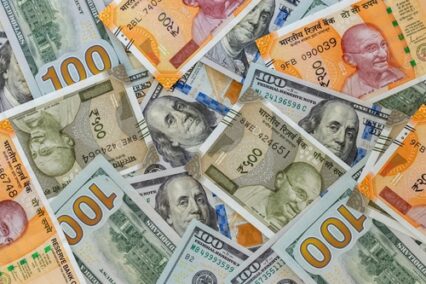
When you hear the word “dollar” or see the $ symbol, you probably think of the US dollar. That’s no surprise. The US dollar is one of the most widely recognized currencies in the world. But did you know that many countries not only use the US dollar as their official currency, but have also adopted the word “dollar” for their own national currencies?

It’s common for first-time US tourists visiting Canada to feel confused, since both countries use “dollars,” even though they’re not the same currency. More seasoned travelers might also ask themselves, “What countries use dollars?” when planning a trip, just to make sure they’re prepared. Then there are places where the US dollar is widely accepted, even though it’s not the official currency.

Remitly wants you to feel confident no matter which “dollar” you’re dealing with. This guide will help break down the different types of dollars used around the world and where they’re accepted. Whether you’re traveling abroad or sending money internationally, we’ll help you avoid unwanted surprises.

Not just the USA: Understanding “dollarization”

Before looking at which countries use the US dollar or have adopted the term, it helps to understand why the US dollar shows up in so many economies around the world.

What is dollarization?

Dollarization might sound like a made-up word if you’ve never heard it before, but it’s not. This term refers to when a country adopts a foreign currency, most commonly the US dollar, as its official legal tender. In some cases, the local currency is phased out altogether when citizens lose faith in it. Prices, wages, taxes, and savings are then all shifted to USD instead.

Dollarization is often used as a tool to stabilize economies facing high inflation, currency devaluation, or financial crisis. This can also mean a loss of control over monetary policy, as the government and the country’s central bank can no longer set interest rates or manage the money supply.

Because the US dollar is the world’s dominant reserve currency, many countries choose it over other foreign currencies, even when those currencies may be temporarily stronger.

Why do countries choose the US dollar?

There are several reasons governments choose the US dollar over their own currency:

  • Inflation control: Helps curb rapid price increases.
  • Economic credibility: Can increase investor trust and reduce financial uncertainty.
  • Simplified trade: The US dollar is the dominant global reserve currency, making international trade easier.

Although countries no longer have full control over their monetary policy, choosing the US dollar still provides a degree of safety and stability. 

In certain regions, having the US dollar as either the official or accepted currency can also make life easier for locals and tourists. You can see this with the EU’s use of the euro across many countries, which simplifies travel, business, and daily life.

Countries that use the US dollar

With the US dollar being one of the most attractive currencies to adopt, let’s look at where it’s officially accepted outside the United States. 

US territories that use the US dollar

  • American Samoa
  • US Virgin Islands
  • Guam 
  • Puerto Rico
  • Northern Mariana Islands

While traveling, you might also be surprised to find that non-US territories also use the US dollar. These include the British Virgin Islands and the Turks and Caicos Islands. Because of their location and the US dollar’s dominance in surrounding islands and regions, non-US territories often adopt the US dollar to simplify trade and tourism.

Countries that use the US dollar as an official currency

The following countries and territories are not part of the United States but have adopted the US dollar as an official currency, due to economic instability or close financial ties with the US (dollarization): 

  • Bonaire
  • Ecuador
  • El Salvador
  • Marshall Islands
  • Micronesia
  • Palau
  • Liberia
  • Saba
  • Sint Eustatius
  • Timor-Leste
  • Zimbabwe

In some of these countries, the US dollar is not the only official currency. Liberia also uses the Liberian dollar, while Zimbabwe recognizes multiple official currencies. 

Spotlight: Ecuador’s dollar story

Ecuador offers one of the clearest examples of dollarization in action. In 2000, Ecuador suffered a severe financial crisis that led to the collapse of its national currency, the sucre. As confidence in the local currency eroded, many Ecuadorian’s began using US dollars even before the government made it official.

When Ecuador formally adopted the US dollar as its legal tender, the move helped stabilize inflation, restore confidence, and bring greater economic predictability. Today, Ecuadorians earn wages, pay rent, and buy groceries with US dollars. Remittances sent from the US to Ecuador are also simpler and avoid exchange-rate fees because the currencies are the same.

Places where the US dollar is accepted (unofficially)

While some countries have formally adopted the US dollar, others simply accept US dollars alongside their local currency. If you’ve traveled to Vietnam or the Bahamas and haven’t had the chance to exchange money, don’t panic. As long as you’re not trying to pay with a $100 bill, US dollars are often accepted, at least in tourist-facing businesses.

Countries and non-US territories that unofficially accept USD:

  • Aruba
  • Bahamas
  • Barbados
  • Belize
  • Bermuda
  • Cambodia
  • Cayman Islands
  • Costa Rica
  • Curacao
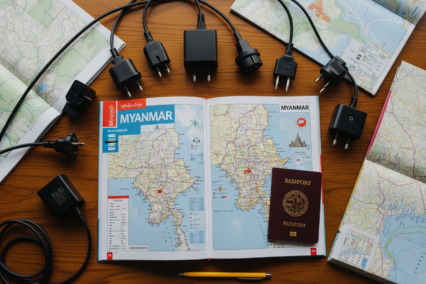
  • Myanmar
  • Nicaragua
  • Sint Maarten
  • St. Kitts and Nevis
  • Vietnam

Many of these destinations are popular tourist destinations and maintain strong economic or tourism ties with the US. Because of this demand, businesses like hotels, tour operators, and larger retailers often accept USD for convenience.

Why do so many countries unofficially accept the US dollar?

One of the main reasons is stability and familiarity, especially in tourism-driven economies. In some countries, the local currency is also pegged to the US dollar, meaning its value is fixed at a set exchange rate. Examples include the Bahamas, Belize, and Barbados, where the local currency remains in a stable relationship with the USD. This makes pricing and accepting US dollars easier for businesses.

However, not every country on this list has a pegged currency. In places like Vietnam, Cambodia, or Myanmar, USD acceptance is more informal and usually limited to tourist areas. In these countries, the local currency is still preferred for everyday transactions.

While the US dollar is widely accepted in many of these destinations, it’s not guaranteed everywhere. Smaller shops, markets, and public transport often require the local currency. Look for signs or policies before paying, and consider carrying both currencies to avoid delays, especially if you’re on a time limit, like during a cruise stop.

Travel tip: Carry small, clean bills. In countries like Vietnam or Myanmar, merchants often refuse torn, marked, or heavily worn US dollars. Crisp bills are the safest option.

Countries with their own “dollar” currencies

Sharing the name “dollar” doesn’t mean currencies share the same value. The Australian and Canadian dollars, for example, are completely separate from the US dollar and from each other. Each “dollar” currency has its own exchange rate, meaning USD to EUR won’t match EUR to AUD or CAD.

The Canadian dollar (CAD)

The Canadian dollar is the sole official currency of Canada, and is often nicknamed the loonie, thanks to the loon bird featured on the $1 coin.

Many US tourists traveling north for the first time assume the Canadian dollar is the same as the US dollar. In reality, Canada does not widely accept US dollars. Some tourist-heavy areas, such as Niagara Falls, may accept USD, but exchange rates are usually unfavorable. In most places, especially outside major tourist zones, you’ll need Canadian dollars.

The Australian dollar (AUD)

The Australian dollar is one of the most traded currencies in the world and is used in several different countries.

The AUD is the official currency in:

  • Australia
  • Kiribati
  • Nauru
  • Tuvalu

Fun fact: Australian banknotes are made from polymer, making them more durable and harder to counterfeit than paper notes.

The New Zealand dollar (NZD)

Despite their proximity, Australia and New Zealand do not share the same currency. 

The New Zealand dollar is used in:

  • New Zealand
  • Cook Islands
  • Niue

Fun Fact: New Zealand’s Central Bank stopped issuing one- and two-cent coins in 1990 and removed five-cent coins from circulation in 2006.

Singapore dollar (SGD) and Brunei dollar (BND)

Not only do Singapore and Brunei use the term “dollar” for their individual currencies, but they are fully interchangeable. Under the Currency Interchangeability Agreement, one Singapore dollar can be exchanged for one Brunei dollar, and vice versa, at a 1:1 rate, with no exchange fees.

Caribbean dollars (XCD): One currency, many countries

Officially known as the East Caribbean dollar, the XCD is shared by several nations:

  • Antigua and Barbuda
  • Dominica
  • Grenada
  • Saint Lucia

The East Caribbean dollar has been pegged to the US dollar at $2.70 XCD to $1.00 USD since 1976, making it one of the strongest forms of currencies in the Caribbean.

Sending money to dollar countries: What you need to know

When sending money abroad through services like Remitly or when exchanging currency while traveling, it’s essential to confirm which dollar a country uses. A common mistake is assuming a $ symbol always means USD, only to realize later that the money was sent or converted into a different currency, such as the Australian dollar. Be sure to check for the currency code (USD, AUD, BND) to avoid costly errors.

Transparency makes a difference

If you’re sending money to countries like Australia or New Zealand, you’re converting funds into their local currencies. That’s why exchange rates matter. Traditional banks don’t always offer the most competitive exchange rates, even though many people still use them out of habit. 

Today, there are many ways to send money internationally, from bank transfers to mobile apps and digital money services like Remitly. With so many options available, it’s wise to compare providers carefully.

When choosing a money transfer service, look for one that clearly shows:

  • The real exchange rate
  • All fees upfront
  • Estimated delivery time
  • That it’s a regulated provider

Using a reputable, transparent service is key to ensuring your money arrives safely and that your recipient gets the most value.

The US dollar may be the most traded currency in the world, but it’s far from the only dollar out there. Before you travel, check whether the country you’re visiting accepts the US dollar or has its own version of the dollar that you’ll need to exchange into. 

Knowing which dollar you’re dealing with helps you travel smarter and avoid expensive currency mistakes. The world is full of dollars, but they’re not all equal. With the right information and the right tools, you can stay in control of your finances wherever life takes you.

FAQs

Can I use the US dollar in Canada?

No. Canada only accepts the Canadian dollar (CAD).

Is the euro stronger than the dollar?

Exchange rates are constantly fluctuating. While the euro might be stronger than the US dollar and weaker than the Australian dollar today, that could all change tomorrow.

Why do so many countries use the word “dollar”?

The world dollar comes from the German word Thaler, a silver coin used in Europe centuries ago. Over time, the name spread globally, and more than 25 countries now use the term “dollar” in their currency.

Do I need to exchange money before I travel?

It depends on your destination. If you’re traveling to Ecuador or El Salvador, exchanging money isn’t necessary as they use USD. However, if you’re traveling to Australia or Canada, you’ll need to exchange USD for the local currency as these currencies are not the same.

Philly and NYC are less than 100 miles apart, but there are major differences between these two East Coast giants. If you’re trying to decide between living in Philadelphia vs New York City, it’s important to understand what each city has to offer. 

At Remitly, we aim to help you achieve your dreams and live your best life. In this article, we’ll explore what life is like in Philadelphia and New York. Besides practical comparisons of housing costs, transportation, job markets, and cultural scenes, we’ll also explore the day-to-day vibe of each city. By the end, you’ll have a clearer sense of which one suits you best. 

Cost of living: the big differentiator

No matter where you go, the cost of living is often the deciding factor in whether you’ll move there or not. After all, even the world’s greatest cities are no fun if you don’t have any money. Both NYC and Philadelphia are major urban hubs with strong job markets, but the everyday financial reality of each is quite different.

Housing costs

The most dramatic gap in the cost of living in Philly vs NYC is in the housing market. Philadelphia real estate isn’t cheap, but it’s an absolute bargain compared to New York City. Let’s look at some numbers. 

The average rent for all property types in Philadelphia is $1,600 USD per month. Breaking it down further, a one-bedroom apartment costs $1,370 USD per month, while average house rent is $1,700 USD

In New York, on the other hand, the average property goes for $3,500 USD. One-bedroom apartments average around $3,385 USD a month, while a house could set you back $6,000 USD monthly or more. 

As you might expect, the same is true when it comes to buying a house. The average house price in Philadelphia is $228,621 USD, compared to NYC, where the average home price is $793,963 USD. 

That’s a massive difference. Whether you rent or buy, getting a place to live in New York City is going to cost you more than double what it would in Philly.

That’ll have a significant difference in the kind of life you’ll have. If you want to be in a walkable neighborhood downtown, you have a much better chance of getting it in Philadelphia. However, the same location will cost dramatically more in New York City. 

Daily expenses

The cost of housing is the most significant price difference between these two cities. But it’s not the only one. 

The truth is, living in Philadelphia is much more affordable across the board. Even if you ignore the lower rents, it costs almost 20% less to live in Philly vs NYC

Let’s compare some important budget items in the two cities:

Groceries

Item Philadelphia, PA (USD) New York City, NYC (USD)
Bread (1 lb loaf) $3.82 $4.43
Rice (1 lb) $3.66 $3.62
Chicken fillets (1 lb) $6.04 $6.59
Beef round (1 lb) $8.72 $9.14
Potatoes (1 lb) $1.44 $1.66
Bottle of wine (mid-range) $15.00 $18.00
Domestic beer (16.9 oz) $2.36 $3.27
Imported beer (12 oz) $4.20 $4.22

Transportation

Item Philadelphia, PA (USD) New York City, NYC (USD)
One-way transit ticket $2.50 $2.90
Monthly transit pass $96.00 $133.00
Gasoline (1L) $0.85 $0.88

Utilities and lifestyle

Item Philadelphia, PA (USD) New York City, NYC (USD)
Basic utilities (monthly) $255.37 $185.26
Gym membership (monthly) $58.93 $135.00
Childcare (private full-day, monthly) $2,163.45 $3,429.54

As you can see, some items are actually cheaper in NYC than in Philadelphia. Utilities, for example, attract lower charges in the Big Apple. However, New York City is generally more expensive. Even without factoring in housing costs, you need a higher income there to enjoy the same standard of living.

Taxes

Because these two cities are in different states, they also operate under different tax regimes. However, both impose an income tax in addition to the state tax.

Your tax situation will depend on your take-home income. Using the example of an individual making $80,000 USD a year, here’s what you can expect to pay:

  • Philadelphia: 3.07% state tax, 3.88% city tax
  • New York City: 6.09% state tax, 3.87% city tax

Job market and career opportunities

Okay, so we’ve established that you’ll pay more living in Philadelphia vs New York City. But the latter offers job opportunities you wouldn’t get anywhere else.

NYC: a diverse economy

New York City boasts one of the largest economies in the world, bigger than the GDP of most countries. As the home of Wall Street and the New York Stock Exchange (NYSE), it’s a major international financial capital.  

But its economy is much more diversified. NYC is also a global hub of media, entertainment, technology, fashion, art, and culture, among others. The average wage here is approximately $40 USD per hour, or around $90,000 USD a year. 

Philadelphia: growing sectors

Philadelphia has strong job opportunities in multiple sectors, but the economy is anchored by “eds and meds”—education and medicine. It also has a growing presence in the biotechnology, finance, research, and professional services industries.

The average hourly wage in Philadelphia is $33.47 USD, equivalent to about $69,000 USD per year.

Can you work in NYC but live in Philly?

Because these cities are relatively close together, some people try to have the best of both worlds and commute from Philly to NYC several days a week. This allows workers to tap into New York City’s excellent employment opportunities, but also benefit from the lower expenses in Philadelphia. 

Luckily, the two share a reliable train connection, which means you can reach New York from Philadelphia in around an hour and a half, and vice versa. It’s a long commute, but one that gives you access to New York’s job market and Philadelphia’s more affordable cost of living.

Getting around: transportation and commute

It’s not just about where you live; figuring out how you’ll get around is also important. When you’re considering living in Philadelphia vs New York City, it’s worth thinking about how you’ll navigate daily life.

New York City subway

NYC is famous for its public transportation system, overseen by the Metropolitan Transportation Authority (MTA). The subway operates 24 hours a day, covers all five boroughs, and connects seamlessly with buses and regional trains. Being able to go just about anywhere in the city at any time of day is a major advantage for shift workers, people with unpredictable schedules, and those who enjoy the nightlife.

No other city in the United States has a transport network quite as efficient. That’s why many New Yorkers don’t own a car.

Philly’s SEPTA

Philadelphia’s public transportation network can’t compete with New York’s, but it’s still the sixth-largest in the US. The Southeastern Pennysylvania Transportation Authority (SEPTA) system combines buses, trolleys, subways, and regional rail lines to serve the city and its suburbs. 

While SEPTA doesn’t run 24 hours a day, it does allow you to easily manage your daily commute and errands, as long as you live and work somewhere close to a public transit line.

Philadelphia is also very walkable. The city is known for its compact neighborhoods, with grocery stores, cafés, parks, and workplaces within walking distance. In some areas of the city, including Center City and University City, you could potentially live without a car.

Ease of travel

As intercity commuters have proven, it’s easy to travel between these two cities. Intercity buses and Amtrak trains make day trips and even work travel realistic. 

The option to commute from Philly to NYC means you don’t necessarily have to choose between these two cities. That’s especially true if you can work remotely at least some of the time, so you don’t have to manage the trip every day.

Lifestyle and vibe

Practical considerations are important, but you also need to think about which city best suits your lifestyle. Here are some of the key differences.

The pace of living

NYC is known as the city that never sleeps. Its energy is constant, competitive, and fast-moving. This is a place for late nights, early mornings, and packed schedules.

Some people find that thrilling. For others, it might be exhausting.

On the other hand, Philadelphia offers a more relaxed, neighborhood-based rhythm. The city is still open and active, but daily life moves at a slower pace. Communities feel tighter, and it’s easy to carve out personal time. That makes moving to Philadelphia a good idea for people who prefer a more relaxed environment.

Outdoor life

In New York City, green spaces like Central Park and Prospect Park are big parts of the city’s fabric. They offer an escape from the dense urban jungle and allow you to enjoy some nature.

Meanwhile, Philadelphia has one of the largest urban park systems in the country: Fairmount Park. The Schuylkill River Trail also offers a way to enjoy the outdoors without leaving the city. These Philadelphia parks are less crowded than those in NYC and are deeply integrated into daily life.

Food scene

New York is a true global city, which means just about every cuisine in the world is represented here. It’s home to some of the best and most exclusive restaurants around, but also has its own traditions, shaped by centuries of immigration from across the planet.

However, Philly’s food scene is more locally rooted. The city is famous for its cheesesteaks and hoagies, but there’s a lot more going on here than just that. You’ll find many innovative chefs and neighborhood favorites, and when you’re feeling more adventurous, plenty of places that offer diverse international flavors.

Living in Philadelphia vs New York City

When deciding which city fits you best, the cost of living in Philly vs NYC is just one part of the equation. You also need to consider the job market, the quality of life, and the atmosphere you’ll get to enjoy.

New York gives you unmatched energy and a job market you won’t find anywhere else, plus the nonstop excitement of a world capital.

Philadelphia has its own rich culture, but it also offers more of a neighborhood feel, a slower pace of living, and better affordability.

If possible, it’s a good idea to visit both cities to get a feel for each place. And with the option to commute from Philly to NYC, you could also enjoy what both these iconic East Coast cities have to offer.

FAQs

Is it cheaper to live in Philadelphia or New York?

It’s far cheaper to live in Philadelphia than in New York City. From housing to groceries, transport, eating out and more, you’ll get more for less in Philly.

Can I live in Philadelphia and work in New York?

Yes, it’s possible to commute from Philadelphia to New York several times a week. By train, it takes around an hour and a half each way. This generally works better for people with a hybrid schedule, who only need to come to the office a few times a week.

Which city is safer? 

Both cities are quite safe, but perhaps surprisingly, New York City’s numbers are better than Philly’s. This means crime rates are lower in NYC than those in Philadelphia, making it safer for residents, commuters, and tourists.

Do I need a car in Philadelphia?

Philadelphia is infamous for its walkable neighborhoods. In places like Center City and University City, you may be able to get by without a car at all. However, if you want to live in the suburbs or enjoy the surrounding area, a car makes things much more convenient.

For many people, the start of Lent is a significant time for reflection and renewal. It marks the beginning of a 40-day journey leading up to Easter, characterized by prayer, simplicity, and community. However, because the date changes every year based on the lunar calendar, it can be confusing to keep track of exactly when this season begins.

In 2026, Ash Wednesday falls on Wednesday, February 18. This is slightly earlier than in some years, meaning the Lenten season will wrap up with Easter Sunday in early April. Whether you are observing this day for the first time or simply need a refresher on the specific rules regarding fasting and abstinence, knowing what to expect can help you prepare with confidence.

This guide covers everything you need to know about Ash Wednesday 2026. We will look at the history behind the traditions, the specific rules for fasting established by the Church, and how you can observe this meaningful day regardless of your location.

The Significance of Ash Wednesday

Ash Wednesday is one of the most important days in the Christian calendar, specifically for Catholics, Anglicans, Lutherans, and Methodists. It serves as the official first day of Lent, a season focused on preparation and repentance before the celebration of Easter.

The primary focus of this day is humility. It is a time to recognize our humanity and our need for spiritual connection. During services, a priest or minister marks the foreheads of the faithful with ash in the shape of a cross. This physical symbol serves as a public declaration of faith and an internal reminder of mortality.

The ashes themselves carry deep meaning. They are typically made by burning the palm branches blessed during the previous year’s Palm Sunday services. This creates a direct connection between the glory of Jesus’ entry into Jerusalem and the penitential nature of Lent.

Why the Date Changes Every Year

You might wonder why Ash Wednesday lands on February 18 in 2026 when it was on a different date the year before. The reason lies in the calculation of Easter.

Easter is a “movable feast,” meaning its date is not fixed to the civil calendar like Christmas (December 25). Instead, Easter is celebrated on the first Sunday following the full moon that occurs on or after the spring equinox. Once the date of Easter is determined, you count backward six Sundays (which excludes the Sundays of Lent) plus four days to arrive at Ash Wednesday.

Because the lunar cycles vary, the date of Easter—and consequently Ash Wednesday—shifts annually. In 2026, Easter Sunday falls on April 5, which places Ash Wednesday on February 18.

The Ritual of the Ashes

The distribution of ashes is the central event of the day. As people approach the altar, the minister presses ashes to their forehead and speaks a specific phrase. These words are meant to ground the believer in reality and focus their mind on the season ahead.

The two most common phrases used during this ritual are:

  • “Remember that you are dust, and to dust you shall return.”
  • “Repent, and believe in the Gospel.”

The first phrase echoes the Old Testament (Genesis 3:19), reminding us that life on earth is temporary. The second serves as a direct call to action for the Lenten season—to turn away from wrongdoing and focus on spiritual growth.

While the ashes are a powerful symbol, there is no strict requirement to wear them all day. Some people choose to wipe them off immediately after the service, while others leave them on as a witness to their faith. Both practices are acceptable.

Catholic Rules for Fasting and Abstinence

One of the most common questions regarding Ash Wednesday involves the rules around food. For members of the Latin Catholic Church, Ash Wednesday is an obligatory day of fasting and abstinence. These rules are designed to be simple and accessible, but they do have specific age requirements.

Fasting Guidelines

Fasting in this context does not mean going without food entirely. It refers to limiting the amount of food you consume to discipline the body and focus the spirit.

  • Who must fast? The obligation binds Catholics from age 18 until they begin their 60th year (essentially, from your 18th birthday up to your 59th birthday).
  • What is allowed? When fasting, you are permitted to eat one full meal. You may also eat two smaller meals (collations) to maintain strength, but together these two smaller meals should not equal the size of one full meal.
  • Snacking: Solid food between meals is not permitted when fasting.

Abstinence Guidelines

Abstinence refers to refraining from eating meat. This is a practice observed on Ash Wednesday, Good Friday, and all Fridays during Lent.

  • Who must abstain? The rule is binding for all Catholics age 14 and older. There is no upper age limit for abstinence.
  • What counts as meat? This typically includes the meat of mammals and poultry (beef, pork, chicken, turkey).
  • What is allowed? Fish, eggs, and dairy products are permitted. This is why fish fries are popular community events during the Lenten season.

Exceptions exist for those who are ill, pregnant, nursing, or have physically demanding jobs that require extra nourishment. The Church emphasizes that these rules should not harm your health.

The Three Pillars of Lent

Ash Wednesday kicks off a 40-day period defined by three specific practices: prayer, fasting, and almsgiving. Understanding these pillars can make your observance of Ash Wednesday 2026 more meaningful.

1. Prayer

Lent is a time to deepen your relationship with God. This might mean attending Mass more frequently, reading Scripture daily, or simply setting aside quiet time for reflection. On Ash Wednesday, the focus is often on confessing shortcomings and asking for the strength to improve.

2. Fasting

As mentioned, fasting is required on Ash Wednesday and Good Friday. However, many people choose to give up a specific comfort for the entire season of Lent. This could be chocolate, social media, alcohol, or television. The goal is to remove distractions that keep you from focusing on what matters most.

3. Almsgiving

Almsgiving is the practice of giving to those in need. It is a way to balance the self-denial of fasting with proactive generosity. This could involve donating money you saved by giving up luxuries, volunteering at a local shelter, or simply performing acts of kindness for neighbors.

Frequently Asked Questions

Understanding the logistics of Ash Wednesday helps ensure a stress-free experience. Here are answers to common questions about the day.

Is Ash Wednesday a Holy Day of Obligation?

No, Ash Wednesday is not a Holy Day of Obligation in the Catholic Church. This means you are not required to attend Mass under pain of sin. However, it is one of the most heavily attended services of the year because many people value the tradition and the tangible start to the Lenten season.

Can non-Catholics receive ashes?

Yes. The Catholic Church allows baptized non-Catholics to receive ashes. Because the ashes are a sacramental (a sacred sign) rather than a sacrament (like Communion), the rules are more open. Many other Christian denominations, including Anglicans and Lutherans, also distribute ashes.

When does Lent end?

The season of Lent technically ends on the evening of Holy Thursday, which is the start of the “Easter Triduum” (the three days leading to Easter Sunday). In 2026, Holy Thursday falls on April 2.

Can I eat meat on Ash Wednesday?

No. Ash Wednesday is a day of abstinence from meat for all Catholics age 14 and older. You should plan your meals accordingly, opting for vegetarian dishes or fish.

What if I forget it is Ash Wednesday and eat meat?

The rules of fasting and abstinence are meant to be a conscious spiritual discipline, not a trap. If you genuinely forget and eat meat by accident, it is generally considered a mistake rather than a sin. The intent is what matters. Simply resume the fast and abstinence once you realize the date.

Looking Ahead to the Season

Ash Wednesday 2026 is an invitation to slow down. In a busy world, it offers a rare moment to pause, reflect on our direction, and make changes for the better. By understanding the date (February 18) and the simple rules around fasting and abstinence, you can approach the day with clarity and purpose.

Whether you plan to attend a service, give up a luxury, or simply spend the day in quiet thought, the start of Lent is a supportive time to reset your spiritual life. Remember that the practices of this day are tools to help you, not burdens to weigh you down.

The confetti has barely settled on previous celebrations, but smart travelers know it is never too early to start planning for Carnival. This global phenomenon is more than just a street party; it is a cultural explosion of music, dance, and history that takes over entire cities. Whether you dream of the samba beats in Rio de Janeiro or the mysterious masks of Venice, 2026 promises to be a spectacular year for festivities.

However, attending one of these world-famous events requires preparation. Hotels book up months—sometimes over a year—in advance, and flight prices can soar if you wait too long. Navigating the crowds and understanding the local traditions also takes a bit of research.

This guide is here to simplify your planning process. We will look at confirmed dates for the biggest celebrations, what you can expect from each location, and practical tips to ensure your trip is safe, affordable, and unforgettable. Let’s get you ready for the experience of a lifetime.

Rio de Janeiro Carnival 2026

When people think of Carnival, they usually picture Rio. It is officially the biggest carnival in the world, attracting millions of people to the streets of Brazil every year. The energy here is unmatched, fueled by the rhythm of samba drums and the vibrant colors of the costumes.

Key Dates

For 2026, the official Rio Carnival festivities are scheduled to run from February 13th to February 21st.

What to Expect

The main event is the parade at the Sambadrome, a purpose-built stadium where top samba schools compete for the championship title. These parades are massive, theatrical productions that run all night long.

  • The Sambadrome: This is a ticketed event. You will need to purchase seats in advance to see the official parades.
  • Blocos: These are street parties that happen all over the city. They are free, informal, and where most of the locals celebrate.
  • The Atmosphere: It is intense, loud, and incredibly joyful. Be prepared for heat and large crowds.

Planning Tips

Book your accommodation as soon as possible. Prices in Rio skyrocket during this week. If you want to participate in a parade rather than just watch, you can actually buy a costume from a samba school and march with them. It is a once-in-a-lifetime experience that requires booking months ahead.

Mardi Gras 2026 in New Orleans

If you want a celebration with deep roots in jazz, history, and Southern hospitality, New Orleans is the place to be. Mardi Gras (Fat Tuesday) is the final day of the season before Lent begins, and the city shuts down to celebrate.

Key Dates

Mardi Gras Day falls on Tuesday, February 17, 2026. However, the Carnival season actually begins on January 6th (Twelfth Night), with parades ramping up in intensity during the two weeks leading up to Fat Tuesday.

What to Expect

New Orleans celebrates with “Krewes”—organizations that host parades and balls.

  • The Parades: Floats roll down St. Charles Avenue and Canal Street, with riders throwing beads, doubloons, and toys to the crowd.
  • French Quarter: While big floats don’t fit on the narrow streets here, the walking parades and costume contests in the French Quarter are legendary.
  • Family Friendly? Yes, surprisingly. While Bourbon Street is known for adult partying, the parade routes in the Uptown area are filled with families having picnics and catching beads.

Planning Tips

Hotels in the French Quarter and Central Business District fill up fast. If you stay along the parade route, you can walk to the festivities. Remember that getting around the city by car is nearly impossible during parade times, so rely on walking or streetcars where available.

Venice Carnival 2026

For a completely different vibe, look to Italy. The Carnival of Venice (Carnevale di Venezia) is elegant, mysterious, and steeped in centuries of history. It feels less like a rave and more like stepping back in time to the 18th century.

Key Dates

The Venice Carnival 2026 is scheduled from January 31st to February 17th.

What to Expect

The hallmark of this festival is the mask. The streets and canals are filled with people in elaborate period costumes and porcelain masks.

  • Grand Balls: These are exclusive, ticketed events held in historic palazzos. They are expensive but offer a true taste of aristocratic history.
  • Water Parades: The festival opens with a massive water parade on the Cannaregio Canal, featuring floats and performers on boats.
  • St. Mark’s Square: This is the heart of the action, where the “Flight of the Angel” takes place and where you will find the best costumes on display.

Planning Tips

Venice is small, and it gets very crowded. If you want to attend a masquerade ball, you need to rent a high-quality costume and buy tickets months in advance. Early mornings are the best time to explore the city and take photos of the costumes before the day-trippers arrive.

Essential Tips for Any Carnival

No matter which destination you choose, a few universal rules apply to keep your trip stress-free.

Secure Your Budget Early

Carnival is peak season for every host city. Flight prices will be at their highest. To save money, try to book your flights at least six months out. Set a daily budget for food and drinks, as prices near tourist hotspots will be inflated.

Stay Safe in Crowds

Large festivals attract pickpockets. Leave expensive jewelry at home and use a money belt or a secure cross-body bag. Keep your phone in a front pocket or on a lanyard. Agree on a meeting point with your friends in case you get separated, as cell service can be spotty in massive crowds.

Respect the Culture

Carnival is a party, but it is also a cultural tradition. In New Orleans, respect the police officers managing the crowds. In Rio, learn a few words of Portuguese. In Venice, ask permission before taking close-up photos of costumed performers. A little respect goes a long way in ensuring you have a positive interaction with locals.

Frequently Asked Questions

When is the best time to buy tickets for Carnival 2026?

For major events like the Sambadrome in Rio or masquerade balls in Venice, tickets usually go on sale 6 to 9 months in advance. Sign up for newsletters from official event websites to get notified the moment they drop.

Is Carnival safe for solo travelers?

Yes, thousands of people travel solo to Carnival every year. However, there is safety in numbers. Stick to well-lit, populated areas and consider joining a tour group or a hostel crawl to meet other travelers.

Do I need a visa for these destinations?

It depends on your citizenship. Brazil, the USA, and Italy have different entry requirements. Check the official government travel site for your country well in advance, as visa processing times can be lengthy.

Can I experience Carnival on a budget?

Absolutely. In New Orleans and Rio, the street parties and parades are free to watch. You can save money by staying slightly outside the city center and using public transport, and by buying food from street vendors instead of sit-down restaurants.

Start Your Countdown

Carnival 2026 might seem distant, but the best travel experiences are built on good planning. Whether you choose the samba of Rio, the jazz of New Orleans, or the elegance of Venice, you are signing up for a celebration of life that you will remember forever.

Take the first step today. Check your passport expiry date, set up a savings goal, and mark those dates on your calendar. The world’s biggest party is waiting for you.

If you are planning a trip to Japan in early 2026 or currently living there, you might notice a special red mark on the calendar for late February. This signifies one of the nation’s most patriotic and significant public holidays: The Emperor’s Birthday.

Known locally as Tenno Tanjobi, this national holiday celebrates the birth of the reigning Emperor, Naruhito. For visitors, it offers a rare glimpse into the heart of Japanese tradition. It is one of only two days a year when the general public is allowed to enter the inner grounds of the Imperial Palace in Tokyo to offer their well-wishes.

Whether you want to join the crowds at the palace or simply want to know which shops will be open, we have gathered all the essential information. Here is your guide to experiencing the Emperor’s Birthday in 2026.

When is the Emperor’s Birthday in 2026?

In 2026, the Emperor’s Birthday falls on Monday, February 23.

Because the holiday falls on a Monday, it creates a three-day weekend for many workers and students in Japan. Unlike years when the date falls on a Sunday—requiring a “substitute holiday” on the following Monday—the 2026 schedule is straightforward. The 23rd itself is the day off.

This is an important date to note for your itinerary. While it is a festive time, it also means banks, government offices, and some small businesses will be closed. However, major tourist attractions, restaurants, and shopping centers usually remain open to accommodate the holiday crowds.

Understanding the Significance

The Emperor of Japan is defined by the constitution as “the symbol of the State and of the unity of the People.” While he does not hold political power, the position carries immense cultural and historical weight.

Celebrating the monarch’s birthday is a tradition that dates back nearly 150 years to the Meiji era. It is a day for the Japanese people to express their respect and wish for the Emperor’s longevity and good health. You will likely see the Japanese national flag, the Hinomaru, displayed outside homes, on buses, and adorning government buildings across the country.

Celebrating at the Imperial Palace

The highlight of the holiday is the public greeting at the Imperial Palace in Tokyo. This event, known as Ippan Sanga, is a unique opportunity to see the Imperial Family in person.

The Morning Appearance

Typically, the gates open in the morning, allowing visitors to cross the famous Nijubashi Bridge—an area usually closed to the public. You enter the East Plaza (Totei) and wait for the Emperor to appear on the balcony of the Chowa-Den Hall.

Emperor Naruhito, usually accompanied by Empress Masako and other members of the Imperial Family, will step out onto the balcony behind bulletproof glass. The Emperor gives a brief address, thanking the people for their visit and offering wishes for their happiness. In response, the crowd often waves small Japanese flags and cheers “Banzai” (which translates roughly to “ten thousand years” or “long life”).

There are usually three scheduled appearances throughout the morning. Admission is free, and you do not need a reservation, but you should prepare for large crowds. In recent years, visitor numbers have ranged from 15,000 to over 20,000 people.

The Afternoon Book Signing

If you miss the morning appearances, you can still pay your respects in the afternoon. From roughly 12:30 p.m. to 3:30 p.m., visitors can enter through the Sakashita-mon Gate to sign a greeting book (or leave a business card) in front of the Imperial Household Agency building.

Security and Rules

Safety is a top priority during these events. If you plan to attend, keep these simple rules in mind:

  • Bag checks: There will be strict security checks and body scanners.
  • Luggage: Large luggage is not permitted. Use coin lockers at nearby train stations (like Tokyo Station) to store your bags.
  • Footwear: The ground in front of the palace is gravel. Wear comfortable, flat shoes. High heels are difficult to walk in here.
  • Prohibited items: Do not bring drones, selfie sticks, alcohol, or sharp objects.

How the Holiday Date Changes

One aspect of this holiday that often confuses travelers is that the date changes depending on who sits on the throne. The holiday is always the actual birthday of the current reigning Emperor.

  • Current (Reiwa Era): February 23 (Emperor Naruhito)
  • Previous (Heisei Era): December 23 (Emperor Akihito)
  • Showa Era: April 29 (Emperor Hirohito)

When Emperor Akihito abdicated in 2019, the December 23 holiday was removed from the calendar. The holiday moved to February 23 when Emperor Naruhito ascended to the throne.

Interestingly, the birthdays of past emperors often remain as holidays under different names to preserve the vacation time. For example, the April 29 holiday is now celebrated as “Showa Day,” serving as the start of Japan’s Golden Week.

Practical Tips for Travelers

If you are visiting Japan during the Emperor’s Birthday weekend in 2026, here is what you need to know to make your trip smooth and stress-free.

Transportation

Trains and subways in Tokyo and other major cities will run on a Sunday/Holiday schedule. This usually means slightly fewer trains during rush hour times, but regular service throughout the day. The area around Tokyo Station and the Imperial Palace will be very congested in the morning.

ATMs and Money

Most ATMs in convenience stores (like 7-Eleven or Lawson) work 24/7, even on holidays. However, traditional bank counters will be closed. Remitly customers sending money to Japan can rest assured that mobile transfers are typically unaffected by bank holidays, though processing times for bank deposits might vary slightly depending on the recipient bank.

Closures

  • Closed: Post offices, banks, government administration centers, and some small, family-run businesses.
  • Open: Department stores, supermarkets, theme parks, and most restaurants.

Frequently Asked Questions

Is the Emperor’s Birthday a national holiday in Japan?

Yes, it is a designated national holiday. Schools, public offices, and many companies are closed. Since it falls on a Monday in 2026, it creates a long weekend.

Can foreigners attend the greeting at the Imperial Palace?

Absolutely. The event is open to everyone, regardless of nationality. It is a welcoming atmosphere, though it is important to follow the security rules and instructions from the police and palace staff.

Do I need tickets for the Imperial Palace greeting?

No, tickets are not required. It is free to enter. You simply need to join the line at the designated entrance gate (usually the Main Gate). We recommend arriving early, as security lines can be long.

What happens if it rains?

The event usually proceeds rain or shine. However, in cases of severe weather or unforeseen circumstances, the Imperial Household Agency may cancel the public greeting. It is wise to check the news or the official agency website on the morning of the event.

Is the retired Emperor’s birthday (Dec 23) still a holiday?

No. When Emperor Akihito abdicated, his birthday on December 23 ceased to be a public holiday. It is now a regular weekday, though many people still remember the date fondly.

Experience a Piece of History

Visiting Japan during the Emperor’s Birthday in 2026 offers a unique chance to witness a living tradition. Whether you wave a flag at the palace or simply enjoy a quiet Monday off exploring the city, it is a day that highlights the deep connection between the Japanese people and their history.

If you are traveling, remember to plan for crowds around Tokyo Station. And if you are living in Japan and sending money home to loved ones during the long weekend, we are here to help make the process simple and secure.

Most of us appreciate a long weekend. It’s a chance to recharge, spend time with family, or tackle those home projects we’ve been putting off. But when a federal holiday rolls around in the middle of winter, it often brings a few questions with it. Is the post office open? Will the bank process my transfer? And which president are we actually celebrating, anyway?

For 2026, Presidents’ Day falls on Monday, February 16. It serves as the first major break of the year for many workers and students after the New Year holiday. While it is widely known for mattress sales and ski trips, it also affects financial institutions and government services in ways that can impact your weekly routine.

Planning ahead is the best way to avoid small inconveniences. Whether you are waiting for an important package or need to visit your local bank branch, knowing what is open and what is closed helps you manage your time with confidence. This guide covers the essential details for Presidents’ Day 2026, ensuring you know exactly what to expect.

When is Presidents’ Day 2026?

In 2026, Presidents’ Day will be observed on Monday, February 16.

The date changes every year because the holiday does not fall on a specific calendar day like Christmas or Independence Day. Instead, it always takes place on the third Monday of February. This ensures a consistent three-day weekend for federal employees and many workers across the country.

Because the holiday floats between February 15 and February 21, the 2026 date of February 16 is on the earlier side of the possible window. If you usually associate the holiday with late February, this year it might arrive sooner than you expect.

What is Open and Closed on February 16, 2026?

Federal holidays often mean a pause in standard business operations. Here is a straightforward breakdown of what to expect regarding closures.

Banks and Financial Services

Presidents’ Day is a standard Federal Reserve bank holiday. This means most physical bank branches will be closed on Monday, February 16.

If you need to deposit a check or speak to a teller, you will likely need to wait until Tuesday. However, digital banking tools generally remain available. You can usually check balances, transfer funds between your own accounts, and pay bills online, though transaction processing times might be delayed by one business day.

The Stock Market

The major U.S. stock markets, including the New York Stock Exchange (NYSE) and Nasdaq, observe Washington’s Birthday as a holiday. The markets will be closed for the entire day on February 16, 2026. Trading will resume at the opening bell on Tuesday morning.

Post Offices and Shipping

The United States Postal Service (USPS) treats this as a holiday. Post office locations will be closed, and there will be no regular mail delivery.

Private shipping carriers often operate differently. UPS and FedEx typically continue service on Presidents’ Day, though some modified service levels might apply. If you have a critical delivery, it is wise to check their specific holiday service schedules closer to the date.

Schools and Government Offices

Because this is a federal holiday, non-essential federal government offices will be closed. This includes Social Security offices and passport agencies.

At the state and local level, things vary. Most public schools close for the day, and some districts take the entire week off for a “winter break.” State government offices (like the DMV) are usually closed, but this depends on the specific laws in your state.

Why Do We Celebrate It?

The history of this holiday is a mix of tradition and legal practicality. While most people call it “Presidents’ Day,” the official name of the federal holiday is still Washington’s Birthday.

Honoring George Washington

Originally, the U.S. celebrated George Washington’s actual birthday, which is February 22. It was a fixed date, much like the Fourth of July. For nearly a century, the country paused on that specific day to honor the first president.

The Uniform Monday Holiday Act

Everything changed in 1968. Congress passed the Uniform Monday Holiday Act to create more three-day weekends for the nation’s workforce. The idea was that moving certain fixed-date holidays to Mondays would reduce absenteeism and boost the travel industry.

When the law took effect in 1971, the celebration of Washington’s Birthday was moved from February 22 to the third Monday in February. Interestingly, this move guarantees that the holiday will never fall on Washington’s actual birthday, as the third Monday can never be later than February 21.

What About Abraham Lincoln?

Many states used to celebrate Abraham Lincoln’s birthday separately on February 12. When the federal holiday moved to the third Monday, many people began viewing it as a day to honor both Washington and Lincoln. Over time, retailers and calendars adopted the term “Presidents’ Day” to recognize all U.S. presidents, though the federal government officially sticks with Washington.

Making the Most of the Long Weekend

Since businesses know many people have the day off, Presidents’ Day has become a major retail event. If you have been planning a significant purchase, this weekend is often a smart time to buy.

  • Appliances and Mattresses: Historically, retailers offer some of their deepest discounts on home goods during this weekend to clear out inventory from the previous year.
  • Winter Gear: As spring approaches, stores look to clear out coats, boots, and cold-weather accessories, making it a budget-friendly time to stock up for next year.
  • Cars: Dealerships often run Presidents’ Day promotions, offering incentives to move new models off the lot.

For those not looking to shop, it is a popular time for short trips. Ski resorts are typically busy, and national parks often see an uptick in visitors. If you plan to travel, booking early is recommended, as flights and hotels can fill up quickly.

Frequently Asked Questions

Is the post office open on Presidents’ Day 2026?

No, the USPS does not deliver regular mail on Monday, February 16, 2026. Post office locations will be closed.

Is the stock market open on Presidents’ Day 2026?

No. The New York Stock Exchange and Nasdaq are closed on Monday, February 16, 2026.

Will my bank transfer go through on Presidents’ Day?

Because the Federal Reserve is closed, bank transfers initiated on the holiday usually will not be processed until the next business day, Tuesday, February 17. If you have a critical payment due, it is safer to send it the week prior.

Do all states call it Presidents’ Day?

Not necessarily. While “Presidents’ Day” is the common term, the federal government calls it Washington’s Birthday. Some states officially use titles like “Washington and Lincoln Day” or “Presidents’ Day,” while others adhere to the federal naming convention.

Are schools closed on Presidents’ Day?

Most public schools are closed. However, private schools and universities set their own schedules. Some public school districts in snowy regions may also use the day as a make-up day if they used too many snow days earlier in the winter.

Plan Your Monday with Confidence

Holidays break up the routine, which is generally a good thing, but they can cause minor hiccups if you aren’t prepared. Now that you know Presidents’ Day 2026 falls on February 16, you can plan your financial errands and mail drops accordingly.

If you need to send money to loved ones or pay bills, try to take care of it by Friday, February 13. A little foresight ensures you can spend your Monday relaxing, rather than worrying about a transaction clearing. Enjoy the long weekend!

Cameroon is a nation with a vibrant, young population. In fact, a significant majority of the country is under the age of 25. This energy and potential are celebrated every year during a special public holiday known as National Youth Day, or La Fête de la Jeunesse.

For Cameroonians both at home and in the diaspora, this day represents more than just a break from school or work. It is a time to reflect on the role young people play in building a stable and prosperous nation. Whether you are a student in Yaoundé preparing for a parade or a family member living abroad wanting to support loved ones back home, understanding the significance of this day helps keep you connected to your roots.

This guide covers everything you need to know about Cameroon Youth Day 2026, from its historical origins to how it is celebrated today.

When is Cameroon Youth Day 2026?

Cameroon Youth Day will take place on Wednesday, February 11, 2026.

It is a public holiday observed throughout the national territory. Schools, government offices, and many businesses will be closed to allow citizens to participate in the festivities.

While the main event falls on the 11th, the excitement usually begins well before that date. The country observes what is locally known as the “Youth Onzaine”—an 11-day period of activities leading up to the holiday itself. This means you can expect cultural, sporting, and civic events to kick off around February 1, 2026.

The History Behind the Holiday

To understand why this day is so important, we have to look back at the nation’s history. February 11 was not chosen at random. It marks the anniversary of the 1961 Plebiscite.

During this historic referendum, the people of the Southern Cameroons (then under British mandate) voted to join the independent Republic of Cameroon (formerly French-speaking). This vote paved the way for the reunification of the country.

In 1966, the government designated February 11 as a public holiday. By dedicating this specific date to the youth, the country acknowledges that its future unity and development rest in the hands of the younger generation. It serves as a yearly reminder of the bridge between the past struggles for independence and the future hopes of the nation.

How is Youth Day Celebrated?

Celebrations in Cameroon are colorful, energetic, and highly organized. The Ministry of Youth Affairs and Civic Education (MINJEC) typically oversees the schedule, ensuring that events take place in villages, towns, and cities across all ten regions.

The “Youth Onzaine”

As mentioned earlier, the celebration is rarely limited to a single day. The 11-day lead-up involves a variety of programs designed to engage young people. These often include:

  • Civic Service: Young people often participate in “Human Investment” activities, such as cleaning streets, fixing public spaces, or volunteering.
  • Sports Competitions: Football matches, handball tournaments, and athletic meets are common, fostering a spirit of fair play.
  • Cultural Festivals: Traditional dances, concerts, and art exhibitions showcase the diverse cultural heritage of Cameroon.
  • Educational Workshops: Seminars on entrepreneurship and leadership help equip youth with skills for the modern economy.

The Grand Parade

The highlight of February 11 is the march-past (parade). In the capital, Yaoundé, and in regional headquarters, thousands of young people march in front of government officials and dignitaries.

The parade is usually structured, featuring:

  • Primary and secondary schools in their uniforms.
  • University students.
  • Youth wings of various political parties.
  • Religious youth groups and scouts.
  • Vocational training centers.

It is a moment of immense pride for parents watching their children march in unison, often singing patriotic songs.

The Presidential Address

On the eve of the holiday, February 10, the Head of State traditionally addresses the nation’s youth. This speech is broadcast on radio and television. During this address, the President typically reviews the government’s achievements regarding youth employment and education over the past year and outlines new policies or goals for the coming year. It is a key moment for understanding the national direction regarding youth development.

The 2026 Theme

Every year, the government releases a specific theme to guide the celebrations. This theme usually reflects current challenges and aspirations, focusing on areas like moral values, entrepreneurship, patriotism, and economic growth.

For example, the 2024 theme focused on “Youth, Import-Substitution and Economic Patriotism,” encouraging young people to produce and consume local goods to boost the economy.

As of now, the official theme for Cameroon Youth Day 2026 has not yet been released. MINJEC usually announces the theme a few weeks before the “Onzaine” begins in late January.

If you are planning an event or speech for 2026, keep an eye on official communications from the Ministry of Youth Affairs and Civic Education closer to the date. The theme will likely encourage resilience, innovation, and active participation in the country’s development.

Connecting with Home from Abroad

For the Cameroonian diaspora, February 11 is a time to reconnect with family back home. Being away doesn’t mean you can’t participate in the spirit of the day.

Many Cameroonians living abroad use this time to:

  • Send support: Family members often send money home to help buy new school uniforms or shoes for the parade, or to fund celebratory meals for their younger siblings and cousins.
  • Organize local events: Cameroonian communities in cities like Paris, Washington D.C., and London often host their own gatherings or parties to celebrate the culture.
  • Engage online: Social media lights up with photos and memories of past Youth Days, creating a virtual sense of community.

Knowing that your support helps your family celebrate with dignity and joy can provide a great sense of reassurance.

Frequently Asked Questions

Is February 11 a working day in Cameroon?

No. February 11 is a statutory public holiday in Cameroon. Schools, banks, and government offices are closed. If the date falls on a Sunday, the holiday is typically observed on the following Monday, though official decrees confirm this closer to the time. Since February 11, 2026, is a Wednesday, it will be observed on that day.

Why is it called the “Onzaine”?

The term “Onzaine” comes from the French word onze, meaning eleven. It refers to the 11-day period from February 1 to February 11 dedicated to youth activities. It mirrors the concept of a “semaine” (week) but is extended to match the date of the holiday.

Who organizes Youth Day?

The primary organizer is the Ministry of Youth Affairs and Civic Education (MINJEC). However, the Ministry of Basic Education and the Ministry of Secondary Education are heavily involved in organizing the school parades. Local administrative authorities, such as governors and divisional officers, oversee the celebrations in their respective regions.

Can adults participate in Youth Day?

While the day focuses on youth (generally defined in Cameroon as those between 15 and 35 years old), adults play a crucial role. They act as organizers, spectators, mentors, and officials. The entire community comes out to support the youth during the parades and cultural events.

Is Youth Day the same as the Day of the African Child?

No. The Day of the African Child is celebrated on June 16 and commemorates the 1976 Soweto Uprising. Cameroon Youth Day is a specific national holiday tied to Cameroon’s own history of reunification (the 1961 Plebiscite).

Looking Ahead

Cameroon Youth Day 2026 promises to be another vibrant celebration of the country’s most valuable resource: its people. It is a day that combines historical remembrance with forward-looking optimism.

Whether you are marching in Douala, watching the news in Yaoundé, or sending love from abroad, February 11 is a day to stand together. It reminds us that supporting the youth—through education, opportunity, and community—is the best way to ensure a bright future for everyone.

As we get closer to February 2026, staying informed about the official theme and scheduled activities will help you make the most of this special occasion.

Every year in early February, Mexico pauses to honor one of the most significant documents in its history. Constitution Day (Día de la Constitución) isn’t just a day off work—it’s a moment to commemorate the legal framework that shaped modern Mexico.

For locals, it is a time of national pride and a welcome long weekend. For visitors, it offers a unique glimpse into the country’s civic spirit. If you are planning to be in Mexico in early 2026, understanding this holiday will help you navigate the closures and appreciate the celebrations.

Whether you are living in Mexico, visiting for vacation, or just curious about Mexican culture, here is everything you need to know about Constitution Day 2026.

When is Constitution Day 2026?

Historically, Constitution Day is February 5, marking the exact date the document was promulgated in 1917. However, to create a long weekend for workers and students, the official observance is moved to the first Monday of February.

For 2026, the dates are as follows:

  • Official Holiday (Day Off): Monday, February 2, 2026.
  • Historical Anniversary: Thursday, February 5, 2026.

This shift allows families to gather and enjoy a three-day weekend, often referred to as a puente (bridge). This means you can expect Monday, February 2, to be the primary day for bank closures and school suspensions.

Why is Constitution Day Celebrated?

This holiday commemorates the approval of the Political Constitution of the United Mexican States (Constitución Política de los Estados Unidos Mexicanos) in 1917. While it may sound like a standard legal procedure, the context is revolutionary.

The Revolution of 1910

The 1917 Constitution was born out of the Mexican Revolution, a fierce armed conflict that began in 1910 to overthrow the dictatorship of Porfirio Díaz. The revolution wasn’t just about changing leadership; it was a deep social movement demanding land reform, labor rights, and equality.

After years of struggle, President Venustiano Carranza convened a Constitutional Congress in the city of Querétaro. The goal was to draft a supreme law that would enshrine the ideals of the revolution into the fabric of the nation.

A Progressive Document

Promulgated on February 5, 1917, the constitution was remarkably progressive for its time. It is often cited as the first major constitution in the world to include broad social rights, predating similar movements in other nations.

Key contributions of the 1917 Constitution include:

  • Article 3: Established the right to a free, secular education for all citizens.
  • Article 27: Laid the groundwork for land reform, declaring that original ownership of lands and waters belongs to the Nation, which has the right to transfer them to private individuals.
  • Article 123: Introduced vital labor rights, including the eight-hour workday, the right to strike, and protections for women and children in the workforce.

Today, this document governs the country and remains a symbol of the rights and freedoms won by the Mexican people.

How is Constitution Day Celebrated in Mexico?

Unlike the vibrant parties of Cinco de Mayo or the solemn traditions of Día de los Muertos, Constitution Day is primarily a civic holiday. The tone is respectful and patriotic.

Civic Ceremonies

Throughout the country, government officials hold ceremonies to honor the constitution’s drafters. The President of Mexico typically leads a ceremony at the National Palace or in Querétaro, where the document was signed. These events often feature speeches highlighting the importance of the rule of law and democracy.

Parades and Festivals

While not as massive as Independence Day parades, many cities host local processions. You might see school children marching in uniform, military detachments, and local bands playing patriotic music. The atmosphere is communal and family-oriented.

In Querétaro, the celebrations are naturally more elaborate. The city takes great pride in being the birthplace of the constitution, often hosting cultural events, concerts, and theatrical reenactments of the signing throughout the week leading up to the 5th.

The Long Weekend (El Puente)

For the average citizen, the “celebration” is often centered on leisure. Because the holiday creates a three-day weekend, millions of Mexicans take the opportunity to travel. Popular beach destinations like Cancún, Puerto Vallarta, and Los Cabos, as well as “Magic Towns” (Pueblos Mágicos), see a surge in domestic tourism. Families head to parks for picnics, visit museums, or simply enjoy a day of rest at home.

What is Open and Closed on Constitution Day?

If you are visiting Mexico on Monday, February 2, 2026, you should plan ahead, as it is a statutory federal holiday.

Closed:

  • Banks and Financial Institutions: Most bank branches will be closed. ATMs will still be operational.
  • Government Offices: Federal, state, and municipal offices, including immigration centers and embassies, will be closed.
  • Schools: Public and private schools, as well as universities, suspend classes.
  • Corporate Offices: Most non-retail businesses give employees the day off.

Open:

  • Supermarkets and Malls: Major retail chains and grocery stores usually remain open, often with normal operating hours.
  • Restaurants and Tourist Attractions: In tourist zones, everything will likely be open. In fact, they may be busier than usual due to the long weekend.
  • Museums: While many museums are traditionally closed on Mondays in Mexico, some major archaeological sites usually remain open for tourists. However, it is always best to check the specific schedule for the site you wish to visit.

Tips for Travelers During the Holiday

Traveling during a puente can be exciting, but it requires a bit of strategy.

  1. Book Early: Since domestic tourism spikes, flights and buses can sell out quickly. Secure your transportation and accommodation well in advance.
  2. Bank Ahead: With banks closed on Monday, ensure you have enough cash (pesos) for the weekend, especially if you are visiting smaller towns where cards might not be accepted.
  3. Expect Traffic: Highways leaving major cities like Mexico City can become congested on Friday afternoon (departure) and Monday evening (return).
  4. Enjoy the Vibe: If you are in a city center, look for the local Zócalo (main square). You will likely find families enjoying street food, balloons, and a relaxed atmosphere.

Frequently Asked Questions

Is Constitution Day the same as Independence Day?

No. Independence Day (Día de la Independencia) is celebrated on September 16 and marks the start of the war against Spanish rule in 1810. Constitution Day celebrates the law of the land established in 1917, over a century later.

Is alcohol sold on Constitution Day?

Generally, yes. Unlike election days where “Dry Laws” (Ley Seca) often apply, alcohol sales usually proceed as normal on Constitution Day. However, local municipalities always have the authority to change restrictions, so it is possible to encounter exceptions in specific towns.

Do I get paid double if I work on Constitution Day?

If you are working in Mexico under a formal contract and are required to work on the statutory holiday (Monday, Feb 2), Mexican labor law dictates you are entitled to your regular salary plus double that amount—effectively triple pay for the day.

Is the 1917 Constitution still in use?

Yes, but it has been amended hundreds of times to adapt to modern realities. Despite the changes, the core principles of democracy, federalism, and social rights remain the foundation of the Mexican legal system.

Celebrating Mexican History

Constitution Day is a reminder of Mexico’s resilience and its commitment to justice. While it may not have the fireworks of New Year’s Eve, it represents the stability and rights that allow the country to thrive.

If you find yourself in Mexico on February 2, 2026, take a moment to appreciate the history behind the holiday. Whether you spend the day watching a local parade or relaxing on a beach during the puente, you are participating in a tradition that honors the very heart of the nation.

If you walk through the streets of Helsinki on February 28, 2026, you will see blue and white flags waving against the winter sky. This isn’t just an ordinary Saturday in Finland. It is a day dedicated to magic, music, and the ancient verses that helped build a nation. It is Kalevala Day, also known as the Day of Finnish Culture.

For many, the Kalevala is simply a book of poetry. But for Finns, it is the cornerstone of their identity. It is a collection of epic tales involving wizards, blacksmiths, and a magical device called the Sampo. These stories sustained the Finnish people through centuries of foreign rule and helped pave the way for their independence.

Whether you are planning a trip to the Nordics, have Finnish roots, or simply love mythology, understanding this holiday offers a unique window into the Finnish soul. In this guide, we will walk you through the history, the heroes, and the traditions of Kalevala Day, so you can celebrate Finnish culture with confidence.

What is Kalevala Day?

Kalevala Day (Kalevalan päivä) is celebrated annually on February 28. It honors the Kalevala, Finland’s national epic, and celebrates Finnish culture as a whole.

It is an official flag day in Finland. This means that by law, the Finnish flag must be flown from public buildings. While private citizens aren’t required to fly the flag, many choose to do so as a sign of respect and celebration.

The date is specific and significant. It marks the day in 1835 when Elias Lönnrot, a Finnish physician and philologist, signed the preface to the first version of the Kalevala, known as the Old Kalevala. It was the first time these oral traditions were collected and presented to the world as a unified literary work.

The Story Behind the Epic

To understand the holiday, you have to understand the man behind it. In the early 19th century, Finland was a Grand Duchy under the Russian Empire. Before that, it had been part of Sweden for centuries. As a result, the Finnish language and culture were often overshadowed by Swedish and Russian influences.

Elias Lönnrot wanted to preserve the unique heritage of his people. Beginning in 1828, he took several long journeys on foot into the deep forests of Karelia, a region spanning the border of Finland and Russia. He traveled from village to village, listening to runosingers—traditional bards who sang ancient folk poetry.

Lönnrot didn’t just record these songs; he wove them together. He connected different characters and plotlines to create a continuous narrative. The result was a masterpiece that proved Finnish could be a language of high literature and culture. The final, standard version of the epic, the New Kalevala, was published later in 1849, but it is the 1835 date that we celebrate.

Why the Kalevala Matters

The impact of Lönnrot’s work is hard to overstate. In the 19th century, a movement for national awakening began to grow. The Kalevala gave the Finnish people a shared history and a sense of pride. It showed that they had their own mythology, comparable to the Iliad and the Odyssey of ancient Greece.

This cultural confidence was a crucial step toward political independence, which Finland finally achieved in 1917. The epic influenced almost every aspect of Finnish art. The composer Jean Sibelius wrote symphonies based on the myths. The painter Akseli Gallen-Kallela created iconic images of the heroes. Even today, the Kalevala is the most translated Finnish work of all time, available in over 60 languages.

The Heroes and Myths You Should Know

The Kalevala is not a dry history book. It is full of adventure, tragedy, and humor. If you want to join the conversation on Kalevala Day, here are a few of the key players you should know.

Väinämöinen

He is the central character of the epic. Väinämöinen is a wise, old shaman and a master singer. He was there at the creation of the world. His singing is so powerful that it can change the landscape or banish his enemies. He is on a constant quest for a wife and for the magical Sampo.

Ilmarinen

Ilmarinen is the eternal hammerer, a blacksmith of divine skill. He is the one who forged the dome of the sky. In the stories, he is often the practical counterpart to the magical Väinämöinen. His greatest creation, however, is the source of much conflict.

The Sampo

The Sampo is the central plot device of the Kalevala, similar to the Holy Grail or the One Ring. It is a magical mill with three sides. One side grinds out flour, the second salt, and the third gold. It represents infinite wealth and prosperity. The theft of the Sampo leads to a great war between the people of Kalevala (the South) and Pohjola (the North).

Louhi

Louhi is the Mistress of the North (Pohjola). She is a powerful witch and a formidable leader. She is the one who demands the creation of the Sampo in exchange for her daughter’s hand in marriage.

Connections to Pop Culture

If these stories sound vaguely familiar, there is a good reason for that. J.R.R. Tolkien, the author of The Lord of the Rings, was deeply inspired by the Kalevala.

Tolkien was fascinated by the Finnish language. He used it as the basis for Quenya, the language of the High Elves. The character of Väinämöinen was also a major inspiration for Gandalf the Grey. Both are wise, old, magical figures who guide the heroes. The tragedy of another Kalevala character, Kullervo, inspired Tolkien’s story of Túrin Turambar. When you celebrate Kalevala Day, you are celebrating the roots of modern fantasy literature.

Traditions: How is Kalevala Day Celebrated?

Unlike Vappu (May Day) or Midsummer, Kalevala Day is not a carnival-style party. It is a dignified cultural occasion.

Raising the Flag

The most visible sign of the holiday is the Finnish flag. Since it is an official flag day, you will see the blue cross flying everywhere, from government buildings to private homes and apartment blocks.

Cultural Events

Schools and universities often hold special assemblies. Students might read passages from the epic or perform plays based on the myths. In Helsinki, it is traditional for university students and members of the Finnish Literature Society to lay a wreath at the statue of Elias Lönnrot.

Literature and Arts

Since it is also the Day of Finnish Culture, the celebrations extend beyond the epic itself. It is a day to honor Finnish literature, music, and art. Libraries often host readings, and museums may have special exhibitions dedicated to the Golden Age of Finnish Art.

Visiting Finland on Kalevala Day 2026

If you are planning to be in Finland on February 28, 2026, here is what you can expect.

It falls on a Saturday.
This means most people will be off work, making it a great day for public events. However, because it is not a “red day” (a public holiday where everything closes), shops, restaurants, and public transport will operate on a normal Saturday schedule. You won’t have to worry about finding a place to eat or getting around.

The Weather
Late February in Finland is still very much winter. Expect snow on the ground and freezing temperatures. It is a beautiful time to visit if you enjoy winter sports or cozy cafes, but you will need to dress warmly.

What to Eat
While there isn’t a specific “Kalevala dish” like there is for other holidays, traditional Finnish foods are a great way to mark the occasion. Try karjalanpiirakka (Karelian pies)—rye crusts filled with rice porridge, topped with egg butter. These originate from the same region where Lönnrot collected the poetry.

Embracing Sisu

There is a Finnish concept that ties closely to the spirit of the Kalevala: sisu. It translates roughly to stoic determination, grit, or resilience. It is the quality that allows you to face challenges against all odds.

The heroes of the Kalevala embody sisu. They face impossible tasks, cold winters, and powerful witches, but they persevere. Celebrating Kalevala Day is a way of acknowledging this resilience. It is a reminder of the power of words and culture to keep a nation strong.

Frequently Asked Questions

Is Kalevala Day a public holiday in Finland?

No, it is not a public holiday (or “bank holiday”). Schools and businesses remain open, and public transport runs on a normal schedule. However, it is an official flag day, so the country will look festive with flags flying.

Who wrote the Kalevala?

It wasn’t written by a single author in the traditional sense. It was compiled by Elias Lönnrot. He collected existing folk songs and oral poetry from the Karelian region and arranged them into a unified epic.

Can I visit the location of the Kalevala?

The Kalevala is set in a mythical landscape, but it is rooted in the real geography of Finland and Karelia. You can visit the Juminkeko Information Center in Kuhmo, Finland, which is dedicated to the epic and Karelian culture.

Is the Kalevala available in English?

Yes, it has been translated into English several times. If you are interested in reading it, widely regarded translations include those by Keith Bosley or Eino Friberg.

Why is the date February 28?

This date was chosen because Elias Lönnrot signed the preface of the first edition (the Old Kalevala) on February 28, 1835.

Keeping the Tradition Alive

Kalevala Day 2026 is an opportunity to look back at the roots of a fascinating culture. It reminds us that stories have power—the power to define a people, to inspire art, and to bring magic into our everyday lives.

Whether you read a few verses of the epic, listen to some Sibelius, or simply learn more about the Finnish way of life, you are helping keep this tradition alive. So, on February 28, take a moment to appreciate the magic of the North. Hyvää Kalevalan päivää! (Happy Kalevala Day!)

If you walk through the streets of Santo Domingo or La Vega in February, you will hear the crack of whips and see flashes of vibrant red, orange, and yellow. You will feel the thumping bass of merengue and bachata music pouring out of colmados and homes. This isn’t just a party; it is the sound of a nation celebrating its identity.

February is a special month for Dominicans. It combines the religious pre-Lenten celebrations of Carnival with the patriotic fervor of Independence Day. For the Dominican diaspora living abroad and those on the island, this is the most significant time of the year. It serves as a powerful reminder of resilience, culture, and the enduring fight for freedom.

On February 27, 2026, the Dominican Republic will mark another year of sovereignty. Whether you are planning a trip to the island to witness the parades firsthand or looking to connect with your heritage from afar, understanding the history and traditions of this day deepens the experience. Here is everything you need to know about Dominican Independence Day 2026.

When is Dominican Independence Day 2026?

Dominican Independence Day is celebrated annually on February 27.

In 2026, this significant date falls on a Friday. Because it is a national statutory holiday in the Dominican Republic, most businesses, schools, and government offices will be closed. Since it falls on a Friday, it will create a long weekend for many on the island, likely intensifying the celebrations and parades that typically culminate on this day.

While the main event is on the 27th, the energy builds up throughout the entire month. February is known as Mes de la Patria (Month of the Fatherland). It begins on January 26, the birthday of founding father Juan Pablo Duarte, and ends on Independence Day.

The Road to Freedom: A Brief History

To truly appreciate the celebrations, it helps to understand what the country is celebrating. Unlike many other Latin American nations that celebrate independence from Spain, the Dominican Republic’s February 27th holiday marks its independence from Haiti.

The Occupation

The island of Hispaniola has a complex history. After a period of Spanish and French rule, the entire island came under Haitian governance in 1822. This period, known as the Unification of Hispaniola, lasted for 22 years. While it led to the abolition of slavery on the eastern side of the island, cultural, linguistic, and administrative differences created tension.

La Trinitaria

Resistance began to organize in the shadows. In 1838, a visionary young nationalist named Juan Pablo Duarte founded a secret society called La Trinitaria (The Trinity). The group was organized into cells of three, ensuring that if one member was captured, they could not reveal the identities of the entire organization.

Duarte, along with fellow patriots Francisco del Rosario Sánchez and Ramón Matías Mella, ignited the flame of rebellion. They envisioned a free nation based on democratic ideals.

The Shot Heard ‘Round the Island

On the night of February 27, 1844, the rebels made their move. They gathered at the Puerta del Conde (Count’s Gate) in the capital city of Santo Domingo.

Mella fired his legendary blunderbuss (a type of musket) into the air—a shot known as the trabucazo. This signal marked the proclamation of the Dominican Republic. Sánchez raised the new Dominican flag, and the crowd shouted the motto that still adorns the coat of arms today: Dios, Patria y Libertad (God, Fatherland, and Liberty).

How Independence Day is Celebrated

Dominican Independence Day is unique because it overlaps with Carnival. While the two events have different origins—one political, one religious—they have merged into a singular expression of Dominican culture.

The Carnival Parades

If you are in the Dominican Republic in February, you cannot miss the Carnival. Every Sunday in February, major cities host vibrant parades, but the festivities peak on February 27.

The most famous celebration takes place in La Vega, a city in the central region of the country. The Carnaval Vegano is internationally renowned for its scale and energy. However, Santo Domingo, Santiago, and Monte Cristi also host massive parades on Independence Day.

The Costumes and Characters

The parades are theater in motion. Participants spend months creating elaborate masks and costumes. Each character tells a story or satirizes social and political themes:

  • Diablo Cojuelo (Limping Devil): This is the central character of the Dominican Carnival. Legend has it that this demon was banished to earth because of his pranks, injuring his leg in the fall. Dressed in a vibrant, jeweled suit with bells and a fierce mask, the Diablo Cojuelo carries a whip (foute) or an inflated bladder (vejiga) to playfully strike spectators. It represents the mockery of colonial medieval style and the inversion of social order.
  • Roba la Gallina (Steal the Chicken): This comedic character is typically a man dressed in an exaggerated, colorful dress with ample bosom and hips. The character represents a woman who stole a chicken and hid it in her dress, parading through town to ask for money or food for her “chicks” (the youth following her).
  • Guloyas: Originating from San Pedro de Macorís, these characters represent the influence of Cocolo (Afro-Caribbean) immigrants from British islands. Their dance is a UNESCO-recognized Masterpiece of the Oral and Intangible Heritage of Humanity.

Official Ceremonies

Beyond the parties, the day retains a serious patriotic tone. The President of the Dominican Republic traditionally delivers a speech to the nation on February 27, addressing the National Congress. This address honors the founding fathers and outlines the state of the nation.

Families often display the Dominican flag from their balconies and cars. It is the only flag in the world that features a Bible at its center, open to the Gospel of John, chapter 8, verse 32: “And the truth shall make you free.”

Traditions and Food

No Dominican celebration is complete without a feast. Independence Day is a time for families to gather and enjoy traditional “bandera dominicana” (Dominican flag) lunch. This meal consists of the three staples that mirror the flag’s colors:

  • White rice
  • Red beans (habichuelas)
  • Stewed meat (usually chicken or beef)

You will also find plenty of Sancocho, a hearty stew made with various meats and root vegetables, served with avocado and white rice. It is the ultimate comfort food for a day of celebration.

Key Figures of Independence

When discussing February 27, three names are mentioned with reverence. They are known as Los Padres de la Patria (The Fathers of the Fatherland).

Juan Pablo Duarte

The intellectual architect of independence. Duarte’s liberal ideas and organizational skills built the foundation for the new nation. He spent much of the actual war in exile but remains the primary symbol of Dominican sovereignty.

Francisco del Rosario Sánchez

While Duarte was in exile, Sánchez took the lead. He was the one who raised the first Dominican flag at the Puerta del Conde. He was a man of action and a brilliant strategist.

Ramón Matías Mella

Known for his military bravery, Mella is the one who fired the trabucazo that signaled the start of the revolution. He was a key military leader who helped organize the defense of the newly proclaimed republic.

Their remains are housed today at the Altar de la Patria, a white marble mausoleum in Independence Park, Santo Domingo, right where the declaration of independence took place.

Celebrating from Abroad

You don’t have to be on the island to feel the pride of February 27. The Dominican diaspora is strong, particularly in the United States and Spain.

  • New York City: Washington Heights often sees unofficial celebrations, car caravans with flags, and cultural events throughout February.
  • Community Events: Look for local Dominican associations in your city. They often organize dinners, dances, or cultural presentations in late February.
  • Send Support: For many living abroad, this holiday is a reminder of family back home. It is a popular time to send money transfers (remittances) to help relatives prepare for the festivities or simply to share in the joy of the holiday.

Frequently Asked Questions

Is February 27 a safe time to visit the Dominican Republic?

Yes, it is generally safe, but it is also very busy. The parades draw massive crowds, especially in La Vega and Santo Domingo. If you attend Carnival, keep your valuables secure and be aware that the Diablos Cojuelos do use their whips/bladders to hit people in the crowd—it is part of the tradition, but it can be surprising for first-time visitors.

What is the difference between Independence Day and Restoration Day?

This is a common point of confusion.

  • Independence Day (Feb 27): Marks independence from Haiti in 1844.
  • Restoration Day (Aug 16): Marks the start of the war to restore independence from Spain in 1863, after the country had briefly returned to Spanish colonial rule. Both are major national holidays.

Do I need to buy tickets for Carnival?

Most street parades are free to watch from the sidewalk. However, in major carnival cities like La Vega, there are often VIP viewing platforms (caves) set up by sponsors or tour groups that require tickets or invitations. These offer a safe spot to watch, drinks, and protection from the vejigazos (hits from the bladders).

What colors should I wear?

You can’t go wrong with the colors of the flag: red, white, and blue.

A Legacy of Resilience

Dominican Independence Day 2026 is more than a date on the calendar. It is a testament to a people who have fought repeatedly for their right to exist as a sovereign nation. From the strategic brilliance of Duarte to the joy of the Carnival dancers in the street today, the message remains the same.

Whether you are enjoying a plate of sancocho in the Bronx or dodging a Diablo Cojuelo in La Vega, February 27 is a day to stand tall and proud.

February 24 is a date etched into the hearts of Estonians everywhere. It marks Eesti Vabariigi aastapäev, or Independence Day, a moment to pause and celebrate the resilience, culture, and spirit of this Baltic nation. Whether you are planning a trip to Tallinn, reconnecting with your heritage, or simply curious about global traditions, understanding this holiday offers a window into the Estonian soul.

In 2026, Estonia will commemorate the 108th anniversary of the Republic. It is a day filled with blue, black, and white flags, solemn ceremonies, and joyful family gatherings. This guide will walk you through the history behind the holiday, the traditions you can expect to see, and how you can participate in the festivities.

The History Behind February 24

To appreciate the celebrations, it helps to understand the journey to freedom. For centuries, the territory of Estonia was ruled by foreign powers, including Danes, Germans, Swedes, and Russians. The dream of a sovereign state began to take real shape during the “national awakening” of the late 19th century, fueled by poetry, music, and a growing sense of identity.

The pivotal moment arrived in 1918. Amid the chaos of World War I and the Russian Revolution, the Estonian Salvation Committee seized a brief window of opportunity. On February 23, the “Manifesto to the Peoples of Estonia” was read publicly from a theater balcony in Pärnu. The following day, February 24, 1918, the manifesto was published in Tallinn, declaring the Republic of Estonia an independent and democratic state.

Independence was not secured immediately. It required a hard-fought War of Independence against Soviet Russia and German forces, which ended in victory in 1920. Later, after decades of Soviet occupation starting in World War II, Estonia restored its independence on August 20, 1991. While August 20 is celebrated as the Day of Restoration of Independence, February 24 remains the primary national holiday—the birthday of the Republic.

How Independence Day is Celebrated

If you find yourself in Estonia on February 24, 2026, you will witness a blend of official state ceremonies and personal family traditions. The atmosphere is dignified yet festive.

Sunrise Flag Raising

The day traditionally begins before dawn. At sunrise, thousands of people gather at Toompea Castle in Tallinn. As the national anthem, Mu isamaa, mu õnn ja rõõm (My Fatherland, My Happiness and Joy), is played, the blue, black, and white flag is ceremonially hoisted atop the Pikk Hermann tower. This emotional moment symbolizes the endurance of the state. Similar ceremonies take place in town squares across the country.

The Military Parade

Later in the morning, the Estonian Defence Forces hold a grand parade. While usually hosted in Freedom Square (Vabaduse väljak) in Tallinn, the location sometimes rotates to other major cities to include the wider population. The parade showcases military units and equipment, often accompanied by allied forces from NATO, demonstrating solidarity and security.

The President’s Reception

The evening concludes with a highly anticipated event: the Presidential Reception. The President of Estonia hosts a festive concert and reception for guests of honor, including cultural figures, politicians, and civil servants. It is broadcast live on television, and families across the country gather to watch the concert, the handshake ceremony, and the formal ball. It is effectively the Estonian version of the Oscars red carpet, sparking conversations about fashion and recognition.

Practical Information for Visitors (2026)

If you are planning to visit Estonia for the 108th anniversary, here are a few practical tips to ensure a smooth experience.

  • Public Holiday Status: February 24 is a national public holiday. Most businesses, banks, and offices will be closed. However, many restaurants and cafes remain open to host celebratory meals.
  • Weather: Late February in Estonia is still winter. Expect cold temperatures, potentially snow, and short daylight hours. Dress in warm layers if you plan to attend the outdoor flag-raising or parade.
  • Public Transport: Buses and trams usually run on a Sunday schedule. Be aware that traffic in city centers may be rerouted during the parade.
  • Flags Everywhere: You will see the national flag on every residential and commercial building. It is a legal requirement to hoist the flag on Independence Day, creating a beautiful sea of tricolors across the cities.

Simple Ways to Celebrate Anywhere

You don’t have to be in Tallinn to mark the occasion. Estonians living abroad and friends of Estonia celebrate in their own ways.

  • Prepare a Traditional Meal: A classic Independence Day table often features kiluvõileib—a sprat sandwich on black rye bread with egg and green onions. Other favorites include potato salad and vastlakukkel (whipped cream buns), which are popular throughout February.
  • Watch the Broadcast: Estonian Public Broadcasting (ERR) typically streams the parade and the President’s reception online, allowing you to tune in from anywhere in the world.
  • Wear the Colors: Donning a scarf or pin in blue, black, and white is a simple gesture of solidarity and celebration.

Frequently Asked Questions

Is February 24 the only Independence Day in Estonia?

Estonia technically celebrates two independence-related holidays. February 24 marks the original declaration in 1918. August 20 is the Day of Restoration of Independence, marking the end of Soviet occupation in 1991. However, February 24 is considered the primary “birthday” of the nation.

What do the colors of the Estonian flag represent?

The tricolor flag is deeply symbolic. Blue represents the sky, the lakes, and the sea, as well as loyalty to national ideals. Black symbolizes the soil of the homeland and the dark past suffering of the people. White stands for the desire for enlightenment, virtue, and hope for the future.

Are shops and museums open on Independence Day?

Most major shopping centers and grocery stores remain open, often with reduced hours. However, smaller boutiques and most museums are closed. Some museums that focus on Estonian history, like the Estonian National Museum in Tartu or the Vabamu Museum of Occupations and Freedom in Tallinn, may have special hours or programs.

How old will the Republic of Estonia be in 2026?

In 2026, the Republic of Estonia will celebrate its 108th anniversary. The counting begins from the original declaration in 1918.

Is the event family-friendly?

Yes, absolutely. The morning flag-raising and the military parade are very popular with families. Children often wave small flags and enjoy seeing the marching bands and soldiers. Just remember to dress warmly!

Celebrating Resilience

Estonia Independence Day is more than just a date on the calendar. It is a testament to a small nation’s ability to survive and thrive against the odds. Whether you are eating a sprat sandwich in Tallinn or watching the blue, black, and white flag rise from afar, joining in the celebrations is a way to honor freedom and culture.