


Every June, communities across the United States observe National Foster a Pet Month. This important event highlights the critical role foster caregivers play in animal rescue. Shelters and rescue organizations face significant challenges with overcrowding. Because of this, the need for temporary homes has never been greater.
Opening your home to a foster pet provides immediate relief to local shelters. It also gives an animal a safe, comfortable environment to decompress. A shelter setting can be stressful for many dogs and cats. A quiet living room and a predictable routine offer a much better alternative.
Fostering is entirely temporary, but it is deeply life-changing for the animals involved. If you are curious about helping animals in need, this guide will explain exactly what pet fostering entails. You will learn how the process works, the benefits it offers, and how you can get involved in National Foster a Pet Month 2026.
What Is National Foster a Pet Month?
National Foster a Pet Month is a dedicated time to celebrate and promote pet fostering. It takes place throughout June every year.
The Purpose of the Observance
The primary goal is raising awareness about pet fostering. Many people want to help animals but cannot commit to a 10- or 15-year adoption. Fostering bridges this gap. The month encourages more families to temporarily care for shelter animals. This direct action helps reduce overcrowding in local shelters.
Why Fostering Matters in 2026
Shelters face immense capacity challenges today. Space is limited, and resources are stretched thin. There is a constant, increased need for temporary homes for dogs, cats, puppies, and kittens. Community involvement in animal welfare is essential to keep these organizations running smoothly.
What Does It Mean to Foster a Pet?
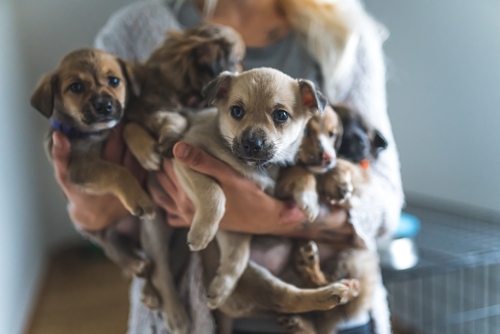
Fostering simply means bringing a shelter animal into your home for a set period. You provide care and love until the animal finds a permanent family.
How Pet Fostering Works
You provide temporary care through animal shelters or rescue organizations. Your typical responsibilities as a foster caregiver include feeding, walking, and socializing the pet. The main difference between fostering and adoption is the commitment level. Adoption is permanent. Fostering is a short-term arrangement.
Types of Pets That Need Foster Homes
Many different animals benefit from a foster environment.
- Puppies and kittens: Young animals need round-the-clock care and socialization.
- Senior pets: Older animals often struggle with the noise and stress of a kennel.
- Medical recovery animals: Pets healing from surgery need a quiet space to rest.
- Pregnant or nursing animals: Mothers need a safe, private place to raise their babies.
- Pets needing socialization: Some animals need a patient person to help them overcome fear.
How Long Pet Fostering Usually Lasts
Foster periods vary widely. Short-term fostering might last just a weekend to give a dog a break from the shelter. Long-term fostering can last several months for an animal recovering from an injury. Emergency fostering situations arise during natural disasters or sudden shelter intakes, usually lasting a few weeks.
Benefits of Fostering a Pet
Fostering creates positive outcomes for everyone involved.
Benefits for Animals
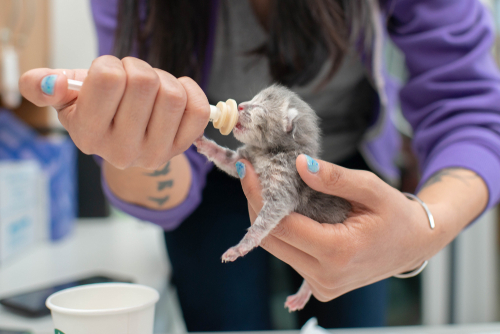
A home environment means reduced stress outside shelter environments. Animals receive better socialization and training opportunities. This leads to much improved adoption outcomes, as the pet learns how to behave in a home.
Benefits for Shelters and Rescues
When you foster, you create more space for incoming animals. Shelters also gain better behavioral observations. A dog might act scared in a kennel but become playful in a living room. This information increases adoption readiness and helps match the pet with the right permanent family.
Benefits for Foster Families
You gain companionship without permanent commitment. Fostering offers a unique opportunity to help animals in need. It is also an excellent way of learning about pet care and training before you decide to adopt a pet of your own.

How to Become a Pet Foster Parent
Getting started is a straightforward process. Shelters want to help you succeed.
Finding a Local Shelter or Rescue Organization
Start by contacting humane societies and nonprofit rescues in your area. If you love a specific type of dog, you can also look for breed-specific rescue organizations.
Completing the Foster Application Process
You will need to fill out an application. This is usually followed by interviews and home checks. Rescue groups use this information for matching pets with suitable homes. They want to ensure your lifestyle fits the animal’s needs.
Preparing Your Home for a Foster Pet
Before you bring an animal home, you must prepare your space. Use pet-proofing tips like securing loose wires and putting away toxic plants. Gather supplies commonly needed, such as bowls, leashes, and beds. Focus on creating a safe and calm environment where the pet can relax.
Understanding Foster Support and Costs
Transparency is key when fostering. Ask what shelters typically provide. Many rescues cover veterinary care, food, and supplies. Always prepare a list of questions to ask before fostering to ensure you understand your financial responsibilities.

Common Challenges of Fostering Pets
Fostering is incredibly rewarding, but it does come with hurdles.
Managing Behavioral or Medical Needs
Some animals require extra patience and training. You may need to administer medication or work on basic obedience. You will spend time working with rescue coordinators and veterinarians to address these needs successfully.
Introducing Foster Pets to Existing Pets
If you own pets, you must handle safe introductions and supervision. Keep animals separated at first. Focus on managing stress and boundaries so everyone feels safe.
Saying Goodbye After Adoption
The emotional side of fostering is often the hardest part. Letting go can be difficult. However, celebrating successful placements makes the goodbye worthwhile. Knowing you saved a life provides great reassurance.
Tips for Successful Pet Fostering
A few simple strategies can make the experience better for you and the animal.
Establishing Routines
Pets thrive on predictability. Set strict feeding, walks, and rest schedules. A solid routine is essential for helping animals feel secure in a new environment.
Socialization and Positive Reinforcement
Focus on encouraging trust and confidence. Use reward-based training approaches. Give treats and praise when the animal shows good behavior.
Communication With Rescue Organizations
Keep your rescue group informed. Try sharing updates and behavioral observations regularly. Supporting adoption efforts with clear photos and information helps the pet find a home faster.

How Communities Can Support National Foster a Pet Month
You can still participate in this observance even if you cannot foster an animal right now.
Volunteering at Local Shelters
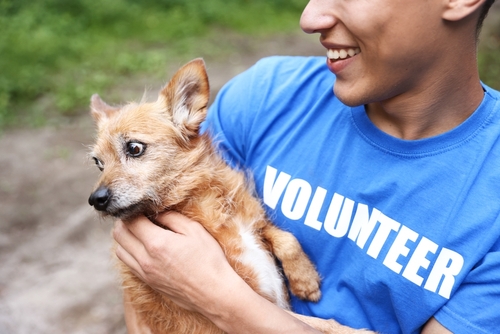
Shelters always need hands-on help. Look for non-foster volunteer opportunities. You can walk dogs, clean cages, or provide event and adoption support.
Donating Supplies or Funds
Animal rescues operate on tight budgets. You can drop off food, bedding, toys, and medical support. The importance of nonprofit donations cannot be overstated. Financial contributions keep these organizations alive.
Raising Awareness on Social Media
Your online network is a powerful tool. Start sharing adoptable pets on your social media accounts. You can also post content encouraging responsible pet ownership in your community.
National Foster a Pet Month 2026 Trends and Conversations
Animal welfare is always evolving. Several key trends are shaping pet rescue this year.
Growing Interest in Animal Rescue
There is increased public awareness around shelter overcrowding. This has sparked community-driven rescue efforts across the country. People are stepping up to help their local shelters directly.
Foster-to-Adopt Programs
Many shelters now offer trial adoption opportunities. These foster-to-adopt programs take the pressure off. They are highly effective at helping families find the right pet match without rushing the decision.
The Role of Social Media in Pet Adoption
Viral rescue stories capture the public’s attention. Online adoption campaigns and fundraising efforts help shelters reach a wider audience than ever before.

Why Pet Fostering Makes a Lasting Impact
Fostering a pet is a simple act with profound results.
Saving More Animal Lives
Fostering directly saves lives. It shows exactly how foster networks expand shelter capacity. Every animal in a foster home means one more open kennel at the shelter.
Strengthening Human-Animal Connections
The emotional and mental health benefits of caring for pets are well documented. Fostering brings joy and companionship into your daily routine.
Encouraging Compassion in Communities
When you foster, you set a positive example. Fostering is a powerful way of building awareness around responsible animal care. It shows your community that helping animals is accessible, safe, and deeply rewarding.
Frequently Asked Questions (FAQs)
When is National Foster a Pet Month 2026?
National Foster a Pet Month is observed throughout June 2026 in the United States.
What is pet fostering?
Pet fostering involves temporarily caring for an animal from a shelter or rescue organization until it is adopted.
Do foster pet parents pay for veterinary care?
Many shelters and rescue organizations cover veterinary care and may also provide food and supplies, though policies vary.
What types of animals need foster homes?
Dogs, cats, puppies, kittens, senior pets, injured animals, and pets recovering from illness commonly need foster homes.
How long does fostering a pet last?
Fostering can last anywhere from a few days to several months depending on the animal’s needs and adoption timeline.
Can I foster a pet if I already have pets at home?
Yes, many foster families already have pets. Shelters typically help match foster animals appropriately and provide guidance for introductions.
What is the difference between fostering and adopting?
Fostering is temporary care, while adoption is a permanent commitment to a pet.
How can I help if I cannot foster a pet?
You can volunteer, donate supplies, support local shelters financially, or help share adoptable pets on social media.



