

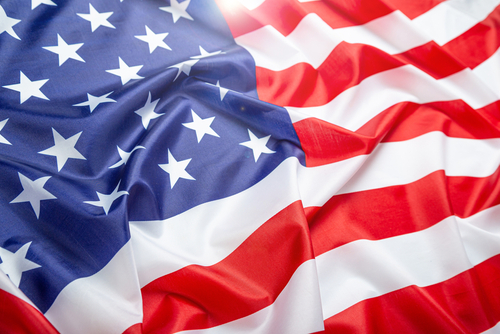
Every June, Americans pause to recognize a symbol that represents their nation’s history, values, and shared identity. National Flag Week offers a dedicated time to honor the United States flag and reflect on what it means to be a citizen. It is a period marked by civic pride, educational events, and community gatherings.
Observing National Flag Week helps citizens connect with the country’s founding principles. The American flag is a constant presence in daily life, flying outside schools, post offices, and homes. Taking a week to focus on its significance ensures that the traditions and sacrifices associated with the flag are passed down to future generations.
By reading this guide, you will learn the history behind National Flag Week and discover the rules of proper flag etiquette. You will also find practical ways to participate in 2026, whether you plan to attend a local parade, teach your children about civic responsibility, or simply display the flag correctly at your home.
What Is National Flag Week?
National Flag Week is an annual observance dedicated to the United States flag. It encourages citizens to learn about the flag’s history and to display it proudly and correctly.
The Purpose of National Flag Week
The main goal of this week is to honor the American flag and its rich symbolism. It encourages patriotism and civic awareness among citizens of all ages. Recognizing the flag’s role in US history helps unite communities and fosters a shared sense of national pride.
When National Flag Week Takes Place
National Flag Week is always observed during the week that includes June 14, which is Flag Day. Each year, the President of the United States issues a proclamation urging citizens to fly the flag at their homes and businesses throughout the week.
The History of National Flag Week
The traditions we observe today have deep historical roots. Understanding where the flag came from helps explain why we celebrate it now.
Origins of the American Flag
The Continental Congress officially adopted the US flag on June 14, 1777. The original design featured 13 stars and 13 stripes to represent the first colonies. Over the years, the flag evolved as new states joined the Union, eventually resulting in the 50-star design we recognize today.
The Establishment of Flag Day
Efforts to recognize June 14 as a special day began in the 19th century. School teachers and civic groups organized early celebrations to teach children about the flag. Decades later, President Woodrow Wilson issued a proclamation establishing Flag Day nationwide, and Congress officially designated it in 1949.
How National Flag Week Began
National Flag Week expanded on the single day of recognition. In 1966, Congress requested that the President issue an annual proclamation designating the week encompassing June 14 as National Flag Week. This shift allowed for a broader range of civic and educational participation across the country.
What the American Flag Represents
The flag is much more than a piece of fabric. Its colors and design hold specific meanings that reflect the nation’s journey.
Meaning of the Stars and Stripes
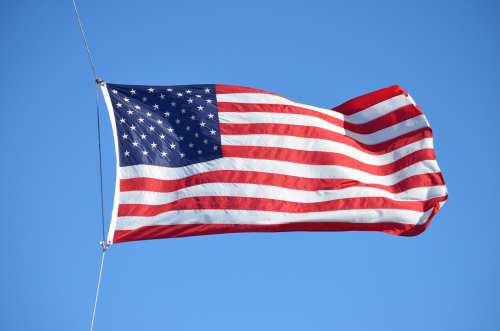
The 50 stars on the blue canton represent the 50 states of the Union. The 13 alternating red and white stripes stand for the original 13 colonies that declared independence.
American Values and National Identity
The flag symbolizes freedom, unity, democracy, and resilience. During times of national change or hardship, the flag serves as a comforting and unifying emblem. It reminds citizens of the shared values that form the foundation of the country.
The Flag in Military and Civic Traditions
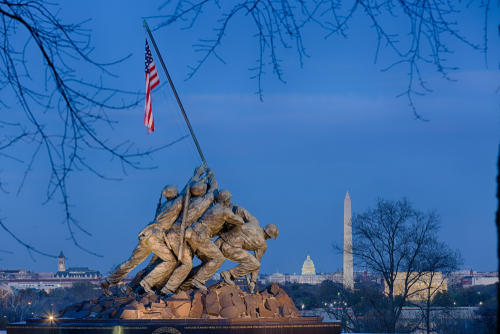
The American flag plays a central role in ceremonies, memorials, and public events. It drapes the caskets of fallen service members and flies high during military parades. For veterans and their families, the flag holds deep personal significance as a symbol of sacrifice and duty.
National Flag Week Traditions and Celebrations
Americans celebrate National Flag Week through a variety of community and personal activities. These traditions help bring neighborhoods together.
Flag Raising Ceremonies
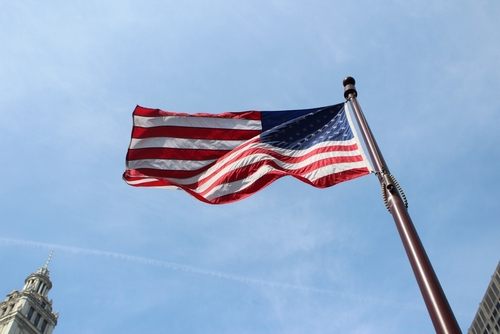
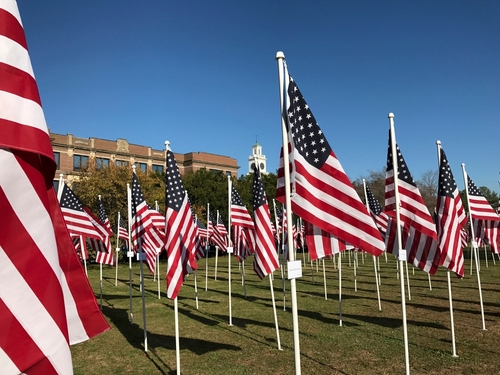
Many cities kick off the week with official flag-raising ceremonies. Community leaders, veterans, and local citizens gather at civic centers or parks. Schools and local organizations often participate by leading the Pledge of Allegiance.
Educational Activities and Classroom Lessons
Schools use this week to teach students about flag history and proper etiquette. Teachers organize student art projects, patriotic programs, and lessons about the Constitution. These activities help younger generations understand their civic duties.
Community Parades and Patriotic Events
Local celebrations and historical reenactments are common during National Flag Week. Family-friendly public observances, such as parades and concerts, offer a fun and engaging way for communities to show their patriotism.
Displaying the American Flag at Home
Residential participation is a cornerstone of Flag Week. Millions of Americans display the flag on their porches or front lawns. Following respectful flag display practices ensures the symbol is treated with the dignity it deserves.
US Flag Etiquette and Proper Display Rules
There are specific guidelines for handling and displaying the American flag. Knowing these rules is an important part of civic respect.
Basic American Flag Etiquette
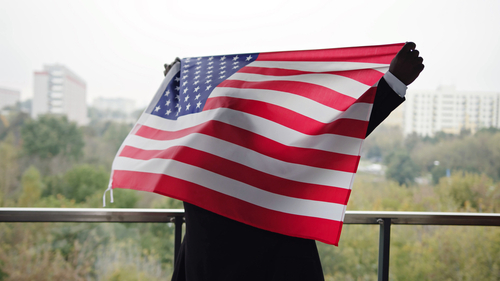
You should always raise the flag briskly and lower it ceremoniously. When displaying the flag outdoors or indoors, the blue section (the union) should be at the peak of the staff. If hung vertically on a wall, the union should be to the observer’s left.
When to Fly the Flag
The flag can be flown every day, but it is especially encouraged on federal holidays and national observances. The standard guideline is to display the flag from sunrise to sunset. If you choose to fly it at night, you must ensure it is properly illuminated.
Common Flag Etiquette Mistakes to Avoid
Treating the flag carelessly is considered disrespectful. Never allow the flag to touch the ground or the floor. Avoid storing a wet or crumpled flag, and never use the flag for advertising or as casual clothing.
How to Properly Retire an American Flag
When a flag becomes faded or torn, it should no longer be displayed. A worn flag should be retired respectfully, preferably by burning it in a dignified manner. Many local veterans groups and community organizations host official flag retirement ceremonies where you can drop off old flags.
Ways to Participate in National Flag Week 2026
You can easily get involved in National Flag Week this year. Here are a few practical ways to show your support.
Attend Local Events and Ceremonies
Check your local community calendar for public commemorations. Veterans groups, schools, and civic organizations often host events that are open to the public. Attending these gatherings is a great way to connect with neighbors.
Learn More About American History
Take time to explore the evolution of the US flag. You can visit local museums, watch historical documentaries, or read books about the American Revolution. Educating yourself deepens your appreciation for the country’s heritage.
Teach Children About Civic Responsibility
Have age-appropriate discussions about patriotism and citizenship with your children. Teach them how to handle the flag and explain what the colors represent. Encouraging respect for national symbols early on builds strong civic habits.
Support Veterans and Military Families
National Flag Week is an excellent time to give back. You can connect patriotic observances with community service by volunteering with organizations that support veterans and military families.
National Flag Week 2026 Trends and Conversations
As society changes, the way we observe national holidays evolves. Several trends are shaping how Americans experience Flag Week in 2026.
Renewed Interest in Civic Education
There is a growing focus on US history and citizenship education in schools. Educators are finding new ways to make civic responsibility engaging for students, ensuring they understand the weight of national symbols.
Social Media and Patriotic Observances
Online educational campaigns have made it easier to share historical storytelling. Many organizations use social media platforms to teach flag etiquette and share videos of local ceremonies, reaching a much wider audience.
Respectful Patriotism in Modern America
Conversations around unity, inclusion, and national identity remain prominent. National Flag Week provides a space for citizens from all backgrounds to discuss what the flag means to them and how the country can move forward together.
Why National Flag Week Still Matters
Observing this week offers lasting value for communities and individuals alike. It is a time for education, connection, and reflection.
Preserving Historical Awareness
Understanding the significance of national traditions keeps history alive. When we take time to learn about the flag’s origins, we honor the people who helped build the nation.
Encouraging Community Engagement
Shared observances bring communities together. Parades, flag-raising ceremonies, and public events provide opportunities for neighbors to connect over a shared sense of civic duty.
Reflecting on American Ideals
National Flag Week reminds us of the importance of civic participation. It is a moment for national reflection, encouraging all citizens to uphold the ideals of freedom and democracy that the flag represents.
Frequently Asked Questions (FAQs)
When is National Flag Week 2026?
National Flag Week 2026 takes place during the week that includes Flag Day on June 14.
What is National Flag Week?
National Flag Week is a US observance dedicated to honoring the American flag and encouraging patriotic and civic activities.
Why is Flag Day celebrated on June 14?
Flag Day commemorates June 14, 1777, when the Continental Congress adopted the official design of the US flag.
What do the stars and stripes on the American flag represent?
The 50 stars represent the 50 states, while the 13 stripes represent the original 13 colonies.
How should the American flag be displayed properly?
The flag should be displayed respectfully, raised briskly, lowered ceremoniously, and prevented from touching the ground.
Can the American flag be flown at night?
Yes, the flag may be flown at night if it is properly illuminated.
How do people celebrate National Flag Week?
People celebrate through flag displays, educational programs, ceremonies, parades, and community events.
What should I do with a damaged American flag?
A worn or damaged flag should be retired respectfully, often through official flag retirement ceremonies organized by veterans groups or community organizations.



