

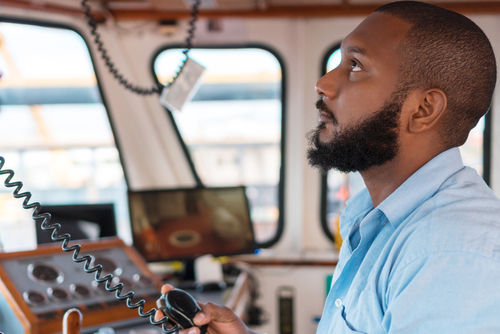
Every year, the world pauses to recognize the incredible dedication of maritime workers. Day of the Seafarer 2026 is an important global observance dedicated to the people who keep our international supply chains moving. These workers operate the ships that bring food, medicine, and vital supplies to our local communities.
Seafarers are the backbone of global shipping and trade. Without their hard work, international commerce would come to a complete halt. They navigate difficult conditions to ensure that essential goods reach their destinations safely and on time. We rely on their expertise to support our economies and daily transportation needs.
Taking time to recognize these workers remains crucial in 2026. The maritime industry faces ongoing shifts in technology, environmental standards, and global logistics. Through it all, seafarers adapt and continue delivering for us. Understanding their sacrifices helps us appreciate the massive effort required to stock our shelves and power our modern lives.
What Is Day of the Seafarer?
Day of the Seafarer is a dedicated time to honor maritime professionals. It shines a light on a workforce that operates largely out of public view.
The Purpose of the Observance
The primary goal is recognizing the contributions of seafarers worldwide. These events also raise awareness about maritime careers and the unique working conditions at sea. By participating, global leaders and communities highlight the overall importance of the shipping industry to our collective well-being.
When Day of the Seafarer Is Celebrated
The event is observed annually on June 25. Every year, international maritime organizations, shipping companies, and local ports come together to participate. It is a unified effort to say thank you to the men and women working on the water.
The History of Day of the Seafarer
Understanding the roots of this observance shows how much global appreciation for maritime workers has grown.
How the Observance Began
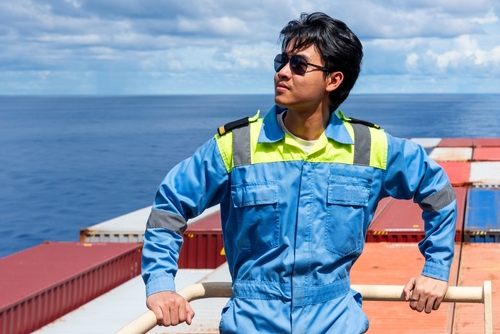
The International Maritime Organization (IMO) established Day of the Seafarer. They recognized a critical need to formally acknowledge the unique challenges and vast contributions of maritime crews. Since its creation, it has become a cornerstone event for the industry.
Why Seafarers Are Essential
Seafarers play a direct role in transporting goods and supporting international trade. They handle millions of tons of cargo every year. Their reliable service forms the foundation of the global economy, connecting manufacturers with consumers across oceans.
Growth of Maritime Awareness Campaigns
Over the years, the observance has expanded. There is an increasing recognition of seafarer welfare and labor issues. Global campaigns now focus heavily on fair treatment, mental health, and safe working conditions for all maritime staff.
Who Are Seafarers?
The term encompasses a wide variety of skilled professionals. They come from all over the world and work in diverse roles.
Definition of a Seafarer
A seafarer is a maritime professional working aboard ships and vessels. They live and work at sea, often for months at a time, to ensure vessels operate smoothly and safely.
Types of Maritime Careers
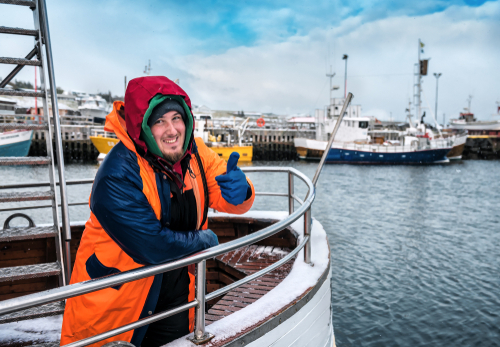
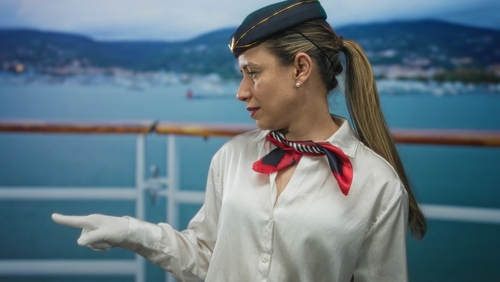
The maritime industry offers many specialized career paths. These include cargo ship crews, cruise workers, fishermen, marine engineers, and ship officers. Every role is vital to the success of a voyage.
Responsibilities of Seafarers
Working on a ship requires immense skill and focus. Seafarers handle complex navigation, heavy cargo management, and daily vessel operations. Above all, they maintain strict safety protocols to protect the crew, the ship, and the ocean environment.
Why Seafarers Matter in 2026
The global economy is deeply interconnected. Seafarers make this connection possible.
Supporting Global Trade and Supply Chains
Maritime workers transport food, fuel, electronics, and consumer goods. When you purchase a product locally, there is a very high chance a seafarer brought it across the ocean first.
Economic Importance of Shipping
Shipping drives international commerce. Maritime industries create jobs, build infrastructure, and generate revenue for nations worldwide. Seafarers are the human engine powering this economic growth.
Maintaining Transportation Infrastructure
Seafarers work closely with ports, shipping routes, and vast logistics networks. Their coordination with shore-based teams ensures that transportation infrastructure functions efficiently.
Essential Workers in Global Emergencies
During supply chain challenges or global disruptions, seafarers prove their resilience. They are essential workers who step up to deliver critical supplies, even when conditions are uncertain.
Challenges Faced by Seafarers
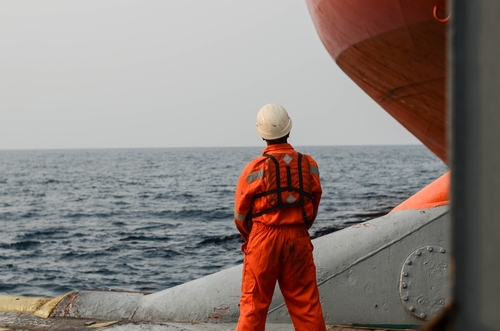
Life at sea is rewarding but demanding. Maritime workers face distinct challenges that require strong support systems.
Long Periods Away From Home
Seafarers frequently spend six to nine months away from their families. This family separation causes significant emotional challenges. Missing milestones and holidays is a difficult reality of the job.
Physical and Mental Health Concerns
The combination of long hours and isolation can lead to stress and fatigue. Mental health awareness is becoming a top priority in the maritime industry. Providing reliable internet access and support services helps ease this burden.
Safety and Weather Risks
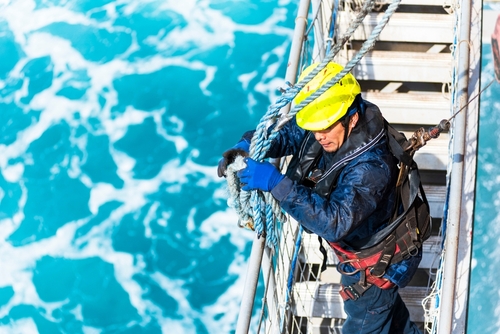
The ocean is unpredictable. Seafarers work in demanding maritime environments, facing rough weather, heavy machinery risks, and the threat of piracy in certain regions. Safety training and reliable equipment are critical.
Labor Rights and Working Conditions
Securing fair treatment and clear contracts remains an ongoing focus. International regulations exist to protect seafarers, but enforcement varies. Advocacy ensures that all workers receive the respect and compensation they deserve.
How Day of the Seafarer Is Observed
Communities and organizations celebrate this day through targeted events and global outreach.
Maritime Industry Recognition Events
Shipping companies often host awards and appreciation programs. These public campaigns highlight exceptional service and give crews the recognition they have earned.
Educational and Career Awareness Programs
Many organizations use this day to promote maritime education. Workforce development programs teach young people about the benefits of a career at sea.
Social Media and Global Advocacy Campaigns
Online awareness is a powerful tool. The IMO and other groups launch social media initiatives to share stories from the sea. These global advocacy campaigns encourage the public to voice their support.
Port and Community Celebrations
Local communities tied to the maritime industry host their own events. Port authorities arrange celebrations to thank the crews currently docked in their harbors.
Ways to Recognize Day of the Seafarer 2026
You can take action to support maritime workers. Small steps help build global appreciation.
Learn More About the Shipping Industry
Take time to understand how goods move globally. Reading about maritime logistics helps you appreciate the journey your everyday products take before reaching your home.
Support Maritime Worker Advocacy
Many non-profits focus entirely on seafarer welfare. You can support these organizations through donations or by amplifying their messages online.
Explore Maritime Careers and Education
If you are interested in a dynamic career, explore opportunities in shipping, logistics, and marine industries. Maritime academies offer excellent training for future seafarers.
Share Awareness About Seafarers’ Contributions
Use your voice to highlight this day. Social media posts and educational discussions with friends help spread the word about the vital work seafarers perform.
Maritime Industry Trends and Conversations in 2026
The shipping industry is evolving rapidly. Several key trends are shaping the future of maritime work.
Supply Chain Resilience and Global Shipping
Logistics and trade networks must remain adaptable. Ongoing conversations focus on building resilient supply chains that can withstand economic shifts and global shortages.
Sustainability in Maritime Transport
Environmental regulations are changing how ships operate. The push for cleaner fuels and reduced emissions is creating a greener, more sustainable maritime transport sector.
Technology and Automation in Shipping
Innovation is transforming the bridge and the engine room. Artificial intelligence, advanced navigation systems, and smart ports are making shipping safer and more efficient.
Workforce Recruitment and Retention
The industry needs skilled workers. Encouraging younger generations to enter maritime careers is a top priority. Companies are improving benefits to attract and retain top talent.
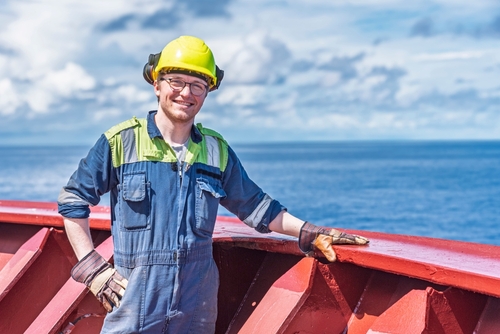
The Future of Maritime Careers
As the industry modernizes, the role of the seafarer will adapt to new demands.
Skills Needed in Modern Shipping Industries
Tomorrow’s seafarers need strong technology, navigation, engineering, and logistics skills. Understanding digital systems is now just as important as traditional seamanship.
Maritime Education and Training Programs
Training is becoming more advanced. Maritime academies, specialized certifications, and hands-on apprenticeships prepare workers for a highly technical environment.
Growing Opportunities in Global Trade
The demand for international goods will only increase. This creates lasting opportunities in shipping, port operations, and global supply chain management.
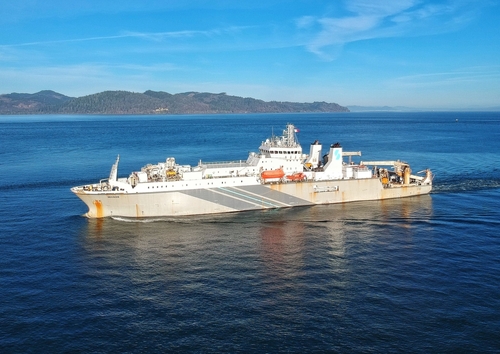
Why Day of the Seafarer Still Matters
Honoring this day ensures that maritime workers are never taken for granted.
Recognizing Essential Global Workers
We must remember the importance of maritime labor in our daily lives. Seafarers are essential global workers who deserve our steady gratitude and respect.
Encouraging Safer and Fairer Working Conditions
Public awareness drives industry accountability. Advocacy for seafarer rights and welfare leads to safer ships and better contracts for everyone at sea.
Promoting Awareness of Global Trade Systems
Understanding the connection between shipping and everyday goods makes us more informed consumers. When we value the supply chain, we value the people who make it work.
Frequently Asked Questions (FAQs)
When is Day of the Seafarer 2026?
Day of the Seafarer 2026 is observed on June 25.
What is Day of the Seafarer?
It is an international observance that recognizes the contributions of maritime workers and seafarers worldwide.
Who created Day of the Seafarer?
The International Maritime Organization (IMO) established the observance.
What is a seafarer?
A seafarer is a person who works aboard ships or other maritime vessels in roles related to transportation, navigation, engineering, or operations.
Why are seafarers important?
Seafarers help transport goods globally, support supply chains, and play a major role in international trade and commerce.
What challenges do seafarers face?
Common challenges include long periods away from home, demanding working conditions, mental health concerns, and safety risks.
How do people observe Day of the Seafarer?
People may participate through awareness campaigns, educational programs, appreciation events, and maritime industry initiatives.
What careers are available in the maritime industry?
Careers include ship officers, engineers, logistics specialists, port operators, marine technicians, and cargo vessel crews.



