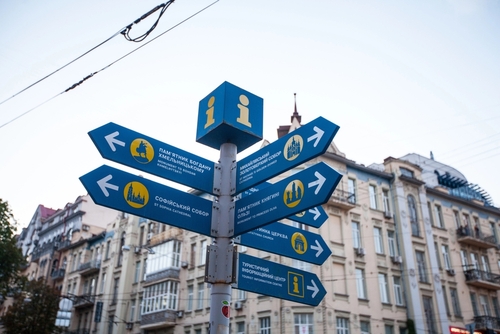

If you’ve ever assumed that most countries only have one official language, you’re not alone. In reality, however, countries with more than one language are very common. Many countries use two, three, or even dozens of languages in daily life. These multilingual nations tend to be culturally rich, globally connected, and reflective of the diverse people who live in them.
Understanding what makes a country multilingual helps us appreciate its culture and diversity. That’s why we’ve created this guide at Remitly to highlight some of the world’s most linguistically diverse countries. You’ll learn the difference between official and national languages and see how this variety shapes daily life, culture, and community.
Complete List of Countries with Multiple Official Languages
- Belgium
- Bolivia
- Cameroon
- Canada
- Eswatini (formerly Swaziland)
- Fiji
- India
- Ireland
- Israel
- Kenya
- Luxembourg
- Malaysia
- Malta
- Mauritius
- Nepal
- New Zealand
- Nigeria
- Pakistan
- Papua New Guinea
- Paraguay
- Philippines
- Scandinavian countries
- Singapore
- South Africa
- Spain
- Sri Lanka
- Switzerland
- Trinidad and Tobago
- Ukraine
- United Arab Emirates
- Vanuatu
- Zimbabwe
What makes a country multilingual?
Before exploring multilingual nations, you need to understand the types of languages a nation might officially recognize:
- Official language: Often used in government, laws, and formal communication. It’s the main language for public offices and even education.
- National language: While not always used in government, a national language reflects a country’s cultural identity and heritage.
- Recognized minority language: Usually spoken by specific ethnic or regional groups. Governments may give these languages special rights for education, broadcasting, or local governance.
Countries become multilingual for many reasons:
Colonial rule
European colonization greatly shaped the languages of many countries. In Africa and Asia, nations adopted the languages of their colonial powers for government, education, and trade.
For example, Cameroon uses French and English, reflecting its past under French and British rule. In Asia, the Philippines uses both English and Filipino, shaped by its history under US rule.
Indigenous heritage
Native languages often exist alongside a dominant or colonial language. In Peru, both Spanish and Quechua are officially recognized. This helps the country preserve its indigenous culture, while still using a widely understood language for administrative purposes.
Immigration
Migration introduces new languages, creating a rich and diverse linguistic environment. For instance, the United States is home to English, Spanish, Chinese, Tagalog, and more than 350 languages. This shows how centuries of immigration shape everyday communication.
Historical borders
Modern borders sometimes divide regions into different ethnic and linguistic groups. For example, India has hundreds of languages and dialects tied to distinct cultural and regional identities. This diversity allows multiple languages to coexist naturally.
Spotlight: Five countries with more than one language
Now that you know what makes a country multilingual, let’s look at five examples of countries where multiple languages are spoken every day:
India
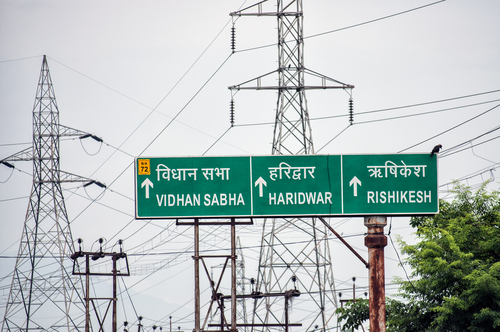
India is one of the most linguistically diverse countries in the world, with Hindi and English serving as the central government’s official languages. Beyond these, 22 scheduled languages are officially recognized, often functioning as the main language in different states.
For example, Bengali in West Bengal, Dogri in Jammu and Kashmir, Tamil in Tamil Nadu, and Telugu in Andhra Pradesh. Everyday life is even more diverse, with over 19,500 mother tongues spoken nationwide, reflecting centuries of cultural exchange, migration, and regional identity.
This incredible variety influences everything from local media and education to communication between regions.
South Africa
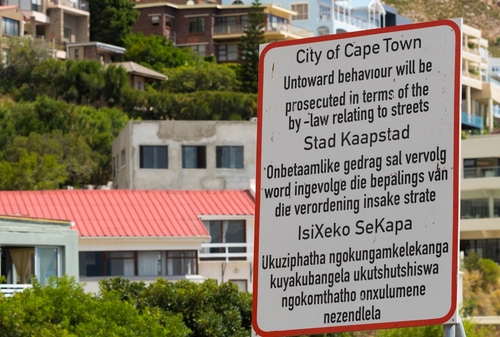
Nicknamed the “Rainbow Nation,” South Africa celebrates its diversity with 12 official languages. This includes widely spoken languages like isiZulu, isiXhosa, isiNdebele, Sesotho, Afrikaans, and English, alongside several indigenous languages of regional and cultural importance. This linguistic richness allows citizens to express their identities while preserving cultural traditions.
The country’s multilingual system is a direct response to its complex history. Following the end of apartheid, expanding language recognition became a national effort to promote inclusivity, equality, and representation. Today, this multilingual approach strengthens social unity and ensures government services are accessible to all communities.
Switzerland
Switzerland is known for its linguistic harmony, recognizing four national languages: German, French, Italian, and Romansh. Each language is tied to specific geographic regions known as cantons, which determine the primary language used in schools, government, and public service. This approach preserves regional culture while supporting a unified national identity.
Daily life reflects this diversity through multilingual signs, public documents, and media. Residents can easily navigate different languages across cantons and fully participate in civic and social life.
Canada
Canada is one of the world’s most bilingual countries, recognizing English and French as its two official languages at the federal level. This system reflects the country’s history, shaped by both British and French colonization. The Official Languages Act ensures citizens can access government services in either language, promoting equality and linguistic representation.
Bilingualism also strengthens Canada’s cultural identity and global presence. While English is widely spoken across most provinces, Quebec is predominantly French-speaking, with its own laws and cultural policies to protect and promote the French language. This emphasis on French heritage allows Quebec to maintain a distinct cultural identity while remaining an integral part of Canada’s diverse, multicultural society.
Bolivia
Bolivia is one of the world’s most linguistically diverse countries, recognizing 37 official languages in its constitution. These include Spanish and various indigenous languages, such as Quechua, Aymara, and Guarani. This extensive recognition ensures that people across different regions can communicate and access services in the language they know best.
Bolivia’s approach goes beyond symbolism; it’s a strong affirmation of indigenous identity, heritage, and rights, giving native communities visibility in education, government, and public life. By prioritizing linguistic inclusion, Bolivia demonstrates how language can play a central role in cultural preservation and national unity.
The benefits of a multilingual society
A society that embraces multiple languages enjoys a wide range of advantages:
Cultural richness
When a country supports multiple languages, it becomes a vibrant center of cultural expression. Each language carries its own stories, artistic styles, and traditions, enriching the national identity through literature, music festivals, and oral histories. This creates an environment where people can celebrate both shared experiences and unique cultural heritage.
Cognitive advantages
Speaking two or more languages may improve cognitive abilities, such as problem-solving, multitasking, and memory. Being bilingual also enhances focus and attention, helping you adapt more easily to new situations and challenges. These benefits can last into adulthood, supporting lifelong learning and mental flexibility.
Economic opportunities
Having a multilingual population opens doors on a global stage. If you can speak multiple languages, you might help businesses connect with international markets, build stronger relationships, and make tourists feel welcome. It also gives companies a competitive edge when their teams can comfortably navigate different cultures and global markets.
Social cohesion
Recognizing multiple languages helps create a society where more people feel seen, heard, and valued. When communities can use their own languages in public spaces, schools, and government services, it promotes inclusion and mutual respect. It reduces cultural barriers and strengthens unity, making it easier for diverse groups to live and work together peacefully.
Innovation and creativity
Exposure to multiple languages sparks creativity and inspires new ideas. People in multilingual nations tend to approach challenges from multiple viewpoints. They may blend ideas from various cultural backgrounds and communicate in ways that inspire new solutions. This kind of environment fuels innovation in business, technology, and the arts, benefiting everyone in countless ways.
Global connectivity
Multilingual societies are naturally more connected to the world. Citizens from these societies might easily build stronger international relationships, participate in global conversations, and access information from different regions. This global reach strengthens diplomacy, encourages collaboration, and supports cultural exchange.
Intergenerational connection
Multilingualism helps pass down traditions, stories, and knowledge from one generation to the next. It strengthens the family and community bond by allowing younger members to connect with their heritage and older generations through shared language. This also gives young people a sense of identity and belonging within their community.
Why multilingualism matters
As the world becomes more interconnected, the ability to engage with multiple languages is more than a practical skill. It helps people understand different perspectives and build meaningful relationships. Countries that support linguistic diversity set an example for how society can thrive by valuing every voice, fostering collaboration, and creating environments where everyone can contribute.
Looking ahead, embracing multiple languages can shape the next generation of global citizens. From education to business, multilingual nations are better equipped to adapt, innovate, and compete globally. Recognizing and investing in language diversity prepares people and nations for a world built on connection, cooperation, and understanding—keys to long-term success.
FAQs
Which country has the most official languages?
Bolivia has the most official languages, recognizing 37, including Spanish and other indigenous languages like Quechua, Aymara, and Guarani. India is also highly multilingual, with 22 scheduled languages, including Hindi and English at the federal level.
Is the United States a multilingual country?
The US does not have a federal official language, but it’s very multilingual, largely because of immigration. Spanish is the second most-spoken language, along with hundreds of other languages representing both native and immigrant communities.
What is the difference between a dialect and a language?
A language is a system of communication with its own grammar and vocabulary, while a dialect is a regional or social variation of a language. Politics, history, and culture also influence whether a speech form is considered a language or a dialect.
How do multilingual countries handle official documents and education?
It depends on the country. Some print government documents in all official languages, while others use a primary language for federal matters and regional languages locally. Schools often provide bilingual or multilingual education so citizens can read, write, and communicate in multiple languages.
Why do some countries recognize multiple languages officially?
Countries recognize multiple languages to reflect their cultural and ethnic diversity. Official recognition helps preserve minority languages and allows citizens to fully participate in government, education, and public life. It also builds social cohesion by showing that every linguistic group matters.
Does multilingualism benefit society and the economy?
Yes. Speaking multiple languages can improve education, cultural exchange, and international business. People who speak more than one language often communicate better and connect easily with different communities or global markets. It also supports tourism, trade, and diplomacy, making a country more open and accessible to the world.