


April 2026 brings together some of the year’s most meaningful observances. From major religious holidays like Easter and Passover to environmental awareness days and cultural celebrations, this month offers countless opportunities to connect with traditions from around the world.
Whether you’re planning international travel, coordinating with colleagues across time zones, or simply want to understand the holidays your neighbors celebrate, this guide provides the dates, meanings, and cultural context you need.
You’ll find exact 2026 dates for every major April observance, learn how celebrations differ across regions, and discover respectful ways to participate—no matter where you are.
Quick Reference: April 2026 Key Dates at a Glance
Here are the most important dates to mark on your calendar:
April 2026 Observances Chart
|
Category |
Date |
Observance |
|---|---|---|
|
Religious Observances |
April 1–9, 2026 |
Passover (begins evening of April 1) |
|
April 9, 2026 |
Holy Thursday |
|
|
April 10, 2026 |
Good Friday |
|
|
April 12, 2026 |
Easter Sunday |
|
|
April 13, 2026 |
Easter Monday |
|
|
Cultural & Heritage Celebrations |
All April |
Arab American Heritage Month |
|
April 1, 2026 |
April Fools’ Day |
|
|
April 13-14, 2026 |
Sinhalese & Tamil New Year |
|
|
April 13-15, 2026 |
Songkran (Thai New Year) |
|
|
April 13-16, 2026 |
Thingyan (Burmese Water Festival) |
|
|
April 14, 2026 |
Bengali New Year (Pohela Boishakh) |
|
|
April 14, 2026 |
Vishu (Kerala New Year) |
|
|
April 23, 2026 |
English Language Day |
|
|
April 23, 2026 |
Spanish Language Day |
|
|
April 27, 2026 |
Kingsday (Koningsdag) |
|
|
April 30, 2026 |
International Jazz Day |
|
|
Environmental & Civic Days |
April 22, 2026 |
Earth Day |
|
April 24, 2026 |
Arbor Day |
|
|
April 29, 2026 |
Administrative Professionals Day |
|
| Independence Days |
April 1, 2026 |
Cyprus National Day |
|
April 4, 2026 |
Senegal Independence Day |
|
|
April 17, 2026 |
Syria Independence Day |
|
|
April 18, 2026 |
Zimbabwe Independence Day | |
|
April 25, 2026 |
Italy Liberation Day (Festa della Liberazione) | |
|
April 27, 2026 |
Sierra Leone Independence Day | |
|
April 27, 2026 |
South Africa Freedom Day | |
|
April 27, 2026 |
Togo Independence Day |
Global Awareness & Cultural Observances
Arab American Heritage Month (All April)
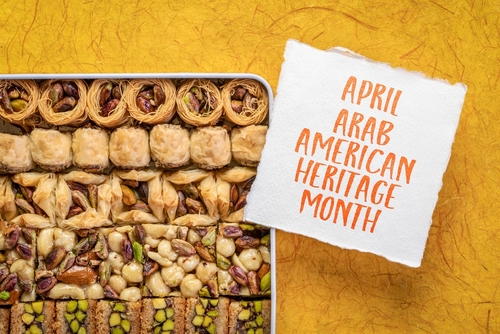
April marks Arab American Heritage Month, officially recognized in the United States to celebrate the contributions of Arab Americans to society. This observance highlights the rich cultural heritage of people with roots in 22 Arab countries across the Middle East and North Africa.
Arab Americans have made significant contributions across every field—from medicine and science to literature, business, and the arts. This month offers an opportunity to learn about these achievements and understand the diversity within Arab cultures.
How to participate respectfully:
- Support Arab-owned businesses in your community
- Attend cultural events, film screenings, or lectures
- Explore Arab literature by authors like Khalil Gibran or Naomi Shihab Nye
- Try cooking traditional dishes from different Arab regions
English Language Day (April 23)

The United Nations established English Language Day on April 23 to celebrate linguistic diversity and multilingualism. The date honors William Shakespeare’s birthday and his lasting impact on the English language.
English connects over 1.5 billion speakers worldwide, yet the language varies dramatically across regions. From British to American, Australian to Indian English, each variety reflects unique cultural influences and histories.
Ways to celebrate:
- Read works by English-language authors from different countries
- Learn about regional dialects and their origins
- Host a book club featuring global English literature
- Watch films or shows that showcase different English varieties
Spanish Language Day (April 23)

Also celebrated on April 23, Spanish Language Day honors the death anniversary of Miguel de Cervantes, author of Don Quixote. Spanish is the second most spoken native language globally, with over 460 million speakers across four continents.
From Spain to Latin America, the Caribbean to parts of Africa, Spanish serves as a bridge between diverse cultures while maintaining regional character through local expressions and traditions.
Ways to celebrate:
- Watch Spanish-language films from different countries
- Explore Latin American or Spanish cuisine
- Learn about the differences between European and Latin American Spanish
- Attend community events celebrating Hispanic and Latino cultures
International Jazz Day (April 30)

UNESCO designated April 30 as International Jazz Day to recognize jazz as a universal language that promotes peace, dialogue, and intercultural understanding. Born from African American experiences in the early 20th century, jazz has influenced music worldwide.
Cities like New Orleans, New York, Paris, Tokyo, and Cape Town each have unique jazz traditions that reflect local cultural influences while honoring the genre’s roots.
Ways to participate globally:
- Stream concerts from jazz festivals around the world
- Visit local jazz clubs or outdoor performances
- Learn about jazz’s role in civil rights movements
- Explore how jazz merged with local music in different countries
Religious Observances in April 2026
Holy Thursday (April 9, 2026)
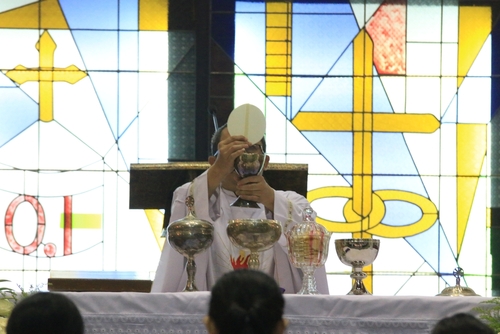
Holy Thursday, also called Maundy Thursday, commemorates the Last Supper of Jesus Christ with his disciples. This day marks the beginning of the Easter Triduum, the most sacred period in the Christian liturgical calendar.
Churches worldwide hold special services that include foot-washing ceremonies, symbolizing humility and service. In some countries, Holy Thursday is a public holiday, allowing families to gather for religious observances.
Global traditions:
- Foot-washing ceremonies in Catholic and some Protestant churches
- Seven church visits in Philippines and parts of Latin America
- Special bread and soup meals in European traditions
- Processions through historic city centers in Spain and Italy
Good Friday (April 10, 2026)
Good Friday observes the crucifixion of Jesus Christ. For Christians worldwide, this is a solemn day of reflection, prayer, and fasting. Many countries recognize Good Friday as a public holiday.
Traditions vary significantly across cultures, from quiet contemplation to elaborate public processions that reenact the Stations of the Cross.
Public holiday countries include:
- Most of Europe, Canada, Australia, and New Zealand
- Many countries in Latin America, the Caribbean, and Africa
- Parts of Asia including the Philippines and Singapore
Cultural traditions:
- Passion plays and processions in Spain, Philippines, and Mexico
- Hot cross buns in English-speaking countries
- Three-hour church services from noon to 3 PM
- Abstaining from meat and other penitential practices
Easter Sunday (April 12, 2026)
Easter Sunday celebrates the resurrection of Jesus Christ and represents the most important day in Christianity. The date changes each year because it’s calculated using a lunar calendar—Easter falls on the first Sunday after the first full moon following the spring equinox.
Note that Eastern Orthodox churches often celebrate Easter on a different date because they use the Julian calendar rather than the Gregorian calendar. In 2026, both Western and Orthodox Easter fall on the same day.
Cultural traditions around the world:
- Easter egg hunts and chocolate eggs in Western countries
- Elaborate processions and family feasts in Mediterranean countries
- Traditional foods like lamb, ham, or special breads
- Sunrise services held outdoors
- Decorating eggs using traditional folk art techniques
Easter Monday (April 13, 2026)

Easter Monday extends the Easter celebration and is a public holiday in many countries, particularly in Europe, Canada, and Australia. This day is marked by various cultural traditions that differ by region.
Traditions include:
- Egg rolling competitions (famously held at the White House)
- Water festivals in Hungary and Poland (Śmigus-Dyngus)
- Family picnics and outdoor gatherings
- Continuation of Easter feasts and celebrations
Passover (Evening of April 1 – April 9, 2026)
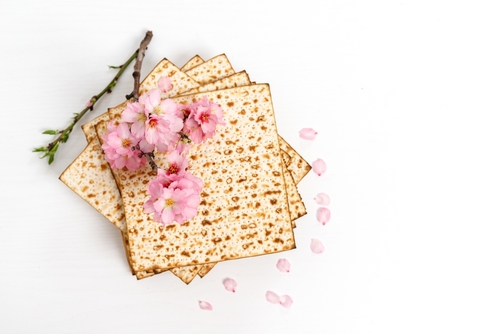
Passover, or Pesach, is one of Judaism’s most significant festivals. It commemorates the liberation of the Israelites from slavery in ancient Egypt and celebrates freedom, renewal, and faith.
The holiday begins with the Seder, a ritual meal held on the first two nights, during which families retell the Exodus story through readings, songs, and symbolic foods. Each element of the Seder plate carries meaning—bitter herbs for suffering, matzah (unleavened bread) for the hasty departure from Egypt, and more.
Jewish communities worldwide observe Passover, though customs vary across different traditions—Ashkenazi (European), Sephardic (Spanish/Middle Eastern), and Mizrahi (Middle Eastern/North African).
Key observances:
- Removing all leavened bread (chametz) from homes
- Eating matzah throughout the eight days
- Conducting the Seder with family and community
- Traditional foods like charoset, gefilte fish, and brisket
Respectful participation tips:
- If invited to a Seder, ask your host about customs beforehand
- Bring unleavened foods or check ingredient labels carefully
- Participate in readings and songs when invited
- Show genuine interest in the story and symbolism
Environmental & Civic Days
Earth Day (April 22)

Earth Day began in 1970 as a response to growing environmental concerns and has since become the world’s largest civic event. More than one billion people across 190 countries now participate each year, taking action to protect the planet.
This day serves as a reminder that environmental challenges require global cooperation. From climate change to plastic pollution, the issues we face cross all borders.
How individuals can participate meaningfully:
- Join local cleanup events in your community
- Plant native trees or start a community garden
- Reduce single-use plastics in your daily routine
- Support environmental organizations through donations or volunteering
- Educate yourself about local environmental issues
- Choose sustainable transportation options
- Advocate for environmental policies in your area
Arbor Day (April 24, 2026 – U.S.)
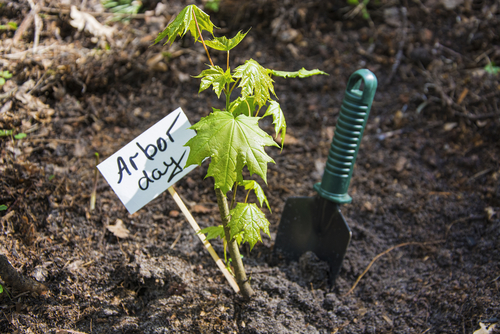
Arbor Day focuses specifically on trees and their vital role in our ecosystems. Founded in Nebraska in 1872, the tradition has spread to countries worldwide, though dates vary by region depending on optimal planting seasons.
Trees provide oxygen, store carbon, prevent soil erosion, and create habitats for wildlife. Research shows that urban trees also reduce stress, lower temperatures, and improve air quality in cities.
How to get involved locally:
- Participate in tree-planting events organized by your city or environmental groups
- Plant a tree in your yard or community space (choose native species)
- Support organizations that plant trees globally
- Learn to identify local tree species
- Teach children about trees’ environmental importance
Workplace & Community Recognition
Administrative Professionals Day (April 29, 2026)

Administrative Professionals Day recognizes the essential contributions of administrative staff, executive assistants, receptionists, and office managers. These professionals keep organizations running smoothly, often handling complex responsibilities that go far beyond their job descriptions.
First observed in 1952, this day acknowledges that administrative work requires skill, dedication, and professionalism. Modern administrative roles increasingly involve technology management, project coordination, and strategic support.
Meaningful ways to show appreciation:
- Provide genuine, specific recognition of their contributions
- Offer professional development opportunities or training
- Give additional time off or flexible scheduling
- Include them in decision-making processes
- Write personalized notes highlighting specific achievements
- Ensure compensation reflects their responsibilities
National & Cultural Celebrations
April Fools’ Day (April 1)

April Fools’ Day, observed in many Western countries, involves harmless pranks and jokes. While its exact origins remain unclear, the tradition dates back centuries and appears in various forms across cultures.
Different countries have their own variations. In France, children try to stick paper fish on people’s backs. In Scotland, the tradition lasts two days. In Iran, Sizdah Be-dar involves outdoor picnics and playful tricks on the 13th day of their new year, which sometimes falls near April 1.
Etiquette for keeping it light and respectful:
- Ensure pranks are harmless and won’t cause distress
- Consider your audience and their sense of humor
- Avoid jokes about serious topics like health, safety, or finances
- Be ready to laugh at yourself when pranked
- Keep workplace pranks professional and appropriate
Sinhalese & Tamil New Year (April 13–14, 2026)
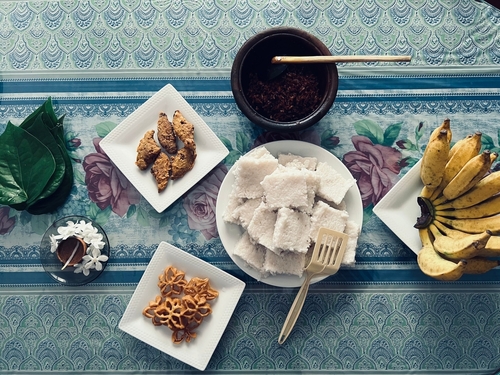
Sinhalese and Tamil New Year, known as Aluth Avurudda in Sinhala and Puththandu in Tamil, is one of Sri Lanka’s most cherished national celebrations. Observed on April 13 and 14, it marks the end of the harvest season and the sun’s movement into the Aries zodiac sign—a moment calculated with precision by astrologers who determine the exact auspicious time for each ritual.
Songkran – Thai New Year (April 13–15, 2026)
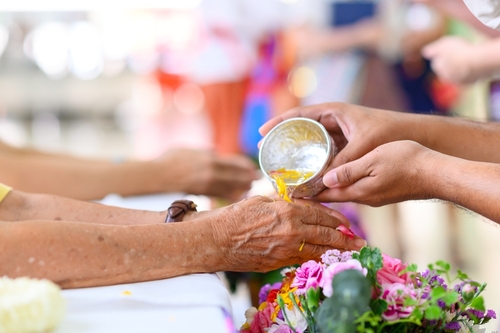
Songkran is the traditional Thai New Year celebration, observed each year from April 13 to 15. The name comes from a Sanskrit word meaning “astrological passage,” marking the sun’s transition into the new zodiac cycle. It is one of the most joyful and widely recognized festivals in Southeast Asia.
Thingyan – Burmese Water Festival (April 13–16, 2026)

Thingyan is Myanmar’s most celebrated festival and marks the traditional Burmese New Year. Observed over four days leading into New Year’s Day on April 17, Thingyan is a time of joy, spiritual renewal, and community. The name refers to the transition of the celestial being Thagyamin from the old year to the new.
Bengali New Year – Pohela Boishakh (April 14, 2026)
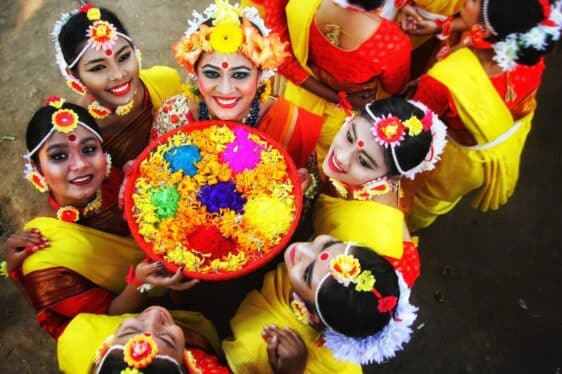
Pohela Boishakh is the first day of the Bengali calendar and is celebrated with tremendous enthusiasm across Bangladesh and the Indian state of West Bengal, as well as in Bengali communities worldwide. “Pohela” means “first” and “Boishakh” is the name of the first Bengali month—making this literally the dawn of a new year.
Vishu – Kerala New Year (April 14, 2026)

Vishu is the traditional new year celebration of Kerala, a state on the southwestern coast of India, observed on April 14. The name means “equal” in Sanskrit, referring to the spring equinox. The holiday marks the sun’s entry into Medam, the first month of the Malayalam calendar, and is regarded as an auspicious time for new beginnings.
Kingsday – Koningsdag (April 27, 2026)
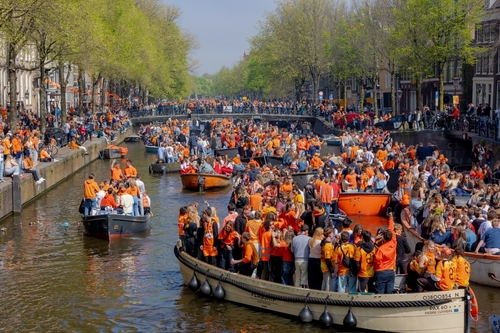
Koningsdag, or Kingsday, is the Netherlands’ most beloved national holiday, celebrated each year on April 27—the birthday of King Willem-Alexander. The entire country transforms into a sea of orange, the color of the Dutch Royal House of Orange-Nassau, as millions of people take to the streets, canals, and parks for a day of music, markets, and merriment.
Independence Days
Cyprus National Day (April 1)
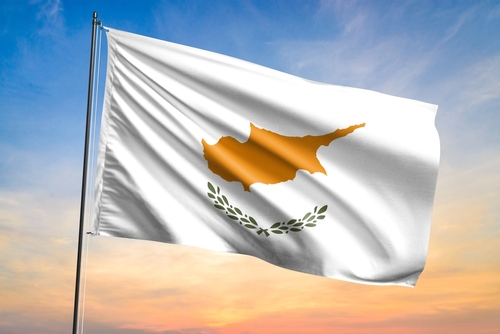
April 1 commemorates the start of the 1955 EOKA campaign for Cyprus’s independence from British rule. For Cypriots, this day honors those who fought for self-determination and celebrates national identity.
The day includes memorial services, wreath-laying ceremonies at monuments, and cultural events throughout Cyprus and in Cypriot communities abroad.
Significance to Cypriots:
- Remembers those who sacrificed for independence
- Celebrates Greek Cypriot heritage and national pride
- Marks an important chapter in the island’s modern history
Senegal Independence Day (April 4, 2026)
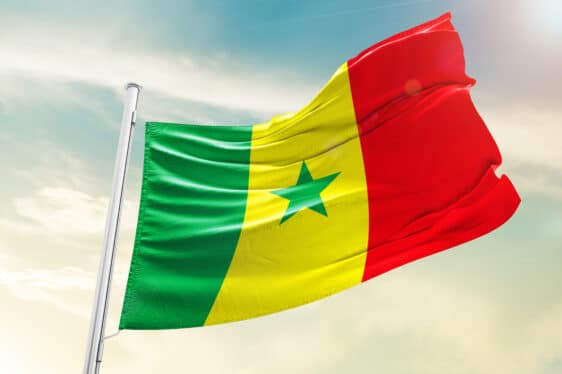
April 4 marks the anniversary of Senegal’s independence from France, achieved in 1960. After joining the short-lived Mali Federation, Senegal declared full independence and established itself as a republic under its first president, Léopold Sédar Senghor—a poet, philosopher, and statesman who became one of Africa’s most celebrated intellectual figures.
Syria Independence Day (April 17, 2026)
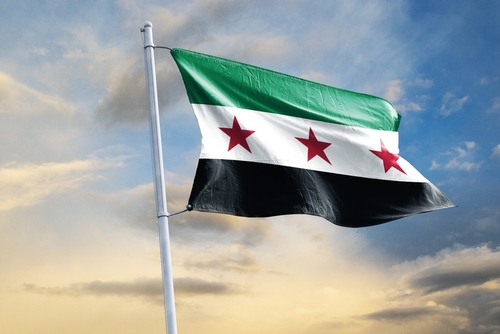
April 17 marks Syria’s Independence Day, commemorating the withdrawal of French troops in 1946 and the country’s full independence after more than two decades under the French Mandate. The date is known as Evacuation Day and represents the culmination of a long struggle for self-determination by the Syrian people.
Zimbabwe Independence Day (April 18, 2026)
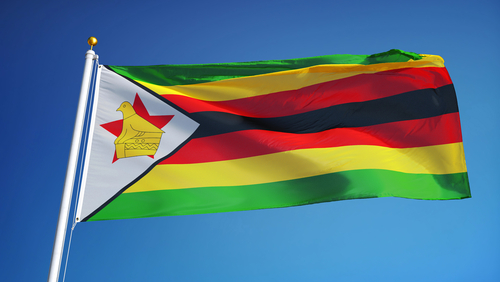
April 18 marks Zimbabwe’s Independence Day, celebrating the country’s formal independence from British rule in 1980. After years of conflict and an internationally condemned white minority government under Ian Smith’s Unilateral Declaration of Independence, Zimbabwe emerged as a sovereign nation following the Lancaster House Agreement and landmark elections that brought Robert Mugabe to power.
Italy Liberation Day (Festa della Liberazione) April 25, 2026
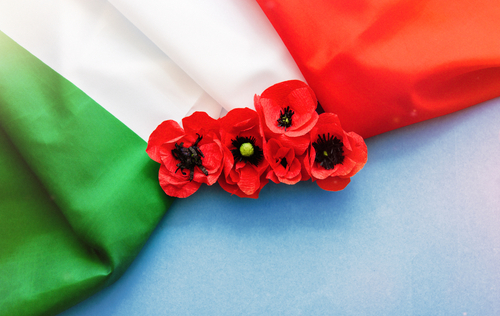
Festa della Liberazione is a national public holiday in Italy commemorating the liberation of Italy from Nazi-Fascist occupation. It marks the day in 1945 when the Italian Resistance movement launched its final uprising, leading to the end of World War II in Italy and the fall of the Fascist regime that had ruled since Mussolini’s rise to power in the 1920s.
Sierra Leone Independence Day (April 27, 2026)
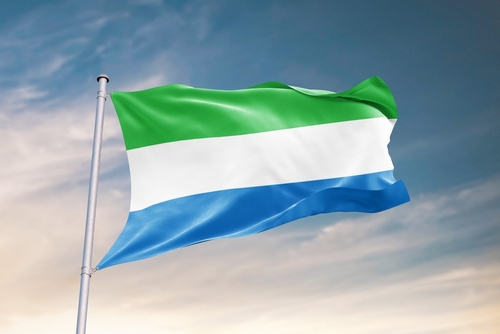
April 27 marks Sierra Leone’s independence from British colonial rule, achieved in 1961. Located on the west coast of Africa, Sierra Leone takes its name from the Portuguese “Serra Leoa,” meaning “Lion Mountains,” a name given by early explorers struck by the country’s dramatic, cloud-covered hills.
South Africa Freedom Day (April 27, 2026)
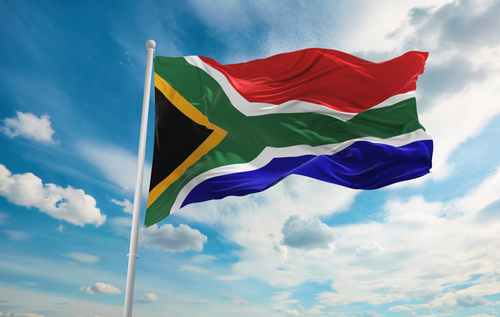
April 27 is Freedom Day in South Africa, commemorating the country’s first fully democratic elections held on April 27, 1994—the day all South Africans, regardless of race, were able to vote for the first time. Those elections ended decades of apartheid, the institutionalized system of racial segregation and discrimination, and brought Nelson Mandela to the presidency.
Togo Independence Day (April 27, 2026)
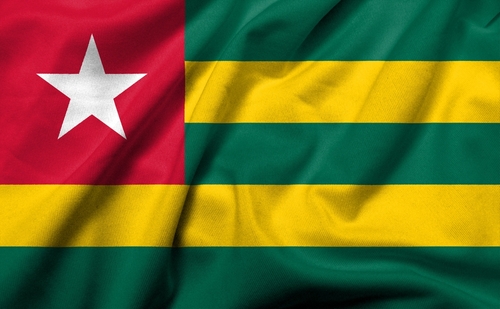
April 27 also marks Togo’s Independence Day, celebrating the country’s independence from French administration in 1960. Togo, a narrow country running north to south along the West African coast, was previously a German colony before coming under French control after World War I.
Bank and Public Holiday Closures
Government offices, banks, and many businesses close for major holidays. This affects:
- International money transfers and bank transactions
- Government services and document processing
- Post offices and shipping services
- Public transportation schedules

Countries with multiple closures include:
- Much of Europe (Good Friday, Easter Monday)
- Latin America (Holy Week observances)
- Israel (Passover)
- Commonwealth countries (Good Friday, Easter Monday)
Frequently Asked Questions (FAQs)
Why do Easter and Passover dates change every year?
Both holidays follow lunar calendars rather than the standard Gregorian calendar. Easter is calculated as the first Sunday after the first full moon following the spring equinox. Passover begins on the 15th day of the Hebrew month of Nisan, which also follows the lunar cycle. This means both holidays shift within March or April each year.
Do all countries celebrate Easter on the same day?
Most Western Christian churches (Catholic, Protestant) celebrate Easter on the same date. However, Eastern Orthodox churches often observe Easter on a different Sunday because they use the Julian calendar rather than the Gregorian calendar. In 2026, Western and Orthodox Easter happen to fall on the same day—April 12.
Can non-Jewish people participate in Passover Seders?
Yes, when invited. Many Jewish families welcome guests to their Seder to share the story of Passover. If you receive an invitation, accept graciously, ask about any customs beforehand, and bring appropriate food if requested. Show genuine interest in the traditions and participate in readings and songs when invited.
Is Earth Day only celebrated in the United States?
No. While Earth Day began in the United States, it’s now observed in more than 190 countries worldwide. Each nation hosts events tailored to local environmental concerns, from beach cleanups in island nations to tree-planting campaigns in areas facing deforestation.
Why are so many holidays concentrated in April?
April’s concentration of holidays relates to both religious calendars and seasonal changes. Spring has long been associated with renewal and rebirth across many cultures. Easter and Passover both celebrate themes of liberation and new beginnings. Environmental days like Earth Day and Arbor Day naturally align with spring planting season in the Northern Hemisphere.
How can I respectfully observe holidays from cultures different from my own?
Start by learning the holiday’s true meaning and significance to those who celebrate it. If invited to participate, accept with an open mind and willingness to learn. Avoid treating sacred traditions as entertainment or photo opportunities. Show genuine respect by following customs, dress codes, and dietary restrictions. When in doubt, ask thoughtful questions.



