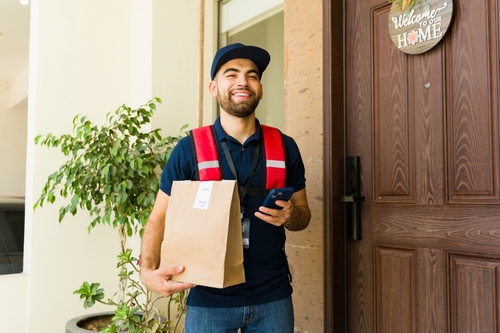

Delivering food or groceries is something many people, including newcomers to the US, try out to earn some money, and it’s easy to see why. The schedule is generally flexible, onboarding is pretty straightforward, and you don’t need years of work experience or advanced English skills to give it a try. You may be thinking about it yourself, especially if you’re looking for ways to earn extra income.
But how much do food delivery drivers make? The truth is, earnings can vary depending on factors such as your city, the hours you work, the app you choose, and even weather or tipping habits in your area. At Remitly, we’ve put together this guide to help you figure out whether food delivery work is the right fit for you.
Getting started as a food delivery driver
Starting something new can feel like a big step, especially in a new country, but food delivery work is one of those jobs that is surprisingly accessible. Once you understand how it works, it can be a simple, flexible way to start earning while you settle into life here.
What does the job involve?
You’ll accept an order through an app, head to the restaurant or store, pick up the items, and deliver them to the customer’s home or workplace.
In many cases, GPS does the navigating for you, and you can send quick messages to the customer if there’s traffic or a delay. Depending on your city, you might use a car, bike, scooter, or even walk. That flexibility is one reason delivery appeals to so many people.
Requirements to sign up
The signup process is often faster than people expect, though it depends on the app and the location. Typically, you’ll need:
- A valid ID, proof that you can work in the US (a Social Security Number is usually required, or an ITIN in some cases).
- If you plan to drive, you’ll also need a US driver’s license and proof of auto insurance.
- A background check, including your driving record and criminal history.
Note that some apps provide liability coverage, but while you’re on an active delivery, you’ll still need your own personal insurance policy.
Platforms to consider
There’s no single ‘right’ app, because each one works differently depending on the area.
- DoorDash, Uber Eats, and Grubhub are commonly used for restaurant deliveries.
- Instacart, Amazon Flex, Walmart Spark, and Gopuff focus more on groceries or convenience items.
Many drivers use more than one platform, switching between them when things get slow and taking whichever requests pay best.
How much do food delivery drivers earn?
Earnings can feel uncertain at first, especially when you’re still learning the ropes. Over time, many drivers settle into a rhythm and build a more predictable income, although there’s no guarantee.
Average earnings in the US
Estimates vary, but across the US, many sources suggest that delivery drivers earn around $19 per hour before subtracting their own costs, depending on location, demand, and tips. In larger cities or during peak times, some drivers report gross monthly earnings that work out higher, but this can vary each month.
Some full-time drivers in busy areas report annual gross income of around $38,000. However, these numbers are before subtracting expenses such as fuel, insurance, and vehicle maintenance. After those costs, take-home pay may be much lower.
How pay is calculated
Each delivery paycheck usually includes:
- Base pay, which is set by the app and depends on distance, time, and demand
- Tips, which can make a huge difference in your real earnings, especially since tipping culture in the US is strong
- Incentives or bonuses, such as “peak pay” during busy periods, or promotions for completing a certain number of trips
Some drivers increase efficiency by using multiple apps at once, sometimes called ‘multi-apping,’ so they can accept the best orders available at any moment. This may increase earning potential, but it also means more juggling.
What impacts how much you make
Several factors affect your real earnings, including:
- Location: Big cities with dense restaurants and frequent orders can be more lucrative.
- Time of day: Peak windows, like dinner, weekends, holidays, or rainy weather, can also bring higher demand and more tips.
- Tipping habits, weather, and traffic: These can swing earnings significantly.
- Your costs: Gas, maintenance, insurance, and any other costs you incur as part of the job can eat into your income. If you use a bicycle or scooter to deliver, this will take out fuel costs, but you will still have repairs and other maintenance.
In a busy city during the dinner rush, some couriers estimate they can earn $22–$28 per hour before expenses, but this isn’t guaranteed. In a smaller town, rates may be closer to $16–$20 before costs. If you deliver by bike, you may earn slightly less per order, but you might keep more of what you earn because of lower operating costs.
The costs of being a delivery driver
Earning money feels good, especially when you’re working toward important goals. But it’s helpful to look at both income and expenses so that you understand what you’re really bringing home at the end of the day.
Why expenses matter
Most delivery apps treat drivers as independent contractors rather than employees. That means the platforms don’t cover things like gas, insurance, or extra wear and tear on your car. In some states, local laws may affect how gig work is classified, but in most places, you’re responsible for your own expenses.
Knowing this ahead of time can help you set realistic expectations and avoid surprises later. Many drivers say that once they understood their expenses and tracked them from the beginning, the job became easier to plan and more predictable.
Common expenses
If you’re driving a car, gas is usually the biggest cost, especially when prices fluctuate. Over time, expenses such as oil changes, tires, routine maintenance, and insurance add up, too. Parking fees or tolls may also be something you need to account for.
If you deliver by bike or scooter, your expenses may be lower, but you may still need a reliable phone data plan, protective gear, and occasional repairs. Every delivery method has its tradeoffs, and knowing yours helps you plan ahead.
Taxes and independent contractor status
An area that surprises many new drivers is how taxes work. Because you’re not considered an employee, taxes aren’t withheld automatically. Independent contractors typically owe both income tax and self-employment tax.
Setting aside part of your earnings and tracking your mileage can help you prepare for tax season. Staying organized can also help you save money if you qualify for deductions related to delivery work.
Gross vs. net income
A useful way to think about earnings is to look at the difference between what you make before expenses (gross income) and what you keep afterward (net income).
For example, if someone earns around $22 per hour before expenses but spends $4–$6 on fuel, maintenance, and other costs, their take-home amount might be closer to $15–$18 per hour before taxes. Keeping this in mind gives you a clearer picture and helps you make decisions based on real numbers.
Pros and cons of food delivery work
Like most jobs, food delivery has good days and challenging ones. But for most food delivery drivers, the freedom and flexibility make it worth exploring.
Benefits
One of the biggest perks is flexibility. You decide when to work, how often, and for how long. There’s no interview panel, degree requirement, or long training process, which is especially helpful if you’re still improving your English or adjusting to life in the US. Most drivers like that they can start earning quickly and build a schedule around family needs, school, or other jobs.
Not having a car doesn’t mean this job is off the table, either. In many cities, you can deliver using a bike, e-bike, scooter, or even by walking if you’re close to restaurants and apartment buildings. This can reduce expenses, which is helpful if you’re working toward a US car purchase or driver’s license.
Challenges
Some parts of delivery work can feel unpredictable. Some days are full of back-to-back orders, and other days are quieter because of factors such as weather, local events, or increased competition. Delivery app work usually doesn’t come with benefits like paid time off or employer-sponsored health insurance, so longer-term planning becomes important if you rely on this income regularly.
Who does this type of work fit best?
Delivery work tends to appeal to people who like having control over their schedule and daily routine. It allows you to pause when life gets busy, like caring for family, and pick back up when you’re ready.
It’s also a popular option for people who need temporary income while they’re working toward something else. Some drivers do it while studying, improving their English, or waiting for their first US job opportunity in their field. Others use it as a side hustle while finishing certifications, applying for work permits, or building experience in a brand-new environment.
And there’s no single “right” way to approach it. Some people drive just a few hours a week to cover bills or send money home. Others treat it like a full-time job for a few months to build savings or reach a specific financial goal.
How to maximize your delivery income
Many drivers learn as they go, experimenting with different apps, schedules, and neighborhoods until they find what works best for them. With small adjustments and a bit of strategy, it’s possible to earn more without working longer hours.
- Choose your timing and location wisely. Busy moments, like dinner, weekends, and rainy days, often mean more orders and better tips. Paying attention to neighborhoods with lots of restaurants or apartment buildings can help you stay active.
- Make the customer experience smooth. A quick update if you’re delayed can help build trust and sometimes lead to better tips. Keeping food warm, organized, and delivered quickly also helps you maintain good ratings in the app.
- Prioritize safety. Whether you’re in a car, on a bike, or walking, staying aware of your surroundings is important. Things like a secure phone mount, reflective gear at night, and knowing when something doesn’t feel right can help keep your workday safer.
Is food delivery the right fit for you?
Deciding whether delivery work is worth it really depends on what you’re looking for. Maybe you need flexible income while settling into a new city, or maybe you’re searching for something you can start quickly while planning your next step. For many newcomers, it becomes a temporary but helpful part of their journey.
For many drivers, earnings land somewhere around $19 per hour before expenses, depending on location, demand, and timing. After fuel, maintenance, and taxes, the actual take-home pay may be lower. But the tradeoff is flexibility, independence, and the ability to start earning almost immediately.
Food delivery isn’t everyone’s long-term career, and that’s okay. It can still be a useful stepping stone and a way to save money while you explore other opportunities in the US. If it feels like the right fit for where you are in life right now, it can be a practical way to move forward at your own pace.
FAQs
Which delivery app pays the most?
It depends on the city. Different apps perform better in different markets, so many drivers test multiple platforms and stick with the ones that work best for them.
Do drivers get paid by the hour?
Usually no. Most apps pay per delivery. Your hourly rate depends on how many orders you complete and how much you receive in tips and bonuses.
Can you make a full-time income doing food delivery?
It depends. Some people do, especially in busy cities. But many treat it as part-time or flexible supplemental income.
Do delivery drivers have to file taxes?
Yes. Since most delivery drivers are independent contractors, they are required to report both income and expenses.