What Is a Digital Wallet?
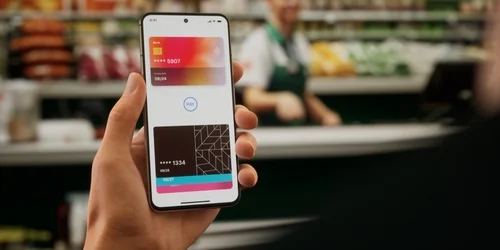
A digital wallet is a secure app or digital service that stores your payment cards, loyalty cards, and travel passes, letting you pay in-store, online, or in-app without a physical card. In the UK, popular options include Apple Pay, Google Pay, and PayPal. Most are free and protected under UK payment regulations.
A digital wallet isn’t a bank account. Apple Pay and Google Pay are device-native wallets that hold tokenised versions of cards you already own, while other services work more like a standalone e-money account with its own balance. Both are a world away from the postal orders many of us grew up with, but the core idea of storing value securely hasn’t changed.

All the facts in a glance
- A digital wallet in the UK is an app or digital service that stores payment cards, loyalty cards, and travel passes, allowing you to pay in shops, online, and in apps without carrying a physical card.
- Digital wallets use tokenisation, NFC, and biometric authentication to make contactless payments while keeping your actual card details from the retailer.
- Popular digital wallets in the UK include Apple Pay, Google Pay, Samsung Wallet, and PayPal, although they work differently depending on whether you want a card-based wallet or an e-money account.
- Digital wallets are generally secure and retain important UK consumer protections, including chargeback rights and Section 75 protection for eligible credit card purchases. FCA regulation also applies to relevant e-money providers.
- Setting up a digital wallet is usually quick: download a compatible app, add your UK debit or credit card, enable biometric security and make a contactless payment In the UK
- Most digital wallets are free to use, while costs can arise from card-provider fees, particularly when making foreign transactions. When sending money abroad, a dedicated international transfer service like Remitly is usually more suitable.

How Does a Digital Wallet Work?
Two technologies do most of the work: tokenisation and near-field communication, or NFC.
Tokenisation replaces your card details with an encrypted token for each transaction, so your actual card number is never shared with the retailer. NFC then lets your phone or watch talk to a contactless reader over a few centimetres, which is what makes a simple tap-to-pay possible.
UK Finance reports that contactless now accounts for 76% of debit card transactions and 67% of credit card transactions.
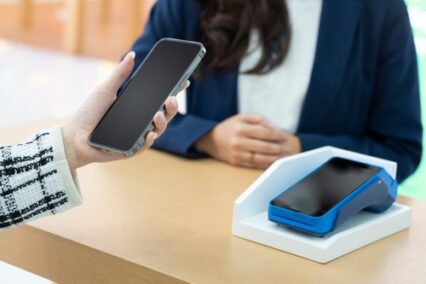
- You tap your mobile phone or watch on a contactless reader.
- The device sends a one-time token instead of your real card number.
- Biometric authentication like Face ID, fingerprint, or a passcode confirms it’s you.
- The payment is authorised in seconds, with no signature needed.
Phone payments confirmed by biometrics aren’t tied to the same cap as a physical card, which is still generally limited to £100 per transaction, but the FCA decided let providers set their own limits from March 2026, and most have kept £100 for now.

Types of Digital Wallet
UK wallets broadly fall into two groups, the first being device-native wallets, like Apple Pay, Google Pay, and Samsung Pay that sit on your phone or watch and pass on the details of a card you already hold. The second is standalone wallets, including PayPal, which work more like accounts, and several are regulated as e-money institutions by the Financial Conduct Authority (FCA), so funds are safeguarded, even though they aren’t covered by the Financial Services Compensation Scheme like a bank account.

Are Digital Wallets Safe to Use in the UK?
Digital wallets are generally at least as safe as physical cards thanks to three layers of protection, tokenisation, biometric authentication, and remote locking.
Tokenisation means your real card number is never stored on your device or shared with a retailer.
Biometric authentication through a fingerprint or facial scan confirms it’s really you before a payment goes through, and if your phone is lost or stolen, most wallets let you lock or remotely wipe it from another device or your account settings.
You also keep your usual UK protections. Section 75 covers credit card purchases between £100 and £30,000, so you can often claim from your card provider too. E-money wallets are FCA-regulated, and since October 2024 the Payment Systems Regulator’s rules mean most victims of authorised push payment (APP) fraud, which is being tricked into sending money yourself, get refunded. See our guide on whether banks refund scammed money.

Popular Digital Wallets for UK Users in 2026
All of the wallets below are live in the UK, and here’s what makes each one useful.
- Apple Pay: built into iPhone and Apple Watch; accepted on TfL’s buses and the Tube.
- Google Pay: Android’s equivalent, also accepted across TfL.
- Samsung Wallet: works on recent Galaxy phones with most major UK banks.
- PayPal: a card and a standalone e-wallet in one, handy for online checkout.
If sending money abroad is part of why you’re comparing wallets, Remitly focuses specifically on international transfers, often at a better cost than a card provider’s built-in conversion.

How to Set Up and Use a Digital Wallet in the UK
- Download and install a compatible app (Apple Wallet, Google Wallet, Samsung Wallet).
- Add a UK debit or credit card. You’ll typically need the card number rather than your sort code and account number.
- Enable biometric authentication, like Face ID, fingerprint, or a passcode, so only you can approve a payment.
- Make your first payment: look for the contactless symbol and hold your phone or watch near the reader.
If a merchant doesn’t accept contactless, you will need to use the physical version of your card. Online, choosing one-tap checkout removes the need to re-enter your card details.
Frequently Asked Questions About Digital Wallets in the UK
What is a digital wallet?
A digital wallet is a secure app that stores your payment cards so you can pay in shops, online, or in other apps without your physical card. Apple Pay UK, Google Pay UK, and PayPal are the most widely used in the UK.
Is a digital wallet safe to use in the UK?
Yes. Digital wallets use tokenisation and biometric authentication, and UK e-money wallets are FCA-regulated. Your usual card protections, including Section 75 and chargeback rights, still apply.
Can I send money abroad with a digital wallet?
Some wallets support person-to-person transfers, but for sending to family overseas, e-money accounts or a dedicated service like Remitly generally offer an easier option.
Does a digital wallet cost anything?
Most wallets are free to download and use. The main cost, if any, comes from your card provider’s foreign transaction fees, not the wallet itself.
What should I do if I lose my phone?
If your phone is lost or stolen:
- Lock it remotely using Find My iPhone or Find My Device.
- Remove your device from the authorised list of the service using your computer.
- Suspend your cards from the wallet through your bank’s app.
- Contact your card provider if you’re worried about unauthorised use.
Are digital wallets regulated in the UK?
Yes. E-money wallets like are authorised by the FCA, and protections including Section 75 and the APP fraud reimbursement rules apply.
Key Takeaways
- A digital wallet stores your cards, loyalty cards, and travel passes so you can pay without carrying a physical card.
- Apple Pay and Google Pay are both accepted across Transport for London’s buses and the Underground.
- Biometric authentication adds a layer of security a physical card doesn’t have, confirming it’s really you before every payment.
- UK protections like Section 75 (£100–£30,000 credit purchases) and chargeback still apply when you pay with a digital wallet.
Conclusion
Digital wallets have become a normal, low-friction way to pay in the UK because they’re quick to set up, backed by tokenisation and biometric security, and covered by the same consumer protections as your cards.
If a digital wallet is part of how you manage everyday spending, it’s worth looking at the bigger picture too, from how bank identification codes work for an overseas transfer, to what to expect sending money to family using different currencies across Asia. We hope this guide helps you feel a little more confident managing your money, wherever you’re paying from.
Last reviewed: September 2026