Key Highlights
Here’s a quick look at what you need to know before your italy travel:
-
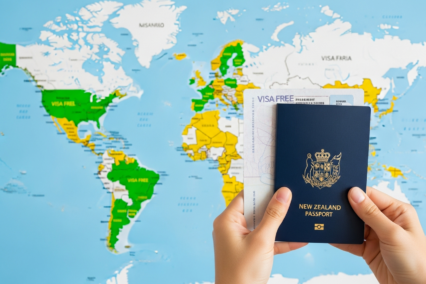
Citizens from new zealand can now visit italy for up to 90 days without a visa, but you must have a valid passport with you.
-
From 2026, kiwis will need to get the ETIAS travel check as part of the visa requirements for entering the schengen area.
-
It is very important to organise comprehensive travel insurance before you go. This can help you if something happens that you do not plan for.
-
Flights from new zealand to italy often stop in cities like paris and usually take over 24 hours.
-
The new zealand embassy in rome can help you with any consular issues while you are there.
Introduction
If you want to see pasta, busy piazzas, and old stories from history, a trip from New Zealand to Italy will stay with you for years. It is important to have good travel plans so everything goes well and you have a good time. Italy has a lot to offer. You can go to the canals in Venice, walk the old streets in Rome, and find more things to enjoy. This guide will help you with all that you need. It talks about visa rules, how to book flights, and useful tips for your time in Italy. Let’s help you get ready for this big trip!
Essential Information for New Zealanders Travelling to Italy
Planning a trip from New Zealand to Italy means you have some important things to handle. Since Italy is in the Schengen Area, you will need to know about the rules for entering there. The visa requirements for short stays are clear, but you should still get your papers ready and learn about the way things are done in Italy. This will help your trip go well.
Make sure you check how long your passport is still good for. You should also sort out travel insurance. Here are the main things to take care of, including the important documents and other details you need before you leave.
Key Travel Requirements and Documents
Before you get ready to travel from New Zealand to Europe, make sure all your papers are sorted. The most important thing is to have a valid passport. Your passport must be good for at least three months, even after your planned departure date from the Schengen Area. Italian law also says you have to keep a photocopy of your passport with you at all times.
You need a few other things before you go. It is very important to have comprehensive travel insurance. This gives you peace of mind if you have any medical issues or if your plans change. Visa requirements are also changing soon. From 2026, people from New Zealand will need to get ETIAS approval before going.
Here’s a quick list of what you will need:
-
A valid passport with at least three months’ worth of time left on it.
-
A paper that shows you have comprehensive travel insurance.
-
From 2026, an ETIAS travel approval.
-
A photocopy of your passport to carry with you.
Important Things to Know Before You Go
After you get your documents sorted, you should start looking at the practical side of your travel plans. It’s smart to book your accommodation and main transport tickets early, especially in busy times. This will help you avoid stress. No matter if you fly into Rome or you want to see other parts of Italy, having a basic plan for your trip helps you make good use of your time.
Think about how you will get from place to place. Italy has a good train system, but if you want to hire a car, you need to know the parking rules and traffic zones in the centre of cities. It’s also helpful to learn some easy Italian phrases to make talking to people easier.
A few tips to keep in mind:
-
Book your accommodation well before your departure date.
-
Research transport options between cities.
-
Learn a few Italian phrases like “Grazie” (Thank you) and “Per favore” (Please).
-
Be aware of “piazza prices” in big tourist areas, as sitting down can cost you more.
Visa and Entry Regulations for New Zealand Citizens
If you are a New Zealand citizen who wants to go to Italy, you need to know the visa requirements. Right now, you can travel for short stays without getting a visa. But things are about to change because of the new European Travel Information and Authorisation System (ETIAS).
This ETIAS system will soon be needed for all travel to countries in the Schengen Area. It is an online check that links with your passport. The main aim is to make travel more safe. Here is what you need to know about how this will affect your travel plans.
Do New Zealanders Need a Visa or ETIAS to Enter Italy?
If you are a New Zealand citizen and have a valid passport, you do not need a visa to go to Italy for tourism or business for up to 90 days right now. This makes it easy if you just want to travel for a short time.
Things will change in 2026. New Zealand travellers will need to have an ETIAS authorisation before they go to Italy or any other country in the Schengen Area. ETIAS is not a visa. But it is something you must get before you travel if you come from a visa-exempt country like New Zealand. It is there to check travellers before they arrive.
Key points to remember:
-
You do not need a visa for less than 90 days right now.
-
In 2026, all New Zealand citizens will need ETIAS to visit Italy and the Schengen area.
-
You can apply for ETIAS online. The process will be simple.
How Long Can You Stay in Italy Without a Visa?
People from New Zealand can visit Italy and the rest of the Schengen Zone for up to 90 days in any 180-day period. You do not need a visa for these short stays. This is great for holidays, seeing family, or going on business trips. You get the chance to see much of Europe without many problems.
It is very important to keep count of your days in the Schengen Zone. The 90 days is not a set block but moves with time. This means you should check you have not been in the zone more than 90 days out of the last 180 days.
If you stay longer than the limit, you may have to pay fines or you might not be allowed to come back to Europe in the future. So, always look at your entry and exit stamps to be sure about your time in the Schengen area. These rules help make your visit to Italy or other Schengen countries easy and trouble-free.
Flights from New Zealand to Italy – What You Need to Know
Getting from New Zealand to Italy takes a long time. Most trips will take more than 24 hours and you will have at least one stop along the way. The flights will usually go through big airports in the Middle East or Asia. After that, you will fly to a city like Paris or London. From there, you get another flight to Italy.
People like to visit popular destinations in Italy such as Rome, Venice, and Milan. Knowing the best way to go and which airlines to pick can help make your trip better. Here, we look at some of the main airlines you can choose and give some tips for finding more affordable flights.
Best Airlines and Flight Routes
Several reputable airlines operate routes from New Zealand to Italy, offering various levels of comfort and service. Carriers like Emirates, Qatar Airways, and Singapore Airlines are popular choices, known for their excellent service on long-haul flights. While Air New Zealand doesn’t fly directly to Italy, you can book codeshare flights with their partner airlines.
Your flight route will almost always involve a stopover. Common layover cities include Dubai, Doha, Singapore, or major European hubs like London or Paris. From there, you can catch a connecting flight to your final destination in Italy, such as Rome or Venice.
The best option often depends on your budget, preferred travel time, and loyalty programme affiliations. Here are some common routes:
|
Airline |
Common Stopover City |
Final Destinations in Italy |
|---|---|---|
|
Emirates |
Dubai |
Rome, Milan, Venice, Bologna |
|
Qatar Airways |
Doha |
Rome, Milan, Venice |
|
Singapore Airlines |
Singapore |
Rome, Milan |
How to Find and Book the Cheapest Flights
If you want to get budget flights from New Zealand to Italy, there are some tips that can help. The time of booking really matters here. You will often get a better price if you book your flight months before you plan to fly. This is even more true if you want to visit during the busy summer in Europe.
You can use flight comparison websites and set up alerts for the price. This way, you get notified when the price drops. If you can change your departure date by a day or two, you might save money. It is often cheaper to go mid-week than at the weekend.
Here are some ways to find the cheapest flights:
-
Book your tickets months before you go
-
Try to be flexible with your travel dates
-
Think about flying in spring or autumn, when it is not as busy
-
Use tools that compare flights and set price alerts
-
Look at flying into other Italian cities, not just popular destinations like Rome
With some planning and by following these tips, you can travel from New Zealand to Italy without spending too much.
Beginner’s Guide: How to Prepare for Your Trip to Italy
Going on your first Italy travel trip is very exciting. To make sure things go well, it helps to do some planning. Start your travel plans by checking your passport, sorting out your money, and getting travel insurance. Italy is a long way from New Zealand, so being ready can help you relax and enjoy the trip.
This guide will break the steps down for you so they are easy to follow. We’ll look at what papers you need and how to plan your days. You will find everything here to help you get set for your Italy holiday.
What You’ll Need to Get Started (Passports, Insurance, Money)
The first thing you need to do when planning your Europe trip from New Zealand is to get your important documents sorted. Your passport is the most important. Look at the expiry date to make sure it will still be good for at least three months after you leave Italy.
After that, sort out your money. Let your bank know about your travel plans so your credit card or debit card will keep working. While people do use cards a lot in Europe, it is a good idea to have some Euros on you for small things.
Lastly, make sure you have comprehensive travel insurance before you go. This helps if you run into anything unexpected, like medical emergencies, lost bags, or even if your trips get cancelled.
-
Check your passport is valid and has enough time on it.
-
Notify your bank of your travel dates and destinations.
-
Purchase comprehensive travel insurance.
Step-by-Step Process for Planning Your Journey
Making strong travel plans helps you have a smooth trip. If you follow a step-by-step plan, this can make things easier. You will cover all the key things, like flights, accommodation, and health steps you need to take.
Begin by writing down a simple route for your trip. Think about the places or cities you want to see and the amount of time you will stay in each one. This will help you sort out your flights and accommodation. After you work out where you want to go, you can look at a few smaller things. Think about how you will get from one city to the next and what you want to do for fun.
Here’s a simple plan to help you:
-
Look up what you need to enter your travel spot and book your flights.
-
Set up your travel insurance and get any health steps sorted.
-
Book where you will stay and your main transport.
-
Get your papers ready and write a list for what to pack.
Step 1: Research Entry Requirements and Book Flights
The first thing you need to do is check what you need for entry into Italy. If you are from New Zealand, you do not need a visa for short stays right now. Still, it’s smart to always look up the most recent official advice before your departure date. There will also be a new ETIAS system soon, so check if this will apply to you.
Once you know the rules, you can book your flights. Try to buy tickets early as prices can be lower. If you are flexible with your dates, you may save even more. Take some time to compare airlines and different routes so you get something good for your budget and travel time.
When you have locked in your main international flight, you can focus on what comes next. It’s a big step, as it sets your trip dates. Now you can start to plan your itinerary and look for places to stay in Italy.
Step 2: Organise Travel Insurance and Health Precautions
After you book your flights, the very next thing to do is get comprehensive travel insurance. This step is not something you can skip if you are going from New Zealand to Italy. The right travel insurance will help you in case of medical emergencies, trip cancellations, lost bags, and any other things that can go wrong. This way, you can enjoy your trip more and not worry.
You should see your doctor before you leave. Talk about any health problems you already have. Make sure you have enough prescription medicine for the whole trip. There are no special shots needed for Italy, but you should be up-to-date with your normal ones.
Check your insurance policy to see if you are covered for everything you want to do while in Italy. If you look after your health and get proper travel insurance before you leave, you can handle anything that comes up and make the most of your Italian trip.
Step 3: Prepare Your Documents and Packing List
With your flights and insurance ready, the next step is to get all your important documents together. Take digital copies of your passport, driver’s licence, and credit cards. If you store these in a safe app or secure cloud service, you can still get them even if you lose your phone or wallet in europe.
You should make a packing list before you travel. Think about what time of year you will be in italy. Summer can be hot, so you will need light clothes. If you go in winter, take some layers and a good warm jacket, especially if you’re going to the north. Good walking shoes are a must, as people often do plenty of walking when out and about.
Here are a few things you should pack:
-
Your passport and other important papers (including digital copies).
-
A travel adapter for european plugs (these are round, with two-pins).
-
Any medicine you take.
Safety, Health and Practical Tips for Travelling Italy
Your safety and health should always come first when you travel. While Italy is a safe place, it’s smart for travellers from New Zealand to get ready for anything. Getting good travel insurance is one of the best things you can do. It protects you if you have medical emergencies or something happens to your plans.
You can make your Italy travel much better with a few tips. Stay aware of what is around you. Learn what to do if you run into trouble. A little bit of planning can go a long way to keep you safe and well in Italy. Here’s some good advice to help all new zealand travellers.
Travel Safety Advice for New Zealanders
When you travel in Italy, it helps to use the same good sense you would in any big city in Europe. Pay attention to what is happening around you in busy places, on buses and trains, and at train stations. Sometimes people lose things to pickpockets in these spots.
Keep your important things safe and not easy to see. Try not to carry a lot of cash with you. You can use a money belt to keep money and other small things close and safe. It is wise to let SafeTravel know about your travel plans. This is a New Zealand government website where you can register your plans. If there is an emergency, the embassy can get in touch with you.
Here are some tips for a safe trip:
-
Be alert in busy areas so you do not get pickpocketed.
-
Keep copies of all your important papers in a different place from the originals.
-
Register your trip on the SafeTravel website.
-
Learn the local emergency phone number—it’s 112 in Italy.
Current COVID-19 Entry Restrictions and Updates
Travel is changing and looks more normal now after COVID-19. Most entry rules for travellers from New Zealand to Italy and other places in Europe are no longer in place. You do not need to show proof of the vaccine, recovery from illness, or a test when you arrive.
But rules about travel can change fast. It is best to check the latest advice before you fly. The Italian Ministry of Health website and the New Zealand SafeTravel website are good places to get up-to-date news.
If you stay up-to-date, you will not have problems when you arrive. Mask rules and other steps are now more relaxed. Still, you may want to have a mask with you for public transport or busy places inside, just for your own comfort and safety.
Managing Money and Daily Life in Italy
Handling your money well is important if you want to enjoy a holiday with less stress. In Italy, people use the Euro (€) for all payments. If you have a credit card or debit card from New Zealand, you will find that they can be used in most hotels, bigger shops, and restaurants across Europe. But, you should still be ready for anything when you travel.
It’s smart to keep some cash with you when in Italy. You might need it for small things, like getting something to eat or for shopping at a local market. Before you leave New Zealand for your travel plans, make sure you tell your bank. This step lets you use your credit card without your bank thinking there’s a problem and blocking it. Here is how you can get ready to pay while outside your home and take care of your money.
Currency, Payments and Using Your NZ Debit/Credit Card
The Euro is the money they use in Italy. If you’re from New Zealand, you can use your debit or credit card for most things, just like when you’re in other European countries like Spain or Germany. Visa and Mastercard work in a lot of places here, but you should ask your bank if they charge for spending money overseas.
When you pay with your card, they might ask if you want to pay in New Zealand Dollars or Euros. It’s best to choose the local money, which is Euros. This way, you get a better exchange rate. You can take out cash from ATMs which are easy to find in Italy, but you should know that your own bank or the local ATM could charge you a fee.
Here are some things you should keep in mind:
-
Always choose to pay in the local currency, which is Euros, when you use your card.
-
Let your bank know the days you’ll be travelling so they don’t block your cards by mistake.
-
It’s good to have some cash on you. This helps if you get small things or go to places that don’t take a credit card.
Handy Tips for Managing Your Finances While Abroad
Handling your money in Europe can be easy if you plan well. The best way is to use a banking app on your phone. You can see what you spend, and many apps use analytics to help you stick to your budget.
It is also good to have more than one way to pay. Do not use just one credit card for all things. Take a backup card and a debit card too. Keep a bit of cash with you for times when you need it. Make sure you do not keep all your cards and cash in one spot, so you still have some money if one gets lost or stolen.
Here are some tips for simple money management:
-
Use an app made for travel so you can see every credit card buy or cash spend right away.
-
Bring more than one way to pay, like cards and cash.
-
Watch for dynamic currency change and, when you can, pay in Euros.
-
Decide on a set amount to spend each day so the costs do not get away from you.
Support and Assistance for New Zealanders in Italy
It’s good to know there is help if you get into trouble when you travel. If you are a New Zealand citizen in Italy, the New Zealand Embassy in Rome is the place to go for consular help. They can help you if you lose your passport or if you have a big medical problem.
It helps to know who you can call and where you go if you need help. We will show you where to find these consular services and what steps to take if you have an emergency during your trip.
Where to Get Consular Help and Emergency Contacts
If you need help while you are in Italy, the New Zealand Embassy in Rome is the main place to go. They can help with many things. If you lose your passport or it gets stolen, they can help you get a new one. They can give you advice if you have a medical problem. If you need, they will give you a list of lawyers or people who can speak for you.
It’s a good idea to write down the embassy’s address and phone number before you leave for Italy. You can see their details on the Ministry of Foreign Affairs and Trade (MFAT) website. If you sign up your trip on SafeTravel, the embassy can find and help you quicker if something big happens in the area.
For help right away:
-
In Italy, dial 112 for police, fire, or ambulance.
-
Call the New Zealand Embassy in Rome if you’re in trouble and need support in business hours, or their after-hours line if it’s outside those times.
What to Do in Case of an Emergency
If there is an emergency in Italy, the first thing to do is call the local authorities. The main emergency number in Italy is 112. You can use it for police, ambulance, or fire help. Try to stay calm. Tell them where you are and what has happened as clearly as you can.
Some events may need help from the New Zealand Embassy in Rome. For example, if you lose your passport, become very sick, or if you are arrested, get in touch with the embassy. They can give support and advice. If you find yourself in a medical emergency, it is very important to call your travel insurance company very soon. This way, you can know what they will cover.
Emergency checklist:
-
Call 112 if you need quick help from the police, fire, or medical team.
-
If you need consular support, contact the New Zealand Embassy.
-
Tell your travel insurance company what has happened.
Conclusion
To sum up, getting ready for a trip from New Zealand to Italy can be very exciting. It can also feel a bit tricky at times. Knowing the right travel requirements, visa rules, and handy tips will help your whole trip go well. Make sure you do the research, organise all your documents, and put your safety first as you enjoy what Italy has to offer. With the right preparation, you can make some great memories. If you want to get started on your travel plans, you can get in touch for a free chat to help you sort out your trip to Italy.
Frequently Asked Questions
What are the current visa requirements for New Zealanders travelling to Italy?
New Zealand citizens can now go to Italy for up to 90 days without a visa. You just need to have a valid passport. But, from 2026, you will have to get an ETIAS (European Travel Information and Authorisation System) approval online before you travel.
Keywords: new zealand, valid passport, italy, visa, passport
What is the typical travel time from New Zealand to Italy by air?
It takes more than 24 hours to fly from New Zealand to Italy. There are no direct flights. You will have at least one stop along the way. This stop is often in a big city in the Middle East, Asia, or in Europe. After the stop, you will fly on to your last stop, like Rome.
Are there any COVID-19 entry restrictions for New Zealand travellers going to Italy?
At the moment, travellers from New Zealand can go to Italy without any COVID-19 entry rules. You do not need to show a vaccine card, papers saying you have recovered, or a negative test. But, it is always good to look at the official websites to get the most up-to-date news before you head off to Europe.
What travel safety advice should New Zealanders be aware of before visiting Italy?
To travel more safely, people from New Zealand in Italy should watch what is going on around them. This is very important in busy places with lots of tourists. You need to pay attention to stop pickpockets. It is a good idea to keep copies of your papers and register your trip with SafeTravel. Also, make sure that you know the contact numbers for the New Zealand embassy and for local emergency help (112).