Key Highlights
-
See why New Zealand is a great starting point for an Antarctic expedition. It gives you special ways to get to the far-off Ross Sea.
-
Find out about the main ways to travel. These include long expedition cruises or direct flights with experts.
-
Learn more about the historic sites you can visit. This includes the huts that the first explorers, like Scott and Shackleton, used.
-
Be ready to see unique wildlife, like Emperor penguins, Weddell seals, and different seabirds.
-
Get info on how to plan your trip, like picking an operator and getting the right permits for your travel.
-
Check the best times to go so you get the best weather conditions and awesome wildlife sights.
Introduction
Have you ever wanted to go to the end of the world? Taking a trip to Antarctica from New Zealand is about as close as you can get. This is not your usual holiday. It is a real adventure that takes you into a world of ice, big open places, and old stories. Most people travel to the Antarctic Peninsula, but starting your antarctic exploration from New Zealand gives you a rare chance to see another side of the white continent. This side is more quiet, and far from crowds. Get set for an experience you will never forget.
Understanding Antarctica Travel from New Zealand
Heading to the Antarctic continent from New Zealand is a special trip. This option is not as common as the ones that start in South America. Most travel from New Zealand goes to the Ross Sea region. This part of Antarctica is clean and does not get many visitors.
There are two main ways to get there. You can go on an Antarctica cruise or take flights made for this trip. Each way lets you see the land in a different light. Expedition cruises let you take your time and see a lot from the sea. Special flights get you to the ice much faster. We will look at these choices more to help you decide how to explore the Ross Sea region.
Why Choose New Zealand as Your Antarctic Gateway
Choosing New Zealand as your doorway to Antarctica takes you on a special trip that many people do not take. This path leads you to the famous Ross Sea, often known as ‘the heart of Antarctica’. It is full of stories from the heroic age of Antarctic exploration, which connects you right to old tales about people like Scott and Shackleton.
New Zealand is close to this part of the world, so it is a smart place to start if you want to see the history of the continent. You will be able to see the kept huts left by early explorers, which lets you feel even closer to what they went through.
Also, trips from New Zealand often take you to places like the Subantarctic Islands. The Auckland Islands and Campbell Island are full of unique wildlife. Visiting these islands makes your adventure with us even more special and gives you even more to see and do.
Overview of Routes and Transport Options
When you travel to Antarctica from New Zealand, the route you take is not like the ones that cross the Drake Passage and go to the Antarctic Peninsula. Instead, you head towards the Ross Sea and East Antarctica. This part of the world is famous for big, beautiful landscapes, colossal icebergs, and a long, rich history.
Getting there, most people use expedition cruises. These trips go for several weeks and cover a lot of distance on the Southern Ocean. An expedition ship is made for polar exploration. It can push through sea ice and reach places most people will never see.
You can also look at special flight options to reach the continent. These are rare for tourists, but they are a quicker way to get there.
-
Expedition Cruises: This is the most popular way for visitors. It gives you a full-on journey to the white continent.
-
Chartered Flights: Usually used by scientists and people working for the government, but a few spots go to tourists too.
Main Ways to Reach Antarctica from New Zealand
When you plan your trip to Antarctica from New Zealand, you need to pick if you will go by sea or by air. For most people, going by sea is the way to get there. Taking an Antarctica cruise on an expedition ship is the most popular choice. On this journey, you get to cross the ocean and reach the amazing Ross Sea region.
You can also fly. There are flights direct from Christchurch, but these are not regular flights you book like other places. The main reason for these flights is to help national Antarctic programmes move scientists and gear. Still, some travel companies do add these flights as part of exclusive and high-end packages. Here, we will show what both options are like.
Expedition Cruises: What to Expect
Antarctic cruises from New Zealand are real adventures. You will spend a lot of time out at sea, going across the strong Southern Ocean. These ships are built to handle sea ice and the cold, so you will be safe while you go. Life on board is exciting, packed with things to do and learn.
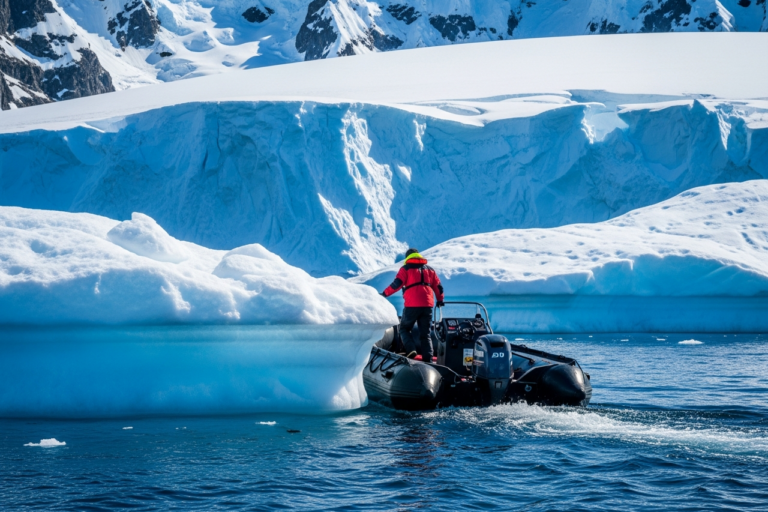
Your expedition team is made up of people who know a lot about ice, the ocean, animals, and history. They will guide you each day. They give talks and updates to help you understand more about where you are. They also take you ashore, so you can get up close to the Antarctic in a safe way.
When you are not going onshore, you can look forward to a warm and fun time on the ship.
-
Daily Zodiac trips for landings and rides among sea ice and ice floes.
-
Talks from polar experts about their field.
-
Chances to watch wildlife from the deck of the ship.
Direct Flights from Christchurch: How They Operate
Yes, you can fly directly from Christchurch to Antarctica, but it’s a unique operation. These flights are not standard commercial services but are typically operated by and for national Antarctic programmes, like that of the United States, to service bases such as McMurdo Station in East Antarctica. The aircraft are robust military transport planes designed for landing on ice runways.
For tourists, accessing these flights is rare and usually part of an exclusive, premium tour package that combines a flight with an on-continent experience. The flight itself is an adventure, crossing a vast ocean to land in one of the world’s most extreme environments. You’ll even have to adjust to a different time zone upon arrival.
The logistics are complex and heavily dependent on weather. Here’s a quick look at the process:
|
Aspect |
Details |
|---|---|
|
Departure City |
Christchurch, New Zealand |
|
Arrival Point |
Ice runway near McMurdo Station or another base in East Antarctica |
|
Aircraft Type |
Typically military cargo planes (e.g., C-17 Globemaster III) |
|
Flight Duration |
Approximately 5-8 hours, depending on the aircraft |
|
Availability |
Extremely limited for tourists; mainly for government personnel |
Popular Expedition Cruise Lines from New Zealand
If you want to take an Antarctica cruise from New Zealand, you will see that there are only a few cruise companies that do this. These companies are all about real trips to the Ross Sea and keep things small, focusing on a guided journey. Their goal is to show you the wonderful sights of Antarctica, make you learn a lot about it, and help you get close to the amazing nature you will find there.
You will not travel on big cruise ships. The ships are much smaller, easier to move, and made to take on all kinds of icy weather. The people who work for these cruise operators are skilled and know a lot about the Ross Sea. They will help you understand the area’s wildlife, history, and land. Let’s have a look at some great cruise companies and what they bring for an Antarctica cruise from New Zealand.
Leading Cruise Operators and Their Itineraries
Several highly respected cruise operators specialise in Antarctica cruises from New Zealand, with a focus on the Ross Sea and East Antarctica cruise routes. These companies are known for their deep experience in polar exploration and commitment to responsible travel.
Heritage Expeditions, a New Zealand-based company, is one of the pioneers in this region. They have been running voyages to the Ross Sea for decades and offer an iconic “In the Wake of Scott & Shackleton” itinerary. This trip traces the journeys of the early explorers and includes stops at historic huts and the Subantarctic Islands.
Other operators also offer voyages that may depart from New Zealand or Australia, providing a rare chance to explore this remote wilderness.
|
Operator |
Key Itinerary Feature |
|---|---|
|
Heritage Expeditions |
“In the Wake of Scott & Shackleton” Ross Sea voyage |
|
Intrepid Travel |
Offers various polar expeditions, including to the Antarctic Peninsula |
|
Quark Expeditions |
Sometimes offers specialised East Antarctica itineraries |
Cruise Ship Features and Onboard Experience
The time you spend on an expedition ship is very different from a normal cruise. Here, it’s all about making a connection—with the world around you, with your fellow travellers, and with the expert expedition team. Life on a small ship helps everyone feel like part of a community. You will get to spend time with the people you share this amazing journey with and may build strong bonds on board.
These ships are built to explore, not just help you relax. The observation lounges have big windows so you can always see the beautiful scenery around you. There are large libraries with books on polar places. You can learn a lot when you listen to talks in the lecture halls every day. While there might be a gym or a spa, the main thing to look at is the ever-changing view that is right outside your window.
Life on an expedition ship is both comfortable and keeps you involved. Everything is set up to suit the adventure.
-
Expert Lectures: Listen every day to stories and facts about wildlife, history, and rocks.
-
Observation Decks: There is lots of space outside where you can look for whales and seabirds as you go.
-
Comfortable Cabins: The rooms are cosy and set up well, and many even show the ocean views.
All in all, the small ship feel, time spent with the expedition team, and the chance to watch beautiful scenery will give you memories you won’t forget.
Essential Preparations Before Your Expedition
Getting ready for your Antarctic expedition is one of the most important things you can do for a safe and fun trip. You should not try to pack for the antarctic continent at the last minute. There is a lot to think about. You need the right documents and permits. You also have to follow a special packing list and have a health check.
The tour operator you choose will help guide you through most of this, but you need to do your own homework too. Going to the antarctic continent is a special experience. Rules from different countries make sure people visiting follow the law. You must do what these rules say. Here are the main things you need to do before you go.
Required Permits, Documentation, and Health Checks
Yes, you will face some rules if you want to travel to Antarctica. The Antarctic Treaty System controls what people can do there to look after the land and animals. The company you book with is in charge of getting all the right papers and permissions for your trip and any land visits. You do not need to get these permits yourself.
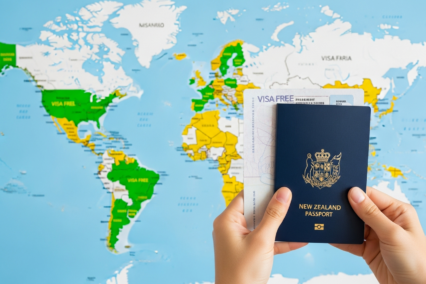
But, there are some documents you must hand in to your tour operator. Usually, you need to give a valid passport, any required visa details (this depends on your country and the places you may pass through), and proof of good travel insurance that covers emergency medical help and evacuation. The tour also often asks for a medical report filled out by your doctor, so they know you are ready for the trip.
Before you start your trip, make sure these things are sorted:
-
A valid passport that will not run out for at least six months.
-
Medical forms filled out the way your tour company asks.
-
Proof that you have travel insurance and emergency medical evacuation cover.
Packing List: Clothing, Gear, and Essentials
Your packing list is a key part of getting ready. To stay warm in Antarctica, it is best to wear layers. You will need clothes that you can put on or take off as needed. Start with thermal base layers. Add a mid-layer made from fleece or wool. Your top layer should be a jacket and trousers that keep out water and wind.
Many operators give you a warm parka to use on the trip, and you may get to keep this. They also lend you insulated boots for when you go on land. You need to bring waterproof trousers of your own, along with a warm hat, gloves, and a scarf. High-quality sunglasses and a strong sunscreen are important too. The sunlight can shine off the sea ice and snow, so it may feel more intense.
Think about what you will wear on the ship. Simple and comfy clothes are best. If you might get motion sickness, pack medication just in case. The Southern Ocean often has rough seas.
-
Thermal base layers (wool or synthetic).
-
Waterproof and windproof jacket and trousers.
-
Warm hat, gloves, and neck gaiter.
-
Polarised sunglasses and high-SPF sunscreen.
Step-by-Step Guide to Planning Your First Antarctica Expedition
Planning your first antarctic expedition can seem like a lot to take on. But if you break it down into smaller steps, it will be much easier. You need to choose when you want to go, pick your route, and get ready for the cold. The best way to do this is to follow a clear plan. This guide will help you set up your own antarctica voyage from new zealand.
When you follow these steps, you will know that you have done all you need to do. That way, you can let yourself get excited for the adventure on the white continent. With help from an expert expedition team, your dream of getting to antarctica will be in your reach.
What You’ll Need to Get Started
Before you get ready to step onto the ice, you need a good plan in place. The first thing to do is get a clear idea of what you want out of this trip. Think about if you love the history of the Heroic Age or if you are keen on taking photos of wildlife. What you are most interested in can help you pick the right expedition for you.
Then, you should start thinking about the practical side. This is things like how much money you want to spend and how much time you have for the trip. Keep in mind that trips starting from New Zealand are usually longer than the ones leaving out of South America. You will also need to get your important travel papers in order, and start thinking about the right clothes and gear you will need.
Here’s a quick checklist to help you get going:
-
A rough budget and timeline for your travel.
-
A list of your must-see sights or must-do activities.
-
Your passport and any other essential travel documents.
Step 1: Research the Right Time to Travel
The Antarctic travel season is quite short. It happens during the southern summer, from November to March. The best time for you to go can depend on what you want to see and do on your trip. Every part of the travel season has something different to offer.
Early summer, which is from November to December, is when the land looks its cleanest and the sea ice is at its biggest. At this time, you can see penguins starting to pair up and build their nests.
The busiest time, from December to February, brings the nicest weather conditions and the most daylight hours. If you get to go south past the Antarctic Circle, you might have up to 24 hours of daylight. Penguin chicks start to hatch then, and colonies are lively with action. This is when you can see whales more often as well.
When you get to late summer, from February to March, that is your best chance to see many whales in the sea, and you can also travel further south because more sea ice has moved away. But keep in mind, the weather can begin to change and the days start to get shorter. If you do some homework on these changes in the season, you will know the right time to go from New Zealand.
Step 2: Select Your Preferred Route and Operator
Once you know the time you want to travel, your next step is to pick your route and the company to get you there. Most trips from New Zealand focus on the Ross Sea route. This trip takes longer and is tougher than the usual ones to the Antarctic Peninsula.
Check out different cruise companies that go this way. Look at their plans, what kind of expedition ship they use, and what their outlook is onboard. Think about if you want a ship with more extras or if a smaller and stronger ship is better for you. Read what people say about them to compare their expert guides and what they offer for learning.
The company you choose will shape your antarctica cruise a lot. Take your time and pick one that fits how you like to travel and what you want to get out of it. Picking the right one is as big a choice as picking the destination itself.
Step 3: Book Your Expedition and Secure Permits
Once you have picked your best time and operator, you can move on to the fun step: booking the antarctic expedition. There are not many trips, and every ship holds only a small number of people. So, it is a good idea to book early, often a year or more before you want to go. This way, you get a spot for the date and room you want.
After you book, your operator will help you with the next steps. They will ask you for some personal details to arrange needed permits. As seen before, the tour group will look after the harder steps, like getting the right approval to visit and land in Antarctica. These steps follow the Antarctic Treaty’s rules for looking after the place.
You will need to fill in personal and health forms and send proof you have strong travel insurance. It is important to finish this part quickly. Please do what your trip organiser asks, so you keep your place on the antarctic expedition.
Step 4: Prepare Physically and Logistically
Your booking is now locked in, so it’s time to get ready. First, think about how fit you are. You do not have to be an athlete, but you need to move well enough to get in and out of Zodiacs and walk on snow or rough ground. It will help a lot if you start a simple fitness routine that you can keep up for some months before you head out. This will let you enjoy your trip even more.
Now is also the time to handle all travel tasks. Buy the right gear and clothes you need for the cold. Try on your new hiking boots now and wear them in before the journey. Look at your travel insurance to check that you are covered for all parts of your adventure. Your policy must include cover for emergency help out of remote places.
Your operator will send you a full pack of info before you leave. Read every part closely.
-
Confirm flights to your departure port in New Zealand.
-
Book and check your stay for before or after your trip.
-
Visit your doctor about any health checks or certain medicines you may need.
Step 5: Arrive in New Zealand and Begin the Adventure
The last thing you need to do is get to your departure city in New Zealand. This is usually Invercargill or Christchurch. It’s smart to show up at least one or two days before your ship leaves. This extra time lets you handle any travel delays. You can also enjoy a bit of New Zealand before your trip begins.
You will go to a pre-departure talk with your expedition team and the people joining this adventure. This is where you get your borrowed clothes, like parkas and boots. You will also hear your final instructions for getting on the expedition ship. Everyone will be excited as you get ready to travel toward the Ross Sea region.
Now, the real journey starts. You get on the ship, find your cabin, and say goodbye to land. You are now heading out into the Southern Ocean to see the huts of Scott and the amazing sights of Antarctica.
-
Arrive in your designated departure city in New Zealand.
-
Attend all mandatory pre-departure meetings.
-
Board your expedition ship and begin the adventure of a lifetime.
Must-See Destinations on an Antarctic Expedition from New Zealand
An Antarctic expedition from New Zealand shows you a part of the continent that most people never see. This journey takes you to the amazing areas of the Ross Sea and East Antarctica. The main places to see aren’t just single spots. They are whole regions that are very important and special.
On your trip, you will go to places where brave explorers once stood. You will get to step onto untouched Subantarctic Islands filled with wildlife. You will also see some of the world’s most stunning ice shapes. Here are some of the top sights you can look forward to seeing.
The Ross Sea and Historic Explorer Sites
The Ross Sea is the best place for people who love the heroic age of Antarctic exploration. In this part of the continent, you can find some of the most well-known historic sites. If the weather and ice let us, you might get to visit the huts of Scott and Shackleton on Ross Island. The huts are very well kept.
Walking inside these old huts can be a powerful moment. You will see supplies and bits and pieces just as they were more than a hundred years back. This gives you a real, hands-on look into the things these explorers went through. The grand Mount Erebus, with smoke coming from it, stands behind these huts and makes them look even more striking.
The whole ross sea region feels like it is a museum that is still part of life today. It shows how people can keep going in tough places, while giving you the view of endless ice and snowy fields.
-
Cape Evans: Here is Scott’s Hut from his unlucky Terra Nova Expedition.
-
Cape Royds: Shackleton’s Hut from the Nimrod Expedition is at this spot.
-
Hut Point: Another one of Scott’s huts is here, and people working as scientists still use it even now.
Subantarctic Islands and Unique Wildlife
The trip to and from Antarctica from New Zealand is more than just a way to get somewhere. It is an adventure of its own, as you go past the amazing Subantarctic Islands. You get to see these while you’re en route. These remote and windy islands are part of the world’s special sites protected by UNESCO. People often call them the “Galapagos of the Antarctic” because of their high number of unique wildlife and many types that you can’t find anywhere else.
Islands like the Auckland Islands and Campbell Island are full of unique wildlife. You see so many kinds of animals here. There are big groups of seals and many penguins. You can even see the beautiful royal penguins on Macquarie Island if your tour goes there. Even the plants are great, with many colourful megaherbs in bloom during the short summer time.
These Subantarctic Islands are a big part of the whole journey. Wildlife encounters here stand out as some of the most exciting on the trip. You see another side of polar places, with a different kind of natural beauty.
-
The Snares: This is a great spot for bird enthusiasts. It is home to millions of sooty shearwaters.
-
Auckland Islands: Known for Hooker’s sea lions. You can also spot yellow-eyed penguins.
-
Campbell Island: Well-known for its royal albatross colonies and very special megaherbs.
Wildlife Encounters on the Expedition
The wildlife encounters you get on a trip from New Zealand are really special. This place does not get as many visitors as the Antarctic Peninsula, so the animals here are not used to seeing people. It lets you feel as though you are in true, untouched nature. You might see animals that are rare or just not found on the other routes to the Antarctic Peninsula.
From the regal Emperor penguins to the quiet Weddell seals, the unique wildlife in the Ross Sea is amazing. Being close to these animals, in their own cold home, is a special and unforgettable experience. Now, let’s look at what kind of species you could spot here.
Penguins, Seals, and Birdlife to Watch For
The Ross Sea is well known as the place where Emperor penguins live. You may not always see them when you visit, but this area is one of the best spots in the world to get a look. You can also see Adélie penguins here. They live in big and noisy groups along the coast, so you have a good chance to see the Adélie penguins even if you miss the Emperor ones.
As you spend time in the Ross Sea region, you can also come across different types of seals. Try to spot Weddell seals relaxing on ice floes. These seals are gentle, and people know them for how well they dive. If you go to the Subantarctic Islands, there is a chance to come upon huge elephant seals or the fun-loving fur seals.
The birds in the area add a lot of life to the skies and cliffs. Snow Petrels, with white feathers, often glide nearby. You might also see South Polar Skuas flying overhead and looking for food.
-
Emperor Penguins: Big, beautiful penguins and a true icon of the Antarctic.
-
Adélie Penguins: Common in the Ross Sea. They wear black and white, looking a bit like they have tuxedos on.
-
Weddell Seals: Usually found lying at cracks in the sea ice, often on top of the ice floes.
Responsible Wildlife Viewing Practices
Seeing wildlife up close is special, but it comes with big responsibility. On every trip, there are strict rules. These rules make sure that people do not bother the animals or harm the fragile ecosystem. Expert guides will give you a full talk about responsible viewing before each time you go ashore.
The main thing is to stay back from the animals. Guides will tell you the shortest distance you must keep from penguins, seals, and birds with nests. You must not walk up to wildlife or block where they are going. The best wildlife encounters often happen when you sit still and let the animals come to you if they want.
If you follow these tips, you help keep the untouched landscapes safe. You also help make sure the wildlife is left wild.
-
Always keep the specified distance from all wildlife.
-
Do not walk on mosses or lichens, as they are easy to damage.
-
Take away what you bring; do not leave any trace of your visit.
When Is the Best Time to Visit Antarctica from New Zealand?
The best time to see Antarctica is when it is summer in the south, from November to March. The weather conditions are better, and there is less sea ice, so ships can get through. Wildlife is also busy at this time. There is not one single best time to visit, as each month is different and has something special.
December and January are the busiest months. At this time, the weather is mild, and you will get the most daylight hours. This is why many people choose to go then. The early and late months, like November and March, are good too. In November, the snow looks fresh and clean. In March, you have a better chance of seeing more whales. Every part of the season has something for people to enjoy.
Seasonal Highlights and Weather Conditions
The Antarctic summer has three main parts. Each one is special in its own way. The early season starts in November. At this time, the land is covered with fresh snow. The sea ice is still breaking up, so you see a lot of frozen places. Penguins are coming back to their colonies, and they start courtship.
Then comes mid-summer, during December and January. This is when it is warmest. The sun does not set, so there is light all day. Penguin chicks begin to hatch and you may see a lot going on in the colonies. The sea ice goes back even more and this can let people travel further south than at any other time.
Late season is from February to March. If you come then, you get great whale watching. Many kinds of whales stay in the Antarctic waters to feed before they head north. Penguin chicks are starting to swim for the first time. You will notice the sun sets again, making beautiful colours in the sky.
-
November: Pristine land, penguins meeting and pairing, lots of sea ice.
-
December-January: Warmest time, penguin chicks hatch, sunlight all day.
-
February-March: Perfect for seeing whales, young penguins learning, great sunsets.
Advantages of Travelling During Peak Season
Travelling during the busy months of December and January gives you some clear reasons to enjoy your antarctica expedition. The main thing about this time is the weather. You get the nicest temperatures of the year and the weather conditions are more steady. This means you have a better chance to get on shore and to join in outdoor activities.
At this time, there can be up to 24 hours of daylight, with the sun often not setting at all. Because of this, you have more time for exploring. The beautiful scenery gets lit in a soft, lasting light, which is great if you love to take photos.
You will also have good chances for wildlife encounters during this season. It’s when penguin colonies are full of energy and the adult penguins care for their tiny new chicks. Seeing and hearing all those fluffy baby penguins is something you will always remember.
-
Warmer and more stable weather.
-
Up to 24 hours of daylight.
-
Peak activity in penguin colonies with hatching chicks.
Frequently Asked Questions (FAQ)
People often ask questions out of curiosity when planning a trip to the Antarctic region. Many want to know the best time to go on an Antarctica cruise. This is because the weather conditions can change a lot. Others are keen to hear about unique wildlife encounters. They ask about seeing emperor penguins and weddell seals. These moments are some of the best parts of any adventure.
Some travellers wonder about how fit you need to be for the journey. Small expedition ships help give you a more personal trip. They let you see untouched landscapes, visit the historic huts of Scott, and enjoy the amazing views of the Ross Sea region.
How long does it take to reach Antarctica from New Zealand by ship?
An Antarctic cruise from New Zealand to the Ross Sea region is a big trip. The ship will be on the Southern Ocean for about 7 to 10 days to get to the edge of the continent. How long it takes can change a lot because of the weather and rough seas in the Ross Sea region.
Can tourists visit the Ross Sea region from New Zealand?
Yes, tourists can go to the Ross Sea region. Most people get there by special expedition cruises that leave from New Zealand. These trips are about antarctic exploration, and give a rare chance to see the Ross Sea region. You can visit places such as the huts of Scott. The historic huts of Scott are in this protected and remote area.
Are there special requirements or permits for Antarctica travel?
All trips to the antarctic continent are very closely managed. The expert expedition team will get all needed permits for the journey. You must give your personal documents. This includes a passport that is still good and a filled-in medical form. This is to make sure the trip follows antarctic exploration rules and treaties.
How much does an expedition cruise from New Zealand cost?
The price for an expedition cruise from New Zealand to East Antarctica can change a lot. It depends on how long the trip is, what the ship is like, and which cabin you pick. These long trips often start at about NZD $20,000 per person, and can go up to over NZD $40,000. You will have an unforgettable experience on this journey.
Conclusion
In the end, getting ready for an Antarctic expedition from New Zealand can be an amazing trip. This journey is full of excitement and new things to see. Picking the right way to travel and preparing for wildlife encounters matter a lot for your adventure. You will find unique wildlife and stunning landscapes along with a history that is deep and special. So, it is a good idea to know what to expect and to have everything set up. With the right planning, you can enjoy memories that will last a lifetime in a place that is far away from most of us and truly beautiful. If you want help or advice as you get ready for your antarctic expedition, you should just ask. There is a world of adventure waiting for you.