Key Highlights
-
Yule is a pagan festival that happens on the winter solstice. This is the longest night of the year.
-
The celebration of Yule is all about the rebirth of the sun and the slow return of light.
-
A lot of Christmas customs people know, like burning a Yule log or decorating evergreen trees, come from old pagan traditions.
-
In New Zealand, the winter solstice and Yule are celebrated in June, which is the middle of winter in the Southern Hemisphere.
-
Today’s celebrations often mean people get together in their community for feasting and rituals. These honour the turning of the wheel of the year.
-
It is a good time to think back, feel grateful, and get ready for a new cycle in the seasons.
Introduction
As the winter solstice gets closer in New Zealand, many people are getting ready for a special time of year. For people in Pagan and Wiccan communities, this is not just the middle of winter, but the celebration of Yule. This festival has been around for a long time and is about the turning of the year. It marks the longest night and shows that the sun will come back soon. The celebration of Yule means a lot. It is full of old ways that help us feel close to nature, to our friends, and to the way the seasons always move in cycles. Yule gives us a time to stop for a bit, think about the year, and get ready to welcome the light that is coming back.
Understanding Yule in New Zealand’s Context
In New Zealand, the celebration of Yule mixes old European yule traditions with the way seasons happen here in the Southern Hemisphere. Our winter solstice and cold weather come in June, not December. This makes it a true midwinter festival for Kiwis.
This change ties the meaning of the celebration of yule to the changing seasons and the coming back of light during winter. Knowing this helps people see how local Pagans and Wiccans give respect to the winter solstice. In this, we will look at the importance of Yule, how it is not the same as Christmas, and why the winter solstice matters to us.
The Meaning and Significance of Yule
Yule is an important pagan festival that happens during the winter solstice, the longest night of the year. At the heart of Yule is the idea of the rebirth of the sun. After this very long, dark night, the days slowly get longer. This brings hope of light, warmth, and new life. For many pagans and wiccans, it’s a key time in the wheel of the year.
This festival at midwinter is really about light. People use candles, big fires, and the yule log to show their happiness as the sun starts to return, even if it’s slow. It is also a time to think about the dark times before and be happy about brighter days to come.
In the end, Yule is a time to think back and start fresh. People come together to be thankful for the last year, spend time with family and friends, and set hopes for what comes next. Yule is a lovely way for us all to see and respect how nature always moves in cycles.
How Yule Differs from Christmas in New Zealand
Many things people do for Christmas come from old Pagan traditions. But Yule and Christmas are not the same. They have different meanings. Christian Christmas Day remembers the birth of Jesus. He is a big part of the Christian faith. Christmas Day always happens on December 25th, no matter what the season is.
Yule is different because it happens at the time of the winter solstice. It is all about nature, changes in the seasons, and the rebirth of the Sun God. Yule is not for one religious figure. It is about following the earth’s own clocks and the winter season.
People in New Zealand see the difference even more. Here, Christmas happens in summer. Yule is marked in the true winter, which is June down here. That means Yule falls during the cold, dark time those early winter traditions were made for. The way people keep Yule in New Zealand is more focused on the natural world and not about shopping or selling things. It is a good way to feel close to nature and the idea of the rebirth of the sun.
Influence of the Winter Solstice on Yule Celebrations
The winter solstice is right at the centre of Yule celebrations. The winter solstice is what makes the festival what it is. This is the shortest day of the year and the day with the longest, darkest night. Everything in Yule revolves around this special time in the earth’s cycle.
This day of darkest night is not something people fear. It is a big turning point. It shows the strongest part of winter, but it also means the return of the sun is on the way. From here, each day will get a little longer and light will come back.
Because of this, Yule is a festival filled with hope and looking forward. All the rituals, like lighting fires or putting up evergreens, show how people notice and welcome the changing seasons. These acts are a happy hello to the sun and help to bring back warmth and life after such a deep winter sleep.
Historical Origins of Yule
The story of Yule goes back thousands of years. It has old roots in pre-Christian Europe. The word “Yule” comes from Old English ‘gēol’ and Old Norse ‘jól’. These were names used by germanic peoples for a midwinter pagan festival.
Yule was always tied to norse mythology. It was part of the way people lived in cold weather. In this piece, you will read about the ancient pagan festival roots. You will also find out about norse and celtic parts of the festival. We will also look at how the traditions changed over time.
Ancient Pagan Roots of Yule
The roots of Yule go back to old pagan traditions followed by the Germanic peoples. They marked this time of the year with celebrations for thousands of years. These events were important to them, showing a big change in the wheel of the year. Germanic sources say that people would have feasts, drink together, and offer things to their gods.
At this time, there was a strong story called the Wild Hunt. People thought it was a ghostly group led by a god, often Odin, flying across the winter sky. The story showed how strong and scary the darkest time of the year could feel.
These celebrations were tied to the natural world and helped the community last through winter. The feast on 26th December in some groups may be from these old ways. People would come together, share what they had, and hope for the return of the light and warm weather.
Norse and Celtic Influences
Norse and Celtic ways have shaped many Yule traditions we see today. Many of these are easy to spot in modern holiday things. In Norse mythology, Yule was a time when the worlds were close. People talked a lot about gods, frost giants, and other beings in this season. One of the main gods, Odin, was called by many names at this time. He was at the heart of the Yule celebrations.
When the Vikings went to the British Isles, they brought their Norse traditions with them. These mixed with the local Celtic ways. For example, the Celtic Druids thought nature was very important. They believed plants like mistletoe and holly were special. Both these plants became well-known signs of life and safety when winter was very dark.
This mix of beliefs grew into strong folklore and special rituals. People started using greenery to decorate their homes, enjoying feasts together, and sharing stories around the fire. All these customs joined Norse and Celtic influences. They helped create many of the winter celebrations and yule traditions that we have now. The tales of the gods from norse mythology, the magic of frost giants, and the mix in the british isles still live on in many ways today.
Evolution of Yule Traditions through the Ages
Yule traditions have lasted for many years. These old customs have changed over time and kept up with what people needed. When Christianity moved into Europe, many old pagan ways were taken in and used in Christian times. The Church wanted people to join and, to help, it put some of the old celebrations into its own holidays. The 12 days of Christmas, for example, is much like what people did during old Yuletide days.
A lot of the famous symbols we see at Christmas come from these older ways. The kind figure we know as Father Christmas or Santa Claus comes from many different places in history. It links back to the pagan Holly King, who stood for the dark part of the year, and also to the Norse god Odin, who was said to fly over the sky in winter.
Mixing these old and new ways helped the true Yule feeling stay alive. This feeling is about light, food, and the changing seasons. Instead of being forgotten, these old yule traditions simply changed and grew. Now, they are a big part of the days of Christmas that we know today. They help make our holidays special and connect us back to people who came before us.
Timing and Seasonal Relevance of Yule
The time of the year when Yule happens is what makes it special and gives it meaning. Yule is not set on one date like other holidays. It happens because of an event that takes place in the sky: midwinter. In the Southern Hemisphere, Yule is in June. This is when we have the darkest time of the year here in New Zealand.
This close link to our seasons is very important to modern pagans and Wiccans. The festival’s spiritual part matches up with what we see and feel in the world around us. Here, we will talk about when Yule takes place in New Zealand, how it matches our midwinter, and what meaning this powerful time of the year holds for us.
When Does Yule Occur in New Zealand?
In New Zealand, Yule occurs at the time of the year when winter is at its peak. The celebration is centred on the winter solstice, which in the Southern Hemisphere falls on or around June 21st. This is a direct contrast to the Northern Hemisphere, where Yule is celebrated in December.
The entire Yuletide celebration can last for several days, traditionally spanning up to 12 days and nights. This period allows for a fuller experience of the changing seasons, from the depths of the long winter nights to the first subtle signs of the returning sun. The core celebration, however, remains focused on the solstice itself.
Here is a guide to when Yule will occur in New Zealand in the coming years, helping you align your celebrations with the astronomical event:
|
Event |
Date in New Zealand |
Hemisphere |
|---|---|---|
|
Yule / Winter Solstice 2024 |
June 21 |
Southern |
|
Yule / Winter Solstice 2025 |
June 21 |
Southern |
|
Yule / Winter Solstice 2026 |
June 21 |
Southern |
Aligning Yule with the Southern Hemisphere Midwinter
For Pagans in New Zealand, having Yule in June is a choice that really matters. It is about making sure that the way we practice our beliefs lines up with the land we live on. When we celebrate the shortest day of the year in June, we feel closer to the winter solstice and the weather here in the Southern Hemisphere.
This is how we stay true to the heart of the Wheel of the Year. The idea is to go with the changing seasons around us. For many people, having a “midwinter” party in December with a summer barbecue just does not feel natural or right.
By having the winter solstice in June, Kiwi Pagans take in what Yule is truly about. This is a time in the year to stop and notice the darkest part of winter. We know that this is when things start to move towards more light, warmth, and a fresh year that fits our home here in New Zealand.
The Symbolic Importance of the Longest Night
The longest night of the year means a lot in Yule celebrations. It’s much more than just a point in time. For many people, this night is a special point where things change. The deep darkness is a time to rest and look inside ourselves. Here, everything gets still for a little while, and it holds the hidden spark for something new to begin. From this dark time, the new sun starts to come out.
In many stories, people give the night a face by thinking of gods or goddesses. At this time, the power is with the goddess of night or the god of the moon. They stand at their strongest. Still, this power does not last long, because the longest night of the year also brings the start of the rebirth of the sun. Sometimes, people see that as a young sun god waking up or a strong goddess of the sun.
The meaning behind all of this asks us to stop and think about our own lives. The long night invites us to let go of the “dead old year” and clear out things that are not useful for us anymore. Then we can make space in our hearts for the light and the things to come. The message is strong—no matter how dark times get, the sun will rise, and there is always room for something new.
Modern Pagan and Wiccan Practices During Yule
Yule celebrations for modern Pagans and Wiccans in New Zealand are full of life and change often. People mix old customs with what they do today. The goal is to make rituals that have real meaning. You can do these with others, or on your own. Some choose big events with the whole community. Others spend that time in close family contact.
You can find local events by looking on bulletin boards or on online forums. People come together for rituals or have good family meals. The focus is always on being close and marking a fresh start. We will see how communities gather, use nature in their celebrations, and enjoy Yule both with family or by themselves.
Community Gatherings and Rituals
Community gatherings are an important part of Yule celebrations for lots of Pagans and Wiccans in New Zealand. During the days of Yule, covens, groves, and other groups come together to take part in shared rituals and meals. People feel a strong sense of being together and having a common goal.
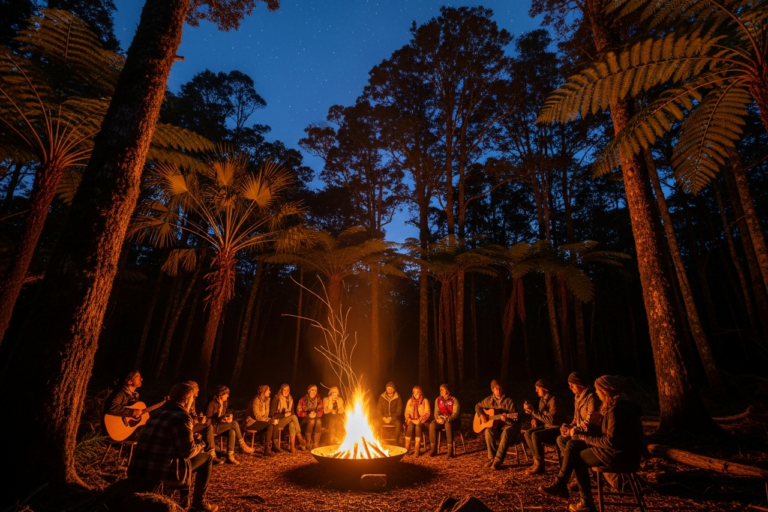
These get-togethers usually have planned rituals that honour the change of season. The burning of a yule log is often at the centre of these group ceremonies. It stands for the return of light and the warmth that the community gives. This act helps everyone feel as if they are bringing back the sun together.
Common things people do at community Yule gatherings include:
-
Singing or chanting to greet the sun.
-
Sharing food and drink, like apple cider that is served hot with spices.
-
Telling stories and talking about what has happened over the last year.
-
Making decorations from things found in nature at this time.
-
Doing a group ritual together with a bonfire or by the burning of a yule log.
Incorporating Nature and the Elements
Bringing the outside into your home is a big part of Yule. This time is about the way nature goes through its changes. Having things like evergreen trees and branches in your home is a special habit. People like evergreen trees because they stand for life that keeps going, even when it’s the darkest time in winter.
There is meaning in each of the Yule decorations. You might use holly because it stands for the holly king. He is known as the ruler of the darker months, but he steps aside for the sun god, or oak king, at the solstice. Red candles are another thing people use. These are for the fire of the sun, and green is for the green of plants that do not lose their leaves, showing that life carries on.
Food and drink are also important in marking this time with nature. People often drink apple cider with spices to feel warm and cosy. This drink comes from the last fruits picked before winter. Doing these small things, like putting up decorations and sharing food, help you show thanks to the earth, and let your home join in with the feeling of the season.
Family and Solo Celebrations
Yule is not just for big groups. It can also be special and important for the family, or for someone on their own. For families, the celebration of yule gives everyone a time to be together and feel that close family contact. This is a good time to start the traditions that you can give to your kids, and they can give to theirs. You might put up a tree together, bake tasty foods, or tell stories about this time of year.
Your family may do a small ritual. You can light candles, share a good meal, and let everyone say what they want from the year to come. You can use a chalice of appropriate wine, or juice, to share and toast the coming sun and wish the family good health. All of this can help to make your house feel more special.
If you are doing Yule alone, it still can be strong and full of meaning. You could meditate, write down what you wish or see for the envisioned new year of growth, or sit quiet by one candle, just thinking. You get to use this time to link with what this season means and set your own hopes for the bright year to come.
Traditions, Customs, and Foods of Yule
The celebration of Yule is full of old customs. There are special foods, too. People have passed these traditions down through the years. They do these things not just to decorate, but to feel closer to the meaning of midwinter. You might see acts like burning the yule log or eating together with those you care about.
Many customs, like having the Yule boar, go back a long way. We will look at why the yule log is so important. We will also talk about some good foods and drinks you might find on the tables of Pagan homes in New Zealand at this time.
Yule Log and Its Role in Midwinter Rituals
The yule log is one of the most well-known signs of the midwinter season. People used to bring a big log, or sometimes a whole tree, into the house in a special way. Before the burning of a yule log, families would put evergreens and candles on it. It became a bright and happy place in the home for everyone.
The burning of a yule log is important in a lot of midwinter events. This fire stands for the coming back of the sun. Its heat and light help keep the cold away, and people thought it also stopped evil spirits from staying close during the longest night. The warm glow would help people feel safe and cared for.
Some people who study old ways think the yule log started as a distant memory of a pagan fertility ritual. They say people spread the log’s ashes on the fields to help get a good harvest in the next year. These days, people might burn a piece of the log every night through Yuletide. Others save a bit of the log to use for next year’s fire. This way, we keep the old yule log tradition alive and show how strong it still is.
Festive Foods and Drinks Shared in New Zealand Pagan Homes
Festive foods are a big part of Yule. This is a time for people to share food, enjoy what they have, and feel close to others during the cold winter season. People love to eat meals that are hot and filling when they get together. These meals help everyone feel cosy and full. In the past, the Yule boar was a main dish on the table. These days, people often make a pork roast instead, or even bake bread or cake shaped like a boar.
Drinks are also very important for bringing people together. Warm apple cider, called wassail, is a classic winter drink. People also enjoy mulled wine and hot chocolate. These drinks are heated with spices such as cinnamon, cloves, and star anise. The smell goes all through the house and makes it feel more festive.
Some popular Yule treats in New Zealand:
-
Root vegetables roasted with herbs, which give thanks for what the earth gives us.
-
Spiced cookies and cakes. Sometimes they are shaped like suns or stars.
-
Breads and pies filled with fruit that was saved from the last autumn.
These foods and drinks make Yule gatherings warm and full of joy.
Conclusion
Yule in New Zealand brings together old and new ways of celebrating midwinter for Pagan and Wiccan groups. People take part in group rituals, which help them feel closer to nature. The longest night means a lot during Yule. This time is good for looking back, feeling happy, and being with others.
When you see the many Yule traditions, foods, and symbols, you may want to try some in your own life or with your friends. Take in the Yule spirit and let it make your winter special.
If you want to know more about how to enjoy Yule in your own way, you can always ask for help!