Key Highlights
-
World Refugee Day is a time when people around the world come together to honour the strength and courage of those who have to leave their homes.
-
The united nations and its agency, unhcr, lead work to raise understanding about the refugee crisis everywhere.
-
On this day, there is a focus on solidarity and making sure the most vulnerable people get the care and inclusion they need.
-
Many events happen across the world to show how much we support the resilience of refugees and to speak up for their rights and well-being.
-
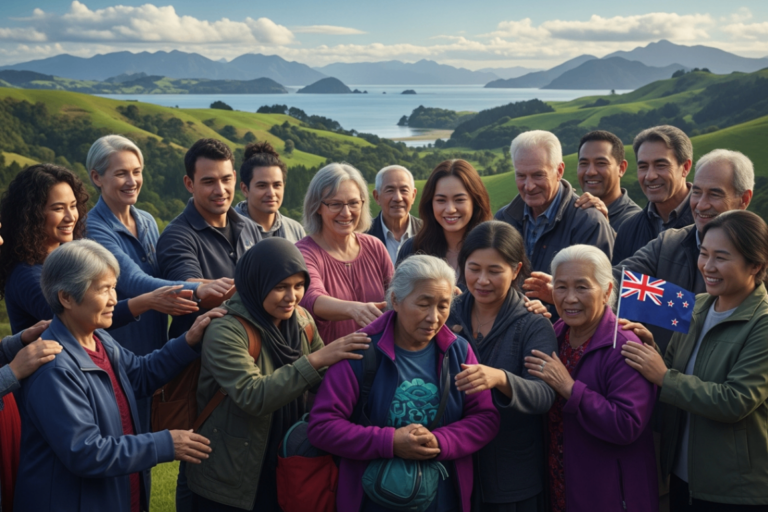
New Zealand shows it cares by running resettlement programmes and having community support for refugees.
Introduction
Every year, millions of people must leave their homes because of war, persecution, or natural disasters. World Refugee Day is a time for us to see how much resilience and courage these people show. They are looking for safety and want to start a new life. On this day, we are asked to stand in solidarity with those who have lost so much. We also celebrate their strength when times are hard. World Refugee Day is here to make us think about our common humanity and why compassion matters.
Understanding World Refugee Day
World Refugee Day is an international day set by the United Nations. It is held to honour refugees all over the world. The day is a time to think about the rights, the needs, and the dreams of people who have had to leave their homes.
This day helps people show empathy and understanding for the plight of refugees. We also get to see their resilience as they work to build new lives. The day also shines a light on host country communities and how they play a big role in welcoming refugees. It is about the journey to refugee status as well. Let’s take a closer look at why this day is here and how people mark it.
Purpose and Global Significance of World Refugee Day
The main reason for World Refugee Day is to get the world to pay attention to the millions who have had to leave their homes. The United Nations started this day. It is there to honour the strength, courage, and resilience of refugees. The day gives us a chance to tell people who refugees are and why they need help.
This day is important all around the world. It reminds us that we all have a role to play in helping people running from conflict, persecution, or disaster. The day tries to get countries to work together and shows that new answers are needed for the ongoing refugee crisis.
At its heart, this day is about taking action. It pushes governments, groups, and all of us to stand up for fair policies so that all forced to leave their homes get safety, dignity, and inclusion. It is about making the world a place where everyone can have a home.
How World Refugee Day Is Observed Around the World
World Refugee Day is held every year on the 20th of June. The United Nations General Assembly picked this day so it matches the date of the 1951 Refugee Convention. People in many places join in on this day to show unity and support.
The UNHCR, also called the UN Refugee Agency, brings people together for World Refugee Day. They work with governments, community groups, non-governmental groups, and refugees. Together, they make events that help everyone learn more and show care.
Different places have their own events, but all of them aim to honour refugees. You may see:
-
Film screenings and art displays showing the journeys of refugees.
-
Community festivals with food, live music, and dances from many cultures.
-
Educational workshops and talks held in schools or other places.
The History and Origins of World Refugee Day
The story of how we protect refugees is closely tied to things that happened in the 20th century. World War II caused many people to lose their homes. Because of this, the world needed to make clear rules to help people who had to leave their country.
This need brought about the 1951 Refugee Convention. It also led to the start of the United Nations High Commissioner for Refugees (UNHCR). These important steps opened the way to have a special day to bring attention to the plight of refugees everywhere. Now, let’s look at the main events that led to this, and the part played by the United Nations.
Key Milestones in the Establishment of World Refugee Day
The journey to establishing World Refugee Day has several key historical markers. The need for a global response to the refugee crisis became undeniable after World War II, leading to the creation of important international bodies and agreements. The Office of the High Commissioner for Refugees (UNHCR) was founded to provide aid and protection.
A pivotal moment was the adoption of the 1951 Refugee Convention, which defined the term ‘refugee’ and outlined the rights of the displaced, as well as the legal obligations of states to protect them. This convention remains the cornerstone of international refugee law.
The United Nations General Assembly officially designated June 20th as World Refugee Day in 2000. This decision marked the 50th anniversary of the 1951 Convention and created a formal, annual occasion to honour refugees and raise awareness.
|
Milestone |
Significance |
|---|---|
|
1950 |
The United Nations establishes the Office of the High Commissioner for Refugees (UNHCR). |
|
1951 |
The Refugee Convention is adopted, defining refugee rights and state responsibilities. |
|
2000 |
The UN General Assembly officially designates June 20th as World Refugee Day. |
United Nations and the Role of the UNHCR
The united nations has a big role in helping refugees around the world. The un refugee agency, or unhcr, is always leading this work. The unhcr helps all people, partners, and countries to keep refugees safe and find answers for their lives. The main goal for the unhcr is to make sure refugees can have their rights and live well.
On World Refugee Day, the unhcr does even more by sharing real refugee stories, showing where help is needed, and asking people for solidarity. The agency gets together with many governments, groups, and local people. They organise events that make people talk about inclusion and show what good things refugees bring with them.
The unhcr has many humanitarian workers. These people give life-saving things to refugees such as food, water, and a place to live. The unhcr also thinks about the future for them. It helps refugees go home if it is safe, stay and be part of their new place, or sometimes move to another country.
New Zealand’s Commitment to Supporting Refugees
New Zealand has a history of opening its doors to asylum seekers. It is known as a host country that takes care to help people in need. The government and many groups work together. They make sure those who come here can get what they need to start again in a safe place.
People get support with things like health care, housing, and other essential services. There is a focus on helping new people join the community and feel at home. Now, let’s talk about the main rules and how the community helps asylum seekers in New Zealand.
National Policies and Resettlement Programmes
New Zealand has national policies and resettlement programmes to support refugees. The country runs a refugee quota programme. This gives entry to some of the most vulnerable people who have been given refugee status by the UNHCR. This shows New Zealand’s commitment to helping others around the world.
When they arrive, refugees get help through a reception programme. This programme gives them first housing, tells them what they need to know, and helps them get the essential services they need. The aim is to help people and families, who may have left their homes because of human rights violations, settle in safely and with dignity.
These programmes help refugees with changes like the language and finding jobs. With support and a clear pathway, New Zealand helps refugees build new lives. This support lets them become part of their new community. This way, New Zealand turns the care shown on World Refugee Day into real help.
Community Initiatives and Ways to Get Involved in New Zealand
The heart of New Zealand’s welcome is in what the community groups and people in the country do. Local community groups, volunteers, and humanitarian workers team up all over New Zealand to help former refugees and other migrants settle in. These groups build inclusion and help people feel like they belong. This is very important for anyone who is starting a new life here.
Showing solidarity by joining in makes a big impact. There are many organisations that need volunteers for all kinds of jobs. These jobs could be helping with language lessons or showing new families around the area they live in. When you get involved, you help people and make their time in New Zealand easier.
Want to know how you can help? You can try these things:
-
Volunteer with a local refugee support service and offer help or friendship to people from refugee families.
-
Donate items like clothing or furniture, or give money to organisations that help refugee families.
-
Go to your local World Refugee Day events. By showing up, you learn about what refugees go through and show your support.
Conclusion
To sum up, World Refugee Day is a key day to remember the ongoing plight of refugees around the world. We should show kindness and support to them. New Zealand has shown its commitment to refugees by bringing in national policies and working on community efforts. This helps create a place where people can feel welcome when they need safety and a new beginning. When we think about what this day means, we should all see how important it is to show empathy and do what we can in our own towns to help refugees. When we work together like this, we help build a society that values every person’s dignity and shows real resilience. If you want to learn more or get involved, contact your local community groups today.