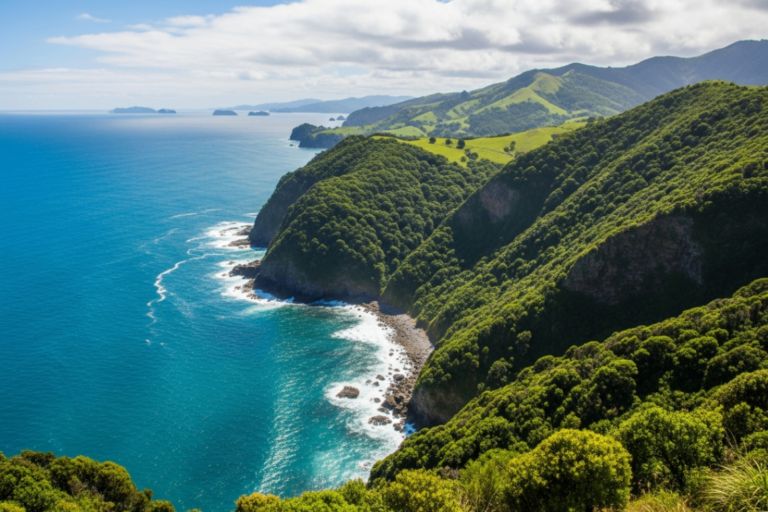
Key Highlights
-
World Oceans Day is a United Nations-backed event held every year on 8 June. The main goal is to help people see why the world oceans are so important.
-
In New Zealand, the Pacific Ocean is a big part of its story and culture, especially for the Māori people.
-
The Pacific Ocean is key to New Zealand’s work and money, as it helps people make a living from fishing and tourism.
-
World Oceans Day points out how we need to stop problems like overfishing and pollution so we can keep marine biodiversity safe.
-
People all over New Zealand—at schools, in small groups, and in businesses—join in by cleaning beaches, learning together, and taking part in group actions.
-
Marking this day shows how all of us have something to do when it comes to taking care of our marine resources, so kids in the future still get to enjoy them.
Introduction
The ocean is a big part of life for us. It’s all around our country and it makes our weather what it is. A lot of us go to the beach on weekends. With World Oceans Day 2026 getting close, it’s a good time to think about how close we are to the Pacific and what it means to us. The world oceans are so important. They help keep all life on Earth going. They give us most of the oxygen we use to breathe and help keep the weather even. World Ocean Day is held once every year. On this day, we get to take time to thank the oceans and think about what we can do to look after them better.
Understanding World Oceans Day and Its Significance for New Zealand
World Oceans Day is an international day set aside to honour, protect, and look after the world’s oceans. It is a reminder every year of the big part the oceans play in our daily lives. The oceans act as the lungs of the planet. They are a critical part of the biosphere for people all over the world. The United Nations General Assembly officially recognised this day to help people be more aware and care for the oceans.
For New Zealand, which is an island country in the Pacific, this day has extra meaning. It fits with the country’s deep link to the sea and makes clear our part in world ocean affairs. Knowing the history and reason behind this day shows why it is so important for us to take part.
The global purpose of World Oceans Day
The main reason for World Oceans Day is to let people know how our actions can hurt the ocean. The United Nations leads this day to bring people together from all over the world so we can save the world oceans. On this day, everyone works to use marine resources in a way that makes sure oceans stay healthy.
World Ocean Day also helps us see the ocean as a critical part of the biosphere. The ocean gives at least half of Earth’s oxygen and holds most of our planet’s biodiversity. This is a day to help us value the ocean not just for how good it looks but for being a key part of life.
In the end, World Ocean Day wants us to build a good balance between people and the sea. It is about changing what we do so we do not use up marine resources but help the ocean get healthy again. The main idea is to make us all act together so the world oceans stay well for the future. By doing this, we look after marine biodiversity and use what the sea gives in smart ways.
Historical origins and annual observance dates
The idea to have a day to celebrate our shared world oceans started in 1992. This idea was brought up at the Earth Summit in Rio de Janeiro, Brazil. This meeting was important for the whole world to talk about the environment. Canada’s International Centre for Ocean Development (ICOD) and the Ocean Institute of Canada (OIC) put out the idea. They wanted people to know more about the world oceans and their vital role.
After this, the day was marked in an informal way for some years. People in communities and environment groups around the world took part. Later, recognition for the day became official. Now, 8 June is an important time in the environmental calendar every year.
In 2008, the United Nations said 8 June would officially be called World Oceans Day. With this, the day’s message about world oceans grew stronger. It called on governments and other groups to join under one cause, guided by rules like the Law of the Sea. Because of this history, the June event now has a strong story of people working together all over the world.
The Pacific Ocean’s Role in New Zealand’s Culture, Economy, and Environment
The Pacific Ocean is much more than water for New Zealand. It is a big part of who we are. The ocean shapes our coast, changes our weather, and is full of marine biodiversity. Our link to the Pacific brings money to the country and is a loved part of our culture.
Because of this strong bond, we have to look after our marine environment. We should know why our ties to the ocean and our culture matter. It is also good to think about how much money we get and the work we need to do for nature. This is why the health of the Pacific Ocean is so important for us and our future.
Unique geographic connection and cultural heritage
New Zealand and the Pacific Ocean are joined together in a way that can not be found in other places. We live on islands, so our history, the way we live, and how we see the world all come from the sea that is around us. This is true for us and gives us a close and special bond with the marine world.
This link with the ocean runs deep in our culture. For Māori, the sea is taonga, which means it is a treasure. It is filled with ancestral stories, old travel ways, and spirit. The ocean is where gods and ancestors can be found. It gives us food, and it was the track their families followed to come here long ago. So, when we get involved in ocean affairs, it is more than a job. It is part of who we are.
World Oceans Day in New Zealand is bigger than looking at just science or numbers or even one type of sea animal. It is a day to think about and celebrate how traditions, the stories, and the values we have, tie us to the pacific ocean. It helps every one of us come closer to what the world oceans mean for us.
Economic impact and environmental responsibility
The ocean is a powerful engine for New Zealand’s economy. The economic impact is vast, from our world-renowned fishing industry to the tourism sector that draws visitors to our stunning coastlines and marine wildlife experiences. These industries provide jobs and are key to our nation’s prosperity.
However, this reliance on marine resources comes with a significant environmental responsibility. Issues like overfishing, pollution, and climate change threaten the very ecosystems that support our economy. We are taking more from the ocean than can be replenished, putting its future vibrancy at risk. Celebrating Ocean Day encourages us to find a better balance.
This day serves as a crucial platform to promote conservation by highlighting the connection between a healthy environment and a strong economy. By raising awareness, we can encourage sustainable practices that protect our marine resources for the long term.
|
Economic Sector |
Connection to the Ocean |
Environmental Concern |
|---|---|---|
|
Fishing |
Main source of seafood exports |
Overfishing |
|
Tourism |
Whale watching, diving, coastal activities |
Habitat disturbance |
|
Shipping |
Vital for international trade |
Pollution, spills |
Celebrating World Oceans Day in New Zealand
People all over New Zealand see World Oceans Day as a time to take action and to celebrate. On this day, the community comes together to show how much they care for the world oceans. From the Far North down to Stewart Island, Kiwis find many ways to get involved.
A new theme is picked each year. This theme helps guide lots of different events and activities for people of all ages. These celebrations help people learn more about our marine environment and turn that into real action.
Common activities, campaigns, and community involvement
People across New Zealand love to take part in World Oceans Day. They get involved in big and small ways. There are people from many backgrounds who join in, and they turn their care for world oceans into real, helpful things. These events are always good for kids and families. You also find that they help you learn new things.
Most of the time, you will see the day’s campaigns are about clear goals. One main idea can be to cut down waste from plastic. Or, people work to care for local biodiversity in New Zealand. Each event gives you a simple plan of what you can do. You get to see how you are helping with marine resources. If you want to know what the next event is, you can ask your local council. You can also go to groups that look after nature.
These are some of the events and things you find in New Zealand for World Oceans Day:
-
People clean up rubbish from the beach or coast areas as a group.
-
Groups run short lessons and talks about marine conservation.
-
Local artists show art that is about world oceans and nature.
-
Some groups show nature films to teach you about the sea.
-
People plant trees near water, like in estuaries, to help keep it clean.
How schools and organisations participate
Schools and other educational groups have a vital role in celebrating World Oceans Day. This day gives a good chance for children to learn about science, geography, and social responsibility in a real-world way. Many schools start to add world oceans topics into lessons before 8 June.
Organisations, from small non-profits to big companies, like to be part of it too. They often do things like hold events for staff, sponsor clean-ups in the community, or create public campaigns to help people learn more. The United Nations and other world groups offer free toolkits online, full of ideas and resources to help people plan for June activities.
Here’s how schools and organisations often take part:
-
Hosting special assemblies with guest speakers about marine conservation.
-
Running classroom projects about ocean ecosystems.
-
Organising a “blue” dress day to help raise funds for a marine charity.
-
Taking part in citizen science projects to check local water quality.
Conclusion
The Pacific Ocean is not just water to New Zealand. It is a big part of our identity, culture, and economy. As we mark World Oceans Day in 2026, we should think about the vital role the ocean plays in our day-to-day lives. We also need to look after its beauty and what it offers. When people take part in community events and learn through new projects, it helps us feel closer to the Pacific. This can also guide young people to protect it in the future. If we work together, we can keep our bond with the ocean strong and make sure it lasts a long time. If you want to learn more about how you can help with ocean conservation, get in touch for more information.
Frequently Asked Questions
What is the current theme for World Oceans Day 2026 and why is it important to New Zealand?
The United Nations has not said what the theme for 2026 will be yet. Every year, these themes focus on big issues, like how to keep marine resources safe or why the world oceans matter so much. In New Zealand, every Ocean Day theme means a lot. It helps us talk about how we can look after our beaches and the sea. We all care about the health of our coastal and marine places.
How does World Oceans Day promote ocean conservation in New Zealand?
World Oceans Day helps raise awareness in New Zealand about the need to look after our oceans. The day puts the spotlight on how human actions can harm marine biodiversity. With local events and campaigns, people get to see what is going on in the sea. It shows what we can do to look after our coasts and keep the marine ecosystem healthy. This is all about making sure the ocean and its biodiversity stay safe for our future.
Who are the main organisers and partners of World Oceans Day events in New Zealand?
In New Zealand, many groups help set up World Ocean Day events. You will see the Department of Conservation, local councils, museums, aquariums, environmental NGOs, and community groups join in. They all work together to make ocean day feel special across the country. These groups show how important this intergovernmental day is to all of us.