Key Highlights
The winter solstice is the shortest day of the year in the southern hemisphere. People all over Aotearoa celebrate this time every June. Here are the main points:
-
The winter solstice happens because the Earth’s tilt points away from the sun.
-
In 2026, this day will fall in late June and marks the shortest day.
-
It shows the real start of winter, but after this day, the days start to get longer.
-
Māori people feel the solstice is special, often saying it is linked with rebirth.
-
People join in on the celebrations, from outdoor festivals to warm indoor times with family and friends.
-
The solstice is a good time to think about life and wait for brighter days to come.
These moments let us notice the shortest day of the year, bring us together, and let us look forward to new light.
Introduction
When it gets cold and the days get shorter in the southern hemisphere, many of us start to look forward to a change. The shortest day of the year is here. People also call this the winter solstice. It has a big place in both culture and the study of the stars. On this day, we can stop, think, and enjoy that the days will soon start to get longer. The winter solstice is a day with a special feeling. Are you ready to welcome it and see how people all over Aotearoa come together in June for this event?
Understanding the Winter Solstice in New Zealand
The winter solstice is the start of winter for the southern hemisphere. This day has the fewest hours of daylight. The reason for this is the tilt of the Earth’s axis.
In New Zealand, it makes the sun stay low and far to the north in the sky. This is the darkest part of the year. But it also means things will get brighter. After the solstice, the days start to get longer again. The event happens because of the tilt and where we are on the axis. The winter solstice is important for anyone interested in how the seasons and the sky work.
Why Does the Winter Solstice Occur?
The winter solstice happens because of the tilt of earth. The planet moves around the sun on an axis. This axis is like an imaginary line that runs through it. But the axis does not stand straight up. It leans over at around 23.4 degrees.
This tilt makes the southern hemisphere point away from the sun for half the year. When this happens, we get less direct sunlight. Our days are shorter and nights are longer. The solstice is the time when our side of the world is leaning the furthest from the sun.
So, the solstice gives us the shortest day of the year here. It is the day with the least sunlight. After this day, earth keeps going around the sun. The southern hemisphere starts to turn back towards the sun. This change brings back more daylight and longer days for all of us.
The Astronomical Significance of the Shortest Day
Astronomically, the winter solstice is an exact time. The sun, as we see it moving across the sky, gets to its most northern point. It sits right above the Tropic of Cancer in the northern hemisphere.
For people in the southern hemisphere, the sun is at its lowest spot in the sky. This is when we get the least hours of daylight. The winter solstice is the opposite of the summer solstice, which comes in December when the sun sits right over the Tropic of Capricorn. Here are the main points about this event:
-
The sun is directly above the Tropic of Cancer.
-
The southern hemisphere points the furthest away from the sun.
-
This day is the shortest and the night is the longest of the year south of the equator.
Even though places like Stonehenge in the northern hemisphere are well known for their links to the solstice, Aotearoa’s ways of marking this time are more about people coming together and watching natural cycles. They are not linked to special buildings or sites from prehistoric times.
When and How Winter Solstice Is Celebrated Across Aotearoa
Across Aotearoa, people welcome the winter solstice with many special traditions and celebrations. The shortest day of the year comes in June. Many see this time as a chance to think and start fresh, almost like a mid-year new year.
There are big community festivals that light up the longest night. Some people prefer to keep it simple with their own quiet traditions. Kiwis have many ways to celebrate this important change in the seasons. Here, we’ll talk about when the solstice will be in 2026 and share some popular events you can join in.
Keywords: shortest day of the year, new year, solstice, June
Winter Solstice 2026 Dates and Timing
Mark your calendars! The winter solstice doesn’t fall on the same day every single year, but it always occurs in late June in the southern hemisphere. This is due to a slight mismatch between our Gregorian calendar and the Earth’s orbit.
In 2026, the winter solstice in New Zealand is expected to happen on Sunday, 21 June. The exact moment of the solstice refers to the precise time when the Earth’s South Pole is tilted furthest from the sun. While the entire day is known as the shortest day, this specific moment is what astronomers pinpoint.
The timing can vary slightly depending on your location, but the change in the hours of daylight is what we all experience. Here is a simple breakdown for the 2026 event:
|
Event |
Date in New Zealand |
|---|---|
|
Winter Solstice 2026 |
Sunday, 21 June |
Popular Festivities and Traditions in New Zealand
People in New Zealand have taken to marking the winter solstice by mixing together old ways and more new ones. All around the world, this day has long been special. Ancient days like Saturnalia in Rome and Yule in Germanic places were about the rebirth of the sun, and we can still see some of these ideas in today’s events.
In Aotearoa, there are many different ways for people to come together in June. These june events are often about the use of light, a bit of warmth, being with others, and good food. It is all about keeping away the cold and looking forward to the days getting longer. It’s a good time to be with friends, family, or people in your area.
Lots of people also come up with their own ways to mark the solstice, drawing ideas from the past. Some common ways to take part in the midyear season are:
-
Going to midwinter festivals with things like lanterns and bonfires.
-
Getting together for big meals with food for the time of year.
-
Thinking on the year that has just passed and set new goals for what is to come, much like a new year.
-
Putting candles and lovely natural things around the home, which remind people of Yule and christmas.
All of these small traditions help brighten up the winter time and give us the feel of new beginnings.
Exploring Cultural Connections and Māori Perspectives
The winter solstice is important for many people. For Māori, the stars and sky are closely tied to life, harvest, and renewal. The solstice is not only about the stars, but it is a time full of meaning. Many see it as a time for rebirth and looking back.
Learning about these ideas can add a special meaning to the solstice. We will look at some of the well-known myths and stories from Māori about this time and see how other groups in the world mark the shortest day.
Māori Myths and Legends Linked to the Winter Solstice
For Māori people, watching the sky is a big part of their culture. The winter solstice matters a lot. At this time, many like to think about the past and get ready for what will come next. People slow down, a lot like the Earth seems to pause before it turns to face the sun again.
There are many good stories and old tales that tie into how the seasons change and how the stars move. The solstice marks a fresh start. When the sun, Te Rā, gets as far south as it can go, it starts to move back north. This slow trip back is a strong sign of new hope and starting again, or rebirth.
This season is also close to Matariki, the Māori New Year. This happens when people see the Pleiades star group up in the sky. While Matariki is not the solstice, both happen around the same time. Together, they help people show respect for those who came before, enjoy the life they have now, and look forward to the good things a new year can bring.
The Importance of the Solstice in Diverse Communities
The solstice is important to people not just in New Zealand, but all over the world. For thousands of years, many groups and communities have taken note of the solstices and equinoxes. They built many monuments and made their own special customs to go with these strong events that happen in the sky.
A lot of the time, these gatherings talk about light, the idea of rebirth, and how life comes and goes like a big cycle. In the northern hemisphere, the winter solstice happens in December. Many older customs from those times are now a big part of christmas. There are even old solstice festivals that started what we do at christmas today.
People from all sorts of backgrounds mark this day in their own way.
-
In Ireland, people go to the old Newgrange tomb. The tomb was made to line up with the winter solstice sunrise, so light gets inside the tomb in a special way.
-
A long time ago, Romans had Saturnalia around the solstice. This was a time of eating, celebrating, and giving each other gifts.
-
In the northern places like Scandinavia, they had Yule celebrations. Bonfires were a big part of Yule, showing the heat and light as the sun starts to come back.
Creative Ways to Embrace the Shortest Day
Are you ready to enjoy the 2026 winter solstice? You do not have to go to a big crowd to celebrate this day. There are many simple and creative ways to mark the solstice. You can spend time outside in the cool air, or stay warm and cosy inside.
This is a good chance for you to start your own traditions. You can focus on your well-being, being close with others, and feeling good about the change in seasons. You may want to try fun things with family or just have some quiet time for yourself. Let’s look at a few ideas to help you mark the solstice in a way that suits you.
Outdoor Activities and Events for Families
Getting outdoors on the winter solstice can feel special for families. The day may be short, but you can use the time by planning a fun trip. There are many places across New Zealand where people come together in June for the solstice. These can have bright lights, music, and tasty food.
Try to find things like lantern parades or midwinter festivals near you. These events are good for children. They give kids the chance to learn what the solstice is all about in a hands-on way. It is also a good time to tell your children about the seasons and why the Earth moves around the sun.
If you like a quiet way to enjoy June, here are some easy ways for your family to get outside:
-
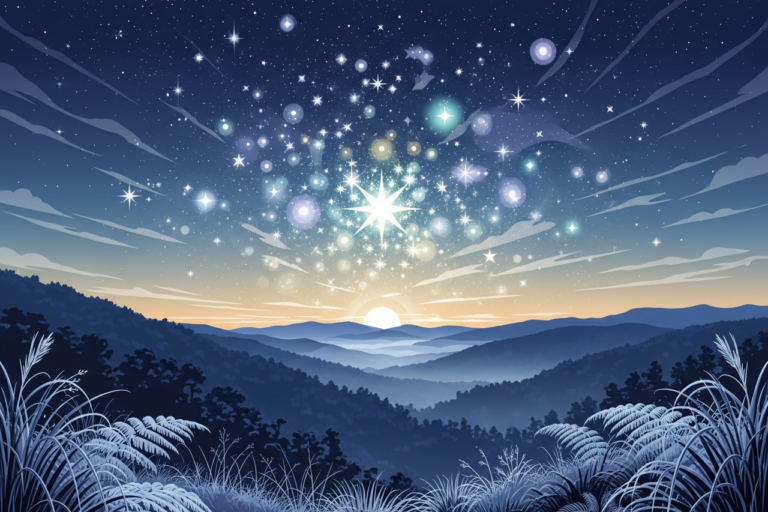
Go for a bush walk during the day. As the sun goes down, see who can spot the first star.
-
Have a simple bonfire outside or use a fire pit. Toast some marshmallows and share stories with your family.
-
Make your own lanterns from jars or paper, then walk through your neighbourhood with them.
These can all help you make the most of the winter solstice.
Cosy Indoor Celebrations and Wellness Rituals
If the cold weather makes you want to stay inside, the solstice is a good reason for a warm get-together. You can use the longest night of the year to think about your wellness and build stronger connections. This is a time for quiet and peace. It is very different from the busy new year parties in January.
You can see the winter solstice as your own reset button. This is a chance to look back at the year and set simple goals for the next six months, until the summer solstice comes. You can make your home calm and warm, and turn the longest night into a nice time with others or by yourself.
Here are some great ways for indoor wellness and celebrating the solstice:
-
Host a potluck dinner with family or friends. Serve hot and tasty meals that fit the season, like soups and roasts.
-
Have a night without phones or screens. Use candles for light, talk, play board games, or read together.
-
Take some time for yourself with writing in a journal or meditating. Think about what you want to let go of and what you want to bring in as the days get lighter again.
Conclusion
As we get ready for the Winter Solstice in 2026, it’s good to know what this moment means in Aotearoa. The shortest day of the year is a good time to think about nature and what connects us to each other. It is also a chance to feel close to your family and community. You can go out and join the fun or stay inside and spend time with the people you care about most.
There are many ways to mark the solstice. You can follow old traditions, tell stories, or do something new together. No matter what you do, use this time to look after yourself and enjoy what’s around you. If you need more ideas about how to enjoy the day, you can always ask for tips!