Key Highlights
-
The Matariki season is the Māori New Year in New Zealand. It’s a special time when people stop to think, celebrate, and get ready for what comes next.
-
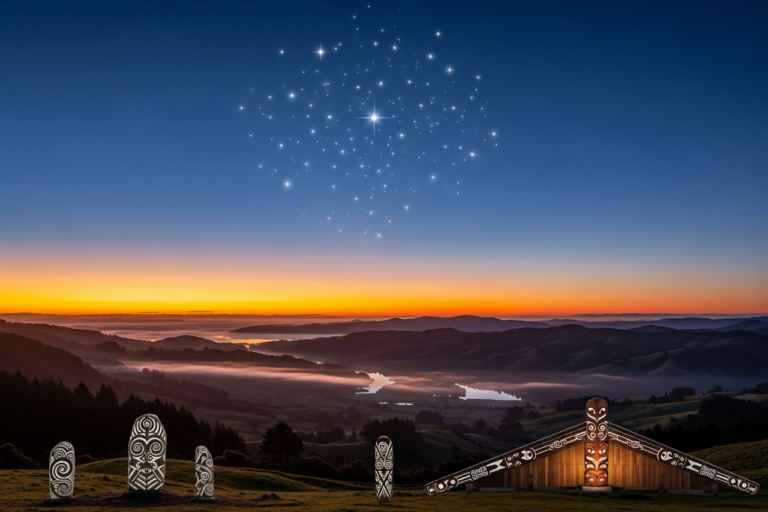
The rising of Matariki, which is an important star cluster, lets us know this season has started.
-
The date changes every year. For 2026, the Matariki public holiday will be on Friday, 10 July.
-
This is when whānau (family) get together, eat kai (food), remember those who have passed, and think about what is ahead.
-
Looking up at the star cluster is a big part of what people do. It helps us feel linked to our environment and our old ways.
-
The Matariki season comes from mātauranga Māori (Māori knowledge) and follows the lunar calendar.
Introduction
Welcome to your guide for the Matariki season 2026. In mid-winter, the nights get longer and people in New Zealand look up at the sky. They wait for a special star cluster to show up. This marks the Māori New Year. It is a special time in Aotearoa. People remember those who are gone. They also celebrate and look ahead with hope. You might be new to this or you may do it every year. Either way, this guide will help you know more and feel close to the tradition as the stars rise.
Introducing Matariki Season in New Zealand
The Matariki season is important for the people of New Zealand. It starts when the Appearance of Matariki, a cluster of stars, shows up in the mid-winter sky. This event is a key part of the Māori lunar calendar.
For many Māori, this is the start of the new year, also called Te Mātahi o te Tau. People use this time to look back and remember what came before, celebrate with family and friends, and get ready for what is next. In this season, there is a deep meaning for people as they think about the past, enjoy the present, and make plans for the future.
The Meaning and Significance of Matariki
The importance of Matariki comes from three main ideas. First, it is the setting of Matariki that marks a time for remembrance. People use this time to stop and think, to remember family and friends who have died in the last year. Many say that their spirits go with the cluster of stars up into the night sky.
Second, Matariki is a time to celebrate the present. It is about being with your family and friends. You can sit together, eat good kai, tell stories, sing songs, and laugh. This helps people feel the joy of life and connect with each other and with the places they live.
Last, when you see the cluster of stars, it is a time of transition. It means a move into the future. People would watch the stars to help them know about the coming season. By looking at how clear the cluster of stars is, they could decide when to plant crops. This is an important time for planning and getting ready for what is ahead.
Why Matariki Marks the Māori New Year
Matariki marks the Māori New Year because when the matariki star cluster comes back in the sky, it lines up with an important time for the land and people. In the past, the Māori people used the Maramataka, which is a lunar calendar. This means they watched the cycles of the moon to follow time. The new year would start after the first new moon showed up, once the matariki star cluster could be seen again early in the morning.
This time of the year, most often happening in June or July, was when work slowed down. People would rest and think about the year. By then, the main harvest was done, the food stores were full, and there was no big work to do. This give everyone a good time to be together. People could look back on the last year and get ready for the new year ahead.
That is why the Māori New Year’s timing is tied to both the land and stars. There is no set date because the new year depends on watching a special event in the sky—the return of the matariki star cluster and the first new moon. It bring people together with nature again, and help everyone have a fresh start.
The Matariki Star Cluster Explained
The Matariki star cluster is a group of stars you can see in the middle of winter. Some people know this star cluster by its ancient Greek name, the Pleiades, or call it the Seven Sisters. Most people from many places in the world say they see six or seven stars. But mātauranga Māori says there are nine visible stars in the cluster.
Every star in the group has its own name and meaning. Each star shows us a part of our world and how we feel. This star cluster is more than just something you see in the sky. It gives us signs, shares old stories, and helps us feel close to others. Let’s find out more about these special visible stars that belong to the Matariki star cluster.
The Nine Stars of Matariki and Their Names
While known internationally as the Pleiades, in Aotearoa, we recognise the nine visible stars of Matariki, or Te Iwa o Matariki. Each star carries its own identity and purpose. The central star, also named Matariki, is considered the mother, guiding her eight children across the sky.
The different names for each star connect them to specific domains, from the winds and rain to the food we gather from the land and sea. Understanding these names helps to appreciate the depth of knowledge held within the cluster.
Here are the nine stars of Matariki:
|
Star Name |
Domain/Representation |
|---|---|
|
Matariki |
Wellbeing and connection |
|
Pōhutukawa |
Those who have passed |
|
Tupuānuku |
Food grown in the ground |
|
Tupuārangi |
Food from the sky (trees, birds) |
|
Waitī |
Freshwater and its food |
|
Waitā |
Saltwater and its food |
|
Waipuna-ā-rangi |
Rain |
|
Ururangi |
Winds |
|
Hiwa-i-te-rangi |
Wishes and aspirations for the year |
What Each Matariki Star Represents
The meaning of Matariki is found in each one of its stars. The name Matariki comes from ‘Ngā Mata o te Ariki Tāwhirimātea’, which means ‘the eyes of the god Tāwhirimātea’. Another meaning is ‘Mata Riki’ and that is ‘little eyes’. The brightest star in this group is called Matariki too. It stands for wellbeing, gathering, and keeping people connected.
Each of the other matariki stars has its own task. Pōhutukawa links us to people who have passed away. Tupuānuku and Tupuārangi are about food. One is for crops you grow in the soil and the other is for food that comes from the wild. Waitī keeps an eye on the freshwater animals and plants. Waitā is the one that cares for the sea and saltwater life.
Waipuna-ā-rangi is joined to the rain. Ururangi is linked with the winds. Hiwa-i-te-rangi is known as the star of wishes. People share their hopes for the coming year with this one. All the matariki stars together show us the different parts of life and nature.
Read more about Matariki stars.
Understanding Matariki Dates and How They Are Determined
The dates for Matariki are not set like they are in the usual Gregorian calendar. Every year, the time for Matariki is different. This change happens because the Māori use the Maramataka, which is a special lunar calendar that tracks the movement of the moon and the stars.
Matariki starts after you see the setting of Matariki in autumn and then the star cluster shows up again in the winter sky.
People time the celebration to match either the first new moon or the first full moon after the rising of the star cluster. The way these things line up in the sky helps choose the dates for Matariki each year. This keeps the event in tune with the natural ways of Aotearoa.
When Matariki 2026 Begins
For the coming year, Matariki 2026 will happen in early July. The main date to note is the public holiday on Friday, 10 July 2026. The new year celebrations will be from about 9 to 11 July, so people will get a long weekend for all the fun and festivity.
The appearance of Matariki is what starts this special lunar period. The star cluster will be seen in the early morning sky, either late June or in early July. This shows the beginning of the Māori New Year. That’s when the celebrations have always taken place.
It is best to start planning for Matariki 2026 now. Knowing the dates lets you get ready to remember, celebrate, and join in what makes this time good for all. Look to the eastern sky before dawn as winter moves on.
How Astronomers and Māori Communities Decide the Dates
Working out when Matariki is each year is a team effort. People use both old Māori knowledge and what we know from today’s astronomy. There is a group of experts, like Māori astronomers and community leaders. This team picks the dates for the Matariki national public holiday in New Zealand for the next 30 years. This helps everyone be on the same page and plan ahead.
These experts use mātauranga Māori, which is Māori knowledge, to follow the lunar calendar. They watch when Matariki comes back in the morning sky. The team also checks what the moon is doing, so they can find the right lunar period for this new year.
People need to know that different iwi in New Zealand might have Matariki on a different day. Some wait for the first full moon, and others choose the new moon. This mix of times is a big part of the tradition. Local groups, like Wellington City Council and Radio New Zealand, give updates and news that fit their area.
Beginner’s Guide to Observing Matariki
Watching Matariki can be a great way to connect with this time of year. You do not have to be an expert to see the star cluster in the night sky. The rising of Matariki happens just before dawn. With a few easy tips, you and your whānau can spot it with your naked eye.
This is more than looking at stars. It is a time to pause, think, and connect with the world around us. Here is what you need to know to get started and how you can make this into a bigger, more special celebration.
What You Need to Get Started (Equipment, Resources, Location Tips)
The best thing about watching the Matariki star cluster is that you do not need much to get started. The main thing you need is a clear, dark sky. You can see the star cluster with the naked eye. There is no need for special tools, but binoculars will help you get a better look.
If you want to go stargazing, try these tips and resources:
-
Location: Find somewhere without city lights and where you can see the northeastern horizon clearly. Good places can be a park, beach, or the top of a hill.
-
Timing: You have to get up before the sun. The best time is about an hour before it gets light.
-
Warmth: It will be cold in the middle of winter! Wear warm clothes in layers. Bring a blanket and a flask of hot chocolate.
-
Resources: There are stargazing apps for your phone that can help you spot the Matariki star cluster. You can also look at guides or charts online.
With a bit of planning, you can have a good time. It’s a great way to start your new year and feel close to the Matariki traditions.
Step-by-Step Guide to Celebrating Matariki in 2026
The celebration of Matariki is both special for you and brings people together. You can welcome the new year by doing a few easy things that show respect for its traditions. This guide makes it simple for you and your whānau to make your own real celebration during the coming season.
It begins when you look up at the early morning sky. You will need to spot the well-known group of stars, as this is the first step to feel a part of this season. After that, you can plan to gather with friends and whānau and add traditions that you like.
At the heart of Matariki is thinking back, enjoying now, and looking ahead. When you follow these steps, you get to join this much-loved Aotearoa tradition, and bring in the Māori New Year in your own way, with those you care about.
Step 1: Finding the Matariki Stars in the Sky
Your Matariki journey starts when you look for the cluster of stars. To do this, you need to get up before the sun rises during the Matariki season in June or July. Make sure you are in a dark spot. You should also have a clear view of the horizon in the north-east. The matariki star cluster comes up just before the sun on those mornings.
You will be looking for a close group of lights. With your naked eye, this can look like a small soft patch or a bunch of tiny twinkling stars. A good way to find the star cluster is to first spot Tautoru, also called Orion’s Belt (‘the Pot’). From there, follow a line going north. This is the way many people use to find the cluster of stars.
It is okay if you do not see all nine stars with your naked eye. Most people only see six or seven stars at this time. When you look for the matariki star cluster, you are doing something passed down over a long time in Aotearoa, tying you to all the people who have also looked for these stars to mark the new year, especially when the first new moon comes.
Step 2: Planning a Whānau (Family) Gathering
Matariki is all about whānau. After you see the stars rise, the next thing to do is get your family and friends together. This is how people in New Zealand mark the new year. It’s a special time to be with others and share, just like people used to do after the harvest.
You can plan to meet up and spend good time with each other. Have a nice dinner, go on a weekend trip, or just enjoy an evening at home. What’s important is that you use this time to make your bonds stronger. Talk about the past year and what you hope for in the next one.
Having kai together is a big part of Matariki. You might cook a big meal with what is in season, do a potluck and have everyone bring some food, or give a traditional hāngi a go. Getting together to make and eat food is a great way for people to feel close and enjoy life as we welcome the new year in New Zealand.
Step 3: Honouring Traditions—Remembering Loved Ones and Sharing Kai
A big part of Matariki is taking time to remember loved ones who are no longer here. It is a way to honour their memory and think about what they mean to us. You can do this by talking about stories from when they were with you, looking through old photos, or just spending a few quiet moments remembering them.
The star Pōhutukawa is linked to people who have passed away. When it rises, many believe it lifts their spirits. When you think about this during Matariki, it helps you close out the year that has gone. This makes it easier to go into the coming year with peace and good memories.
Another part of Matariki that means a lot is sharing food. Getting together with whānau and friends for kai shows there is enough to go around, and it brings people closer. When you pass food around, you also talk about your hopes and what you want in the coming year. This makes the present time happier, and helps everyone plan for a good year ahead.
Popular Ways to Celebrate Matariki Across New Zealand
With Matariki now being an official public holiday in New Zealand, the celebration of Matariki is growing across the country. There are a range of ways to get involved. Some people join big community events while others follow quiet family traditions. It is a time for gathering, thinking about the past, and taking part in cultural things.
All over New Zealand, cities and towns put on festivals, workshops, and exhibitions during this time. This gives everyone a chance to learn and be part of the celebration in a way that suits them. You can go to a busy festival or spend a calm night at home. No matter what, there is a way for you to enjoy the season.
Community Events, Feasting, and Cultural Activities
The Matariki public holiday brings people together with fun events right across Aotearoa. Many councils, museums, and community groups help put on a range of ways for you to join in and celebrate. One big part of the public holiday is having good food. There are food festivals and markets where you can get to know some of the best winter kai.
These celebrations are mostly about sharing culture. At many events, you will get storytelling, kapa haka, and art shows that talk about what Matariki means. The Wellington City Council and others put on a big programme for people of all ages.
Here are some popular activities to look out for:
-
Light festivals and art installations.
-
Workshops on traditional crafts like kite-making (manu aute) or weaving (raranga).
-
Educational talks on Māori astronomy and the Maramataka.
-
Community hāngi or shared meals.
-
Concerts featuring local musicians.
Customs and Traditions of Matariki
The customs and traditions of Matariki are deep and varied. They help connect us to the past, present, and what is still ahead. One of the main customs is to remember people who have died over the last year. This is a way to show respect for their journey. It is a time when we stop and think about life, death, and how these things are part of us all.
Other traditions help us to celebrate the good things in life and look forward to what will come. People swap stories to share knowledge. They plant new trees or crops to show a fresh start. Many also fly kites at this time. Each of these things helps to make Matariki important in the life of our communities.
Remembering Those Who Have Passed Away
Remembering the people we have lost is a big part of Matariki. At this time of the year, we get a chance to grieve and honour those who have passed away since the last new year. It gives us a space to think, feel the pain from losing someone, and also celebrate their life.
In the past, people believed that the spirits of those who had died are taken up into the sky by the stars. There is the star Pōhutukawa, and it is linked to this job. This star acts like a guide to help the spirits. When you look up at Pōhutukawa, you are joining with the memory of those who are gone.
As you get ready for the coming year, taking time to remember can give you some peace. It helps you carry the lessons and love from those people into what comes next. Their memory becomes a part of the new beginning that Matariki brings.
Planting, Kites, and Storytelling
Beyond just remembering the past, Matariki is full of things people do to celebrate life and share what they know. Planting is a big part of it, because Matariki is the time to get the ground ready for growing new crops and looking forward to the new year. People used the brightness of the stars to guess how good the coming planting and harvesting time would be. This helped them decide when to plant the first fruits of the year.
Telling stories is also very important at Matariki. People use stories to share what they know, what happened in the past, and their values. This way, the next generation learns about where they come from. The stories about the stars are very special too. Kite flying, or Manu Aute, is another part of Matariki.
-
Planting: When you plant a new tree or start a new garden, it is a sign of hope and growth as you begin the new year.
-
Kites (Manu Aute): Kites are flown to link heaven and earth and are thought to send messages up to the stars.
-
Storytelling (Kōrero): When families or friends share their stories or old legends, it helps people stick together and keep their culture strong.
Matariki as a Public Holiday
In 2022, Matariki became an official public holiday in Aotearoa New Zealand. This was a big moment for the country and was announced by then Prime Minister Jacinda Ardern. The move showed how important mātauranga Māori is, and gave everyone in New Zealand a chance to join in and enjoy this special time.
The public holiday made Matariki more well-known. Now, schools, workplaces, and groups all over the country get to come together and take part in the traditions. It is New Zealand’s first national public holiday that celebrates Te Ao Māori, showing a big step forward for all of us in Aotearoa New Zealand.
Why Matariki Became a National Holiday
Matariki became a public holiday to celebrate what makes Aotearoa special. For a long time, people wanted a day focused on mātauranga Māori. The government, led by former prime minister Jacinda Ardern, made this happen. They saw it as a chance to enjoy our culture together.
It is about more than just having a day off. This shows a promise to make Te Ao Māori an important part of how we live in New Zealand. It gives everyone time to learn about the Maramataka, the meaning of the stars, and why we remember the past, celebrate together, and look ahead.
Making Matariki an official public holiday puts it with other special days in our year. Now, everyone can stop, think, and join in with the land, the sky, and each other. It helps everyone feel part of our country.
How Schools and Workplaces Mark the Occasion
With Matariki as a public holiday, schools and workplaces in New Zealand now find new and fun ways to celebrate. In the days before the holiday, many schools bring the celebration of Matariki into their lessons. Students get to learn about the stars. They do art, sing waiata, and hear old stories.
Workplaces join in too. A lot of businesses have shared breakfasts or lunches for everyone. This helps people feel close as a team and look back at the year. Some places ask cultural advisors to speak about Matariki. This helps staff see why the celebration of Matariki is important.
All these things help build real community and shared ideas. The celebration of Matariki is not just for a few now. It is a public event for all people in New Zealand, a time to come together and enjoy this part of the year.
Conclusion
As we get close to Matariki Season 2026, it’s good to think about what this time means. Matariki is about looking back, coming together, and having fun. It marks the start of the Māori new year. This time of year helps us remember to hold our loved ones close and keep our special ways alive. No matter if you watch the stars, meet up with whānau, or head out to something happening in the community, there are many ways for you to join in on these rich traditions.
When you get ready for Matariki, make sure you slow down and see the beauty of this season. Think about what brings us together. If you want to find out more about Matariki, or join in on events, reach out to see what’s on where you live. Enjoy watching the stars rise and all the good that comes with this new year.
Frequently Asked Questions
What are some fun family activities to do during Matariki season?
Celebrating Matariki with your family can be a lot of fun. You can get up early to look for the stars in the night sky. You might have a special new year dinner together. You can also make your own kites and fly them. In the evening, sit down with your family and share stories or talk about your hopes for the new year.
Where can I find resources or events to learn more about Matariki?
Your local library, museum, or city council is a good place to start. There are many groups in New Zealand that put on events for Matariki and give out online resources before the public holiday. You can also use websites like Te Wānanga o Aotearoa to find great free resources, so you get to know more about it.
Is Matariki celebrated outside New Zealand?
Matariki is a special event in New Zealand. The Pleiades star cluster is known by people in many places around the world. It has different names and stories. For example, people in Japan call it Subaru, and in ancient Greece, it was called the Seven Sisters. But the way New Zealand celebrates it as the new year is something only done in Aotearoa.
How does Matariki influence planting and harvesting in Māori culture?
The brightness of the Matariki stars was used in the past to know how the coming season would be. If the stars were bright, people saw this as a sign that there would be a warm and good season for planting and picking food. If the Matariki stars looked hazy, people got ready for a cold winter ahead. This help from the sky, linked to the lunar calendar, was very important. It let people know the best time to plant the first fruits of the year.