Key Highlights
-
Vietnam has a low cost of living. This is one big reason why people from New Zealand want to move there.
-
Major cities like Ho Chi Minh City and Hanoi are full of life. There are also new job opportunities growing in these places.
-
The country has a friendly expat community. This makes it easy for you to feel at home when you move in.
-
The quality of life is good. But, you should know about the language barrier and air quality before you go.
-
Families see many international schools in Ho Chi Minh City, or Minh City. This helps if you are taking kids with you.
-
It is important to know about visa requirements and the healthcare system before you move.
Introduction
Are you thinking about starting a new life in a lively and fast-growing country? Vietnam could be just right for you. The country sits in Southeast Asia and is becoming very popular with New Zealanders. People are moving there because of its strong economy, rich Vietnamese culture, and good quality of life. You will see busy city streets and also calm coastal towns. The country mixes old traditions with new ways of living. This guide will help you learn what you need to know about making Vietnam your new home.
Understanding Life in Vietnam for New Zealanders
Life for Kiwis in Vietnam is a new adventure. This place is very different from western countries. Daily life here is full of action and quiet times too. The vietnamese people are known to be friendly, so moving in gets a bit easier.
You will spot a big change in energy between major cities like Hanoi and Ho Chi Minh City and life in rural areas. Whether you are shopping in busy markets or cruising down calm country roads, each day seems to bring something new.
The Vietnamese lifestyle and daily routines
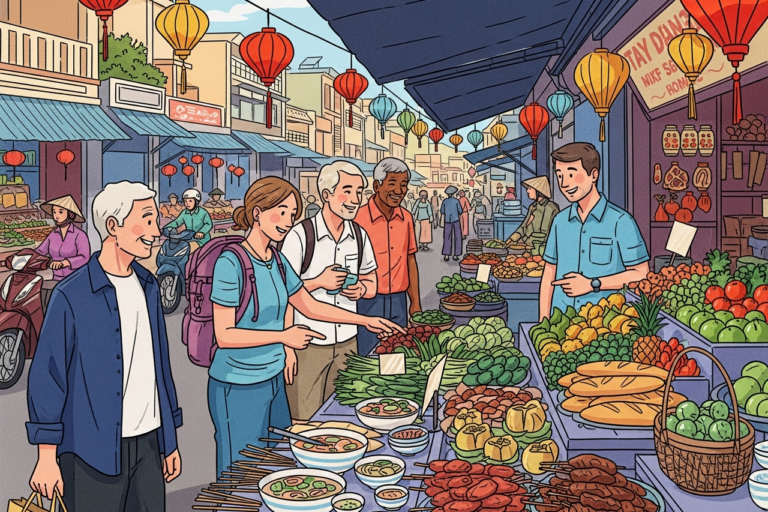
The rhythm of daily life in Vietnam often starts early in the morning. In urban areas, you can see streets get busy as people on motorbikes head out. There are nice smells from street food stalls. Many people eat breakfast pho from a local spot as part of their day.
Your days there can be very different, just like the land itself. Expats might spend time at work, visit local markets, or enjoy sitting in cafés. In the evenings, people often meet up, eat tasty local food, or just relax in the neighbourhood. Life is mostly spent outdoors. Parks and open spaces are very important for people to get together.
Life in rural areas is not the same. It moves more slowly. People there are closer to farming and old traditions. This gives you a peaceful way to see Vietnam, far from the noise of big cities. No matter if you are in urban areas or rural areas, daily life here is full and never boring.
Common challenges faced by New Zealand expats
Moving to Vietnam can bring some new experiences that you need to get ready for. While lots of people in the big cities can speak English, you may still find the language barrier hard to deal with, especially if you go out of the main tourist areas.
The air quality can also be a problem, mostly in the larger cities. This is something you need to know about before you go. If you are planning to stay, you will have to work with a lot of the local paperwork and rules. Doing simple things that you do at home can seem a lot harder here.
Here are a few common things you might face:
-
Getting your work permit sorted and understanding what forms you need.
-
Working with the local offices for your visas and living papers.
-
Getting used to new traffic rules and how busy the roads are.
-
Knowing how to handle your personal income tax.
Just be ready for these things, and you will find it easier to settle in.
Insights into Vietnamese social norms
Getting to know Vietnamese culture will help you adjust better. The Vietnamese people tend to be warm, friendly, and welcoming to people from other countries. Respect for elders is a big part of life. Family comes first for most people in Vietnam. It’s a good idea to pay attention and learn the little things people do, or do not do, so you show that you respect the way they live.
When you talk with social groups, you may see that people in Vietnam often speak in a more indirect way than you might in New Zealand. Being polite and not upsetting others is important for both yourself and the people you meet, in both social situations and when doing business.
Making real connections matters a lot as well. Take time to know people in a real way. Doing small things—like learning a few words of Vietnamese or saying yes when someone asks you out—can help others see you in a good light. This will help you feel welcomed among them and build good links with the Vietnamese people.
Key Things to Know Before Moving to Vietnam
Before you leave your home country, there are some key things you need to do first. The most important step is to understand the visa requirements for your new place. Make sure you know the full application process. This can be hard to work out, so take your time with it. You can not just arrive and stay for a long time without the right paperwork.
You also need to get good health insurance. Healthcare will be there, but health insurance will help you get the best care and give you peace of mind. If you sort out your visa requirements, the application process, and health insurance before you go, your move will be much easier. Now, let’s look at what you have to do next.
Important documents and travel requirements
Getting your paperwork sorted is the first thing you should do. The visa requirements for Vietnam are strict, so you need to make sure you apply for the right one. If you are only there for a short visit, a tourist visa will work. For living and working there, you will need a business visa, a work permit-sponsored visa, or another type, not just a tourist visa.
The application process for a work permit and visas can take time. You also need a lot of documents. These include proof of employment, your qualifications, health checks, and proof that you have no criminal record. It can be best to ask your employer or a visa agent to help you with how it all works.
Here is a quick look at how many expats move through the visa process:
-
Working Visa: Many people start with this one. You need a job offer for this, and it usually lets you stay up to two years.
-
Temporary Residency Permit: You can apply for this after you get a job. This lets you stay in the country for a longer time.
-
Permanent Residency: You can aim for this if you have had a temporary permit and lived in Vietnam for at least three years. You must show your income is steady.
Health considerations and vaccinations
Your health needs to be at the top of your list when you move to another country. Before you go, talk to your doctor. Ask about which vaccines you should get for Vietnam. You may need shots for Hepatitis A, Tetanus, and Typhoid.
The healthcare system in Vietnam offers both public and private choices. The system is getting better, but many expats like private hospitals in the major cities. These places often have staff who speak English and give a higher level of care. So, having good health insurance is important.
With the right medical insurance, you will have peace of mind knowing you are covered if you get sick or have an emergency. Make sure your health insurance helps if you need to leave the country for treatment. Sometimes, you might have to go to countries like Singapore or Thailand for special care.
Essential research before you relocate
If you do a bit of planning before you move, your quality of life in Vietnam can be much better. Start by looking at the major cities. See which city will fit your way of living and your work plans. Each city has its own vibe and different job opportunities for you.
Check the real estate market. This will help you understand the price of houses and what is out there. Join some online expat forums. The people there can give you up-to-date advice and share what they know. If you have kids who need to go to school, start looking into international schools early, because there might not be many spots.
Here are some main things to find out more about:
-
Cost of living: Set a budget that includes rent, food, transport, and what you like to do for fun.
-
Job market: Find out who is hiring and which jobs need your skills most.
-
Neighbourhoods: Visit or check out different parts of your city to see where you would like to live.
Pros and Cons of Living in Vietnam as a Foreigner
Living in Vietnam as a Kiwi has some great upsides. One of the best things is the low cost of living. Your money can go much further here. This helps you to get a high quality of life that can be hard to find back home. The low cost of living is good for all sorts of people. Families, digital nomads, and single people can all enjoy a good life.
But there are some hard parts too. You will have to get used to a new culture. There is a lot of paperwork and rules you must deal with. Big cities may have issues like pollution. It is important to look at the good and bad sides. This will help you know if coming to Vietnam is a good idea for you. Let’s look at these points more closely.
Benefits of living in Vietnam
The good news is that there are many reasons why life in Vietnam is great. One of the main things people like is the affordable cost of living. You can have a nice lifestyle for much less than in many other places. Expenses like housing, food, and getting around are low.
This helps give you more freedom with your money. You can eat out often, travel around the country to see its lovely natural beauty, and still have money left for a fun social life. Vietnam is also very safe. There is not much violent crime, which helps people feel relaxed.
Here are some of the top benefits:
-
Delicious and cheap food: From street food places to fancy restaurants, the food scene has a lot to offer.
-
Friendly locals: Vietnamese people are warm, friendly, and always willing to help.
-
Travel opportunities: Being in Southeast Asia, Vietnam is a great starting point to see other countries nearby.
Potential drawbacks and how to manage them
Life in Vietnam has a lot of good things, but you should know about some common problems. The language barrier can be hard for people who move here. In tourist areas, you can use English, but learning some Vietnamese will help you in daily life.
Air quality is not great, especially in Hanoi and Ho Chi Minh City. Many people use air purifiers at home. They also wear masks when out. The tropical climate is hot and humid, and the rainy season can be tough while living here.
Here are some usual issues and tips to deal with them:
-
Bureaucracy: Be patient. Hire a professional to help with your work permit and personal income tax.
-
Traffic: Go with the organised chaos. Use ride-hailing apps, or learn to ride a scooter if you feel up to it.
-
Cultural differences: Keep an open mind and always try to learn when you face something new.
Comparing Vietnam with New Zealand
Swapping New Zealand for Vietnam brings big changes. In the major cities of Vietnam, life moves much faster than back in your home country. The sound of motorbikes never stops. The street markets stay full, and there are people everywhere. This is very different to the open spaces you get to see in Aotearoa.
The cost of living is one thing you will notice right away. Your Kiwi dollar goes a lot further in Vietnam. This means you can get used to things like eating out often or having a full-time housekeeper. For many at home, these are extras you do not get every day. These perks are a top reason why people set out for a new life in Vietnam.
Still, there are things from western countries you may miss. It can be harder to deal with things like rules and paperwork. The air is not always as clean. It may not feel as familiar as what you and your friends had when you were growing up. But for many, the adventure and chance that come with being here are worth it. People get the chance to see and try something new, even if their home country is far away.
Cost of Living in Vietnam for New Zealanders
One of the best things about Vietnam is the affordable cost of living. For people from New Zealand, the difference is big. The average cost of rent, food, and transport is much lower than in any main Kiwi city. This means your money will go a lot further here.
What you spend in Vietnam will change based on how you live. You can choose to save and spend less, or you can spend more and enjoy the good things. The country has a wide range of choices that can fit any budget. Here is a look at what you could spend each month.
Typical monthly expenses
Your monthly expenses in Vietnam will vary depending on your lifestyle and where you choose to live. Living in major cities like Ho Chi Minh City or Hanoi is more expensive than in smaller towns, but still very reasonable. The average cost for a single expat living a comfortable life is typically between NZ$1,500 and NZ$2,500 per month.
A large portion of your budget will go towards rent, but even this is an affordable price compared to New Zealand. Food is incredibly cheap, especially if you eat local dishes. Transportation, utilities, and entertainment also come with a small price tag.
Here is a sample breakdown of monthly expenses for a single person in a major city, keeping in mind there is a wide range of prices:
|
Expense |
Estimated Monthly Cost (NZD) |
|---|---|
|
Rent (1-bedroom apartment) |
$500 – $1,000 |
|
Utilities (electricity, water, internet) |
$80 – $120 |
|
Groceries |
$200 – $300 |
|
Dining Out |
$200 – $400 |
|
Transportation (ride-hailing/scooter) |
$50 – $100 |
|
Health Insurance |
$100 – $200 |
|
Entertainment & Leisure |
$150 – $300 |
|
Total |
$1,280 – $2,420 |
Housing and accommodation costs
Finding a place to stay in Vietnam is not hard. The real estate market in the big cities has a lot of choices for all budgets. You can get modern high-rise flats, old-style homes, or serviced apartments that come with cleaning and laundry.
If you want to live in a big city, a nice one-bedroom apartment in an area with other expats will cost you from NZ$500 up to NZ$1,000 each month. If you are after more space, or want a fancy place, or a house with a garden, the property prices will be higher. Even then, you will still get more for your money than you would in New Zealand.
When your budget is lower, you can look for a shared home or a flat further out from the city centre. These property prices are very good value. Most flats in Vietnam come with everything already set up, so you will not have to buy much when you move in. This is good, especially when you want to get started in a new place.
Food, groceries, and dining out
The food scene in Vietnam is a big draw for many expats. The average cost of food here is very low. This is true whether you buy from a street food stall or sit down at a restaurant. You can have a nice, tasty bowl of pho or a banh mi sandwich for just a few New Zealand dollars.
Shopping for groceries in a local market is something many people like to do. It is the best way to get fresh food such as fruit, meat, and seafood for a low price. Supermarkets are easy to find and carry both local food and products from other countries. But if you want Western goods, get ready to pay more.
Even if you eat out a lot, your wallet will not hurt. Having a meal at a mid-range place that serves local food will only cost you about NZ$10-15 each. Because the average cost here is so low, you can try lots of different foods and enjoy the street food and local market without stretching your budget.
The Best Places to Live in Vietnam for Expats
Vietnam is home to many great places where expats can live. Each spot has its own style and feeling. The best places for you will really depend on what you want from life and your work. Major cities, such as Ho Chi Minh City and Hanoi, are known for their energy and the many job chances you can find there.
If you want a slower pace, a coastal city like Da Nang in Central Vietnam is a good choice. You get both the comforts of city life and the beach here. Up next, let’s look at the top places in Vietnam for Kiwis who want to move.
Ho Chi Minh City: Urban life and opportunities
Ho Chi Minh City, which many people still call Saigon, is the biggest city in Vietnam. It is also the main place for business in the country. Here, you can find the most job opportunities. This is true for people looking to work in business, finance, or teaching. Life in Ho Chi Minh City moves fast. The city feels busy, full of energy, and always exciting. That is why many people from other countries want to live in this urban area.
Ho Chi Minh is well-known as one of the big cities in Southeast Asia. It has great nightlife, amazing food, and lots of things to do for fun. The city is split into different districts. Each one has something unique to offer. Many expats like to live in District 2. There is a ward called Thao Dien that is liked by many, because it has international schools, restaurants with Western food, and a strong expat community.
Even though this city is large, it is not hard to travel around. Ride-hailing apps make it easy for people to get from one place to another. If you like the energy in big urban areas and want to grow in your career, then Ho Chi Minh City is a really good place to choose.
Hanoi: Culture and tradition
Hanoi is the capital of Vietnam. It sits in Northern Vietnam and feels different from Ho Chi Minh City in the south. This city is at the heart of the country’s culture, with a lot of old stories, traditions, and history. When you walk around the Old Quarter, you see old French-style buildings, calm lakes, and get a feeling of romance and history all at once.
It may be one of Vietnam’s major cities, but Hanoi feels more relaxed than Ho Chi Minh City. Many people say it is a great place if you like art, history, and the old ways of living. The quality of life is good here. People enjoy clean parks, a busy café scene, and a strong community spirit.
You will find many job opportunities, especially when you work with the government, in education, or with an NGO. If you want to live in a city that mixes old and new things well, Hanoi is a top choice for you.
Da Nang and other popular cities
For people who want the beach life more than the busy big city, Da Nang is a great pick. It sits in Central Vietnam and has the right mix of city perks and amazing nature. There is a long stretch of sand and the Marble Mountains are right there behind the city. It is cleaner and has less noise and rush than the bigger places.
Da Nang gets many digital nomads and small business owners. The whole lifestyle here is more easy-going and the city’s things keep getting better. It is a good spot if you want to see other places nearby too.
There are other smaller cities in Vietnam if you want a quiet life, too:
-
Hoi An: You will find this old town in Central Vietnam. It stands out for its pretty lanterns, high canals, and old buildings that look new. This town is a UNESCO World Heritage site.
-
Nha Trang: This is a well-known coastal city. It is by a big bay with great places to dive in and has fun nightlife as well as nice beaches.
-
Vung Tau: This city is close to Ho Chi Minh City. Many come here when they want a break for the weekend. It is a calm spot, very good for the expat community.
If you think about where to go in Vietnam as an expat, cities like Da Nang, Nha Trang, Vung Tau, Hoi An, or even Ho Chi Minh City can give you the life you want, with
How to Move to Vietnam: A Beginner’s Guide for Kiwis
Choosing to start your new life in Vietnam is a good idea. To help make things easy, it is best to have a clear plan. It is wise to look at your visa and money needs before you go. Getting your paperwork sorted early will save you stress. The application process for your visa and other permits is the most important step.
This guide will show you the steps you need to follow, from getting your papers ready to making your new home comfortable. There are no direct flights from every part of New Zealand, but it is still easy to get to Vietnam. Get ready for your new adventure and your new home in Vietnam.
What you need to get started
The first thing you need to think about is your visa. Find out about the visa requirements early. If you are a Kiwi and you want to work, you will need more than just a tourist visa. Many times, this means you need a job offer first. Most employers will help you get your work permit.
You should collect all your important papers. This is things like your passport, your birth certificate, your degrees, and a police clearance certificate. It’s a good idea to have both digital and hard copies of everything. You should also get your degrees and other papers notarised before you leave New Zealand.
Here’s a quick checklist to get you started:
-
Valid Passport: Your passport needs to be valid for at least six months after the date you plan to leave.
-
Job Offer: You often need this to get the right visa for a long stay.
-
Essential Documents: Gather all documents you need for your visa application process, including papers for who you are, your education, and your work.
Preparing your finances and banking
Getting your money sorted is an important step before you move. You need to make sure you have enough saved for the first few things. This includes your flight, the first month’s rent with the deposit, and some money for living costs until you get your first paycheck. Vietnam has an affordable cost of living, but it is always a good idea to have something extra set aside.
Let your New Zealand bank know you plan to move. This helps you to avoid problems with your bank account while you are away. You should also look up how to send money from one country to another. Many people need to move money between their Kiwi and Vietnamese bank accounts, so knowing how that works will help.
When you arrive and get your residency permit, you can open a local bank account in Vietnam. This makes your daily life easier, because you can pay the bills and your job can put your salary straight into your account. Make time to learn about the rules for personal income tax in Vietnam, because you will be the one who needs to file returns.
Setting up international health insurance
Getting good international health insurance before you leave New Zealand is a must. This is one of the first and most important things you need for peace of mind and to look after your well-being when you start your new life overseas. Make sure your plan is made for expats.
The healthcare system in Vietnam keeps getting better, but it is still best to have the right cover for big health problems. You may want to use top private hospitals in the country, or if you need care that is not in Vietnam, you might need to get sent to another country close by. Normal travel insurance does not give you enough cover when living in Vietnam for a long time.
When you look for a plan, look for outpatient care, dental treatment, and cover for emergency evacuation. If you have international health insurance that is strong, you can relax, get on with your life, and not worry, even if there is a medical scare.
Step-by-Step Guide to Moving to Vietnam
Moving to a new country can feel like a lot, but you can make it easier by taking one step at a time. This guide gives you a simple way to move through each stage, from sorting the important paperwork, to getting into your new home in Vietnam.
The most important parts are the application process to meet the visa requirements, and finding a good place to live. Getting your visa sorted can be tricky, and it can take some time to look for real estate that fits you. Take these steps so you can get set up in your new home with less stress and more confidence.
Step 1: Applying for the right visa
Your first big thing to sort out is your visa situation. The visa requirements change with the reason you want to move. If you only want to check out the country, you can start with a tourist visa. This visa is fine for travel, but you cannot work with it.
If you want to work, you need a business visa or a work permit. Your future boss in Vietnam usually starts the application process for a work permit. They will tell you what you need to do. This process often needs your degree, a police check, and a health check.
After you get a work permit and are in the country for a while, you can apply for a Temporary Residence Card (TRC). The TRC makes it easier for you to live and travel. Permanent residency is something some people want for the long run, but getting it takes more time.
Remember these basics about the work permit, application process, permanent residency, visa requirements, tourist visa, and business visa before you go.
Step 2: Finding suitable accommodation
Once you have sorted your visa or know how you will get one, you can look for a place to live. The real estate market in Vietnam is easy for people from other countries. It’s a good idea to stay in a hotel or a short-term rental for the first few weeks. This gives you time to check out different areas.
In major cities, you get a wide range of housing options. You can find cheap apartments or large villas. Property prices can go up or down a lot, depending on where and what type of building it is. Online property websites and local real estate agents can help you with your search.
Here are some tips for finding a home:
-
Visit in person: Do not sign a lease before you see the place yourself.
-
Use a reputable agent: The right agent helps you move through the market and talk about your contract.
-
Check expat forums: You may find places to stay being rented by other expats who plan to move.
Step 3: Securing a job or remote work
For most expats, it is important to have a job to get a long-term visa. There are a lot of job opportunities for Kiwis. You will find jobs in English teaching, IT, and marketing. You can start looking for jobs online. Websites like LinkedIn and VietnamWorks are good places to start.
The application process for jobs is much like what you see in New Zealand. It will be a big help if you get a job offer before you move. Your new boss can help you with your visa and with getting set up in Vietnam.
Vietnam is a great place for digital nomads, too. The low cost of living, good prices, quick internet in the cities, and bright café scene all make it good for those who want to work from anywhere. The visa process for long-term remote work can be hard to figure out. Still, many people make it work by using different visas or by doing visa runs.
Step 4: Opening a bank account and managing money
Once you get your Temporary Residence Card and your job contract, you can set up a bank account with ease. Having a Vietnamese bank account helps you get your pay, pay bills, and deal with your money every day.
Pick a bank that often works with people from other countries. This can help make the steps go faster and simpler. Most banks will ask for your passport, visa, residency card, and proof of your address when you open an account.
You may want to send money between Vietnam and your home country. Check out international money transfer options to find the cheapest way to do this. It is good to keep track of your income for personal income tax, as you will need to do your taxes in Vietnam.
Step 5: Registering with local authorities
An important thing you need to do when you start your new life is to register your address with the local police. The law says that all foreigners living in Vietnam must do this. Your landlord can help you with the application process.
You will usually have to fill out a form and give the police a copy of your passport, your visa, and your rental agreement. You do this at the local ward police station. This address registration is needed to take care of other things in Vietnam, like renewing your visa or residence card.
This might look like just more paperwork, but doing this the right way matters. It shows you are in the country by law and helps you follow all rules. This step is important for people who have a new life here. It can help you stay out of trouble later. The expat community can also give you good advice about how to work through the application process.
Settling into Life in Vietnam
After you get the big things with moving out of the way, your new life will really start. This is when you get to see your new area, meet people, and start to enjoy the culture. Soon, your daily life will fit in with this new and exciting place.
Getting to know the local and expat community can help you feel at home faster in Vietnam. It is good to be open and think positive. Here are some ways to help make your move easier and more enjoyable.
Making friends and joining expat communities
One of the best ways to get used to life in a new place is to connect with others. In the major cities in Vietnam, there is a big and active expat community. You can join expat groups on social media, like Facebook, and this is a good way to meet people and get tips.
These expat groups are great for helping you with many things. You can find a flatmate, ask about the best local spots or places to eat. They often run social events like coffee catch ups or weekend trips. You get a lot of chances to meet new people and make friends.
Don’t worry about getting out there. Go to events, join a sports club or try a new hobby. There are groups for almost anything—hiking, yoga, games and more. Having a good social network will really help your mood and well-being.
Tips for adapting to Vietnamese culture
Getting used to Vietnamese culture is a time of learning. It helps to start your new life with an open mind and be curious about what you see every day. Most Vietnamese people will not be harsh if you make a cultural mistake. However, they like it when you try to know more about their habits and ways.
It is good to know some simple rules about what to do and what not to do. For example, wear clothes that cover your arms and legs in temples. Give or take things using both your hands. Try to note who is older or younger and show respect where it is due.
Here are a few tips to help you get used to your new life with Vietnamese culture and the Vietnamese people:
-
Learn a few basic phrases: Saying “Xin chào” (hello) and “Cảm ơn” (thank you) will make people like you more.
-
Be patient: Things might not go as fast or in the same way as you are used to. Try to go with the flow.
-
Observe and listen: Watch how the Vietnamese people talk to each other and act. This way, you can pick up on social habits that are not always said out loud.
Overcoming language barriers
The language barrier is often one of the hardest things that expats in Vietnam face. There are some English speakers in tourist areas and business places. But in your daily life, you will come across a lot of times when you need to talk with people who do not speak the same language as you.
Don’t let this stop you. A smile and some sign language can really help. Using translation apps on your phone is also a good idea. This helps with things like ordering food or talking with a taxi driver.
Trying to learn some Vietnamese is a good idea too. It makes your daily life much easier. It also shows respect for the local culture and helps you get closer to people. You do not have to be fluent. If you know basic greetings, numbers, and food words, that will make a big difference.
Housing and Accommodation Options for Expats
Finding a home in Vietnam is easy for expats. The real estate market has many places where you can live. There are different types of houses at many price ranges. This means the cost of living stays low for most people.
You can get a modern city apartment, a house with a more classic style, or a serviced place that comes with things you need. There are many homes to pick from, so you will have no trouble finding what you like. Property prices are much lower than in New Zealand. This means you can enjoy an affordable cost of living and feel good about where you live. Let’s look at the different types of places to live that you can find in Vietnam.
Renting apartments and houses
Renting is the main way for expats to find a place to live in Vietnam. In major cities like Ho Chi Minh City and Hanoi, the real estate market is busy, and new homes are always going up. You can choose from a small studio or go for a big house with many rooms.
Property prices depend on where the home is, how big it is, and what it offers. Apartments in new buildings with things like pools and gyms will cost you more. Even so, these places still cost less than what you pay in Auckland or Wellington. Many expats feel happy with how good the homes are in Vietnam for what they pay.
You can find a rental in different ways. You can use online real estate websites, join expat groups on social media that share listings, or get help from a real estate agent. Agents are helpful because they can help with dealing and also with translating the lease if you need it.
Short-term vs long-term leases
When you get to the city, you may look at getting a short-term lease. This will give you time to get used to the city and see which area you want to live in for the long term. One good choice for a short stay is a serviced apartment. These apartments come fully set up with furniture, and they usually have the cost for power and cleaning included.
When you feel ready to stay in one place, most people go for a long-term lease that lasts a year or more. These tend to be cheaper overall and make life feel more settled. The affordable cost of living in the city is one reason many people choose to stay longer.
There are a few things to keep in mind when picking the right lease for you:
-
Short-term leases: These are good if you want flexibility, but they do cost more each month. People often pick this option in their first months.
-
Long-term leases: These cost less over time and are usually required by most landlords.
-
Deposit: You will most likely need to pay a deposit of one to three months’ rent for any lease you sign.
The cost of living here means many people find it a good idea to make longer plans.
Advice on dealing with landlords and contracts
When you find a place you like, the next thing you need is the rental contract. It is very important to have a written agreement that is clear and includes everything you and the other person want. If the contract is in Vietnamese, ask for a version you can understand.
Your contract needs to say the rent amount, how long you will stay, details about the deposit, and who takes care of bills and repairs. Check any rules about what happens if you end the lease early, as you could have to pay a lot. It can help to ask a friend who speaks Vietnamese or a real estate professional to check the contract for you so you do not get into any legal problems.
It is good to get along with your landlord. If you pay your rent on time and look after the place, life goes smoother. Make sure you talk clearly with your landlord about things like repairs as it helps stop problems.
Work and Income Opportunities in Vietnam
Vietnam’s economy is growing fast. This means there are lots of jobs and good chances to earn money for people from other countries. The country needs skilled workers and wants foreign investors to help it grow more. Many New Zealanders move here to get these great work chances.
There are all types of jobs in Vietnam. You can teach English or work for big companies from around the world. The country is also a popular place for digital nomads. But if you want to work, you will need a work permit. This is the law, so you must get it. Now, let’s have a closer look at the job market in Vietnam.
Popular jobs for New Zealanders
For people who speak English and come from New Zealand, teaching English is the easiest job to get. There is a big need for good teachers in language centres and international schools. The biggest call for these jobs is in major cities.
But there are other job opportunities, too. Sectors like IT, building things, marketing, and hospitality are growing fast. More big companies from around the world are opening offices in Vietnam now. They want people who have good skills to work as managers and in specialist jobs.
Here are some well-known job sectors for Kiwis:
-
Education: Teaching English is what most expats do.
-
IT and Tech: This area is growing and needs more people to work as developers, project managers, and digital marketers.
-
Hospitality and Tourism: You can often get management jobs in hotels and resorts, mostly near the coast.
How to get a work permit
To work in Vietnam, you need to get a work permit. This rule is set by the law, and you can get fines or even be sent out of the country if you work without one. Your boss will usually deal with the application process for you.
To get a work permit, you should have a university degree or show that you have good work experience for the job. You also have to bring a police clearance certificate from your home country. When you get to Vietnam, you will need to do a health check. There can be a lot of paperwork needed, so make sure you stay patient.
Most of the time, the application process does not start until you say yes to a job offer. Your company will send your papers to the Department of Labour. After your work permit is ready, you can apply for a Temporary Residence Card. This helps you stay and work in Vietnam for the time set in your contract.
Remote working and digital nomad hotspots
Vietnam is the place to be for digital nomads. The quality of life here is high but the cost is low. You get fast internet in most urban areas, and there are plenty of lively cafes that are great for doing your work. If you want travel and fun on your days off, this country has a lot to offer. That’s why many remote workers love being here.
Da Nang, Ho Chi Minh City, and Hanoi are the main places people go. Each city gives you its own good mix of co-working spaces, nice places to stay, and a strong group of other digital nomads. There is not much public transport, but ride-hailing apps are cheap and make it easy to get around the city.
Here are some of the best places for digital nomads:
-
Da Nang: This city has a laid-back beach feeling, fresh and clean air, and more and more tech jobs.
-
Ho Chi Minh City: Ho Chi Minh is busy and full of life, with lots of co-working spots, small cafes, and many chances to meet new people.
-
Hanoi: Here you get a taste of tradition and culture, plus a good and friendly creative group.
Healthcare and Insurance in Vietnam
If you are planning to move to Vietnam, you need to know about the healthcare system there. The country has both public and private healthcare. The quality of care can be different in each one. If you are an expat, it is important to get the right health insurance, so you can get the best care.
Vietnam has public hospitals that you can use, but most foreigners choose private hospitals or clinics, mostly in major cities. This is why international health insurance is helpful. It gives you coverage and peace of mind while you are in Vietnam. Below, you will find more about the options you have.
Public hospitals vs private healthcare
The Vietnamese healthcare system has both public hospitals and private healthcare places. Public hospitals do not cost much. However, they are usually very busy, may not have enough money, and there can be long waits. If you do not speak Vietnamese, you might find it hard to talk to doctors and nurses in these hospitals.
Because of this, most people from other countries pick private healthcare. Private hospitals and clinics, especially in Hanoi and Ho Chi Minh City, have modern tools and international standards. The doctors here often speak English or have trained overseas. This makes the quality of life and care at these places better, but the cost is a lot higher. That is why it is important to have medical insurance.
Private healthcare in Vietnam works well for most things. But if someone needs help for very serious or hard-to-treat health problems, they may need to go to another country. Sometimes, going to Singapore or Thailand is suggested for the best care.
Choosing expat health insurance
Picking the right expat health insurance is one of the most important choices you will make before you go overseas. A basic travel insurance plan is not enough if you want to stay long-term. You need to have an international health insurance plan made for expats.
These international health insurance plans give you peace of mind and help improve your quality of life. They offer cover for a wide range of medical needs, like seeing the doctor for small problems and for bigger emergencies, too. Knowing that you are covered means you do not have to worry about getting hit with large medical bills.
When you choose a policy, think about these things:
-
Coverage level: Make sure the plan looks after you for hospital stays, care not in hospital, and help if there is an emergency.
-
Medical evacuation: This is a key part. It means you can get moved to another country if you need to for medical reasons.
-
Direct billing: Find health insurers who work with hospitals in Vietnam so you will not need to pay first and then try to get your money back.
Accessing pharmacies and emergency care
Pharmacies, called “nhà thuốc,” are everywhere in Vietnam, especially in the major cities. It is easy to find one because they are on almost every street. The pharmacies sell a wide range of medicines. For many common drugs, you do not need a prescription. But, it is a good idea to talk to a doctor first before using any medicine.
If you need emergency care, it is best to go to one of the international private hospitals. These hospitals have 24/7 emergency rooms that can treat many types of medical problems. It is also a good idea to save the address and phone number of your nearest international hospital in your phone.
You can call 115 for national emergency help, but there could be language barriers. That is why many expats prefer to call the emergency line of their international hospital. This way, you can say what you need clearly and get help fast.
Navigating Vietnamese Culture and Etiquette
Living in Vietnam lets you take part in vietnamese culture every day. There is a lot to see and do. The country is full of old ways, tasty food, and bright festivals. When you learn how things work and what is right in daily life, you can get closer to the vietnamese people.
If you come from New Zealand, you might see some big changes in how people talk and what is okay in social life. Knowing what you should and should not do can help you show respect. It also makes your talks and day-to-day life with others go well. Here are some of the main parts of vietnamese culture you will find.
Communication styles and expectations
Communication in Vietnam is often less direct than what people from western countries are used to. People there put a lot of value on being polite and respectful. Vietnamese people also care a lot about “saving face.” So, they may not say “no” right away, as they want to avoid letting others down or making them upset.
Most vietnamese people are very friendly and often want to know about new people. You might get asked about your age, if you are married, or how much you earn. They do this to show they are interested in you and to find out the best way to talk with you.
It is good to stay calm and polite when you speak with people in Vietnam, even if you feel upset. If you start to shout or get angry, it is seen as a big loss of face for both you and the other person. If you talk in a gentle way and show patience, you will get better results.
Festivals, food, and daily traditions
Food is at the heart of Vietnamese culture. Eating together is common in Vietnamese daily life. People get together with their family or friends to share meals and talk. You will see people stop by a street-side cafe for coffee, or sit with family for big dinners at home. Food is a big part of daily life here, so trying local food is very important.
There are many festivals throughout the year in Vietnam. Tet, or the Lunar New Year, is the biggest and most important. At this time, the whole country comes alive with bright celebrations. People travel back to their hometowns to be with family and enjoy special dishes and old traditions. It is a lively time that shows the heart of vietnamese culture, but many shops and restaurants close while people celebrate, so some cities slow right down.
Other highlights and common traditions in daily life are:
-
Mid-Autumn Festival: This is a happy festival for kids, with lots of mooncakes, lanterns, and lion dances.
-
Ancestor Worship: Most families keep a small altar at home and show respect to their ancestors every day.
-
Coffee Culture: Vietnam is well-known for its love of coffee, and cafes are where people go to meet friends and relax.
Dos and don’ts for New Zealanders
Living in Vietnam is different and there are many things to try out. Take the time to learn some simple Vietnamese words. It is a good idea and it shows people you care, and helps when you talk to them. Be sure to eat street food. You will see the country’s food is full of life and taste. Be careful not to say bad things about how people do things or talk about the government. People may find it rude. You can tip people, and they will be happy, but you do not have to tip if you don’t want to. Getting to know the people will help you feel more at home. You will enjoy your time in Vietnam and see just how special this part of Southeast Asia really is.
Getting Around: Transportation in Vietnam
Getting around Vietnam is a special experience. There are many options in both major cities and the quieter rural areas. You can use public transportation like buses and trains. These are a cheap way to see busy places such as Ho Chi Minh City and Da Nang. Taxis and ride-sharing services are also easy to find, so you can get around without any trouble.
A big part of daily life is the motorbike. Many people, both locals and expats, use this to get to where they need to go. When you travel the way the local people do, you see what life is really like. It helps you enjoy a better quality of life and lets you feel a part of Vietnamese culture and its everyday ways.
Using public transport and taxis
Getting around in Vietnam is always a bit of an adventure. There are public transport options like buses, and the metro in big places such as Ho Chi Minh City and Hanoi. These give you a cheap way to see the country. A lot of people are friendly and willing to give help with directions. This is good if you are worried about the language barrier. Taxis and ride-sharing are also easy to find in all major cities. They are a good choice if you do not know the roads. Always book through good apps to keep safe. If you get a taxi from the street, remember to talk about the price first!
Motorbikes, ride-sharing, and safety tips
Getting around Vietnam means getting used to the motorbike scene, especially in big cities like Ho Chi Minh City and Da Nang. It’s common for people to rent a motorbike for an affordable price and take in the rush of the city this way. But safety comes first. Always put on your helmet and keep an eye out for traffic. If you want something easier, there are ride-sharing apps that make moving in urban areas simple, and most drivers speak English. No matter if you ride down busy streets or take scenic roads, learning local road habits will help with your daily life in Vietnam. It will also help you settle into your new home.
Travelling between cities
Travelling between cities in Vietnam is a good way to see different views and meet new people. Buses, trains, and flights link big urban areas like Ho Chi Minh City, Hanoi, and Da Nang. This makes it simple for people from New Zealand to take part in local life. Sleeper buses can be a good choice if you want a cheap and comfy trip at night. The train also gives you a nice look at the countryside and makes the journey better. It is wise to book early when there are lots of travellers, so you get your seat and can enjoy your time in this lovely Southeast Asian place.
Education Options for Families
There is a wide range of education options for families in Vietnam. This is good for people with different wants and budgets. In major cities like Ho Chi Minh City and Da Nang, there are international schools. These offer high-quality education and are made for expat children. This helps kids have a smooth move when they come to a new place.
The local education system is also a good choice. It puts students into Vietnamese culture and helps them learn the language. Many schools work hard to build a strong sense of community among expat families.
If you want peace of mind when moving, it helps to know about the application process, be ready for language barriers, and look into health insurance. This will help make the move feel easier and less stressful for your family.
International schools in Vietnam
International schools in Vietnam are a great choice for families from overseas. Many of the schools use English-speaking curriculums. You will find British, American, or International Baccalaureate programmes, so there is something for people from different backgrounds. These international schools give students a good education, and also make a supportive space where your kids can make friends, meet many cultures, and learn more about Vietnamese culture.
Facilities in these schools are modern. The schools are in main spots like Ho Chi Minh City, Da Nang, and other major cities. This means parents can find a place where study and personal growth are both important. So, you will have peace of mind as your family moves and settles into your new home.
Local education system overview
Vietnam’s local schools blend old values with new ways of teaching, and this helps many types of students. There are three main stages: primary, secondary, and higher education. In these schools, students focus on learning maths, literature, and Vietnamese history. This helps them feel proud of who they are. Children in Vietnam often go to school six days a week. They work hard to meet high learning standards.
These days, more kids learn English too. Still, there can be a language barrier, mainly in rural areas. If you are new, it is important to know how this system works. This helps you support your child at school and settle into life in Vietnam.
Tips for enrolling children in school
Finding your way in the education system in Vietnam can be easy and even fun if you follow a few simple tips. Start by looking up international schools in major cities, such as Ho Chi Minh City and Da Nang. In these places, you will find many schools where the staff speak English. It is a good idea to go and see the schools in person. This way, you can see the school grounds and find out what they offer.
Get ready to deal with some paperwork. You will need to look after the application process and have the right health insurance for your child. Knowing about Vietnamese culture and local customs will help make moving in smooth. Talking to other expats can be a great way to get advice and find out more about the best options for your family.
Connecting with the Expat Community
Building connections in the expat community can make your new life in Vietnam much better. There are many support networks for New Zealanders that help with daily life and give helpful advice about living here. You will also find a lot of social groups and online forums where you can connect with other people who know what you are going through. Going to events and meetups lets you make friends, settle in, and enjoy local culture while still remembering where you come from. Being part of this community can really help you get the most out of your new life.
Support networks for New Zealanders
Finding a support network can really help New Zealanders live better in Vietnam. When you join expat groups, especially those made for Kiwis, you get a stronger sense of home. These expat groups often set up social events and meetups. This helps you meet new friends and build connections.
Getting involved with local groups also makes it easier to get past the language barrier. It’s a good way to get to know Vietnamese culture, too. When you use online forums and social media, you can always find support or share helpful info with others. All of this helps you enjoy a better quality of life when you move to a new home in big, lively cities like Ho Chi Minh and Da Nang.
Social groups and online forums
Joining social groups and online forums can really help your daily life in Vietnam. There are sites like Facebook and Meetup. These websites have active expat groups. You can meet other New Zealanders and swap stories there. Taking part in these networks lets you build new friendships. You also get tips about daily life. They talk about vietnamese culture, how to settle in, and how to get by in the local healthcare system. These online platforms are useful for finding job opportunities and seeing what local events are on. People in the groups talk about ways to deal with the language barrier. This help makes moving to Vietnam feel easier and helps you enjoy your new place more.
Events and meetups for newcomers
A lively expat community is waiting for you in Vietnam. You will find lots of events and meetups just for people who are new to the country. Many of these social gatherings are in major cities such as Ho Chi Minh City and Hanoi. So, it is easy for you to meet other New Zealanders there. Joining in with local festivals or taking part in groups based on interests is a good way to get to know more people. This will also help you understand Vietnamese culture better. By spending time in these activities, you get to make new friends. You also learn more about daily life and what people do in your new home.
Conclusion
Starting a new life in Vietnam can be a big adventure for New Zealanders. The country has a lively culture with lots of tasty street food. The Vietnamese people are warm and friendly, so it’s easy to feel like you belong. Major cities such as Ho Chi Minh City or Da Nang each have something special, but don’t miss out on the slower life in rural areas. Often, things run at a softer beat out there.
The affordable cost of living here also means you can have a high quality of life without spending too much. Vietnam is a popular destination for many expats who want to find a good mix of new experiences and a strong connection to local life.
Frequently Asked Questions
Is Vietnam a safe place to live for New Zealanders?
Vietnam is often a safe place for New Zealanders. The crime rates are not high, and the people are friendly. Still, you should watch what is around you and follow the local rules at all times. Health and safety can change from place to place, so it is good to take care and be ready. This helps make your time there good.
How easy is it to find accommodation as an expat?
Finding a place to stay as an expat in Vietnam is often not too hard, especially in major cities. You can pick from things like serviced apartments or regular local rentals. But, it’s important to know the local rental market and talk through the terms. This will help you get a good place that works well for you.
Do I need to learn Vietnamese to live comfortably?
It’s not a must to learn Vietnamese, but knowing some basic words can make your time there much better. When you learn common phrases, you can talk with people every day, handle small things, and better understand the culture. This also helps you get along with the locals. Even a small effort to pick up the language can make you feel more at home.
What are the most important things to do upon arrival?
When you get there, make sure to get a local mobile plan, open a bank account, and sign up with the local authorities. It helps to know some basic Vietnamese customs and phrases. Meeting other expats will also help you settle in and feel at home.