Key Highlights
-
Singapore has a good quality of life. The city is safe and has a high standard of living for expats.
-
The cost of living can be high. This is mostly because of housing and car ownership. You need to plan to manage your money well.
-
The public transport system works well. You can get around the city fast and it does not cost a lot. Most people do not need a car.
-
You will see there is a large and friendly expat community. There are also great international schools for families with kids.
-
Expats have to get private health insurance. They are not included in the country’s universal healthcare system.
-
The city is a global hub with a busy job market. The city has strict laws you must follow, and the tropical climate can take time to get used to.
Introduction
Are you a Kiwi thinking about moving to Singapore? This bright city-state in Southeast Asia is an attractive destination, with a mix of different cultures, a busy economy, and a high standard of living. People sometimes call Singapore the Lion City. It is now a global hub where people from all over come to live and work. This guide will help New Zealanders know what to expect when making the move. You can find out about daily life, how much things cost, how to settle in, and get used to your new home.
Understanding Life in Singapore for New Zealanders
Daily life in Singapore is a mix of busy city life and green parks. Expat families find that there are many public spaces for everyone to use and plenty of things to do. The city is also safe for kids to play outside. You will soon get used to the tropical climate, with warm weather, high humidity, and rain often.
To get used to your new daily life, you need to enjoy the new things you see every day and get used to how things work in this city. This includes all the handy things found in Singapore and different cultural things to try. Below, you can learn what you will see, how daily life can feel different from where you come from, and some common things that may be hard at first when living in Singapore.
What New Zealanders Should Expect When Relocating
One of the first things you will see is how efficient and organised everything is. Singapore has a secure environment and a high standard of living. All the public services and the infrastructure work well. For many Kiwis, this level of order is a nice change.
The city is known for being clean and safe. It is a comfortable place to live in. You will notice the public transport network is wide and covers the whole island. Getting around is easy. The Mass Rapid Transit (MRT) and buses are reliable, clean, and not costly. They can take you to all areas of the city.
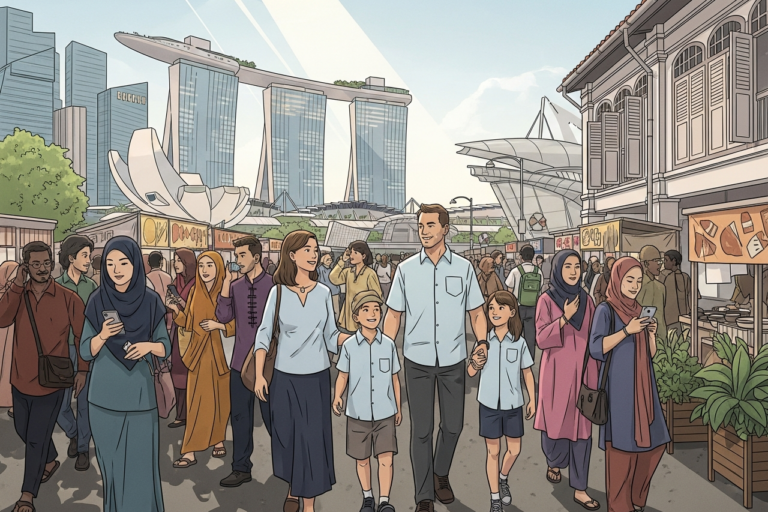
Singapore also has a vibrant, multicultural way of life. There are many different people, languages, and foods, which make the city exciting. You can see this mix in the food at hawker centres and the many festivals during the year.
Key Differences Between Life in New Zealand and Singapore
If you move from New Zealand to Singapore, you will notice some clear changes. Both places are English-speaking and friendly. But life will feel quite different in many ways. For one, things happen much faster in Singapore. You will leave behind New Zealand’s open areas for a busy, crowded city on a small island.
You will also go from New Zealand’s changing seasons to the tropical climate of Singapore. There is heat and humidity all year here. Most days have short bursts of heavy rain. Singapore follows rules more closely than what Kiwis are used to. People in New Zealand take life slow, but life in Singapore is more ordered and ways of doing things matter a lot.
Here are a few things to remember:
-
Pace of Life: Singapore is a busy global city with fast living. This is not like the slower lifestyle you got used to in New Zealand.
-
Space: Singapore is a small island, and space is limited. More people live in tall buildings, not homes with yards or gardens.
-
Strict Laws: Life here is shaped by strict laws on things like chewing gum and jaywalking. These rules help keep order in the city.
-
Food Culture: New Zealand’s café scene is good, but in Singapore the heart of eating out is in hawker centres. You can get local food here that is tasty and doesn’t cost much.
Common Challenges Kiwis Face in Singapore
Moving to a new country can be tough, and Singapore is like that too. There are lots of good things, but there are also a few things Kiwis may need to get used to. The high cost of living stands out the most. For many people, finding a place to live and paying for everyday things will take up a big part of their money.
Car ownership is costly and hard. There are rules from the government which make this even more expensive. That is why most expats use the very good public transport system. Singapore is called the ‘Garden City’, but you may find you miss the open green spaces and natural spots that you get in New Zealand.
A few things to think about before you get there:
-
High Cost of Living: Rent, international school fees, and car ownership can be very pricey.
-
Humidity and Climate: It is hot and humid all the time. You need time to get used to it, and you will see mould grow on things like books and sofas.
-
Adjusting to ‘Singlish’: While people speak English in many places, you will hear a lot of local slang called ‘Singlish’. This can take time to get used to.
It is good to know about the public transport, cost of living, green spaces, and car ownership before going. The public transport system will help you get around the city with no trouble.
Why Move to Singapore? Pros and Cons for Kiwis
Making the move to Singapore means you need to think hard about both the good points and not-so-great sides. For many people from New Zealand, the strong job market is a big plus. High salaries and low income tax make it even better. You can also enjoy a high standard of living, which is rare in other places. There is not much crime in the city, and that helps make it safe for everyone.
But, there are some things to look out for too. The cost of living in Singapore is high. People also find that there are some cultural differences they need to get used to. Let’s take a closer look at what is good and what is not so great, so you can make up your mind if Singapore is the right place for you.
Main Advantages of Living in Singapore
Singapore is often seen as one of the best places for expats to live. This is because it is a global hub for business and finance, so there are many jobs you can get with good pay. The quality of life is high, with top facilities, hospitals, and schools.
Singapore is also one of the safest countries. Crime rates here are very low. This means you and your family can feel safe. There is a strong emphasis on both order and community, and the city is clean, well-organised, and a nice place for people to live.
Some of the top benefits include:
-
Safety and Security: You get peace of mind living in a city with some of the world’s lowest crime rates.
-
Travel Hub: Being in Southeast Asia, it is a great place if you want to travel around the area.
-
High-Quality Education: You can choose from world-class international schools or a trusted public school system.
Common Drawbacks and How to Overcome Them
The most common downside of living in Singapore is the high cost of living. It is always seen as one of the most costly cities in the world, and this can be hard to get used to. Housing will take up most of your money, especially if you have kids and need to pay for their schooling.
Car ownership is another big financial problem. The government limits how many cars can be on the road. You need to win a bid for a Certificate of Entitlement, and that makes it very costly to own a car. Still, the public transport system is both good and not too pricey. Most people in Singapore get around without a car very easily.
To handle these things, here are some tips:
-
Budget Wisely: Make a careful budget before you move so you know what you might spend.
-
Embrace Public Transport: Use the public transport system, like the MRT trains and buses, instead of getting a car.
-
Live Like a Local: Go to hawker centres for meals and shop at local markets to save money on food.
Is Singapore a Good Fit for New Zealand Families?
Singapore is a great place for expat families. The city is made for families, so it is safe, clean, and has a lot for kids to do. There is a high quality of life in Singapore. You will find many parks, playgrounds, and a lot of outdoor activities that make it a good place for people with children.
Education is a big reason why families come here. There are many international schools in Singapore. Many of them offer the International Baccalaureate as the main programme. It can be hard to get a spot in these schools and the fees may be high, but the quality children get is very good. Expat kids can also go to public schools where most of the teaching is in English.
Even though Singapore is a city, you will find a lot of green spaces. This means families have good places to be outside. Families can go cycling at East Coast Park, or see the Botanic Gardens and other places. There is a large expat community, so new families can meet people who know what it’s like to move here. This helps people settle in and feel welcome.
Cost of Living in Singapore for New Zealanders
One thing that Kiwis need to think about before they move to Singapore is the cost of living. You might get paid well, but the prices for many things are high too. It’s important to know where your money will go. You will have to pay for housing, groceries, public transport, and entertainment. The city is known around the world for its high costs.
But, you can still keep track of your money if you plan well. Getting affordable housing can be tough. Still, some things like public transport and local food cost a lot less and can help you save. Here is an easy look at the main costs you will face.
Housing and Rent Prices Compared to New Zealand
Housing will be your largest monthly expense in Singapore, with rent prices significantly higher than in New Zealand. The type of accommodation you choose will greatly impact your budget. Most expats live in private condominiums (‘condos’), which offer facilities like pools and gyms, or in Housing and Development Board (HDB) flats, which are government-subsidised apartments.
A central location will command a premium, but excellent public transport means you can live further out to save money without a major impact on your commute. Unlike in New Zealand, where houses are common, the majority of Singaporeans live in apartments. Foreigners are generally restricted from buying HDB flats.
Rent prices vary widely by location and property type. Here’s a general comparison of monthly rental costs:
|
Property Type |
Estimated Monthly Rent (SGD) |
|---|---|
|
Room in a shared flat |
S$700 – S$1,500+ |
|
One-bedroom apartment |
S$1,500 – S$4,000+ |
|
Three-bedroom condo |
S$3,500 – S$7,000+ |
Day-to-Day Expenses: Groceries, Transport, and Entertainment
Beside rent, the way you spend every day will decide the overall cost of living. Grocery shopping for Western or imported goods can cost a lot. You can save money if you get your fresh produce from local wet markets. Think about buying local brands when you go to the supermarket.
The public transport system is the best choice if you want to get around for less. The Mass Rapid Transit (MRT) and the bus networks are clean, work well, and cost very little. You may not need a car at all. If you eat out, it can also be easy on your wallet if you go to the hawker centres and food courts, which are everywhere. You can get tasty food at these places for only a few dollars.
Entertainment prices can be all over the place. Going to the cinema is good value. But a night at a bar or a fine dining place can cost a lot, and you will pay more because tax on alcohol is high. If you use the city’s parks, beaches, and free public spaces, you can have a good time and there’s no need to spend much.
Tips for Managing Your Finances Abroad
Moving to a new country means you have to get your money matters sorted out. After you get your Employment Pass, one of the first things you should do is open a local bank account. This lets you pay bills, get your salary, and handle daily spending more easily. It is also cheaper to use than your New Zealand account.
If you need to send money home or bring money to Singapore, check the best way to do this. Banks often charge high fees and their exchange rates are not good. A money transfer service can help you save money.
Remember about income tax. Singapore uses a system where tax rates change based on your income. Their rates are lower compared to New Zealand. You must file and pay your own income tax.
-
Open a local bank account: When you arrive, go to a local bank like DBS, OCBC, or UOB to set up your account.
-
Use a money transfer service: This helps you avoid paying high fees to banks when you make international transfers.
-
Understand your tax obligations: Learn about Singapore’s income tax rules and deadlines so you know what you have to do.
A Beginner’s Guide to Settling in Singapore as a Kiwi
Arriving in a new city can be a lot to take in. If you are a Kiwi moving to Singapore, you will find the city makes things easy for expats. There is a big expat community, and people are ready to welcome you. You can make new friends through social clubs, sports groups, and community events.
This guide will go over what you need to do, like getting your papers sorted, finding a home, and starting your social life. Soon, you will get to enjoy all the outdoor activities and the culture that Singapore offers.
What You Will Need to Get Started: Essential Documents and Resources
Before you can start to live in Singapore, you need to get your official papers ready. The most important document for expats who want to work is the Employment Pass (EP). Usually, your employer applies for this before you get there. This EP is needed for opening a bank account, renting a place to stay, and using other services.
With your EP, you can also apply for Dependant’s Passes so your husband, wife, or kids can stay with you. After working and living in Singapore for some time, you may want to apply to be permanent residents. Being a permanent resident brings more stability and extra benefits.
Health insurance is also important. Expats like you are not covered by Singapore’s public health care schemes. Your employer might give you health insurance, but be sure to check the plan. See if it is good enough for you, and you might need to add private international health insurance as well.
-
Employment Pass (EP): Your key to living and working in Singapore.
-
Health Insurance: A must-have, as expats are not covered by the national scheme.
Finding Accommodation and Navigating Singapore’s Rental Market
Finding the right housing should be one of the first things you do when you get here. The rental market in Singapore moves fast, so being prepared is important. Most people use property websites like PropertyGuru or reach out to a real estate agent. Agents can give you good local tips and will help you go through the process.
You must choose between a private condo or a Housing and Development Board (HDB) flat. Condos in central areas are well-liked, but they can cost a lot. HDB flats in the suburbs give you a cheaper and more local place to stay. If you find a place you like, be ready to move fast.
When it’s time to sign for a place, you usually need to pay a deposit of one or two months’ rent. Most tenancy agreements last one or two years. You should have proof of your Employment Pass because landlords need it before they will finish a deal.
Building Your Social Network and Connecting with the Expat Community
Moving to a new country can be much easier when you have a few people to help you. In Singapore, there is a big and varied expat community. You will find it easy to make new friends from many places, including other Kiwis. There are lots of clubs and groups that you can join.
Social media sites and forums are good for connecting with others. Check out Facebook groups made for New Zealanders or other expats in Singapore. You can use them to ask questions, get tips, and learn about local social events.
Don’t be afraid to go out and try something new.
-
Join Expat Groups: The New Zealand Chamber of Commerce (Singapore) and other social clubs make for good starting points.
-
Pursue Your Hobbies: Whether you like sports, arts, or outdoor activities, joining a club can help you meet people who like the same things.
Step-by-Step Guide for Moving to Singapore from New Zealand
Moving overseas takes good planning. If you are going from New Zealand to Singapore, it is best to follow a simple process. You need to get your visa, help your kids start school and get used to the local ways. Being organised helps you avoid stress.
This guide gives you five easy steps for your move. If you do each step one at a time, you can worry less and look forward to your new life in the Lion City. Let’s start with the most important thing: visas and work permits.
Step 1: Preparing Your Visa and Work Permits
The first thing you need to do if you want to work in Singapore is get the right visa. Most people will need an Employment Pass (EP). Your new boss will usually apply for this for you and send your application to the Ministry of Manpower.
To get an EP, you have to meet some rules about your work history, what you have studied, and your pay amount. When your Employment Pass is approved, you can then ask for Dependant’s Passes for your husband or wife and any kids under 21. But, your monthly pay has to be higher for this.
You should not make any big plans, like leaving your job in New Zealand or shipping your things over, before your Employment Pass is really approved. When you have lived in Singapore for some time, you might be able to become a permanent resident. This gives you more rights and more safety in the long run.
Step 2: Arranging Health Insurance and Medical Care
Singapore’s healthcare system is known for being very good. But if you are an expat, you will not get the government help that citizens and permanent residents do. Because of this, private health insurance is important so you do not end up paying big bills for medical care.
A lot of employers give you a simple health insurance plan as part of your job. Still, you should go through what is covered to make sure it fits what you and your family need. These plans can have coverage limits. That is why many expats go and buy a wider international health insurance plan to feel safe and covered.
It is good to look up different health insurance companies and ask for quotes before you move. If you sort out your health insurance early, you will be protected from your first day. When you settle down, you can sign up with a General Practitioner (GP) at either a private or a public clinic for your day-to-day health needs.
Step 3: Organising Schooling and Education for Children
If you move with children, sorting their school is one of the main things you need to do. Singapore has a great but busy education system. There are two main choices: international schools or local public schools.
Most expat families pick international schools. These schools follow well-known plans like the International Baccalaureate or their own country’s system. The schools have good facilities and many students from different places. But the fees are very high. It is important to apply early. Many international schools have long waiting lists.
Public schools in Singapore are also an option for expat children. The classes are taught in English. This choice can be cheaper and lets your children get deeper into the local culture. But it can be hard to get in since most places are saved for local children.
Step 4: Setting Up Banking and Managing Money Transfers
After you get your Employment Pass and have a place to live, you should open a local bank account. This helps you get your salary, pay bills, and look after your money day-to-day. The main banks in Singapore like DBS, OCBC, and UOB are found around the island. They give services that work well for expats.
You might need to move money between your New Zealand and Singaporean bank accounts. Many people use a specialised currency service instead of banks. Traditional banks often come with high fees and give bad exchange rates for money changes. By using a special service, you can save some money over time.
At the end, know your income tax duties. Singapore does not charge a lot of tax compared to some other places, but you must fill in your own tax form each year. Get to know how it works early. This way, you will not have any big stress when tax time comes up.
Step 5: Adapting to Local Culture and Everyday Life
Adapting to a new culture takes time. Singapore is a mix of people from Chinese, Malay, Indian, and Western backgrounds. It helps to be open and kind. This will make it easier for you to feel welcome in the city. Trying local food can help you learn more about the culture.
Enjoy eating out, as it is a favourite thing to do in Singapore. Check out hawker centres. You’ll find lots of local food that tastes good and does not cost much. You will soon notice how good and fast the public transport is. It makes getting around the city very simple.
Singapore is famous for strict laws and keeping order in daily life. It is important to follow the rules every day.
-
Be Respectful: Always be polite and know local customs.
-
Obey the Rules: Watch for rules on jaywalking, littering, and eating on the MRT.
-
Learn a Few Phrases: Most people use English, but the locals will like it if you learn a little Malay or Mandarin too.
Choosing the Best Neighbourhoods to Live in Singapore
Where you live in Singapore will really shape your time in the city. There are lots of different neighbourhoods to pick from, and each one has its own style and feel. Some people like being near the city center. That’s where places like Orchard Road and Marina Bay sit. It’s busy and full of life. Others might want the quieter life near the water on the East Coast, where things move at a slower pace.
The place you choose can depend on a few things. Maybe it’s tidy for work, handy for your kids’ school, or fits the way you like to live. Holland Village is known for good cafes that get people talking. If you like a nice view and walks, River Valley is another pick. So, let’s have a look at some of the most popular spots for expats to settle down in Singapore.
Popular Areas Among New Zealand Expats
New Zealanders and other expats often choose places to live that give them some ease, good company, and a nice way of life. The east coast is one of the top spots, mainly for families. It is near the beach, has big parks, and offers a chill place to stay. It makes many people feel like they are at home.
Holland Village is another area people the like. People say it feels relaxed and artsy, with nice shops and lots of places to eat. The sense of community the is strong and you the can get to other parts of the city with ease. If you want an area with history and style, Tiong Bahru stands out for its old art deco buildings and the cool cafes.
If you want to stay close to the centre and be near everything, look at these places:
-
River Valley/Robertson Quay: These areas are in the centre. They are popular with young professionals and couples. You get busy nightlife and riverside dinners in the Clarke Quay area.
-
Orchard Road: If shopping is your thing or you want to be near all the action, living next to Orchard Road puts you right where things happen.
Factors to Consider When Selecting Your New Home
Choosing where you want to live is a big task. You need to think about more than just the cost of rent. One thing to look at is how far you will need to travel each day. If you live near an MRT station, it will help you get around the city more easily. You can also save a lot of time that way.
It is also good to think about what you and your family like to do. Some people want to live close to busy places with lots of restaurants and nightlife. Others might want a quieter place with more green spaces in a calm, residential part of town. If you have kids, you might want to live near a school, playground, or park so your kids can enjoy their day with less travel.
What works best for you might not be the same for others, but there are a few things to think about:
-
Proximity to Work and School: If you don’t spend much time getting to work or school, your quality of life can really improve.
-
Budget: Be honest about what you can pay. If you want more affordable housing, you should look at other spots outside the central areas too.
-
Amenities: Think about what’s important for you. That could be supermarkets, parks, green spaces, gyms or places to eat nearby.
Comparing Urban vs. Suburban Living Options
In Singapore, it can be hard to tell where the city ends and the suburbs begin. But the way people live in these places can be quite different. If you stay in central areas like Orchard, River Valley, or Marina Bay, you are in the middle of all the action. The energy here is high, and you can walk to top restaurants, shopping malls, and fun places.
If you choose a place in the suburbs, like the East Coast or Woodlands, life slows down a bit. There is more space in your home, more trees and plants, and people know each other well. It may take you a bit more time to get to work, but you get a quieter setting in return.
Here’s a quick comparison:
-
Urban Living: You get convenience and lots of stuff to do. There is more excitement, but places here usually cost more and have smaller spaces.
-
Suburban Living: Life is more peaceful and good for families. You find more parks, like East Coast Park, and you often pay less for rent.
Conclusion
Moving to Singapore can be both exciting and tough for people from New Zealand. The city is lively, with great things to see, use and do every day. Many people live here so you get to meet the world without leaving. You will need some time to get used to new ways of life, the cost of living, and what local people do or say.
If you get ready well and talk to other expats, this big move can go much better. You get the chance to find new places, meet new people, and make good memories while you live in this busy city-state. If you want help, you can ask for a free chat to help you in your move!
Frequently Asked Questions
How easy is it to adapt to Singaporean culture as a New Zealander?
It is easy for Kiwis to adapt. English is spoken by most people, and the expat community is friendly. The biggest changes are the fast-paced daily life, the tropical climate, and the strict laws. Enjoying local food and spending time in busy public spaces will help you settle in fast.
What is daily life like for Kiwis living in Singapore?
Daily life in New Zealand usually means using the public transport system to get to work or school. Many people like to eat at hawker centers because the meals are affordable. It is also common to get used to the tropical climate, which can be warm and humid.
On weekends, people often do leisure activities. Some go to city parks or beaches to relax. Others use Singapore’s good travel hub to take short trips and get out of town for a bit.
How does the healthcare system work for expats in Singapore?
Expats in Singapore do not get help from the country’s public health system. This means it is important to have full health insurance, which covers the cost of seeing a doctor or going to hospital. The employer will often give a basic plan, but most expats buy more cover for themselves and their family, so they know they will get what they need.
What are the main challenges New Zealanders face when relocating to Singapore?
The main things that are tough for Kiwis are the high cost of living, and the price to own a car or find a place to live. The heat and humidity here can also be hard to get used to. Making new friends is usually pretty easy if you join the expat community. But it can take some time to pick up the local culture, and working through all the rules and paperwork can be tricky at first.