Key Highlights
Here are the main things that people from New Zealand can look forward to when they move to Mauritius:
-
You will get to enjoy a high quality of life. The weather is warm. The views are beautiful. There are lots of good outdoor activities, so you can be out in the fresh air a lot.
-
The cost of living in Mauritius is quite reasonable, especially if you choose to live like the locals do. But remember, if you want imported goods, these can get costly.
-
If you plan to stay for a long time, Mauritius has several options for you. The most popular is the occupation permit. Professionals, investors, and people who work for themselves can all get this.
-
There is a strong expat community. The local people are friendly, so it will be easy for you to get support and make new friends.
-
Mauritius offers a good healthcare system, with both public and private choices. Families will also find that there are very good international schools for their children.
Introduction
Have you ever wanted to leave your winter jacket behind and enjoy sunshine all year? Maybe you would like to swap busy city sounds for the calm waves of the Indian Ocean. Many Kiwis now call Mauritius home, making this dream come true. The island is not just a great holiday spot. It can also give you a fresh start and a new way of life. You will find a high quality of life here, a friendly expat community, and the joy of island life. Mauritius has become a top pick for New Zealanders who want something new in a warm and sunny place.
Overview of Life in Mauritius for New Zealanders
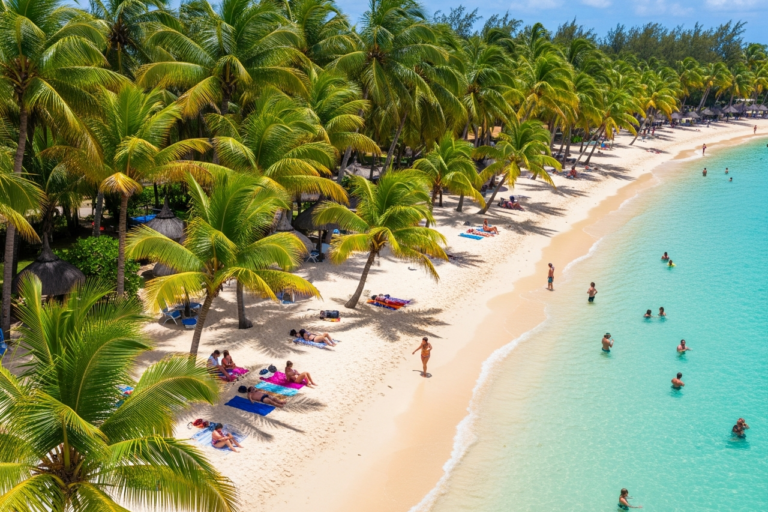
Life in Mauritius for a New Zealander is full of both things you know well and some new and fun moments. This island sits in the Indian Ocean. It gives you a high quality of life, with its slow pace and amazing views everywhere you look. You’ll find you often spend your days around beaches with clean sand and mountains covered in green.
Some days, you might go to work in Port Louis, which is a busy city. You can also spend time having adventures outside or spend time with people from the friendly expat community. Here, work and life truly balance. It is not just a nice idea, but something real you get every day. Now, let’s see how this way of living is different from back home and why many Kiwis want to live here.
Key Differences Between New Zealand and Mauritius
One thing you will see right away is the pace of life. Life in New Zealand can be relaxed, but in Mauritius, things move even slower and that can take some getting used to. People there often talk about “island time.” The slower pace is a big part of the culture, and many people like that once they get used to it.
The weather is also one of the big changes. In New Zealand, you may get four seasons in a single day, but Mauritius has a steady tropical climate. You get a hot and humid summer, then a mild and dry winter. This kind of weather is great if you want to spend more time outside all year. It is different from the changing weather in New Zealand.
When it comes to culture, Mauritius brings together many groups—Indian, African, Chinese, and European—so the people and ways of life are quite mixed. Talking about health, both countries give you public health services. But in Mauritius, you get a choice between free public hospitals and nice private care. That means you can pick what is best for you when it comes to looking after your health.
Why New Zealanders Are Choosing Mauritius
People from New Zealand want to be in Mauritius because of the good things in life and money gains it offers. Many look for a high quality of life, and the island with its nice tropical climate gives just that. The thought of leaving cold winters behind for sunny days and pretty beaches is so tempting.
But it is not just about the weather. Mauritius is growing as an international financial centre, and it has a good tax system. This is good for those who work, want to run a business, or plan to retire and want their money to last.
The real estate market welcomes people too. There are many options like beachfront villas and modern flats in safe areas. Most times, you may get these at better prices than what you see in main New Zealand cities. All these – the relaxed lifestyle, the natural beauty, and the extra money in your pocket – help make Mauritius a top place for those who want a fresh start.
What to Expect When You Arrive
Your first thoughts about Mauritius will be all about the colours, the mix of smells, and the heat. When you get off the plane, the air feels warm and thick. Walking around Port Louis, you will notice the people, the many sounds, and the tasty street food. The mix of languages and friendly faces adds to it. Life here feels lively, but also easy-going.
Most people spend a lot of time outside. The natural places in Mauritius are not just something to look at. You will get to enjoy them as the main part of your days. You can do many outdoor activities, from hiking to water sports. The good news is that both the expat community and locals are friendly, and you will feel welcome from the start.
Here’s what you can look forward to:
-
The pace of life is slower and more relaxed.
-
There are a lot of outdoor activities, such as water sports and hiking.
-
The expat community is varied and open.
-
Street food is tasty, not expensive, and you will find the best of it in Port Louis.
Understanding Mauritius as a Destination
Mauritius is not just a small place in the Indian Ocean. It is a lively country with a long history. This spot is one of the Mascarene Islands. You will see a rare volcanic land, green forests, and bright coral reefs here. The people in Mauritius come from many different backgrounds. These roots come from Indian, African, Chinese, and European groups. This mix has shaped the island’s cultural diversity.
The official language is English. But most people use French or Mauritian Creole in daily life. You will hear these the most as you go about your day. Knowing about this special blend of cultures will help you enjoy your life here. Now, let’s take a simple look at the social norms, weather, and safety you will meet in Mauritius.
Culture, Languages, and Social Norms
Mauritius is known for its cultural diversity. You can see this everywhere you go. There are Hindu temples, Christian churches, and Muslim mosques often close to each other, sometimes even in the same neighbourhood. People live together with a lot of respect and understanding for one another.
Language plays a big part in daily life. English is used by the government and in business, while French is found in most media. But you will hear the people speak Mauritian Creole the most. If you know even some basic words in Mauritian Creole, you can connect better with locals.
If you want to be part of the local way of life, keep in mind these points:
-
Greetings are valued. Saying a simple “bonjour” will be welcome.
-
Family is at the heart of life and community is very important too.
-
All groups enjoy religious festivals and everyone joins the celebrations with excitement.
-
The education system is shaped by this cultural mix, and includes choices like the French Baccalaureate for students.
The Climate and Weather Patterns
Get set to enjoy a lovely tropical climate all year. Mauritius has two seasons. There is a warm, damp summer from November to April. From May to October, it gets cooler and more dry in winter. The temperature stays above 20°C most of the time. You do not need to bring heavy winter clothes from New Zealand.
The Indian Ocean around the island keeps the weather even. Summer is also cyclone season, though. The modern infrastructure helps stand up to big storms, but these can still cause strong winds and heavy rain. Sometimes there is flooding and the power may go out.
It’s good to get ready for this time of year, but people who live there are used to it. For most people, the weather is one of the best things about the island. You can spend your time going to the beach, hiking, or enjoying water sports any time of year.
Safety and Security Considerations
Mauritius is known for being one of the safest and most steady countries in Africa. This gives great peace of mind for people who move there. Political stability and the way different groups get along add to feeling safe in daily life.
But, there is no place in the world where crime does not happen. The crime rates for violent acts stay low here, but people can still come across petty crime like pickpocketing or break-ins, often in places full of tourists. You should use some simple steps to keep yourself and what you own safe.
To help stay safe, you can:
-
Lock your house and car, and think about getting an alarm if you can.
-
Try not to leave your valuable things without watching them, mostly when you are at the beach.
-
Watch what’s going on around you, more so at night or when you do not know the area.
All these tips help you have peace of mind and keep safe while living your daily life in Mauritius, which is known for its political stability and low crime rates.
Pros and Cons of Living in Mauritius
Deciding to move to Mauritius means you have to think about the good and the bad parts of life there. Many people say the quality of life is great. The weather is warm and nice. You will find that things move at a slow pace. The cost of living is reasonable, so you can make your money last longer. If you are looking to buy or rent, the real estate market has many options. The prices are also quite good compared to other places.
But, there are some things that might not be so nice about island life. Traffic can be a real bother every day. When you buy items that come from other countries, you may notice the price is much higher. This is called the “island tax.” Some things will cost you a lot more than you’re used to.
Now, let’s look at the main benefits and the common problems you may face if you move to Mauritius.
Major Benefits for New Zealand Expats
One thing that brings many Kiwi families to Mauritius is the great education and healthcare system. The island has top international schools that use well-known teaching methods. So, you can trust your kids’ learning will be well cared for. The private healthcare here is also very good. It costs less than in most Western countries but still gives good service.
Life in Mauritius is a big draw, too. The warm weather all year lets you stay outside and be active. At the weekend, you might get up early for a walk in the parks, go for a swim, or dive in the clear blue sea.
Here are some key advantages:
-
A good work-life balance with a slower pace of life.
-
Really good international schools for expat kids.
-
Easy access to private healthcare that is of a high standard.
-
So many outdoor activities your family can enjoy in the natural environment.
Common Challenges to Be Aware Of
While there are many good things about living in Mauritius, you also need to know about the problems. The health and learning system is split in two parts. There are great private hospitals and schools. But public health services and public schools may not have enough, and the level might be lower than what you want or are used to.
Getting used to the local way of life can take some time, too. People here sometimes follow what is called “island time.” That means things can move slowly, which might be hard if you want things done quickly. Also, even if Mauritians are open and nice, it is not always easy to join close friend groups. It can take a while to feel like you’re in. Some people from other countries stay in their own groups because of this.
Here are some everyday problems you might face:
-
Heavy traffic in and around Port Louis, mostly at busy times.
-
Many goods from outside Mauritius can be hard to find and cost a lot.
-
The small size of the island and not much nightlife can give people “island fever.”
Tips for Making the Most of Your Experience
To really enjoy life in Mauritius, try to live like the locals do. The expat community is great when you need support or advice. But if you spend time learning about the local culture, your stay will be much better. You can even try to learn some words in French or Mauritian Creole.
Go out and see what’s around. The island is full of places to visit, not just the ones that tourists love. There are hiking tracks, pretty waterfalls, local markets, and lots of festivals. Whenever you join in with outdoor activities, you get to meet new people and keep fit.
Here are some tips for settling in:
-
Live near your work or your children’s school so you won’t get stuck in traffic.
-
Join clubs or groups that match your hobbies.
-
Be patient and be ready for change; things might take longer than you’re used to.
-
Say yes when you get social invitations from locals or people in the expat community.
Beginner’s Guide to Moving from New Zealand to Mauritius
Are you ready for your fresh start in paradise? Moving from New Zealand to Mauritius can need a bit of planning, but it does not have to feel too hard. This guide is here to make it easy. You will find all of the main steps, from getting your papers ready to sorting what to pack, so you can settle into your new island home without worry.
You should think about what you need for the move, like following the laws, picking what to bring, and setting up things like banking and your health care. It helps if you get your health insurance, or even international health insurance, sorted before you go. You should also have your national driver’s license ready. Taking care of these things before you travel makes those first few weeks much smoother. Let’s get you ready for your adventure.
Essential Documents and Legal Requirements
The first thing you will need to do is make sure you have the right legal status to stay in Mauritius. If you are a New Zealander and want to work, invest, or retire there, you must apply for a permit with the Economic Development Board (EDB) of Mauritius. What you need will depend on your own situation.
The Occupation Permit is a common option. Many people use it, such as professionals, people who work for themselves, or investors. To get this, you have to meet some rules, like earning a set salary if you are a worker, or making a minimum investment if you are an investor. Another way is the Residence Permit, which suits people who want to retire or who buy real estate that is eligible.
Here are some key documents you should have ready:
-
A valid passport and your birth certificate.
-
Proof that you have enough money, an employment contract, or a business plan.
-
Medical certificates, plus a police clearance.
Resources and Equipment You’ll Need Before Moving
Getting organised before you leave New Zealand can save you a lot of stress when you get to Mauritius. Start by working out your money matters. You will have to open a bank account when you are in Mauritius, but it is a good idea to let your NZ bank know you are going and to think about how you will move your money.
Health insurance is another thing that you need to sort out. Getting an international health insurance plan before you move is smart. It will make sure you have cover from day one and allow you to use the private healthcare in Mauritius. If you start to feel a bit lost or need help, you can talk to relocation experts and get professional advice.
Here’s a list of things you need to do before you go:
-
Take lightweight clothing and something for sun protection because of the tropical climate.
-
Bring any must-have personal items or electronics, as these can cost a lot in Mauritius.
-
Have copies of all your important documents.
-
Take an international driving permit. This is helpful before you get your local licence.
Step-by-Step Guide for a Smooth Relocation
Moving to a new place can feel tough. But if you break it into small steps, it can give you peace of mind. This is a comprehensive guide that will help you at every stage, from doing the first bit of paperwork to starting your new day-to-day life on the island.
If you follow these steps, you will be sure to get everything right. This will help make your move easy and stress-free. The first thing you need to do is get your visa.
Step 1: Securing the Right Visa or Permit
The first thing you need to do is find the right permit for your situation. Mauritius has different options for different needs. The Occupation Permit is for people who want to live and work in Mauritius. This permit can be for people who are employed, are self-employed, or plan to invest money in the country.
If you are retired, the Residence Permit is usually the best choice. You will need to show that you have a set amount of income coming in each month. If you want to invest in real estate, you might get a residence permit as well, as long as the property you buy is worth enough. Every option has its own financial rules, like what amount counts as the minimum investment or the lowest salary you need.
Be sure to look at all your options in detail on the official Economic Development Board website. The application process is easy most of the time, but you need to give all the right details and fill in every part of the form. This will help you avoid any hold-ups. If you are unsure, you can get support from a migration specialist. They will help guide you in the right way.
Step 2: Arranging Accommodation and Transport
Once your permit is being processed, you can begin to look for a place to live. The real estate market in Mauritius has many choices. There are apartments in busy places and there are homes in quiet suburban areas. Many people who have come from other countries like to live in secure complexes. These often have extra things to use and help people feel part of a group.
Think about your way of life when you choose where to live. If you work in Port Louis, it can be good to live close by. This can help you to have less time traveling to work. People who live further out from the city may find it is more calm and quiet. The best choice is to rent first. You can take a few months to see what the different neighbourhoods are like before you decide to sign a long lease or buy a home.
For getting around, here are some things to know:
-
Owning a car is almost a must if you want to get around the island without trouble.
-
There can be a lot of cars on the roads. It’s smart to think about how much time it will take you to drive from home to work.
-
You can use your New Zealand driver’s licence for some time before you need to swap it for a local one.
Step 3: Setting Up Finances and Banking
Mauritius is known as a modern and steady international financial centre. The banks there are reliable and easy to use. Once you get to Mauritius, it’s important to open a local bank account straight away. You need this for things like paying bills, getting your salary, and doing other daily jobs with money. For people living there, opening a bank account is pretty simple.
To open a new bank account, you usually need your passport, an occupation permit or a residence permit, plus something that proves your address. Most big banks in Mauritius have many financial services. These include online banking and sending money overseas. It’s smart to check and compare what all the leading banks are offering, so you can pick the right one for you.
If you are moving from New Zealand, don’t forget to let your own bank know you are leaving. Ask them for the best way to move your money to your new bank account. When you want to shift a big sum of money, an international money transfer service can be quicker and cost less than sending money through a usual bank.
Step 4: Organising Healthcare and Insurance
Mauritius has a dual healthcare system. There are public hospitals and clinics in the country that give free medical care to all people living there. But the service at the public hospitals is slow, and they are often crowded. Because of this, many people from other countries and some locals go for the private hospitals instead.
The private hospitals and clinics are at an international level, with new equipment and very well-trained staff. But the care you get here will cost more. If you want to make sure you get the best medical care and avoid high bills, it is important to have health insurance.
Before you go to Mauritius, look into and get an international health insurance plan. This will cover you well while you stay in Mauritius. With international health insurance, you can pick your doctor and hospital. It also helps give you peace of mind because you will be covered if a medical emergency happens.
Step 5: Preparing for Daily Life and Settling In
Once you have taken care of the big tasks, you can start to get used to your new daily life. Being open to the local culture will help you have a good time. Try new things, talk to people, and be friendly with those in your new area.
The expat community in Mauritius can help a lot. There are online forums and social groups you can join. These can help you meet others, ask for practical advice, and learn about what is going on around you. Do not wait to talk to people. Many will be happy to tell you about their own lives and help you settle in.
To help you feel at home:
-
Explore the area, spot your closest supermarket, and check out the local market.
-
Learn some simple phrases in French or Mauritian Creole.
-
Take part in things you like, such as joining a sports team, book club, or helping out by volunteering.
Adapting to Life in Mauritius
Getting used to life in Mauritius means learning to go with its special pace. The island has a rich mix of cultures, and things often move a bit slower here. These things are a big part of what make Mauritius stand out. To settle in well, you need to do more than just find a house. You also need to find where you fit in this lively and diverse community.
It can take a bit of time and an open mind to adjust to the pace of life and all the different cultures. It’s important to be kind to yourself and not rush things. In the next few parts, you’ll read tips on how to meet people, get started with work, and look for the best area to live in.
Integrating into the Mauritian Community
While the expat community can help you meet people right away, real integration happens when you connect with the local culture. People in Mauritius are friendly and open, but the society is close, and families and communities stick together. You need to put in real effort to be a part of this group.
One good way to connect is to show that you care. Learn local habits, go to cultural events, and shop at local places and markets. If you try to learn even simple French or Mauritian Creole, people will notice and it will help you meet new people and make friends.
Here are some ways that can help you fit in:
-
Join a sports club or a hobby group in your area.
-
Help out by volunteering for a local project.
-
Visit the same café or restaurant often, so people get to know you.
-
Chat to your neighbours and the people who own or run nearby shops.
Working, Studying, or Starting a Business as a New Zealander
Mauritius is keen to bring in foreign talent and new investment, so it’s a very good place for New Zealanders who want to push ahead in their careers or try out new ideas. You need to get an occupation permit if you want to work there. This permit is open for professionals with a job offer, people who work for themselves, and investors.
The country now sees the digital nomad as important too. They offer special visas if you work online for a company that is overseas. If you want to start a company, the process is pretty simple. The low tax rates are a big draw for anyone thinking about setting up a new business.
If you want to study, Mauritius has more and more private institutions and universities. They give degrees that are known around the world. No matter if you go there to work, study, or start a business, you will find support and many chances to do well on the island.
Popular Expat Areas and Neighbourhoods
Choosing where to live is a big decision, and Mauritius offers a variety of lifestyles to suit different tastes. The North, particularly around Grand Baie, is a major hub for expats. It’s known for its beautiful beaches, lively nightlife, restaurants, and international schools, making it a popular choice for families and social butterflies.
For those seeking a quieter, more nature-focused lifestyle, the West coast offers stunning sunsets and access to hiking in the Black River Gorges National Park. The East is known for its luxurious resorts and wild, beautiful beaches. Central areas like Moka are popular for their cooler climate and proximity to Port Louis and Ebene Cybercity.
Many expats prefer living in suburban areas within secure complexes, which offer community, security, and amenities.
|
Area |
Vibe & Lifestyle |
Best For |
|---|---|---|
|
Grand Baie (North) |
Bustling, social, beach-focused, lots of amenities |
Families, young professionals |
|
Tamarin (West) |
Laid-back, sporty, surf culture, nature access |
Outdoor enthusiasts, families |
|
Moka (Centre) |
Modern, convenient, cooler climate, close to business hubs |
Professionals, families |
|
Port Louis (Capital) |
Urban, historical, business-centric |
Those working in the city |
Daily Life for New Zealanders in Mauritius
A normal day for a Kiwi living in Mauritius is a mix of things you know and some that are new. The warm weather shapes your days, and you notice that people spend more time talking with each other. You will often deal with local public services too. Life does not go as fast here, and people like to take time away from work.
From dropping your kids to school to getting your food at a busy market, your own daily life will soon move in time with the way things work on the island. Up next, we will talk about the real side of daily life, like the cost of living, health care, and school choices.
Cost of Living Breakdown
One of the most appealing aspects of Mauritius is its relatively low cost of living compared to New Zealand. While not the cheapest destination in the world, your money can go significantly further, especially if you earn a foreign currency. Housing, local food, and transport are generally quite affordable.
The biggest variable in your budget will be your lifestyle. If you exclusively buy imported goods, eat at high-end restaurants, and live in a luxury villa, your expenses will be high. However, by embracing local products and a more Mauritian way of life, you can live very comfortably on a modest budget. Consumer prices for local goods and services are quite reasonable.
Here’s a sample breakdown of monthly real estate and other costs:
|
Expense |
Estimated Monthly Cost (USD) |
|---|---|
|
1-bedroom apartment (city centre) |
$382 |
|
1-bedroom apartment (outside centre) |
$274 |
|
Lunch at an inexpensive restaurant |
$5 per meal |
|
Monthly utilities (basic) |
$60 – $100 |
|
Internet (50-100 Mbps) |
$25 – $40 |
Navigating Healthcare and Medical Services
The healthcare system in Mauritius is seen as one of the country’s good points. You will find that it gives people a good quality of health care. This system runs on two levels. There are public hospitals and clinics where all people who live in Mauritius can get service for free. These public places are easy to get to, but you may need to wait a long time and sometimes there are not enough resources.
Most people who move to Mauritius choose to use private healthcare. There are many modern private hospitals and clinics. One of them is the Darne Clinic, and it has many skilled and trained medical staff. The private hospitals in Mauritius have a good range of services. Many people think the care you get here is much like what you could get in New Zealand.
If you want to use private healthcare and not pay too much of your own money for care, it is important to have health insurance. Getting a good international health insurance plan will help you pay for routine medical checks and any medical emergencies. This gives both you and your family peace of mind and makes sure you use the best care on offer.
Education and Schooling Options
For families who are moving with children, the education system in Mauritius has a lot to offer. There are many international schools here, mostly found in the North and central parts of the island. These private schools are made for the expat community and people living here who want a good education for their kids. The schools have good buildings and teachers.
Most of these places use well-known school systems from other countries. They follow the British setup (IGCSE and A-Levels), the French baccalaureate, or the international baccalaureate. This helps make the change easy for your child, and what they learn is accepted at top universities all over the world.
Even though these private schools cost a lot, many parents who want the best say the education and mix of cultures are worth it. It’s good to apply early as some international schools are very popular, and there can be waiting lists.
Conclusion
In short, moving to Mauritius can be a big and exciting step for people from New Zealand. This place has great views and a lively culture. Life here is not the same as at home. There are things to get used to, like local ways of doing things and getting on top of your budget. But living in such a lovely spot can be a very good thing. If you get ready and keep a good attitude, you can have a great time in Mauritius. If you want to start this journey or have questions about moving, you can get a free chat to help make your move easy.
Frequently Asked Questions
How much does it cost to live in Mauritius for a New Zealander?
The cost of living here is usually lower than in New Zealand. If you are single, you can live well on about $1,500 to $2,500 NZD each month, and that is without rent. The biggest things you will spend money on are real estate and goods that come from other places. Local food and public services help keep the cost down for most people.
What are the legal requirements for living long-term in Mauritius?
To live in Mauritius for a long time, you need a permit from the Economic Development Board. The most common choices are the occupation permit for people with jobs or investors, and the residence permit for retirees. To get these, you often have to meet some rules, like having a job offer or making a minimum investment.
Is it easy to find work or start a business as a New Zealander?
Yes, you can do this. Mauritius is an international financial centre and is growing fast. There are many chances to work in the private sector. To work or start your own business, you need to get an occupation permit. This allows you to do legal work there. The country is also open to digital nomads. If you work for a boss in another country, you can get a visa just for remote workers.
What are the best tips for settling into Mauritian life?
To help you settle in, get to know the expat community. They will give you support. Try to open yourself up to the local culture as well. You can do this by learning a few new words and getting out to see things.
Life here can move at a slower speed. If you are patient and take things as they come, you will find more peace of mind in your daily life.