Key Highlights
Thinking about moving from New Zealand to Japan? Here’s what you need to know.
-
Japan mixes old customs with new ideas. There is a lot of Japanese culture to check out.
-
Getting the right work visa and residence card is the first thing you have to do for any long-term stay.
-
The cost of living can be high, especially in big cities, but there are ways to look after your money and spend less.
-
Public transport in Japan is known to be good. It makes going across the country simple and quick.
-
Japan is safe and handy, but you may deal with language barriers and big changes in customs.
-
If you find support networks and get to know the local ways, your move will go much smoother.
Introduction
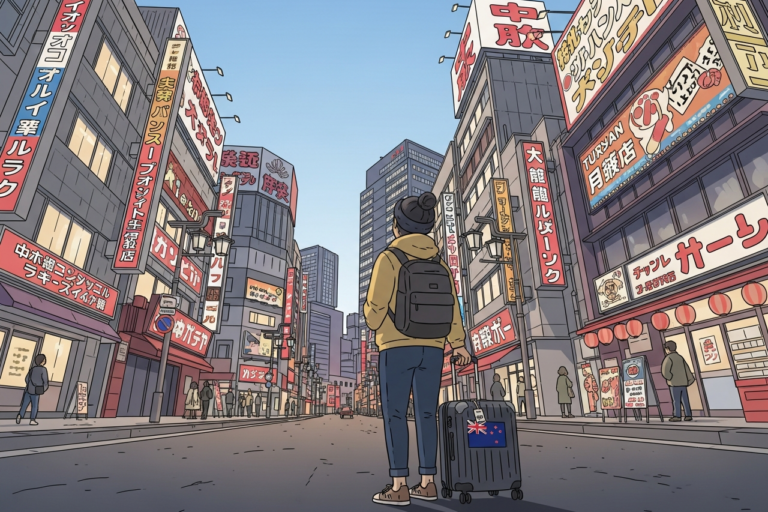
Leaving New Zealand to live in Japan is a big step. Japan has so much to offer. You can visit busy cities or relax in quiet towns. This guide will help you learn what you need before you move. It talks about the Japanese embassy and gives tips on Japanese culture. Get ready for a fresh start in a place that is both interesting and lovely.
Understanding Life in Japan for New Zealanders
Moving from New Zealand to Japan means you will need to get used to a different way of living every day. The culture in Japan puts a lot of importance on respect, being efficient, and working together. You will notice this when you talk with Japanese people.
Life as someone from another country in Japan is about finding new things and learning every day. There will be some hard times, but living right in the middle of this special culture can be very rewarding. Let’s talk about what you can expect, how to notice those small things in daily life, and some common ideas people have about living in Japan that may not be true.
What to Expect When Moving from New Zealand
Coming from your home country and stepping into Japan for the first time is full of new sights, sounds, and things to take in. When you compare it to New Zealand, you’ll see Japan’s cities feel very packed and everyone moves quickly. Things here also run very well and on time. There’s a lot of ease when it comes to daily life, but people still hold tight to old ways and customs.
If you’re a foreigner, you may get the sense you stick out, more so when you’re not in popular spots for tourists. People there might look at you with interest. You might also find that when you try even simple Japanese, people will say you did great.
For most people from New Zealand, the main thing to get used to is going from a very easy-going life to one that’s more set out and has more formal steps. A Japanese national may be a bit quiet or private at first, but being polite and showing respect are very important here. If you take the time to see these ways as good, it can help make your new life happier and better.
Cultural Differences and Day-to-Day Living
Japanese culture focuses on working together, and people do things as a group. This be quite different for Kiwis, who tend to do things on their own. The word for this group style, wa (和), is important to the way japanese people go about daily life, jobs, and talking with others. You will find that they do not speak in a direct way. They do this to keep things peaceful and not cause fights.
Language barriers can make things hard, but most japanese people will be patient and give you help if you need it. You will also see how smooth daily life can be over there. Convenience stores, called konbini, are open all the time. They have hot food, places to pay your bills, and office things, all under one roof.
Here are a few practical tips to help you adapt:
-
Observe and learn: Watch how people act in public like trains or shops. Being polite and keeping quiet be very important.
-
Carry cash: Cards be used more now, but smaller shops and places to eat still want cash.
-
Use public toilets: They be very clean, free, and found everywhere. It helps with walking around cities and makes it easy.
Common Misconceptions About Japan
Many people see Japan as a dream place, almost like an anime. But the truth is, there are good and bad things about the country. One big part of japanese culture is how much pride they take in service and always doing things well. Still, this can make it hard because there’s not much room to change things to fit what you want.
Some also think all of Japan is full of new gadgets and tall buildings. Cities like Tokyo are very modern, but that’s not everywhere. Many offices and places run by the government still use old things like fax machines and a lot of paper files. So in daily life, people use both new and old ways of doing things.
Japan is known for being safe and people say everyone is polite. But it’s not perfect. You should always stay aware of what’s happening around you, just like you do in any country. The good and bad stories can give you an idea, but they don’t show the full picture. If you move to Japan, it’s best to keep an open mind. Try to see what life is really like, beyond things like ski resorts or cherry blossoms.
Essential Preparation Before Relocating
Before you pack your bags, you need to plan well. There are a few steps to think about. Make sure you sort out all the important paperwork, look into where you want to live in Japan, and check your money for the move. If you get these things done early, it will help you feel less stress later on.
Reach out to the Japanese embassy in New Zealand first. That way, you can know the visa requirements that fit your situation. It’s also a good idea to get travel insurance for your trip and your first weeks in Japan. Now, let’s look at the documents you need, how to pick a city, and how to set your budget for the move.
Required Documents and Legal Requirements
The most critical part of your preparation is getting your legal documents in order. The Japanese government has strict visa requirements, and you’ll need the correct one before you can enter the country for long-term residence. For most Kiwis, this will be a work visa, which requires sponsorship from an employer.
Once you arrive in Japan, one of your first tasks will be to get your Residence Card. This card is your official ID and you must carry it at all times. You will receive it at the airport immigration office upon entry if you land at a major airport, or you’ll need to register at your local municipal office to get it later.
Here is a summary of key documents you’ll likely need.
|
Document Type |
Purpose |
|---|---|
|
Passport |
Must be valid for the duration of your stay. |
|
Work Visa |
Required for employment and long-term residence. |
|
Certificate of Eligibility (COE) |
Issued by Japanese immigration, needed for your visa application. |
|
Residence Card (Zairyu Card) |
Your official identification card in Japan. |
Researching Japanese Regions and Cities
Japan has many different places to live, and where you pick will really shape your time there. The big cities like Tokyo and Osaka are busy and full of things to do. You get a lot of ease and comfort in these cities, but you have to pay more to live there. Spaces can be small, and life moves fast in these places. You will also find more foreign residents in big cities.
On the other hand, you may want to stay in a smaller city or go out to the countryside. The inaka (countryside) is quiet, costs less, and lets you know more about japanese culture and nature. You can live a slower life there. But you will see less English spoken and not as many resources for people coming from other countries.
When you look into where to stay, keep these points in mind:
-
Job opportunities: Your job will likely say where you live, at least when you first get there.
-
Lifestyle: Do you want the buzz of a big city, or are you looking for the calm you get in the countryside?
-
Proximity to transport: Living close to a big train station will help you get around easily.
-
Local governments: Look over the municipal websites for details made to help foreign residents.
Budgeting for Your Move
Moving to another country is a significant financial undertaking. An important cost to factor in is the initial setup. This includes flights, travel insurance, and securing accommodation, which often requires a deposit, “key money” (a gift to the landlord), and the first month’s rent upfront.
The cost of living varies greatly depending on your location and lifestyle. Big cities are naturally more expensive. You’ll also need to budget for healthcare costs. While Japan has a mandatory national health insurance system that covers 70% of most medical bills, you’ll still be responsible for the remaining 30%.
Here’s a rough idea of initial setup costs to help you budget.
|
Expense Category |
Estimated Cost (NZD) |
|---|---|
|
Flight (one-way) |
$1,000 – $2,000 |
|
Visa Application |
$40 – $80 |
|
Travel Insurance |
$200 – $500 |
|
Initial Accommodation (e.g., hostel for 2 weeks) |
$700 – $1,400 |
|
Apartment Setup (deposit, key money, etc.) |
$3,000 – $6,000 |
|
Living Expenses (first month) |
$2,000 – $3,500 |
Beginner’s Guide – Getting Started in Japan
Welcome to Japan! The first few weeks will be busy as you get used to your new life. You will need to do some important things, like registering your address and opening a bank account. These steps are part of getting ready for daily life and are important to get done.
This whole process can feel big, but if you do things one at a time, you will find it is not too hard to manage. We will talk about the main things you must do when you come from New Zealand, such as getting your residence card, and share ways to get support so you feel at home.
What You’ll Need as a Newcomer
When you get there, your Residence Card is the most important thing you have. You need it to do almost anything, like open a bank account or sign up for a phone plan. Go to your local municipal office and register your address within 14 days after you find a place to live.
After that, you need to get connected. Getting a Japanese phone number is not always easy for foreign residents, so check out SIM cards that work well for people from other countries. You must also open a bank account to get your pay and take care of bills. Japan Post Bank is a good place to start. They often work well with newcomers.
Here is a quick checklist for your first week:
-
Register your address: Take your Residence Card to your city or ward office.
-
Open a bank account: Japan Post Bank or Shinsei Bank are good choices.
-
Get a phone number: Look for providers thet offer SIM cards or phone plans easy for foreign residents to use.
-
Enrol in health insurance: You must do this at your local municipal office.
To get through your first week, it’s best to have your residence card, set up health insurance, open your bank account, and find a SIM card.
Finding Support Networks for New Zealand Expats
Moving to a new country can make you feel alone, especially when you are away from your support in New Zealand. It is important to make a new network for your own well-being. The good thing is, there are lots of ways to meet other foreign residents and locals in Japan.
Online groups are a good way to begin. You can use Facebook groups for foreign residents or people from New Zealand who live in your city or area. These groups are helpful for asking questions, getting advice, and meeting others. There is also Meetup, where you can look for many social groups and events like language exchanges or hiking clubs.
Do not worry about talking to your workmates or people you study with. If you work for a bigger company or a program like JET Programme, you may find there are group events. Making a network like this will help you face hard times and make your new life better. It will also help you feel at home in Japan.
Step-by-Step Guide to Settling In
Feeling settled in a new country is not just about taking your things out of your bag. There is more to do if you want to feel at home. You have to work through the local rules to get your life started for real. You need to sort out your visa, health insurance, bank account, and other things the Japanese government may need from you. Every step helps you build your new life in Japan.
This guide will show you the steps you need to take. We will make each part clear and simple, so you will know what to do and in which order. If you follow these steps, you can deal with what the Japanese government asks from you. This will make it easy for you to get important things set up, like health insurance, a bank account and even a phone, without any stress.
Step 1: Obtaining the Right Visa
Your journey starts with getting the right visa. For most people from New Zealand who want to work in Japan, you will need a work visa. You have to do this before you leave your home country. You cannot change from a tourist visa to a work visa if you are already in Japan. Your future employer will most likely sponsor you. They will send an application for a Certificate of Eligibility (COE) to the Immigration Bureau in Japan.
When you get the COE, you need to take it with your passport and any other documents to the Japanese embassy or consulate in New Zealand. Then you apply for the work visa. The visa requirements are different for each type of job. Make sure your forms are right and all your documents are complete.
If you are aged 18 to 30, you can also try the Working Holiday Visa. This is a good choice if you want to live and work in Japan for up to one year. It gives you more freedom than a regular work visa, but there are rules you need to meet.
Step 2: Registering Your Residency
When you get to Japan at a big airport like Narita or Haneda, you will be given a Residence Card (Zairyu Card) at immigration. The card is your main ID in Japan. You have to keep it with you all the time. It shows who you are, your visa type, and how long you can stay.
After you find a place to live, you need to go to the city hall or ward office (kuyakusho or shiyakusho) in your area within 14 days. Take your Residence Card and passport with you. You have to register your address. This is very important because you need a registered address to do things like open a bank account and sign up for health insurance.
If you move to a new place, you must go to the city hall again. De-register at your old city hall and register at your new one. It is your job to keep your details up-to-date with the Immigration Services Agency.
Step 3: Opening a Japanese Bank Account
Having a local bank account is needed for things like getting your salary, paying rent, and taking care of bills each month. But, opening a bank account when you first get here can be tough. There are some banks that will ask you to have lived in Japan for at least six months before you can get an account.
Many foreign nationals find Japan Post Bank (Yucho Ginko) or Shinsei Bank helpful when they arrive. These banks are used to working with people who are not from Japan, and they have easier steps. Most of the time, you need a residence card with your address on it, your passport, and a Japanese phone number.
Get ready for lots of paperwork. You may also need a hanko, which is a personal stamp, but your signature is usually okay if you are not Japanese. The bank will show you the bank passbook (tsucho). This is a little booklet that you use at ATMs. It prints out what you did in your bank account.
Step 4: Securing Accommodation
Finding a place to live in Japan can be tough for foreign residents, in big cities. Many landlords do not want to rent to foreigners because the language barriers can be strong and cultural differences might cause problems. Because of this, it is common that your application might be rejected.
Lots of expats find their first place with help from their employer. The company may already have links to real estate firms. Another way is to use agencies that are good with housing for foreign residents. Some people look into share houses. Share houses are social, and the rental process is not as hard. These ways often have cheaper starting costs and rental contracts that are more flexible.
When you look for a flat, remember these points:
-
High initial costs: You should be ready to pay several months’ rent upfront. This can come as a deposit, one month’s rent, and also non-refundable “key money” and agent fee.
-
Guarantor requirement: Most owners need you to have a Japanese guarantor or a guarantor company. This makes things more costly and complicated.
-
Location: How close the apartment is to the train station makes a big difference for price and if people want to live there.
Step 5: Getting a Japanese Phone Number
A local phone number is important when you live in Japan. You need it for many things, like job applications and delivery services. But, getting a normal phone plan with the big phone companies, such as Docomo, au, or Softbank, can be hard if you are new in the country. These companies usually want you to have a Japanese bank account, a history of where you have lived, and they ask you to sign up for two years.
It can be easier, especially in your first months, to get a prepaid SIM card or go with a budget phone company. Some of these companies are Mobal or Sakura Mobile. They focus on helping people from other countries. They often let you use a foreign credit card and you don’t need a contract, which makes setting up your phone quicker and easier.
When you have your residence card with your address signed up at the city hall and a Japanese bank account, you will find more options to choose from. Having a local phone number will help with daily life a lot, so it is a good idea to get one soon after you arrive in Japan.
Step 6: Enrolling in Health Insurance
The Japanese healthcare system is very good. Everyone who lives there, including foreigners who stay for more than three months, must join a health insurance plan. The Ministry of Health, Labour and Welfare manages the system. It makes sure all people can get medical care. There are two main kinds of public health insurance.
If you work full-time, your boss will most likely get you signed up for Employees’ Health Insurance (Shakai Hoken). If you work for yourself, are a student, or have a part-time job, you must join the National Health Insurance (Kokumin Kenko Hoken). You do this at your local city or town office.
Both types of health insurance give you wide health cover:
-
Coverage: They pay for about 70% of your medical and dental costs.
-
Premiums: The amount you pay each month depends on the money you made last year. If you are new, your premium is set at a lower rate at first.
-
Process: To sign up for National Health Insurance, go to your local city or ward office. Take your residence card with you.
These steps help make the Japanese healthcare system easy to use for all people. The Ministry of Health makes sure that nobody misses out on medical care.
Navigating Housing in Japan
Finding a place to live is one of the first things you have to do when you move. In Japan, the way you look for a home can be very different from what you see in New Zealand, especially for foreign residents. You might find small apartments in big cities or run into new types of rental agreements. There is so much to learn for all who come from other countries.
We will show you the kinds of houses you can get. We will also give some good tips for your search in big cities. Plus, you will learn about how rental agreements work in Japan. This will make it easier for you to pick the right home for your new life.
Types of Accommodation Available
Japan offers a range of accommodation options to suit different needs and budgets. In large metropolitan areas like Tokyo, apartments are the most common choice. These are often compact, efficient spaces, and many foreigners start with a one-room (1R) or one-room with kitchen (1K) layout.
For those looking for a more social and affordable option, share houses or guest houses are very popular among both foreign workers and Japanese people. These provide a private bedroom with shared common areas like kitchens and bathrooms, making it a great way to meet people.
In more rural areas or specialised locations like ski resorts, you might find different types of housing, such as larger-scale staff accommodation or more spacious houses.
|
Accommodation Type |
Description |
Best For |
|---|---|---|
|
Apartment (apāto/manshon) |
Private, self-contained units. ‘Manshon’ are typically higher-quality concrete buildings. |
Individuals or couples seeking privacy. |
|
Share House |
A private room in a house with shared communal spaces. |
Newcomers, budget-conscious individuals, those wanting to socialise. |
|
Leopalace Apartment |
Furnished, short-term apartments often used by companies for employees. |
People on short-term contracts or who need a furnished place quickly. |
Tips for Apartment Hunting
Apartment hunting in Japan takes both patience and planning. It’s good to start by using real estate agencies that help foreigners. They know about common problems and can help you handle any language issues or problems with landlords. This can make the process much easier.
Be honest with yourself about the size and cost. The cost of living is high in big cities. Apartments can be small and prices can be high. Think about what matters most to you for daily life, like having a short commute, living in a new building, or being close to a park. It’s good to look for places near a train station and close to things like a supermarket or convenience stores.
Here are some tips to help you:
-
Be prepared for rejection: Some landlords will not rent to foreigners. This happens often, but try not to be upset or give up if you hear no.
-
Have your documents ready: You will need your residence card, passport, proof of income, and sometimes information for a guarantor.
-
Consider a guarantor company: If you don’t have a Japanese friend or your boss to act as a guarantor, you can use a guarantor company. This is common and needed for many people, but there is a fee.
These steps can help make finding a place to live a bit smoother for you.
Understanding Rental Agreements
Japanese rental agreements can be hard to understand, especially for foreign residents. There are many different fees that can catch you by surprise. At first, the amount you pay can be equal to three to six months’ rent. This is more than just a simple bond. These contracts are important papers, and they are legally binding. Make sure you know what you are signing.
One of the strangest costs is reikin (礼金), also called “key money.” You do not get this money back. This is a gift that you give to the landlord, and it adds up to one or two months’ rent. You pay it because you have the chance to rent their place. You will also have to pay a security deposit (shikikin), but you can get some of this back after the landlord takes out money for cleaning and repairs. You also pay a real estate agent fee.
Most rental agreements last for two years. When you renew the contract, you often have to pay a fee again. The rules for these agreements are made by property laws that the Japanese government has set. Local customs can change some details. Always ask for a full explanation about all fees and rules before you sign anything. If you can, get a Japanese speaker to look over the agreement with you.
Managing Finances and Cost of Living
Taking care of your money is important if you want to live well in Japan. The cost of living is not the same as New Zealand, so you will need to learn about the new currency and how banking works there.
This part will help you with your financial life in Japan. You will find out about what things usually cost for people from other countries. You will also get some easy ideas to help you save money. On top of that, we will show you how to pay bills and taxes.
Average Cost of Living for Foreigners
The cost of living in Japan can vary dramatically depending on where you live and your lifestyle. Tokyo is consistently ranked as one of the most expensive cities in the world, while living in a smaller city or rural area can be significantly more affordable. Your biggest expenses will almost certainly be rent, followed by food and public transport.
Groceries can be pricey, especially for imported goods, but learning to shop and cook like a local can help keep costs down. Eating out can range from cheap and delicious meals at ramen shops and convenience stores to expensive fine dining. Medical expenses are generally manageable thanks to the mandatory health insurance system.
Here’s a sample monthly budget for a single person living in a major city like Tokyo.
|
Expense |
Average Monthly Cost (JPY) |
Average Monthly Cost (NZD) |
|---|---|---|
|
Rent (1K apartment) |
¥80,000 – ¥120,000 |
$900 – $1,350 |
|
Utilities |
¥10,000 – ¥15,000 |
$110 – $170 |
|
Groceries |
¥30,000 – ¥50,000 |
$340 – $560 |
|
Transport |
¥10,000 – ¥15,000 |
$110 – $170 |
|
Health Insurance |
¥5,000 – ¥20,000 |
$55 – $225 |
|
Phone/Internet |
¥8,000 – ¥12,000 |
$90 – $135 |
|
Personal Spending |
¥30,000 – ¥60,000 |
$340 – $675 |
|
Total |
¥173,000 – ¥292,000 |
$1,945 – $3,285 |
Money-Saving Strategies
Living in Japan doesn’t have to cost a lot. There are smart ways that can help you lower your cost of living and give you more peace of mind. To save money, you might want to shop like the locals do. Buy fruit and vegetables that are in season from local markets, and watch for discounts on ready-made food at supermarkets and department stores just before they close.
Cooking at home is nearly always cheaper than going out to eat. While convenience stores do have good meal deals, making your own lunch to take to work can save you a lot of money in the long run. You can also get out and enjoy free or low-cost things to do, such as going to temples, parks, and local festivals.
Here are some other tips:
-
Use 100-yen shops: You can get lots of things for your house, school, or work, like stationery and snacks at shops like Daiso or Seria.
-
Buy a bicycle: Riding a bike for short trips is a good way to save on transport costs and stay fit.
-
Look for loyalty programs: Many supermarkets and drugstores have point cards you can use to earn discounts and vouchers.
Paying Bills and Taxes
One thing that stands out in daily life in Japan is how you pay bills. When you get bills for gas, water, or electricity, there will usually be a paper bill sent to your home. Most people pay these at a convenience store. The cashier scans the barcode, and you pay with cash.
You can also choose to have money taken straight out of your bank account for bills. This is often used for things like rent and phone bills. It is handy, but it takes time and some paperwork to set up. Some bills can be paid at a bank or post office.
The Japanese government asks everyone to pay taxes. If you work and get paid by a company, income tax is often taken out of your pay by your boss. There is another tax, called residence tax, that goes to local governments based on your income from the last year. You will get a bill for this from the Japanese government.
Conclusion
To sum up, moving to Japan from New Zealand can be both fun and hard. You will see new things and have different experiences every day. It helps to know the main things about life over there, like how to get ready, find a place to live, and manage your money. This will make it easier for you to settle in.
Try to enjoy what is different in Japan, but also stay close to your New Zealand roots. Talk with others who have moved there too, as they can give good advice and support. Keep in mind that getting used to life in a new country takes time. But if you prepare well, you can do really well in your new home. If you want to start this adventure, you can get a free chat to help you take your first step!
Frequently Asked Questions
How do I adapt to Japanese culture as a New Zealander?
To get used to Japanese culture, you need to look around and show respect. Try to pick up some simple Japanese phrases. It will help in your daily life and let you get past the language barriers. Take in what you see, like the polite ways on public transport and how well-run convenience stores are. You must be patient. Also, keep an open mind. These will help you move from New Zealand to Japan in a good way.
What are the biggest challenges for New Zealanders living in Japan?
For people from New Zealand, dealing with paperwork can be the hardest part. You have to know how to get a work visa, register your residence card, and set up your health insurance. The Japanese government has rules that you must follow, and these steps can seem tough at first. If you are ready and stay patient, you will get through these early tasks.
Is Japan a good place for expats from New Zealand?
Yes, Japan is a great place for people from New Zealand. You will find the country safe and easy to get around. There is also the rich culture, which makes it special. Living in big cities can cost more. But the quality of daily life, good food, and quick transport help make it worth it for many Kiwis.
How do New Zealanders describe their daily experiences in Japan?
People from New Zealand often say daily life in Japan is full of small surprises and things to learn. They talk about how the public transport in Japan is very good and always on time. The Japanese people are known for being very polite. The healthcare system there is strong and helps people get quick care when they need it. Living in Japan can be tough now and then, but most think it is safe, runs well, and gives them a lot to enjoy and remember.