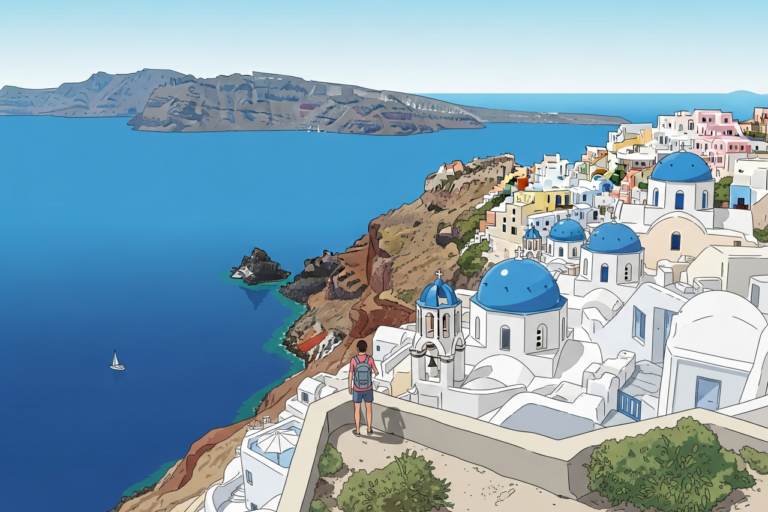
Key Highlights
-
Greece has a lower cost of living. The price of things you need every day and rent is a lot less than in New Zealand and much of Western Europe.
-
The country has a great Mediterranean climate. You will get hot, dry summers and mild, wet winters, making it good for spending time outside.
-
People moving here will find a rich culture. Life is built on strong sense of community, family ties, and great food.
-
If you are from New Zealand and want to stay for more than 90 days, you need a residence permit. You can look at options like the Golden Visa or the Digital Nomad Visa.
-
Life here is a big reason many come, but dealing with the paperwork, the public system, and the job market can be hard for new people.
Introduction
Have you ever wanted to swap your regular day for life on sunny islands with ancient sites all around you? Moving to Greece from New Zealand is more than just seeing new places. You will find a whole new way of life. The cost of living there is usually lower. You can enjoy Greek cuisine every day, and life moves more slowly. You will have to get to know things like visas and the public healthcare system. But, the rewards of this adventure in the Mediterranean are big.
An Overview of Life in Greece for New Zealanders
Life in Greece for Kiwis is full of excitement and history. Each day, you might see ancient ruins in the morning. Later in the day, you could sit and have coffee in a busy city square. The Greek people are friendly and welcoming. This helps you feel at home in their community.
It is helpful to learn some of the Greek language. But you don’t have to worry if you do not know much. Many people speak English, especially in the major cities and places where tourists go. You will also find good public transport. There are excellent international schools and the quality of life is high. Family, food, and taking it easy are important parts of daily life for everyone here.
Now, let’s see what the top attractions and differences are.
Key Differences Between Greece and New Zealand
Life in Greece is much more relaxed than New Zealand. People there move at a slower pace. The way of life puts the focus on being close to family and the whole community. You will notice Greek citizens care more about catching up with others than sticking to a busy schedule. Many people find this change to be good. Another thing that stands out is the weather. There are hot, dry summers and the winters can be mild with wet days. Because of this, most people spend a lot of time outside.
If you look at the cost of living, Greece is often cheaper. This is great for many people who move there from other places. Still, there are some hard parts. If you need to use public services, you might find the process tough at times. The public healthcare system is open for you to use. But many expats pick private healthcare to get seen quicker.
Getting work is not always easy, mostly if you can’t speak Greek. The job market is better in tourism, but in most other jobs people have to compete a lot. Before you make this place your home, it’s good to know both sides. This will help you enjoy the way of life, the public healthcare, and all Greece gives you.
What Attracts Kiwis to Greece?
One reason many New Zealanders love Greece is the great quality of life there. The Mediterranean climate brings long hours of sunshine. This means you can spend more time outside and be more active. With the slower pace of life, Greece is a top spot if you want to stay away from busy city living.
The rich culture is a big part of what draws people in. You can visit ancient ruins that the world knows about. You can also try greek cuisine, with fresh food and special dishes from each area. A lot of people say the food alone is enough to make them love Greece.
The beautiful scenery, friendly people, and laidback style put it all together. Kiwis who want more sunshine and less stress can find what they are looking for. For retirement or if you want a new start for the long term, Greece is a top choice.
Pros and Cons of Living in Greece as a New Zealander
Living in Greece can give you a great way of life. The low cost of living means you can save money on many things, and there is also affordable real estate. All of this helps you have a good quality of life for less money than you would spend in other places.
But, there are some things you should know. Dealing with the public system can take time and sometimes make you feel impatient, especially with rules and public healthcare. Public transport works well in the big cities. In rural areas, though, you might not have as many options to get around. When you know the good and the bad, you can get ready for your new life there.
Top Benefits: Climate, Cost of Living, and Community
One of the best things about living in Greece is the great way of life you get there. The country’s affordability helps the money you have go further, especially for things like everyday costs and rent. This is good news for people moving from New Zealand because the cost of living is much lower.
The Greek people are known to be welcoming. There is a strong sense of community and it’s easy to feel at home. This social connection is a big part of life over there. The main benefits of living in Greece are:
-
Mediterranean Climate: You get more than 3,000 hours of sunshine each year. There are long, warm summers and mild winters. This is great for people who want to be outside most of the time.
-
Low Cost of Living: Greece is one of the most affordable countries in Europe. Prices for food, transport, and rent are much lower than what you find in New Zealand.
It does not matter if you want to live in a busy city or a quiet village. You will find this mix of good weather, friendly Greek people, strong community feeling, and lower expenses gives you a high quality of life.
Common Challenges: Language, Bureaucracy, and Job Market
Living in Greece is great for many because of the nice lifestyle, but people who move here do come across some common problems. The Greek language can hold you back a bit. While you will hear English in places with lots of visitors, you will find it much easier to get through daily life and deal with important issues if you learn some Greek.
Doing things with the public system here can be slow and complicated. For example, setting up things like power or getting the papers you need can take time and often tests your patience. These things make many new people feel annoyed and stuck.
The main things that can be hard are:
-
Bureaucracy: The public system is often tricky and things move at a slow pace. You need to keep at it with things like getting residency papers and signing up for services.
-
Job Market: Finding a job isn’t easy, more so if you don’t speak Greek. The job market in Greece is tight, and most people get paid less than they would back in New Zealand.
If you know about these problems before you go, you will be better set up for life. Taking Greek classes and talking with people who have been through it can help you deal with these things in a good way.
Everyday Life in Greece for Expats
Your daily life in Greece will let you enjoy and take in Greek culture. You will often start your day at a market in the morning, where you can buy fresh fruit, vegetables, and olive oil. After that, you might sit down for a slow coffee. In the afternoon, things can get more quiet, mainly in smaller towns, because many shops close for a few hours.
If you have a family, you will find good international schools in major cities. This makes it easy for your children to keep learning without any trouble. You will also need some time to get used to how public services work in Greece. The daily life is calm, and it focuses on friends, family, and enjoying the simple things. Let’s take a look at what you can expect from the culture and what you need for each day.
What to Expect from Greek Culture and Lifestyle
Greek culture is all about a strong sense of community and family. It is normal to say hello to people you do not know in the street. You might also get invited for a coffee by someone you have just met. This kind and open way of life helps people from other places feel at home and part of daily life very fast.
The pace of life in Greece is slower and more relaxed than in New Zealand. People take time for a “messimeri,” which is a quiet part of the day in the afternoon. Shops often close and many take a break or have a rest. This shows you to slow down, take it easy, and get used to a different pace of life.
Food is at the heart of what people do each day in Greece. Greek cuisine is not just about taverna food, but all sorts of fresh local meals and special things from each area. The way of life brings people together over food, with family and friends close by. This makes your every day full, rich, and good in so many ways.
Navigating Daily Essentials: Shopping, Food, and Social Life
Getting your daily needs in Greece can be quite an experience. You can find big supermarkets where you do your usual shopping. But the weekly farmers’ markets, called ‘laiki agora,’ really are the heart of the community. Here, you can get fresh, local food. You can also practise your Greek and chat with the people at the stalls.
You will make new friends, and your social life will be good. The Greek people are known for being very warm and friendly. Sharing a meal is the way many people connect. Eating Greek cuisine at a local taverna is a great way to meet people and enjoy the culture.
When you need to get around, most major cities have good public transport. But if you want to live in rural areas, a car can be needed. If you have children, there are excellent international schools in the big cities. When you take on these daily activities, you will start to feel more at home in Greece.
A Beginner’s Guide: Moving to Greece from New Zealand
Moving to Greece from New Zealand takes a bit of planning. Kiwis are not EU citizens, so you have to make sure you get the right visa. You also need a residence permit if you will be in Greece for more than 90 days. The Greek government has different types of visas for people with different needs.
Some of the popular choices are the golden visa, which you get by buying real estate, and the digital nomad visa. The digital nomad visa is for remote workers. It is important to know what each visa needs so you can pick the best one for you. Here are some things you will need to get going.
What You’ll Need to Get Started: Visas, Documents, and Finances
To start your move, the first thing you need to do is make sure your legal status is clear. If you are from New Zealand, you have to apply for a long-stay visa and a residence permit. The Greek government now has a few ways to welcome more foreign residents. They set these up after the financial crisis.
You will have to get a few different papers together, like your valid passport, proof that you have money or can support yourself, and health insurance. What you need can change, depending on which visa you go for. The main visa choices for people from New Zealand are:
-
Golden Visa: You can get a five-year residence permit if you invest the right amount in real estate.
-
Digital Nomad Visa: Made for remote workers who can show they have a steady income from outside Greece.
-
Financially Independent Person Visa: This one is for people who have enough money to support themselves in Greece without working there.
It’s a good idea to start looking into all of this early. Sorting out paperwork can take time. Getting your finances sorted is a key first step.
Step-by-Step Process for a Smooth Move
Moving to Greece can be easy if you follow some clear steps. It’s good to plan early so you don’t get stressed and you make sure you have all you need before you go. First, you need to pick the best way for you to get residency, like the golden visa or digital nomad visa.
Once you know which visa you need, you can start getting ready for your move. You will have to find a place to stay, either to rent or buy real estate. If you stay calm and take it one step at a time, things will go well. The main steps are:
-
Research and apply for the right visa, for example the Greek Golden Visa or Digital Nomad Visa.
-
Find and lock in where you want to live, in the city or region you choose.
-
Register with local people in charge and set up things you need, like a bank account.
-
Sort out healthcare and start to feel at home in your new place.
If you follow these steps, you will find it easier to get your residency and start your new life in Greece. You can feel good and sure about your move.
Step 1: Research Residency and Visa Options
The first thing you need to do is look up the different types of visas the Greek government gives to people who are not EU nationals. If you are from New Zealand, you will not get the same rights as eu nationals. This means you have to get a residence permit if you want to stay in Greece for more than 90 days. There are a few ways the greek government makes this possible.
One of the main ways is the golden visa program. This lets you get a five-year residence permit if you invest in real estate in Greece. The amount you need to spend will change depending on where you want to buy real estate. Another common choice is the digital nomad visa. This is for people who do their job online for a company that is not in Greece.
The greek government also has a visa for people who are financially independent. This is for anyone who can show they have enough money to live in Greece without having to work. Make sure you look closely at what you need for each option. You can find this information on official Greek government websites. If you are unsure, you could also talk to an immigration lawyer to help you figure out which visa is best for you.
Step 2: Find Accommodation and Secure Housing
Once you have your visa sorted, the next thing is to look for a place to live. In Greece, you can pick from lots of housing options. There are modern apartments in the city centre, and you can also find houses in smaller towns or out in the countryside. What you choose will depend on your budget and how you want to live.
Renting is a good idea when you first arrive. It gives you the freedom to check out different areas before you buy a place. The real estate prices in Greece are usually lower than in New Zealand, mainly if you stay away from major cities like Athens or the busy tourist islands.
Think about if you like the busy city life or want something quieter in the countryside. Many people from overseas like to live on the islands or in coastal towns. Others choose big cities such as Athens or Thessaloniki because it’s easy to get around. You can start looking at places online using real estate websites. Still, it’s always best to go and see the properties in person before you make your final choice.
Step 3: Register with Local Authorities and Set Up Essentials
When you get to Greece and find a place to stay, you need to sign up with the local authorities. The first thing you must do is get a tax number. In Greece, this is called an AFM. You need the AFM to open a bank account or sign a lease, so it is very important.
After this, you should open a Greek bank account. You need this to handle your money and pay for public services like water and electricity. You will need your AFM number, your passport, and something that shows your address. There might be some delays in this part, so be ready.
If you want to work or use the public healthcare system, you must also get a social security number, called an AMKA. This number lets you connect with the Greek government and use different services such as public healthcare and social security. Sorting out these things early will help you settle in a lot more easily.
Step 4: Access Healthcare, Banking, and Settle In
Once you finish your first set of paperwork, you can start to get things ready for your daily life. One big thing to sort out is your healthcare. The Greek healthcare system has both public healthcare and private health insurance. To get public healthcare, you need a social security number (AMKA) and you have to sign up for public insurance.
Many people from other countries also get private health insurance. This gives you the choice to go to private hospitals or clinics. You will often get seen faster and you may find more staff who speak English. It is smart to sort this out, especially when you are new.
When your banking and health insurance are taken care of, you can get to know your new home. Go for a walk and see your neighbourhood, look for a local café that you like, and meet people in the area. This is when you begin to feel at home in Greece.
Housing in Greece: Finding Your New Home
Finding your dream home in Greece can be a fun and new start. The real estate market has a lot to give, like flats in major cities such as Athens or nice villas in rural areas and on the islands. If you like the fast pace of life in a big city or want a quiet place to rest, you will find good options.
The best places to live in Greece will depend on what you want in your lifestyle and community. Some people like to live in big cities because they have many shops and other things close by. Others may want the slow life in rural areas where things are more calm and old style. You can choose to rent or buy in these places, and many expats like both. Now let’s look more at renting or buying, and the best places for expats.
Renting vs Buying: Options for New Zealanders
Deciding whether to rent or buy a place is a big step when you move to Greece. Renting is usually the easiest way to begin. It gives you the choice to find out what an area is like before you make a big decision for the long term. In bigger towns and cities, it is not hard to find a place to rent.
But buying real estate can look good, too, if you want to stay for a long time. Property prices are lower when you compare them to New Zealand. If you own a house there, it might help you get permanent residency in Greece with things like the golden visa programme.
It does not matter if you want an apartment in a city or a house in one of the smaller towns. You have a lot of options to look at. For Kiwis who want to make Greece home, buying can be a smart move. But renting is a safe way to take your time and find a place you really like in Greece.
Popular Cities and Regions for Expats
Greece is known for having many great places that expats love. Each place has something special to offer. The best places to live will really depend on what you want. You might be looking for the fun of big cities, the peace of life by the sea on an island, or the quiet of the countryside.
If you want to be close to culture and have things at hand, the major cities are good. A lot of digital nomads love these city areas because it is easy to get what you need. These spots also have good links for getting around and staying in touch with others. Here are some of the best places that people talk about:
-
Athens: This is the capital city. It has old history and a busy city feel at the same time. You will find good ways to get around the city, and there are many people from other countries here.
-
Crete: This is the biggest Greek island. There are many different places to see and the beaches are nice. People also come for the strong local life and culture. It almost feels like a small country.
-
Corfu: There is lots of green here and old buildings with a special look. Life on this island moves slower, and a lot of people enjoy that.
Some people also like the Peloponnese peninsula because of its very old buildings and countryside feel. There are other little islands too, such as Rhodes, which has a world-famous old town.
These options show why Greece
Understanding the Cost of Living in Greece
One big reason people move to Greece is the low cost of living. The money you spend goes a lot further than in New Zealand. You will pay less for things like food, public transport, and power. This helps you enjoy a comfortable life without spending a lot.
You also spend less on finding a place to live. It is cheaper to rent an apartment or buy a house. Costs may go up in busy tourist spots, but most places are still affordable for people moving from other countries. Let’s look at what you pay each month for homes and see how Greece stacks up against other countries.
Typical Monthly Expenses: Housing, Food, Utilities
The cost of living in Greece is very reasonable, especially outside of Athens and popular islands. A single person can live comfortably on around $2,500 per month, while a couple could manage well on less than $3,500. This budget covers housing, utilities, food, and entertainment.
Your biggest expense will likely be housing, but rent is significantly cheaper than in many other Western countries. Food costs can be kept low by shopping at local markets, and utilities are also affordable.
Here’s a rough idea of monthly expenses for a single person living outside of a major tourist hub. Of course, costs will vary for family members depending on lifestyle and location.
|
Expense Category |
Estimated Monthly Cost (NZD) |
|---|---|
|
Rent (1-bedroom) |
$700 – $1,100 |
|
Utilities |
$200 – $350 |
|
Food & Groceries |
$400 – $600 |
|
Public Transport |
$50 – $80 |
|
Entertainment |
$300 – $500 |
How Greece Compares to Other European Countries
When you look at the cost of living in Greece, it is much lower than in many places in western Europe like the UK, France, or Germany. This country’s affordability draws in expats and retirees who want their money to last longer when they move here.
You will see that Greece is easier on the wallet in almost every way, including housing, food, and transport. While public services may not run as smoothly as in some other European nations, the financial burden is much less and you still get a good quality of life.
Even if you compare Greece to southern European countries like Spain or Portugal, its costs are often lower. With this mix of low expenses and the lovely Mediterranean lifestyle, many people pick Greece as their top choice when they want to move in Europe.
Healthcare in Greece for New Zealand Citizens
When you move to a new country, it’s important to know about the healthcare system. In Greece, you get medical care from both public healthcare and private healthcare services. If you are from New Zealand, you will need to know how to use the system. Usually, this means you should have the right health insurance.
Many people from other countries pay into social insurance. This helps them use the public healthcare. Some people also get private healthcare cover if they want more for their medical care. Most of the time, the care is good, especially in the big cities. Here, we will see the difference between public and private options and find out how you can use them.
Public vs Private Healthcare Options
Greece has both public healthcare and private healthcare, so you can pick between the two. The public healthcare system is for people who pay into social security. Everyone gets free emergency care in the public system, but there can be long waits. The public healthcare system may also have a lot of paperwork.
Many expats choose private healthcare because it’s quicker and more comfortable. Private hospitals and clinics have shorter waiting times and more staff who speak English. You get better care and can see specialists faster.
To go to private hospitals, you have to have private health insurance. The public system is there if you need it, but having health insurance for private healthcare is a good idea, especially for people coming from other countries. It helps you get care quickly and gives you peace of mind.
How to Access Medical Services as an Expat
To use public healthcare in Greece, you will have to get a social security number (AMKA). If you work in Greece, your boss will usually help you sign up, and money for healthcare is taken straight from your pay. When you get your AMKA, you can use the national health system.
But many people coming from New Zealand will need to get private health insurance before they go to Greece. Most of the time, you must have private health insurance if you are applying for a visa. This helps you be covered from the first day you arrive. The right private insurance plan will pay for doctor visits, hospital stays, and specialist care.
When you have private insurance, you can choose to see any doctor or hospital in the network that comes with your plan. There are lots of pharmacies in Greece. Pharmacists can help with small health problems, so you can ask them questions too. Make sure you always bring your health insurance information with you when you go for medical help.
Working and Earning in Greece
Looking for work in Greece can be tough. The job market is busy, and the country is still getting back on track after the financial crisis. If you don’t have specialised skills or want to work in tourism, you will usually need to speak Greek and get a work permit from a Greek boss. But things are changing now, and the rise of remote work is opening more doors for people who want to move to Greece.
For remote workers, the digital nomad visa is a great choice. With this visa, you can live in Greece and keep working for a company in another country. You still get the Greek way of life and keep your pay from your job overseas. This means you do not need to join the normal job market in Greece. That’s why a lot of Kiwis choose this way to live and work.
Finding a Job or Working Remotely
For Kiwis who want to get a job in the Greek job market, things can be tough. You will need a work permit. A local employer has to sponsor you for it. Getting this done can take a lot of time, and there is a lot of competition for jobs. This is even more true for jobs outside tourism, which are very sought after.
For many people, a much easier way is to work remotely. Greece now makes it easier for remote workers by offering a digital nomad visa. With this, you can stay in the country for up to two years. There is a chance to renew it, too, if you want more time. You can keep working for your job overseas while being in Greece.
The digital nomad visa is good if you can do your job online. You get to enjoy life in Greece. You can even look into real estate there if you want. You also don’t have to deal with the local job market and its hard rules. This is a good way to keep your work going while having the life you always wanted in the Mediterranean.
Key Tips for Navigating the Greek Job Market
If you are keen to get a job in the Greek job market, there are some steps that can help you. One of the most important things is to learn the Greek language. In the tourism sector, people use English quite a lot, but most jobs in other areas use Greek. If you speak Greek, you will stand out more as a candidate.
It is also good to build your network. Many jobs are given to people through personal connections instead of being advertised. Go to industry events, reach out to people online, and let your friends know that you are looking for a job. If you look in the major cities like Athens and Thessaloniki, you will find more chances.
Be ready for your job search to take some time. You may have to be open to different kinds of roles. There are often seasonal jobs in tourism and hospitality. If you have skills in tech or other popular fields, that will help you in this job market.
Conclusion
Living in Greece is an adventure. The country has rich culture, great views, and a way of life many New Zealanders like. If you learn about daily life there, it helps you settle in quicker. You need to know about the cost of living and how to get used to local ways. This makes the move much easier.
There are some hard parts, too. For example, the language can be a bit tough. There are also some rules that may seem tricky at first. But the sunny weather and friendly people make up for it. You get to be part of a lively community.
No matter if you plan to stay for good or stay for a long while, living the Greek way can be very special. If you want help with your move, don’t wait to ask for support.
Frequently Asked Questions
Is Greece a good place to retire from New Zealand?
Yes, Greece is a great place to retire. The cost of living there is low. The warm weather and easy way of life make it very nice. You can get into the healthcare system if you have the right insurance. If you want to stay for good, there are options for permanent residency. The low cost and good quality of life make Greece a top pick.
How easy is it to adapt to Greek life as a New Zealander?
It is usually easy to fit in because people are friendly. It helps to learn some greek language, but you can use English in many places. When you get used to the slower pace of daily life, enjoy some greek cuisine, and join in with people, you will feel at home soon.
What do most expats wish they knew before moving?
A lot of expats say they wish they were ready for all the rules and paperwork when they start a new life. It helps to know about the public healthcare system and how hard it can be to find a job before you move. The cost of living is low, but you need to be patient when you deal with office work and forms.
Can I bring my family and pets when relocating to Greece?
Yes, you can bring your family members and pets. Most of the time, you can put family members on your residence permit application. You will need to get health insurance for everyone. Make sure to check the rules before you bring pets. In major cities, there are good international schools for children. This can help make things easier for your whole family.